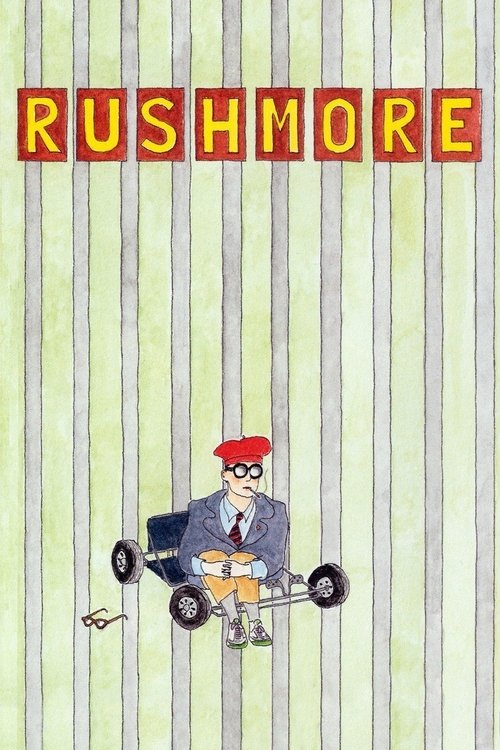
Rushmore
Wes Anderson's 1998 cinematic gem, "Rushmore," is a quirky coming-of-age story that perfectly blends humor, heart, and the pangs of unrequited love, setting a new standard for independent cinema. This meticulously crafted film captures the eccentricities of adolescence and unlikely friendships, making it a timeless indie classic. Discover the film that solidified Wes Anderson's unique directorial vision and continues to charm audiences worldwide.
Director
Release Year
1998
Runtime
93 minutes
Main Cast
Jason Schwartzman, Bill Murray, Olivia Williams, Seymour Cassel, Brian Cox
About Rushmore
Wes Anderson’s "Rushmore" arrived in 1998 as a breath of fresh air, cementing the director’s distinctive aesthetic and narrative style. The film quickly garnered critical acclaim for its idiosyncratic characters, meticulously designed sets, and a soundtrack that became as iconic as the film itself. It's widely considered a pivotal work in the independent film movement of the late 90s, influencing a generation of filmmakers and solidifying Anderson's status as an auteur.
At its core, "Rushmore" tells the story of Max Fischer, an ambitious and eccentric teenager at the prestigious Rushmore Academy, who excels at extracurriculars but not academics. His world is turned upside down by his infatuation with Rosemary Cross, a first-grade teacher, and his unlikely friendship with Herman Blume, a disillusioned industrialist. The film navigates the complexities of youthful ambition, mentorship, and the messy realities of adult relationships, all filtered through Anderson’s signature whimsical lens.
The film received widespread critical praise for its sharp screenplay, memorable performances (particularly from Jason Schwartzman in his debut and Bill Murray in a career-redefining role), and its unique visual flair. "Rushmore" was nominated for numerous awards, including a Golden Globe for Best Supporting Actor for Bill Murray. Its impact extended beyond awards, influencing popular culture with its distinct visual language and unconventional storytelling, proving that indie films could resonate with a broad audience.
The legacy of "Rushmore" endures as a testament to the power of original storytelling and character-driven narratives. It remains a beloved cult classic, continuously discovered by new audiences who appreciate its blend of humor, melancholy, and undeniable charm. The film’s exploration of finding one's place, navigating rejection, and the bonds of unlikely friendships continues to resonate, making it a foundational piece in Wes Anderson’s acclaimed filmography and a significant cultural touchstone.
Drafts Featuring Rushmore
Every SnakeDrafts listicle where this movie appears
The Best Luke Wilson Movies Ranked
Ranked #5
The Best Bill Murray Movies Ranked
Ranked #6
The Best Brian Cox Movies Ranked by Performance and Impact
Ranked #13
Best Movies Directed by Wes Anderson
Ranked #6
The Definitive Ranking of Comedy Movies
Ranked #52
Top Jason Schwartzman Movies Ranked
Ranked #1
Best 1998 Movies of All Time
Ranked #6
The Greatest 1990s Comedy Movies Ranked
Ranked #26
A Ranking of Olivia Williams's Best Movies
Ranked #3
Similar Movies
Movies related to Rushmore
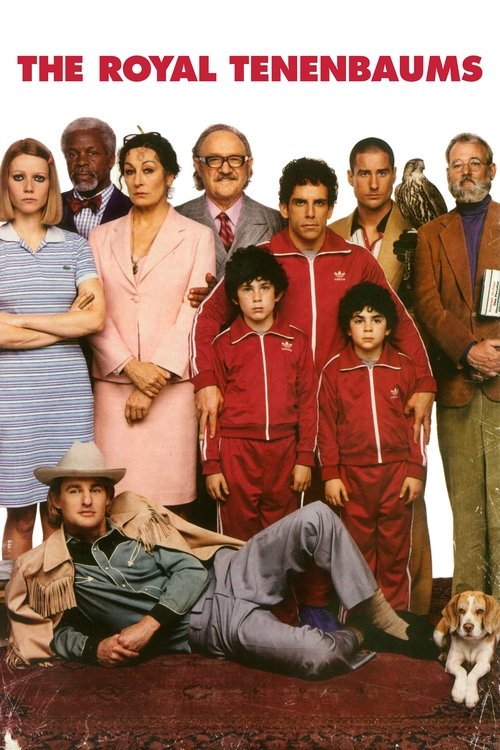
The Royal Tenenbaums
2001
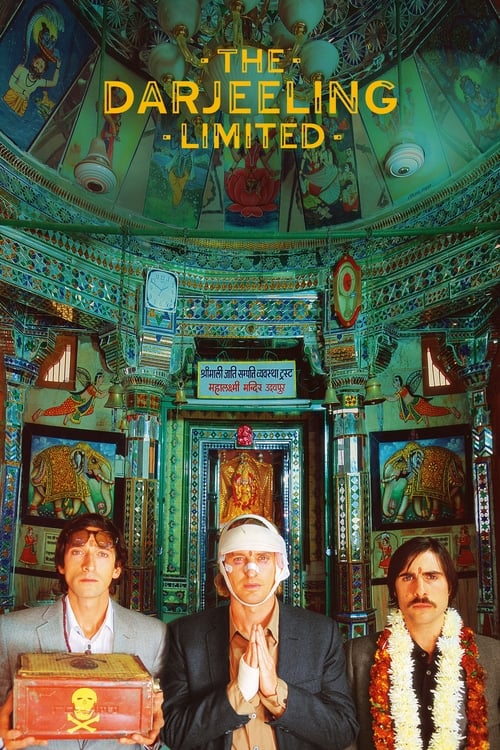
The Darjeeling Limited
2007
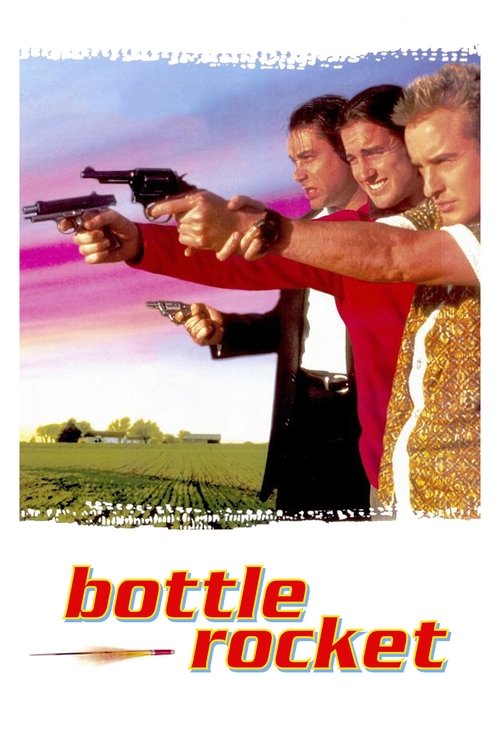
Bottle Rocket
1996
Eternal Sunshine of the Spotless Mind
2004
Moonrise Kingdom
2012
Frequently Asked Questions
Everything you need to know about Rushmore
- Max’s extensive involvement in a multitude of extracurriculars at Rushmore Academy serves as a coping mechanism and a way to assert his identity and importance. Despite his poor academic performance, these activities showcase his boundless ambition, creativity, and leadership, highlighting his unique but often misguided genius.
- Herman Blume, initially a successful but melancholic industrialist, finds a sense of renewed purpose and companionship through his unlikely friendship with Max. His arc explores themes of mid-life disillusionment, the search for meaning beyond material success, and the unexpected places where one can find connection and inspiration.
- Rosemary Cross becomes the object of both Max’s and Herman’s affections, inadvertently catalyzing the film’s central conflict and driving a wedge between the two friends. Her presence illuminates the protagonists' desires for connection and validation, and her gentle but firm rejections force Max to mature and re-evaluate his approach to relationships.
- The ending of "Rushmore" symbolizes Max's growth and coming-of-age as he finally accepts reality and finds a more grounded way to express himself through his play. His final curtain call, with an appreciative Rosemary and Herman in the audience, signifies his ultimate success in finding acceptance and his true artistic voice, moving beyond his earlier, more self-serving ambitions.
- The meticulously curated soundtrack of "Rushmore," featuring a collection of British Invasion-era rock and pop, acts as a pivotal narrative device. It not only sets the whimsical, melancholic tone but also serves as an emotional shorthand, deepening character insights and amplifying the film's quirky charm, making the music an integral part of the storytelling experience.

