The Ultimate Jim Jarmusch Movie Rankings
The Definitive Guide to Indie Cinema's Coolest Auteur
Discover the essential films of Jim Jarmusch, from his early minimalist masterpieces to his stylish genre-bending cult classics and poetic dramas.
About Jim Jarmusch
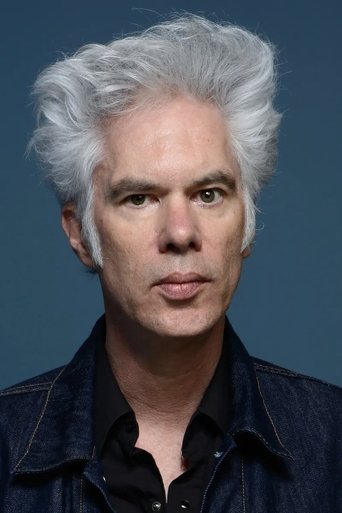
In a landscape of loud blockbusters and precision-engineered dramas, Jim Jarmusch remains the ultimate guardian of the cool and the quiet. To watch one of his films is to step into a world where narrative urgency is traded for the rhythm of a backbeat and the profound poetry found in a shared silce. He is the poet laureate of the American indie, a filmmaker who prioritizes the texture of a conversation over the mechanics of a plot. From the moment he captured the drifting malaise of three young people in Stranger Than Paradise, it was clear that his lens was trained on the margins of society, finding majesty in the mundane and the discarded.
His cinema operates on a specific frequency that merges high art with low culture. He might give us a meditative hitman living by an ancient code in Ghost Dog: The Way of the Samurai or depressed vampire musicians drifting through a decaying Detroit in Only Lovers Left Alive, but these genre trappings are merely vessels for his singular worldview. He views the world as a vast, interconnected web of coincidences and cultural detritus. In Mystery Train and Night on Earth, he masterfully weaves together disparate lives, using the shared geography of a Memphis hotel or different global taxicabs to show how strangers are linked by the mere act of existing at the same time.
Style, for this director, is not a costume but an ethos. His frames are often still, allowing the audience to soak in the atmosphere of a room or the desolation of a landscape. Dead Man serves as a haunting example of this, stripping the Western of its triumphalism and replacing it with a psychedelic, monochromatic drift toward the end of a life. He finds the humor in the awkward gaps between words, a talent that reached its purest form in the episodic charm of Coffee and Cigarettes. It is a cinema of observation, where the simple act of a bus driver writing poetry in Paterson feels as epic and meaningful as any traditional thriller.
Even when he flirts with larger ensembles or recognizable stars, he never surrenders his signature deadpan. Broken Flowers allowed for a dry, melancholic exploration of regret, while the late-career pivot into the zombie genre with The Dead Don't Die maintained his trademark dry wit even amidst an apocalypse. He remains stubbornly unconcerned with traditional pacing, preferring the hypnotic crawl of The Limits of Control over anything resembling a chase sequence. By leaning into the pauses and the smoke breaks of life, he has built a creative legacy that honors the beauty of the detour. He teaches us that the story is not what happens at the finish line, but what we talk about while we are waiting for the bus to arrive.
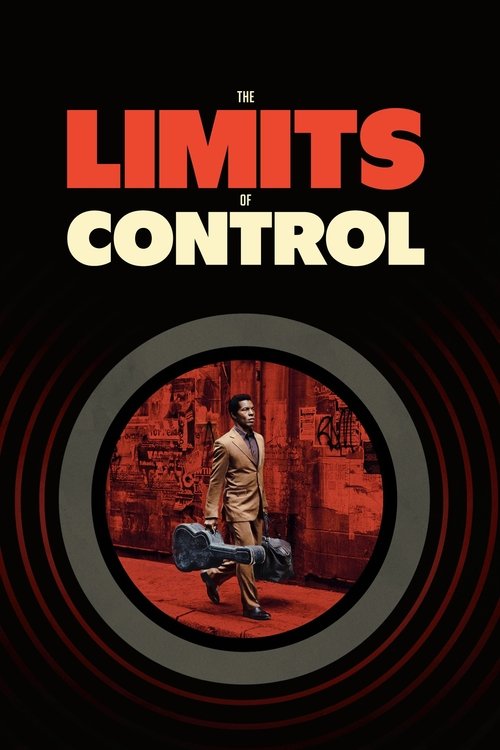
The Limits of Control
2009A mysterious stranger works outside the law and keeps his objectives hidden, trusting no one. While his demeanor is paradoxically focused and dreamlike all at once, he embarks on a journey that not only takes him across Spain, but also through his own consciousness.
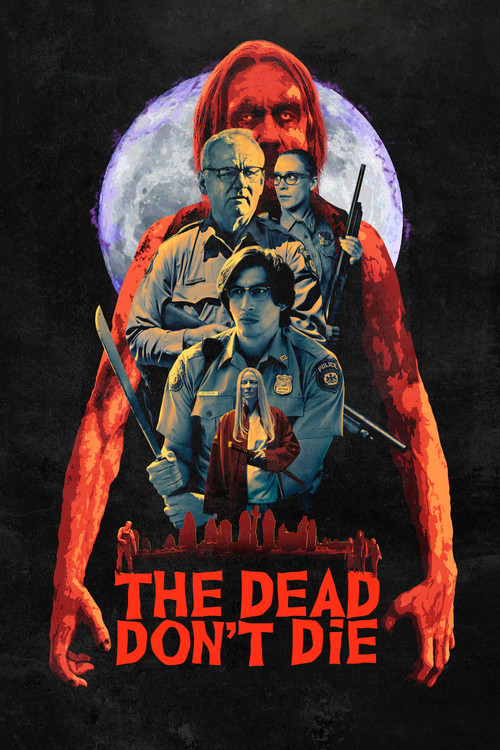
The Dead Don't Die
2019In the sleepy town of Centerville, the lives of a number of interconnected characters are disrupted by the undead.
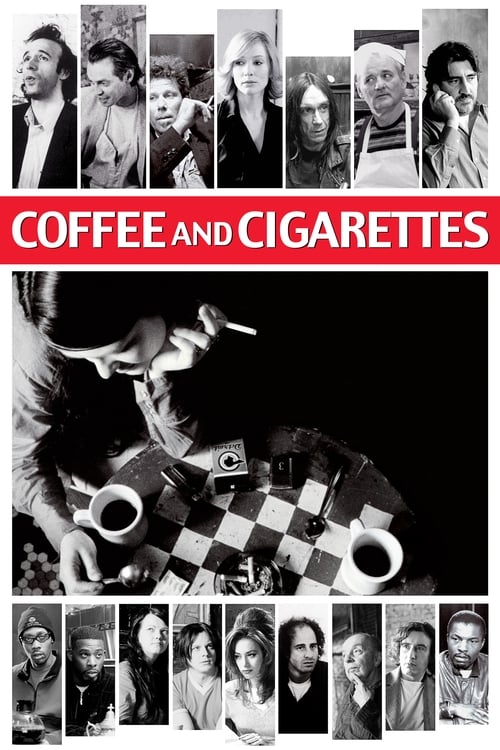
Coffee and Cigarettes
2004An anthology of eleven vignettes featuring star-studded casts of extremely unique individuals who all share the common activities of conversing while drinking coffee and smoking cigarettes.
This collection of black-and-white sketches serves as a pure distillation of Jarmusch’s fascination with the mundane rituals of conversation. By focusing on the nervous energy of small talk and minor vices, the film captures the rhythmic musicality of awkwardness that defines all human interaction.
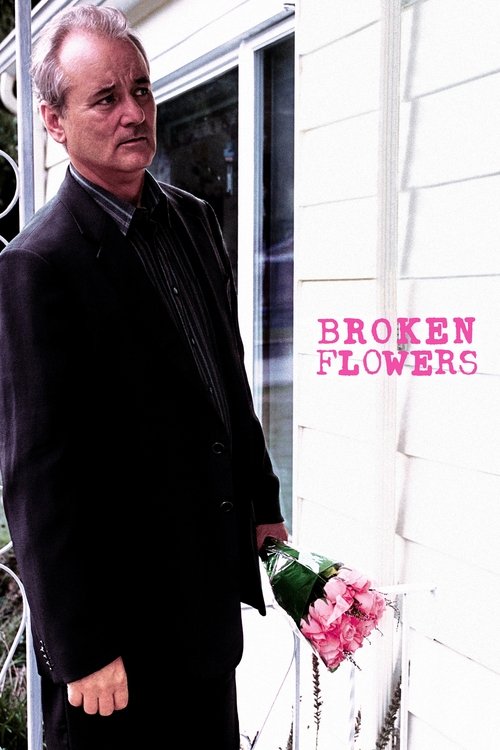
Broken Flowers
2005Introverted Don Johnston receives an anonymous letter from an ex-lover informing him that he has a son who may be looking for him. A freelance sleuth neighbor motivates Don to embark on a cross-country search for his past flames seeking answers.
A restrained, episodic road movie that subverts the typical quest for closure by favoring ambiguity and missed connections. The director uses the protagonist’s emotional inertia to examine the ghosts of past identities, creating a poignant study of regret that avoids easy sentimentality.
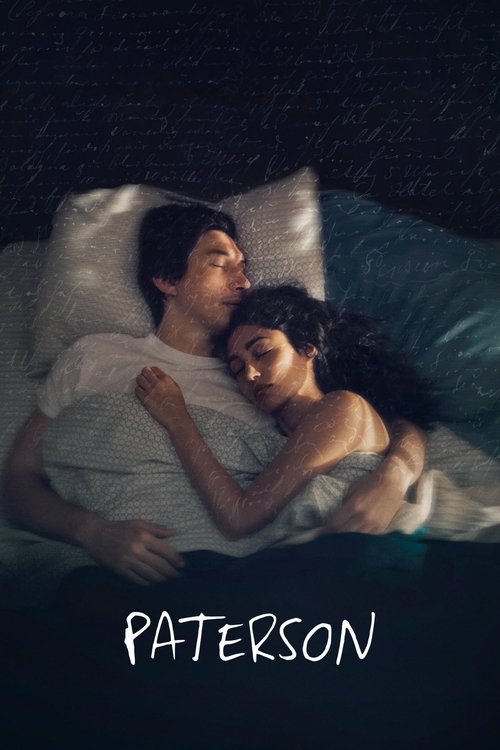
Paterson
2016A week in the life of Paterson, a poet bus driver, and his wife Laura, a very creative artist, who live in Paterson, New Jersey, hometown of many famous poets and artists.
Rejecting the need for dramatic conflict, this quiet triumph finds the sublime within the repetitive machinery of a blue-collar life. It is Jarmusch’s most gentle work, asserting that the act of observation and the private rhythm of poetry are enough to sustain a meaningful existence.
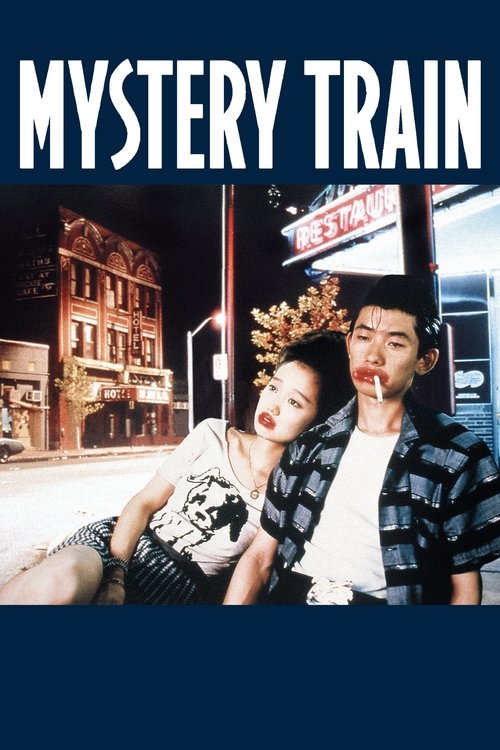
Mystery Train
1989In Memphis, Tennessee, over the course of a single night, the Arcade Hotel, run by an eccentric night clerk and a clueless bellboy, is visited by a young Japanese couple traveling in search of the roots of rock; an Italian woman in mourning who stumbles upon a fleeing charlatan girl; and a comical trio of accidental thieves looking for a place to hide.
An interlocking triptych that treats the mythology of Elvis and the city of Memphis as a sacred, crumbling playground for international travelers. Through its synchronized chronology, the film explores how different cultures project their own fantasies onto the relics of American pop history.
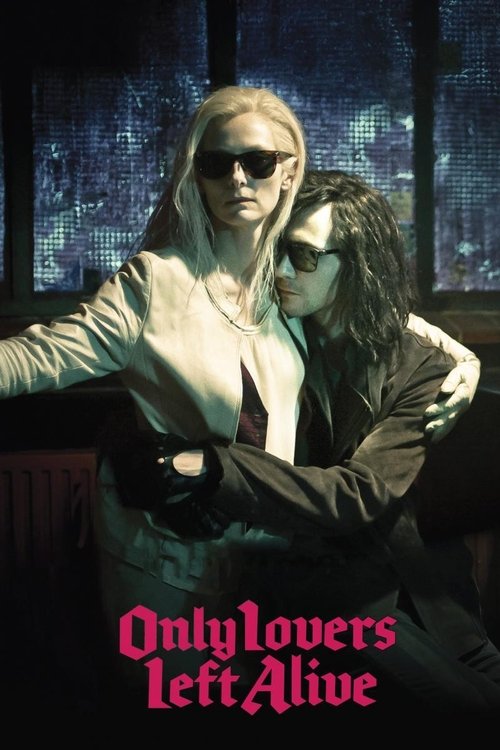
Only Lovers Left Alive
2013A depressed musician reunites with his lover. However, their romance, already played over several centuries, is disrupted by the arrival of her uncontrollable younger sister.
The vampire myth is reimagined as a lush, melancholic celebration of high art and cultural preservation in the face of modern decay. Jarmusch utilizes the immortality of his protagonists to critique the cyclical nature of human folly, wrapping his cynicism in a velvet-draped, rock-and-roll atmosphere.
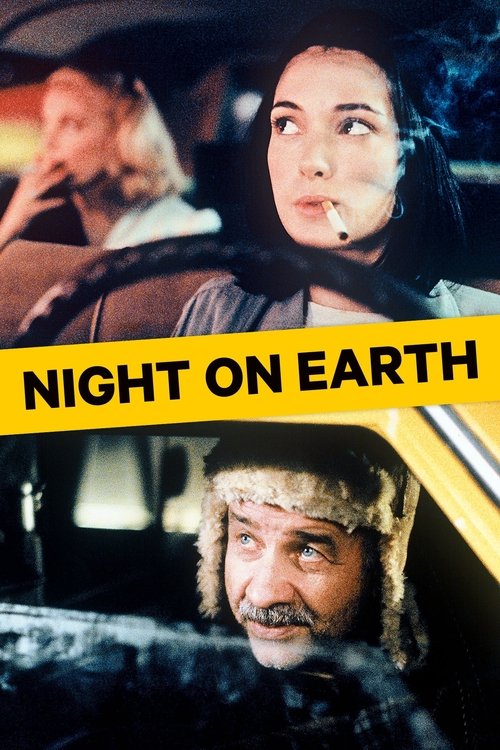
Night on Earth
1991A quintet of cabbies in five cities and their remarkable fares on the same eventful night.
A global anthology that elevates the transient space of the taxi cab into a theater of the human condition across five time zones. The film showcases Jarmusch's mastery of the short-form vignette, finding universal resonance in the fleeting, gritty intimacy of late-night encounters.
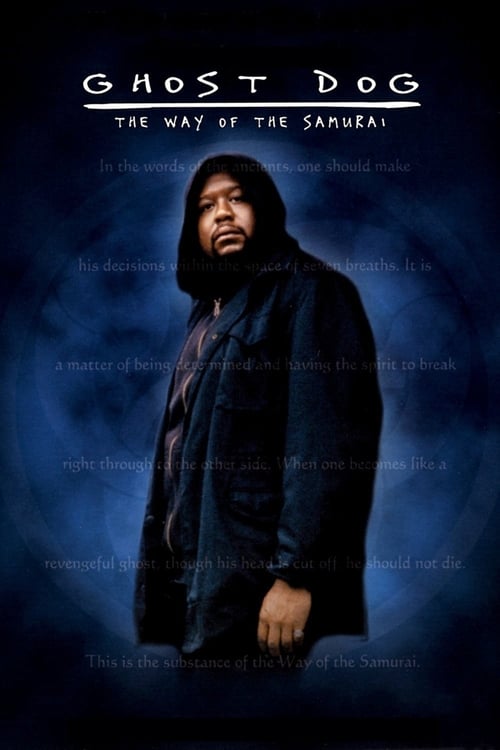
Ghost Dog: The Way of the Samurai
1999A Black hitman who models after the samurai of old finds himself targeted for death by the mob.
This audacious genre collision marries hip hop culture with the rigid ethics of the bushido code, resulting in an urban fable that feels both ancient and modern. By grounding a hitman’s journey in quiet contemplation rather than explosive action, Jarmusch crafts a singular meditation on loyalty and the inevitable obsolescence of old-world traditions.
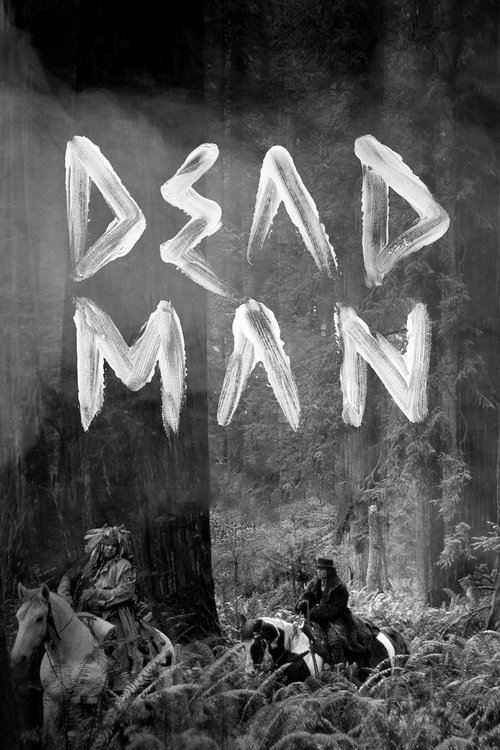
Dead Man
1995On the run after committing murder, an accountant encounters a strange Native American man who prepares him for his journey into the spiritual world.
A hallucinatory deconstruction of the Western genre that trades frontier heroism for a gritty, spiritual descent into the afterlife. Robby Müller’s high-contrast cinematography works in tandem with Neil Young’s jagged score to create a sensory experience that stands as the director's most ambitious philosophical statement.
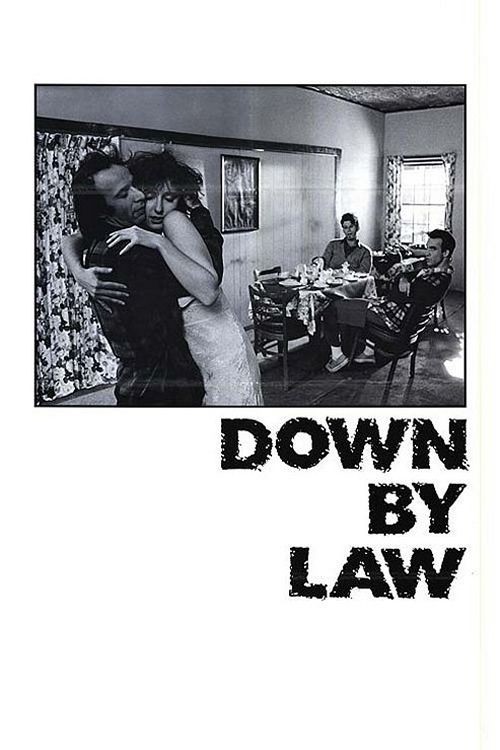
Down by Law
1986A disc jockey, a pimp and an Italian tourist escape from jail in New Orleans.
Blending the textures of a neo-noir fairy tale with the soulful atmosphere of a Louisiana swamp, this film formalizes Jarmusch’s obsession with mismatched loners trapped in beautiful, static frames. It remains his most charismatic exploration of linguistic friction and the serendipitous poetry of shared confinement.
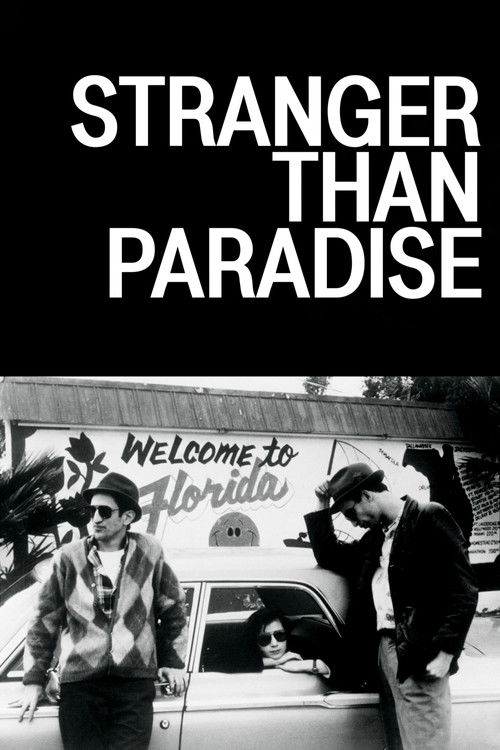
Stranger Than Paradise
1984New York layabout Willie forms an unexpected bond with his young Hungarian cousin Eva when she pays him a surprise visit. Later, Eva moves in with their aunt in Cleveland, and Willie takes his best friend Eddie to see her—a visit that culminates in a strange, eventful trip to Florida.
The definitive manifesto of American independent cinema, this understated masterpiece redefined the aesthetic of cool through its stark monochromatic palette and rhythmic deadpan pacing. Jarmusch captures the profound emptiness of the American landscape, proving that what is left unsaid carries more weight than any traditional narrative arc.
Frequently Asked Questions
Everything you need to know about this list and SnakeDrafts
- Jim Jarmusch's films often explore themes of existentialism, cultural dislocation, and the poetic rhythm of everyday life. Movies like "Dead Man" and "Ghost Dog: The Way of the Samurai" blend drama with fantasy or crime, highlighting identity and solitude in uniquely stylized ways.
- Jarmusch’s early films like "Stranger Than Paradise" and "Down by Law" are minimalist and focus on deadpan humor and sparse narrative, while his later works such as "Only Lovers Left Alive" and "Paterson" incorporate richer visual aesthetics and more complex character studies, maintaining his signature poetic and laid-back style.
- "Dead Man" stands out as a prime example of Jarmusch's genre-blending prowess, combining elements of western, fantasy, and drama. This film showcases his ability to fuse distinct styles to create atmospheric and thought-provoking cinema.
- Music plays a crucial role in Jarmusch’s films, often serving as an extension of the narrative’s rhythm and mood. For instance, "Ghost Dog: The Way of the Samurai" integrates hip-hop and samurai code motifs to deepen the film’s cultural fusion and tone.
- "Paterson" is distinctive for its intimate portrayal of everyday life and poetic embrace of routine, centering on a bus driver who is also a poet. The film's subtle blend of drama, comedy, and romance underscores Jarmusch’s gift for finding beauty in the mundane.
- Yes, Jarmusch frequently collaborates with actors like Bill Murray and musicians such as Tom Waits, both of whom appear in multiple films on this list like "Broken Flowers" and "Night on Earth." These collaborations contribute to the consistent tone and style across his work.
- Jarmusch’s films expertly weave deadpan humor with poignant drama, creating nuanced narratives that feel both light and emotionally resonant. Films like "Coffee and Cigarettes" and "Broken Flowers" exemplify this balance, utilizing quirky dialogue and character interactions to enrich the storytelling.