Every Tim Burton Movie Ranked
Master of Gothic Fantasy and Cinematic Whimsy
Explore the definitive ranking of Tim Burton's most iconic films, from gothic masterpieces to reimagined fairy tales and cult classics.
About Tim Burton

To walk into a Tim Burton film is to step into a suburban nightmare viewed through a stained-glass window. For over four decades, he has operated as the unofficial patron saint of the misunderstood, carving out a cinematic space where the morbid is beautiful and the normal is terrifying. His aesthetic is instantly recognizable, a jagged fusion of German Expressionism and 1950s kitsch that makes every frame feel like a sketch brought to life by a manic, ink-stained hand. While other filmmakers strive for realism, he builds worlds out of shadows, stripes, and spiraling landscapes, proving that the subconscious is far more interesting than anything found in the daylight.
The core of his vision rests on the lonely figure standing just outside the circle of society. We see this most poignantly in Edward Scissorhands, where the pastel sterility of the American dream provides a harsh backdrop for a gentle creature with blades for fingers. This fascination with the soulful monster defines his legacy. It is there in the stop-motion charm of his early short Vincent and the reanimated canine devotion of Frankenweenie. He finds dignity in the discarded, celebrating the enthusiasts and outcasts who refuse to fit into traditional molds.
Even when handed the keys to massive franchises, he never loses his idiosyncratic grip. His 1989 Batman and its operatic sequel Batman Returns stripped away the camp of previous iterations to reveal a hero fueled by internal fracture. He turned Gotham into a sprawling, gothic cathedral, a place where the villains felt more like tragic poets than mere criminals. This ability to inject blockbuster spectacle with a distinct, auteurist soul is what keeps his work feeling vital. Whether he is exploring the campy extraterrestrial chaos of Mars Attacks! or the fog-drenched slasher aesthetics of Sleepy Hollow, the atmosphere is so thick it becomes a character in its own right.
While critics occasionally point to his penchant for artifice, his most effective works pair his visual flair with deep emotional stakes. Ed Wood is a masterclass in this balance, serving as a black-and-white love letter to failed ambition and the sheer joy of creating art. In Big Fish, he swapped his trademark darkness for a vibrant, Southern Gothic palette to explore the tall tales that bridge the gap between fathers and sons. Even in his more recent ventures like Miss Peregrine's Home for Peculiar Children or Dark Shadows, the commitment to practical effects and tactile production design remains a defiant middle finger to the era of polished, digital perfection.
His longevity is cemented by his ability to revisit and reinvent his own mythology. With the arrival of Beetlejuice Beetlejuice, he returns to the manic, hand-crafted zaniness that first put him on the map with the 1988 original. It serves as a reminder that while he has ventured into the chocolate rivers of Charlie and the Chocolate Factory and the primal forests of Planet of the Apes, his heart remains in the graveyard. He has spent his career convincing us that the things that go bump in the night are usually just looking for a friend, ensuring that his legacy is written in the very shadows he loves so dearly.
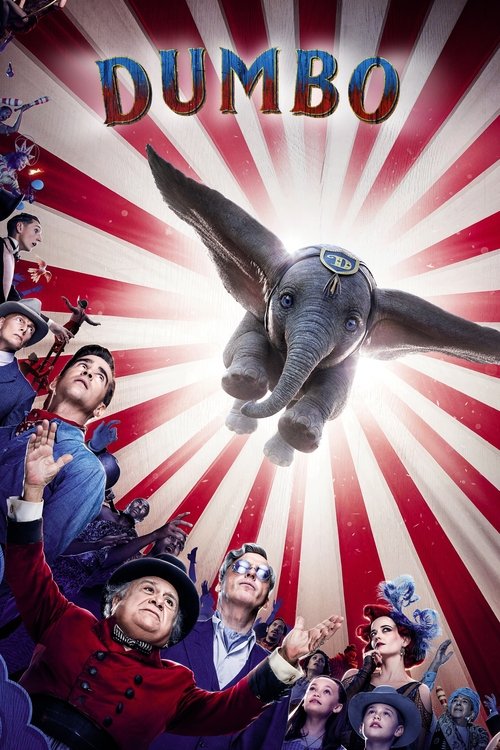
Dumbo
2019A young elephant, whose oversized ears enable him to fly, helps save a struggling circus, but when the circus plans a new venture, Dumbo and his friends discover dark secrets beneath its shiny veneer.
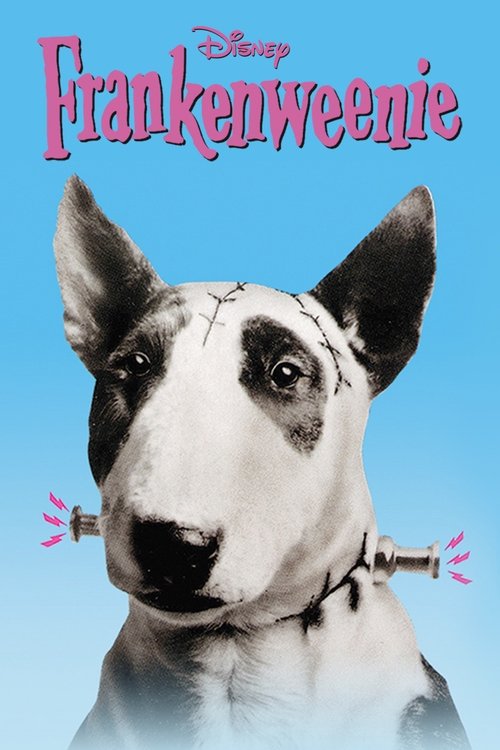
Frankenweenie
1984When young Victor's pet dog Sparky (who stars in Victor's home-made monster movies) is hit by a car, Victor decides to bring him back to life the only way he knows how. But when the bolt-necked "monster" wreaks havoc and terror in the hearts of Victor's neighbors, he has to convince them (and his parents) that despite his appearance, Sparky's still the good loyal friend he's always been.
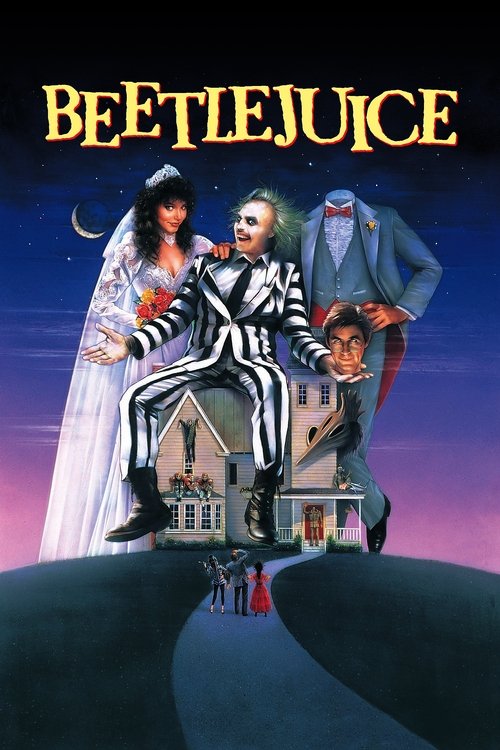
Beetlejuice
1988A newly dead New England couple seeks help from a deranged demon exorcist to scare an affluent New York family out of their home.
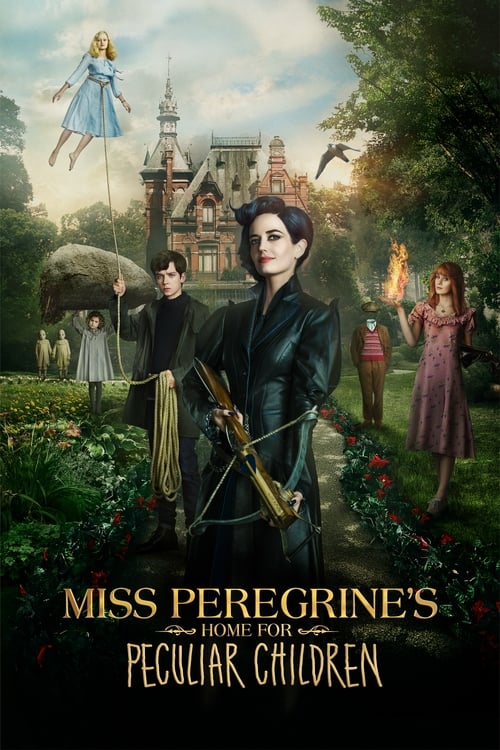
Miss Peregrine's Home for Peculiar Children
2016A teenager finds himself transported to an island where he must help protect a group of orphans with special powers from creatures intent on destroying them.
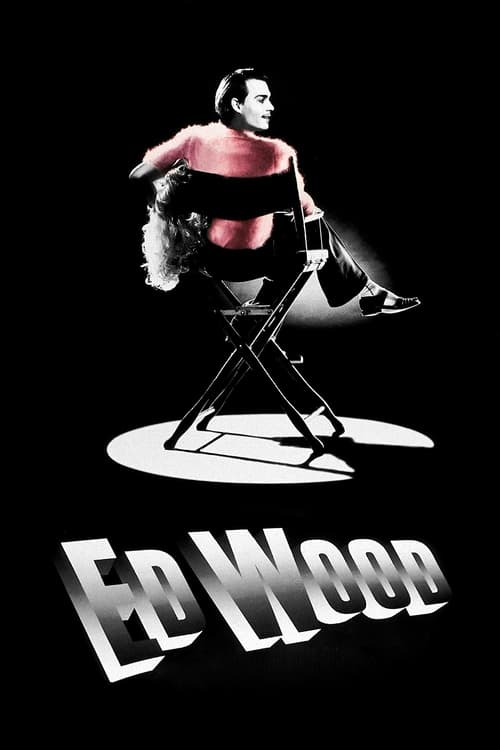
Ed Wood
1994The mostly true story of the legendary "worst director of all time", who, with the help of his strange friends, filmed countless B-movies without ever becoming famous or successful.
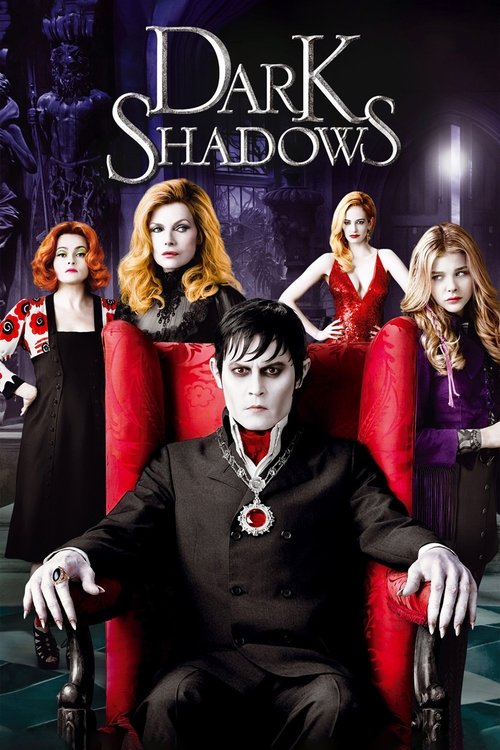
Dark Shadows
2012Vampire Barnabas Collins is inadvertently freed from his tomb and emerges into the very changed world of 1972. He returns to Collinwood Manor to find that his once-grand estate and family have fallen into ruin.
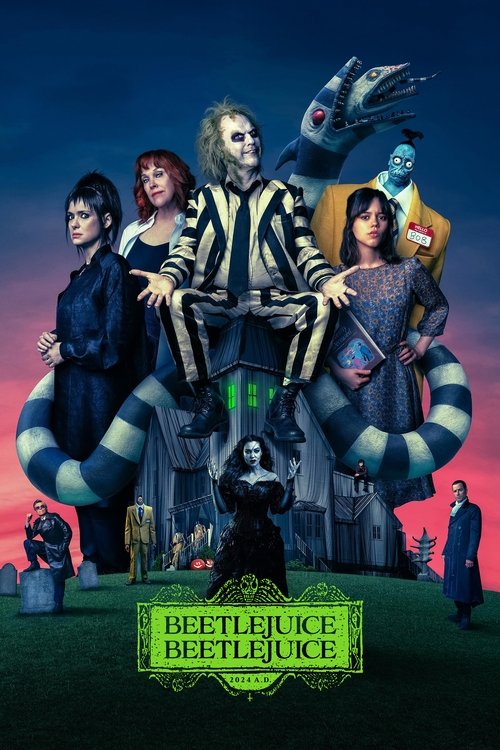
Beetlejuice Beetlejuice
2024After a family tragedy, three generations of the Deetz family return home to Winter River. Still haunted by Betelgeuse, Lydia's life is turned upside down when her teenage daughter, Astrid, accidentally opens the portal to the Afterlife.
This late-career return to form revitalizes the director’s signature handmade aesthetic, favoring practical puppetry and frantic energy over digital gloss. It is a celebratory, self-referential victory lap that proves Burton can still find fresh horror and humor within the afterlife’s chaotic bureaucracy.
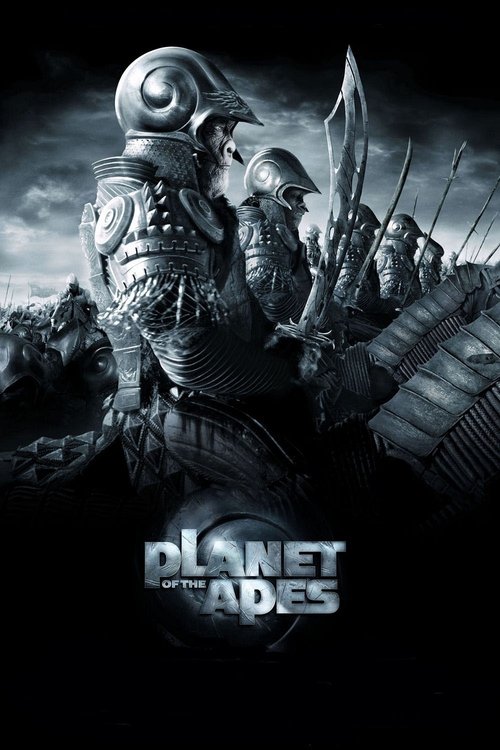
Planet of the Apes
2001After a spectacular crash-landing on an uncharted planet, brash astronaut Leo Davidson finds himself trapped in a savage world where talking apes dominate the human race. Desperate to find a way home, Leo must evade the invincible gorilla army led by Ruthless General Thade.
Even when working within the confines of a rigid studio reimagining, Burton’s preoccupation with prosthetic artistry and tactile world-building remains evident. While it lacks his typical narrative whimsy, the film functions as an intriguing showcase for his ability to coordinate massive, alien scale through a dark and cynical lens.
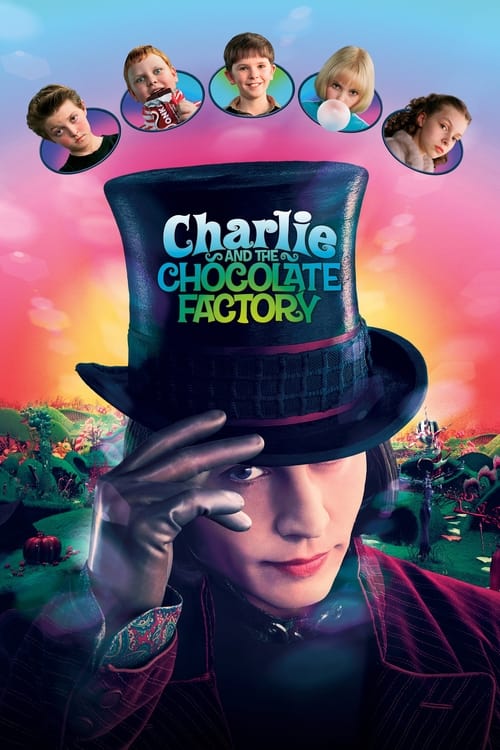
Charlie and the Chocolate Factory
2005A young boy wins a tour through the most magnificent chocolate factory in the world, led by the world's most unusual candy maker.
A crisp, hyper-saturated descent into industrial surrealism, this adaptation recaptures the specific streak of cruelty inherent in Roald Dahl’s prose. Burton utilizes a rigid, symmetrical visual style to emphasize the coldness of his protagonist’s isolation, creating a film that is as much about family trauma as it is about candy.
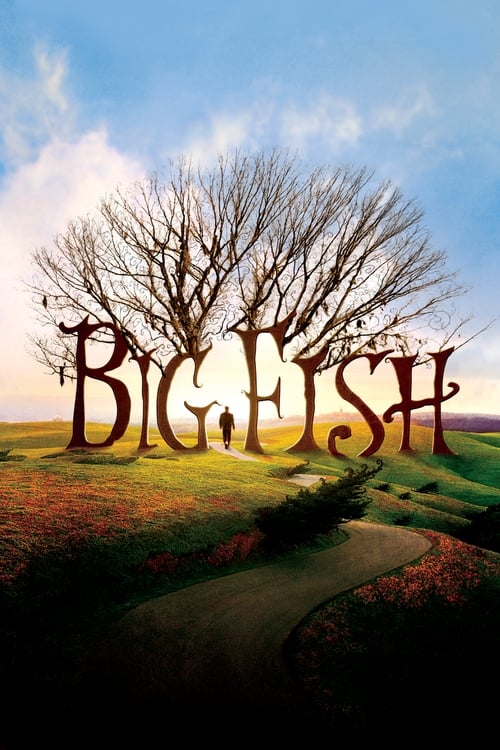
Big Fish
2003Throughout his life Edward Bloom has always been a man of big appetites, enormous passions and tall tales. In his later years, he remains a huge mystery to his son, William. Now, to get to know the real man, Will begins piecing together a true picture of his father from flashbacks of his amazing adventures.
By trading his usual monochromatic shadows for a saturated, Southern Gothic warmth, Burton proved his visual language could translate beautifully to a more sentimental, humanistic scale. This sprawling odyssey into the nature of myth-making serves as his most mature reflection on the blurred line between fabrication and emotional truth.
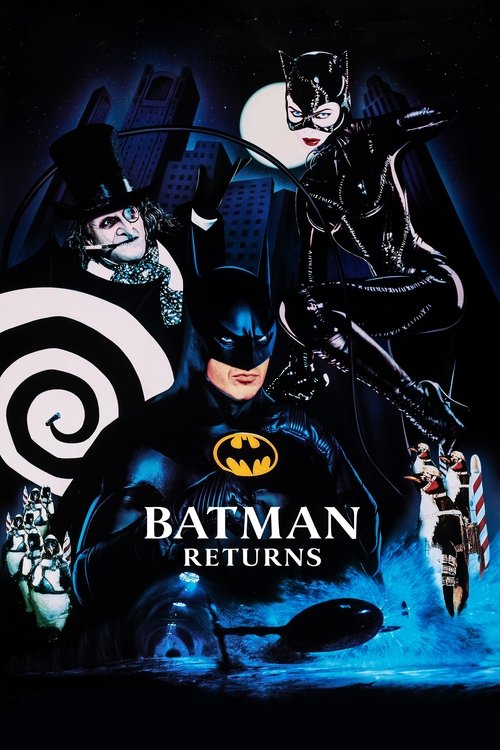
Batman Returns
1992The monstrous Penguin, who dwells in the sewers beneath Gotham, joins up with corrupt mayoral candidate Max Shreck to topple the Batman once and for all. But when Shreck's timid assistant Selina Kyle finds out, and Shreck tries to kill her, she's transformed into the sexy Catwoman. She teams up with the Penguin and Shreck to destroy Batman, but sparks fly unexpectedly when she confronts the caped crusader.
Less a superhero sequel and more a psychosexual grotesque, this film saw Burton lean into his most indulgent and fascinating impulses by turning Gotham into a snowy, claustrophobic purgatory. It remains a rare example of a director seizing a massive franchise to explore deeply personal themes of societal rejection and avian mutation.
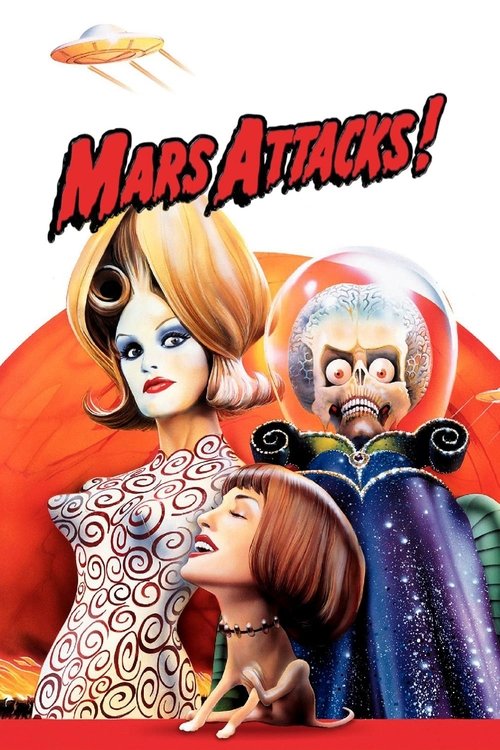
Mars Attacks!
1996A fleet of Martian spacecraft surrounds the world's major cities and all of humanity waits to see if the extraterrestrial visitors have, as they claim, "come in peace." U.S. President James Dale receives assurance from science professor Donald Kessler that the Martians' mission is a friendly one. But when a peaceful exchange ends in the total annihilation of the U.S. Congress, military men call for a full-scale nuclear retaliation.
This chaotic, vibrantly mean-spirited satire operates as a deliberate middle finger to the earnestness of mid-nineties disaster cinema. It is Burton at his most anarchic, utilizing garish CGI and 1950s trading card aesthetics to dismantle the Hollywood ensemble piece with gleeful, nihilistic precision.
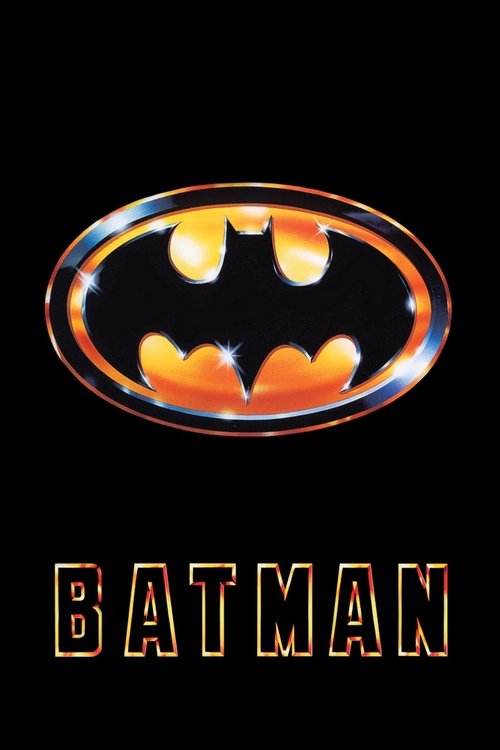
Batman
1989Having witnessed his parents' brutal murder as a child, millionaire philanthropist Bruce Wayne fights crime in Gotham City disguised as Batman, a costumed hero who strikes fear into the hearts of villains. But when a deformed madman known as 'The Joker' seizes control of Gotham's criminal underworld, Batman must face his most ruthless nemesis ever while protecting both his identity and his love interest, reporter Vicki Vale.
Burton stripped away the camp of previous iterations to rebuild the superhero genre as a grand, Wagnerian opera set within a decaying Art Deco nightmare. By prioritizing aesthetic atmosphere and psychological shadow over traditional action beats, he permanently shifted the trajectory of modern blockbuster filmmaking.
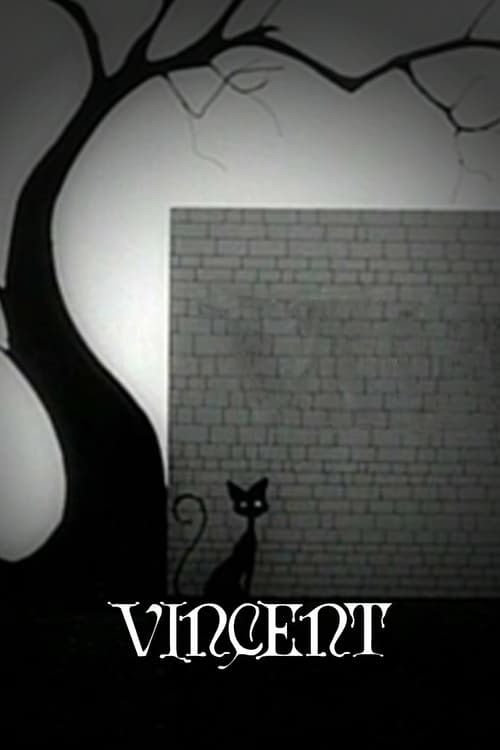
Vincent
1982Young Vincent Malloy dreams of being just like Vincent Price and loses himself in macabre daydreams that annoy his mother.
In just six minutes of stop-motion animation, Burton distilled his entire creative DNA into a jagged, German Expressionist tribute to classic horror cinema. This foundational short film remains the most concentrated dose of his idiosyncratic vision, establishing the stylistic tropes and thematic fixations that would define his professional legacy.
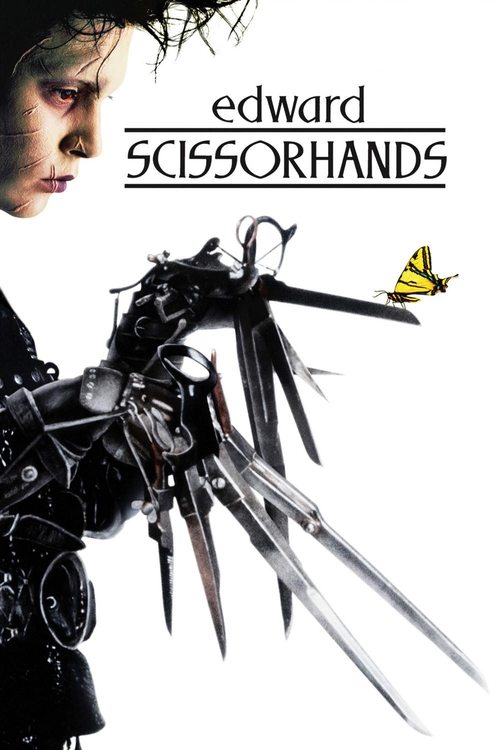
A small suburban town receives a visit from a castaway unfinished science experiment named Edward.
This quintessential suburban fable serves as the definitive blueprint for Burton’s career-long preoccupation with the gentle monster and the cruelty of the pastel mundane. It is a work of pure visual poetry that elevated the director from a stylistic wunderkind to a genuine auteur of the lonely heart.
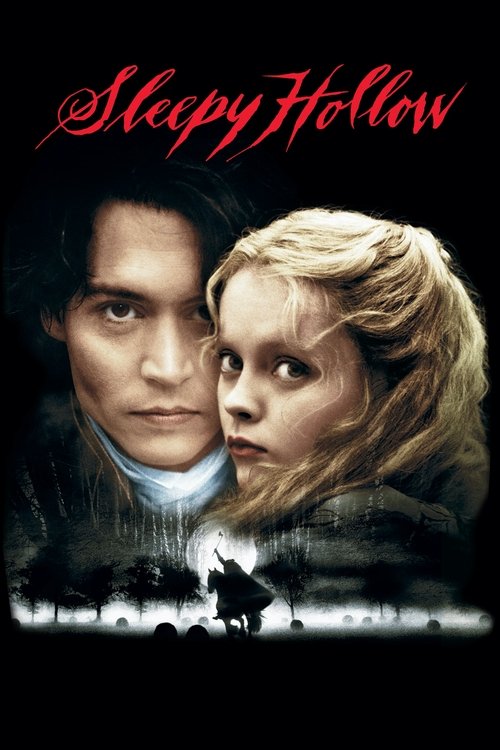
Sleepy Hollow
1999Skeptical young detective Ichabod Crane gets transferred to the hamlet of Sleepy Hollow, New York, where he is tasked with investigating the decapitations of three people – murders the townsfolk attribute to a legendary specter, The Headless Horseman.
A masterful synthesis of Hammer Horror reverence and high-budget expressionism, this film represents the absolute zenith of Burton’s gothic sensibilities and formal precision. Emmanuel Lubezki’s monochromatic palette transforms the Hudson Valley into a textured, blood-soaked dreamscape where the director’s obsession with artifice reaches its most sophisticated realization.
Frequently Asked Questions
Everything you need to know about this list and SnakeDrafts
- Tim Burton's films are characterized by their gothic aesthetic, blending fantasy with elements of horror, comedy, and drama. His unique style often features misunderstood characters and surreal, eerie settings, making each film instantly recognizable and visually compelling.
- 'Sleepy Hollow' masterfully combines fantasy, thriller, mystery, and horror, showcasing Burton's ability to create atmospheric tension while weaving a fantastical narrative. This genre fusion is a hallmark of his approach to reimagining classic tales.
- 'Edward Scissorhands' is a quintessential Burton film with its blend of fantasy, drama, and romance, highlighting themes of isolation and otherness. The film's visual style, emotional depth, and fairy-tale quality epitomize Burton's storytelling and directorial trademarks.
- 'Vincent' and 'Frankenweenie' stand out for their innovative animation and dark, whimsical storytelling. These films capture Burton's fascination with macabre themes while appealing to family audiences through their heartfelt narratives and distinctive visual style.
- In 'Mars Attacks!' and 'Beetlejuice,' Burton skillfully uses comedy to balance darker fantasy elements, creating a quirky and satirical tone. This blend of humor with the macabre demonstrates his ability to subvert expectations and engage audiences with unconventional narratives.
- Burton's live-action adaptations delve into themes of imagination, identity, and societal norms, often reinterpreting classic stories with a gothic twist. These films showcase his talent for combining visual spectacle with deeper thematic exploration.
- 'Big Fish' offers a more uplifting and heartfelt narrative compared to Burton's darker works, focusing on storytelling and family relationships. It still retains his fantasy elements but emphasizes emotional warmth and human connection.