Every Harold Ramis Movie Ranked
The Master of Modern American Comedy
Explore the essential directorial works of Harold Ramis, featuring legendary comedies and cult classics that redefined the genre.
About Harold Ramis

In the annals of American comedy, Harold Ramis stands as the ultimate spiritual architect of the smart-stupid masterpiece. While his contemporaries often leaned into mean-spirited cynicism or mindless slapstick, he approached the director's chair with a unique blend of Zen philosophy and anarchy. He understood that for a joke to truly land, it needed to be anchored in a recognizable human struggle. His lens transformed the messy, impulsive energy of the Second City stage into a cinematic language that felt both effortless and intellectually rigorous.
The brilliance of his vision first manifested in the chaotic fairways of Caddyshack, a film that should have been a standard sports comedy but instead became a surrealist tone poem about class warfare and dancing gophers. He possessed a rare ability to corral massive comedic egos, allowing performers like Bill Murray or Chevy Chase to improvise wildly while ensuring the story never veered off the tracks. This delicate balance of freedom and structure defined National Lampoon's Vacation, where he turned an archetypal family road trip into a grueling, hilarious odyssey through the crumbling American dream.
As his career matured, so did his existential preoccupations. Groundhog Day remains his magnum opus, a film that functions as a sophisticated philosophical treatise disguised as a romantic comedy. It is here that his directorial style reached its peak, utilizing repetitive loops and precise comedic timing to explore the heavy themes of redemption and the monotony of the human condition. He managed to make a high-concept premise feel intimate and personal, proving that a movie could be genuinely profound without sacrificing its sense of humor.
He had a particular gift for subverting masculine tropes, often placing tough guys or self-absorbed men in situations where their bravado was useless. Analyze This played with the fragility of the mobster psyche, humanizing a terrifying archetype through the lens of modern therapy. Even in more experimental territory like Multiplicity or the high-stakes noir of The Ice Harvest, his fingerprints remained visible through a consistent interest in flawed people attempting to navigate impossible circumstances. He never looked down on his characters, no matter how ridiculous their choices.
This empathetic approach to absurdity is what keeps his work perpetually fresh. Whether he was reimagining the Faustian bargain in Bedazzled or dissecting the ethics of cloning, he prioritized heart over irony. His legacy is not just a collection of iconic quotes or set pieces, but a blueprint for how comedy can be used to dissect the soul. He taught us that the world is inherently ridiculous, but finding the punchline is the only way to remain sane. He was the thoughtful prankster of the blockbuster era, a man who realized that the funniest thing in the universe is simply a human being trying their best.
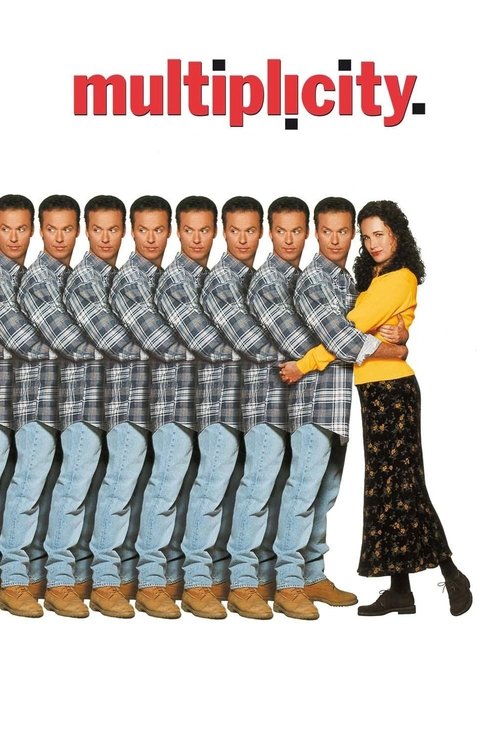
Multiplicity
1996Construction worker Doug Kinney finds that the pressures of his working life, combined with his duties to his wife Laura and daughter Jennifer leaves him with little time for himself. However, he is approached by geneticist Dr. Owen Leeds, who offers Doug a rather unusual solution to his problems: cloning.
Ramis utilizes a complex logistical conceit to investigate the fragmentation of the self within the demands of modern domesticity. While it leans into technical wizardry, the film matters for its existential grounding of a science-fiction premise in the mundane exhaustion of the overworked everyman.

The Ice Harvest
2005A shady lawyer attempts a Christmas Eve crime, hoping to swindle the local mob out of some money. But his partner, a strip club owner, might have different plans for the cash.
Departing from his usual sunny disposition, Ramis explores a jagged, neo-noir territory that proves his range extended far beyond the comedic mainstream. This cynical, ice-cold caper reveals a director capable of finding a grim, rhythmic beauty in the wreckage of failed lives and midwestern malaise.

Bedazzled
2000Elliot Richards, a socially awkward IT worker, is given seven wishes to get the girl of his dreams when he meets a very seductive Satan. The catch: his soul. Some of his wishes include being a 7 foot basketball star, a wealthy, powerful man, and a sensitive caring guy. But, as could be expected, the Devil puts her own little twist on each of his fantasies.
In this exercise in Faustian visual storytelling, Ramis showcases his ability to maintain a consistent comedic identity even when navigating a rapidly shifting series of vignettes. The film stands as a testament to his technical precision and his ongoing fascination with the moral consequences of getting exactly what one desires.

Analyze This
1999Countless wiseguy films are spoofed in this film that centers on the neuroses and angst of a powerful Mafia racketeer who suffers from panic attacks. When Paul Vitti needs help dealing with his role in the "family," unlucky shrink Dr. Ben Sobel is given just days to resolve Vitti's emotional crisis and turn him into a happy, well-adjusted gangster.
The film demonstrates the director's late-career pivot toward high-concept psychological satire, cleverly subverting entrenched cinematic tropes of the hyper-masculine underworld. By applying a clinical lens to the mobster archetype, Ramis examines the friction between institutionalized violence and the modern vulnerability of the therapy generation.
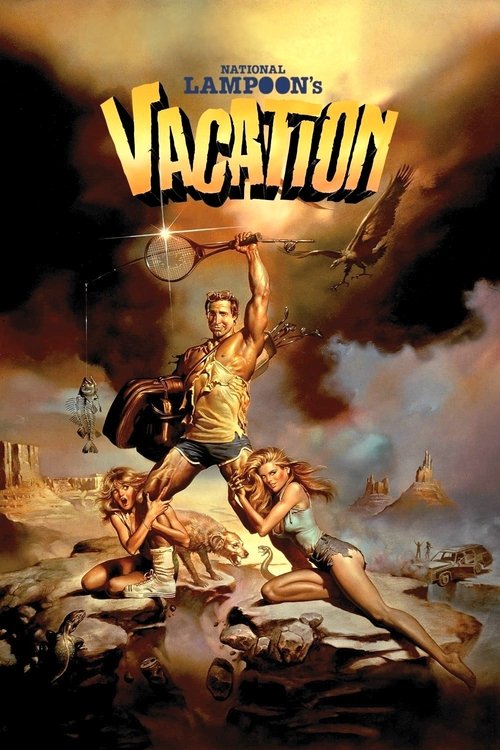
Clark Griswold is on a quest to take his family to the Walley World theme park for a vacation, but things don't go exactly as planned.
This chaotic travelogue serves as the director's sharpest deconstruction of the American nuclear family and the pressurized myth of the perfect holiday. Ramis masterfully balances slapstick anarchy with a simmering undercurrent of middle-class desperation, codifying the visual language of the 1980s ensemble comedy.
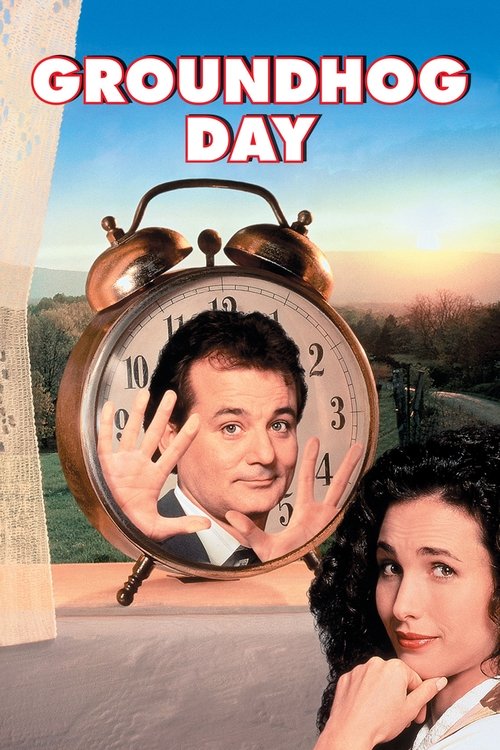
Groundhog Day
1993A cynical TV weatherman, along with his idealistic producer and his sardonic cameraman, is sent to report on Groundhog Day in the small town of Punxsutawney, where he finds himself repeating the same day over and over.
Ramis achieves a rare spiritual resonance here, transforming a high-concept temporal loop into a profound meditation on the incremental nature of human redemption. It is the definitive marriage of his intellectual curiosity and his populist comedic instincts, marking the moment he transcended genre to create a modern philosophical fable.
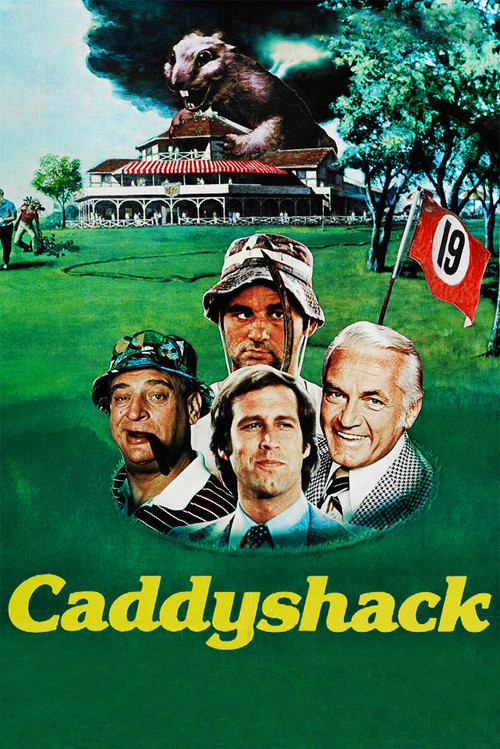
Caddyshack
1980At an exclusive country club, an ambitious young caddy, Danny Noonan, eagerly pursues a caddy scholarship in hopes of attending college and, in turn, avoiding a job at the lumber yard. In order to succeed, he must first win the favour of the elitist Judge Smails, and then the caddy golf tournament which Smails sponsors.
Defined by an improvisational fluidity that borders on the surreal, this film captures Ramis at his most rebellious as he pits countercultural energy against stuffy establishment rigidity. It remains a landmark of loose-limbed direction where the structural absence of a traditional protagonist allows for a vibrant, choral exploration of class warfare on the links.
Frequently Asked Questions
Everything you need to know about this list and SnakeDrafts
- "Groundhog Day" exemplifies Harold Ramis's signature blend of comedy and fantasy, mixing a clever, repetitive time loop narrative with deep human themes. This film captures his ability to anchor humor in relatable personal growth, making it a standout in his directorial career.
- Harold Ramis masterfully integrates human struggles by rooting comedic elements in real, recognizable challenges, as seen in "Analyze This" where the intersection of crime and therapy creates humorous yet insightful moments. This approach adds depth to his films, elevating them beyond typical slapstick comedy.
- Ramis's movies frequently explore the theme of personal transformation, often blending comedy with elements of fantasy or adventure. Films like "Bedazzled" and "Multiplicity" highlight his fascination with identity and choice, using humor to navigate complex, existential questions.
- "National Lampoon's Vacation" is a classic example of Ramis's impact on the road trip comedy genre, combining family dynamics with a series of misadventures that have become iconic. Its influence is evident in how subsequent films approach comedic family travel tales.
- Ramis's style is distinguished by a mix of intellectual wit and an accessible, anarchic spirit, often avoiding mean-spirited cynicism for empathy and warmth. His films like "Caddyshack" balance sharp humor with a laid-back charm, setting his work apart from more harsh or slapstick comedic styles.
- "The Ice Harvest" stands out because it delves into darker themes, blending crime, drama, and thriller elements with Ramis's characteristic comedic touch. This genre fusion showcases his versatility and ability to inject humor into more serious storylines.