The Best Peter Gallagher Movies
From Smoldering Dramas to Iconic Cult Classics
Explore the definitive ranking of Peter Gallagher's greatest film performances, featuring classics like American Beauty and While You Were Sleeping.
About Peter Gallagher
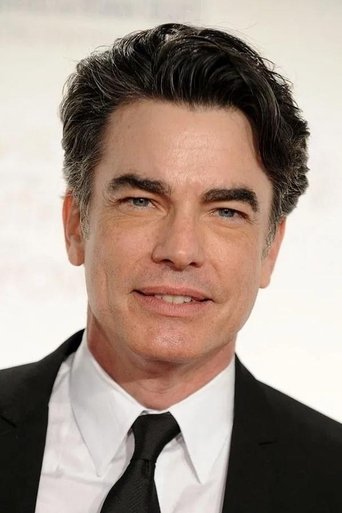
In the taxonomy of Hollywood leading men, Peter Gallagher occupies a rare and vital space. He is the actor who perfected the art of the polished exterior with a flickering, often turbulent inner life. While many of his contemporaries leaned into gritty realism, he mastered a sophisticated theatricality that allowed him to glide between the cynical boardrooms of independent cinema and the earnest warmth of suburban fatherhood. His presence is anchored by a voice like velvet and a set of eyebrows so famously expressive they have practically achieved their own SAG membership, but the real engine of his career is a deep, intellectual curiosity about the masks men wear.
The late eighties and early nineties saw him become a muse for directors like Steven Soderbergh and Robert Altman, who recognized his ability to weaponize his good looks. In sex, lies, and videotape, he captured the hollowness of yuppie infidelity, playing a man whose confidence was actually a fragile shell. He deepened this exploration of professional slickness in Altman’s The Player and Short Cuts, becoming a cornerstone of a specific era of high-minded ensemble filmmaking. These roles established him as an actor who wasn’t afraid to be unlikeable, provided the character was interesting enough. He understood better than most that a sharp suit and a winning smile could be the most effective tools for a villain or a fool.
Audiences truly bonded with him when he allowed that sharpness to soften. As the comatose object of affection in While You Were Sleeping, he became a romantic archetype, but he later subverted that charm in American Beauty, where his portrayal of the Real Estate King Buddy Kane served as a blistering satire of predatory suburban ambition. Yet, just as he seemed destined to play the perpetual antagonist, he pivoted toward a grandfatherly warmth that redefined his legacy for a new generation. In the dance cult classic Center Stage, he commanded the room with the stern but soulful authority of a man who truly loved the art form, a quality he mirrored years later in the campy neon glow of Burlesque.
His longevity is a testament to a lack of ego that many leading men find impossible to maintain. He transitioned seamlessly from the piercing intensity of The Hudsucker Proxy to the grounded, heartbreaking supporting work in indies like Adam and Conviction. Even as he aged into the role of the dependable patriarch in films like Step Up Revolution or the teen drama After, he never phoned it in. He brought a sense of history and gravity to every frame, ensuring that the younger stars around him had a solid foundation to lean on.
Most recently, his turn in the surreal comedy Palm Springs proved that his comedic timing remains as lethal as ever. He possesses a self-awareness that allows him to wink at the audience without breaking character, a skill developed over decades of navigating the highs and lows of the industry. People gravitate toward him because he feels like a bridge between the classic glamour of old Hollywood and the relatable complexity of the modern day. Whether he is playing a ruthless executive or a doting father, there is a consistent dignity to his work. He remains a singular fixture in the cultural landscape, an actor who proves that charisma is refined by time, and that the best performances are often found in the quiet spaces between the lines.
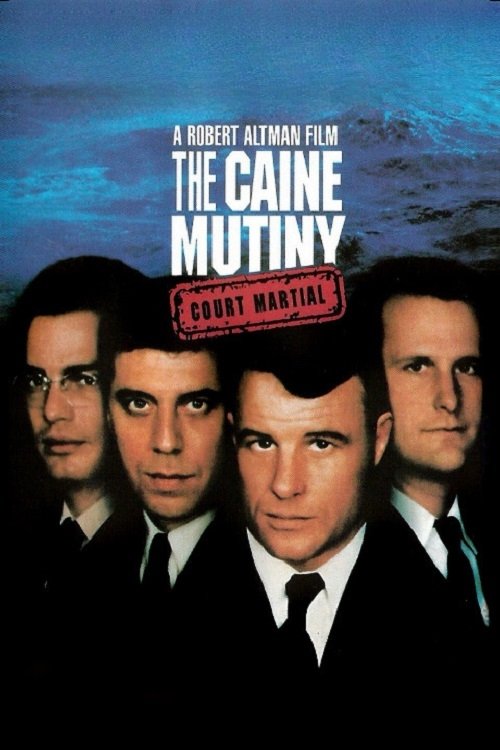
The Caine Mutiny Court-Martial
1988A full-length adaptation, originally staged as a play, of the court-martial segment from the novel "The Caine Mutiny".
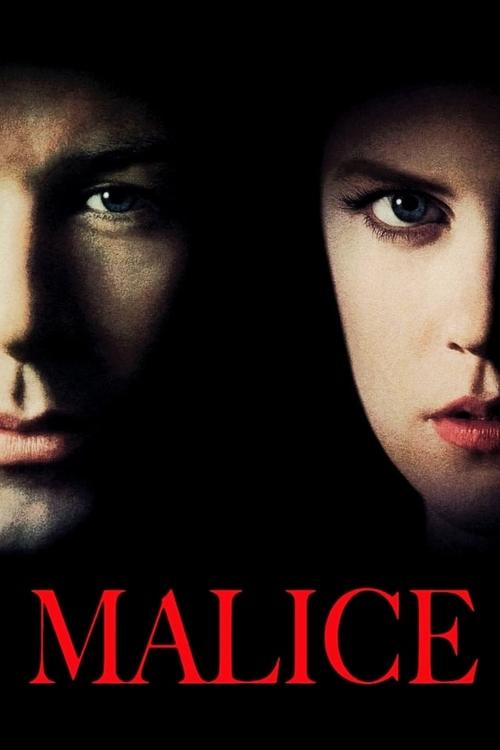
Malice
1993A tale about a happily married couple who would like to have children. Tracy teaches infants, Andy's a college professor. Things are never the same after she is taken to hospital and operated upon by Jed, a "know all" doctor.
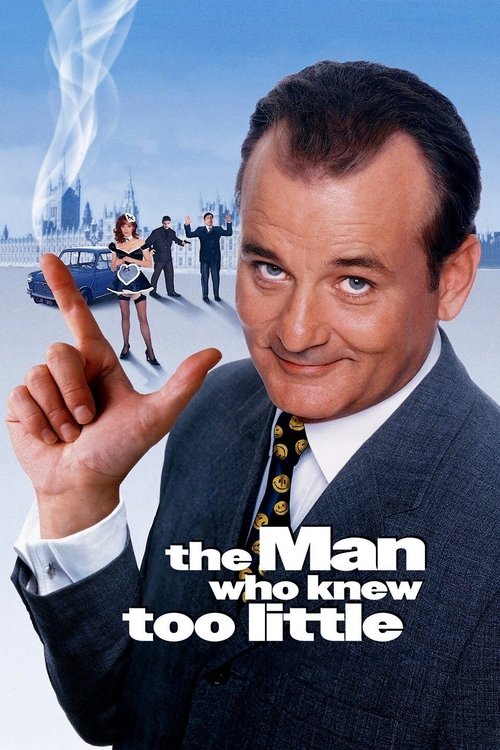
The Man Who Knew Too Little
1997An American gets a ticket for an audience participation game in London, then gets involved in a case of mistaken identity. As an international plot unravels around him, he thinks it's all part of the act.
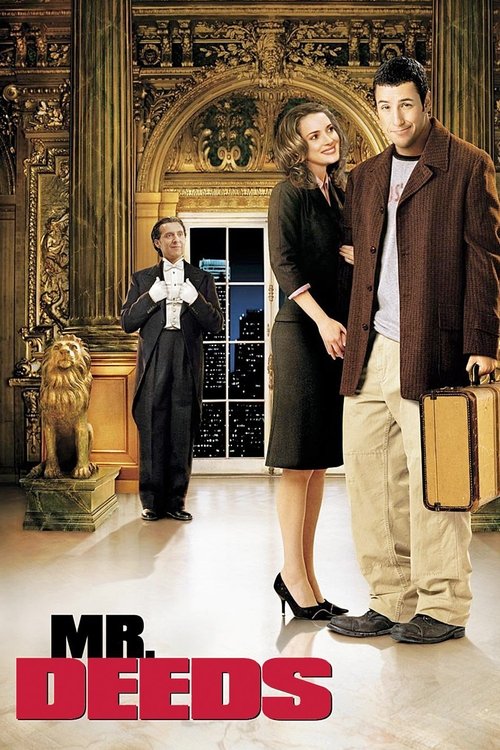
Mr. Deeds
2002When Longfellow Deeds, a small-town pizzeria owner and poet, inherits $40 billion from his deceased uncle, he quickly begins rolling in a different kind of dough. Moving to the big city, Deeds finds himself besieged by opportunists all gunning for their piece of the pie. Babe, a television tabloid reporter, poses as an innocent small-town girl to do an exposé on Deeds.
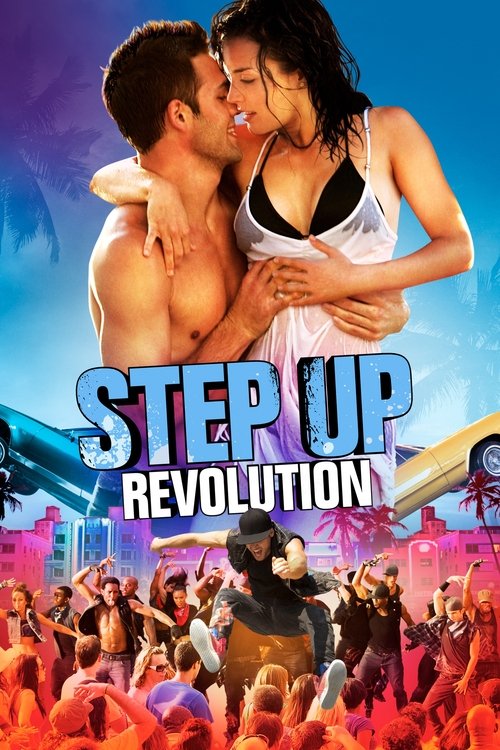
Step Up Revolution
2012Emily arrives in Miami with aspirations to become a professional dancer. She sparks with Sean, the leader of a dance crew whose neighborhood is threatened by Emily's father's development plans.

Adam
2009Adam, a lonely man with Asperger's Syndrome, develops a relationship with his upstairs neighbor, Beth.

After
2019Tessa Young is a dedicated student, dutiful daughter and loyal girlfriend to her high school sweetheart. Entering her first semester of college, Tessa's guarded world opens up when she meets Hardin Scott, a mysterious and brooding rebel who makes her question all she thought she knew about herself -- and what she wants out of life.
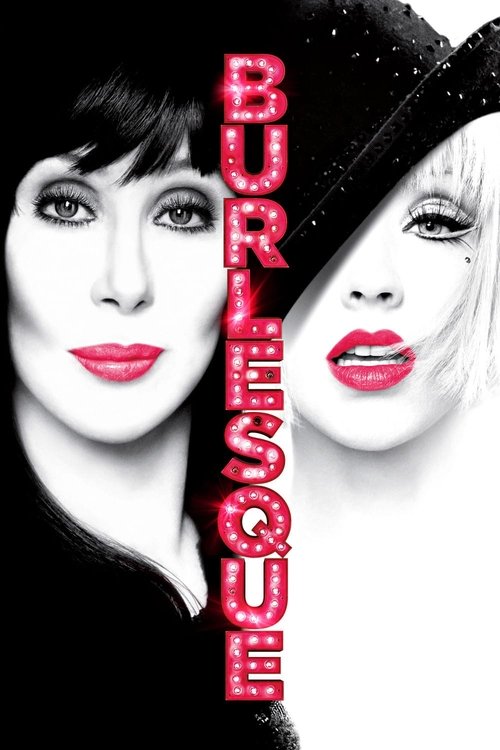
Burlesque
2010Ali leaves behind a troubled life and follows her dreams to Los Angeles, where she lands a job as a cocktail waitress at the Burlesque Lounge, a once-majestic theater that houses an inspired musical revue. Vowing to perform there, she makes the leap from bar to stage, helping restore the club's former glory.
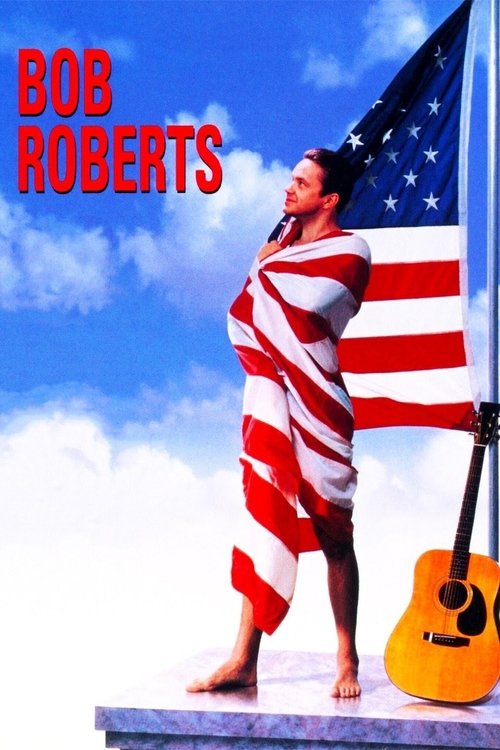
Bob Roberts
1992Millionaire conservative Bob Roberts launches an insurgent campaign against incumbent senator Brickley Paiste, firing up crowds at his rallies by singing '60s-style acoustic folk songs with lyrics espousing far-right conservative social and economic views.
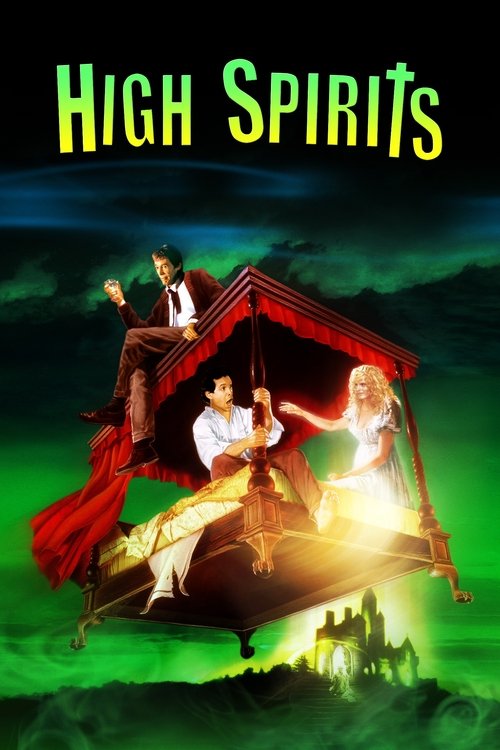
High Spirits
1988When a hotelier attempts to fill the chronic vacancies at his castle by launching an advertising campaign that falsely portrays the property as haunted, two actual ghosts show up and end up falling for two guests.
Gallagher embraces the campy energy of this supernatural farce with a playful, high-energy commitment that outshines the film's chaotic production. It serves as an early testament to his versatility, showing he was just as comfortable with broad physical comedy as he was with serious drama.
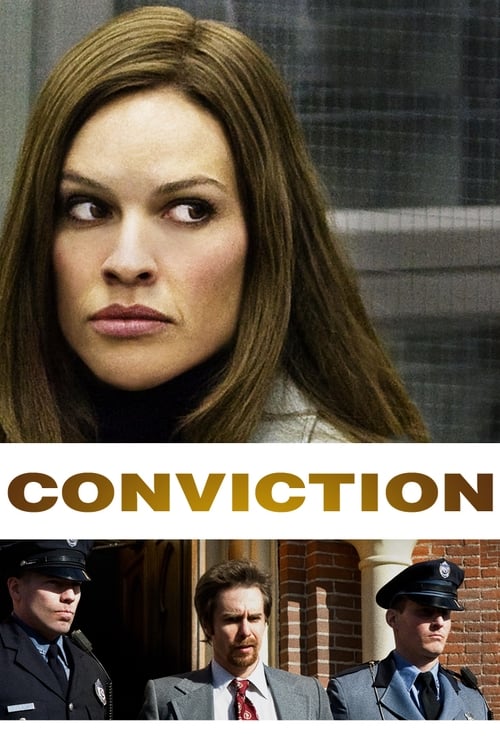
Conviction
2010When Betty Anne Waters' older brother Kenny is arrested for murder and sentenced to life in 1983, Betty Anne, a Massachusetts wife and mother of two, dedicates her life to overturning the murder conviction. Convinced that her brother is innocent, Betty Anne puts herself through high school, college and, finally, law school in an 18 year quest to free Kenny. With the help of best friend Abra Rice, Betty Anne pores through suspicious evidence mounted by small town cop Nancy Taylor, meticulously retracing the steps that led to Kenny's arrest. Belief in her brother - and her quest for the truth - pushes Betty Anne and her team to uncover the facts and utilize DNA evidence with the hope of exonerating Kenny.
In this legal drama, Gallagher provides a stoic, principled counterpoint to the central quest for justice. He moves away from his usual flashiness to deliver a grounded, naturalistic turn that highlights his late-career evolution into a reliable character actor of great gravitas.
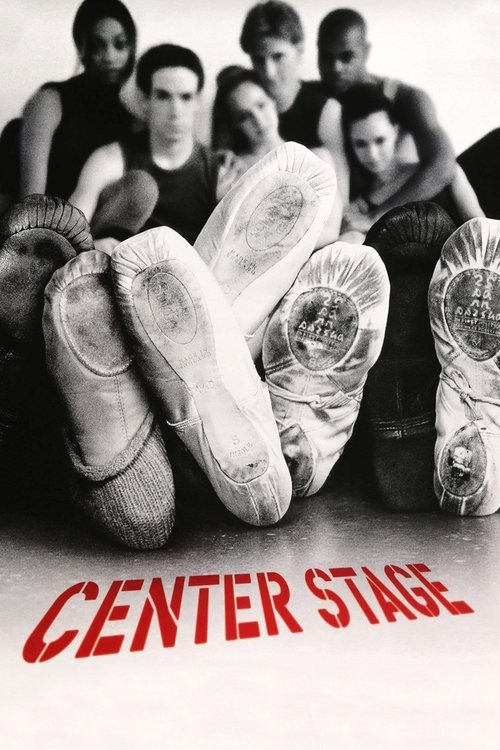
Center Stage
2000A group of 12 teenagers from various backgrounds enroll at the American Ballet Academy in New York to make it as ballet dancers and each one deals with the problems and stress of training and getting ahead in the world of dance.
As the exacting director of the American Ballet Academy, Gallagher weaponizes his authoritative presence to create the definitive cinematic mentor figure of the early 2000s. He hits every beat of the demanding taskmaster archetype while maintaining a subtle, begrudging respect for the art form.
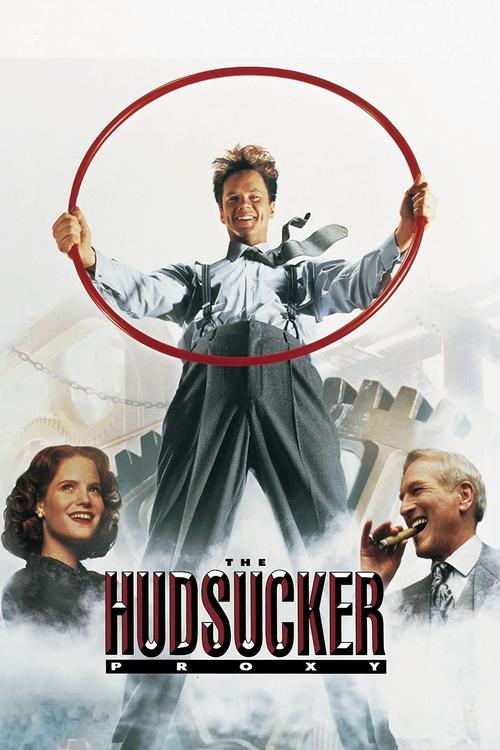
The Hudsucker Proxy
1994A naive business graduate is installed as president of a manufacturing company as part of a stock scam.
Gallagher fully leans into the stylized artifice of the Coen brothers' world, portraying the suave Vic Tenetta with a rhythmic, old-school charisma. His performance is a delightful exercise in tonal precision, blending mid-century suaveness with a touch of surrealist absurdity.

Palm Springs
2020When carefree Nyles and reluctant maid of honor Sarah have a chance encounter at a Palm Springs wedding, things get complicated when they find themselves unable to escape the venue, themselves, or each other.
Displaying a seasoned comedic timing, Gallagher brings a soulful, weary wisdom to the role of the perpetual wedding guest trapped in a time loop. He provides the film with its unexpected emotional grounding, proving he can still command the screen with a few well-placed, contemplative beats.
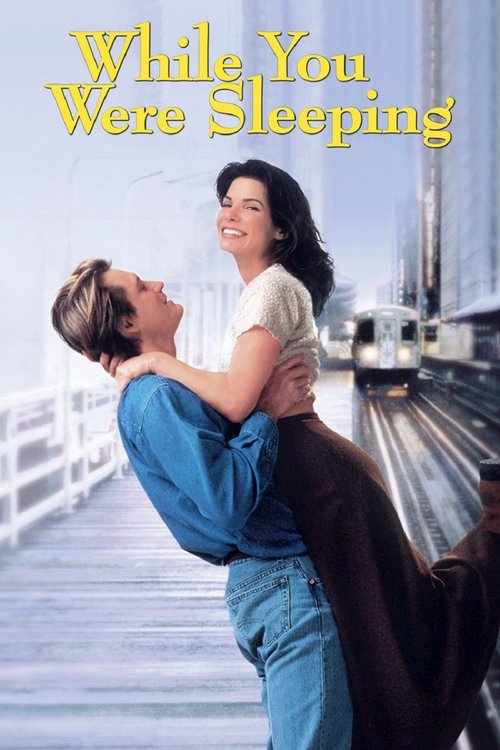
While You Were Sleeping
1995A transit worker pulls commuter Peter off railway tracks after he's mugged, but—while he's in a coma—his family mistakenly thinks she's Peter's fiancée, and she doesn't correct them. Things get more complicated when she falls for his brother, who's not quite sure that she's who she claims to be.
Even while confined to a hospital bed for much of the runtime, Gallagher functions as the vital, idealized catalyst for this nineties rom-com staple. He expertly balances the role of the oblivious hunk with a final act grace that allows the film’s central switch to feel earned rather than cruel.

Short Cuts
1993Many loosely connected characters cross paths in this film, based on the stories of Raymond Carver. Waitress Doreen Piggot accidentally runs into a boy with her car. Soon after walking away, the child lapses into a coma. While at the hospital, the boy's grandfather tells his son, Howard, about his past affairs. Meanwhile, a baker starts harassing the family when they fail to pick up the boy's birthday cake.
Gallagher delivers a terrifyingly volatile turn as a helicopter pilot whose domestic frustration boils over into destructive mania. It is perhaps his most unhinged work, stripping away his polished persona to reveal a raw, chaotic energy that anchors one of the film's most unsettling vignettes.
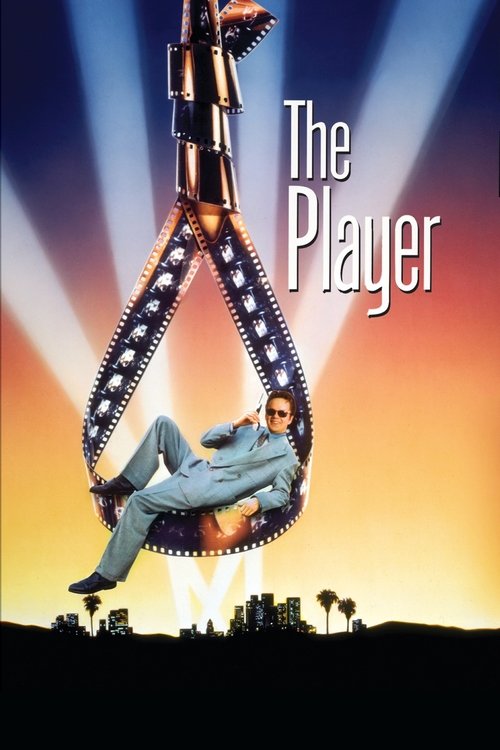
The Player
1992A Hollywood studio executive is being sent death threats by a writer whose script he rejected - but which one?
Playing the quintessential hungry studio climber, Gallagher maneuvers through Altman’s Hollywood satire with a sharp, cynical edge. He manages to stand out in a massive ensemble by embodying the cold mercenary spirit that defines the film's industry critique.
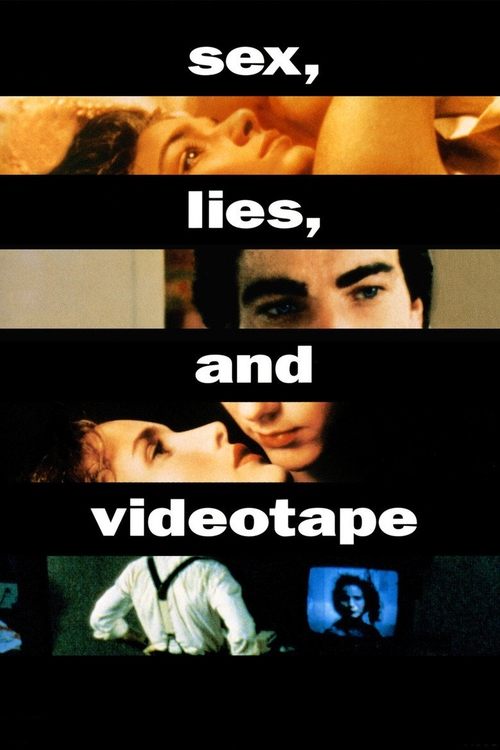
sex, lies, and videotape
1989Ann, a frustrated wife, enters into counseling due to a troubled marriage. Unbeknownst to her, her husband John has begun an affair with her sister. When John’s best friend Graham arrives, his penchant for interviewing women about their sex lives forever changes John and Ann’s rocky marriage.
In Soderbergh’s breakthrough, Gallagher pivots from his leading man looks to capture the sweaty, frantic desperation of a man drowning in his own betrayals. This performance proved he could handle the gritty intimacy of the American indie wave with genuine psychological weight.

American Beauty
1999Lester Burnham, a depressed suburban father in a mid-life crisis, decides to turn his hectic life around after developing an infatuation with his daughter's attractive friend.
Gallagher is the personification of aggressive corporate vacuity as Buddy Kane, the Real Estate King whose slick, predatory ambition serves as the perfect foil to the suburban malaise surrounding him. It is a masterclass in controlled narcissism that solidified his ability to play the charmingly loathsome antagonist.
Frequently Asked Questions
Everything you need to know about this list and SnakeDrafts
- Peter Gallagher stars as a nuanced suburban father in "While You Were Sleeping," where he balances warmth with subtle emotional depth, highlighting his ability to portray earnest family dynamics within a romantic comedy setting.
- In "American Beauty," Peter Gallagher delivers a compelling performance that embodies the polished exterior and underlying turmoil characteristic of the film's exploration of suburban disillusionment and midlife crisis.
- Peter Gallagher worked with famed director Robert Altman in two films: "The Player" and "Short Cuts," both of which showcase his versatility within ensemble casts navigating intricate narratives combining drama and comedy.
- Peter Gallagher's top films span a diverse range of genres including drama, comedy, romance, thriller, and even science fiction, as seen in titles like "Palm Springs," "The Hudsucker Proxy," and "Sex, Lies, and Videotape," demonstrating his broad acting range.
- "The Player" features Peter Gallagher in a film that masterfully blends mystery, drama, thriller, comedy, and crime elements, reflecting his ability to navigate complex, multi-genre narratives with ease.
- Yes, Peter Gallagher stars in "Center Stage," a drama with a strong focus on music and dance, where he plays a pivotal role that underscores his adaptability to different entertainment forms beyond traditional acting roles.
- Peter Gallagher's acting is marked by a sophisticated theatricality and a voice that conveys depth and emotion, allowing him to fluidly switch between cynicism and warmth, which resonates across his varied performances in both independent cinema and mainstream movies.