Best Crime Movies of 1989, Ranked
Classic Noir and Thrillers from a Gritty Cinematic Year
Explore the best crime cinema including neo-noir classics, high-stakes heists, and gritty police procedurals released throughout the year.
About 1989 Crime Movies
The year 1989 is often remembered as the summer of the blockbuster, defined by the cultural dominance of Batman and the whip cracking return of Indiana Jones. Yet beneath the layer of spandex and fedoras, the crime genre was undergoing a fascinating transformation. It was a bridge year between the neon soaked excess of the eighties and the gritty, decentralized indie movement that would define the nineties. The films of 1989 caught the genre in a period of restless experimentation, moving away from simple car chases and toward a more psychological, often cynical exploration of the criminal soul.
If you want to understand the state of crime cinema that year, you have to look at how Ridley Scott handled Black Rain. It was effectively a collision of two worlds. On one hand, it felt like the ultimate eighties cop movie, starring Michael Douglas as a leather jacketed rebel. On the other hand, it transported the American noir aesthetic into the high tech landscape of Osaka, Japan. It signaled that the genre was becoming global and visually sophisticated, trading the gritty streets of New York for a smoky, industrial futurism that felt both alien and dangerous.
While Scott was busy making crime look beautiful, other directors were busy making it look terrifyingly intimate. Gus Van Sant delivered Drugstore Cowboy, a film that threw out the typical high stakes heist formula in favor of a low level, hazy look at the life of a pharmaceutical thief. By focusing on the mundane details of addiction and the quiet desperation of the road, Van Sant proved that crime movies didnt need gunfights to be gripping. They just needed characters who felt painfully human. This was a pivotal moment for the genre, as it paved the way for the character driven crime stories that would soon blossom at festivals like Sundance.
Meanwhile, Michael Haneke was making his debut on the international stage with The Seventh Continent, a film that technically sits on the outskirts of the genre but deals with the ultimate crime of nihilistic destruction. It was a bleak reminder that the most disturbing violence often happens behind closed doors in the suburbs, not just in dark alleys. This trend toward realism was also evident in Brian De Palmas Casualties of War. While framed as a war film, it is fundamentally a procedural about a horrific crime committed within a military unit and the soul crushing quest for justice that follows. It stripped away the glamor of the genre and replaced it with a heavy, moral rot.
Even the mainstream offerings were getting stranger. The decade closed with License to Kill, which remains the most explicitly crime focused entry in the James Bond franchise. It traded the global espionage tropes for a brutal, personal vendetta against a drug kingpin, reflecting the real world headlines of the Medellin Cartel. James Bond wasnt saving the world from a satellite laser; he was acting like a rogue narc in a gritty revenge thriller.
Looking back, 1989 was the year the crime movie grew up. It stopped being just about the chase and started being about the consequence. We saw the birth of the indie crime aesthetic, the expansion of the international noir, and a new willingness to look at the psychological toll of a life outside the law. It was an essential, transitional year that set the stage for everything from Goodfellas to Pulp Fiction, proving that even in the year of the superhero, the most compelling stories were still being told in the shadows.
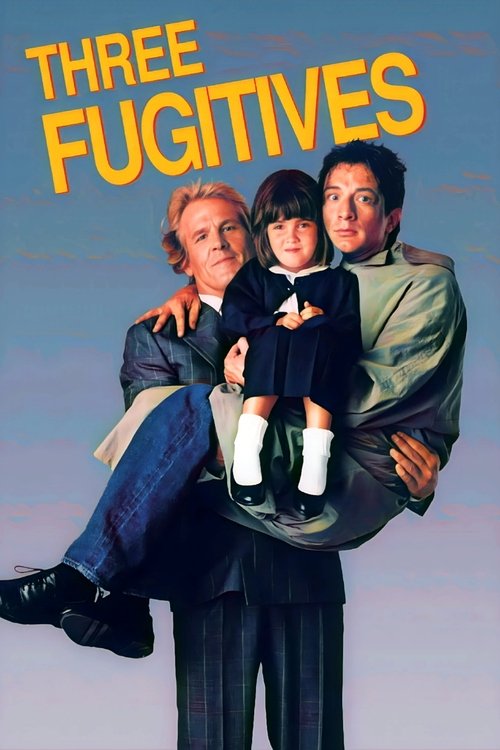
Three Fugitives
1989On his first day after being released from jail for 14 armed bank robberies, Lucas finds himself caught up in someone else's robbery. Perry has decided to hold up the local bank to raise money so that he can keep his daughter, Meg, and get her the treatment she needs. Dugan, a detective, assumes Lucas helped plan the robbery, and hence Lucas, Perry and Meg become three fugitives.
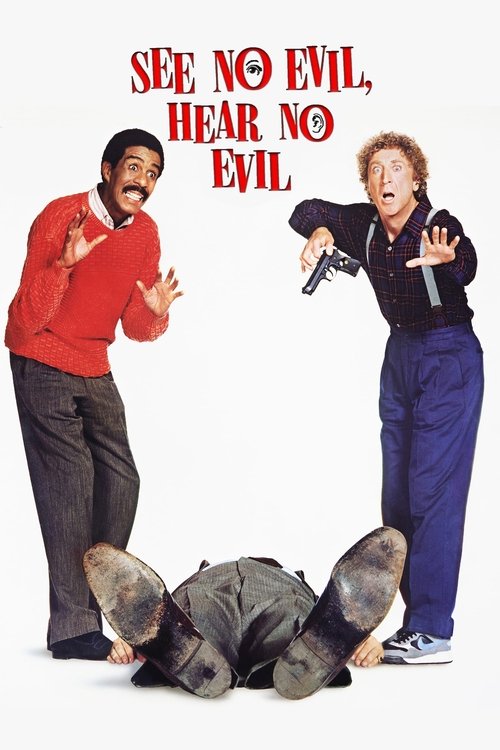
See No Evil, Hear No Evil
1989A murder takes place in the shop of David Lyons, a deaf man who fails to hear the gunshot being fired. Outside, blind man Wally Karue hears the shot, but cannot see the perpetrator. Both are arrested, but escape to form an unlikely partnership. Being chased by both the law AND the original killers, can the pair work together to outwit them all?
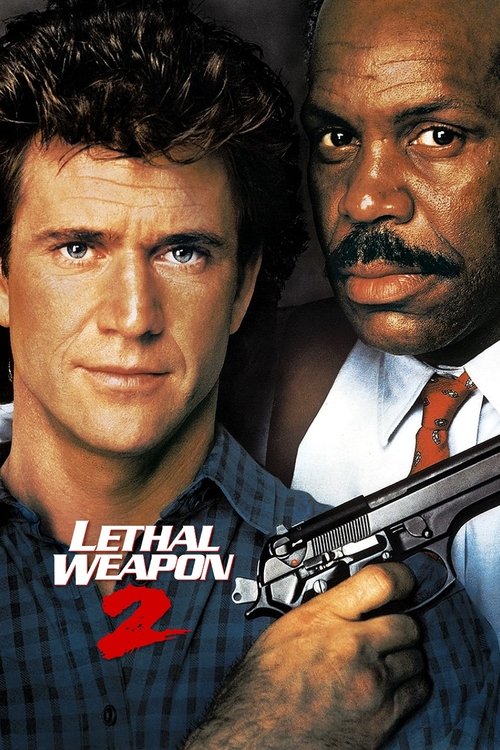
Lethal Weapon 2
1989Riggs and Murtaugh are on the trail of South African diplomats using their immunity to engage in criminal activities.
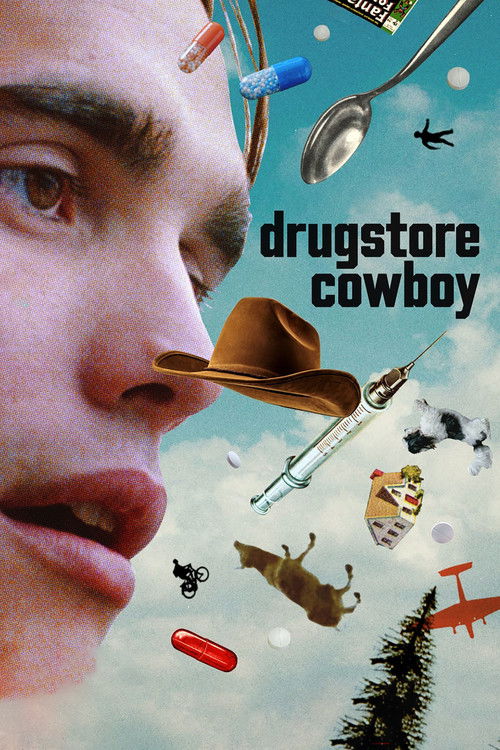
Drugstore Cowboy
1989Portland, Oregon, 1971. Bob Hughes is the charismatic leader of a peculiar quartet, formed by his wife, Dianne, and another couple, Rick and Nadine, who skillfully steal from drugstores and hospital medicine cabinets in order to appease their insatiable need for drugs. But neither fun nor luck last forever.
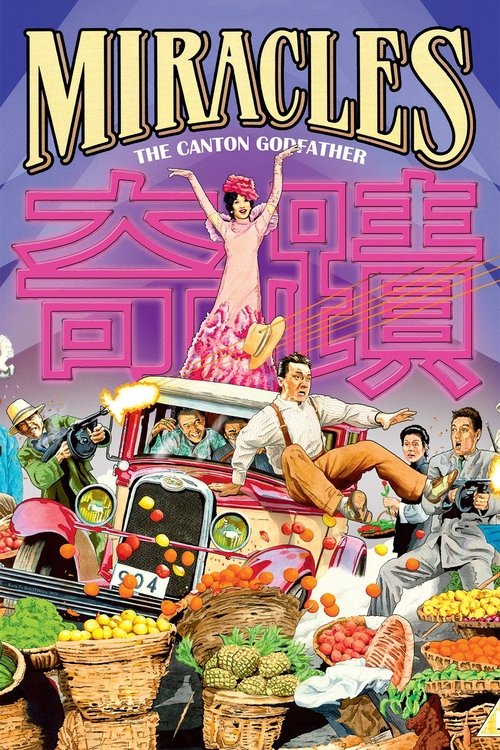
Miracles: The Canton Godfather
1989A country boy becomes the head of a gang through the purchase of some lucky roses from an old lady. He and a singer at the gang's nightclub try to do a good deed for the old lady when her daughter comes to visit.
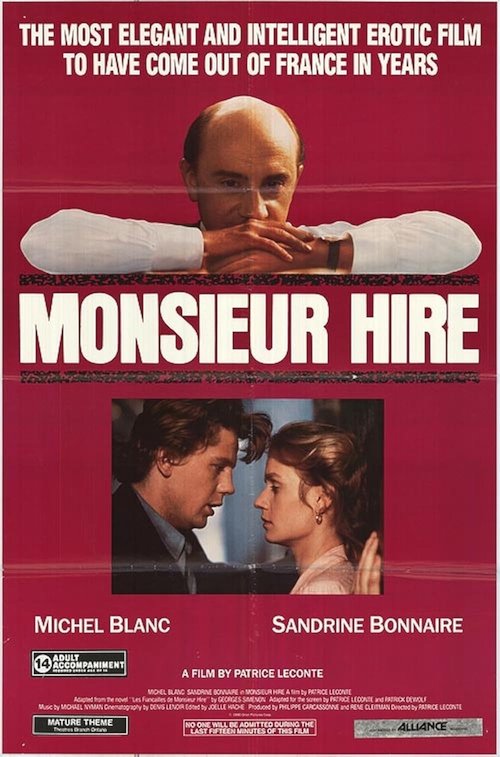
Monsieur Hire
1989A French man spies on a lovely younger woman across the way. When he's spotted by the woman shortly after being questioned by the police about a local murder, the man's simple life becomes more complicated.
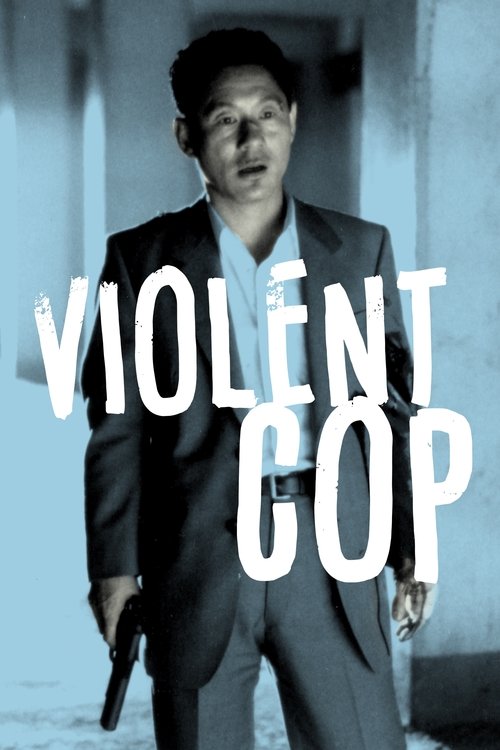
Violent Cop
1989A detective breaks all rules of ethical conduct while investigating a colleague’s involvement in drug pushing and Yakuza activities.
Batman
1989Having witnessed his parents' brutal murder as a child, millionaire philanthropist Bruce Wayne fights crime in Gotham City disguised as Batman, a costumed hero who strikes fear into the hearts of villains. But when a deformed madman known as 'The Joker' seizes control of Gotham's criminal underworld, Batman must face his most ruthless nemesis ever while protecting both his identity and his love interest, reporter Vicki Vale.
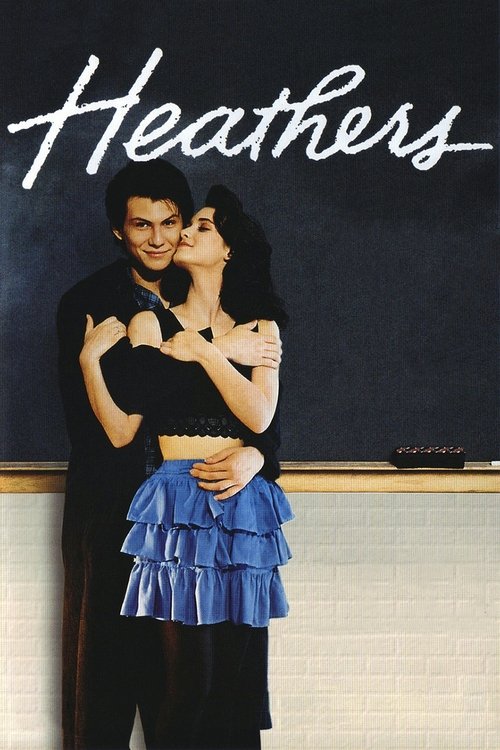
Heathers
1989A girl who halfheartedly tries to be part of the "in crowd" of her school meets a rebel who teaches her a more devious way to play social politics: by killing the popular kids.
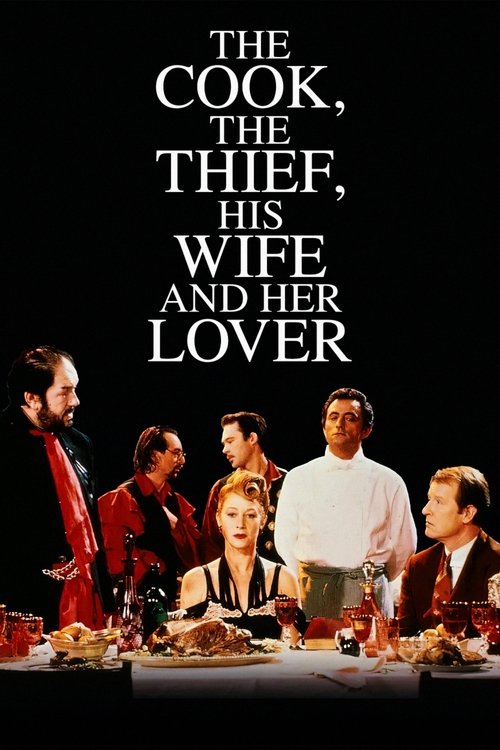
The Cook, the Thief, His Wife & Her Lover
1989When churlish mobster Albert Spica acquires an upscale French restaurant in London, he dines there nightly, effectively scaring off the clientele with his bad manners. His wife, Georgina, is especially disgusted by him, and soon begins an affair with regular guest Michael. Despite their best efforts to keep it secret, Spica learns about their trysts, and he plots a terrible revenge.
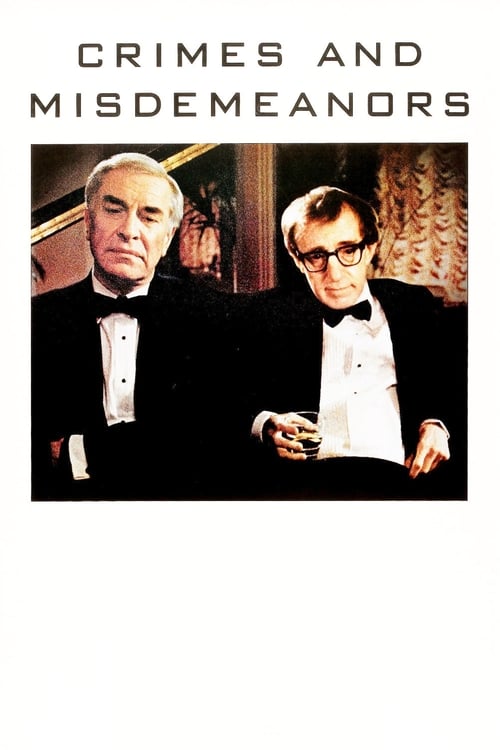
A renowned ophthalmologist is desperate to cut off an adulterous relationship…which ends up in murder; and a frustrated documentary filmmaker woos an attractive television producer while making a film about her insufferably self-centered boss.
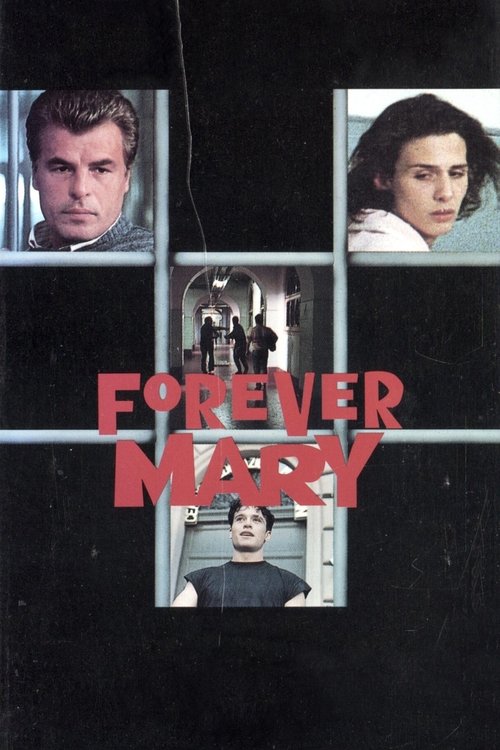
Mary Forever
1989A teacher discovers his calling. Marco relocates to Palermo from Milan and takes a job teaching in a reform school while he waits for a high school position. He tries to understand and motivate his handful of students, reading them colloquial poetry, encouraging them to stand up for their rights, finding out about their histories. Natale, in for murder, enamoured of the Mafia, the King Rat within the group; Mery, a drag queen, arrested for assault when defending himself, in love with Mario and, in daylight, rejected by all; Pietro, illiterate, muscular, believing his destiny is set; the callow Claudio, vulnerable, learning to harden himself. What can Mario learn and do in such a short time?
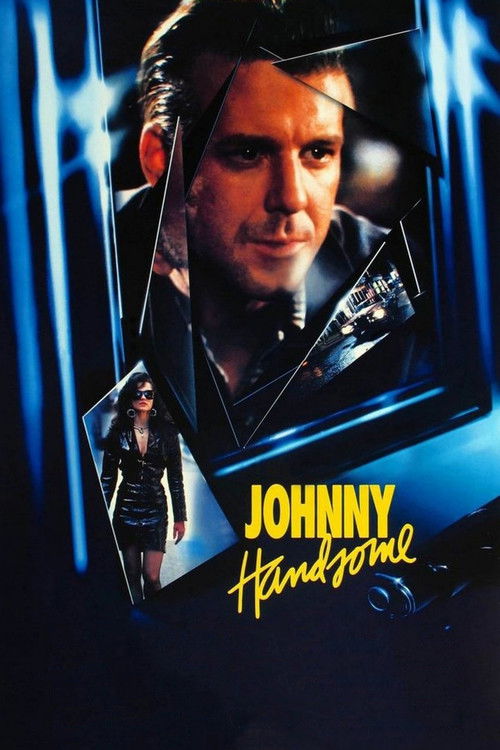
Johnny Handsome
1989A career criminal who has been deformed since birth is given a new face by a kindly doctor and paroled from prison. It appears that he has gone straight, but he is really planning his revenge on the man who killed his mentor and sent him to prison.
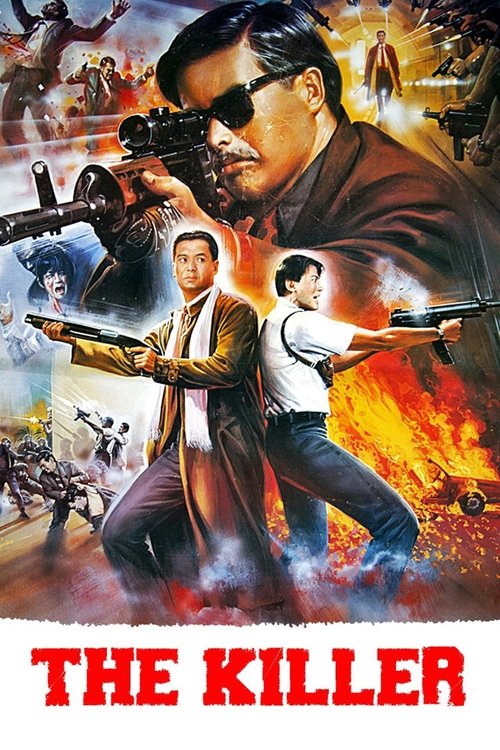
The Killer
1989Mob assassin Jeffrey is no ordinary hired gun; the best in his business, he views his chosen profession as a calling rather than simply a job. So, when beautiful nightclub chanteuse Jennie is blinded in the crossfire of his most recent hit, Jeffrey chooses to retire after one last job to pay for his unintended victim's sight-restoring operation. But when Jeffrey is double-crossed, he reluctantly joins forces with a rogue policeman to make things right.
Decalogue V
1989Jacek, an angry drifter, murders a taxi driver, brutally and without motive. His case is assigned to Piotr, an idealistic young lawyer who is morally opposed to the death penalty, and their interactions take on an emotional honesty that throws into stark relief for Piotr the injustice of killing of any kind.
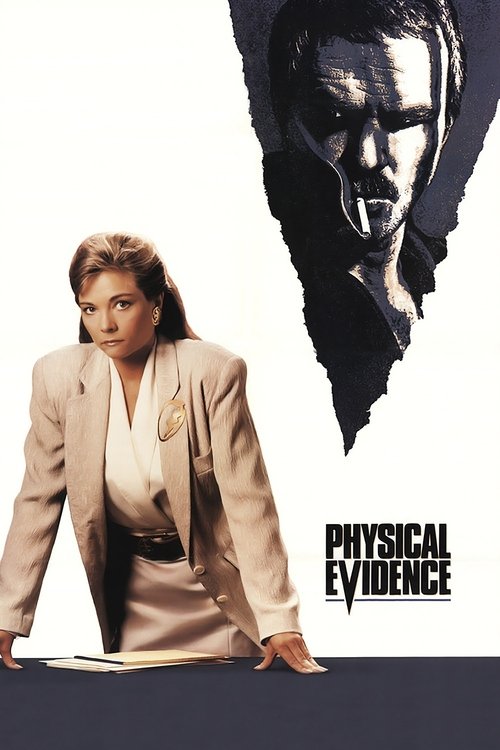
Physical Evidence
1989A police officer suspended and now accused of murder is forced to join forces with his court-appointed attorney to assemble the pieces of a deadly puzzle to find the missing link before time runs out.
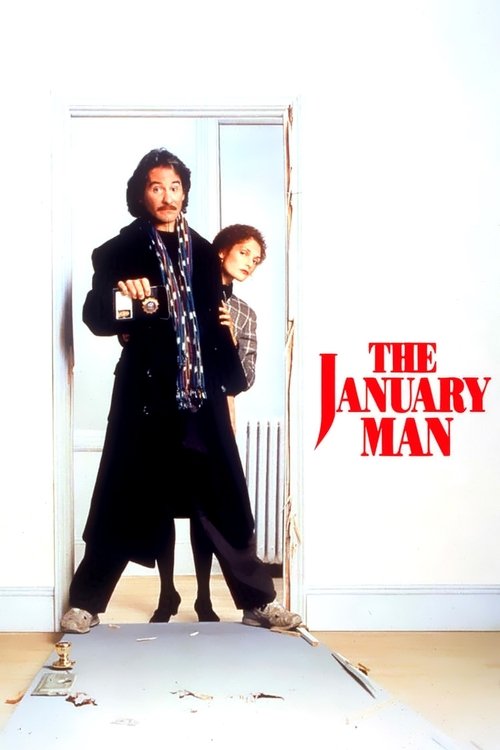
The January Man
1989Nick and Frank Starkey were both policemen. A scandal forced Nick to leave the force, now a serial killer has driven the police to take him back. A web that includes Frank's wife, bribery, and corruption all are in the background as Nick tries to uncover the secret of where the killer will strike next, and finally must lay a trap without the police.
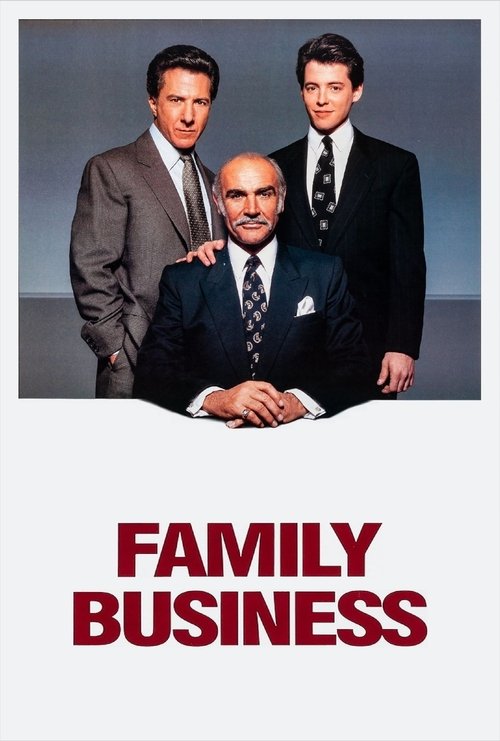
Family Business
1989Jessie is an aging career criminal who has been in more jails, fights, schemes, and lineups than just about anyone else. His son Vito, while currently on the straight and narrow, has had a fairly shady past and is indeed no stranger to illegal activity. They both have great hope for Adam, Vito's son and Jessie's grandson, who is bright, good-looking, and without a criminal past.
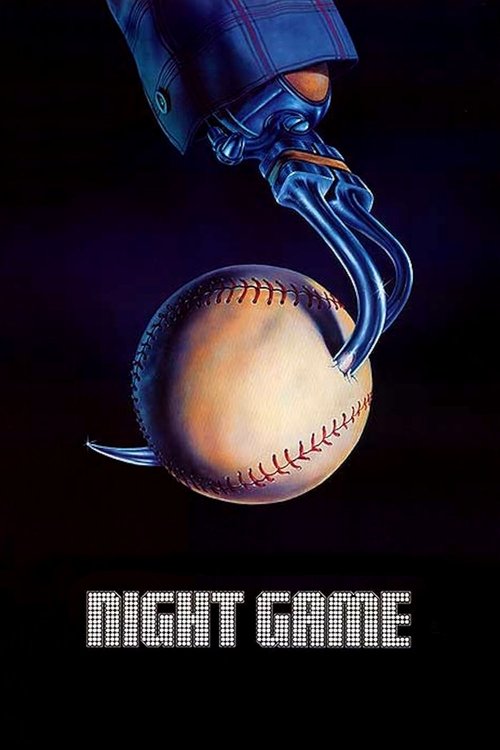
Night Game
1989A police detective tracks a serial killer who is stalking young women on a beach front after each game that a baseball pitcher wins.
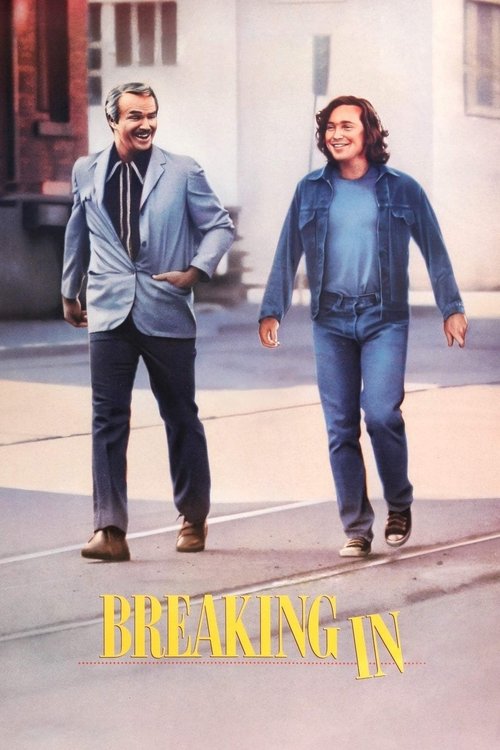
Breaking In
1989Professional thief Ernie takes Mike on as an apprentice, but while Mike clearly has "larceny in his heart", it will take him a long time to get as good as Ernie.
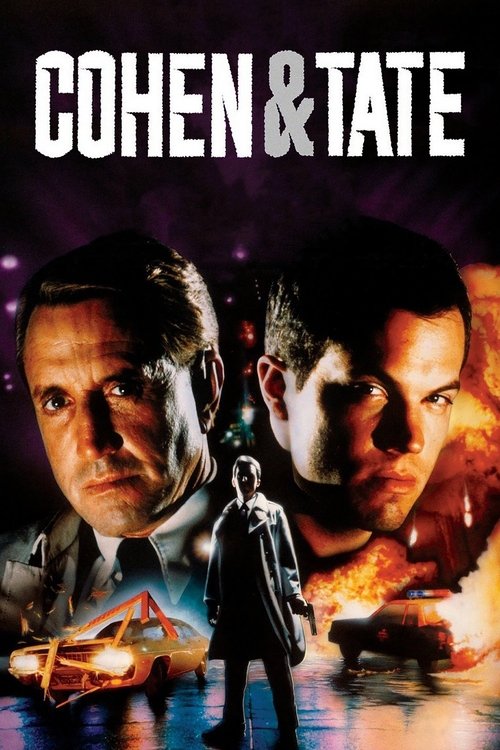
Cohen and Tate
1989A boy kidnapped by two mismatched hitmen puts them at each other's throats while being driven to their employers, possibly to be killed. Cohen, an older professional becomes increasingly irritated with his partner Tate, a brutish killer, when their prisoner uses unnatural guile and resourcefulness to play them off against each other.
This claustrophobic road movie turns a standard kidnapping plot into a razor-sharp psychological duel between two professional killers. It is a lean, mean-spirited chamber piece on wheels that thrives on its minimalist setting and the acidic dialogue shared between its titular antagonists.
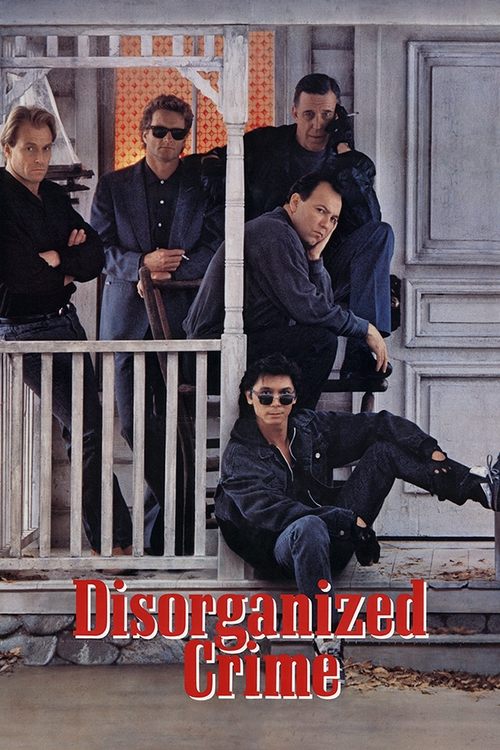
Disorganized Crime
1989Lou Diamond Phillips and Fred Gwynne team up with a gang of professional criminals who have everything it takes to rob a bank. The only things they do have going for them are a cop and his partner, who are dumber than they are! By the time the gang hits the bank vault, it's a safe bet there's going to be organized insanity and disorganized crime!
A rare heist comedy that prioritizes character chemistry over slapstick, assembling a formidable ensemble of character actors in a rural wilderness. The film’s charm lies in its subversion of the 'professional criminal' archetype, finding dry humor in the friction of mismatched egos.
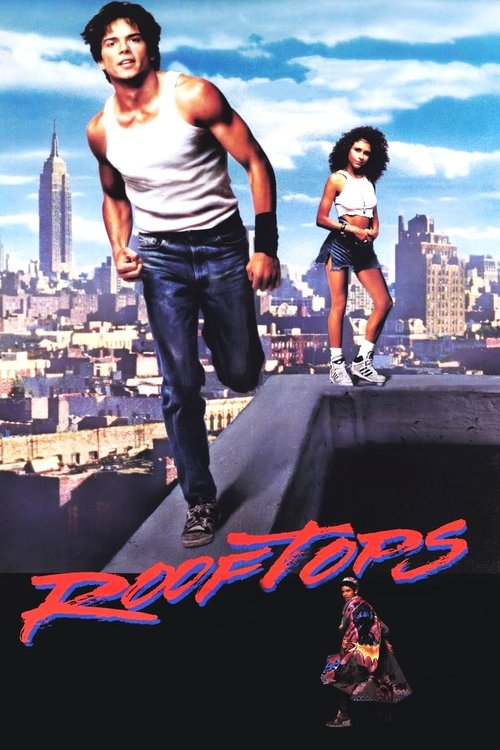
Rooftops
1989T, as most of his friends, lives in a self-constructed 'house', built on top of an old building in the city. Their one passion is 'combat'. Combat is a dance/streetfight during which the contestants try to push each other out of the arena, while not allowed to actually touch each other. When drugdealers move into the neighbourhood and kill T's best friend he embarks on a mission to eradicate the drug-presence in the neigbourhood. His friends are reluctant to help though, knowing what happened to T's friend when he crossed them.
Robert Wise brings an old-school directorial eye to this vibrant collision of street-dance culture and low-stakes criminality. The film functions as a stylized urban fable, finding a unique rhythmic language to express the territorial desperation of New York’s forgotten youth.
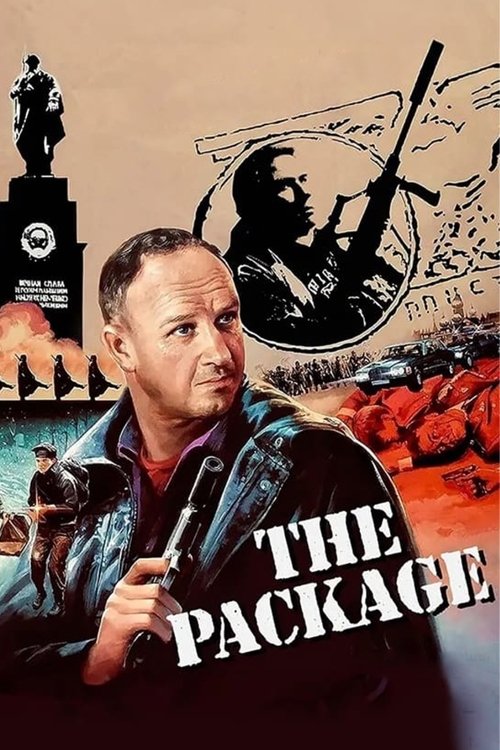
The Package
1989Experienced Green Beret sergeant Johnny Gallagher is escorting a prisoner, Airborne Ranger Thomas Boyette, back to the US, but Boyette escapes and Gallagher must risk life and limb to catch him.
Gene Hackman anchors this Cold War relic with a stony gravitas that grounds its sprawling, labyrinthine conspiracy. It is a masterclass in mounting tension, utilizing its Chicago backdrops to create a stifling atmosphere of institutional betrayal.
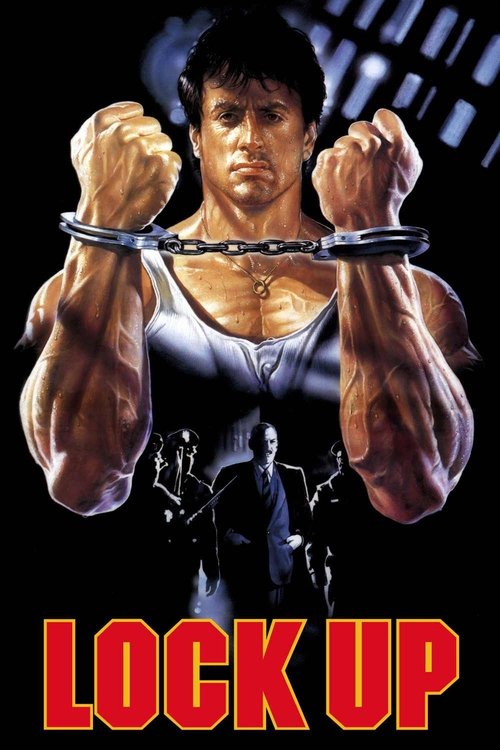
Lock Up
1989Frank Leone is nearing the end of his prison term for a relatively minor crime. Just before he is paroled, however, Warden Drumgoole takes charge. Drumgoole was assigned to a hell-hole prison after his administration was publicly humiliated by Leone, and has now arrived on the scene to ensure that Leone never sees the light of day.
The genre’s fascination with carceral brutality reaches a fever pitch here, pitting Sylvester Stallone against a beautifully sadistic Donald Sutherland. It is a grueling, tactical exploration of the prison-as-purgatory trope, executed with a punishing physical commitment.
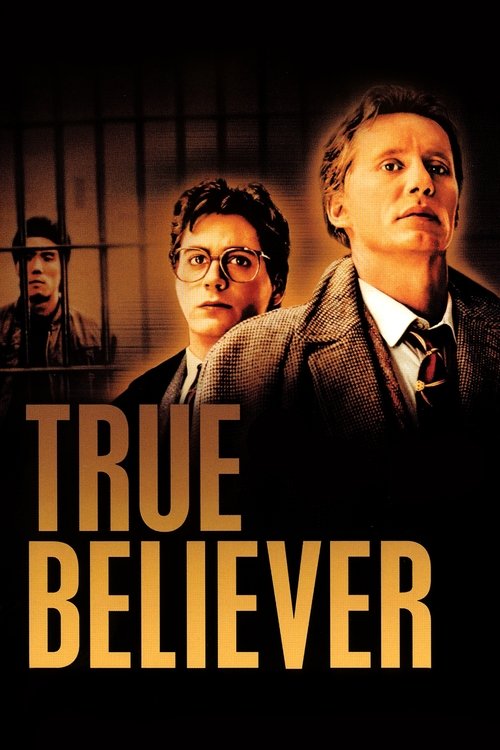
True Believer
1989Eddie Dodd is a burnt out former civil rights lawyer who now specializes in defending drug dealers. Roger Baron, newly graduated from law school, has followed Eddie's great cases and now wants to learn at his feet. With Roger's idealistic prodding, Eddie reluctantly takes on a case of a young Korean man who, according to his mother, has been in jail for eight years for a murder he didn't commit.
James Woods vibrates with a manic, idealistic intensity that transforms this courtroom thriller into a searing indictment of systemic rot. The film crackles with a sharp, polemical energy, making the quest for justice feel as dangerous and high-stakes as any street-level shootout.
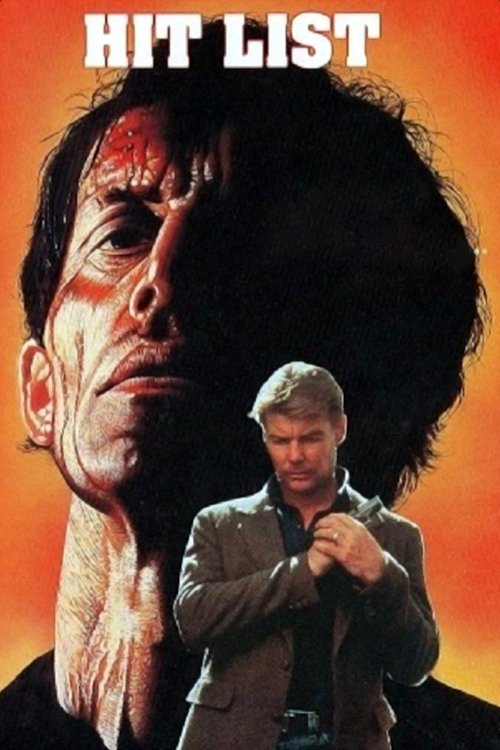
Hit List
1989A family man and a mob witness hunt for a hit-man who has mistakenly kidnapped the family man's son.
This lean, mean exploitation gem thrives on a relentless pace and a cold-blooded performance by Jan-Michael Vincent. It delivers a concentrated dose of urban paranoia, trading in the kind of efficient, low-budget brutality that defines the golden age of B-movie crime drama.
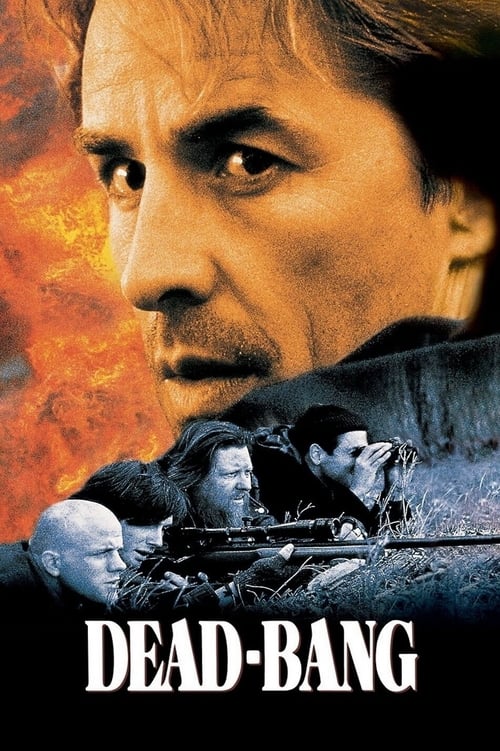
Dead Bang
1989Los Angeles homicide detective Jerry Beck searches for the murderer who killed a police officer on Christmas Eve. The investigation takes Beck inside the violent world of hate groups and white supremacists, who are hatching a deadly plot to attack even more innocent people. Beck must also confront his own personal demons, including his growing problem with alcohol, if he wants to track down and stop the violent neo-Nazis before it is too late.
Don Johnson sheds his pastel persona for a gritty, caffeine-fueled portrayal of a detective pushed to the brink of exhaustion. Director John Frankenheimer infuses this sleeper hit with a muscular, blue-collar kineticism that elevates it above the standard police programmer.
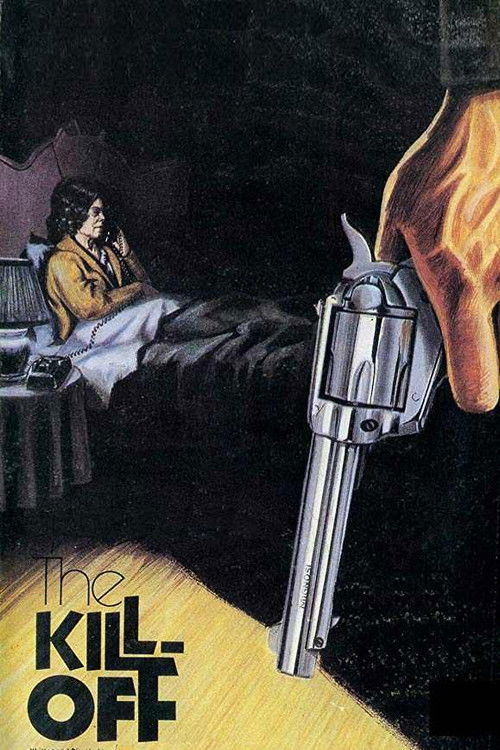
The Kill-Off
1989In a seedy New Jersey nightclub, gossip turns to murder when the owner Pete hires exotic dancer Danny Lee, who starts up an affair with barfly Ralph, much to the chagrin of his bedridden wife, Luane.
A caustic, uncompromising adaptation of Jim Thompson’s nihilism that eschews Hollywood gloss for a grimy, pulse-pounding descent into small-town malice. Its jagged editing and cynical worldview capture a visceral discomfort rarely seen in late-eighties genre exercises.
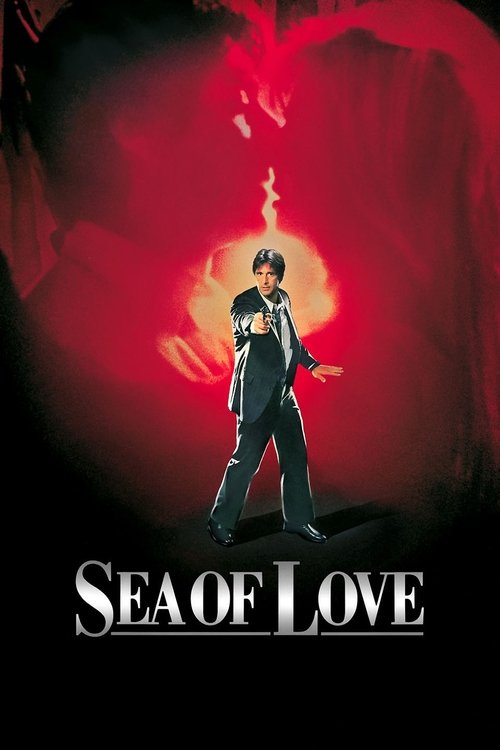
Sea of Love
1989Seen-it-all New York detective Frank Keller is unsettled - he has done twenty years on the force and could retire, and he hasn't come to terms with his wife leaving him for a colleague. Joining up with an officer from another part of town to investigate a series of murders linked by the lonely hearts columns he finds he is getting seriously and possibly dangerously involved with Helen, one of the main suspects.
Al Pacino reclaims his throne in this sultry, rain-slicked procedural that masterfully pivots between a sweating police procedural and a psychosexual thriller. It is the definitive neon-noir of the decade, trading in genuine adult vulnerability and palpable urban dread.
Frequently Asked Questions
Everything you need to know about this list and SnakeDrafts
- The crime movies of 1989 exhibit a transitional style, blending the neon-soaked aesthetics of the early '80s with the emerging gritty, indie sensibilities that would define '90s cinema. This is evident in films like "Sea of Love" and "True Believer," which mix noir themes with more complex character development and realism.
- Yes, "Sea of Love" is a standout neo-noir crime movie from 1989 that expertly combines elements of suspense, romance, and drama. Its atmospheric storytelling and moody cinematography are classic traits of the neo-noir style.
- Several films like "Dead Bang," "Hit List," and "The Package" highlight intense action sequences and thriller-driven plots. These movies often incorporate high-stakes chases, law enforcement drama, and suspenseful moments that keep audiences on edge.
- Indeed, "Disorganized Crime" blends crime with comedy, offering a lighter, humorous take on the heist genre. Meanwhile, "Sea of Love" uniquely combines crime with romance, adding emotional depth to the suspenseful narrative.
- Directors like Harold Becker, Joseph Ruben, and Sidney Lumet were instrumental in shaping the genre's output in 1989. For example, Sidney Lumet's "Family Business" brings a nuanced family drama lens to crime cinema, while Harold Becker's "Sea of Love" delivers a classic neo-noir thriller.
- The 1989 crime films often explore themes of justice, corruption, and family dynamics against the backdrop of late 20th-century American society. They also reflect a cinematic shift toward more psychologically complex characters and morally ambiguous narratives, signaling a move away from straightforward good-versus-evil storylines.
- While not all 1989 crime movies focus on heists, films like "Disorganized Crime" do delve into heist narratives with a comedic twist. The varied depiction of crime—from police procedurals like "True Believer" to action-packed films such as "Hit List"—shows a broad spectrum within the genre that year.