The Best Nick Nolte Movies Ranked
From Rugged Action Hero to Gritty Character Actor
Discover the finest performances of Nick Nolte's career, featuring his acclaimed roles in intense dramas, classic action films, and award-winning cinema.
About Nick Nolte
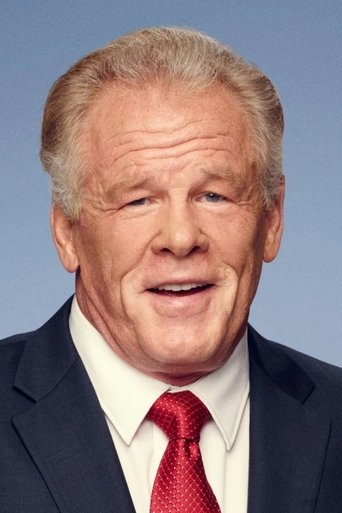
Nick Nolte exists at the intersection of rugged classicism and total psychological collapse. To look at him today is to see a landscape of deep crags and wild hair, a physical manifestation of a career spent digging through the dirt of the human experience. He began as the prototypical golden boy, a specimen of heartland masculinity who transitioned from a modeling career into a screen presence that felt dangerously tactile. Yet, he never settled for being the handsome lead. Instead, he systematically dismantled his own vanity, trading the polished veneer of Hollywood stardom for a gritty, uncompromising realism that few of his peers could stomach.
The world first stood up and noticed when he redefined the buddy-cop dynamic alongside Eddie Murphy in 48 Hrs. while projecting a gruff, chain-smoking intensity that felt entirely lived-in. He possessed an innate ability to play men who were simultaneously immovable objects and fragile glass houses. This duality defined his work throughout the early nineties. In The Prince of Tides, he channeled a Southern gothic vulnerability that masked a well of trauma, while Cape Fear saw him playing a man whose moral compass spins wildly out of control under pressure. He could pivot from the frantic, desperate fatherhood of Lorenzo's Oil to the sweaty, noir-soaked magnetism of New York Stories without losing a shred of his weathered soul.
While many actors retreat into comfortable elder-statesman roles as they age, Nolte leaned into the wreckage. His performance in Affliction remains a masterclass in the cycle of generational violence, earning him an Oscar nomination for a role that felt less like acting and more like an exorcism. He possesses a voice that sounds like gravel caught in a meat grinder, a tool he used to haunting effect as the haunted veteran in The Thin Red Line and the pragmatic Colonel Oliver in Hotel Rwanda. Even when things took a turn toward the absurd, he showed a hidden comedic gear, playing an unhinged, fake-handed pyrotechnics expert in Tropic Thunder with the same gravitas he brought to a high-stakes heist in The Good Thief.
Audiences connect with him because he refuses to lie to them. There is no artifice in his decline, only a commitment to the truth of getting older and making mistakes. This transparency peaked in Warrior, where his portrayal of a recovering alcoholic father seeking redemption was so devastatingly raw that it recalibrated his late-stage legacy. He has played the law in Extreme Prejudice and Under Fire, and the radical fugitive in The Company You Keep, but his best characters are always the ones fighting a war within themselves. Whether he is the philosophical mentor in Peaceful Warrior or the broken patriarch in a sports drama, he carries the weight of a life fully lived. He remains one of the few performers who isn't afraid to let the world see the cracks in the foundation, making him a rare, authentic relic of an era when movie stars were allowed to be messy, complicated humans.
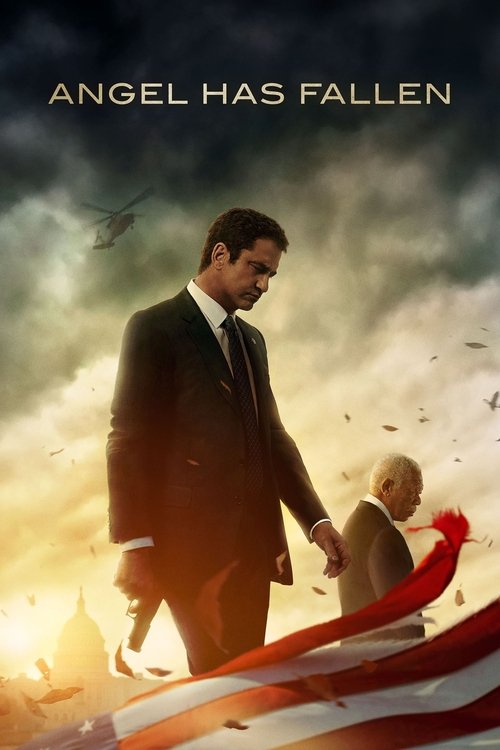
Angel Has Fallen
2019After a treacherous attack, Secret Service agent Mike Banning is charged with attempting to assassinate President Trumbull. Chased by his own colleagues and the FBI, Banning begins a race against the clock to clear his name.
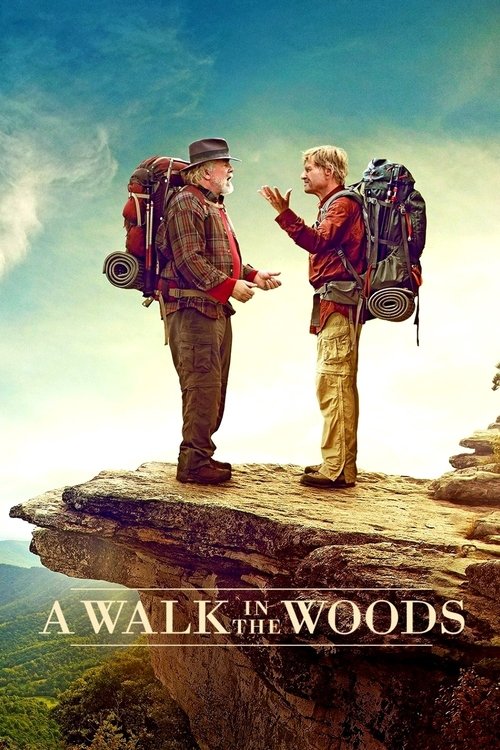
A Walk in the Woods
2015After spending two decades in England, Bill Bryson returns to the U.S., where he decides the best way to connect with his homeland is to hike the Appalachian Trail with one of his oldest friends.
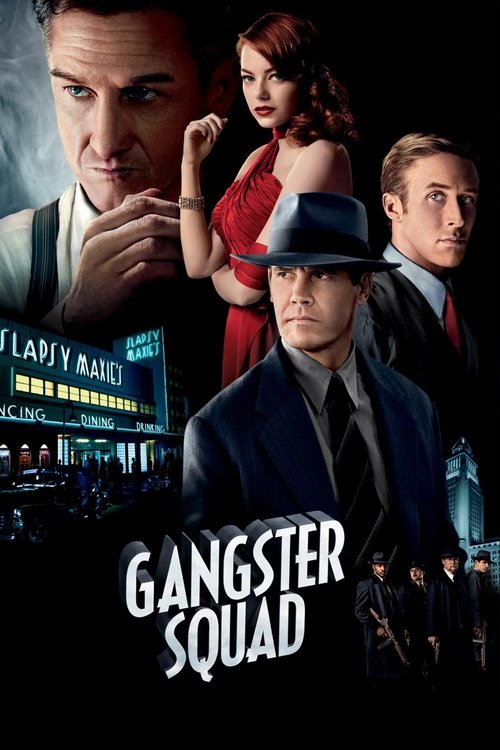
Gangster Squad
2013Los Angeles, 1949. Ruthless, Brooklyn-born mob king Mickey Cohen runs the show in this town, reaping the ill-gotten gains from the drugs, the guns, the prostitutes and — if he has his way — every wire bet placed west of Chicago. And he does it all with the protection of not only his own paid goons, but also the police and the politicians who are under his control. It’s enough to intimidate even the bravest, street-hardened cop… except, perhaps, for the small, secret crew of LAPD outsiders led by Sgt. John O’Mara and Jerry Wooters who come together to try to tear Cohen’s world apart.
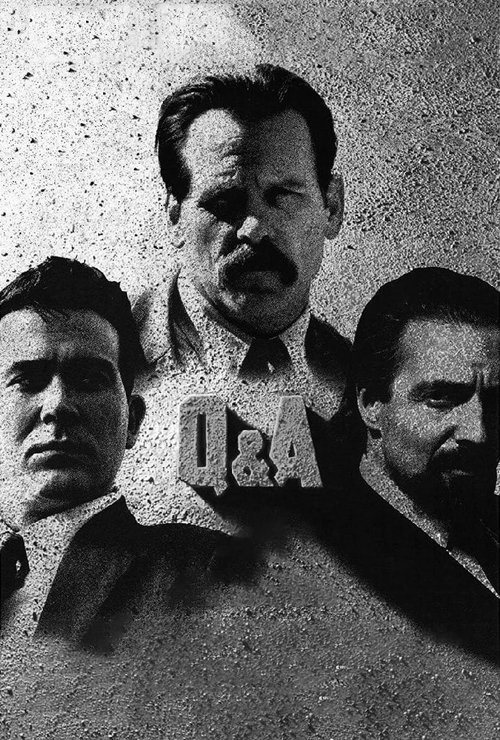
Q & A
1990A young district attorney seeking to prove a case against a corrupt police detective encounters a former lover and her new protector, a crime boss who refuses to help him.
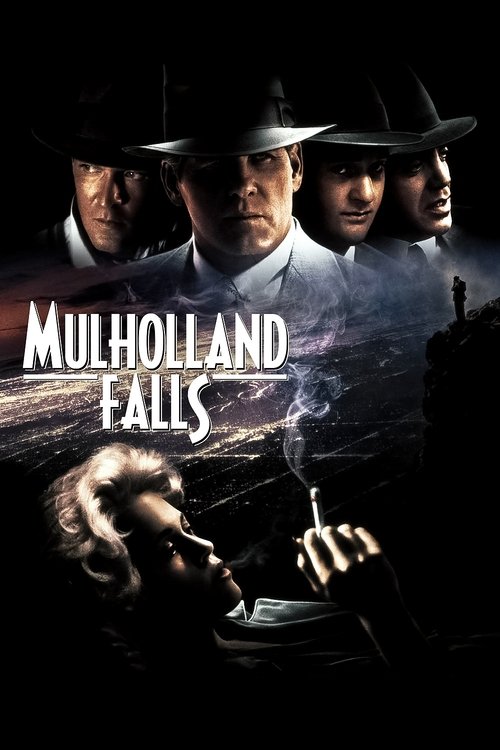
Mulholland Falls
1996In 1950s Los Angeles, a special crime squad of the LAPD investigates the murder of a young woman.
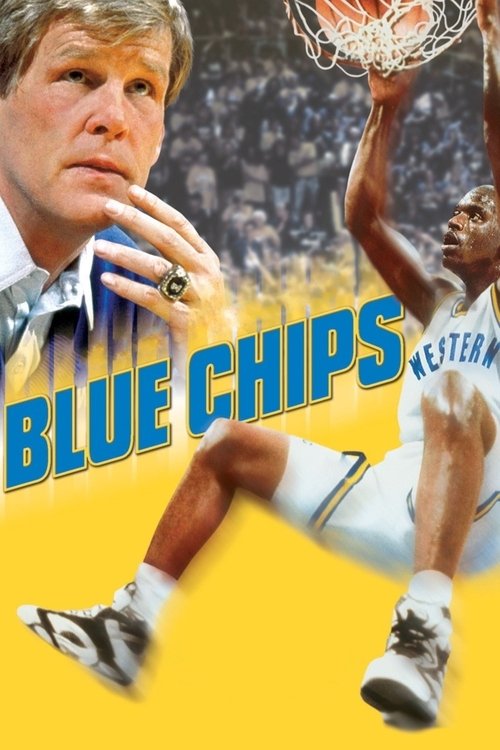
Blue Chips
1994Pete Bell, a college basketball coach is under a lot of pressure. His team isn't winning and he cannot attract new players. The stars of the future are secretly being paid by boosters. This practice is forbidden in the college game, but Pete is desperate and has pressures from all around.
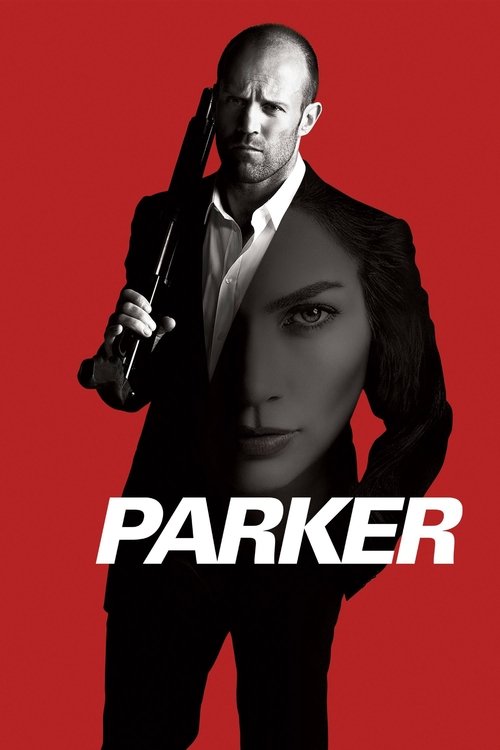
Parker
2013A thief with a unique code of professional ethics is double-crossed by his crew and left for dead. Assuming a new disguise and forming an unlikely alliance with a woman on the inside, he looks to hijack the score of the crew's latest heist.

New York Stories
1989Three tales of love, ambition, and neurosis unfold in the city that never sleeps. In "Life Lessons" (Martin Scorsese), a tormented painter channels heartbreak into his art. In "Life Without Zoë" (Francis Ford Coppola), a precocious 12-year-old navigates privilege and loneliness in a Manhattan hotel. And in "Oedipus Wrecks" (Woody Allen), a man’s domineering mother literally becomes a looming presence over New York.
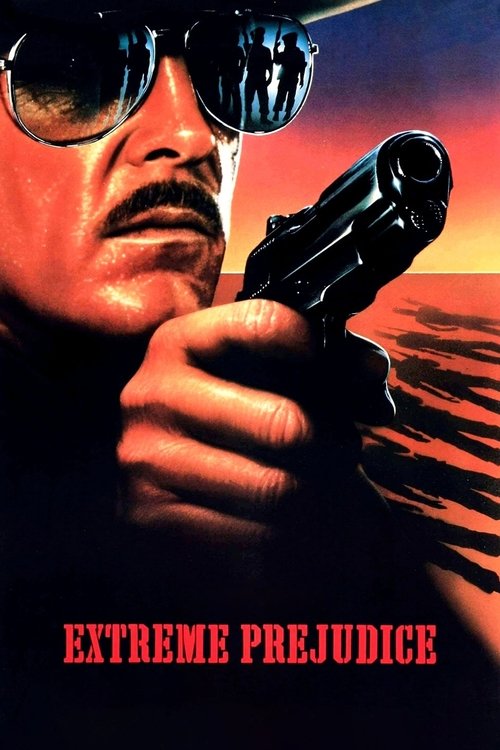
Extreme Prejudice
1987Lean, mean Texas Ranger Jack Benteen locks horns with a former friend, Cash Bailey, now a ruthless drug kingpin. Though they're on opposite sides of the law, they share a love interest in the sensual Sarita. When a crew of rogue soldiers descends upon the border town for an off-the-books mission, all roads lead to a bloody, to-the-death showdown, as loyalties shift and the lines between good and evil are blurred.
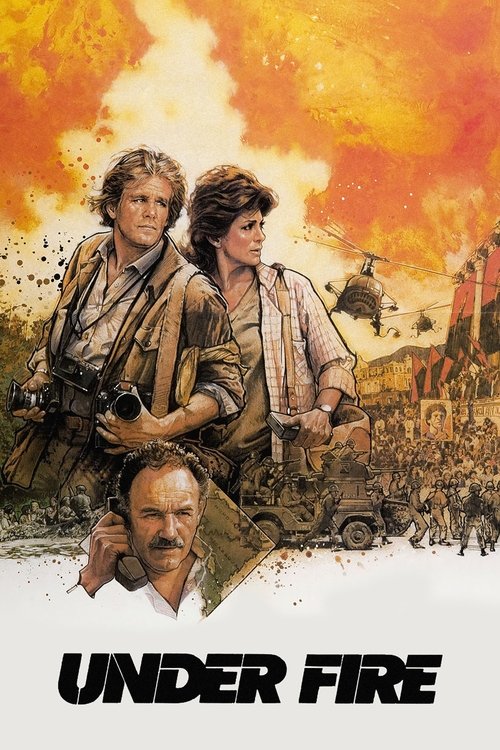
Under Fire
1983Three U.S. journalists get too close to one another and their work in 1979 Nicaragua.
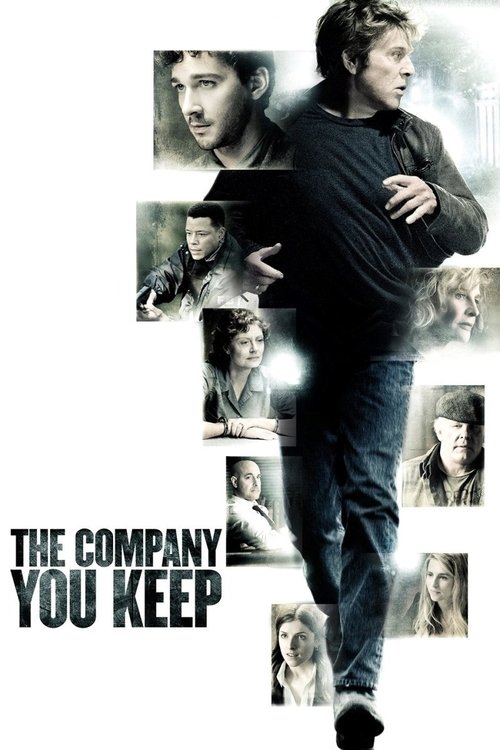
The Company You Keep
2012A former Weather Underground activist goes on the run from a journalist who discovers his identity.
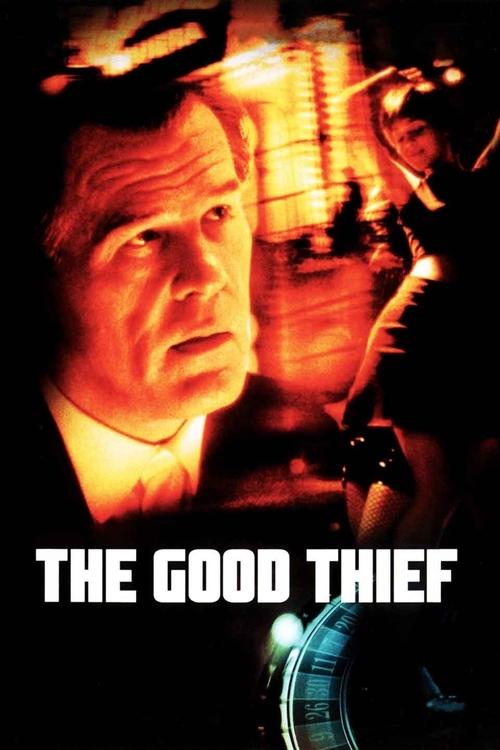
The Good Thief
2003An aging gambler on a losing streak attempts to rob a casino in Monte Carlo. But someone's already tipped off the cops before he even makes a move.

Peaceful Warrior
2006A chance encounter with a stranger changes the life of a college gymnast.
Playing a cryptic mentor, Nolte finds a meditative stillness that contrasts sharply with the eruptive roles of his youth. He effectively transforms into a spiritual vessel, showing a late-career evolution toward philosophical and quiet authority.
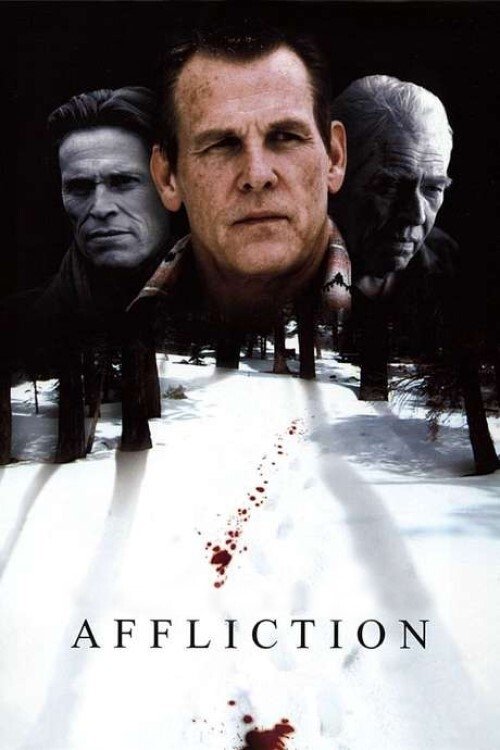
Affliction
1998A small town policeman must investigate a suspicious hunting accident. The investigation and other events result in him slowly disintegrating mentally.
This is a haunting, uncompromising look at the cyclical nature of violence through a performance that feels dangerously erratic. Nolte avoids every cliché of the small-town sheriff to instead offer a harrowing portrait of a man drowning in his own lineage.
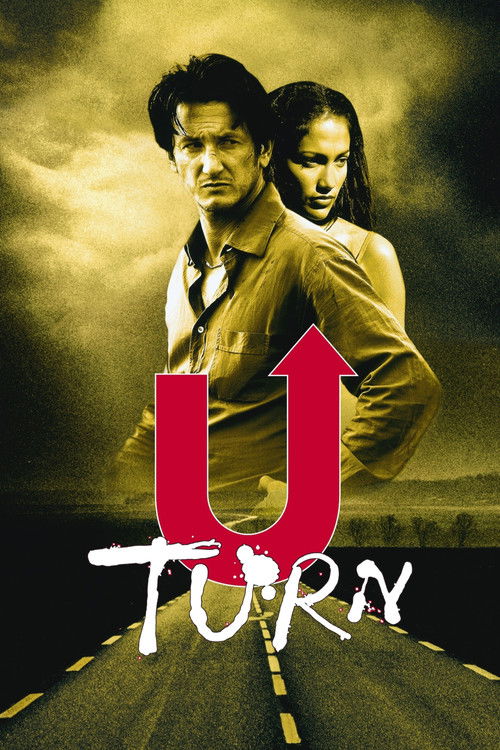
U Turn
1997When a desperate man’s car breaks down in a bizarre desert town while evading vengeful bookies, he becomes entangled in a dangerous love triangle. Caught between a married couple, he’s faced with deadly contracts to kill them both.
Nolte disappears under layers of grime and moral decay to deliver a performance so grotesque it borders on the mythological. He weaponizes his trademark gravelly roar to transform a desert noir archetype into a genuinely repulsive creature of pure id. It remains one of the boldest character swings of his career, proving he could out-weird even the most eccentric Oliver Stone ensemble.
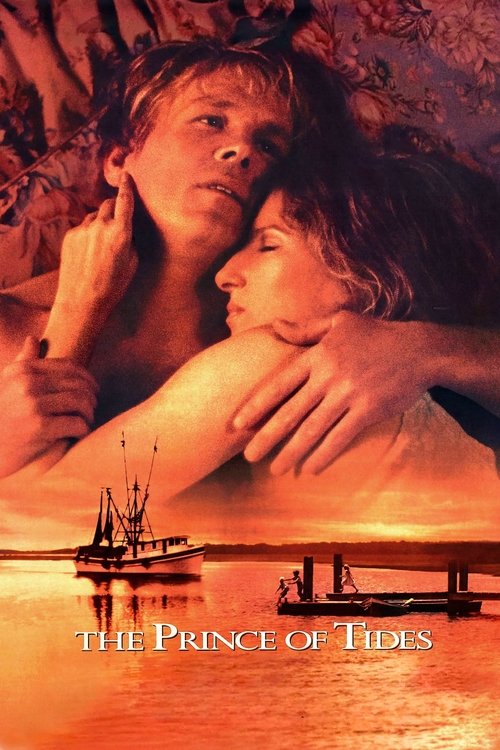
The Prince of Tides
1991A troubled Southern man talks to his suicidal sister's psychiatrist about their family history and falls in love with her (and New York City) in the process.
Nolte balances vulnerability with a burly masculinity to navigate the sensitive psychological terrain of this Southern melodrama. It remains a landmark in his filmography for proving he could headline a major romantic epic with sophisticated emotional depth.
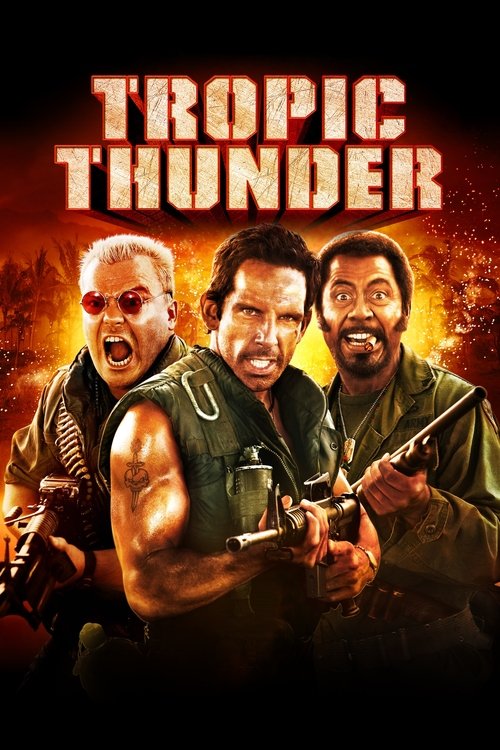
Tropic Thunder
2008A group of self-absorbed actors set out to make the most expensive war film ever. After ballooning costs force the studio to cancel the movie, the frustrated director refuses to stop shooting, leading his cast into the jungles of Southeast Asia, where they encounter real bad guys.
In a brilliant stroke of self-parody, Nolte leans into his own grizzled persona to play a fraudulent war veteran. This comedic pivot showed a refreshing willingness to subvert his tough-guy image for the sake of biting industry satire.

Lorenzo's Oil
1992Augusto and Michaela Odone are dealt a cruel blow by fate when their five-year-old son Lorenzo is diagnosed with a rare and incurable disease. But the Odones' persistence and faith leads to an unorthodox cure which saves their boy and re-writes medical history.
Adopting a focused, scholarly grit, Nolte demonstrates his incredible range by portraying a father fueled by intellectual stubbornness rather than mere emotion. This performance proved his ability to lead a cerebral drama without sacrificing his signature ruggedness.
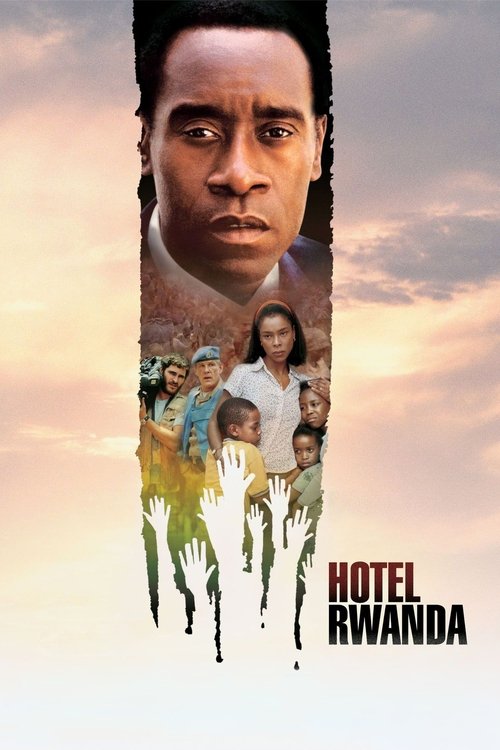
Hotel Rwanda
2004Inspired by true events, this film takes place in Rwanda in the 1990s when more than a million Tutsis were killed in a genocide that went mostly unnoticed by the rest of the world. Hotel owner Paul Rusesabagina houses over a thousand refuges in his hotel in attempt to save their lives.
Portraying a UN Colonel hamstrung by bureaucracy, Nolte serves as the film’s moral conscience through a weary, understated gravitas. He masterfully captures the impotence of a soldier forbidden from acting, marking a pivotal shift into his late-career statesman phase.
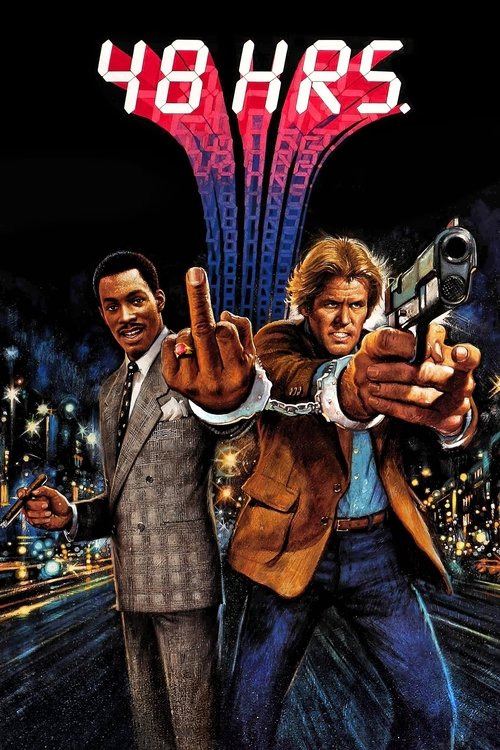
48 Hrs.
1982A hard-nosed cop reluctantly teams up with a wise-cracking criminal temporarily paroled to him, in order to track down a killer.
Nolte defined the modern buddy-cop archetype here by playing the quintessential salt-of-the-earth foil to Eddie Murphy’s high-energy charisma. His rumpled, cynical energy created a blueprint for every mismatched action duo that followed in the eighties.
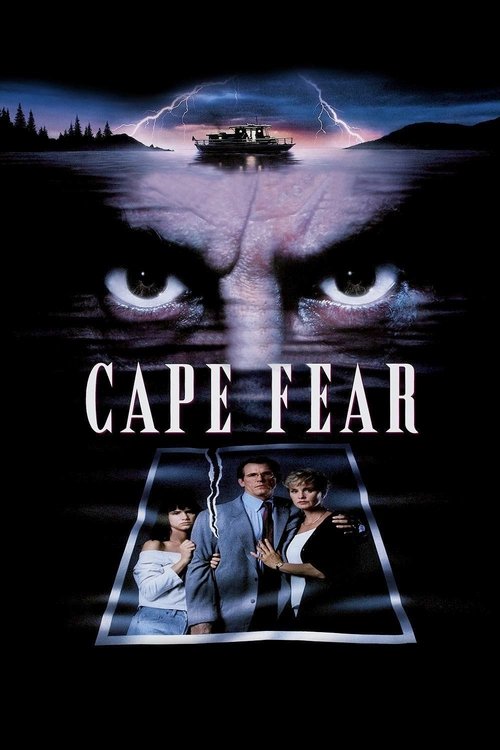
Cape Fear
1991Sam Bowden is a small-town corporate attorney. Max Cady is a tattooed, cigar-smoking, Bible-quoting, psychotic rapist. What do they have in common? 14 years ago, Sam was a public defender assigned to Max Cady's rape trial, and he made a serious error: he hid a document from his illiterate client that could have gotten him acquitted. Now, the cagey Cady has been released, and he intends to teach Sam Bowden and his family a thing or two about loss.
Opposite De Niro’s flamboyant villainy, Nolte provides a fascinatingly repressed performance as a man whose internal rot is slowly exposed. He turns the traditional victim role into a complex study of guilt and escalating panic under pressure.
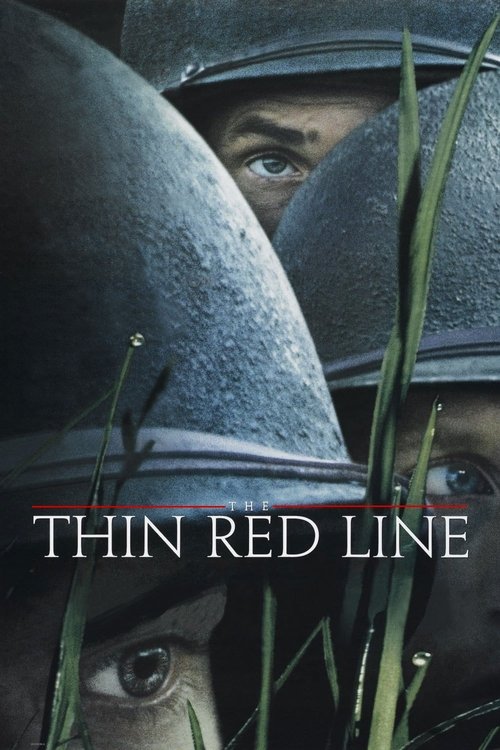
The story of a group of men, an Army Rifle company called C-for-Charlie, who change, suffer, and ultimately make essential discoveries about themselves during the fierce World War II battle of Guadalcanal. It follows their journey, from the surprise of an unopposed landing, through the bloody and exhausting battles that follow, to the ultimate departure of those who survived.
Terrence Malick utilizes Nolte’s volcanic intensity to represent the brutal machinery of war through the eyes of a career officer. It is a terrifyingly focused turn that anchors the film’s ethereal philosophy with a heavy, grounding desperation.
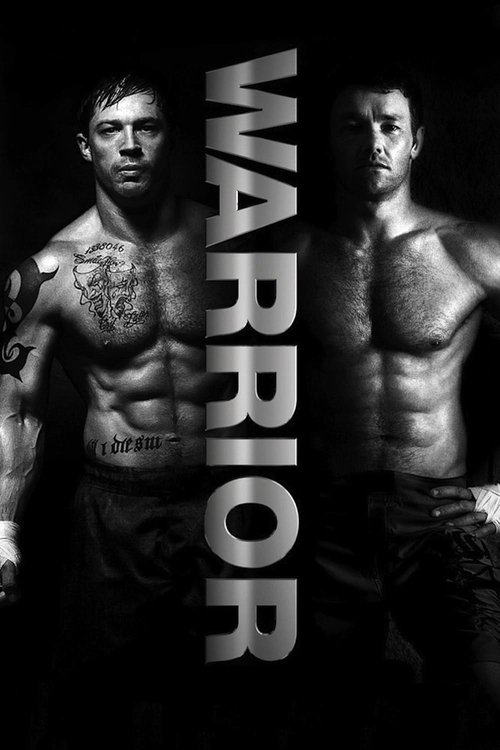
Warrior
2011The youngest son of an alcoholic former boxer returns home, where he's trained by his father for competition in a mixed martial arts tournament – a path that puts the fighter on a collision course with his estranged, older brother.
Nolte reaches a career zenith by weaponizing his weathered physicality to portray a recovering alcoholic seeking a fragile redemption. This role stripped away his leading-man artifice, leaving behind a raw, fractured patriarch that re-established him as one of cinema's premier character actors.
Frequently Asked Questions
Everything you need to know about this list and SnakeDrafts
- "Warrior" ranks highest due to Nolte's powerful portrayal of a recovering alcoholic father in a compelling drama about family and redemption. His intense performance earned critical acclaim and showcased his range in an emotionally charged role.
- In "The Thin Red Line," Nolte brings a nuanced and introspective quality to his character amidst the chaos of World War II. The film's philosophical narrative, directed by Terrence Malick, highlights Nolte's ability to embody complex internal struggles on screen.
- Nolte's role in "Cape Fear" adds depth and tension as a flawed defense attorney caught in a dangerous game of revenge. His gritty and intense acting enhances the film’s dark thriller atmosphere, making his character both vulnerable and compelling.
- Nick Nolte's versatility allows him to excel in intense dramas like "Lorenzo’s Oil" and action-packed films like "48 Hrs.", highlighting his range from psychological depth to physical toughness. This balance reflects the breadth of his celebrated career.
- Yes, the inclusion of "Tropic Thunder" (2008), a satirical comedy, is a surprising highlight, showcasing Nolte's comedic timing alongside action and drama roles. It demonstrates his willingness to tackle diverse genres beyond his usual serious characters.
- Common themes include personal redemption, family dynamics, and inner turmoil, evident in films like "Warrior" and "Affliction." His movies often explore the complexity of human psychology amidst external conflicts, adding emotional weight to his performances.
- This list focuses on films that best highlight Nolte's most impactful performances according to critical and audience acclaim. Some lesser-known or less representative films might be excluded to maintain a concise ranking of his definitive work.
- In "Hotel Rwanda," Nolte plays a supporting role that is grounded in historical reality, which contrasts with his often rugged and troubled protagonists. This role showcases his ability to contribute meaningfully to ensemble casts in true-story dramas.