The Best Mel Gibson Movies Ranked
From Mad Max to Braveheart and Lethal Weapon
Discover the finest performances of Mel Gibson's career. Our definitive guide ranks the essential films from this legendary actor and director.
About Mel Gibson
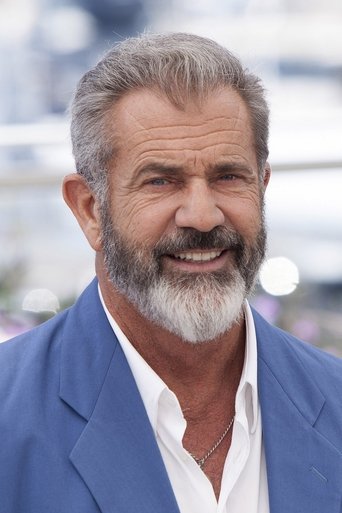
In the late seventies, a lean, blue-eyed intensity arrived from Australia that felt less like a new star and more like a seismic shift. Mel Gibson didn't just walk onto the screen; he haunted it as Max Rockatansky, a man hollowed out by a decaying world. In the original Mad Max and its visceral sequel, Mad Max 2, he mastered the art of the silent, kinetic protagonist, proving that a look of weary resignation could be more explosive than any dialogue. These early roles established a visual shorthand for his entire career—the combustible mixture of a vulnerable heart and a hair-trigger temper.
While his contemporaries played heroes as invincible statues, Gibson became the architect of the unhinged protagonist. His portrayal of Martin Riggs in Lethal Weapon reimagined the action star as someone genuinely on the edge of a nervous breakdown. He brought a frantic, manic energy to the police procedural, turning a buddy-cop premise into a character study of grief and adrenaline. This template of the "crazy-brave" hero defined his peak years, allowing him to oscillate between the roguish charm of Maverick and the jagged, gritty vengeance of Ransom and Payback.
His transformation into a cinematic powerhouse, however, was anchored in a specific type of historical masculinity. Whether leading a doomed charge in Gallipoli or wielding a claymore in Braveheart, he specialized in the nobility of the underdog. Braveheart remains the definitive statement of his creative identity—a sprawling, bloody epic that he not only anchored as an actor but commanded as an Oscar-winning director. It tapped into a primal, populist frequency that few of his peers could reach, turning historical tragedy into a visceral cry for sovereignty. He excelled at playing men burdened by duty and loss, a theme he revisited with stark realism in the Vietnam drama We Were Soldiers and the revolutionary fervor of The Patriot.
Beyond the battlefield, Gibson possessed a rare, twitchy comedic timing that surfaced in unexpected places. He could pivot from the brooding shadows of Hamlet to the existential dread of M. Night Shyamalan’s Signs with seamless ease. In Signs, he traded the broad strokes of an action star for a quiet, shattering portrayal of lost faith, reminding audiences that his most effective weapon was often his stillness. Even in his later experiments, such as the linguistically dense The Professor and the Madman, he retained that signature spark of a man obsessed, driven by a singular, internal engine.
Ultimately, the cultural legacy he built is one of high-stakes commitment. Audiences gravitated toward him because he never seemed to be faking the stakes; there was an undeniable, often uncomfortable sincerity to his performances. From the deck of the high seas in The Bounty to the post-apocalyptic highways of the outback, he carved out a niche as Hollywood’s most intense visionary. He remains a singular figure in the cinematic landscape, a craftsman who understood that the most compelling heroes are the ones who are just a little bit broken.
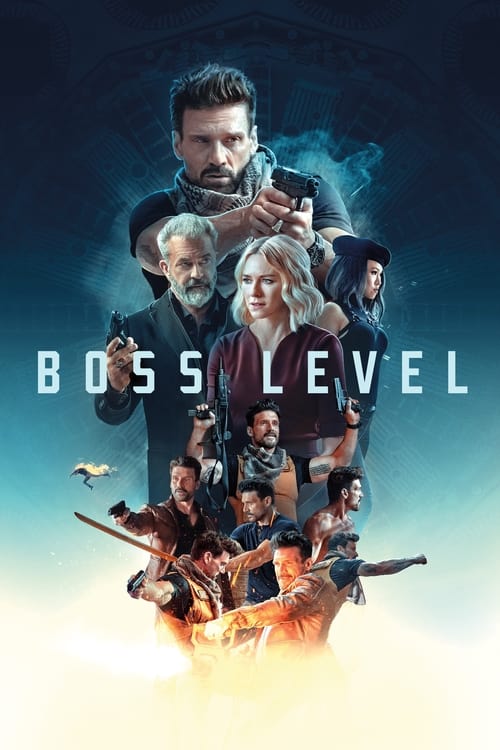
Boss Level
2021A former special forces agent is trapped in a time loop and relives his death over and over again. To escape the terrible situation, he must track down those responsible and stop them.
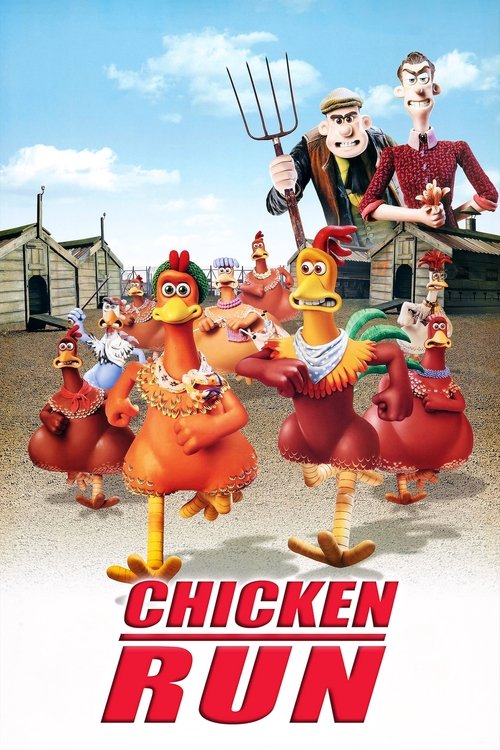
Chicken Run
2000The creators of Wallace & Gromit bring you an exciting and original story about a group of chickens determined to fly the coop–even if they can’t fly! It’s hardly poultry in motion when Rocky attempts to teach Ginger and her feathered friends to fly…but, with teamwork, determination and a little bit o’ cluck, the fearless flock plots one last attempt in a spectacular bid for freedom.
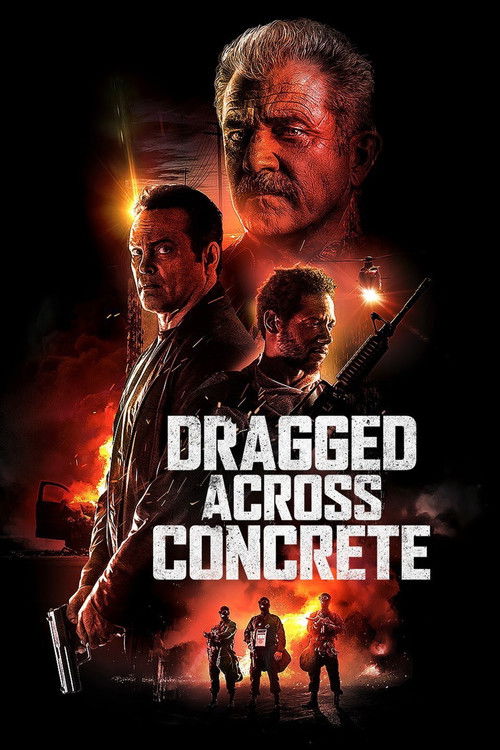
Dragged Across Concrete
2019Two policemen, one an old-timer, the other his volatile younger partner, find themselves suspended when a video of their strong-arm tactics becomes the media's cause du jour. Low on cash and with no other options, these two embittered soldiers descend into the criminal underworld to gain their just due, but instead find far more than they wanted awaiting them in the shadows.
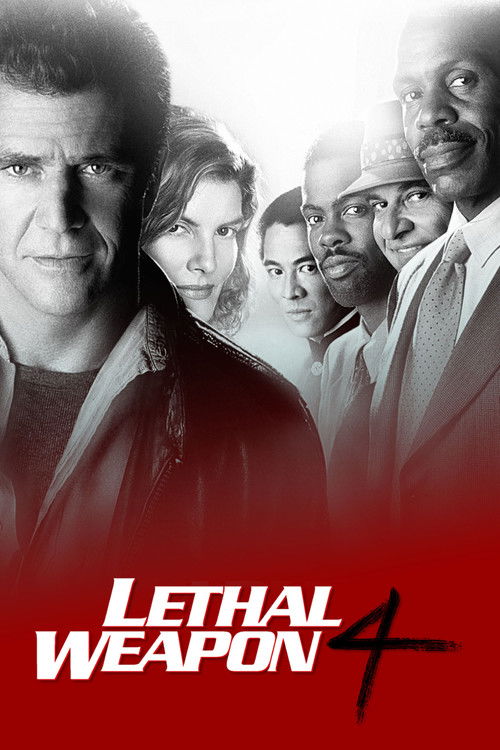
Lethal Weapon 4
1998With personal crises and age weighing in on them, Riggs and Murtaugh must contend with deadly Chinese triads trying to free their former leaders from prison and onto American soil.
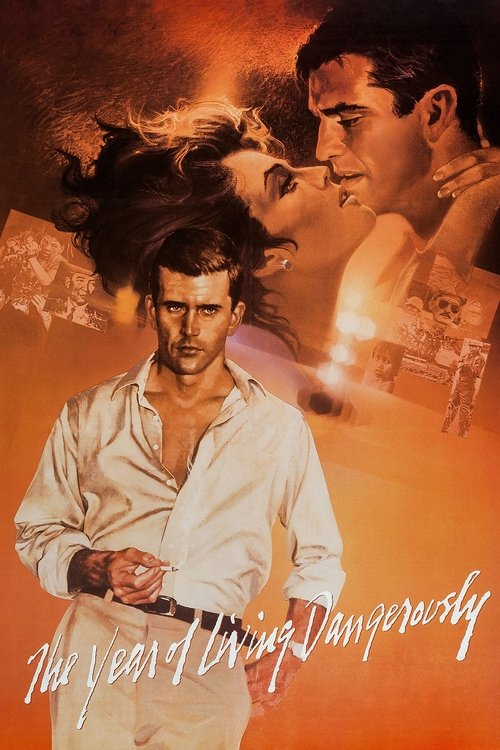
The Year of Living Dangerously
1982A young Australian reporter tries to navigate the political turmoil of Indonesia during the rule of President Sukarno with the help of a diminutive photographer.
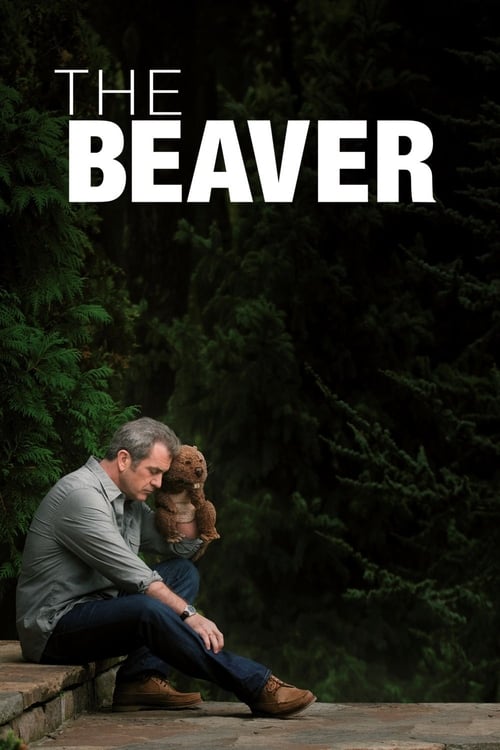
The Beaver
2011Suffering from a severe case of depression, toy company CEO Walter Black begins using a beaver hand puppet to help him open up to his family. With his father seemingly going insane, adolescent son Porter pushes for his parents to get a divorce.
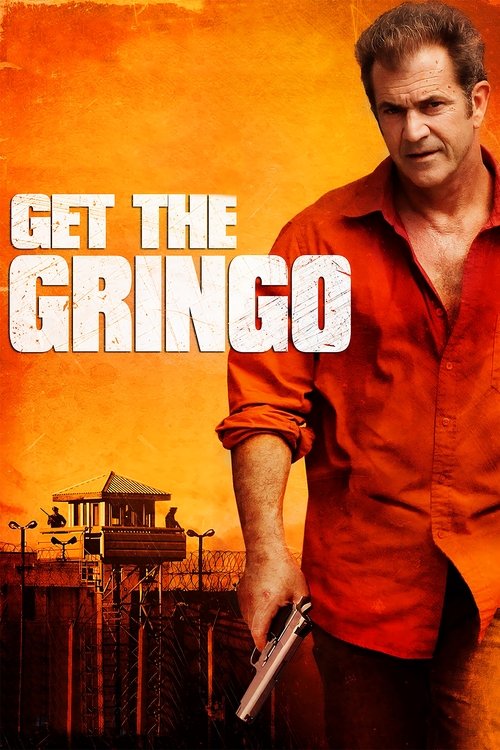
Get the Gringo
2012A career criminal nabbed by Mexican authorities is placed in a tough prison where he learns to survive with the help of a 9-year-old boy.
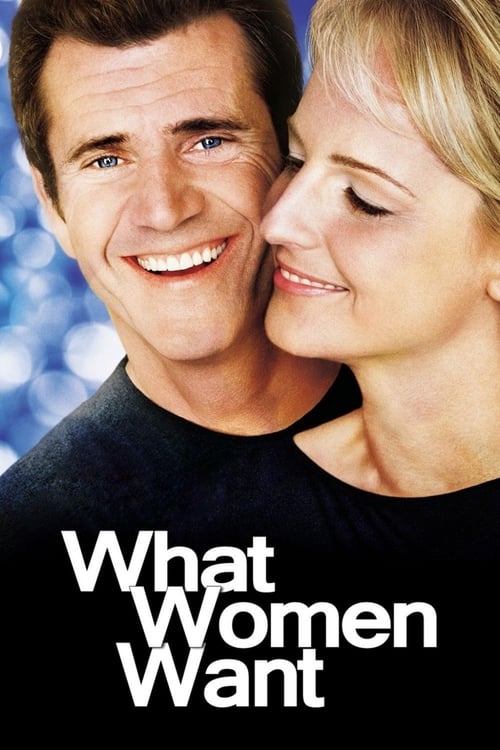
What Women Want
2000Advertising executive Nick Marshall is as cocky as they come, but what happens to a chauvinistic guy when he can suddenly hear what women are thinking? Nick gets passed over for a promotion, but after an accident enables him to hear women's thoughts, he puts his newfound talent to work against Darcy, his new boss, who seems to be infatuated with him.
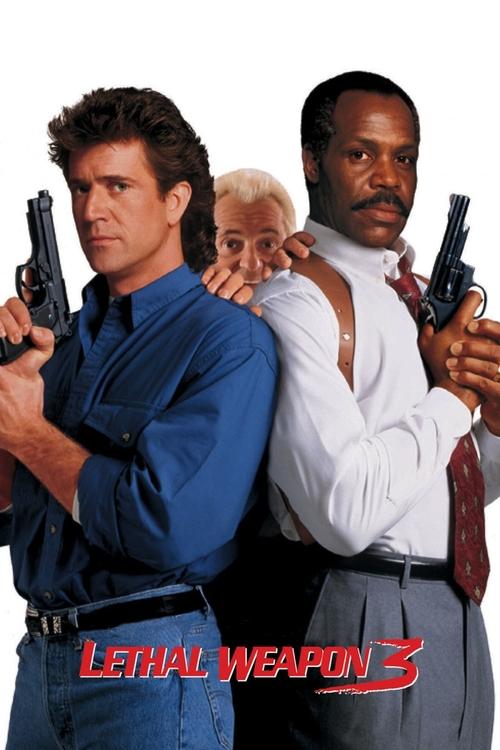
Lethal Weapon 3
1992Riggs and Murtaugh pursue a former officer who uses his knowledge of police procedure and policies to steal and sell confiscated guns and ammunition to local street gangs.
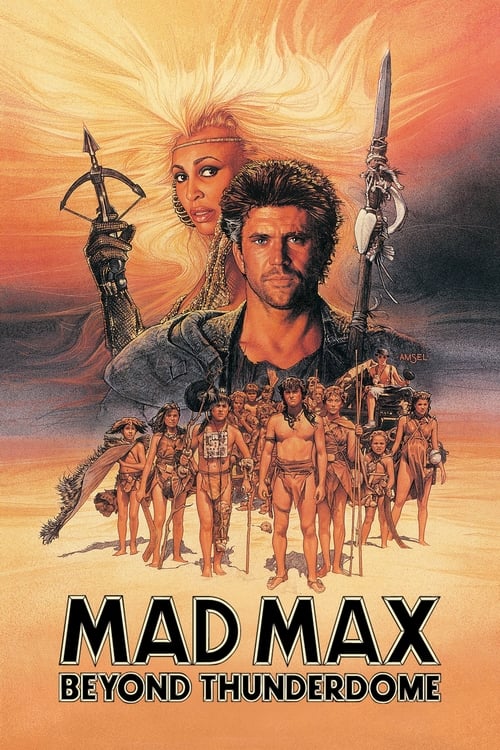
Mad Max becomes a pawn in a decadent oasis of a technological society, and when exiled, becomes the deliverer of a colony of children.
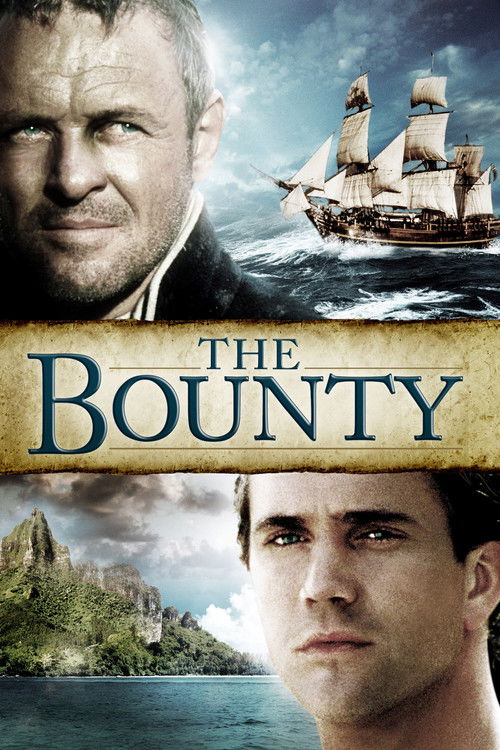
The Bounty
1984An idyllic voyage to Tahiti in 1789 turns a crew aboard the H.M.S. Bounty against its captain when they find a tropical paradise.
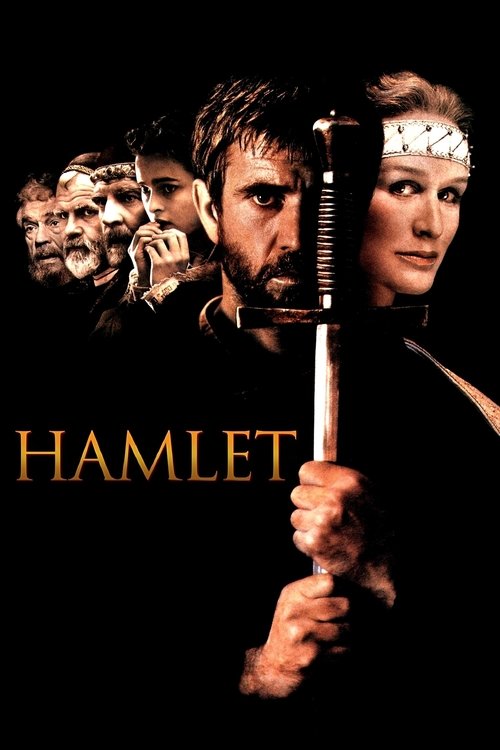
Hamlet
1990Hamlet, Prince of Denmark, finds out that his uncle Claudius killed his father to obtain the throne, and plans revenge.
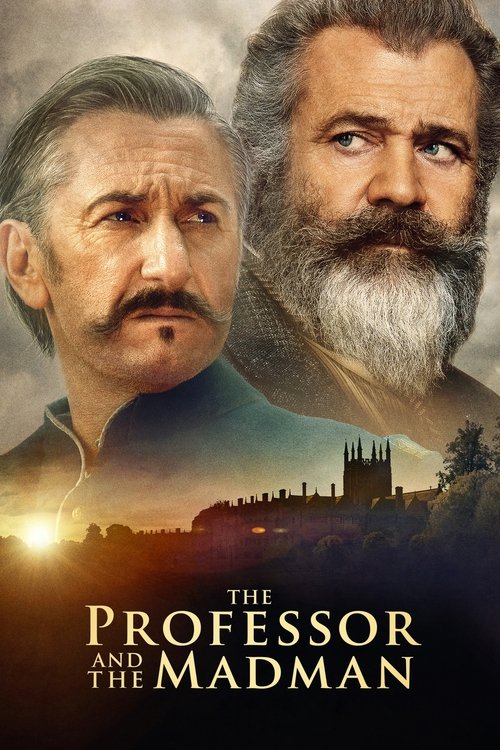
The Professor and the Madman
2019Professor James Murray begins work compiling words for the first edition of the Oxford English Dictionary in the mid 19th century, and receives over 10,000 entries from a patient at Broadmoor Criminal Lunatic Asylum, Dr. William Minor.
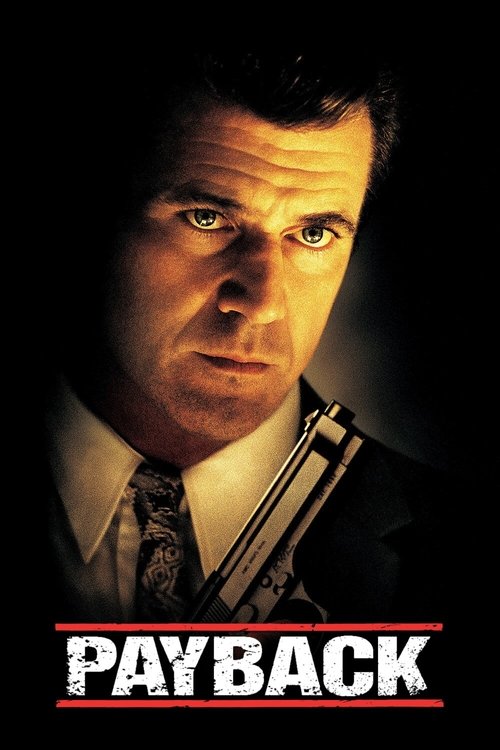
Payback
1999With friends like these, who needs enemies? That's the question bad guy Porter is left asking after his wife and partner steal his heist money and leave him for dead -- or so they think. Five months and an endless reservoir of bitterness later, Porter's partners and the crooked cops on his tail learn how bad payback can be.
Gallipoli
1981Two Australian sprinters face the brutal realities of war when they are sent to fight in the Gallipoli campaign in the Ottoman Empire during World War I.
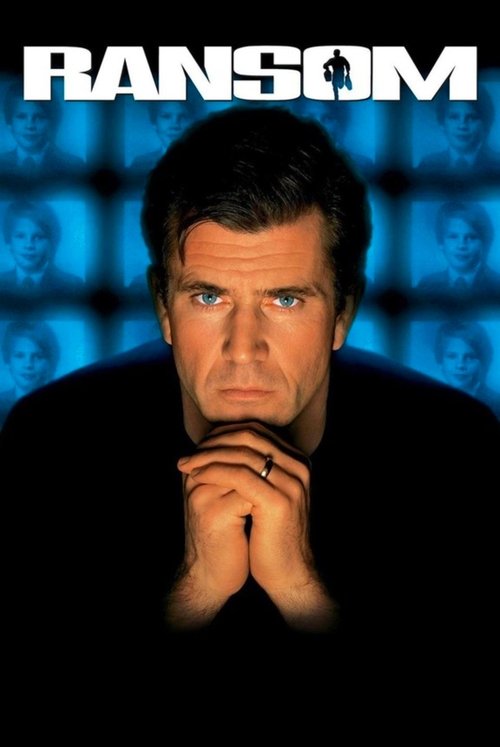
Ransom
1996When a rich man's son is kidnapped, he cooperates with the police at first but then tries a unique tactic against the criminals.
Gibson weaponizes his trademark volatility to portray a father whose grief curdles into a dangerous, high-stakes defiance. It marks a pivotal shift in his career away from the charming rogue and toward a more grizzled, morally complex archetype defined by frantic intensity. His frantic, wild-eyed negotiation scenes strip away the action-star veneer to reveal a raw, parental desperation that keeps the entire thriller uncomfortably taut.
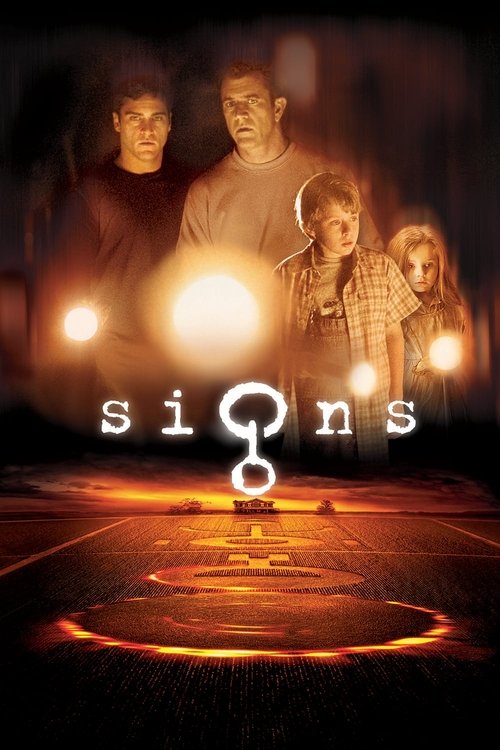
Signs
2002A family living on a farm finds mysterious crop circles in their fields which suggests something more frightening to come.
Gibson trades his usual kinetic bravado for a masterclass in haunted stillness, grounding the film’s high-concept dread in the wounded exhaustion of a man who has lost his faith. It remains a pivotal outlier in his filmography, proving he could command a screen through internal fracturing and quiet, parental desperation rather than sheer charisma. His reactive, minimalist work here provides the essential emotional ballast that prevents the supernatural spectacle from drifting into absurdity.
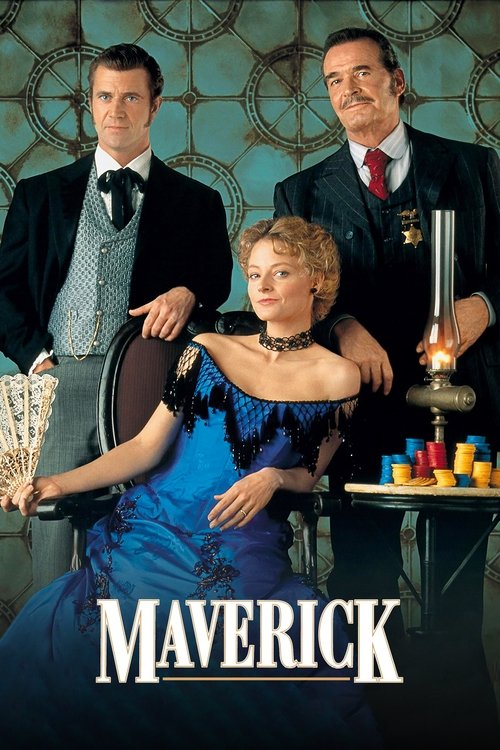
Maverick
1994Bret Maverick is a gambler who would rather con someone than fight them, and needs an additional $3k in order to enter a winner-takes-all poker game beginning in a few days. He joins forces with a woman with a marvelous Southern accent, and the two try and enter the game.
Gibson trades his usual Intensity for a sly, self-deprecating charm, proving he could carry a blockbuster with a wink and a shrug rather than a muzzle flash. It is the definitive showcase of his comedic timing, stripping away the Riggs-era grit to reveal a charismatic lightweight who thrives on pure, effortless movie-star magnetism. This remains the crucial pivot point where Gibson successfully rebranded his wild-eyed volatility into a polished, roguish wit.
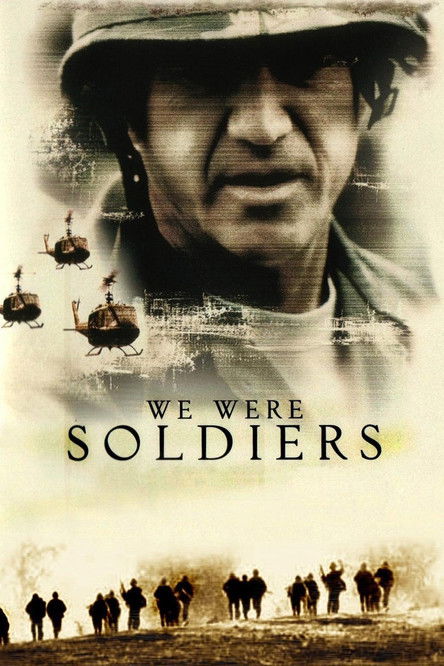
We Were Soldiers
2002The story of the first major battle of the American phase of the Vietnam War and the soldiers on both sides that fought it.
Gibson grounds the chaos of combat with a weary, prayerful gravel, portraying Hal Moore as a father figure burdened by the lethal weight of his own commands. It stands as the definitive transition point in his career, where his trademark manic intensity finally matured into the somber, authoritative gravitas of a seasoned leader. He replaces the fire-breathing bravado of his younger roles with a disciplined, internalized stillness that makes the character’s inevitable grief feel devastatingly earned.
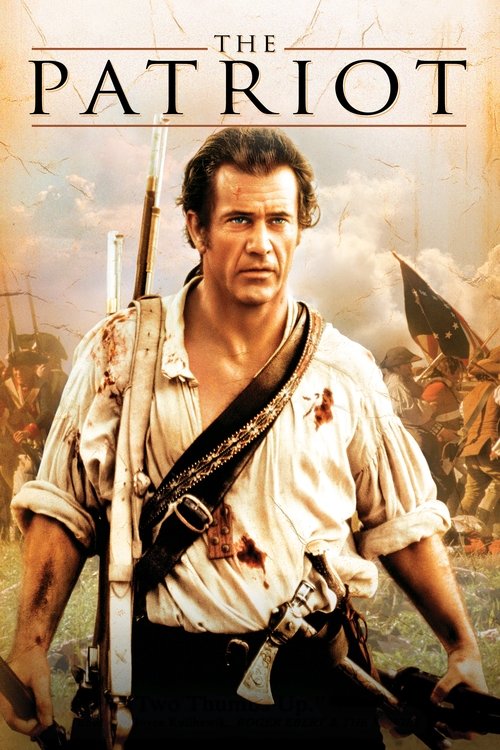
The Patriot
2000After proving himself on the field of battle in the French and Indian War, Benjamin Martin wants nothing more to do with such things, preferring the simple life of a farmer. But when his son Gabriel enlists in the army to defend their new nation, America, against the British, Benjamin reluctantly returns to his old life to protect his son.
Gibson weaponizes a simmering, haunted stillness that eventually curdles into the feral, wide-eyed intensity that became his big-screen trademark. It is a pivotal pivot point in his career, bridging the gap between his youthful bravado and the gritty, gravitas-heavy patriarch roles that would define his later years. He anchors the historical spectacle by grounding Benjamin Martin’s lethal efficiency in a believable, bone-deep exhaustion.
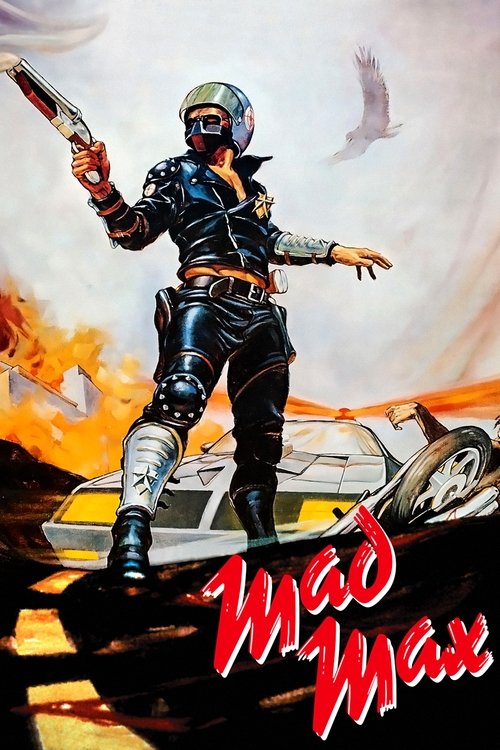
Mad Max
1979In the ravaged near-future, a savage motorcycle gang rules the road. Terrorizing innocent civilians while tearing up the streets, the ruthless gang laughs in the face of a police force hell-bent on stopping them.
Gibson radiates a raw, coiled-spring volatility, grounding the film’s wasteland anarchy with a soulful stillness that gradually curdles into cold-blooded detachment. This role transformed him from a drama school graduate into a definitive archetype of the laconic action anti-hero, proving he could command the screen with little more than a piercing stare and a shotgun. It remains the essential blueprint for his career, capturing the exact moment his boyish magnetism shifted into something far more jagged and dangerous.
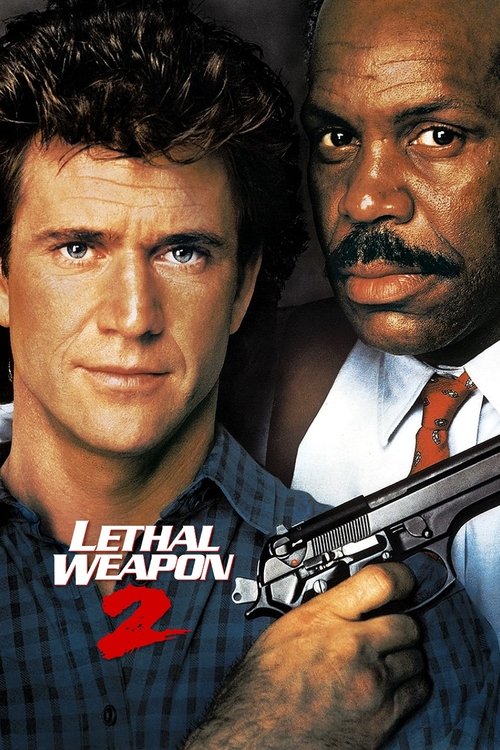
Lethal Weapon 2
1989Riggs and Murtaugh are on the trail of South African diplomats using their immunity to engage in criminal activities.
Gibson elevates the loose-cannon archetype into an art form, balancing a twitchy, manic energy with the soulful exhaustion of a man who has nothing left to lose. It is the definitive maturation of the Martin Riggs persona, solidifying Gibson’s status as the quintessential 1980s action lead who could pivot from slapstick physical comedy to haunted intensity in a single heartbeat. He doesn't just play a tough guy; he plays a live wire perpetually waiting for the world to flip the switch.
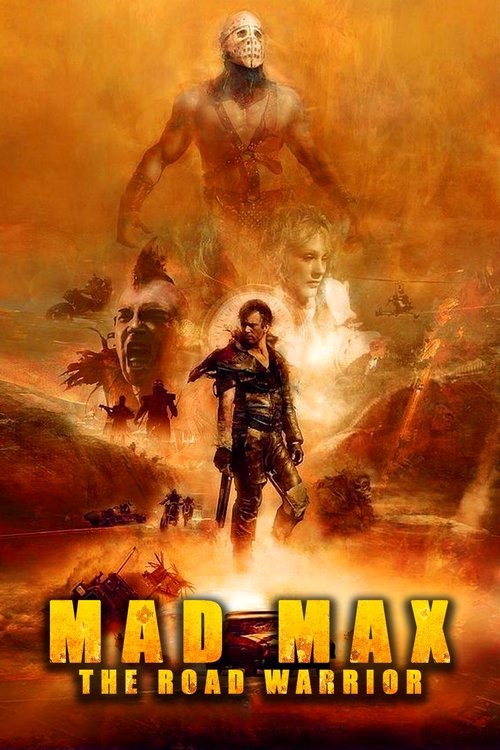
Mad Max 2
1981Max Rockatansky returns as the heroic loner who drives the dusty roads of a postapocalyptic Australian Outback in an unending search for gasoline. Arrayed against him and the other scraggly defendants of a fuel-depot encampment are the bizarre warriors commanded by the charismatic Lord Humungus, a violent leader whose scruples are as barren as the surrounding landscape.
Gibson defines the stoic archetype of the post-apocalyptic era, wielding a haunted, thousand-yard stare that communicates more through twitchy reflexes than dialogue. It is the role that cemented him as a global superstar, proving he could command the screen with a lethal, minimalist physicality. He strips away any lingering leading-man vanity to inhabit a shell of a human being fueled entirely by survivalist instinct.
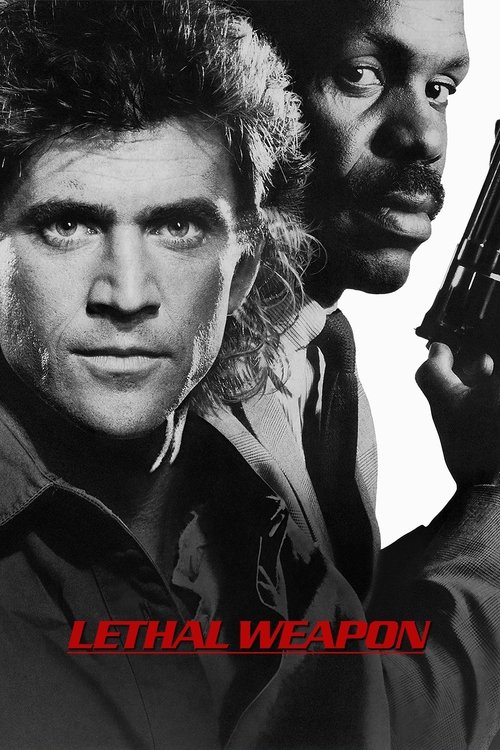
Lethal Weapon
1987A veteran cop and an unstable detective become partners who must put their differences aside in order to bring down a heroin-smuggling ring run by ex-Special Forces.
Gibson weaponizes a volatile, twitchy energy as Martin Riggs, perfecting the "loose cannon" archetype with an authentic undercurrent of grief that elevates the film above standard genre fare. This performance didn't just solidify his status as a premier action star; it redefined the cinematic hero as someone as capable of a mental break as they are of a fistfight. He oscillates brilliantly between comedic absurdity and a terrifying, wide-eyed unpredictability that remains the gold standard for the buddy-cop dynamic.
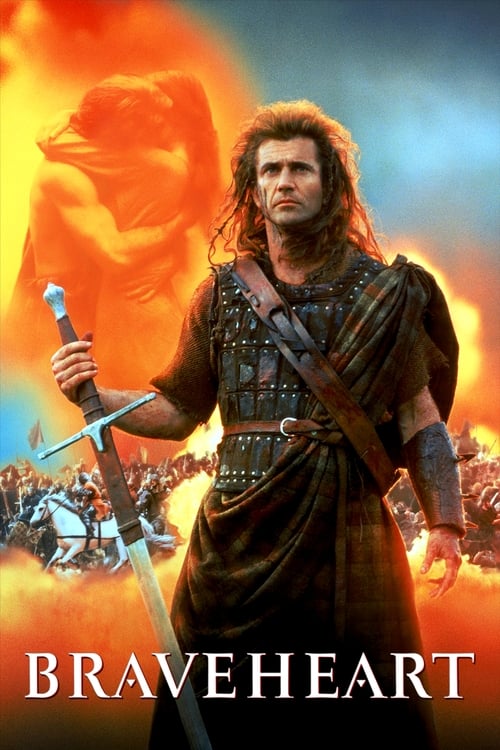
Braveheart
1995Enraged at the slaughter of Murron, his new bride and childhood love, Scottish warrior William Wallace slays a platoon of the local English lord's soldiers. This leads the village to revolt and, eventually, the entire country to rise up against English rule.
Gibson weaponizes a raw, feral charisma to transform William Wallace into a messianic firebrand, grounding the epic’s bloody spectacle in a performance defined by piercing intensity and guttural conviction. It is the definitive hinge point of his career, marking his evolution from a frantic action star into a formidable cinematic heavyweight with the gravitas to anchor a historical myth. He navigates the transition from grieving widower to scorched-earth revolutionary with a manic energy that makes his rallying cries feel less like scripted speeches and more like volatile kinetic force.
Frequently Asked Questions
Everything you need to know about this list and SnakeDrafts
- Braveheart is a definitive Mel Gibson film where he not only stars but also directs. This historical war drama highlights his profound ability to deliver an emotional performance while managing complex storytelling behind the camera.
- Mad Max and its sequel Mad Max 2 were pivotal in establishing Mel Gibson as a dynamic action star. His portrayal of Max Rockatansky introduced a compelling, silent protagonist archetype that set him apart in the action and sci-fi genres.
- Besides Braveheart, Mel Gibson delivered powerful performances in The Patriot and Gallipoli. These films emphasize his talent for bringing historical and wartime narratives to life with emotional depth and authenticity.
- Lethal Weapon and Lethal Weapon 2 exemplify Mel Gibson's strong presence in action and thriller genres. These films combine intense action sequences with crime-based storytelling, making them staples of late 20th-century action cinema.
- Yes, Mel Gibson took a different turn with Signs, a sci-fi thriller directed by M. Night Shyamalan. This film explores suspense and supernatural themes, showcasing his versatility beyond action and historical dramas.
- Maverick uniquely mixes action, adventure, comedy, drama, and western elements. This genre-bending film highlights Gibson's ability to adapt to diverse roles and tones, emphasizing both his charm and comedic timing.
- Absolutely, films like Braveheart, The Patriot, and The Bounty are rooted in real historical events and figures. Gibson's performances in these movies often emphasize the human side of historic conflict and drama, enhancing their impact.