Every Alan Alda Movie Ranked
Defining the Career of an American Acting Legend
Explore the finest cinematic performances of Alan Alda, from prestige dramas to sharp comedies and award-winning supporting roles in film history.
About Alan Alda
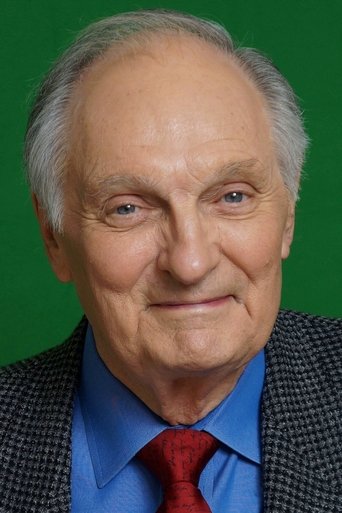
To describe Alan Alda as merely a television icon is to ignore the restless, intellectual curiosity that has fueled one of the most durable careers in American performance. While he will always occupy a permanent corner of the collective psyche as Hawkeye Pierce, his transition from the surgical tents of Korea to the upper echelons of prestige cinema revealed a performer with a rare gift for playing both the smartest man in the room and the one most blind to his own flaws. He possesses a signature rhythmic delivery, a blend of rapid-fire wit and a gentle, nasal warmth that makes even his most cynical characters feel profoundly human.
Audiences gravitate toward him because he projects an inherent decency that never feels saccharine. He manages to balance a sharp, urban sophistication with a desperate, relatable vulnerability. This duality made him the perfect avatar for the complex anxieties of the late twentieth century. In The Four Seasons, which he also wrote and directed, he captured the fraying edges of middle-aged friendships with an honesty that felt revolutionary for its time. He has a knack for portraying men who are deeply committed to their principles, even when those principles lead them into moral thickets.
His collaborations with Woody Allen showcased his range as a high-society foil, particularly in Crimes and Misdemeanors and Manhattan Murder Mystery, where he weaponized his natural charisma to play men who were simultaneously charming and insufferable. Later in his career, he mastered the art of the elder statesman. In The Aviator, he stood toe-to-toe with younger powerhouses, radiating a chilly, political calculation that earned him an Oscar nomination. Whether playing a hard-nosed editor in Nothing But the Truth or a seasoned lawyer in Bridge of Spies, he brings a gravitational weight to the screen, a sense that his characters have lived full, complicated lives before the camera even started rolling.
Even in lighter fare like What Women Want or Flirting with Disaster, he never phones it in, often stealing scenes with a dry, observational humor. His recent turn in Marriage Story served as a poignant reminder of his enduring relevance. As a weary, empathetic divorce attorney, he provided the film with its soul, offering a masterclass in subtlety and warmth. It is this refusal to retire his curiosity that keeps him vital. He has spent decades exploring the human condition, moving seamlessly from the romantic yearning of Same Time, Next Year to the high-stakes tension of Murder at 1600. Ultimately, he remains the thinking person’s actor, a performer who understands that the most compelling drama lies in the quiet space between a witty remark and a moment of sudden, startling clarity.
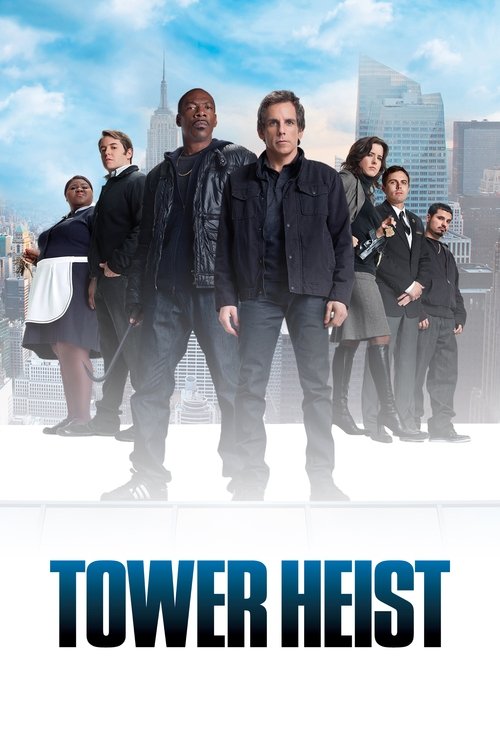
Tower Heist
2011A luxury condo manager leads a staff of workers to seek payback on the Wall Street swindler who defrauded them. With only days until the billionaire gets away with the perfect crime, the unlikely crew of amateur thieves enlists the help of petty crook Slide to steal the $20 million they’re sure is hidden in the penthouse.
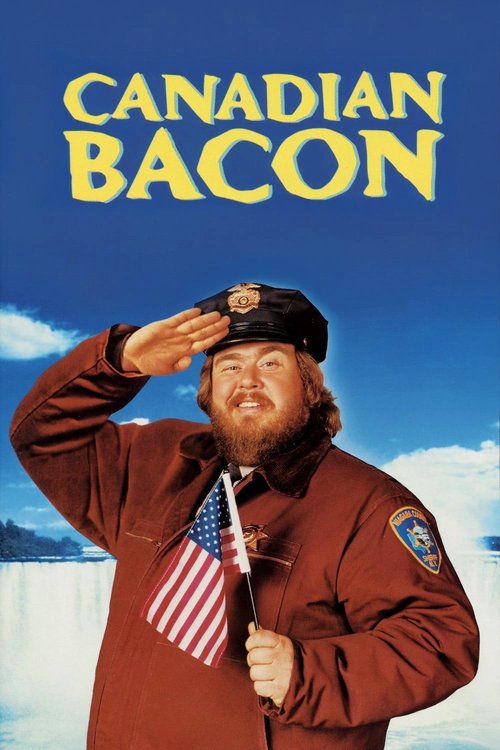
Canadian Bacon
1995The U.S. President, low in the opinion polls, gets talked into raising his popularity by trying to start a cold war with Canada.
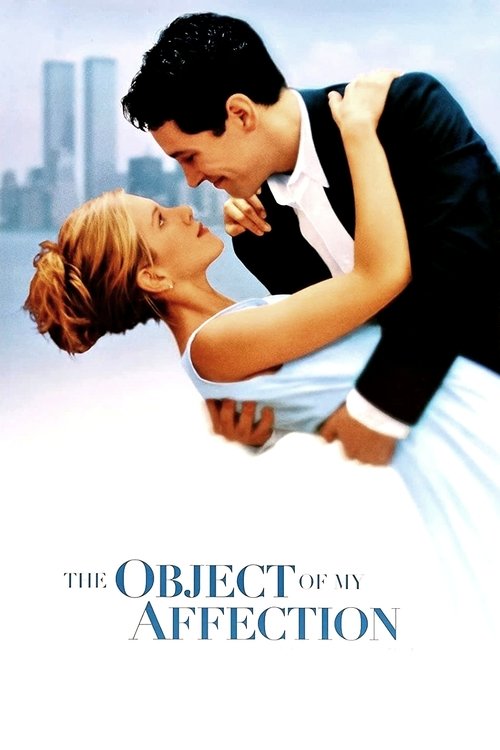
The Object of My Affection
1998A pregnant New York social worker begins to develop romantic feelings for her gay best friend, and decides she'd rather raise her child with him, much to the dismay of her overbearing boyfriend.
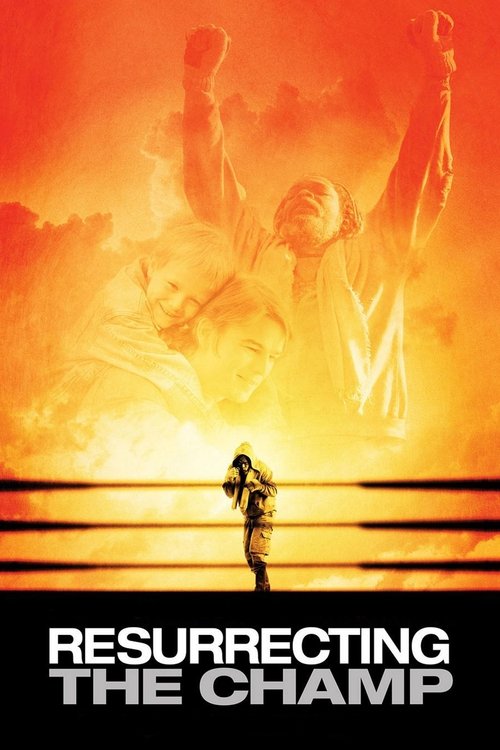
Resurrecting the Champ
2007Up-and-coming sports reporter rescues a homeless man ("Champ") only to discover that he is, in fact, a boxing legend believed to have passed away. What begins as an opportunity to resurrect Champ's story and escape the shadow of his father's success becomes a personal journey as the ambitious reporter reexamines his own life and his relationship with his family.
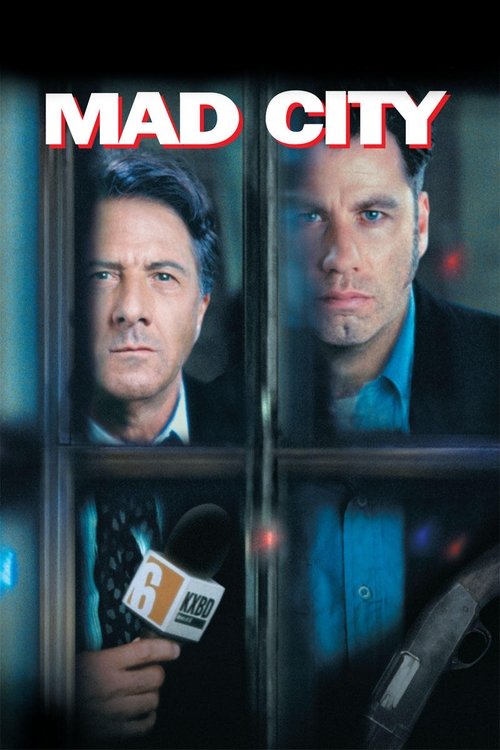
Mad City
1997A misguided museum guard who loses his job and then tries to get it back at gunpoint is thrown into the fierce world of ratings-driven TV gone mad.
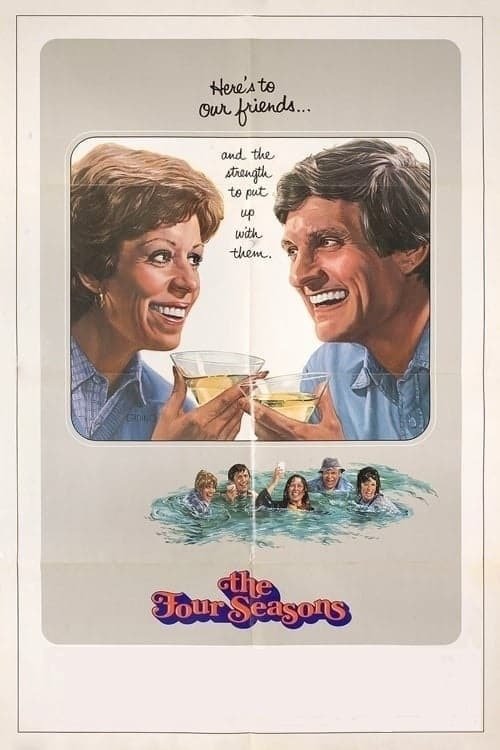
The Four Seasons
1981Three middle-aged wealthy couples take vacations together in Spring, Summer, Autumn and Winter. Along the way we are treated to mid-life, marital, parental and other crises.
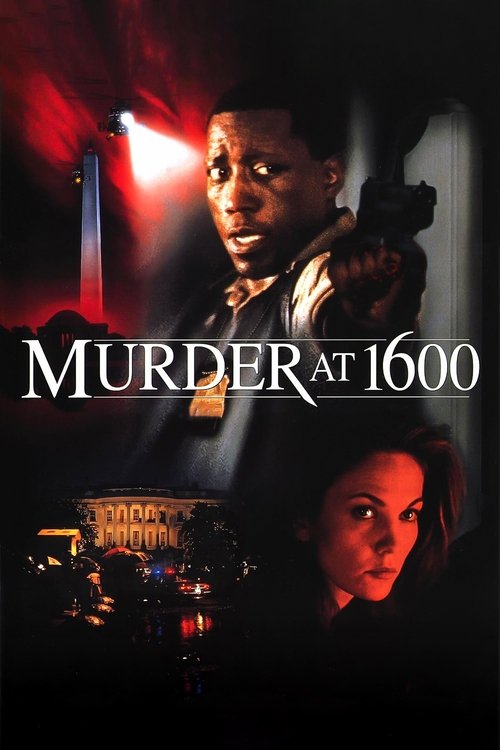
Murder at 1600
1997A secretary is found dead in a White House bathroom during an international crisis, and Detective Harlan Regis is in charge of the investigation. Despite resistance from the Secret Service, Regis partners with agent Nina Chance. As political tensions rise, they learn that the crime could be part of an elaborate cover-up. Framed as traitors, the pair, plus Regis' partner, break into the White House in order to expose the true culprit.
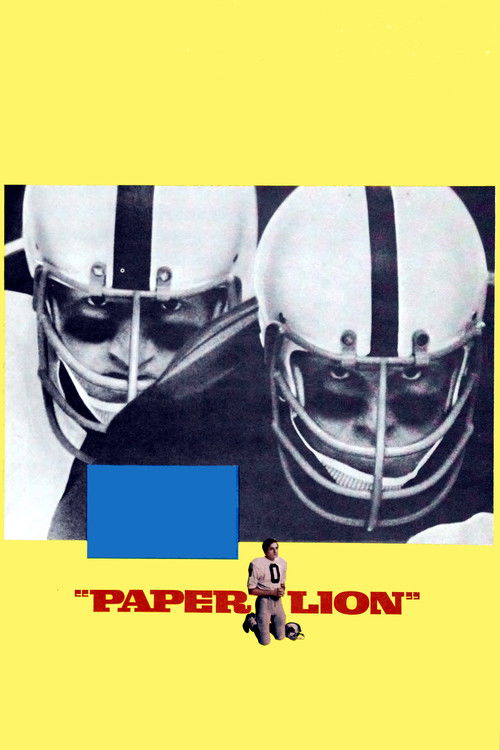
Paper Lion
1968Sportswriter George Plimpton poses as a rookie quarterback for the Detroit Lions for a "Sports Illustrated" article.
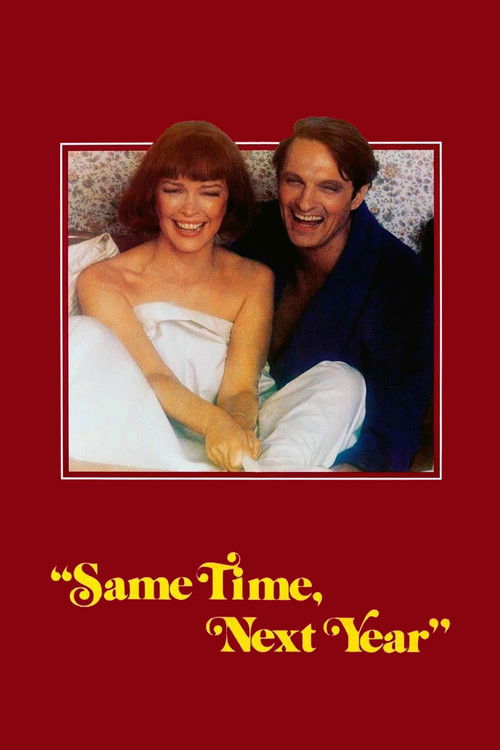
Same Time, Next Year
1978A man and woman meet by chance at a romantic inn over dinner and, although both are married to others, they find themselves in the same bed the next morning questioning how this could have happened. They agree to meet on the same weekend each year—in the same hotel room—and the years pass each has some personal crisis that the other helps them through, often without both of them understanding what is going on.
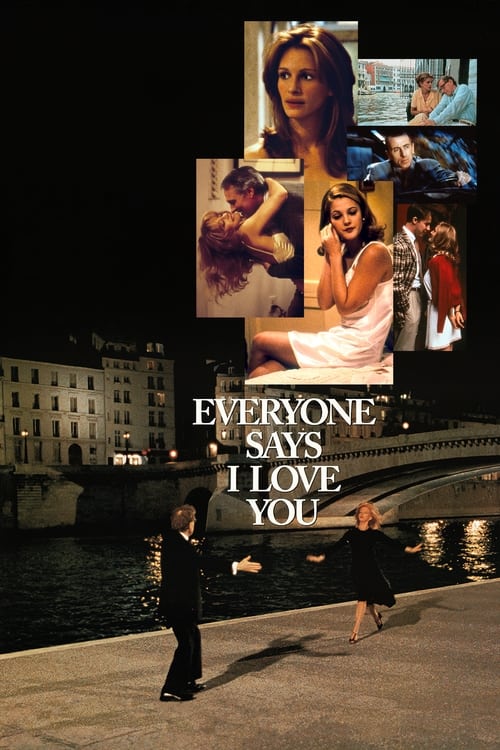
Everyone Says I Love You
1996A New York girl sets her father up with a beautiful woman in a shaky marriage while her half sister gets engaged.

Flash of Genius
2008In this David vs. Goliath drama based on a true story, college professor Robert Kearns goes up against the giants of the auto industry when they fail to give him credit for inventing intermittent windshield wipers. Kearns doggedly pursues recognition for his invention, as well as the much-deserved financial rewards for the sake of his wife and six kids.
In the role of a corporate executive, Alda captures the cold calculation of industry giants with a chillingly polite demeanor. His performance acts as a formidable barrier to the protagonist's justice, showcasing his skill at playing characters who prioritize the bottom line over human costs.
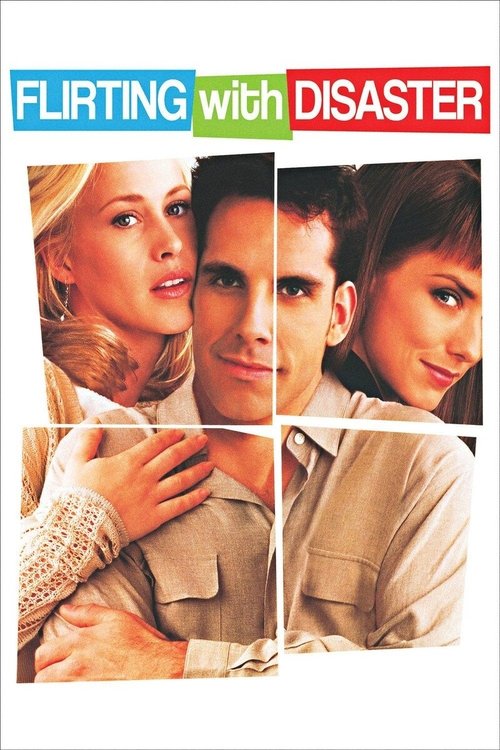
Adopted as a child, new father Mel Colpin decides he cannot name his son until he knows his birth parents, and determines to make a cross-country quest to find them. Accompanied by his wife, Nancy, and an inept yet gorgeous adoption agent, Tina, he departs on an epic road trip that quickly devolves into a farce of mistaken identities, wrong turns, and overzealous and love-struck ATF agents.
Alda is delightfully eccentric as a former LSD-advocating parent whose bohemian energy injects a chaotic joy into the film's frenetic search for identity. He demonstrates an unexpected range here, ditching his usual polish for a hilariously uninhibited comedic turn.
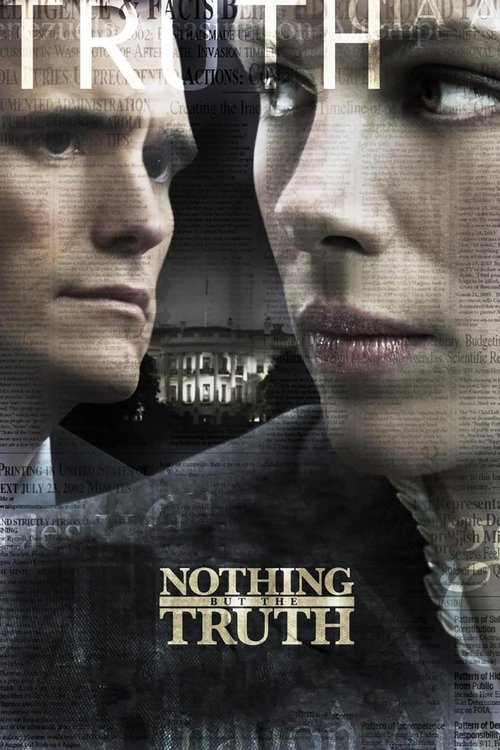
Nothing But the Truth
2008When reporter Rachel Armstrong writes a story that reveals the identity of a covert CIA operative, the government demands that Rachel reveal her source. She defies the special prosecutor and is thrown in jail. Meanwhile, her attorney, Albert Burnside argues her case all the way to the U.S. Supreme Court.
Portraying a high-stakes defense attorney, Alda delivers a performance defined by legal precision and a fierce commitment to the First Amendment. It is a role that utilizes his natural eloquence to articulate complex ethical dilemmas with striking clarity.
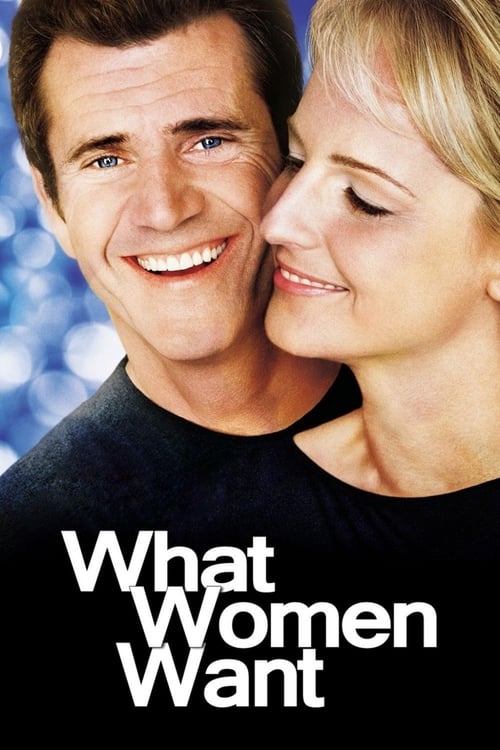
What Women Want
2000Advertising executive Nick Marshall is as cocky as they come, but what happens to a chauvinistic guy when he can suddenly hear what women are thinking? Nick gets passed over for a promotion, but after an accident enables him to hear women's thoughts, he puts his newfound talent to work against Darcy, his new boss, who seems to be infatuated with him.
Alda leans into his persona as a sensitive modern man to portray a progressive advertising executive navigating a shifting gender landscape. He serves as a sharp comedic contrast to the protagonist’s brash chauvinism, acting as the story's necessary voice of enlightenment.
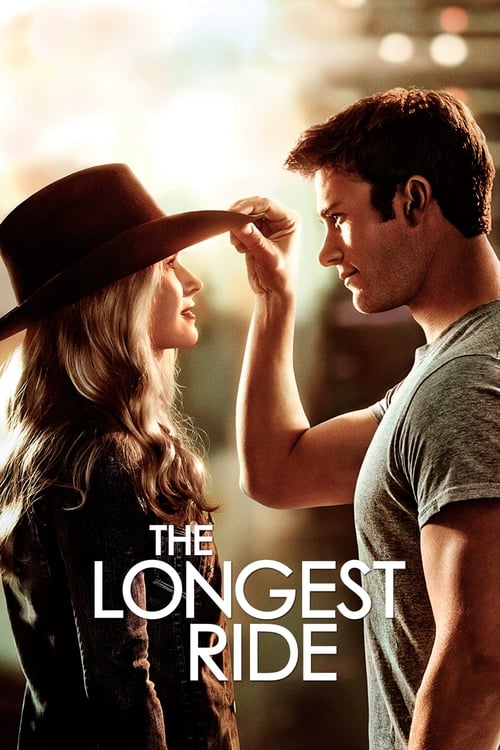
The Longest Ride
2015The lives of a young couple intertwine with a much older man as he reflects back on a lost love while he's trapped in an automobile crash.
Transforming into a widower reflecting on a decades-old romance, Alda provides the emotional scaffolding for this dramatic narrative. He elevates the material by tapping into a quiet, nostalgic vulnerability that avoids melodrama in favor of genuine pathos.
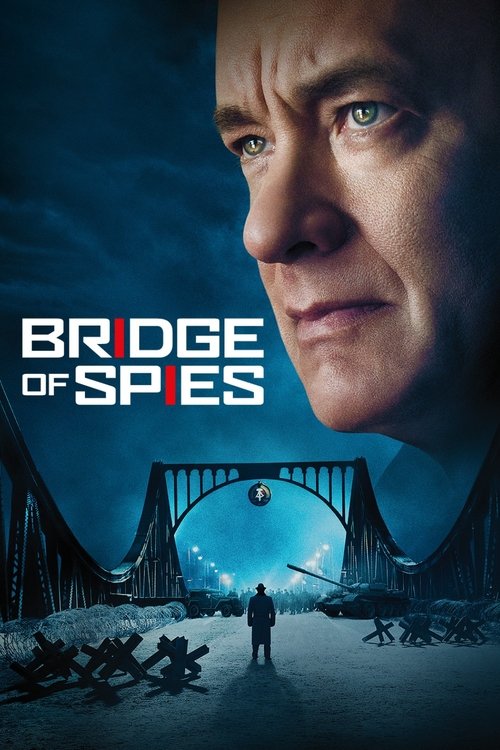
Bridge of Spies
2015During the Cold War, the Soviet Union captures U.S. pilot Francis Gary Powers after shooting down his U-2 spy plane. Sentenced to 10 years in prison, Powers' only hope is New York lawyer James Donovan, recruited by a CIA operative to negotiate his release. Donovan boards a plane to Berlin, hoping to win the young man's freedom through a prisoner exchange. If all goes well, the Russians would get Rudolf Abel, the convicted spy who Donovan defended in court.
In this Cold War thriller, Alda embodies the establishment’s cautious pragmatism as a senior law partner caught between ethics and national security. His presence lends the film a grounded gravitas, representing the rigid institutional pressures of the era.
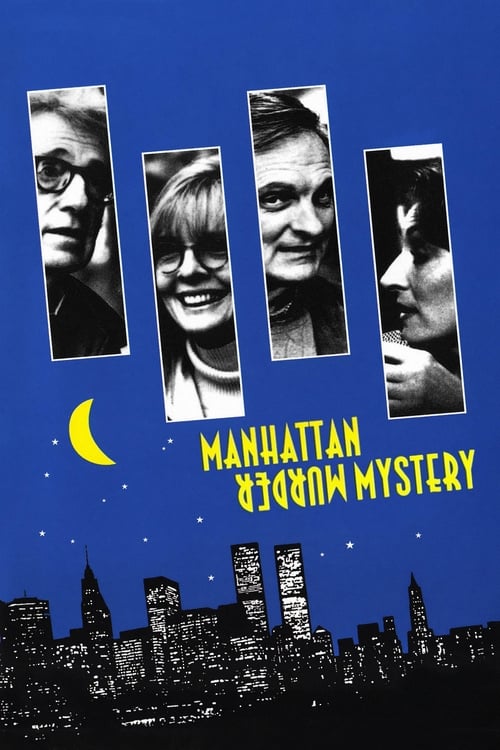
Manhattan Murder Mystery
1993A middle-aged couple suspects foul play when their neighbor's wife suddenly drops dead.
Alda thrives in this ensemble as a sophisticated intellectual whose playful chemistry with Diane Keaton adds a layer of suave charm to the comedic investigation. He perfectly inhabits the archetype of the cultured New Yorker, blending wit with a subtle competitive edge.

The Aviator
2004A biopic depicting the life of filmmaker and aviation pioneer Howard Hughes from 1927 to 1947, during which time he became a successful film producer and an aviation magnate, while simultaneously growing more unstable due to severe obsessive-compulsive disorder.
Playing Senator Ralph Owen Brewster, Alda masterfully projects the oily authority of a corrupt politician during the golden age of Hollywood. His Oscar-nominated performance serves as a rigid, bureaucratic anchor against the chaotic ambition of Howard Hughes.
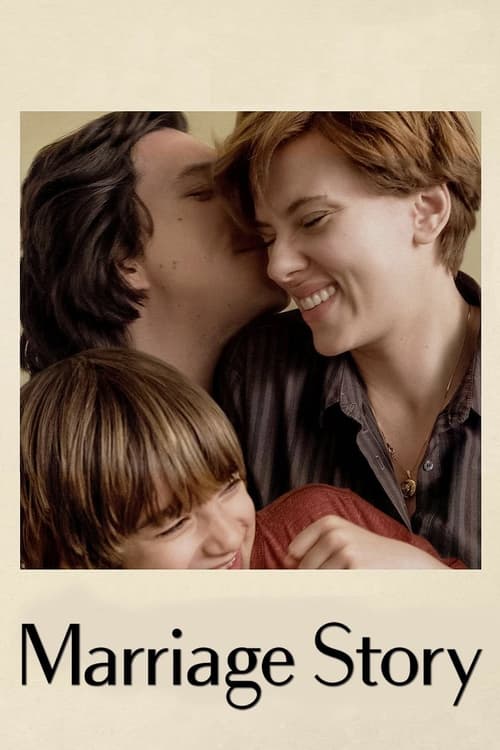
Marriage Story
2019A stage director and an actress struggle through a grueling, coast-to-coast divorce that pushes them to their personal extremes.
As a soft-spoken divorce attorney, Alda provides the film's moral compass by eschewing legal theatrics for a weary, empathetic realism. This late-career turn highlights his ability to command a scene through gentle restraint and a heartbreakingly honest portrayal of professional exhaustion.
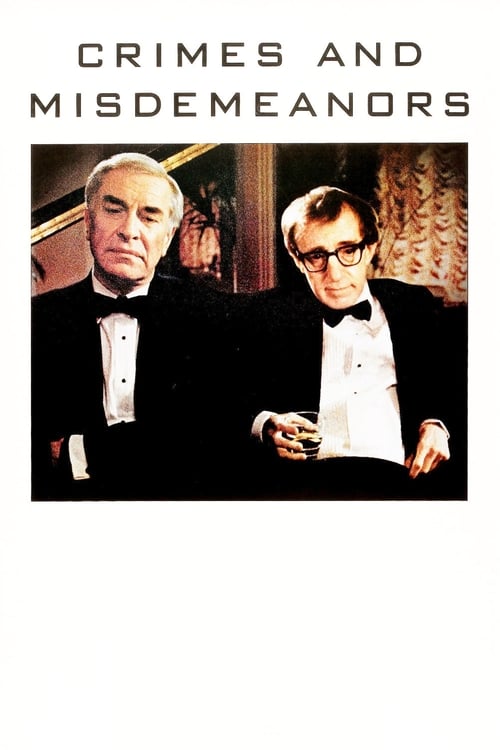
A renowned ophthalmologist is desperate to cut off an adulterous relationship…which ends up in murder; and a frustrated documentary filmmaker woos an attractive television producer while making a film about her insufferably self-centered boss.
Alda weaponizes his inherent likability to create Lester, a monstrously conceited television producer who serves as the perfect, punchable foil to Woody Allen's neurosis. It is a masterclass in comic arrogance that proved he could play the villain without losing his signature intellectual spark.
Frequently Asked Questions
Everything you need to know about this list and SnakeDrafts
- Alan Alda's filmography in this listicle encompasses a diverse range of genres including comedy, drama, romance, mystery, thriller, and crime. This variety showcases his versatile acting skills from sharp comedic roles to serious, intense dramatic parts.
- Alan Alda’s roles have evolved from lighter comedic performances like in 'Same Time, Next Year' to more complex characters in serious dramas such as 'Marriage Story' and historical thrillers like 'Bridge of Spies'. This evolution highlights his ability to adapt and deepen his craft over decades.
- Alan Alda has collaborated with distinguished directors such as Woody Allen, Martin Scorsese, Steven Spielberg, and Noah Baumbach. These partnerships have allowed him to contribute to critically acclaimed films blending artistic vision with his unique acting style.
- Yes, Alan Alda directed 'The Four Seasons,' which is included in this ranked list. This film underscores his talents not only as an actor but also as a filmmaker capable of handling comedy and drama with a personal touch.
- 'The Aviator,' directed by Martin Scorsese, features Alan Alda in a historical biographical drama, illustrating his ability to portray characters in significant real-world contexts effectively. This film highlights his skill in contributing to period pieces with nuanced performances.
- Common themes in Alan Alda’s supporting roles include moral complexity, intellectual nuance, and emotional depth, as seen in films like 'Crimes and Misdemeanors' and 'Bridge of Spies.' His characters often grapple with personal and ethical dilemmas, enriching the narrative through subtle, layered performances.
- Alan Alda expertly balances comedic and dramatic elements by infusing his performances with wit and emotional sincerity. Movies like 'Manhattan Murder Mystery' and 'Flirting with Disaster' exhibit his comedic timing, while films such as 'Nothing But the Truth' showcase his dramatic gravitas.
- Yes, the list features several romantic films including 'The Longest Ride' and 'What Women Want,' where Alan Alda's performances contribute to the emotional and relational dynamics central to these stories. His work in romance adds depth to his filmography’s emotional range.