The Best Forest Whitaker Movies Ranked
From Historical Icons to Gritty Thrillers
Explore the most impactful performances and essential films of Academy Award winner Forest Whitaker, ranked by critical acclaim and cultural legacy.
About Forest Whitaker
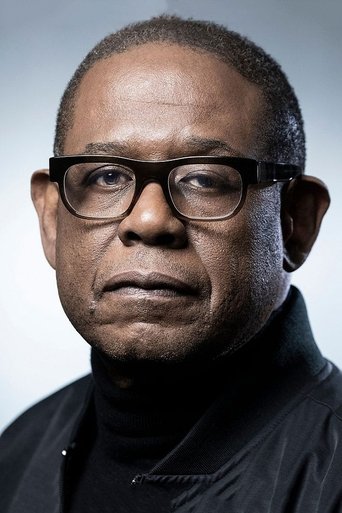
Forest Whitaker possesses a screen presence that feels less like acting and more like a steady, atmospheric pressure. He is a master of the internal storm, an artist who can telegraph a lifetime of grief or a sudden burst of lethal precision with nothing more than a heavy-lidded gaze and a slight shift in his posture. While many of his peers lean into the theatrical, he has built a legacy on a rare kind of stillness. He operates with a quiet, soulful intensity that makes him one of the most formidable anchors in modern cinema, a man capable of making a block-buster sci-fi epic feel as intimate as a stage play.
Audiences first caught a glimpse of his instinctive physical comedy in the eighties cult classic Fast Times at Ridgemont High, but he quickly pivoted toward a far more complex lane. By the time he appeared in Platoon and Good Morning, Vietnam, he had already established himself as a performer who could bring a vital, grounded humanity to chaotic environments. It was his turn as jazz legend Charlie Parker in Bird that truly signaled his arrival as a heavyweight. Under Clint Eastwood’s direction, he channeled the tragic genius of the saxophonist with a performance that felt possessed, proving he could carry the weight of a complicated legacy on his shoulders.
The Whitaker archetype is often a man caught between worlds, a theme that reached its apex in Jim Jarmusch’s Ghost Dog: The Way of the Samurai. As a contract killer living by an ancient code in modern-day Jersey City, he navigated the film’s surreal landscape with a meditative grace that few other actors could have pulled off. He brings that same sense of weary wisdom to high-stakes thrillers like Panic Room and Phone Booth, where he often serves as the moral compass in a world spiraling out of control. Even when he ventures into massive franchises, like his portrayal of the grizzled extremist Saw Gerrera in Rogue One: A Star Wars Story or the statesman Zuri in Black Panther, he imbues the spectacle with a haunting, lived-in gravity.
His career reached a transcendent peak with The Last King of Scotland, a performance that remains one of the most terrifyingly magnetic portrayals of power ever captured on film. As Idi Amin, he was a shapeshifter—bellowing and charismatic one moment, paranoid and monstrous the next. It was a role that demanded he occupy every inch of the frame, and it earned him an Oscar that felt like a long-overdue coronation. He followed that volcanic energy with the quiet, spanning restraint of The Butler, proving he could just as easily command the screen through decades of subtle, suppressed emotion.
Whether he is playing a colonel navigating first contact in Arrival, a conflicted father in The Great Debaters, or a hardened trainer in Southpaw, his work is defined by an refusal to take the easy route. He doesn’t just play characters; he inhabits their contradictions. He can be the most gentle man in the room in a slice-of-life drama like Smoke, or the most dangerous man in a political thriller. That versatility is exactly why we stay transfixed. He represents a bridge between the old-school Method intensity and a modern, fluid sensibility, reminding us that the most powerful thing an actor can do is simply exist, fully and unapologetically, in the moment.
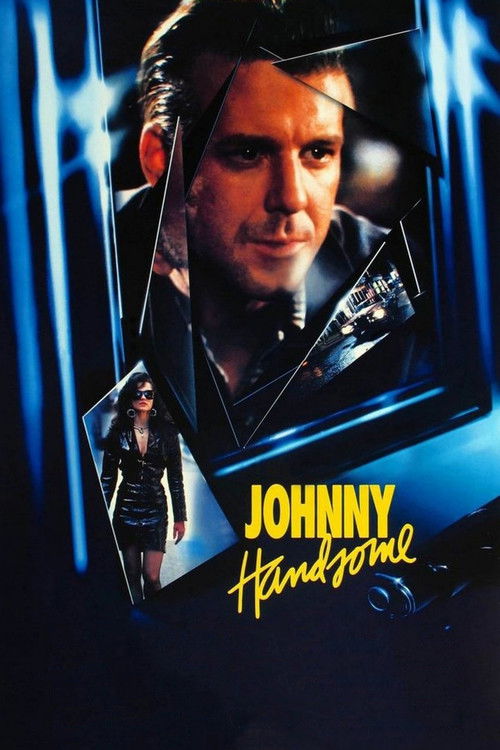
Johnny Handsome
1989A career criminal who has been deformed since birth is given a new face by a kindly doctor and paroled from prison. It appears that he has gone straight, but he is really planning his revenge on the man who killed his mentor and sent him to prison.
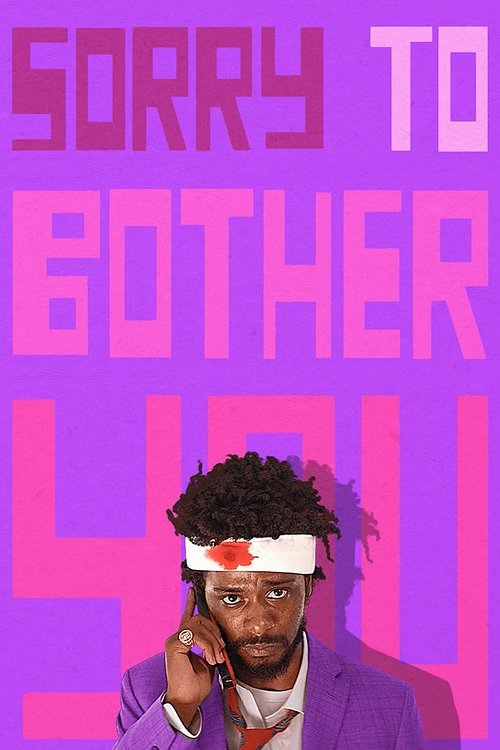
Sorry to Bother You
2018In an alternate present-day version of Oakland, black telemarketer Cassius Green discovers a magical key to professional success – which propels him into a macabre universe.
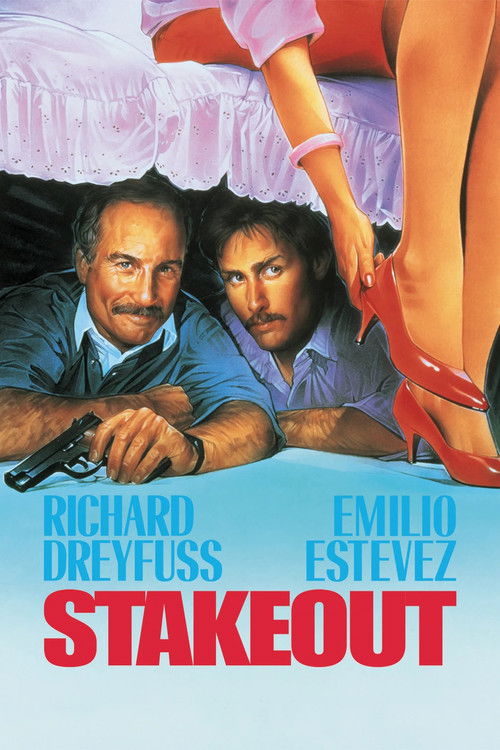
Stakeout
1987Two detectives observe an escaped convict's ex-girlfriend, but complications set in when one of them falls for her.
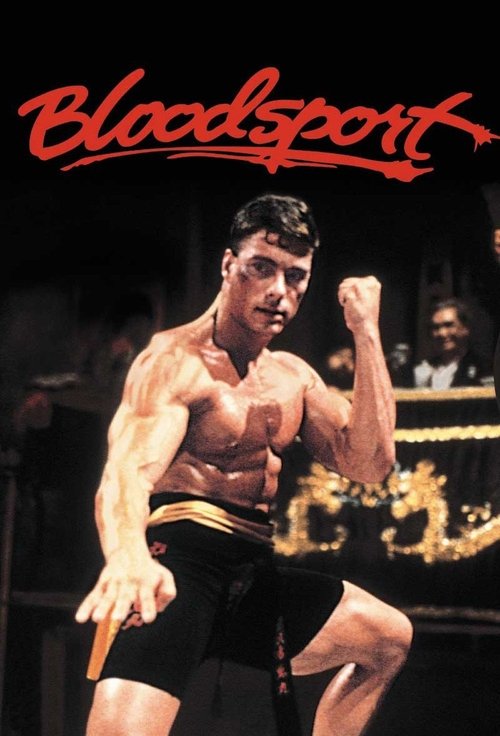
Bloodsport
1988An American Army Major goes AWOL to Hong Kong for an outlawed martial arts contest called the Kumite.
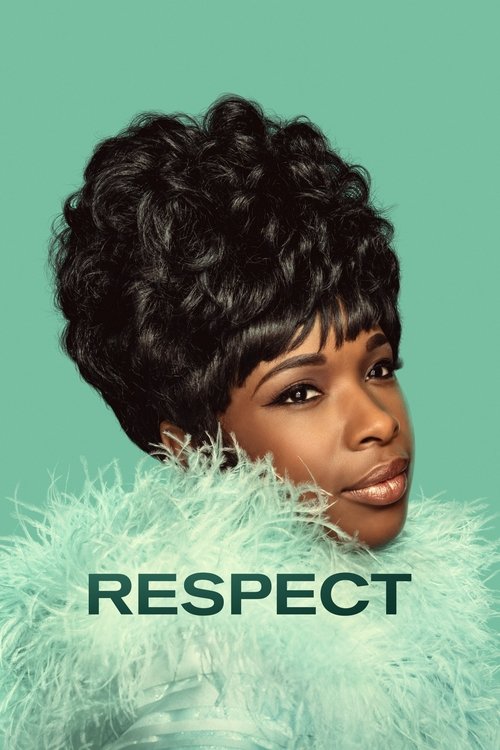
Respect
2021The rise of Aretha Franklin’s career from a child singing in her father’s church’s choir to her international superstardom.
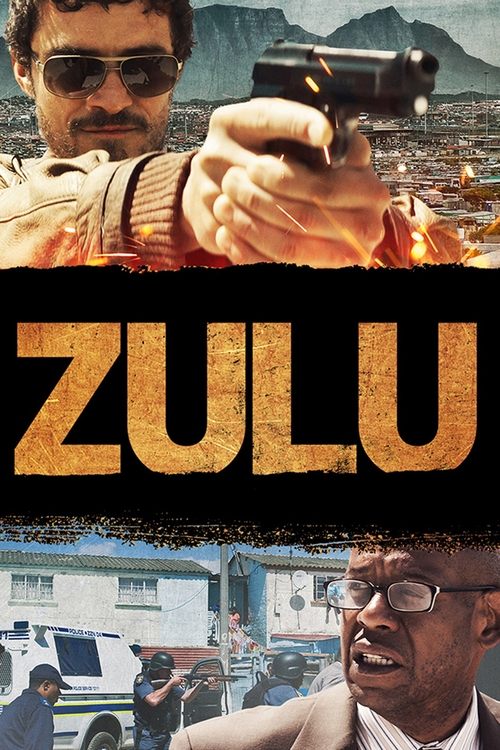
Zulu
2013As a child, Ali Neuman narrowly escaped being murdered by Inkhata, a militant political party at war with Nelson Mandela's African National Congress. Only he and his mother survived the carnage of those years. But as with many survivors, the psychological scars remain.
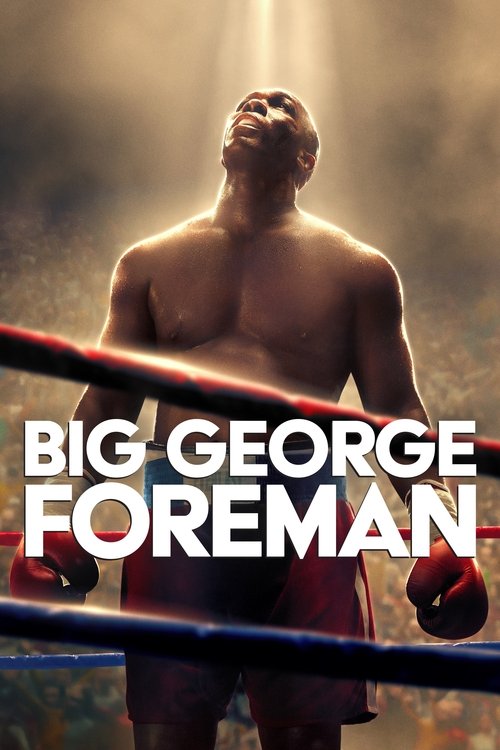
Big George Foreman
2023Fueled by an impoverished childhood, George Foreman channeled his anger into becoming an Olympic Gold medalist and World Heavyweight Champion, followed by a near-death experience that took him from the boxing ring to the pulpit. But when he sees his community struggling spiritually and financially, Foreman returns to the ring and makes history by reclaiming his title, becoming the oldest and most improbable World Heavyweight Boxing Champion ever.
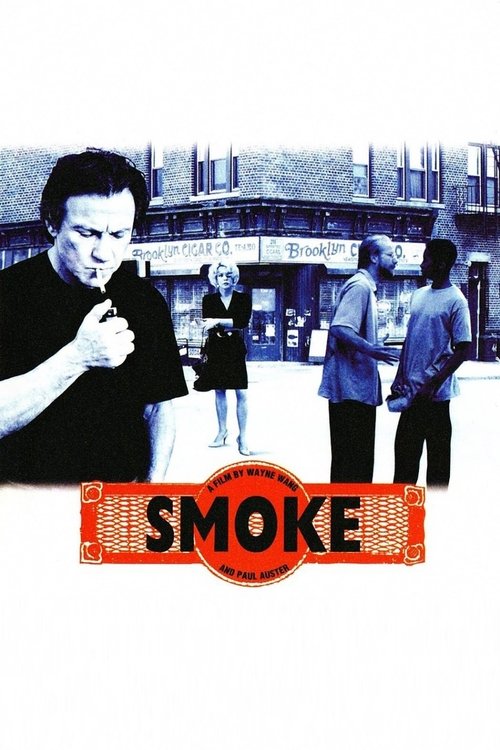
Smoke
1995Writer Paul Benjamin is nearly hit by a bus when he leaves Auggie Wren's smoke shop. Stranger Rashid Cole saves his life, and soon middle-aged Paul tells homeless Rashid that he wouldn't mind a short-term housemate. Still grieving over his wife's murder, Paul is moved by both Rashid's quest to reconnect with his father and Auggie's discovery that a woman who might be his daughter is about to give birth.
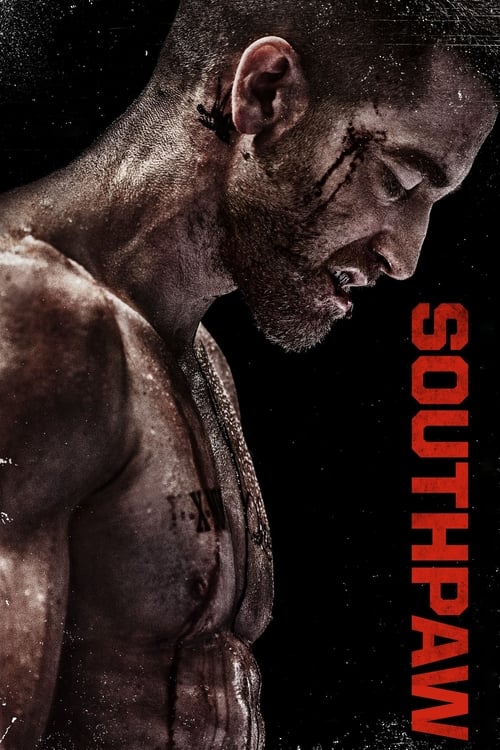
Southpaw
2015Billy "The Great" Hope, the reigning junior middleweight boxing champion, has an impressive career, a loving wife and daughter, and a lavish lifestyle. However, when tragedy strikes, Billy hits rock bottom, losing his family, his house and his manager. He soon finds an unlikely savior in Tick Willis, a former fighter who trains the city's toughest amateur boxers. With his future on the line, Hope fights to reclaim the trust of those he loves the most.
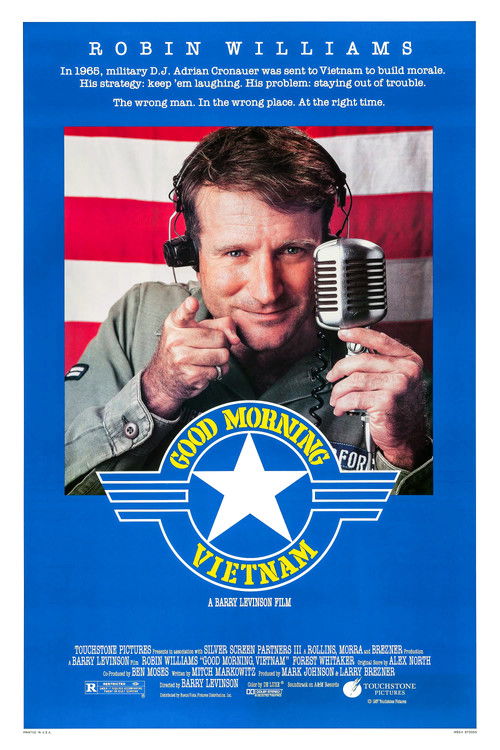
Good Morning, Vietnam
1987A disk jockey goes to Vietnam to work for the Armed Forces Radio Service. While he becomes popular among the troops, his superiors disapprove of his humor.
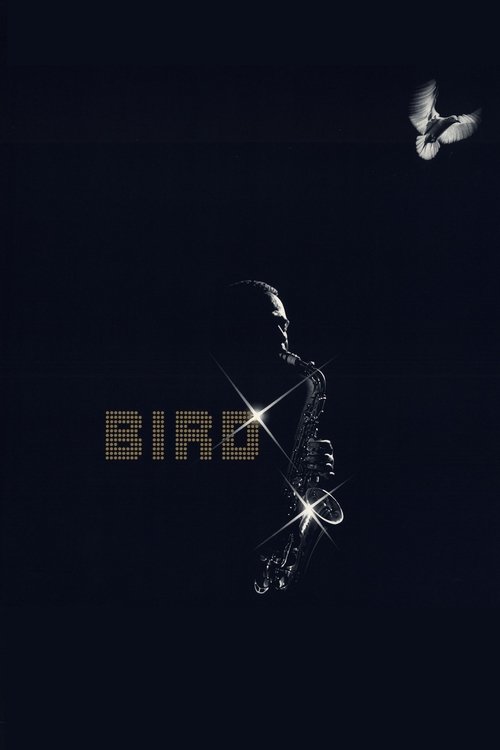
Bird
1988Saxophone player Charlie ‘Bird’ Parker comes to New York in 1940 and is quickly noticed for his remarkable way of playing. He becomes a drug addict but his loving wife Chan tries to help him.
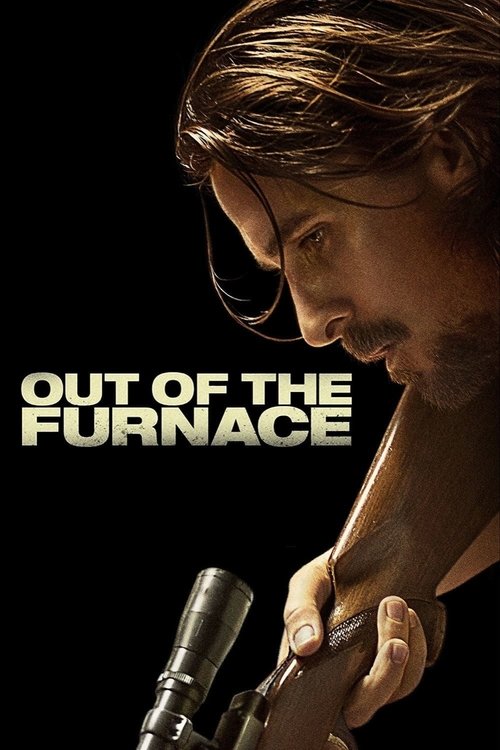
Out of the Furnace
2013Two brothers live in the economically-depressed Rust Belt, when a cruel twist of fate lands one in prison. His brother is then lured into one of the most violent crime rings in the Northeast.
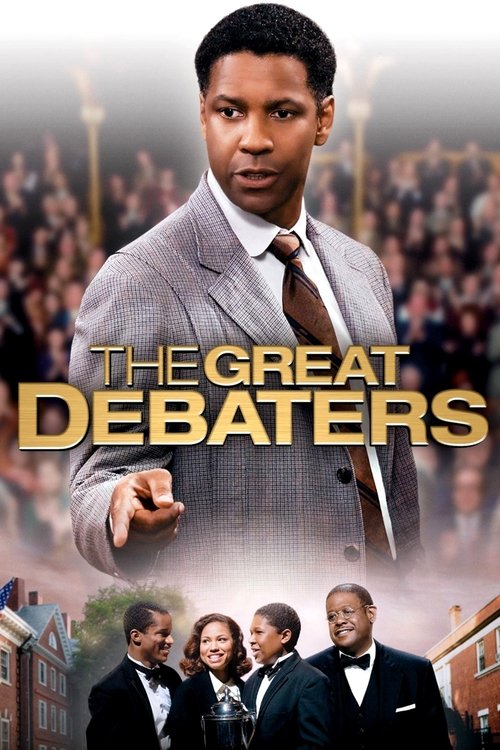
The Great Debaters
2007The true story of a brilliant but politically radical debate team coach who uses the power of words to transform a group of underdog African-American college students into a historical powerhouse that took on the Harvard elite.
Commanding the screen as a formidable academic and father, Whitaker provides the intellectual scaffolding for this underdog story. His performance is a study in dignified gravitas, capturing the friction between a man’s lofty ideals and the harsh realities of the Jim Crow South.
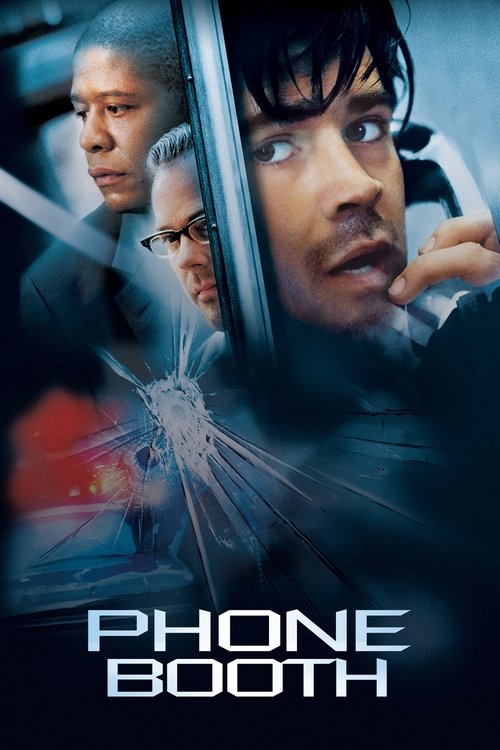
Phone Booth
2003A slick New York publicist who picks up a ringing receiver in a phone booth is told that if he hangs up, he'll be killed... and the little red light from a laser rifle sight is proof that the caller isn't kidding.
Whitaker excels as the calm epicenter of Joel Schumacher’s high-pressure experiment, playing the negotiator with a weary intelligence that cuts through the surrounding chaos. It is a role that relies entirely on his vocal command and ability to project authority through a telephone line.
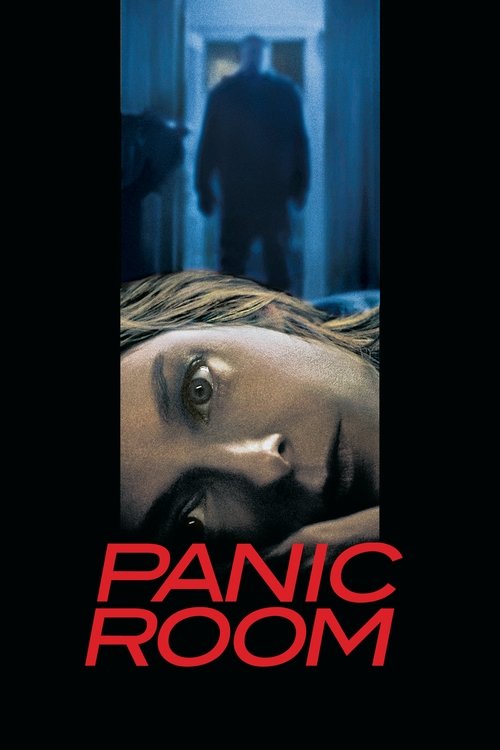
Panic Room
2002Trapped in their New York brownstone's panic room, a hidden chamber built as a sanctuary in the event of break-ins, newly divorced Meg Altman and her young daughter Sarah play a deadly game of cat-and-mouse with three intruders - Burnham, Raoul and Junior - during a brutal home invasion. But the room itself is the focal point because what the intruders really want is inside it.
As the reluctant burglar with a shifting moral compass, Whitaker steals the screen from his more aggressive counterparts by projecting a sweating, palpable empathy. He transforms a standard thriller role into a fascinating character study on the inconvenience of a conscience.
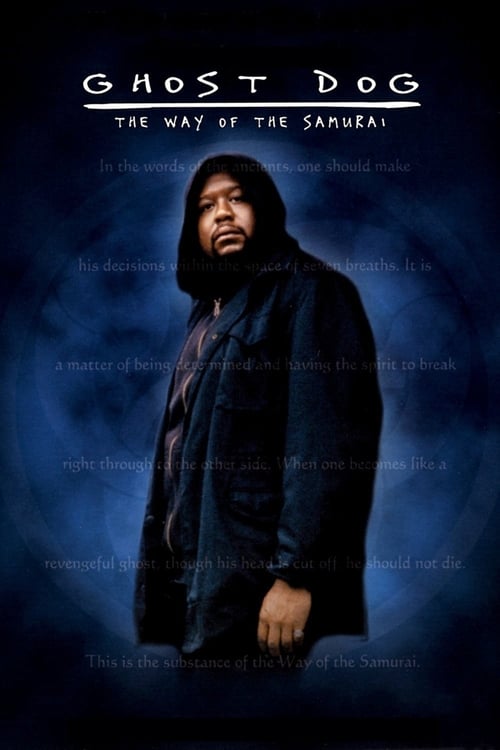
Ghost Dog: The Way of the Samurai
1999A Black hitman who models after the samurai of old finds himself targeted for death by the mob.
Jim Jarmusch taps into Whitaker’s unique capacity for stillness, casting him as a modern-day ronin who communicates through weighted silence and methodical movement. It is a soulful, eccentric subversion of the action genre that solidified his status as an indie cinema icon.
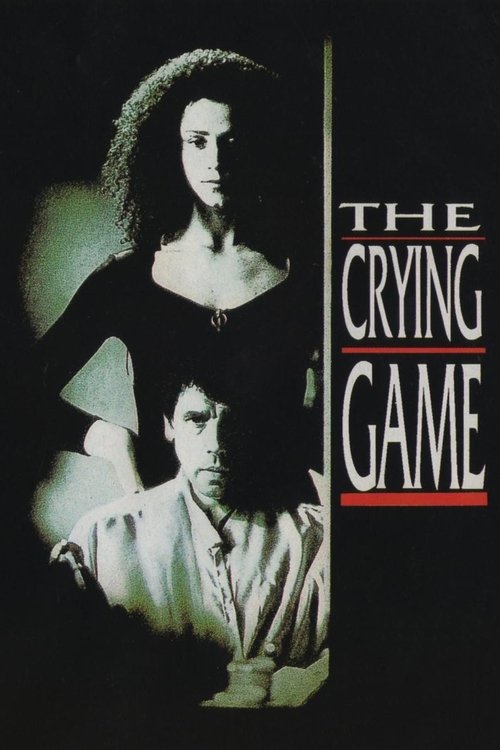
The Crying Game
1992Irish Republican Army member Fergus forms an unexpected bond with Jody, a kidnapped British soldier in his custody, despite the warnings of fellow IRA members Jude and Maguire. Jody makes Fergus promise he'll visit his girlfriend, Dil, in London, and when Fergus flees to the city, he seeks her out. Hounded by his former IRA colleagues, he finds himself increasingly drawn to the enigmatic, and surprising, Dil.
Whitaker delivers a haunting, ethereal fragility as Jody, grounding the film’s first act with a vulnerability that remains the story’s emotional North Star. His ability to project a desperate, chatty warmth under immense psychological pressure turned a brief appearance into an indelible presence. This role served as a crucial international breakthrough, proving his uncanny knack for stealing the spotlight through soulful, quiet intensity rather than sheer screen time.
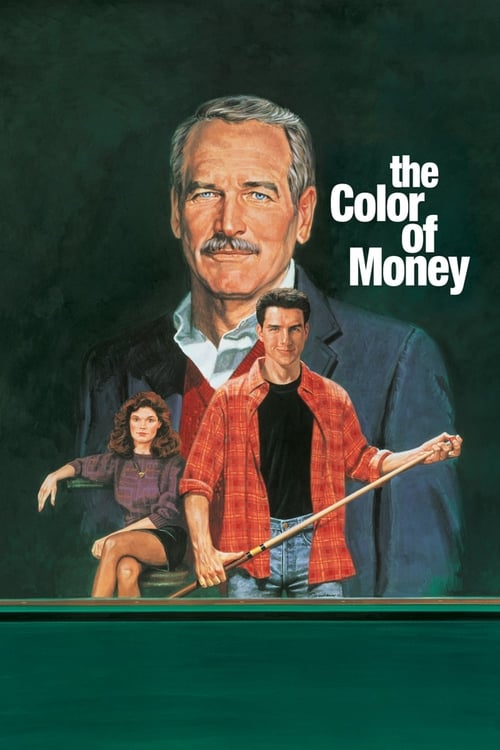
Former pool hustler "Fast Eddie" Felson decides he wants to return to the game by taking a pupil. He meets talented but green Vincent Lauria and proposes a partnership. As they tour pool halls, Eddie teaches Vincent the tricks of scamming, but he eventually grows frustrated with Vincent's showboat antics, leading to an argument and a falling-out. Eddie takes up playing again and soon crosses paths with Vincent as an opponent.
Whitaker delivers a masterclass in calculated nonchalance, weaponizing a sleepy-eyed grin to dismantle Paul Newman’s veteran confidence in just a few minutes of screen time. It is the definitive big-screen arrival of a character actor who could command a room through stillness alone, proving that a three-minute cameo can hijack an entire movie. This brief, hustling turn served as the industry’s wake-up call that Whitaker possessed a disarming gravity unlike anyone else in his generation.
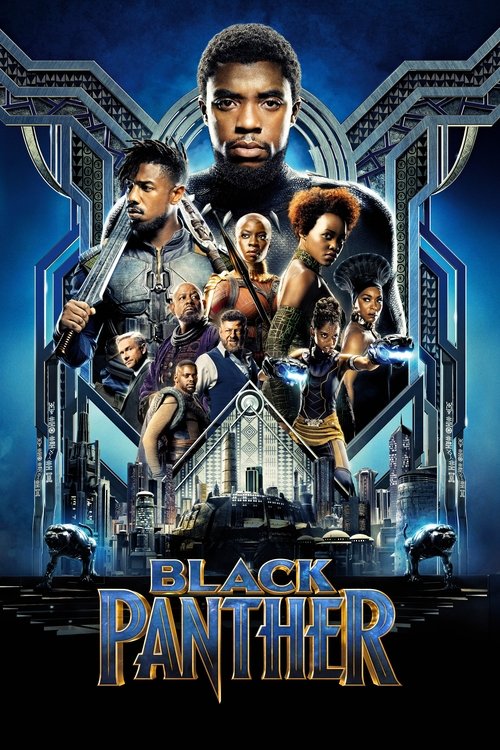
Black Panther
2018King T'Challa returns home to the reclusive, technologically advanced African nation of Wakanda to serve as his country's new leader. However, T'Challa soon finds that he is challenged for the throne by factions within his own country as well as without. Using powers reserved to Wakandan kings, T'Challa assumes the Black Panther mantle to join with ex-girlfriend Nakia, the queen-mother, his princess-kid sister, members of the Dora Milaje (the Wakandan 'special forces') and an American secret agent, to prevent Wakanda from being dragged into a world war.
As the spiritual statesman Zuri, Whitaker lends the Marvel Cinematic Universe a much-needed gravity and Shakespearean weight. His presence serves as the bridge between ancient tradition and modern conflict, grounding the film's fantastical elements in a palpable sense of ancestral duty.

A rogue band of resistance fighters unite for a mission to steal the Death Star plans and bring a new hope to the galaxy.
Channeling a frantic, wheezing radicalism, Whitaker’s Saw Gerrera introduces a gritty, morally gray texture to the Star Wars mythos. His portrayal of a broken revolutionary provides the franchise with a haunting look at the psychological toll of endless insurgency.
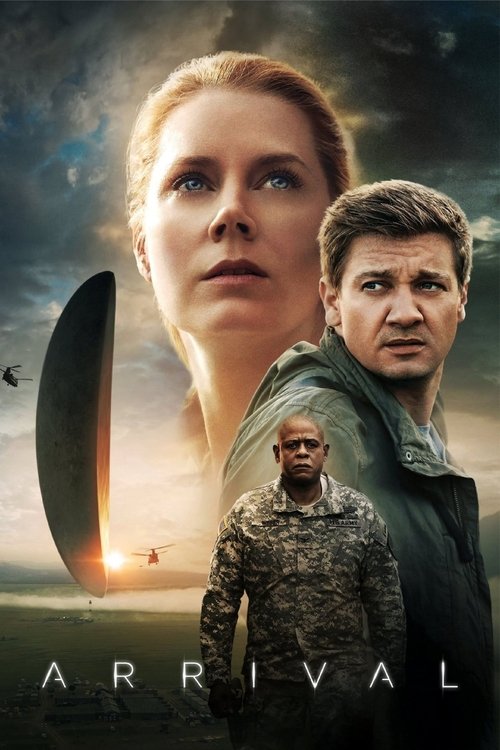
Arrival
2016Taking place after alien crafts land around the world, an expert linguist is recruited by the military to determine whether they come in peace or are a threat.
Playing a pragmatist caught in a cosmic crisis, Whitaker avoids the tropes of the rigid military archetype by layering his authority with a visible, intellectual exhaustion. His performance acts as a tension-wire, vibrating with the high stakes of global diplomacy and the fear of the unknown.
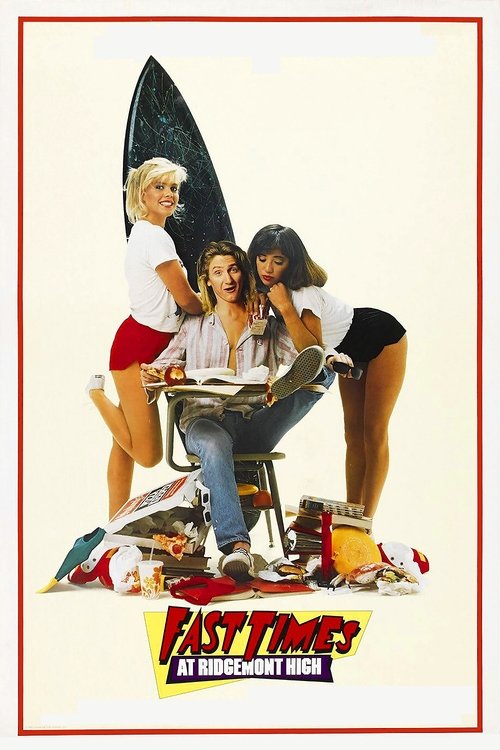
Based on the real-life adventures chronicled by Cameron Crowe, Fast Times follows a group of high school students growing up in Southern California. Stacy Hamilton and Mark Ratner are looking for love, and are helped along by their older classmates, Linda Barrett and Mike Damone. Jeff Spicoli, a perpetually stoned surfer faces-off with the resolute teacher, Mr. Hand. Hilarity and heartbreak ensue.
Whitaker delivers a masterclass in simmering intensity as Charles Jefferson, transforming a high school linebacker into a figure of pure, quiet intimidation. This early-career knockout signaled his ability to command the screen through physical presence and a terrifyingly focused gaze long before he became an award-season titan. It is a brief but unforgettable display of raw, volcanic energy that remains one of the most effective "don't mess with him" turns in teen cinema.
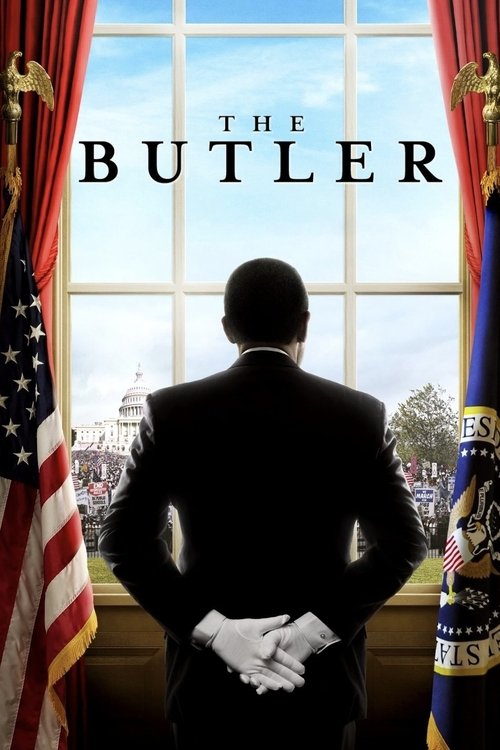
The Butler
2013Cecil Gaines was a sharecropper's son who grew up in the 1920s as a domestic servant for the white family who casually destroyed his. Eventually striking out on his own, Cecil becomes a hotel valet of such efficiency and discreteness in the 1950s that he becomes a butler in the White House itself. There, Cecil would serve numerous US Presidents over the decades as a passive witness of history with the American Civil Rights Movement gaining momentum even as his family has troubles of its own. As his wife, Gloria, struggles with alcoholism and his defiant eldest son, Louis, strives for a just world, Cecil must decide whether he should take action in his own way.
Whitaker creates a devastating portrait of internalized restraint, channeling decades of American racial tension into a performance defined by a stiff back and observant eyes. This role serves as a testament to his mastery of the 'quiet' lead, proving he can carry a sprawling historical epic through mere subtlety.
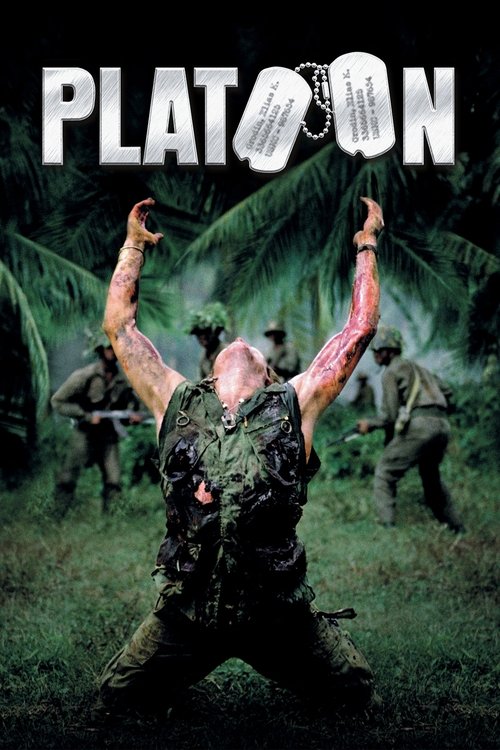
Platoon
1986As a young and naive recruit in Vietnam, Chris Taylor faces a moral crisis when confronted with the horrors of war and the duality of man.
In a cast full of bravado and grit, Whitaker provides the film’s moral marrow, utilizing his signature gentleness to highlight the tragic loss of innocence in the jungle. This early-career turn established him as a vital empathetic anchor capable of standing his ground in high-octane masculine ensembles.
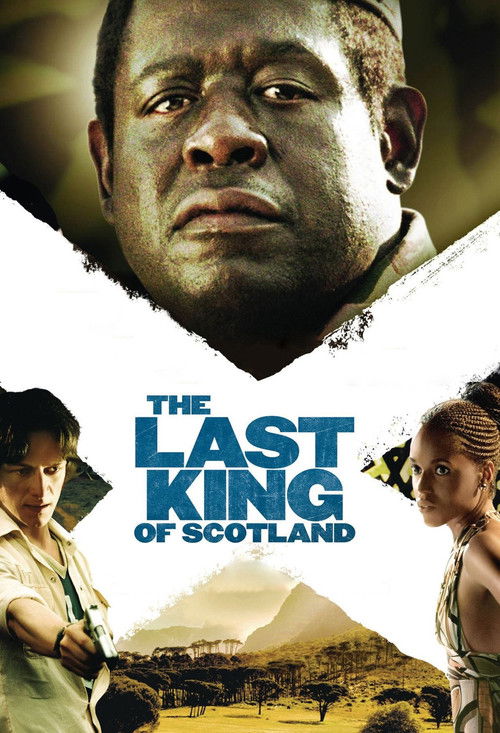
The Last King of Scotland
2006Young Scottish doctor, Nicholas Garrigan decides it's time for an adventure after he finishes his formal education, so he decides to try his luck in Uganda, and arrives during the downfall of President Obote. General Idi Amin comes to power and asks Garrigan to become his personal doctor.
Whitaker’s Oscar-winning transformation into Idi Amin is a terrifying masterclass in the volatility of power, oscillating between seductive charm and explosive paranoia. It remains the definitive showcase of his ability to physically and psychologically inhabit a historical titan with bone-chilling intensity.
Frequently Asked Questions
Everything you need to know about this list and SnakeDrafts
- In 'The Last King of Scotland,' Forest Whitaker delivers an unforgettable performance as Ugandan dictator Idi Amin, masterfully depicting the character's charm and brutality. This role earned Whitaker an Academy Award for Best Actor, highlighting his ability to embody multifaceted personalities.
- Whitaker's character in 'Platoon' serves as a calm and moral compass amidst the chaos of war, providing a nuanced portrayal that accentuates the film's emotional depth. His performance complements Oliver Stone's intense depiction of the Vietnam War, reinforcing the movie’s critical acclaim.
- In 'The Great Debaters,' Whitaker portrays Melvin B. Tolson, a professor and debate coach who inspires his students to challenge societal norms. His role emphasizes the power of education and rhetoric in advancing civil rights in 1930s America.
- In 'Arrival' and 'Rogue One,' Whitaker brings a steady, grounded presence to otherwise high-concept sci-fi narratives, balancing the films' emotional and intellectual layers. His performances lend authenticity and restraint, enhancing the realism within fantastical settings.
- Whitaker's subtle yet powerful acting in 'The Butler' captures the quiet dignity and struggles of a White House butler navigating decades of American history. His ability to convey deep emotion with minimal dialogue adds profound weight to the film's exploration of race and politics.
- 'Fast Times at Ridgemont High' showcases Whitaker's versatility by featuring him in a comedic role that diverges from his typically intense and dramatic characters. His portrayal adds charm and levity to the ensemble cast in this classic coming-of-age film.
- In 'Bird,' Whitaker embodies legendary jazz saxophonist Charlie Parker, capturing the musician's brilliance and inner turmoil with sensitivity and depth. This role highlights Whitaker's exceptional skill in bringing complex historical figures to life on screen.