The Best Matt Dillon Movies Ranked
From Teen Idol to Gritty Character Actor
Discover the definitive ranking of Matt Dillon's most iconic film roles, from cult classics like The Outsiders to Oscar-winning dramas like Crash.
About Matt Dillon
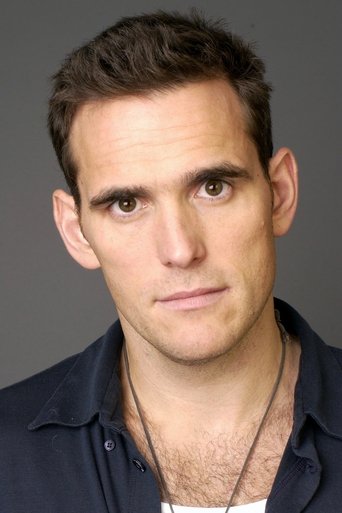
In the pantheon of Hollywood leading men, few have navigated the transition from teenage idolatry to gritty residency as a character actor with as much grace or grit as Matt Dillon. He burst onto the scene as the definitive face of suburban rebellion in Over the Edge, capturing a raw, unpolished energy that immediately separated him from the polished child stars of his era. While his contemporaries often leaned into the warmth of the spotlight, Dillon seemed to prefer its shadows. By the time he anchored Francis Ford Coppola’s The Outsiders and the dreamlike Rumble Fish, he had become the soulful architect of the juvenile delinquent trope, embodying a sense of misplaced masculinity that felt both dangerous and deeply vulnerable.
What keeps audiences tethered to his work is an inherent refusal to be boring. Just when he seemed destined to remain a captive of the Brat Pack era, he pivoted toward the avant-garde and the independent. His turn as a desperate, charismatic addict in Drugstore Cowboy didn't just redefine his career; it signaled the arrival of a performer willing to look ugly for the sake of a story. He possesses a rare, chiseled deadpan that serves him equally well in simmering dramas and high-concept comedies. It is this versatility that allowed him to pivot from the murderous vanity of To Die For to the suburban warmth of Beautiful Girls without losing an ounce of credibility.
The late nineties saw Dillon weaponizing his leading-man looks for comedic effect, often playing the smug antagonist with infectious glee. In There’s Something About Mary, he transformed a sleazy private investigator into a masterpiece of comic timing, proving he could hold his own against the Farrelly brothers' brand of chaos. This streak continued through the campy tension of Wild Things and the charming awkwardness of In & Out, revealing a performer who understood that a square jaw is most effective when it is being poked fun at. Yet, the gravity of his talent remained undeniable, eventually culminating in his searing, Oscar-nominated performance in Crash, where he navigated the complexities of a deeply flawed police officer with a nuance that forced the audience to look closer.
In the decades that followed, his choices became increasingly daring and eclectic. Whether he was steering a heist in Armored, navigating the humor of Going in Style and Old Dogs, or making his directorial debut with the atmospheric Albino Alligator, he remained a fixture of reliable intensity. Perhaps no role better exemplifies his fearless late-career evolution than his descent into the abyss in Lars von Trier’s The House That Jack Built. As a highly intellectual serial killer, he delivered a performance so chilling and committed it reminded the industry that he is less a movie star and more a cinematic explorer. From the restless streets of his youth to the macabre depths of art-house horror, he has maintained a singular reputation: he is the actor who grew up without ever selling out.
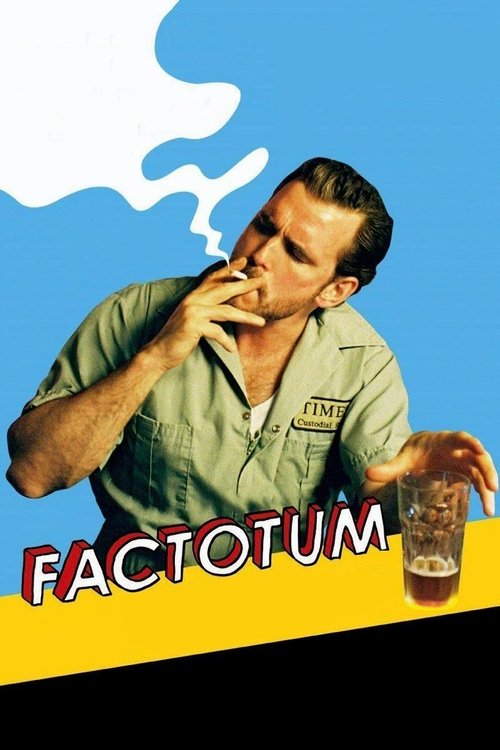
Factotum
2005This drama centers on Hank Chinaski, the fictional alter-ego of "Factotum" author Charles Bukowski, who wanders around Los Angeles, CA trying to live off jobs which don't interfere with his primary interest, which is writing. Along the way, he fends off the distractions offered by women, drinking and gambling.
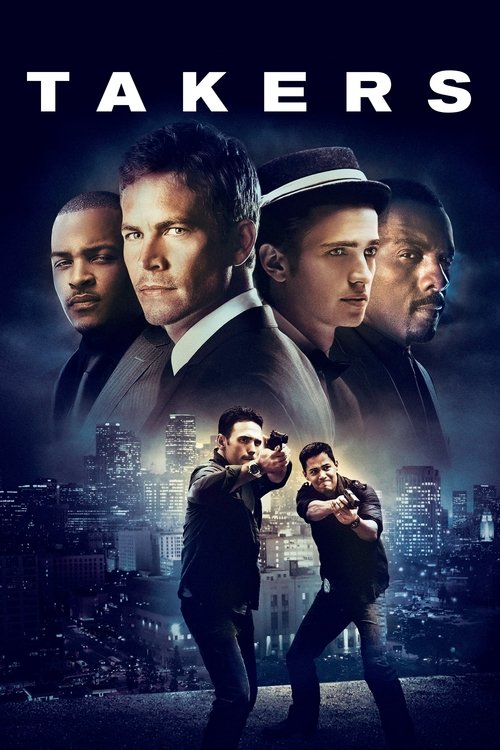
Takers
2010A seasoned team of bank robbers, including Gordon Jennings, John Rahway, A.J., and brothers Jake and Jesse Attica successfully complete their latest heist and lead a life of luxury while planning their next job. When Ghost, a former member of their team, is released from prison he convinces the group to strike an armored car carrying $20 million. As the "Takers" carefully plot out their strategy and draw nearer to exacting the grand heist, a reckless police officer inches closer to apprehending the criminals.
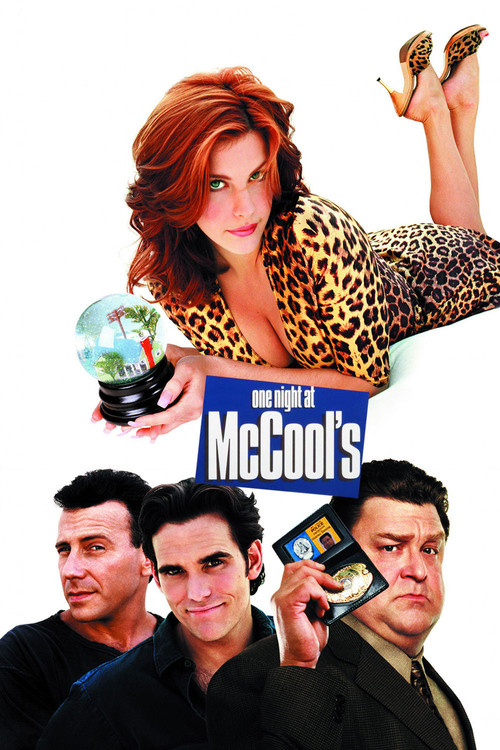
One Night at McCool's
2001On an ordinary night, in an ordinary part of town, a beautiful young woman walks into a bar. Her name is Jewel, and before long she is chatting to bartender Randy. The pair leave together, but he ends up getting into a tussle with her criminal boyfriend, who she then shoots dead, later persuading Randy to take the rap for her. But this isn't the end of it, as both Randy's cousin Carl and the detective assigned to the murder case also fall for Jewel's charms and find themselves caught up in the ensuing events. It seems that any man who meets Jewel falls instantly in love with her, and she's going to use this fully to her own advantage, leaving a trail of havoc in her wake. It also seems that she is going to get away with it - that is, until Randy decides to hire a hitman...
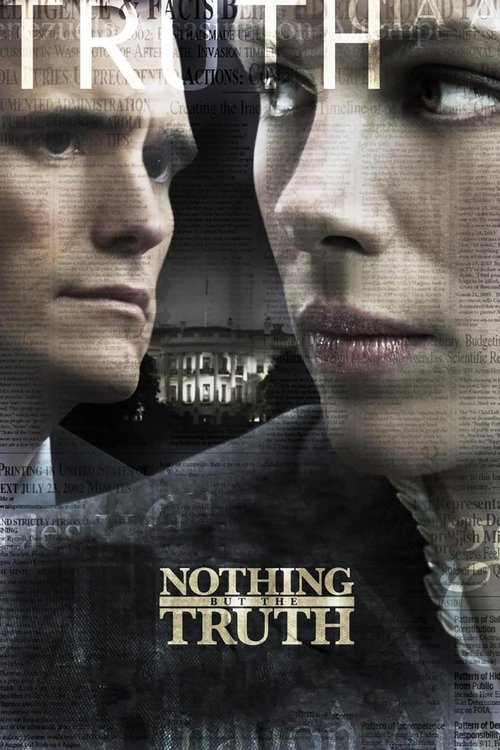
Nothing But the Truth
2008When reporter Rachel Armstrong writes a story that reveals the identity of a covert CIA operative, the government demands that Rachel reveal her source. She defies the special prosecutor and is thrown in jail. Meanwhile, her attorney, Albert Burnside argues her case all the way to the U.S. Supreme Court.
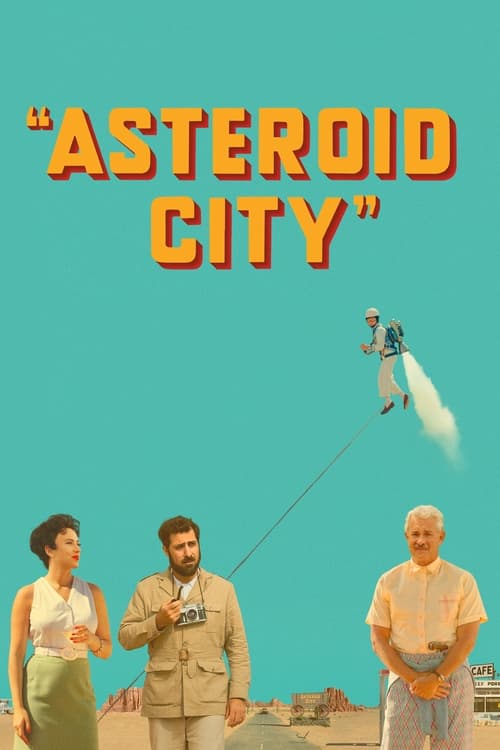
Asteroid City
2023In an American desert town circa 1955, the itinerary of a Junior Stargazer/Space Cadet convention is spectacularly disrupted by world-changing events.
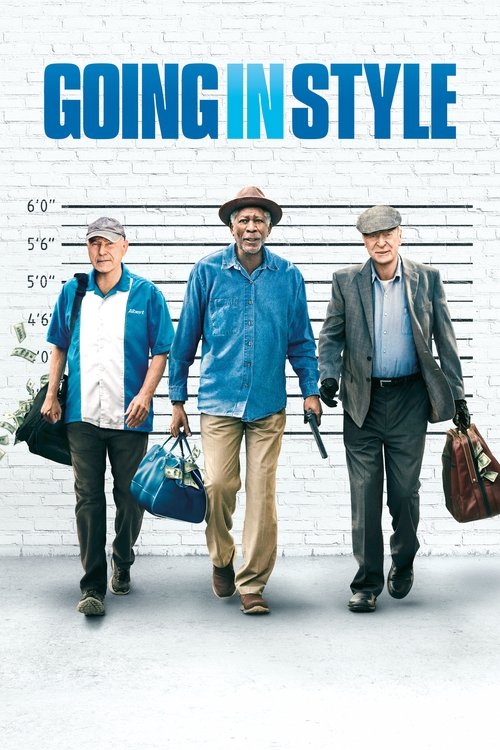
Going in Style
2017Desperate to pay the bills and come through for their loved ones, three lifelong pals risk it all by embarking on a daring bid to knock off the very bank that absconded with their money.
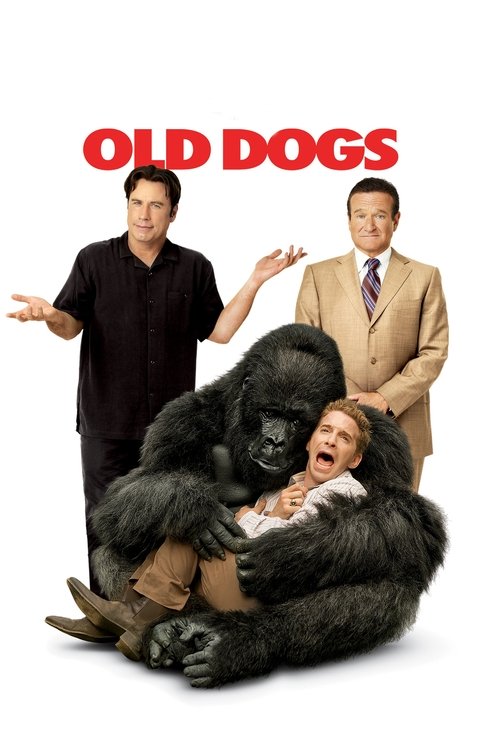
Old Dogs
2009Charlie and Dan have been best friends and business partners for thirty years; their Manhattan public relations firm is on the verge of a huge business deal with a Japanese company. With two weeks to sew up the contract, Dan gets a surprise: a woman he married on a drunken impulse nearly nine years before (annulled the next day) shows up to tell him he's the father of her twins, now seven, and she'll be in jail for 14 days for a political protest. Dan volunteers to keep the tykes, although he's uptight and clueless. With Charlie's help is there any way they can be dad and uncle, meet the kids' expectations, and still land the account?
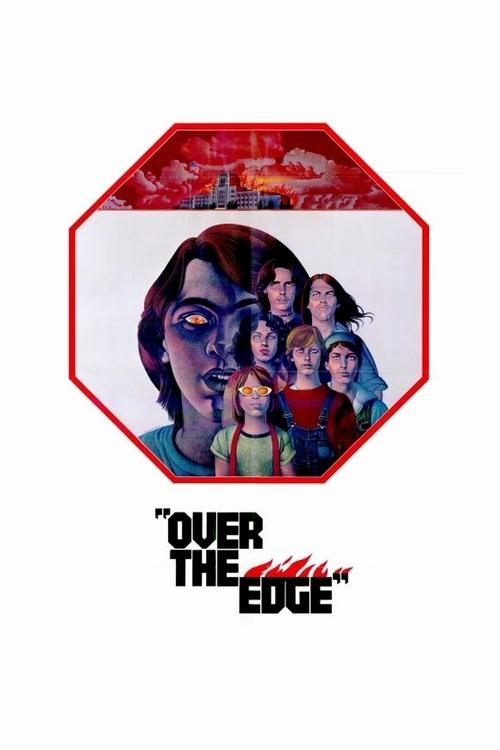
Over the Edge
1979A group of bored teenagers rebel against authority in the community of New Granada.
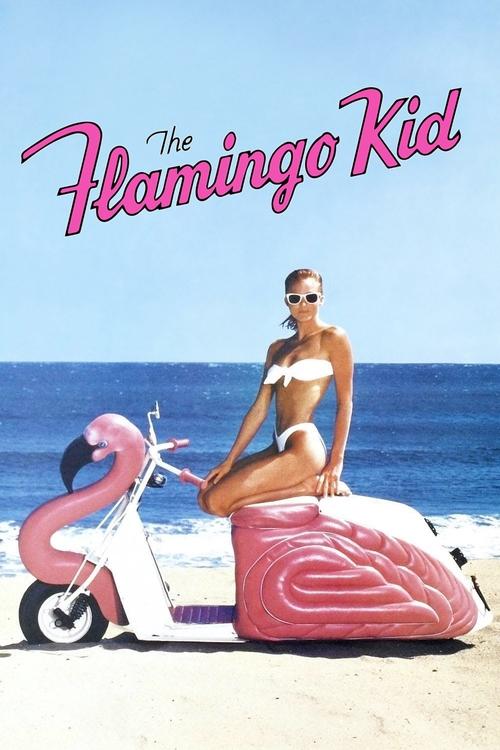
The Flamingo Kid
1984Brooklyn teenager Jeffrey Willis, thoroughly unhappy with his modest homestead, embraces the other-world aspects of his summer job at the posh Flamingo Club. He spurns his father in favor of the patronage of smooth-talking Phil Brody and is seduced by the ample bikini charms of club member Carla Samson. But thanks to a couple of late-summer hard lessons, the teen eventually realizes that family should always come first.
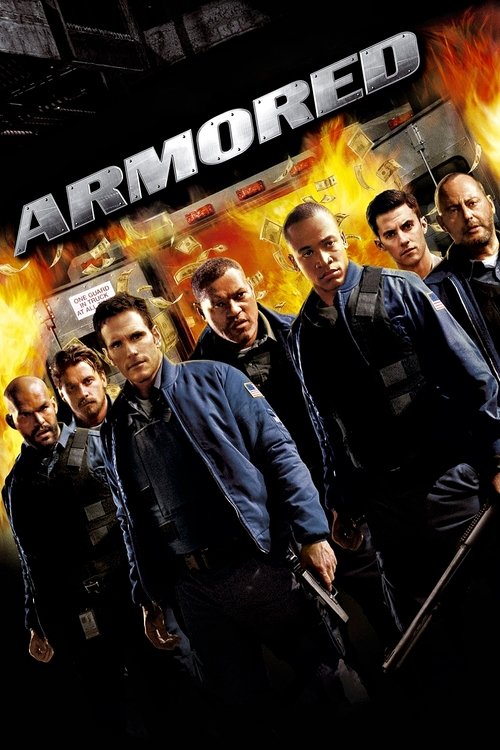
Armored
2009A crew of officers at an armored transport security firm risk their lives when they embark on the ultimate heist against their own company. Armed with a seemingly fool-proof plan, the men plan on making off with a fortune with harm to none. But when an unexpected witness interferes, the plan quickly unravels and all bets are off.
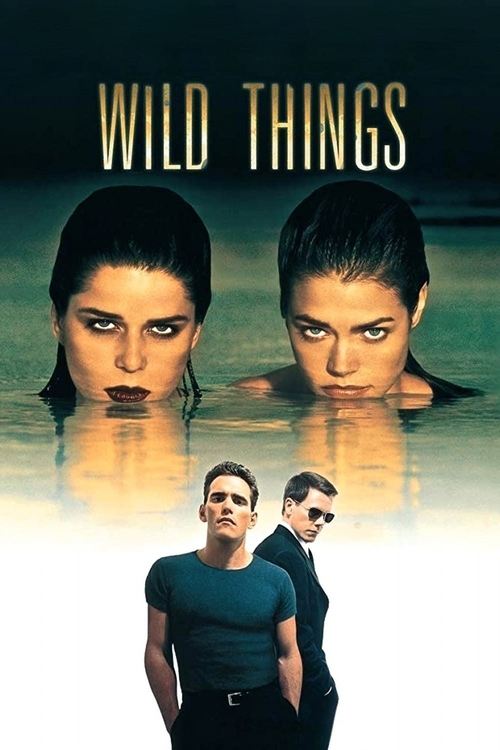
Wild Things
1998When teen-socialite Kelly Van Ryan and troubled bad girl Suzie Toller accuse guidance counselor Sam Lombardo of rape, he's suspended by the school, rejected by the town, and fighting to get his life back. One cop suspects conspiracy, but nothing is what it seems...
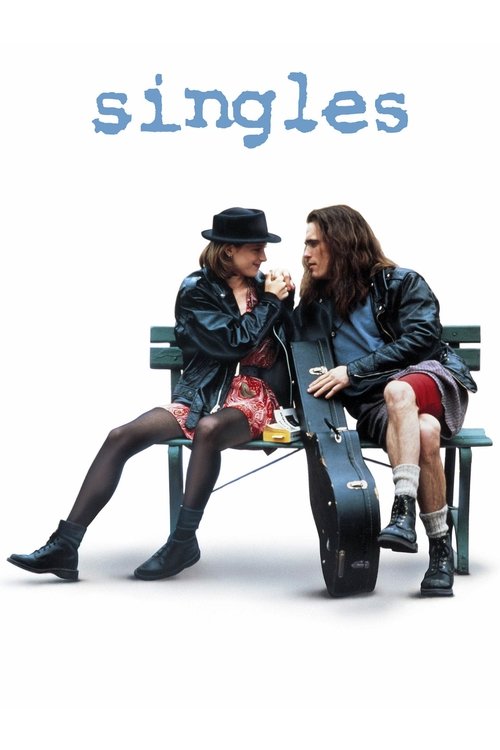
Singles
1992A group of young adults in their twenties, who share an apartment in the city of Seattle, ponder on love and face all the challenges of adulthood.
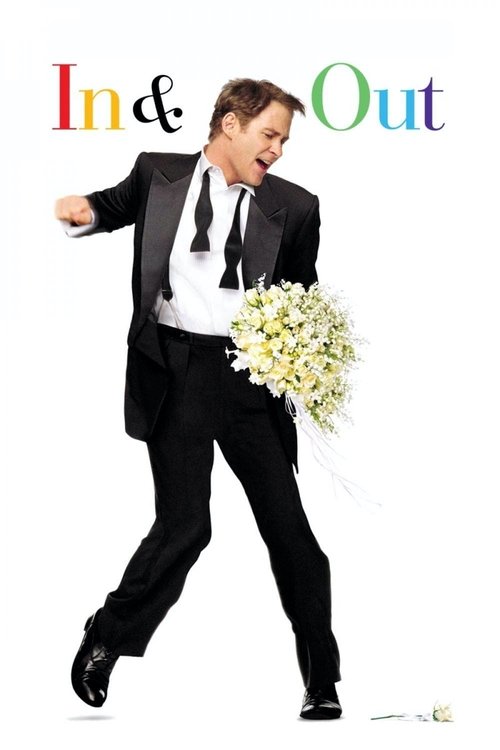
In & Out
1997A midwestern teacher questions his sexuality after a former student makes a comment about him at the Academy Awards.
In a sharp comedic pivot, Dillon satirizes the self-importance of Hollywood by playing a pretentious, method-acting movie star. It is a playful, self-aware performance that demonstrates his reach and his ability to puncture his own brooding screen persona.
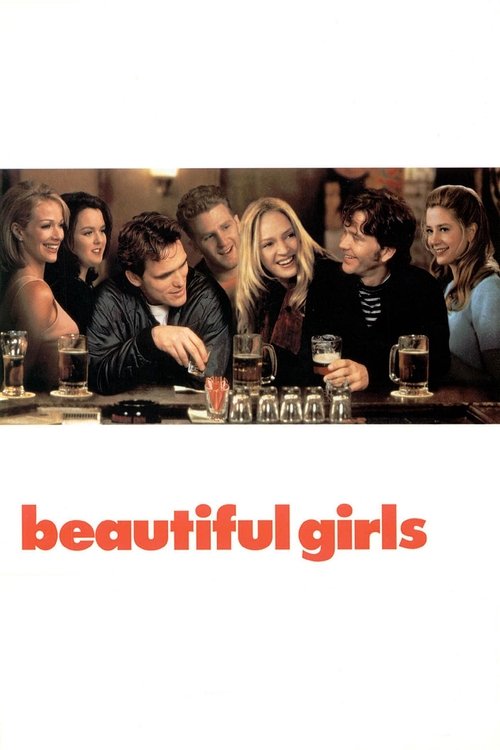
Beautiful Girls
1996During a snowy winter in the small fictional town of Knight's Ridge, Massachusetts, a group of lifelong buddies hang out, drink and struggle to connect with the women who affect their decisions, dreams and desires.
Dillon expertly captures the specific ache of a small-town man wrestling with the transition from youth to adulthood. His understated work here taps into a quiet, relatable vulnerability, grounding the film's ensemble dynamics in a palpable sense of blue-collar reality.
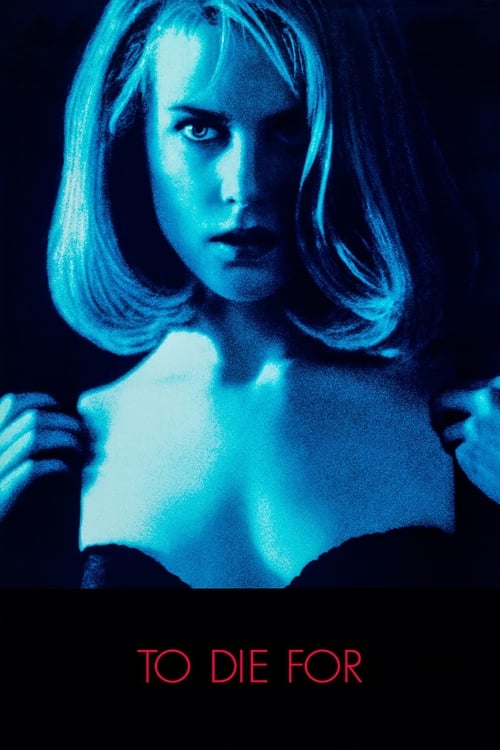
To Die For
1995Suzanne Stone wants to be a world-famous news anchor and she is willing to do anything to get what she wants. What she lacks in intelligence, she makes up for in cold determination and diabolical wiles. As she pursues her goal with relentless focus, she is forced to destroy anything and anyone that may stand in her way, regardless of the ultimate cost or means necessary.
Playing the quintessential 'average guy' oblivious to his wife’s sociopathic ambition, Dillon provides the film’s necessary moral and emotional anchor. His grounded, slightly dim-witted sincerity serves as the perfect foil to the sharp, satirical edge of the narrative.
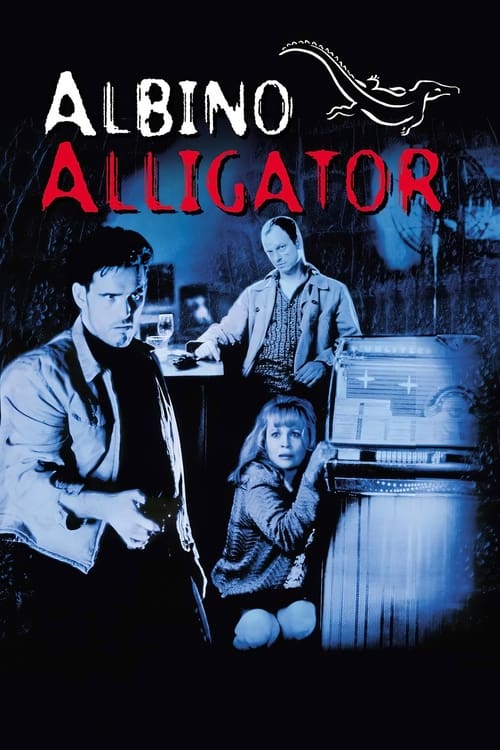
Albino Alligator
1997While escaping from a foiled robbery attempt, three thieves find themselves surrounded by police at a New Orleans bar--only they're not the people the police are searching for.
As a desperate fugitive trapped in a high-stakes standoff, Dillon utilizes a taut, coiled-spring energy that drives the film’s claustrophobic tension. It is a gritty, blue-collar performance that highlights his ability to command the screen through silent, simmering intensity.
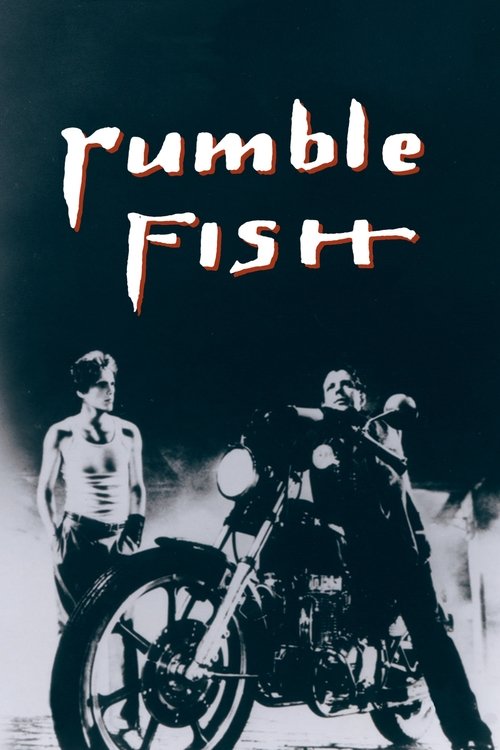
Rumble Fish
1983Absent-minded street thug Rusty James struggles to live up to his legendary older brother's reputation, and longs for the days of gang warfare.
Dillon plays the Motorcycle Boy’s younger brother with a restless, impressionistic yearning that perfectly matches the film's avant-garde aesthetic. His performance captures the melancholy of living in a shadow, marking a critical step in his evolution from a poster boy to a sophisticated stylistic collaborator.
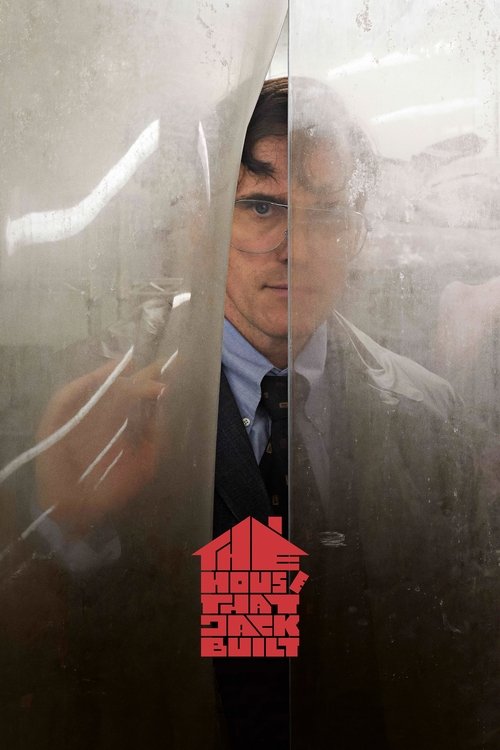
The House That Jack Built
2018Failed architect, engineer and vicious murderer Jack narrates the details of some of his most elaborately orchestrated crimes, each of them a towering piece of art that defines his life's work as a serial killer for twelve years.
Lars von Trier utilizes Dillon’s aging leading-man charisma to chilling effect, casting him as a meticulous serial killer who views his atrocities as high art. It is a fearless, uncompromising descent into madness that showcases his willingness to explore the darkest, most alienating corners of the male psyche.
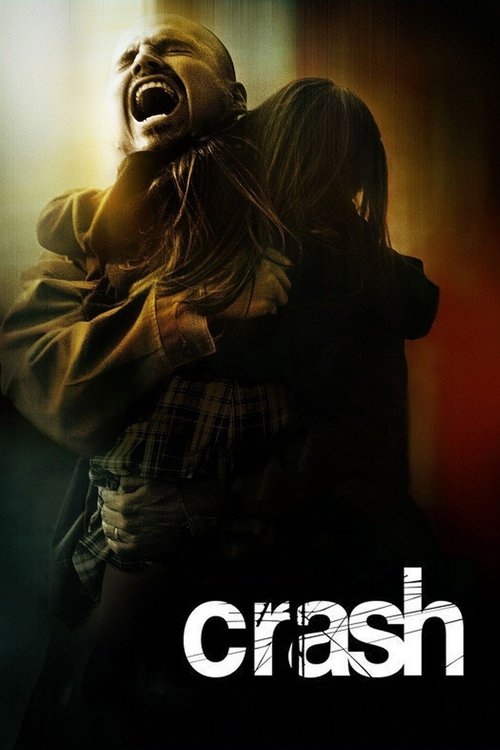
Crash
2005In post-Sept. 11 Los Angeles, tensions erupt when the lives of a Brentwood housewife, her district attorney husband, a Persian shopkeeper, two cops, a pair of carjackers and a Korean couple converge during a 36-hour period.
In a role defined by internal friction, Dillon navigates the complexities of a deeply flawed lawman with a raw, uncomfortable honesty that earned him a well-deserved Academy Award nomination. He avoids the trap of the one-dimensional villain, instead exposing the agonizing humanity buried beneath layers of systemic prejudice and personal resentment.
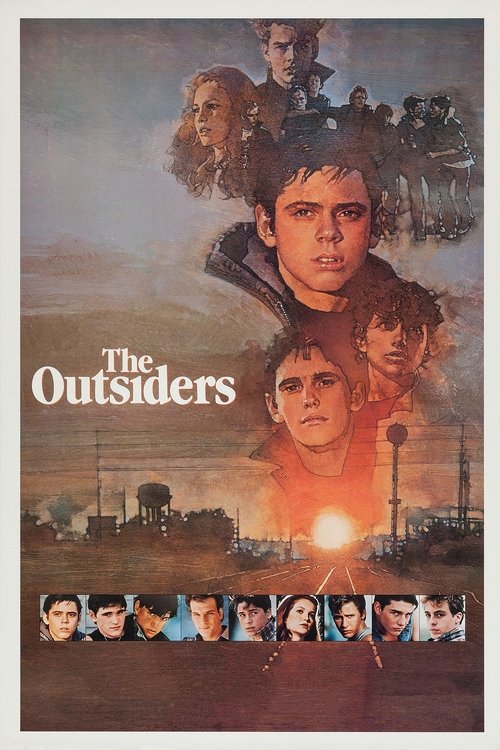
The Outsiders
1983In 1960s Tulsa, class divisions ignite a violent rivalry between the working-class Greasers and the privileged Socs. When a deadly encounter forces two Greasers, Ponyboy and Johnny, to flee, their struggle for survival and redemption exposes the fragile innocence and enduring bonds of youth on the wrong side of town.
Dillon anchors Coppola’s Greaser tragedy as Dallas Winston, weaponizing a jagged, street-hardened physicality that perfectly captures the tragedy of lost innocence. This role cemented him as the definitive cinematic rebel of the 1980s, possessing a soulful volatility that stood out even amongst a historic ensemble of future stars.
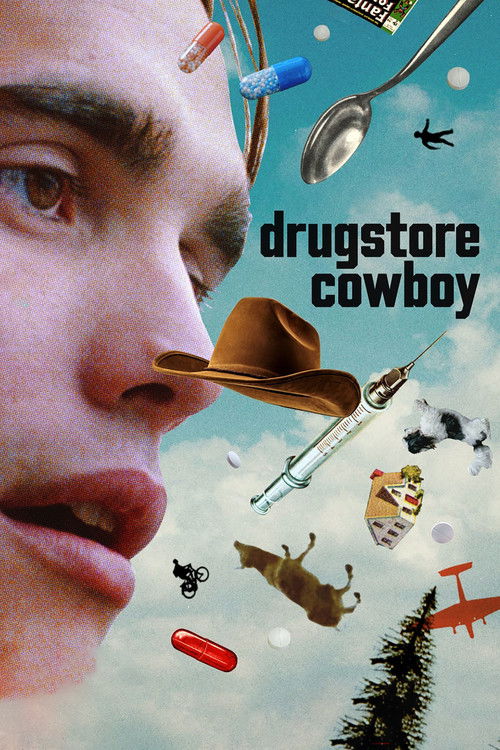
Drugstore Cowboy
1989Portland, Oregon, 1971. Bob Hughes is the charismatic leader of a peculiar quartet, formed by his wife, Dianne, and another couple, Rick and Nadine, who skillfully steal from drugstores and hospital medicine cabinets in order to appease their insatiable need for drugs. But neither fun nor luck last forever.
Trading teen-idol polish for a desperate, superstitious grit, Dillon’s turn as Bob Hughes remains a landmark of independent cinema. It is his most transformative work, proving he could carry a subversive narrative with a nuanced, frantic energy that redefined his trajectory as a serious dramatic force.
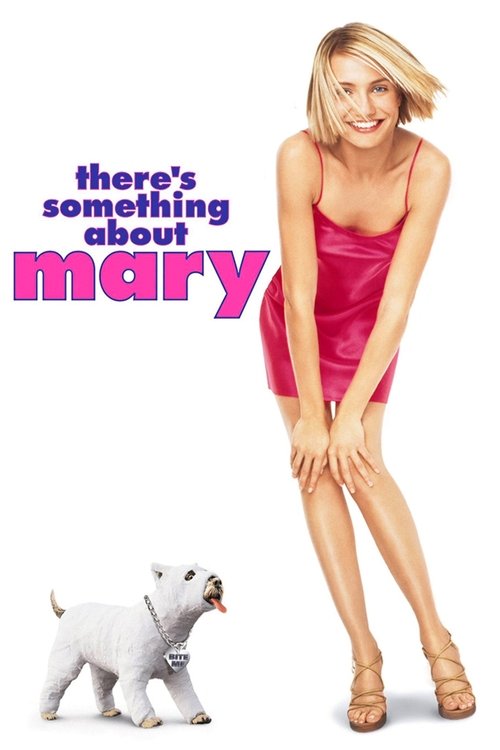
For Ted, prom night went about as bad as it’s possible for any night to go. Thirteen years later, he finally gets another chance with his old prom date, only to run up against other suitors including the sleazy detective he hired to find her.
Dillon reveals an unexpected flair for the grotesque as a sleazy, mustachioed private investigator in this Farrelly brothers classic. By leaning into a heightened, cartoonish vanity, he proved his versatility and stole scenes in an era-defining comedy.
Frequently Asked Questions
Everything you need to know about this list and SnakeDrafts
- Matt Dillon's most critically acclaimed films in the list include "Crash," which won the Academy Award for Best Picture, and "Drugstore Cowboy," known for its gritty portrayal of addiction. These films showcase Dillon's range from intense drama to crime narratives.
- Matt Dillon demonstrates his versatility in films like "There's Something About Mary," a romantic comedy, and "To Die For," which blends drama with dark comedy. This range highlights his skill in navigating different genres effectively.
- The list features several collaborations with acclaimed directors such as Francis Ford Coppola in "The Outsiders" and "Rumble Fish," Gus Van Sant in "Drugstore Cowboy" and "To Die For," and Paul Haggis in "Crash." These partnerships have been pivotal in shaping Dillon's diverse filmography.
- Yes, "The Outsiders" and "Over the Edge" are considered cult classics and are included in the ranking. These films contributed significantly to Dillon's early career as a defining face of youthful rebellion in cinema.
- Common themes in Dillon's top-ranked movies include youth rebellion and identity struggles as seen in "The Outsiders" and "Over the Edge," crime and moral ambiguity in "Drugstore Cowboy" and "Albino Alligator," and complex human relationships in "There's Something About Mary" and "Beautiful Girls."
- "The House That Jack Built" is the standout thriller and horror film in the list where Matt Dillon plays a controversial role, highlighting his willingness to take on challenging and dark characters. This film showcases his range beyond traditional drama and comedy.
- Yes, several films like "Drugstore Cowboy," "Albino Alligator," and "Crash" see Matt Dillon in intense crime drama roles. These movies emphasize his strength in portraying complex characters caught in morally challenging situations.
- Matt Dillon's early roles in films like "Over the Edge" and "The Outsiders" set the tone for his career with themes of rebellion and gritty realism. This foundation is evident in his later choices, as he continues to gravitate towards roles that explore complex, often darker aspects of human nature.