Top Ned Beatty Movies Ranked
The Essential Filmography of a Character Acting Legend
Explore the most iconic performances by Ned Beatty, from his breakout in Deliverance to his unforgettable Oscar-nominated turn in Network.
About Ned Beatty
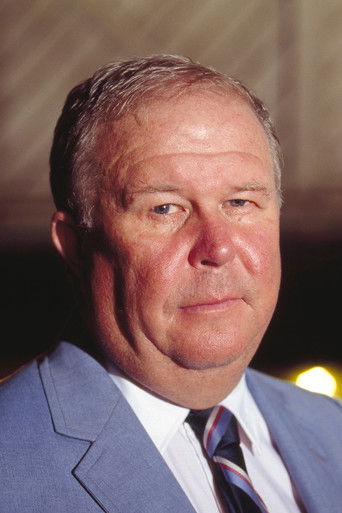
Ned Beatty possessed the kind of face that felt as familiar as a neighbor's and as versatile as a Swiss Army knife. He was the quintessential Everyman of the New Hollywood era, a performer who could shift from bumbling sidekick to terrifying corporate prophet without ever losing his grip on a character's humanity. While many actors of his generation chased vanity, he chased the truth of the working man, the corrupt politician, or the suburban father, often stealing entire films with just a few minutes of screen time.
His arrival in 1972’s Deliverance remains one of the most harrowing debuts in cinema history, where his portrayal of Bobby Trippe grounded the film's wilderness horror in a visceral, heartbreaking reality. It established a reputation for fearlessness that would define his five-decade career. He didn't just inhabit roles; he anchored them. This reliability made him a favorite of directors like Robert Altman, who utilized his naturalistic charm in the sprawling tapestry of Nashville, and Elaine May, who cast him in the gritty, improvisational masterpiece Mikey and Nicky.
The pinnacle of his cultural influence arguably arrived with a single scene in the 1976 media satire Network. As industrialist Arthur Jensen, he delivered a booming, apocalyptic monologue about the global economy that still echoes through modern social media feeds. In that moment, he transcended character acting to become a vessel for a terrifying, universal truth. Yet, in the same year, he showcased his range by playing a dedicated investigator in All the President's Men and a comedic foil in Silver Streak. He refused to be pinned down to a single genre, moving effortlessly from the high-stakes political intrigue of Charlie Wilson's War to the broad, colorful comedy of the Superman franchise, where his bumbling Otis served as the perfect comedic counterbalance to Gene Hackman's Lex Luthor.
Audiences connected with him because he never seemed to be performing from a tower. Whether he was playing the supportive father in the sports classic Rudy or the cynical senator in the thriller Shooter, there was a groundedness to his cadence. This relatability even translated to his late-career voice work. In Toy Story 3, he transformed a pink, strawberry-scented bear into one of the most chilling villains in the Pixar canon by infusing Lotso with a weary, grandfatherly bitterness. He repeated this success in the surreal Western Rango, proving that his vocal gravitas was just as potent as his physical presence.
His filmography is a lesson in the art of the supporting player. From his early work in The Life and Times of Judge Roy Bean to the clever cat-and-mouse games of Hopscotch and the grand scale of Superman II, he remained the industry's most reliable secret weapon. He lived in the margins of the frame but often occupied the center of the audience's memory. By the time he stepped away from the spotlight, he had crafted a body of work that reflected the complexities of the American spirit, proving that you don't need top billing to leave an indelible mark on the soul of the movies.
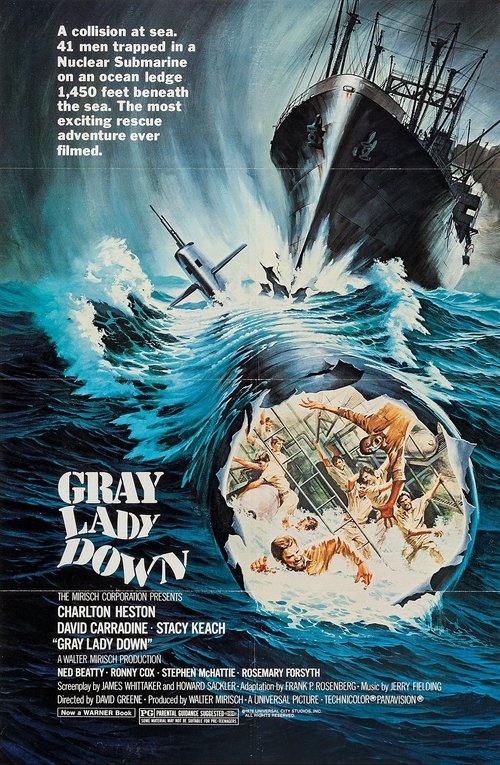
Gray Lady Down
1978The USS Neptune, a nuclear submarine, is sunk off the coast of Connecticut after a collision with a Norwegian cargo ship. The navy must attempt a potentially dangerous rescue in the hope of saving the lives of the crew.
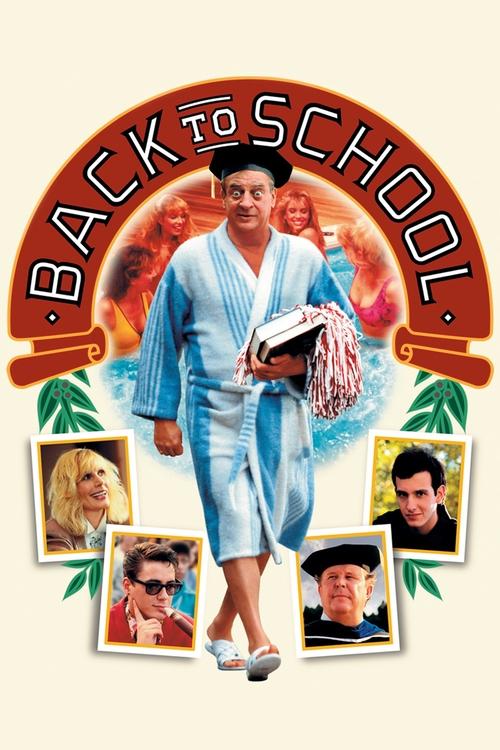
Back to School
1986Self-made millionaire Thornton Melon decides to get a better education and enrolls at his son Jason's college. While Jason tries to fit in with his fellow students, Thornton struggles to gain his son's respect, giving way to hilarious antics.
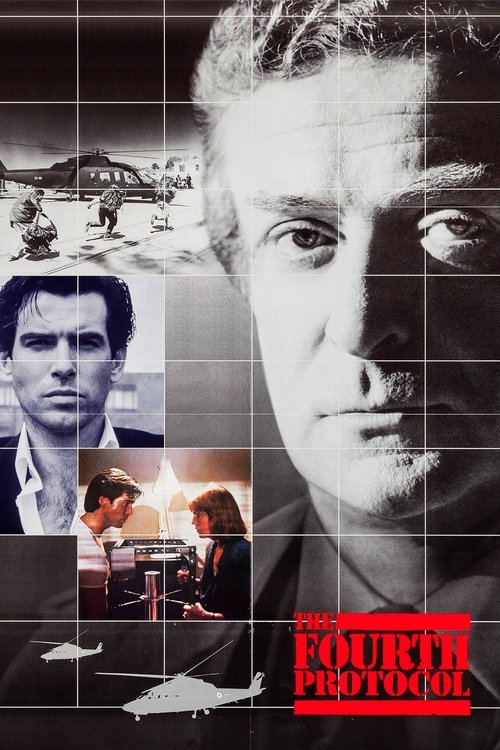
The Fourth Protocol
1987Led by Kim Philby, Plan Aurora is a plan that breaches the top-secret Fourth Protocol and turns the fears that shaped it into a living nightmare. A crack Soviet agent, placed under cover in a quiet English country town, begins to assemble a nuclear bomb, whilst an MI5 agent attempts to prevent its detonation.
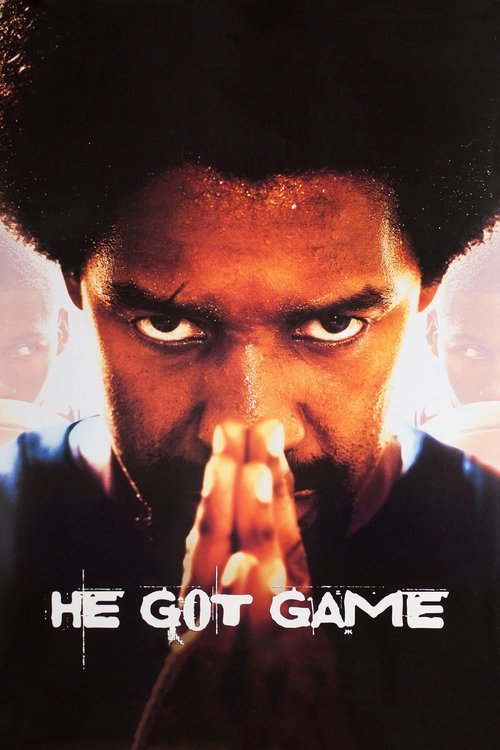
He Got Game
1998A basketball player's father must try to convince him to go to a college so he can get a shorter prison sentence.
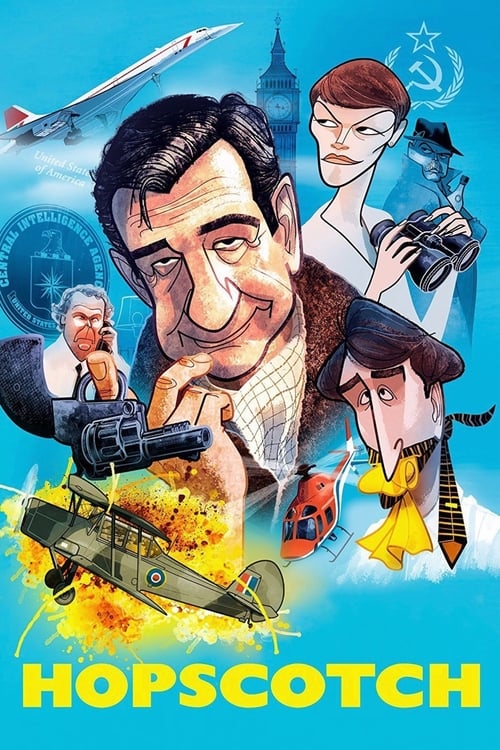
Hopscotch
1980When CIA operative Miles Kendig deliberately lets KGB agent Yaskov get away, his boss threatens to retire him. Kendig beats him to it, however, destroying his own records and traveling to Austria where he begins work on a memoir that will expose all his former agency's covert practices. The CIA catches wind of the book and sends other agents after him, initiating a frenetic game of cat and mouse that spans the globe.
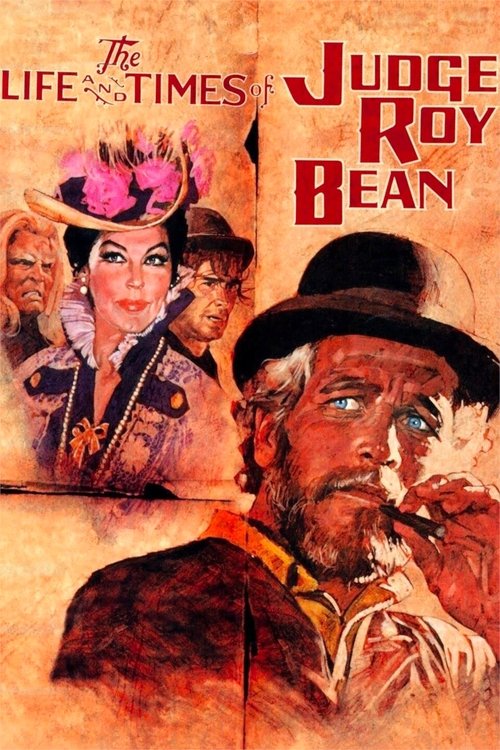
The Life and Times of Judge Roy Bean
1972Outlaw and self-appointed lawmaker Judge Roy Bean rules over an empty stretch of the West that gradually grows, under his iron fist, into a thriving town, while dispensing his his own quirky brand of frontier justice upon strangers passing by.
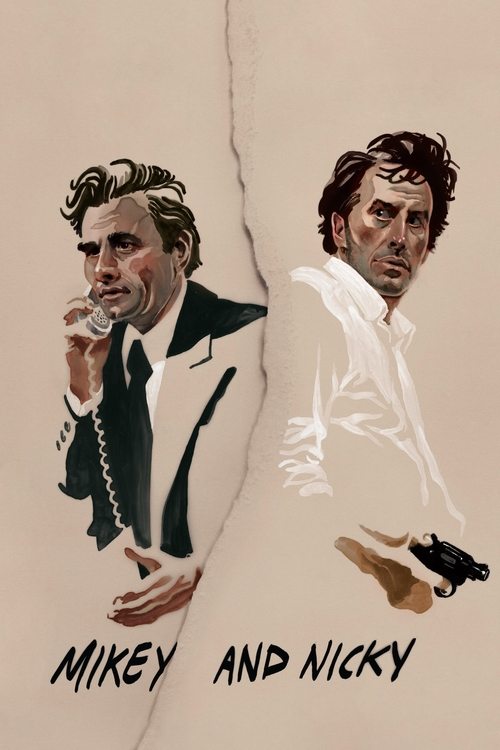
Mikey and Nicky
1976Nick is desperate, holed up in a cheap hotel, suffering from an ulcer and convinced that a local mob boss wants him killed. Terrified, he calls Mikey, his friend since childhood and a fellow gangster. So begins a long night…

Superman II
1980Three Kryptonian criminals led by General Zod team up with Lex Luthor to conquer Earth, forcing a depowered Superman to regain his strength and stop them.
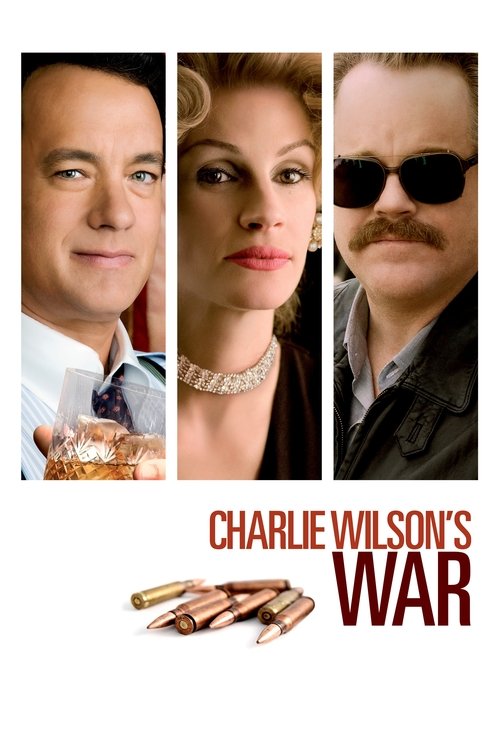
Charlie Wilson's War
2007A Texas congressman sets a series of events in motion when he conspires with a CIA operative to aid Afghan mujahideen rebels fighting the Soviets.
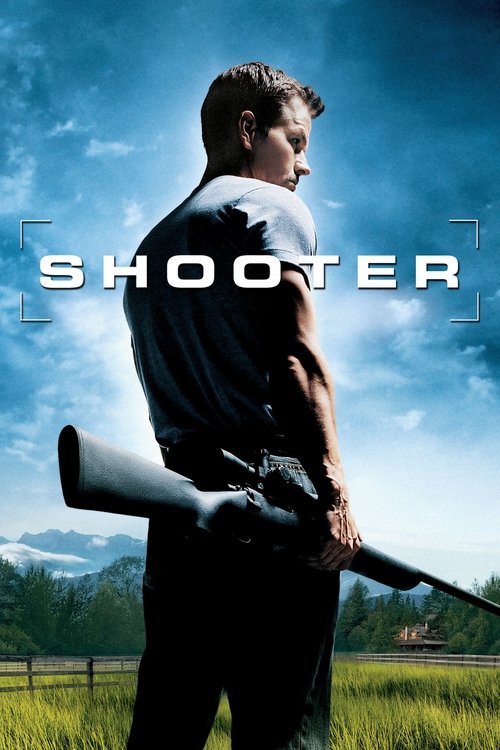
Shooter
2007A top Marine sniper, Bob Lee Swagger, leaves the military after a mission goes horribly awry and disappears, living in seclusion. He is coaxed back into service after a high-profile government official convinces him to help thwart a plot to kill the President of the United States. Ultimately double-crossed and framed for the attempt, Swagger becomes the target of a nationwide manhunt. He goes on the run to track the real killer and find out who exactly set him up, and why, eventually seeking revenge against some of the most powerful and corrupt leaders in the free world.
In the role of Senator Charles Meachum, Beatty weaponizes his folksy charm to create a chillingly plausible portrait of political corruption. He proves that even late in his career, he could outshine an entire action sequence with a single, calmly delivered threat.

Rango
2011When Rango, a lost family pet, accidentally winds up in the gritty, gun-slinging town of Dirt, the less-than-courageous lizard suddenly finds he stands out. Welcomed as the last hope the town has been waiting for, new Sheriff Rango is forced to play his new role to the hilt.
His vocal performance as the Mayor of Dirt is a marvel of reptilian deception and Western tropes. Beatty utilizes his gravelly timbre to project an aura of manipulative authority that makes the animated antagonist feel genuinely formidable.
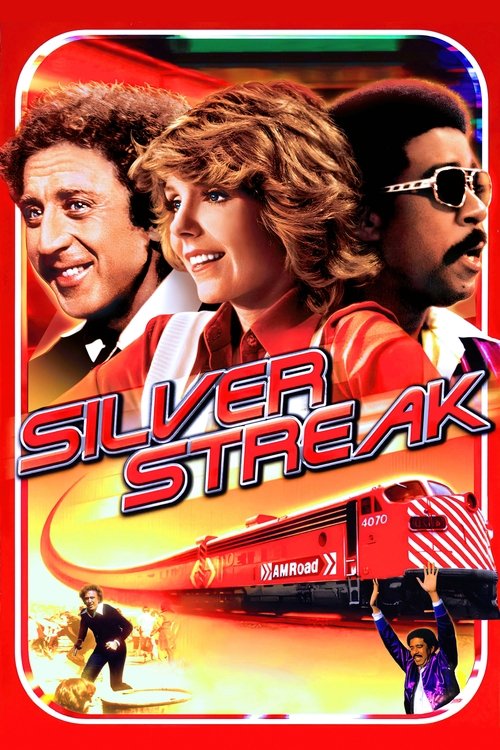
Silver Streak
1976A somewhat daffy book editor on a rail trip from Los Angeles to Chicago thinks that he sees a murdered man thrown from the train. When he can find no one who will believe him, he starts doing some investigating of his own. But all that accomplishes is to get the killer after him.
Beatty displays sharp instincts for the screwball genre as a suspicious undercover agent. His chemistry with the lead duo highlights his ability to elevate popcorn entertainment with genuine character work and comedic precision.
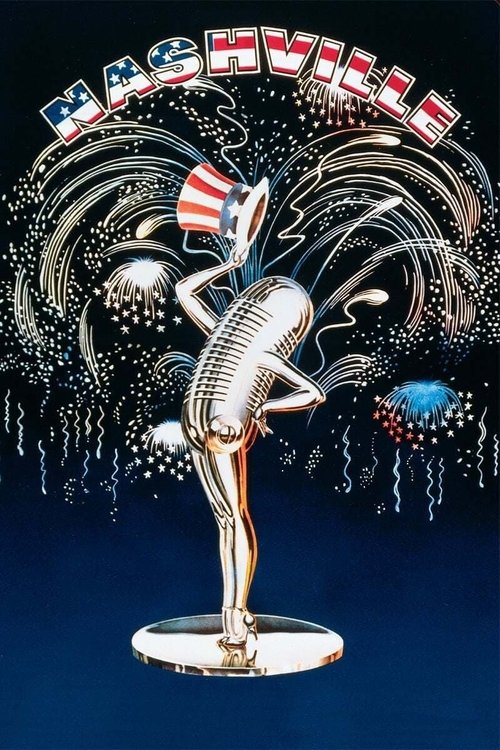
Nashville
1975The intersecting stories of twenty-four characters—from country star to wannabe to reporter to waitress—connect to the music business in Nashville, Tennessee.
Navigating the chaotic ensemble of Altman's masterpiece, Beatty portrays Delbert Reese as a man whose affability masks a deep seated moral ambiguity. His performance is a subtle study in the casual compromises and social posturing of the political elite.
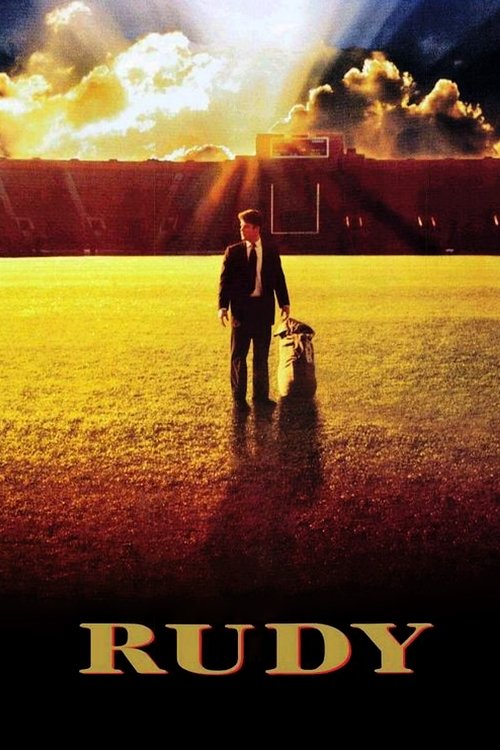
Rudy
1993Rudy grew up in a steel mill town where most people ended up working, but wanted to play football at Notre Dame instead. There were only a couple of problems. His grades were a little low, his athletic skills were poor, and he was only half the size of the other players. But he had the drive and the spirit of 5 people and has set his sights upon joining the team.
As the elder Daniel Reuttiger, Beatty embodies the grit of the American working class with a quiet, paternal weight. He eschews sports movie clichés to provide the film with its emotional anchor, making the final payoff feel earned rather than manufactured.
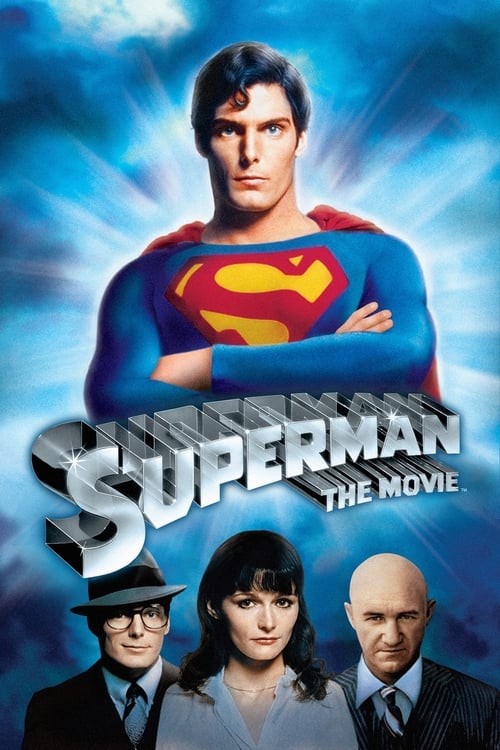
Superman
1978Mild-mannered Clark Kent works as a reporter at the Daily Planet alongside his crush, Lois Lane. Clark must summon his superhero alter-ego when the nefarious Lex Luthor launches a plan to take over the world.
Beatty offers a necessary comedic counterweight to Gene Hackman's Lex Luthor as the bumbling yet oddly endearing Otis. His impeccable timing and physical comedy prevent the film's villainous subplots from becoming overly grim, solidifying his versatility in blockbuster fare.
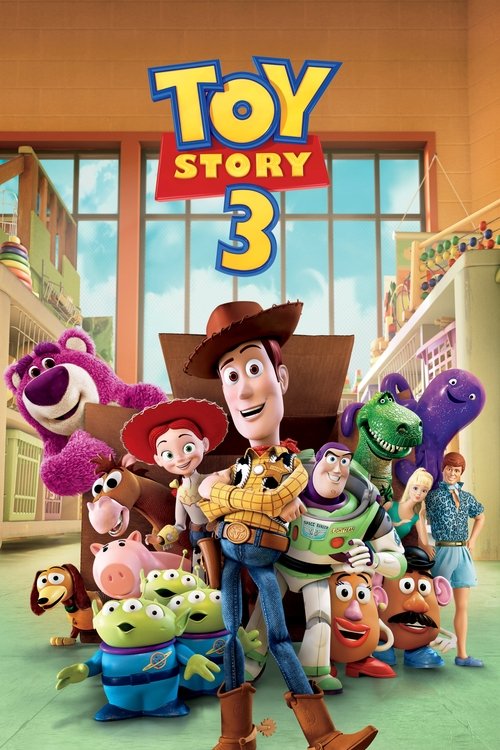
Toy Story 3
2010Woody, Buzz, and the rest of Andy's toys haven't been played with in years. With Andy about to go to college, the gang find themselves accidentally left at a nefarious day care center. The toys must band together to escape and return home to Andy.
Providing the voice for Lotso, Beatty infuses a pink teddy bear with the gravitas of a Shakespearian villain. It is a masterclass in vocal range, shifting effortlessly from Southern grandfatherly warmth to cold, autocratic menace.
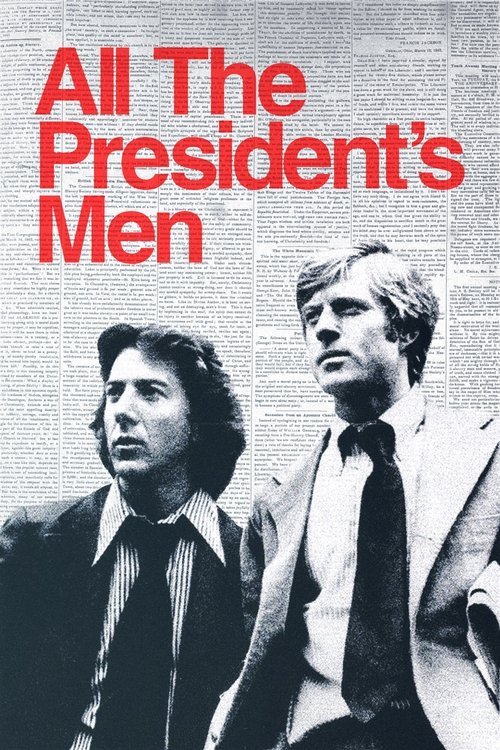
All the President's Men
1976During the 1972 elections, two reporters' investigation sheds light on the controversial Watergate scandal that compels President Nixon to resign from his post.
Playing bureaucratic investigator Martin Dardis, Beatty serves as the essential friction point in the film's procedural machinery. He masterfully depicts a man caught between professional duty and political self-preservation, adding a layer of sweaty realism to the chase for the truth.
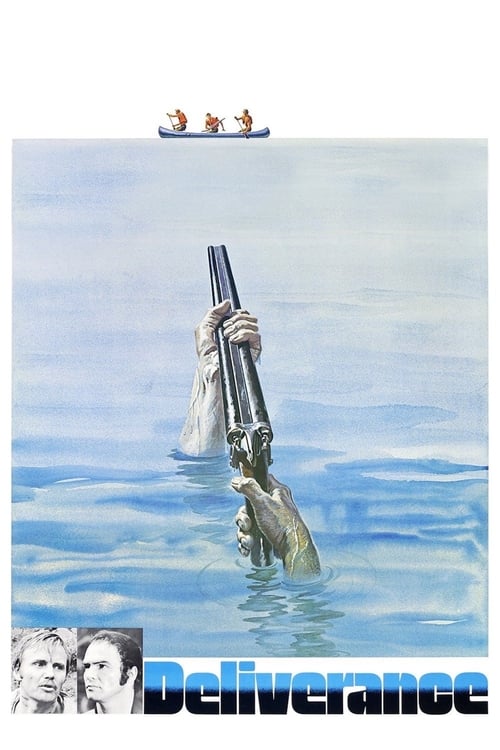
Deliverance
1972Intent on seeing the Cahulawassee River before it's turned into one huge lake, outdoor fanatic Lewis Medlock takes his friends on a river-rafting trip they'll never forget into the dangerous American back-country.
In his cinematic debut, Beatty captures a harrowing vulnerability that grounds the film's survivalist horror in painful reality. His transformation from a jovial city dweller to a broken survivor remains one of the most raw and influential psychological portraits in 1970s cinema.
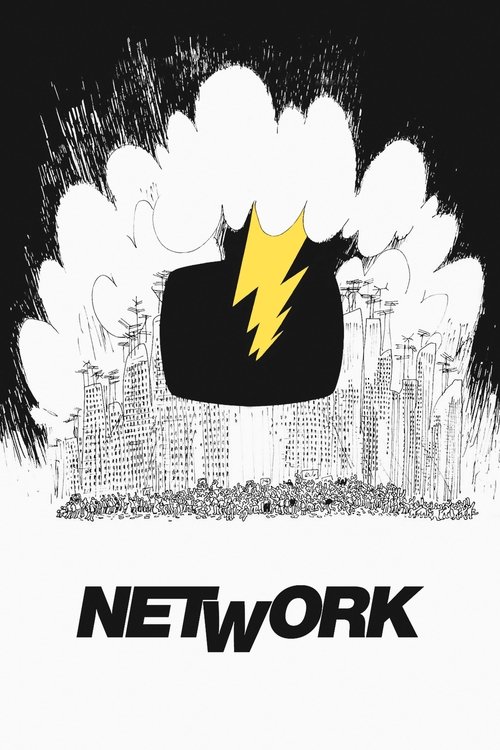
Network
1976When veteran anchorman Howard Beale is forced to retire his 25-year post because of his age, he announces to viewers that he will kill himself during his farewell broadcast. Network executives rethink their decision when his fanatical tirade results in a spike in ratings.
Beatty commands the screen for a singular, thunderous monologue that reshapes the film into a corporate theological nightmare. His portrayal of Arthur Jensen represents the pinnacle of the character actor's ability to pivot an entire narrative's philosophy in just five minutes of screen time.
Frequently Asked Questions
Everything you need to know about this list and SnakeDrafts
- Ned Beatty's role in "Network" is ranked highest due to his Oscar-nominated portrayal of a ruthless corporate executive, showcasing his ability to balance menace with dark humor. This film remains iconic for its sharp critique of media culture, with Beatty's performance central to its impact.
- In "Deliverance," Beatty delivered a powerful performance as Bobby, the naive friend caught in a harrowing survival situation. This breakout role highlighted his talent for embodying vulnerable, relatable characters and established him as a versatile actor in dramatic and thriller genres.
- Ned Beatty brought his distinctive voice and warmth to animated classics such as "Toy Story 3" and "Rango," adding depth and charm to family-friendly entertainment. These roles demonstrate his adaptability and ability to connect with audiences across genres, including comedy and adventure.
- The list includes a diverse range of films from dramas like "All the President's Men" to comedies such as "Silver Streak," reflecting Beatty's wide-ranging career. However, some notable films like "The Big Easy" or "The Ocean's Eleven" remakes are absent, emphasizing a focus on his most critically acclaimed and iconic roles.
- Beatty's roles often explore facets of American life, from political corruption in "All the President's Men" to the working-class struggles depicted in "Rudy." His characters frequently illuminate the complexities of morality, power, and resilience, mirroring societal issues through his nuanced performances.
- Ned Beatty's top movies span genres—including drama, thriller, comedy, and animation—showcasing his remarkable versatility. This breadth illustrates his talent in adapting to varied storytelling styles and his ability to deliver compelling performances regardless of genre conventions.
- Ned Beatty worked with renowned directors like Robert Altman in "Nashville" and Richard Donner in "Superman," gaining opportunities to contribute to critically and commercially successful projects. These collaborations highlight his skill in both ensemble casts and blockbuster settings, enriching his filmography's diversity.