The Best James Earl Jones Movies Ranked
Celebrating the Profound Legacy of a Cinematic Titan
Discover the finest films featuring James Earl Jones, from his iconic voice work in Star Wars to moving performances in classic dramas.
About James Earl Jones
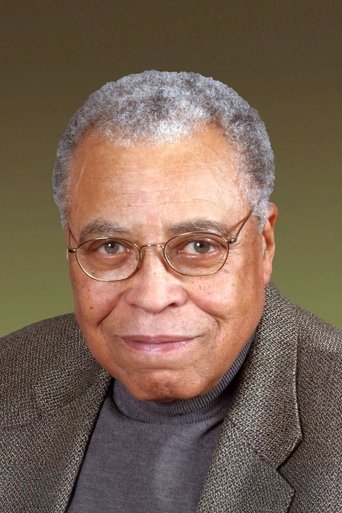
To describe the presence of James Earl Jones is to speak of a seismic shift in the atmosphere of a room. He possessed a voice that did not merely travel through the air but seemed to vibrate from beneath the floorboards, a resonant bass-baritone that carried the weight of scripture and the warmth of a grandfather’s fireplace. For more than half a century, he served as the sonic conscience of American cinema, transforming every frame he occupied into something grander and more permanent.
The irony of his legacy remains one of Hollywood’s most poetic truths: the man who became the world’s most recognizable voice began his life paralyzed by a severe stutter. By choosing to remain silent for years as a child, he developed a profound reverence for the spoken word, eventually emerging with a command of language that felt almost elemental. Audiences first felt this gravity in Stanley Kubrick’s Dr. Strangelove, where he played a B-52 bombardier, but it was his transition into the blockbuster era that cemented his status as a cultural titan.
His contribution to the Star Wars trilogy remains perhaps the greatest feat of vocal acting in history. As the voice of Darth Vader in A New Hope, The Empire Strikes Back, and Return of the Jedi, he managed to humanize a faceless machine, infusing a cold mechanical mask with layers of menace, regret, and ultimately, redemption. He did not need to be physically present on set to define a generation’s nightmares; he did it through cadence alone. He repeated this magic for a younger demographic in The Lion King, where his Mufasa became the ultimate archetype of paternal wisdom, a performance so definitive that it still serves as a shorthand for noble leadership.
Beyond the realm of gods and villains, he excelled at playing men of deep, often quiet, intellect. In Field of Dreams, he delivered the definitive monologue on the spiritual pull of baseball, convincing us that the sport was the one constant in a turbulent world. He brought a similar steady hand to the high-stakes political thrillers of the nineties, providing the moral compass for the Jack Ryan franchise in The Hunt for Red October, Patriot Games, and Clear and Present Danger. Whether he was playing an exiled African king in Coming to America or a blind hermit with a secret history in The Sandlot, he grounded every role in an undeniable dignity.
His filmography is a tapestry of American identity. He could pivot from the gritty realism of Matewan and the military solemnity of Gardens of Stone to the tech-savvy wit of Sneakers with effortless grace. Even in heeled boots and snakeskin as the menacing Thulsa Doom in Conan the Barbarian, he maintained a certain regal aura that no costume could diminish. This was his superpower: a refusal to be anything less than statuesque. He represented a bridge between the classical stage and the modern multiplex, proving that a performer’s true power lies in the space between the notes. He did not just act; he resonated, leaving behind a body of work that sounds like the heartbeat of the movies themselves.
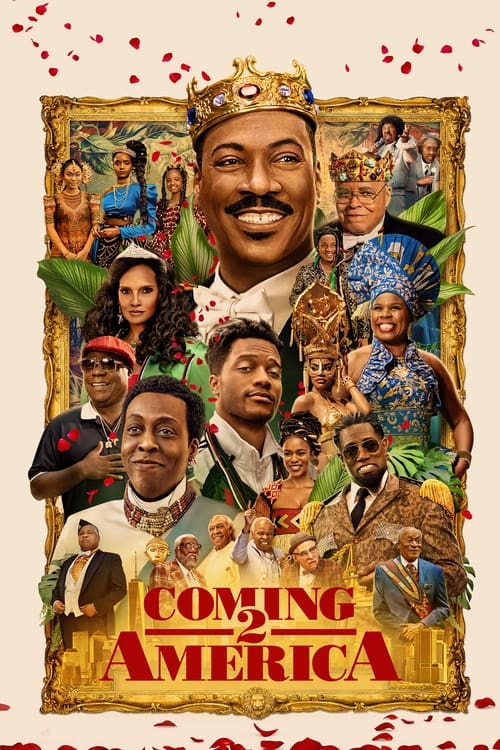
Coming 2 America
2021Prince Akeem Joffer is set to become King of Zamunda when he discovers he has a son he never knew about in America – a street savvy Queens native named Lavelle. Honoring his royal father's dying wish to groom this son as the crown prince, Akeem and Semmi set off to America once again.
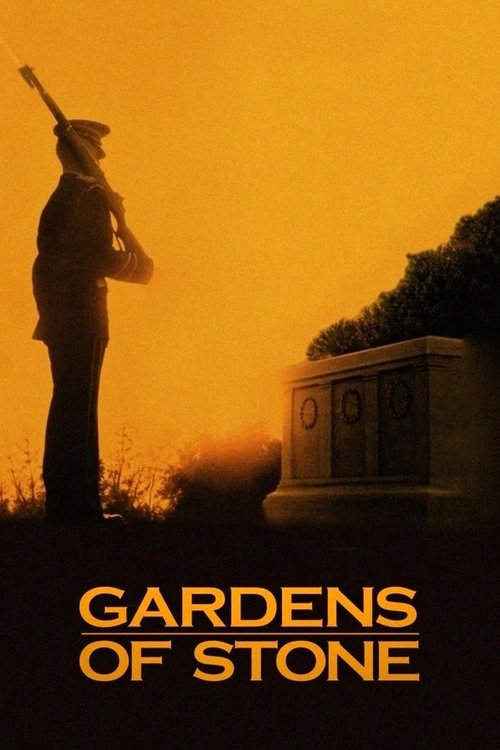
Gardens of Stone
1987At Arlington National Cemetery during the Vietnam era, veteran sergeant Clell Hazard trains young soldiers while mourning those lost in combat. Unable to return to war himself, he mentors Jackie Willow—the idealistic son of a fallen comrade—hoping to prepare him for the realities of Vietnam and the cost of duty.
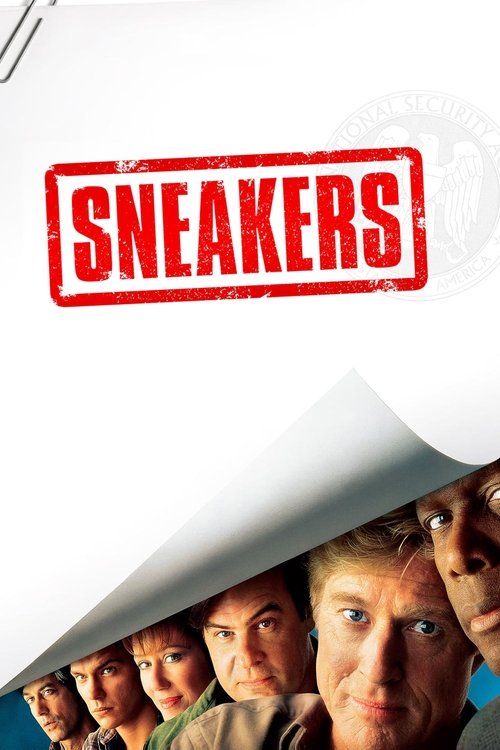
Sneakers
1992When shadowy U.S. intelligence agents blackmail a reformed computer hacker and his eccentric team of security experts into stealing a code-breaking 'black box' from a Soviet-funded genius, they uncover a bigger conspiracy. Now, he and his 'sneakers' must save themselves and the world economy by retrieving the box from their blackmailers.
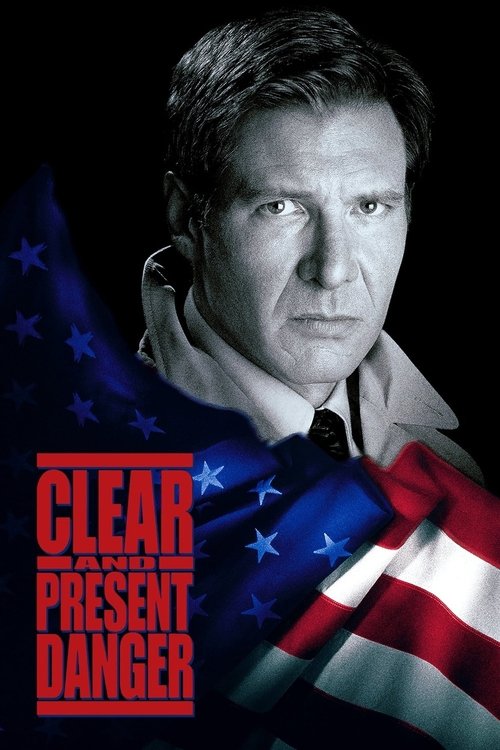
Agent Jack Ryan becomes acting Deputy Director of Intelligence for the CIA when Admiral Greer is diagnosed with cancer. When an American businessman, and friend of the president, is murdered on his yacht, Ryan starts discovering links between the man and drug dealers. As former CIA agent John Clark is sent to Colombia to kill drug cartel kingpins in retaliation, Ryan must fight through multiple cover-ups to figure out what happened and who's responsible.
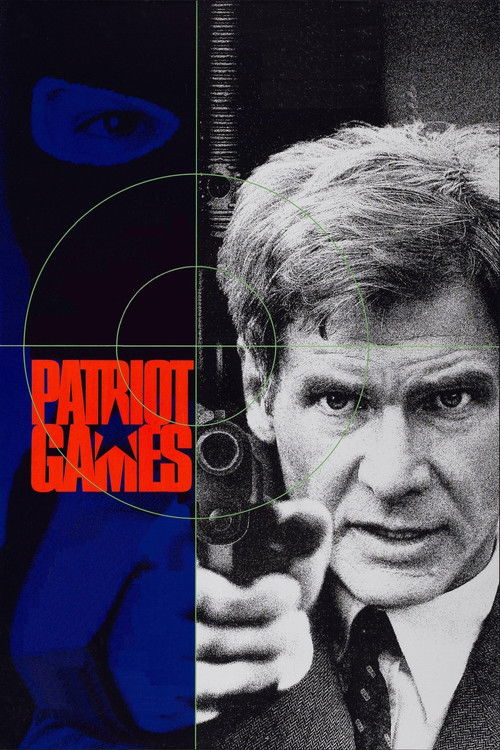
Patriot Games
1992When CIA Analyst Jack Ryan interferes with an IRA assassination, a renegade faction targets Jack and his family as revenge.
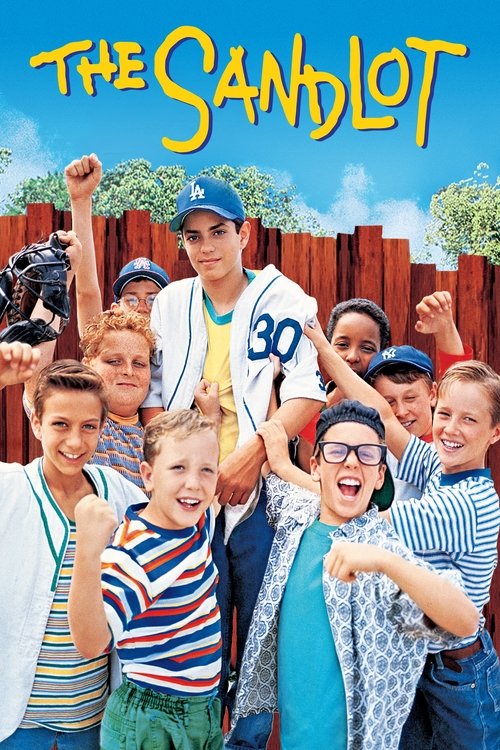
The Sandlot
1993During a summer of friendship and adventure, one boy becomes a part of the gang, nine boys become a team and their leader becomes a legend by confronting the terrifying mystery beyond the right field wall.
As the formidable Mr. Mertle, Jones subverts the 'scary neighbor' trope with a warm, nostalgic gravitas. He serves as the bridge between childhood myth and the reality of baseball history, providing a poignant, lived-in perspective that elevates the film’s final act.
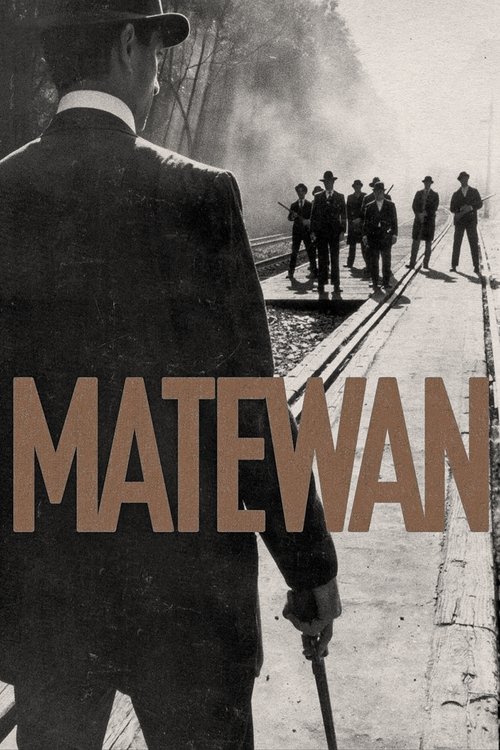
Matewan
1987Filmed in the coal country of West Virginia, "Matewan" celebrates labor organizing in the context of a 1920s work stoppage. Union organizer, Joe Kenehan, a scab named "Few Clothes" Johnson and a sympathetic mayor and police chief heroically fight the power represented by a coal company and Matewan's vested interests so that justice and workers' rights need not take a back seat to squalid working conditions, exploitation and the bottom line.
His portrayal of 'Few Clothes' Johnson is a towering exercise in quiet dignity amidst the brutal labor wars of Appalachia. Jones captures the exhaustion and inner fire of a man caught between survival and solidarity, grounding the historical drama in raw human emotion.
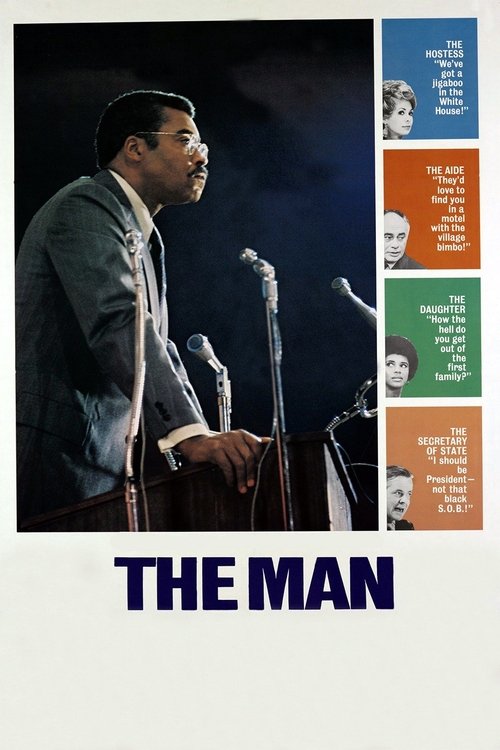
The Man
1972When the President and Speaker of the House are killed in a building collapse, and the Vice-President declines the office due to age and ill-health, Senate President pro tempore Douglas Dilman (James Earl Jones) suddenly becomes the first black man to occupy the Oval Office. The events from that day to the next election when he must decide if he will actually run challenge his skills as a politician and leader.
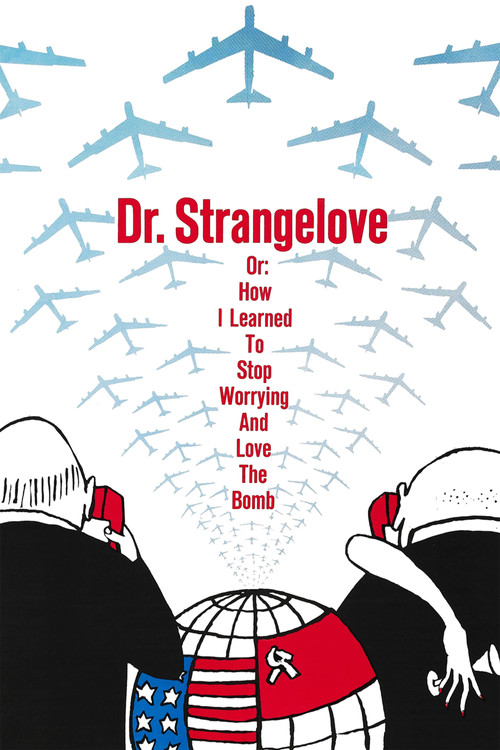
Dr. Strangelove or: How I Learned to Stop Worrying and Love the Bomb
1964After the insane General Jack D. Ripper initiates a nuclear strike on the Soviet Union, a war room full of politicians, generals and a Russian diplomat all frantically try to stop it.
In his cinematic debut, a young Jones brings a grounded, earnest realism to Kubrick’s absurd nuclear nightmare. Despite the surrounding satire, his disciplined portrayal of Lieutenant Lothar Zogg provides a vital tether to the high-stakes reality of the Cold War.
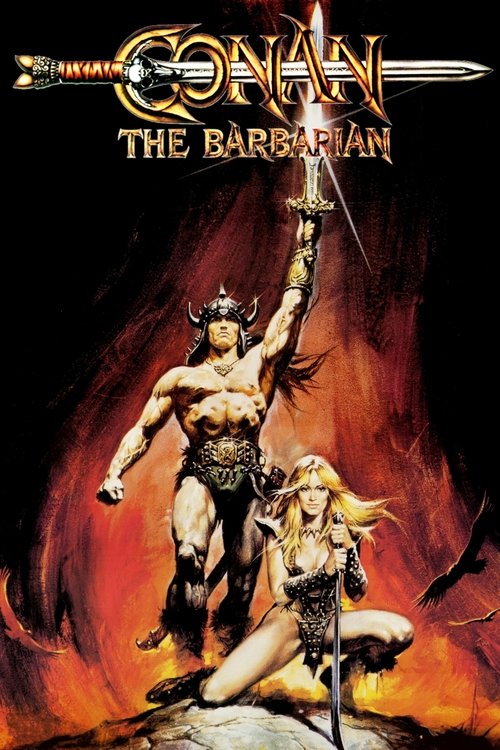
Conan the Barbarian
1982A horde of rampaging warriors massacre the parents of young Conan and enslave the young child for years on The Wheel of Pain. As the sole survivor of the childhood massacre, Conan is released from slavery and taught the ancient arts of fighting. Transforming himself into a killing machine, Conan travels into the wilderness to seek vengeance on Thulsa Doom, the man responsible for killing his family. In the wilderness, Conan takes up with the thieves Valeria and Subotai. The group comes upon King Osric, who wants the trio of warriors to help rescue his daughter who has joined Doom in the hills.
Jones pivots to pure visionary villainy as Thulsa Doom, trading his technological mask for the unsettling stillness of a snake cult leader. He commands the screen with a hypnotic, predatory stillness that makes him a terrifying psychological foil to Schwarzenegger’s physical brawn.
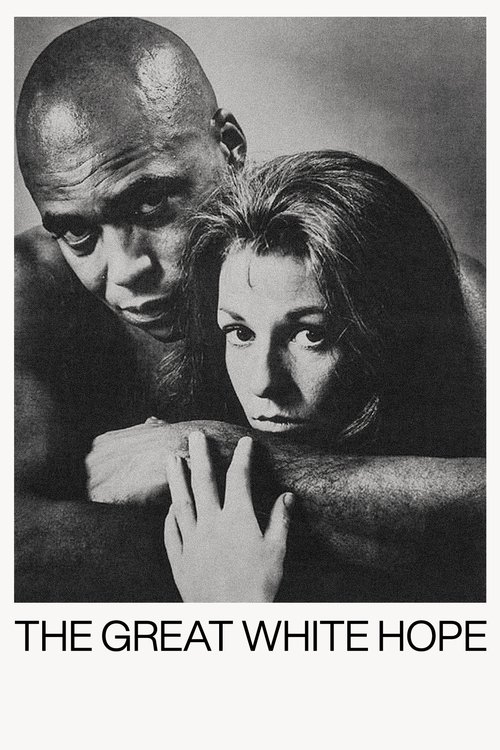
The Great White Hope
1970A black champion boxer and his white female companion struggle to survive while the white boxing establishment looks for ways to knock him down.
James Earl Jones commands the screen as Jack Jefferson with a volcanic, physical intensity that captures both the bravado and the underlying tragedy of a man fighting a rigged system. It is the defining role that vaulted him from stage legend to cinematic powerhouse, earning him his first Oscar nomination and cementing his ability to weaponize a booming, melodic voice against racial prejudice. He doesn’t just play the heavyweight; he inhabits the character's defiance with a raw, sweat-soaked charisma that remains a benchmark for screen acting.
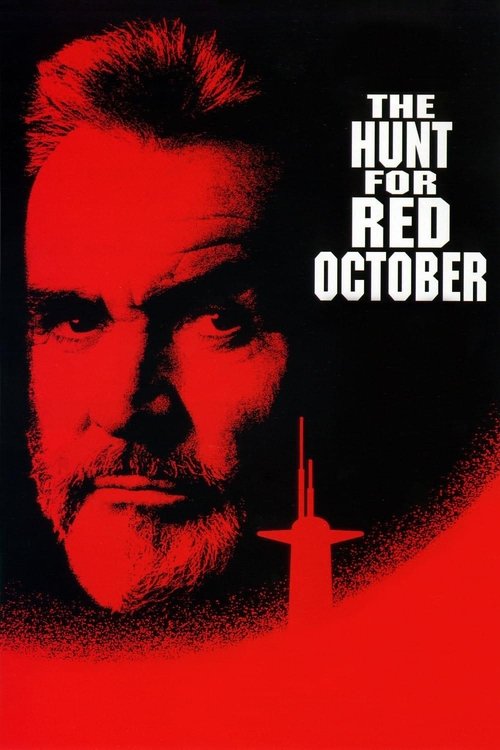
A new technologically-superior Soviet nuclear sub, the Red October, is heading for the U.S. coast under the command of Captain Marko Ramius. The American government thinks Ramius is planning to attack. Lone CIA analyst Jack Ryan has a different idea: he thinks Ramius is planning to defect, but he has only a few hours to find him and prove it - because the entire Russian naval and air commands are trying to find Ramius, too. The hunt is on!
As Admiral Greer, Jones provides a masterclass in bureaucratic composure and steady-handed leadership. His presence offers a necessary counterbalance to the film’s high-stakes espionage, projecting an aura of institutional integrity and unshakeable intelligence.

Luke Skywalker leads a mission to rescue his friend Han Solo from the clutches of Jabba the Hutt, the Emperor prepares to crush the Rebellion with a more powerful Death Star, and the Rebel fleet mounts a massive attack on the space station. Luke Skywalker confronts Darth Vader in a final climactic duel before the evil Emperor.
Concluding the original trilogy, Jones softens the edges of his previously relentless vocal attack to allow for a rare, haunting vulnerability. This subtle modulation completes one of the most complex character arcs ever captured, all without showing his face.
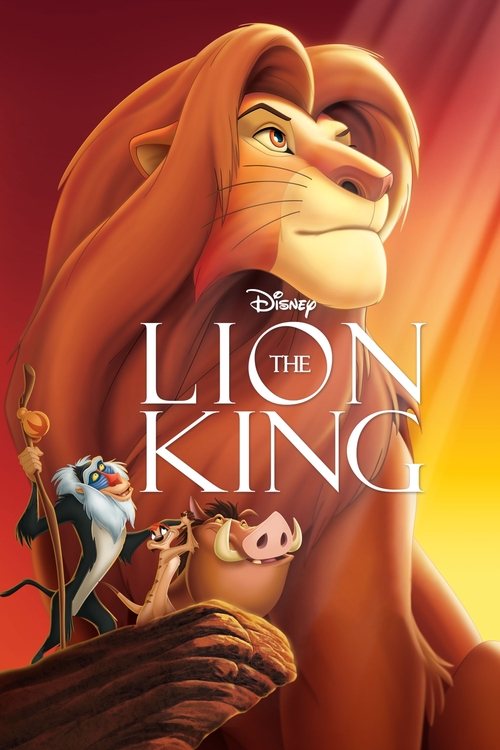
The Lion King
1994Young lion prince Simba, eager to one day become king of the Pride Lands, grows up under the watchful eye of his father Mufasa; all the while his villainous uncle Scar conspires to take the throne for himself. Amid betrayal and tragedy, Simba must confront his past and find his rightful place in the Circle of Life.
As Mufasa, Jones utilizes his regal baritone to anchor a Shakespearean tragedy within a family fable. He manages to infuse every word with a weary, ancient wisdom that makes his character’s presence felt long after he leaves the screen.
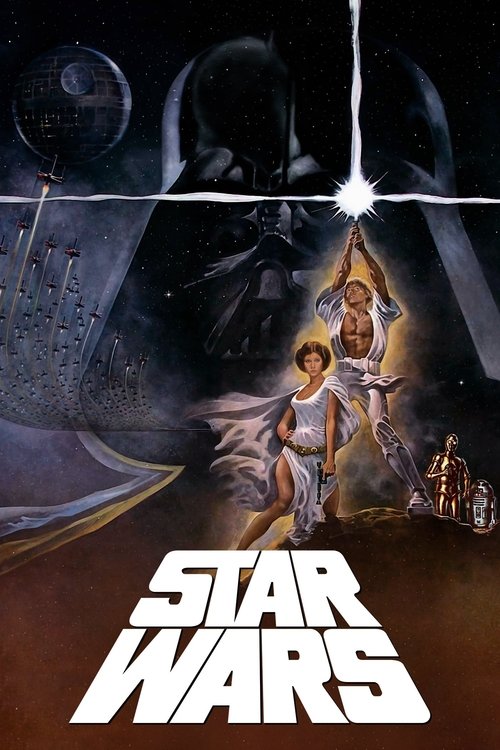
Star Wars
1977Princess Leia is captured and held hostage by the evil Imperial forces in their effort to take over the galactic Empire. Venturesome Luke Skywalker and dashing captain Han Solo team together with the loveable robot duo R2-D2 and C-3PO to rescue the beautiful princess and restore peace and justice in the Empire.
The moment Darth Vader speaks, the space opera genre finds its permanent gravity. Jones provides the essential auditory soul to cinema’s most iconic silhouette, transforming a B-movie villain into an elemental terror through sheer resonance alone.
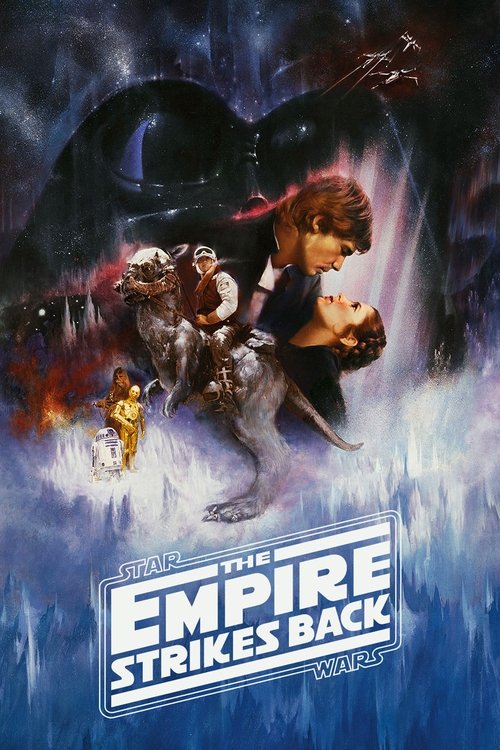
The epic saga continues as Luke Skywalker, in hopes of defeating the evil Galactic Empire, learns the ways of the Jedi from aging master Yoda. But Darth Vader is more determined than ever to capture Luke. Meanwhile, rebel leader Princess Leia, cocky Han Solo, Chewbacca, and droids C-3PO and R2-D2 are thrown into various stages of capture, betrayal and despair.
Jones’s subsonic rumble reaches its operatic peak here, weaponizing parental authority into a chilling cinematic force. It is the definitive vocal performance in film history, proving that a mask is merely a canvas for the right voice to paint a masterpiece of menace.
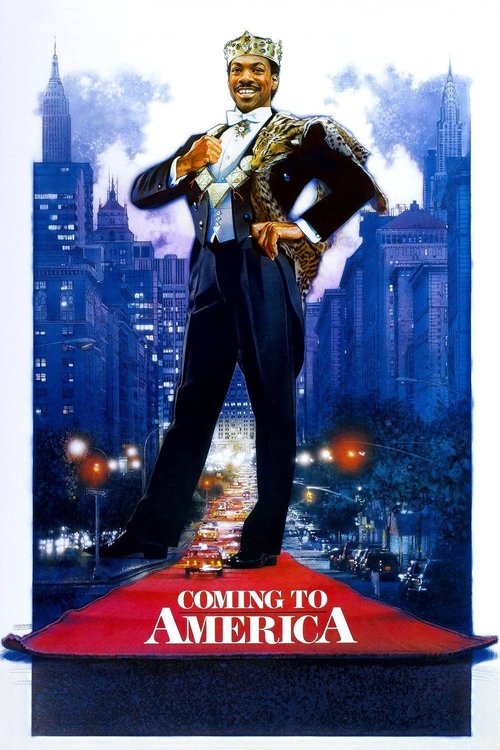
An African prince decides it’s time for him to find a princess... and his mission leads him and his most loyal friend to Queens, New York. In disguise as an impoverished immigrant, the pampered prince quickly finds himself a new job, new friends, new digs, new enemies and lots of trouble.
James Earl Jones commands the screen with a booming, regal stillness that provides the essential comedic ballast to the film’s high-energy antics. By weaponizing his Shakespearean gravitas for satire, he redefined his cinematic persona, proving he could be just as iconic as an intimidatingly stern father figure as he was a galactic villain. It is a masterclass in deadpan majesty, where a single arched eyebrow carries more weight than a page of dialogue.
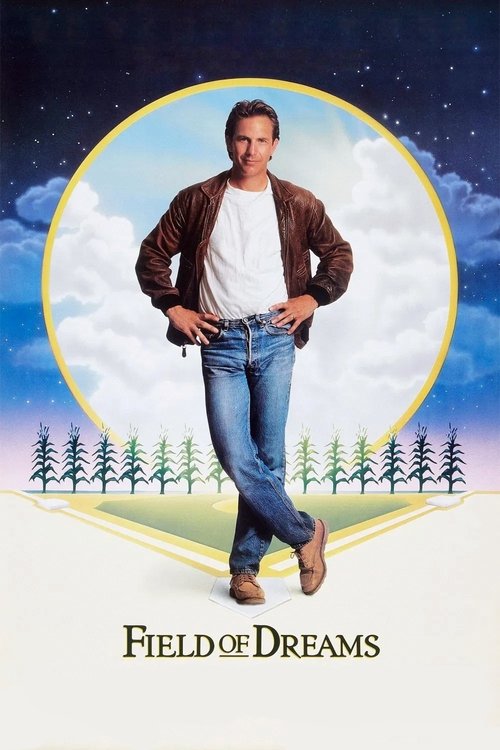
Field of Dreams
1989Ray Kinsella is an Iowa farmer who hears a mysterious voice telling him to turn his cornfield into a baseball diamond. He does, but the voice's directions don't stop -- even after the spirits of deceased ballplayers turn up to play.
Stepping out of the recording booth and into the frame, Jones radiates a soulful, literary charisma as Terence Mann. His 'People Will Come' monologue serves as the film’s spiritual spine, delivered with the grounded conviction of a man rediscovering his own wonder.
Frequently Asked Questions
Everything you need to know about this list and SnakeDrafts
- James Earl Jones is renowned for his voice role as Darth Vader in the Star Wars saga, especially in The Empire Strikes Back and Star Wars (1977). His deep, commanding voice helped define the character's menacing and legendary presence in sci-fi cinema.
- Field of Dreams features James Earl Jones in a memorable role where the film masterfully combines elements of drama and fantasy centered around baseball, showcasing his ability to bring depth and warmth to emotionally rich stories.
- He voices Mufasa in The Lion King, delivering a powerful and fatherly presence that resonates with audiences of all ages. His distinct voice elevates the film's emotional impact, making it a beloved family classic.
- Jones often portrays authoritative and commanding characters in films like The Hunt for Red October, Patriot Games, and Clear and Present Danger. His performances add gravitas and credibility to high-stakes, suspenseful narratives in these genres.
- Coming to America highlights James Earl Jones's comedic talent alongside romance, demonstrating his ability to light up the screen with both humor and charm in a supporting but memorable role.
- Matewan is a drama rooted in real historical events where James Earl Jones delivers a compelling performance, underscoring his skill in bringing authenticity and emotional depth to complex, socially charged stories.
- Yes, he has worked with directors like Stanley Kubrick in Dr. Strangelove and George Lucas for Star Wars. His collaborations with such esteemed filmmakers speak to his stature and versatility in cinema history.
- Absolutely. For example, in Coming to America and The Hunt for Red October, Jones shares the screen with prominent stars like Eddie Murphy and Sean Connery, showcasing his ability to hold his own among Hollywood’s best.