A Ranking of Mia Farrow's Best Movies
From Horror Icons to Muse of the Silver Screen
Explore Mia Farrow's most essential film performances, spanning haunting psychological thrillers and classic New York cinema masterpieces.
About Mia Farrow
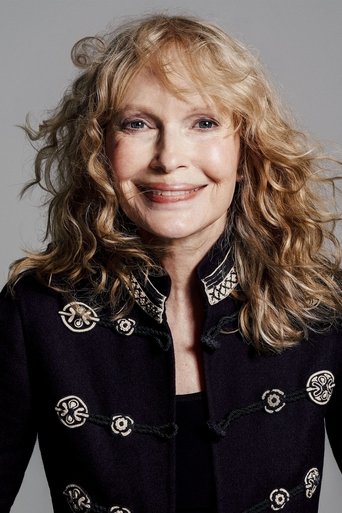
In the late sixties, a waifish young woman with a pixie cut and eyes like saucers walked into the Bramford apartment building and changed the landscape of cinematic horror forever. As the lead in Rosemary’s Baby, Mia Farrow provided the world with an masterclass in vulnerability, turning a tale of satanic conspiracy into a deeply felt study of gaslighting and maternal dread. It was a performance that established her unique frequency: a delicate, almost glass-like exterior that shielded a resilient, searching intelligence. While her early celebrity was often tethered to her high-profile marriages, her evolution into one of the most versatile actresses of the eighties and nineties proved that her talent was the only thing truly defining her legacy.
Audiences connect with her because she possesses a rare, trembling honesty that feels entirely devoid of artifice. She never seems to be acting so much as she is vibrating on a distinctive emotional wavelength. During her long and creatively fruitful collaboration with Woody Allen, she showcased a staggering range that moved far beyond the ingenue archetypes of her youth. In The Purple Rose of Cairo, she broke hearts as a Depression-era waitress finding solace in the silver screen, while Hannah and Her Sisters allowed her to explore the quiet, steady gravity of a woman holding her fractured family together. She could pivot from the intellectual neuroses of Crimes and Misdemeanors to the whimsical, chameleon-like satire of Zelig without losing the grounded humanity that makes her so watchable.
There is a deceptive toughness beneath her ethereal reputation. Even in more commercial or ensemble-heavy period pieces, she commands the frame with a specific kind of poise. She captured the hollow glamour of Daisy Buchanan in The Great Gatsby and brought a sharp, suspicious wit to the Agatha Christie mystery Death on the Nile. Her voice work in The Last Unicorn remains a touchstone for a generation, proving her ability to convey profound longing through vocal nuance alone. In films like Broadway Danny Rose and Radio Days, she leaned into character acting with surprising comedic bite, often disappearing so completely into her roles that her movie-star persona evaporated entirely.
Her later work continued to challenge expectations, whether through the biting social dynamics of Widows' Peak or the visceral, disintegrating domesticity of Husbands and Wives. Throughout her filmography, from the surreal shadows of Shadows and Fog to the introspective stillness of Another Woman, she has remained a performer who prioritizes the interior life of her characters over vanity. She represents a bridge between the classic Hollywood era and the daring independent spirit of the modern age. To watch her on screen is to witness a delicate strength, a reminder that the most quiet voices in a room are often the ones carrying the most weight and wisdom. Whether she is playing a victim of circumstance or a woman taking charge of her own narrative, she remains an indelible fixture of American cinema whose work continues to resonate with anyone who has ever felt like an outsider looking in.
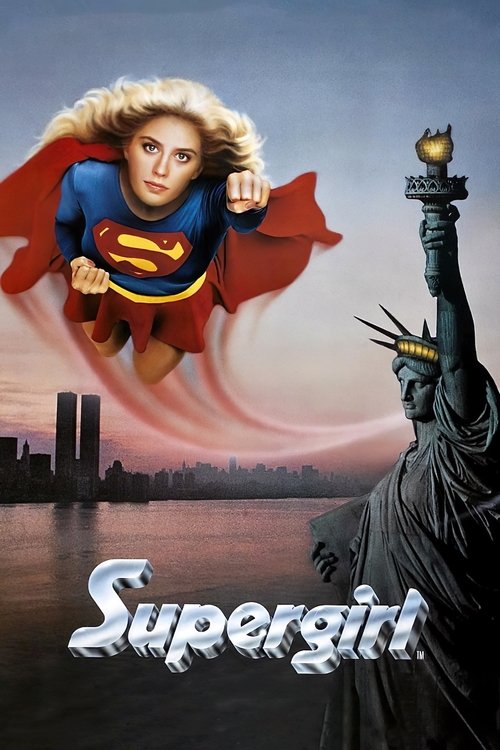
Supergirl
1984After losing a powerful orb, Kara, Superman's cousin, comes to Earth to retrieve it and instead finds herself up against a wicked witch.
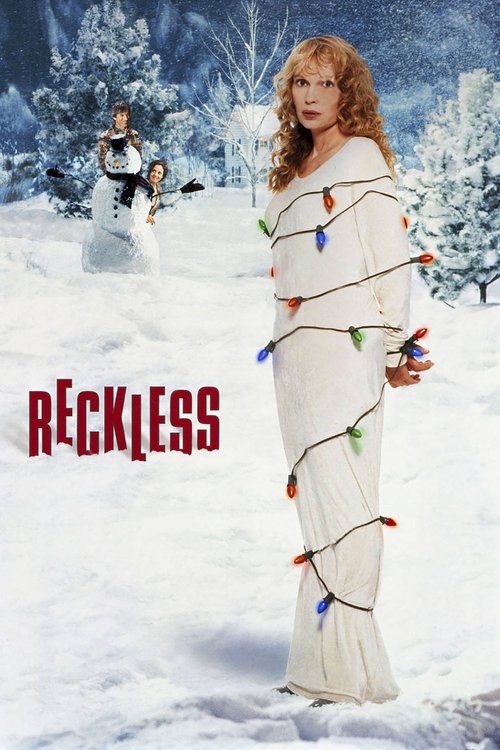
Reckless
1995On Christmas Eve, a relentlessly cheerful woman escapes from the killers hired by her husband, and embarks on a series of strange encounters.
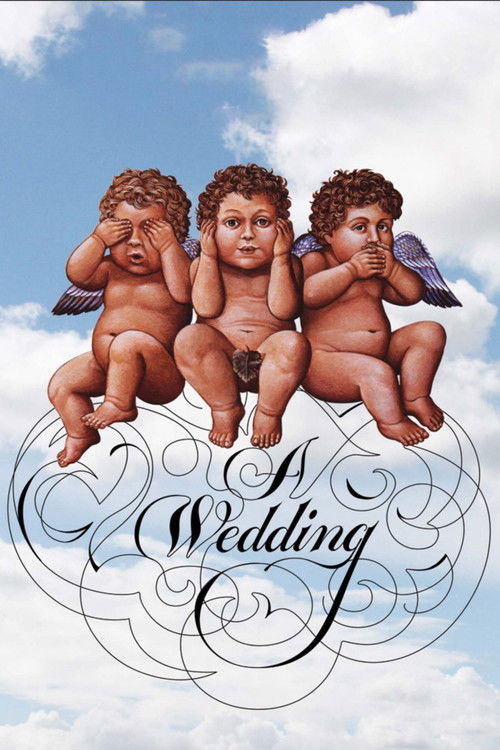
A Wedding
1978Muffin's wedding to Dino Corelli is to be a big affair. Except the ageing priest isn't too sure of the ceremony, only the families actually turn up as the Corelli Italian connection is suspect, security guards watch the gifts rather over-zealously, and Dino's grandma expires in bed just as the reception starts. Could be quite an occasion.
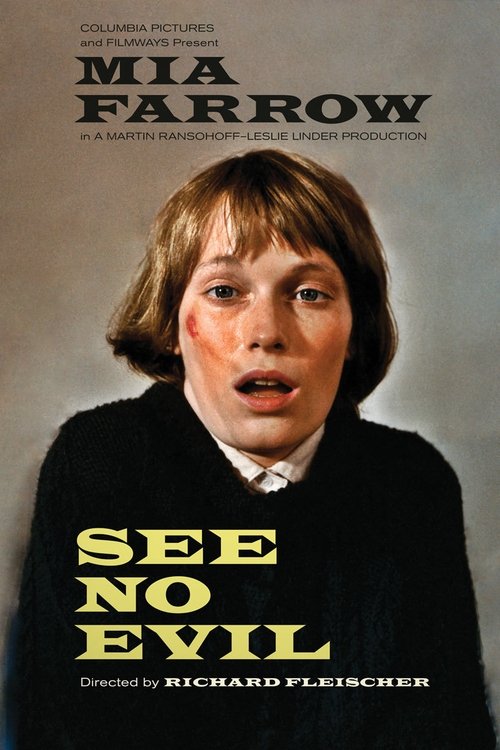
See No Evil
1971In the English countryside, Sarah Rexton, recently blinded in a horse riding accident, moves in with her uncle's family and gallantly adjusts to her new condition, unaware that a killer stalks them.
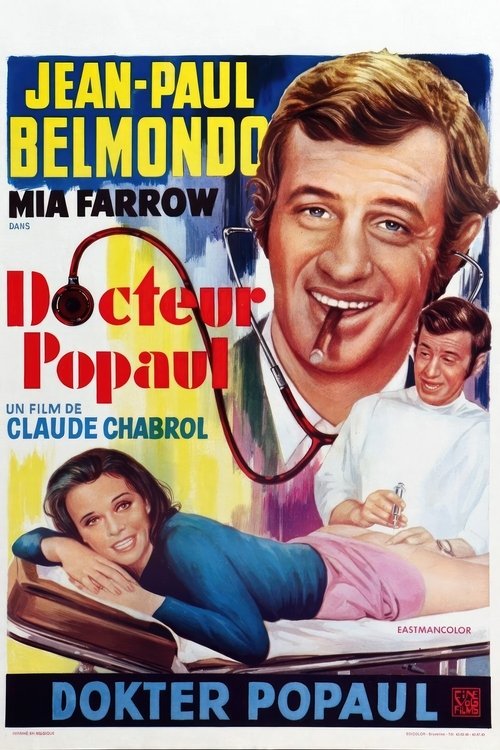
Scoundrel in White
1972Paul, a former womanizer, marries the head of the medical department's "unattractive" daughter Christine because he thinks attractive women can't be trusted and make poor wives. A car accident leaves him bedridden and he begins to miss his playboy days, when Christine's bombshell sister Martine arrives and Paul decides he must have her. He begins drugging Christine at night so he can sneak out to kill of Martine's many suitors one by one.
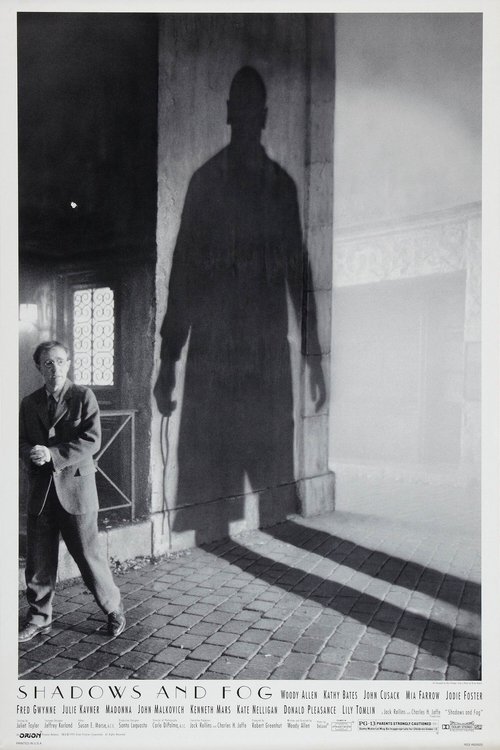
Shadows and Fog
1991With a serial strangler on the loose, a bookkeeper wanders around town searching for the vigilante group intent on catching the killer.
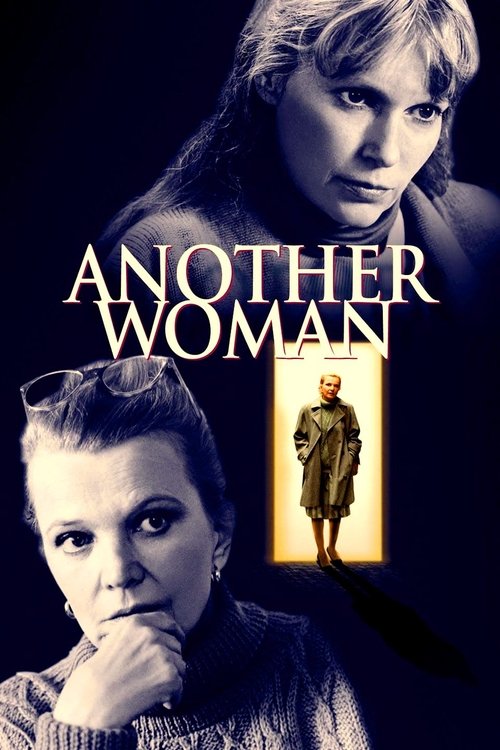
Another Woman
1988Marion is a woman who has learned to shield herself from her emotions. She rents an apartment to work undisturbed on her new book, but by some acoustic anomaly she can hear all that is said in the next apartment in which a psychiatrist holds his office. When she hears a young woman tell that she finds it harder and harder to bear her life, Marion starts to reflect on her own life. After a series of events she comes to understand how her unemotional attitude towards the people around her affected them and herself.
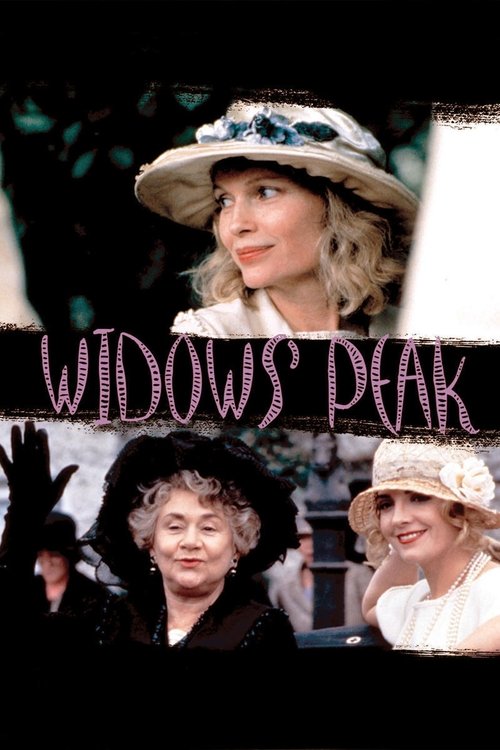
Widows' Peak
1994Scandal and mystery reign following the arrival of Edwina in a small Irish town populated entirely by widows. Edwina quickly falls out with the locals while also falling in with the son of the community's leader
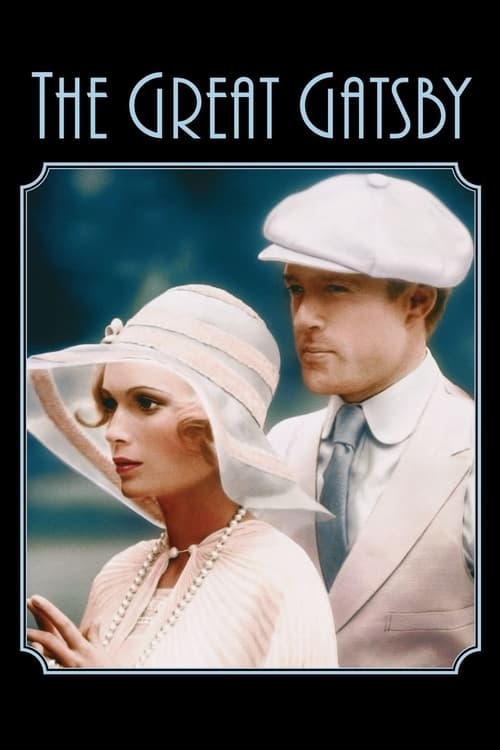
The Great Gatsby
1974Nick Carraway, a young Midwesterner now living on Long Island, finds himself fascinated by the mysterious past and lavish lifestyle of his neighbor, the nouveau riche Jay Gatsby. He is drawn into Gatsby's circle, becoming a witness to obsession and tragedy.
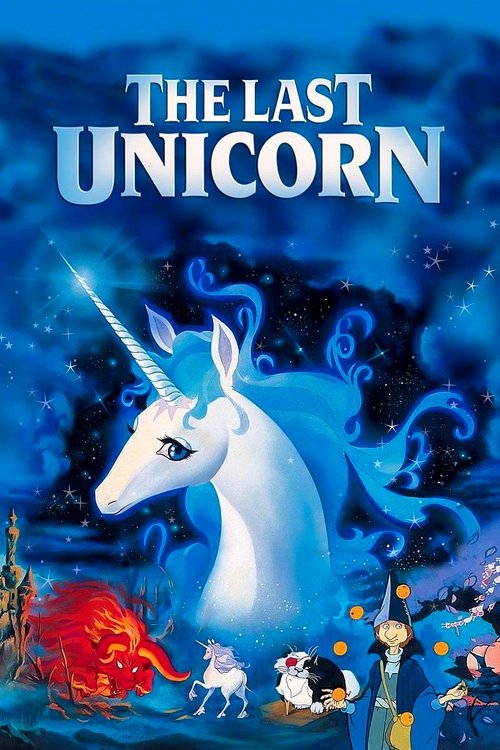
The Last Unicorn
1982A unicorn learns from a riddle-speaking butterfly that she is supposedly the last of her kind, all the others having been herded away by the monstrous Red Bull. The unicorn sets out to discover the truth behind the butterfly's words. She is eventually joined on her quest by Schmendrick, a second-rate magician, and Molly Grue, a middle-aged woman who dreamed all her life of seeing a unicorn. Their journey leads them far from home, all the way to the castle of King Haggard.
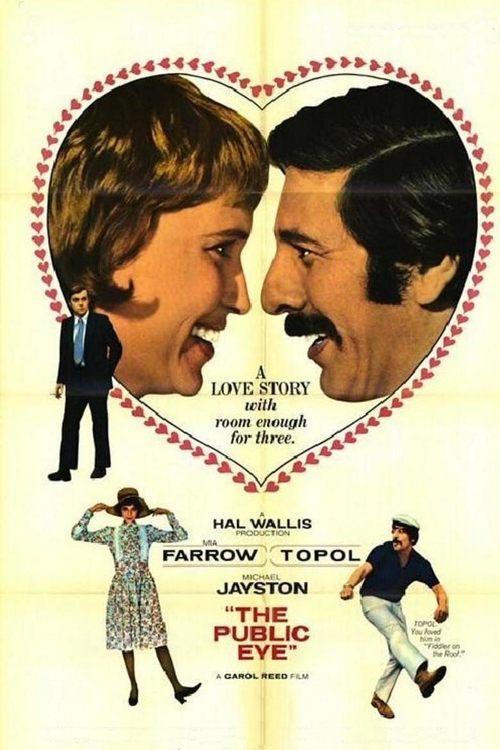
Follow Me!
1972A strait-laced British banker hires an eccentric private detective to follow his free-spirited American wife, whom he suspects is cheating on him.
In this whimsical London-set piece, Farrow thrives as the bored, bohemian wife seeking a sense of adventure and connection. Her silent interactions with her eccentric tail highlight her gift for expressive, non-verbal storytelling and quaint, eccentric charm.
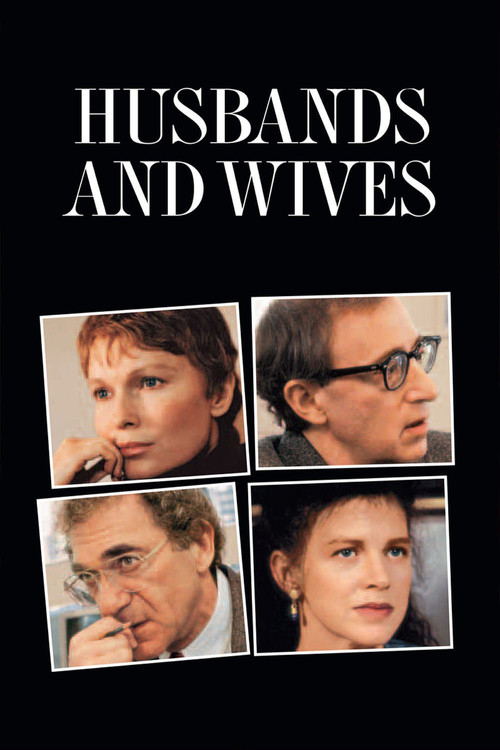
Husbands and Wives
1992When their best friends announce that they're separating, a professor and his wife discover the faults in their own marriage.
Capturing the raw nerve endings of a marriage in freefall, Farrow employs a frantic, stuttering energy that feels uncomfortably intimate. This role stands as a testament to her ability to thrive in a chaotic, hand-held documentary style that reflected the blurring lines of her professional and personal realities.
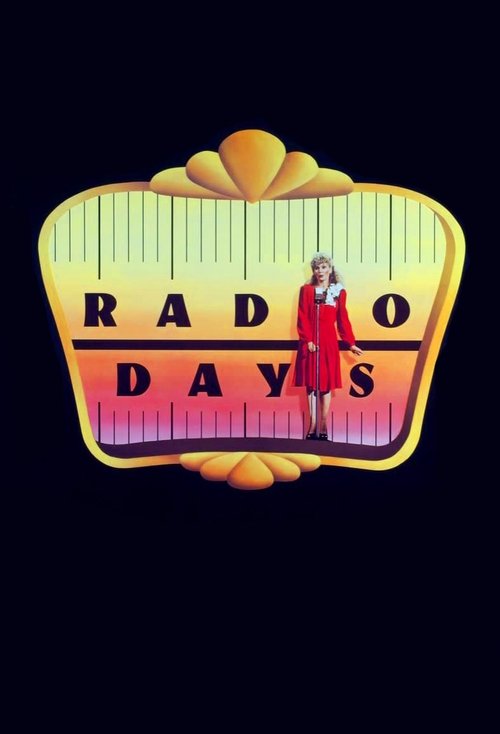
Radio Days
1987The Narrator tells us how the radio influenced his childhood in the days before TV. In the New York City of the late 1930s to the New Year's Eve 1944, this coming-of-age tale mixes the narrator's experiences with contemporary anecdotes and urban legends of the radio stars.
As the cigarette girl with dreams of stardom, Farrow utilizes a pitch-perfect vocal evolution to track her character’s rise through the radio ranks. She brings a shimmering, nostalgic charm to the role that effectively bridges the gap between the film’s comedy and its sentimental heart.
A hapless talent manager named Danny Rose, by helping a client, gets dragged into a love triangle involving the mob. His story is told in flashback, an anecdote shared amongst a group of comedians over lunch at New York's Carnegie Deli. Rose's one-man talent agency represents countless incompetent entertainers, including a one-legged tap dancer, and one slightly talented one: washed-up lounge singer Lou Canova, whose career is on the rebound.
Unrecognizable behind oversized sunglasses and a brassy New Jersey accent, Farrow sheds her ethereal persona for a comedic turn defined by grit and cheap glamour. It is a stunning display of her range, showing she could disappear into a character far removed from her own refined image.
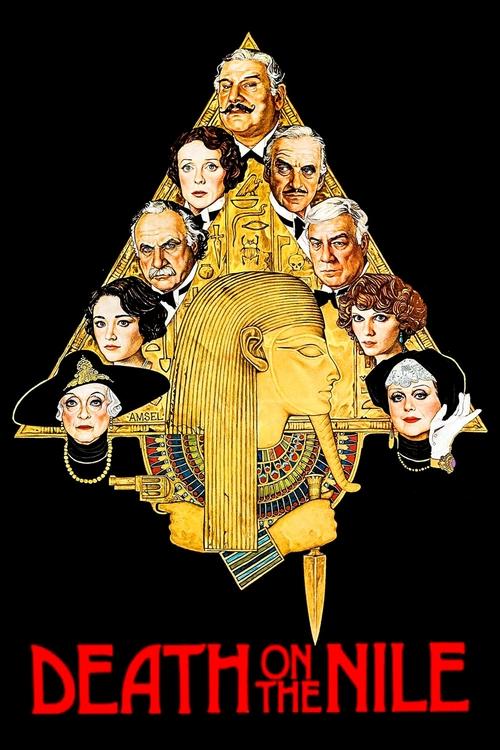
Death on the Nile
1978As Hercule Poirot enjoys a luxurious cruise down the Nile, a newlywed heiress is found murdered on board and every elegant passenger becomes a prime suspect.
Farrow subverts her usual onscreen fragility here, leaning into a sharp, vengeful kinetic energy as the spurned Jacqueline de Bellefort. She steals every scene from a legendary cast by weaponizing her delicate features into a mask of relentless, obsessive intensity.
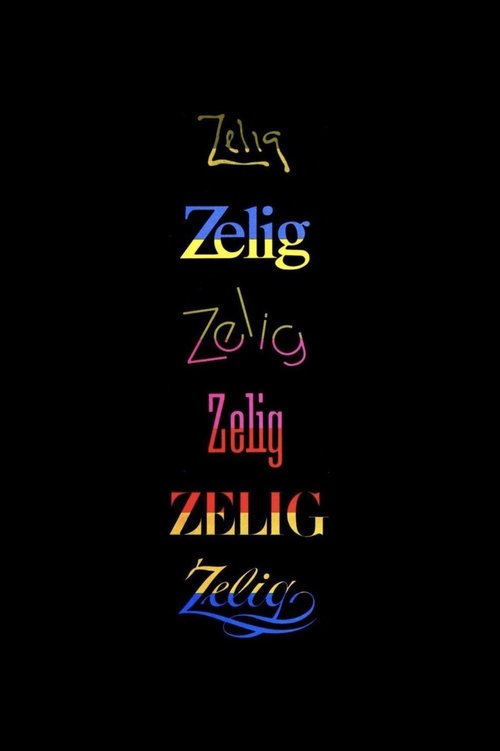
Zelig
1983Fictional documentary about the life of human chameleon Leonard Zelig, a man who becomes a celebrity in the 1920s due to his ability to look and act like whoever is around him. Clever editing places Zelig in real newsreel footage of Woodrow Wilson, Babe Ruth, and others.
Tasked with playing the straight-faced psychiatrist in a sea of archival absurdity, Farrow lends the mockumentary its essential human stakes. Her performance is a feat of disciplined sincerity that prevents the film's technical wizardry from feeling like a cold gimmick.
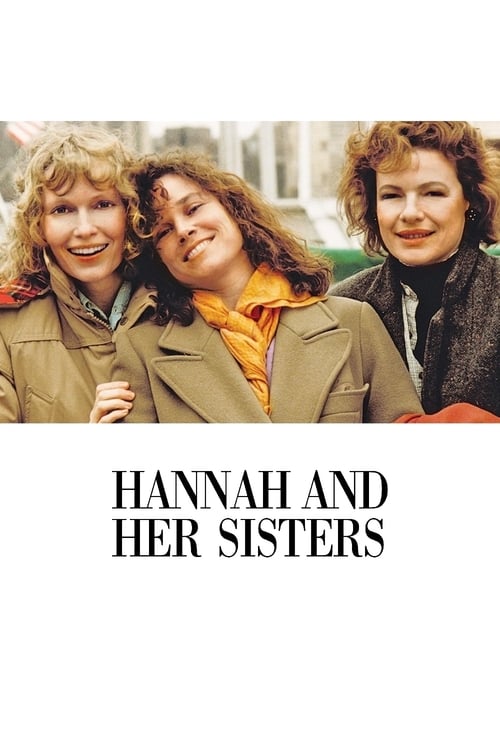
Between two Thanksgivings, Hannah's husband falls in love with her sister Lee, while her hypochondriac ex-husband rekindles his relationship with her sister Holly.
Playing the titular 'perfect' sister, Farrow navigates the tricky waters of being the eye of a domestic hurricane with grace and a subtle sense of alienation. She manages to make goodness feel complex rather than static, proving her mastery of the modern ensemble drama.
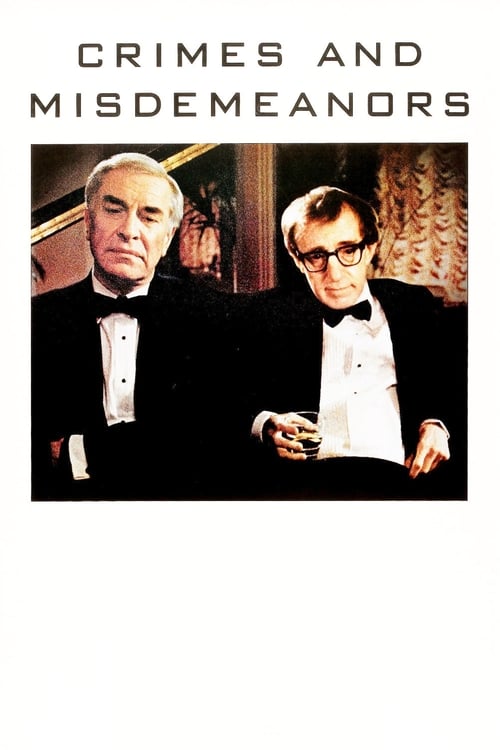
A renowned ophthalmologist is desperate to cut off an adulterous relationship…which ends up in murder; and a frustrated documentary filmmaker woos an attractive television producer while making a film about her insufferably self-centered boss.
In a film crowded with moral decay and existential dread, Farrow provides a sharp, cerebral counterpoint as the intellectual idealist who represents a lost moral compass. Her understated, naturalistic chemistry with the ensemble highlights her capacity for quiet, observational power.
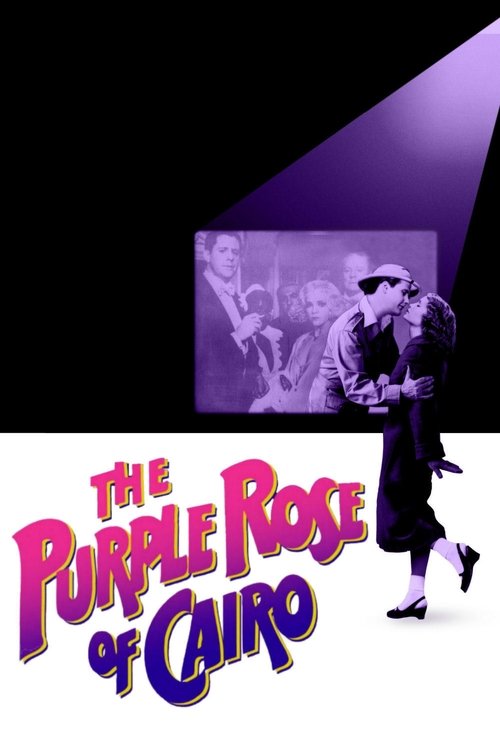
Cecilia is a waitress in New Jersey, living a dreary life during the Great Depression. Her only escape from her mundane reality is the movie theatre. After losing her job, Cecilia goes to see 'The Purple Rose of Cairo' in hopes of raising her spirits, where she watches dashing archaeologist Tom Baxter time and again.
Exhibiting a delicate, luminous yearning, Farrow captures the soul of Depression-era escapism through her wide-eyed, heart-wrenching vulnerability. Her ability to play a woman both utterly crushed by life and buoyed by cinematic fantasy serves as the emotional anchor for this high-concept masterpiece.
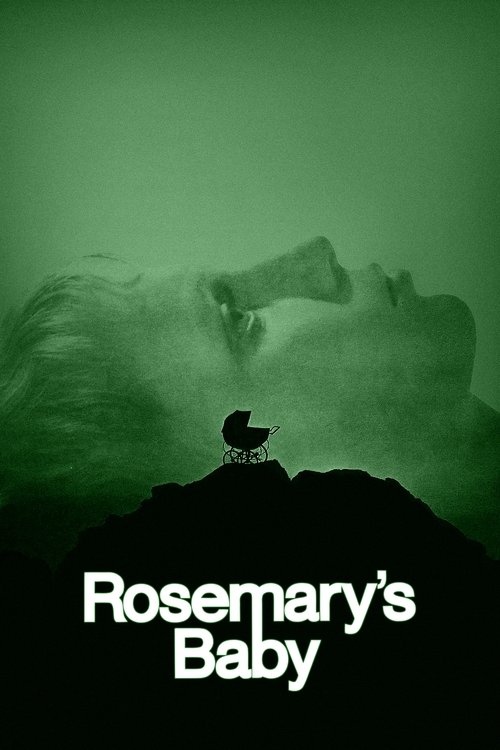
Rosemary's Baby
1968A young couple, Rosemary and Guy, moves into an infamous New York apartment building, known by frightening legends and mysterious events, with the purpose of starting a family.
Farrow’s transformation from a glowing gamine to a fragile, gaunt vessel of paranoia remains one of the most haunting physical evolutions in horror history. She carries the film’s psychological weight by grounding the supernatural dread in a visceral, trembling reality that defined her as a premier dramatic force.
Frequently Asked Questions
Everything you need to know about this list and SnakeDrafts
- Rosemary's Baby is widely regarded as a landmark psychological horror film. Mia Farrow's portrayal of Rosemary Woodhouse brought a unique vulnerability and intensity that transformed the story into a profound study of fear and manipulation.
- Several of Mia Farrow's top films were directed by Woody Allen, including The Purple Rose of Cairo, Crimes and Misdemeanors, Hannah and Her Sisters, Zelig, Broadway Danny Rose, Radio Days, Husbands and Wives, Another Woman, and Shadows and Fog. Their collaborations showcase her versatility across comedy, drama, and romance genres.
- Mia Farrow's films often explore themes of psychological complexity, relationships, and human fragility. From the intense maternal dread in Rosemary's Baby to the nuanced portrayals of love and moral conflicts in Woody Allen's films, her work spans a rich emotional and thematic spectrum.
- The Last Unicorn is the film where Mia Farrow lends her voice in an animated fantasy. This movie adds to her diverse filmography by showcasing her talents beyond live-action performances.
- Yes, Mia Farrow starred in The Great Gatsby, an adaptation of F. Scott Fitzgerald’s classic novel. This film highlights her ability to bring iconic literary characters to life with depth and emotion.
- Mia Farrow’s essential films span a wide range of genres including horror, fantasy, comedy, drama, romance, mystery, and thriller. This diversity highlights her adaptability and skill in taking on complex roles across different cinematic styles.
- Death on the Nile showcases Mia Farrow in a classic mystery film adapted from Agatha Christie’s novel. The movie emphasizes her ability to contribute to suspenseful and intriguing storylines beyond her dramatic and comedic performances.