The Best Crime Movies of 1987, Ranked
Gritty Classics and Iconic Noir Hits
Explore the best crime cinema including hard-boiled thrillers, cult classics, and intense police dramas from a definitive year in movie history.
About 1987 Crime Movies
In the rearview mirror of cinematic history, 1987 often feels like the year the blockbuster truly discovered its id. While the early eighties were defined by neon-soaked escapism and Spielbergian wonder, 1987 saw the crime genre take a sharp, jagged turn into something grittier and more cynical. It was a year where the police procedural stopped being just about the law and started being about the soul, the machine, and the city.
The landscape was dominated by an intriguing tension between high-concept action and the resurgence of the classic period piece. On one end of the spectrum, we had Brian De Palma reviving the ghost of Al Capone in The Untouchables. It was a film that felt like a grand operatic statement. De Palma traded his usual Hitchcockian sleaze for a sweeping, moralistic epic that felt both nostalgic and fiercely modern. With David Mamet providing a razor-sharp script and Ennio Morricone delivering a score that felt like a heartbeat, it reminded audiences that crime movies could still be prestige events. It also solidified the idea that the gangster film was a vital American mythology.
Yet, while The Untouchables looked back at the birth of modern American crime, other films were looking forward into a cold, metallic future. Paul Verhoeven arrived from the Netherlands to give us RoboCop, a film that remains one of the most blistering satires of the decade. Though often classified as science fiction, it is fundamentally a hard-boiled crime story. It portrayed a Detroit where corporate interests and street violence had merged into a singular nightmare. It asked uncomfortable questions about law enforcement and privatized power, all while delivering some of the most visceral violence ever seen in a mainstream theater.
Meanwhile, the buddy cop formula, which had been simmering for years, reached its boiling point with Lethal Weapon. Directed by Richard Donner and written by Shane Black, it changed the DNA of the genre. It moved away from the stoic, professional archetypes of the past and gave us something messier. Mel Gibson brought a genuine sense of suicidal unpredictability to the role of Martin Riggs, making the stakes feel dangerous in a way that previous action comedies had avoided. It was a film about trauma as much as it was about drug smuggling.
Even the smaller, more atmospheric entries of 1987 left a lasting mark. Joel Schumacher gave us The Lost Boys, which blended the horror genre with a leather-clad, outlaw crime aesthetic that captured the rebellious spirit of the youth. More traditionally, Ridley Scott gave us Someone to Watch Over Me, a sleek, moody thriller that emphasized the class divide through the eyes of a protective officer.
Looking back, 1987 was the pivot point where the crime movie stopped trying to be polite. It was the year the genre fully embraced its contradictions, offering us heroes who were broken and villains who were often the systems themselves. Whether it was the period polish of De Palma or the cyborg cynicism of Verhoeven, the crime films of that year reflected a world that was becoming faster, louder, and a lot more complicated. It was a vintage year for the shadows.
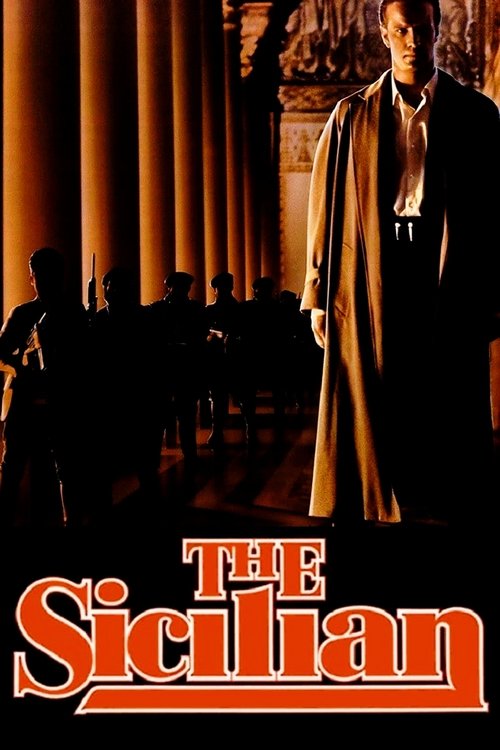
The Sicilian
1987Egocentric bandit Salvatore Giuliano fights the Church, the Mafia, and the landed gentry while leading a populist movement for Sicilian independence.
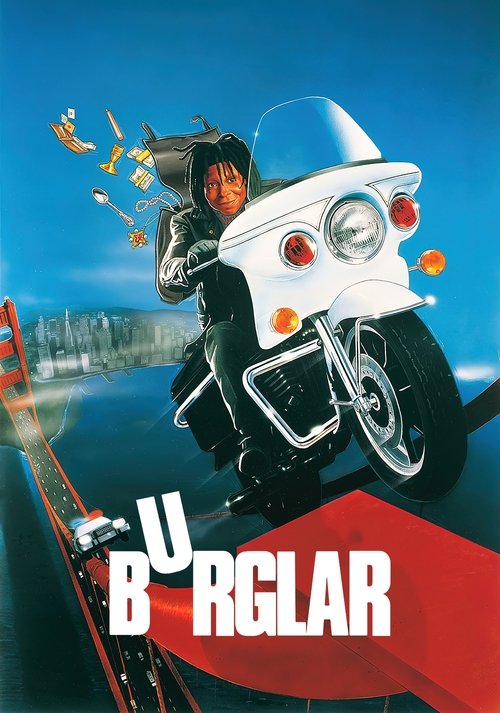
Burglar
1987Bernice "Bernie" Rhodenbarr is a burglar by trade, and she runs a bookstore as well. Her friend Carl Hefler is a dog groomer. After a successful burglary, it's discovered that a dead body was in the house she burgled. As she's the only one who can be placed at the scene of the crime, she has to use her criminal skills to clear her name of the murder AND avoid getting charged with the burglary.
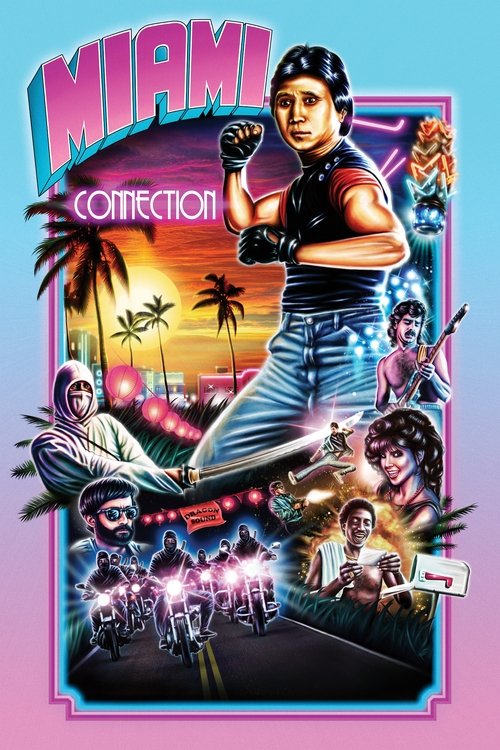
Miami Connection
1987In a world where ninjas dream of being rock stars and rock stars dream of being ninjas, a martial arts rock band goes up against a band of motorcycle ninjas who have tightened their grip on Florida's narcotics trade.
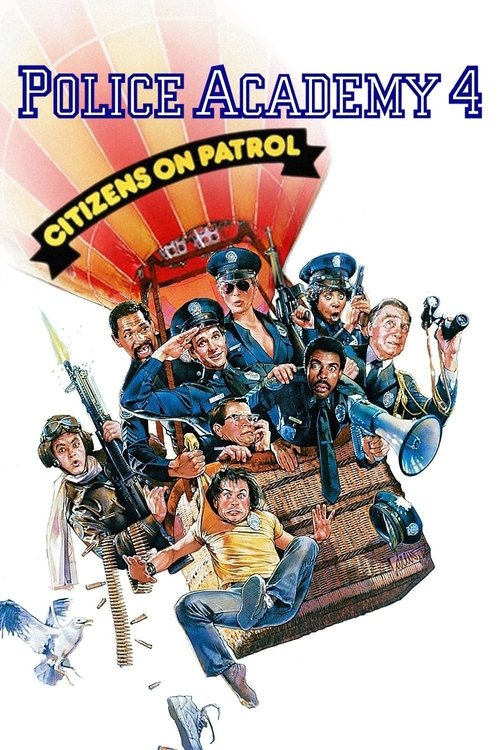
Police Academy 4: Citizens on Patrol
1987A new batch of recruits arrives at Police Academy, this time a group of civilian volunteers who have joined Commandant Lassard's new Citizens on Patrol program. Although the community relations project has strong governmental support, a disgusted Captain Harris is determined to see it fail.
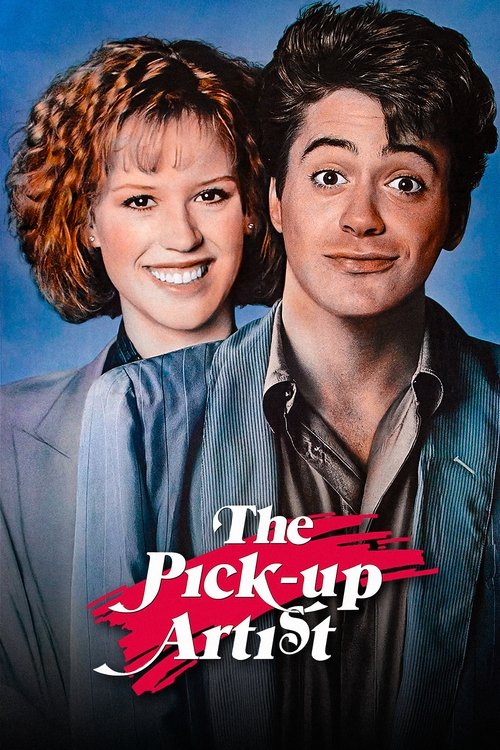
The Pick-up Artist
1987A womanizer meets his match when he falls for the daughter of a gambling addict who is in debt to the mob.
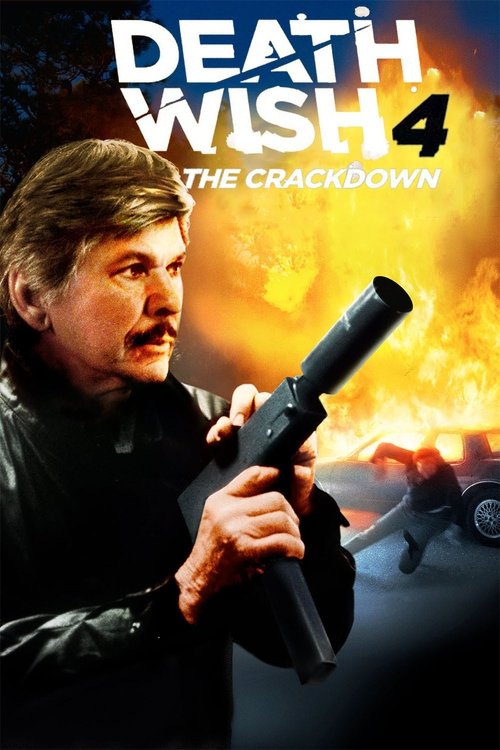
Death Wish 4: The Crackdown
1987After the death of his girlfriend's daughter from a drug overdose, Paul Kersey takes on the local drug cartel.
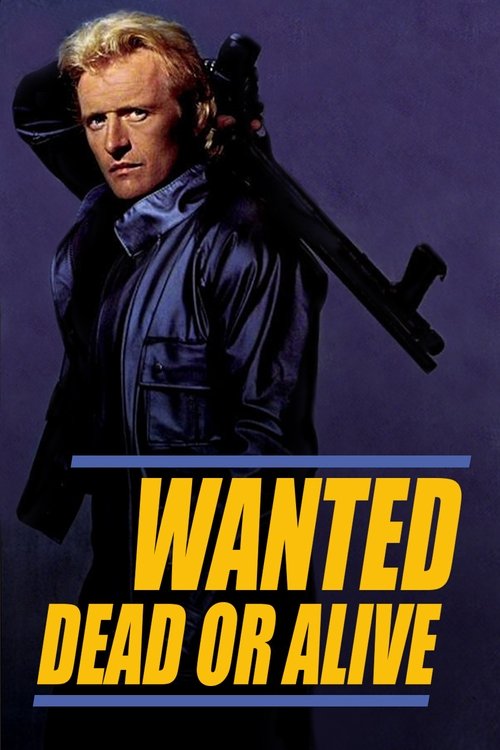
Wanted: Dead or Alive
1987Nick Randall is a Los Angeles-based bounty hunter and an ex-CIA operative who is asked by a former co-worker to help track down terrorist Malak Al Rahim. However, Malak Al Rahim is also looking for Randall, forcing a showdown on the waterfront.
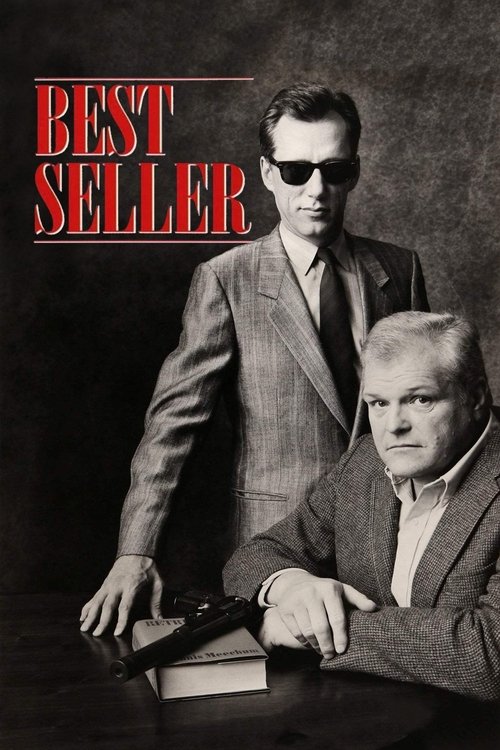
Best Seller
1987Hit man Cleve approaches writer/cop Dennis about a story for his next book: How Cleve made a living, working for one of the most powerful politicians in the country. To get the story right, they travel around the country to gather statements and evidence, while strong forces use any means they can to keep the story untold.
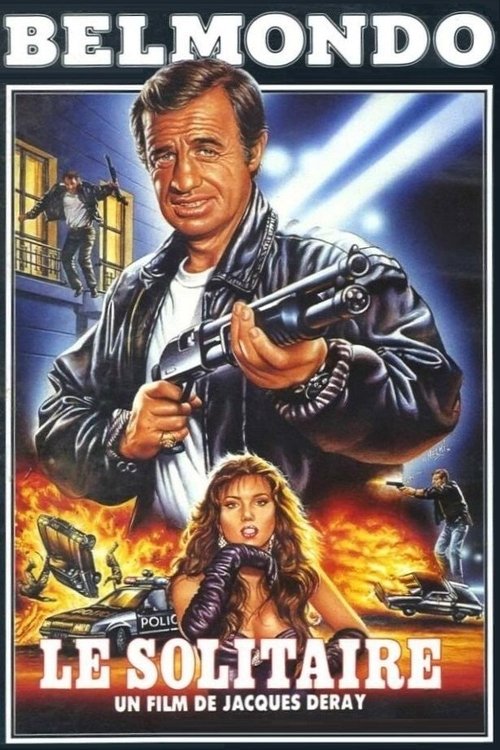
The Loner
1987In Paris , Commissioner Stan Jalard and Inspector Simon Lecache plan to quit the police to go and enjoy a more peaceful life in the West Indies. In a nightclub, during a routine visit, they spot Schneider, a dreaded gangster and public enemy. At the time of his arrest, Simon is killed at close range by the criminal. Stan then decides to stay in the police to avenge Simon. Being the godfather of Christian, Simon's son, who sometimes lives in a boarding school, sometimes at home, he takes charge of his education. Two years later, Stan has been promoted, and he's told that Schneider had resurfaced in the capital. A long hunt begins.
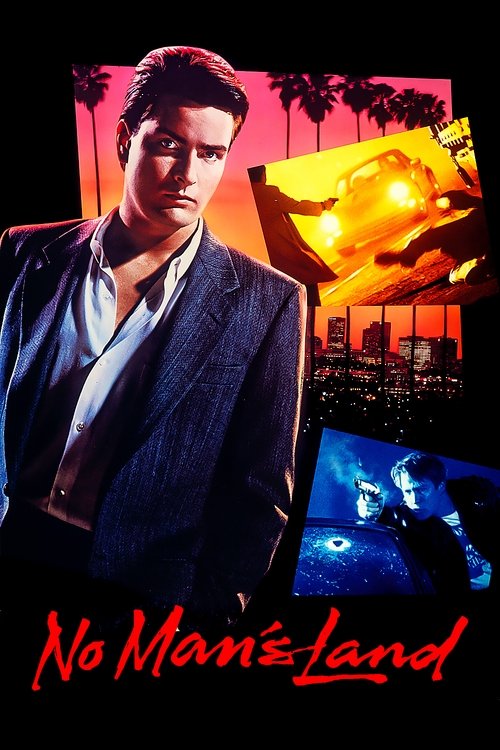
No Man's Land
1987A rookie cop goes undercover to infiltrate a gang of car thieves led by smooth and charming Ted. The rookie becomes too involved and starts to enjoy the thrill and lifestyle of the game, and becomes romanticly involved with the leaders sister.
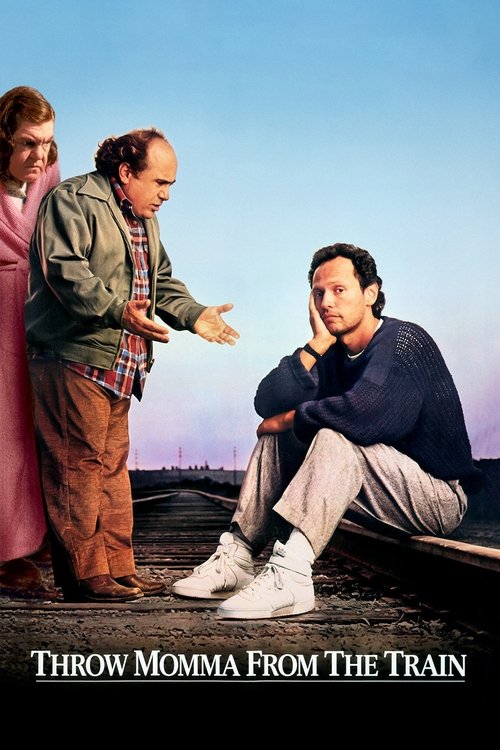
Throw Momma from the Train
1987Larry Donner, an author with a cruel ex-wife, teaches a writing workshop in which one of his students, Owen, is fed up with his domineering mother. When Owen watches a Hitchcock classic that seems to mirror his own life, he decides to put the movie's plot into action and offers to kill Larry's ex-wife, if Larry promises to murder his mom. Before Larry gets a chance to react to the plan, it seems that Owen has already set things in motion.
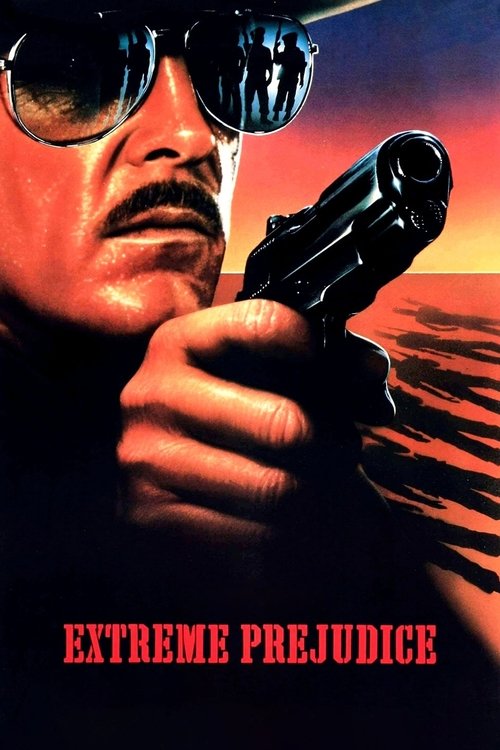
Extreme Prejudice
1987Lean, mean Texas Ranger Jack Benteen locks horns with a former friend, Cash Bailey, now a ruthless drug kingpin. Though they're on opposite sides of the law, they share a love interest in the sensual Sarita. When a crew of rogue soldiers descends upon the border town for an off-the-books mission, all roads lead to a bloody, to-the-death showdown, as loyalties shift and the lines between good and evil are blurred.
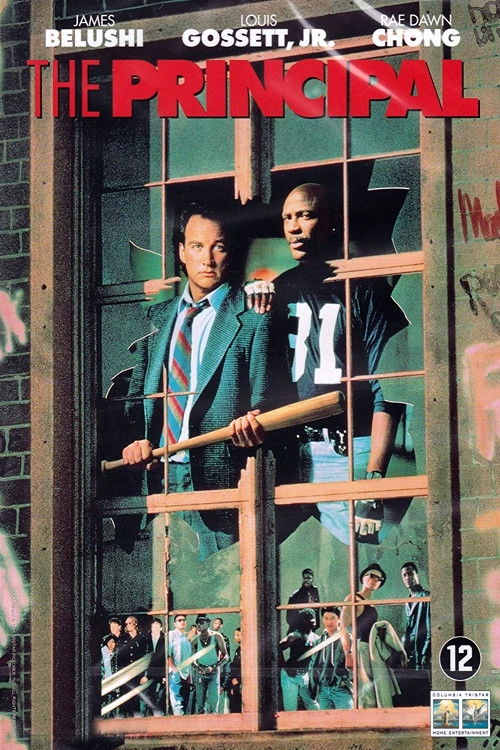
The Principal
1987Burglary. Drugs. Assault. Rape. The students at Brandel High are more than new Principal Rick Latimer bargained for. Gangs fight to control the school using knives - even guns - when they have to. When Latimer and the head of security try to clean up the school and stop the narcotics trade, they run up against a teenage mafia. A violent confrontation on the campus leads to a deadly showdown with the drug dealer's gang, and one last chance for Latimer to save his career... and his life.
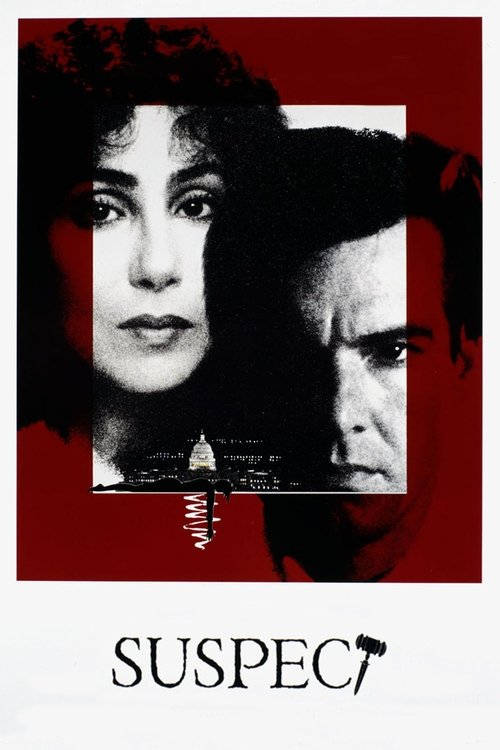
Suspect
1987When a Supreme Court judge commits suicide and his secretary is found murdered, all fingers point to Carl Anderson, a homeless veteran who's deaf and mute. But when public defender Kathleen Riley is assigned to his case, she begins to believe that Anderson may actually be innocent. Juror Eddie Sanger, a Washington lobbyist, agrees, and together the pair begins their own investigation of events.
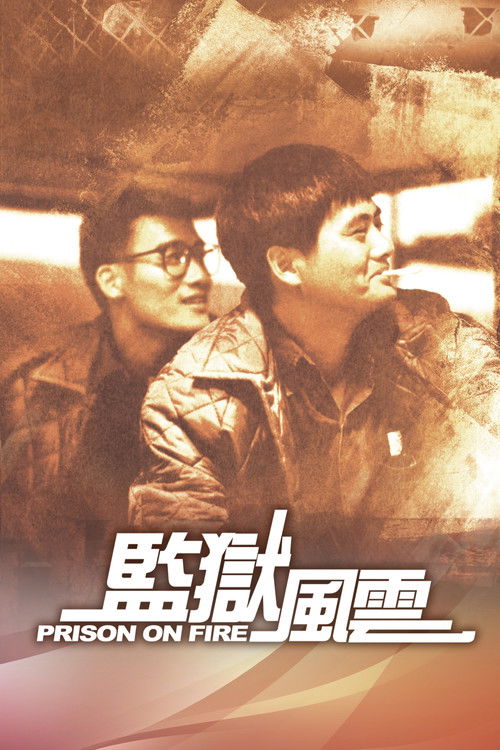
Prison on Fire
1987Lo Ka Yiu, a young ad designer who is sentenced to jail for manslaughter, has gotten himself in trouble with the corrupted wardens and fellow inmates of Triad background. Chung Tin Ching, a veteran inmate and Yiu's mentor, is forced to confront his comrade's enemies time and again, leading up to the final showdown with the head of security.
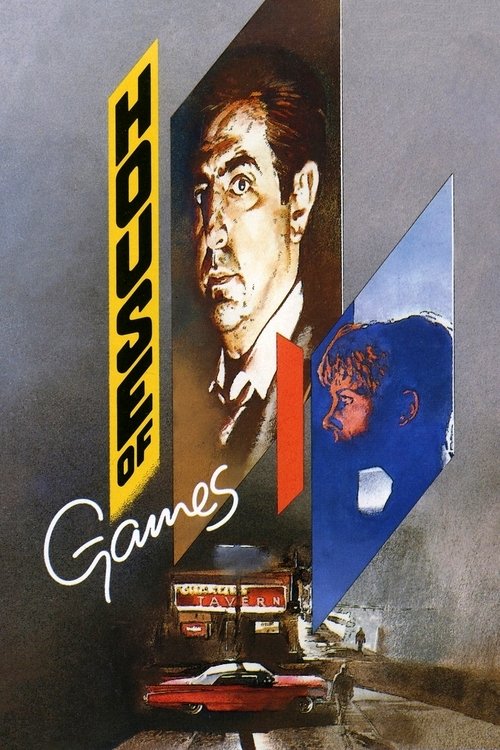
House of Games
1987A psychiatrist comes to the aid of a compulsive gambler and is led by a smooth-talking grifter into the shadowy but compelling world of stings, scams, and con men.
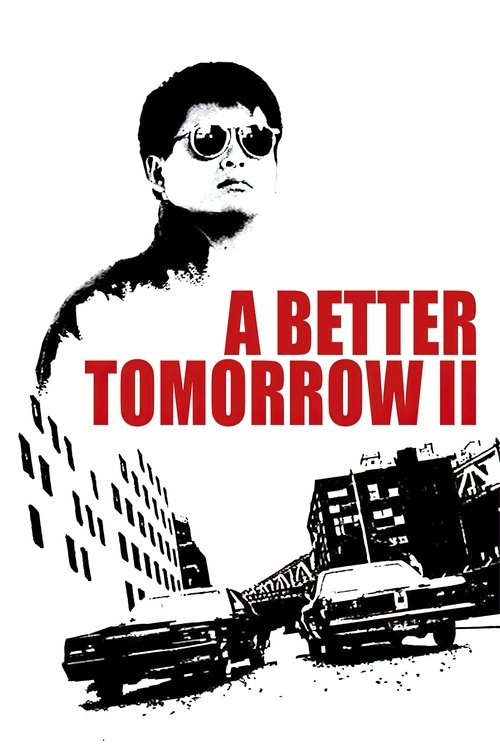
A Better Tomorrow II
1987A restauranteur teams up with a police officer and his ex-con brother to avenge the death of a friend's daughter.
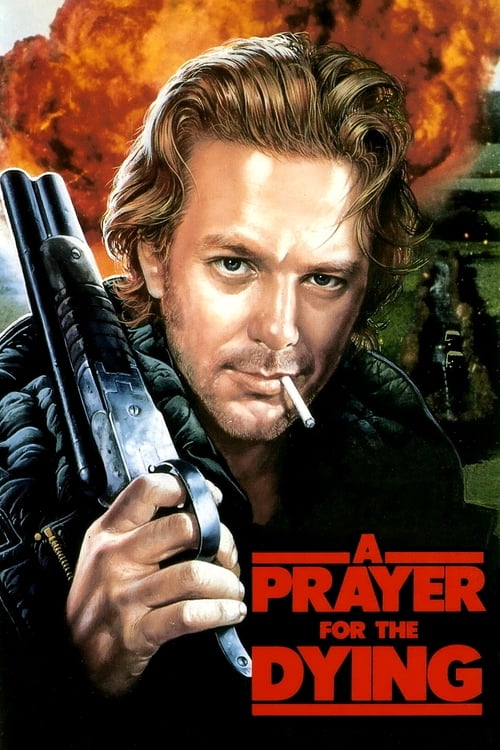
A Prayer for the Dying
1987Martin, an I.R.A. hitman, is seen by a Catholic priest while carrying out a hit. He grows a bond with the priest and his niece. But his past and his former employers put all their lives in danger.
This somber, meditative thriller explores the heavy intersection of religious guilt and political violence. It stands out for its haunting protagonist and a refusal to offer easy moral absolution amidst the gray, drizzly landscape of an IRA assassin's crisis of conscience.
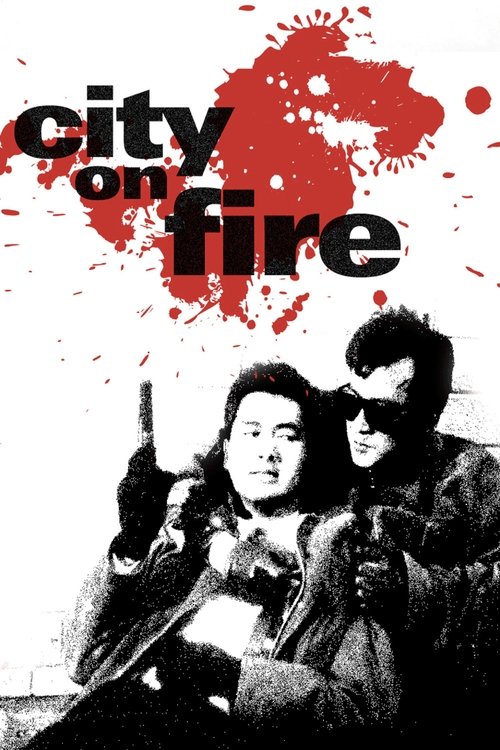
City on Fire
1987Ko Chow is an undercover cop who is under pressure from all sides. His boss, Inspector Lau, wants him to infiltrate a gang of ruthless jewel thieves; his girlfriend wants him to commit to marriage or she will leave Hong Kong with another lover; and he is being pursued by other cops who are unaware that he is a colleague. Chow would rather quit the force, feeling guilty about betraying gang members who have become his friends.
Ringo Lam’s gritty masterpiece serves as a seminal moment for Hong Kong heroic bloodshed, trading theatricality for a raw, sweating tension. The film’s uncompromising look at undercover loyalty provided the blueprint for a decade of gritty crime cinema to follow.
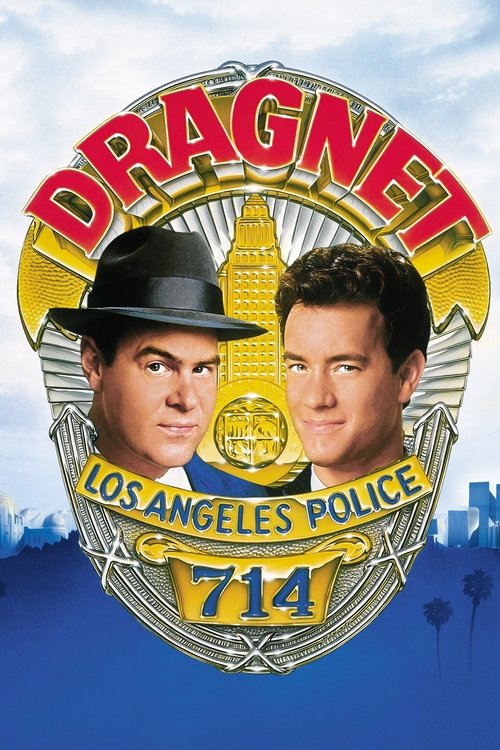
Dragnet
1987LAPD Sgt. Joe Friday -- the equally straight-laced nephew of the famous police sergeant of the same name -- is paired up with a young, freewheeling detective named Pep Streebeck. After investigating some strange robberies at the local zoo and the theft of a stockpile of pornographic magazines, they uncover cult activity in the heart of the city and are hot on the case to figure out who's behind it all.
A playful, post-modern riff on procedural tropes, this film manages to honor its radio-era roots while delivering a satire of eighties extremism. Its success lies in the stiff-collared sincerity of its protagonist set against the kaleidoscopic absurdity of a cultish criminal fringe.
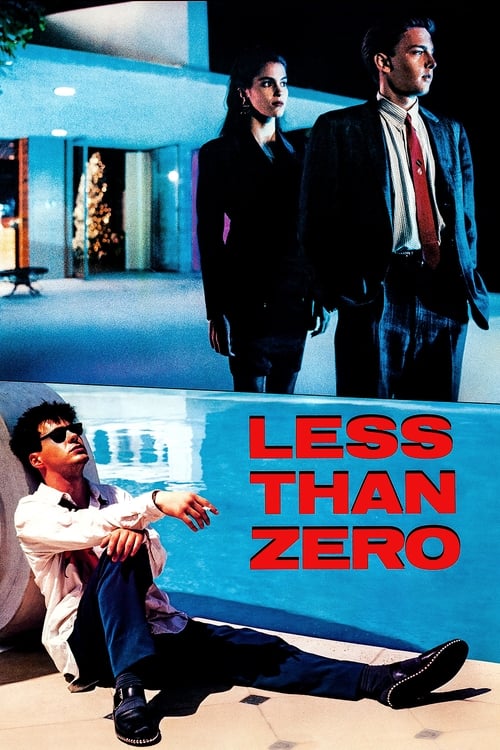
Less Than Zero
1987A college freshman returns to Los Angeles for Christmas at his ex-girlfriend's request, but discovers that his former best friend has an out-of-control drug habit.
This stylishly bleak descent into the vapid underworld of Los Angeles youth culture functions as a neon-soaked cautionary tale. It captures a specific brand of nihilistic decadence, where the crimes are as much about spiritual erosion as they are about illicit substances.
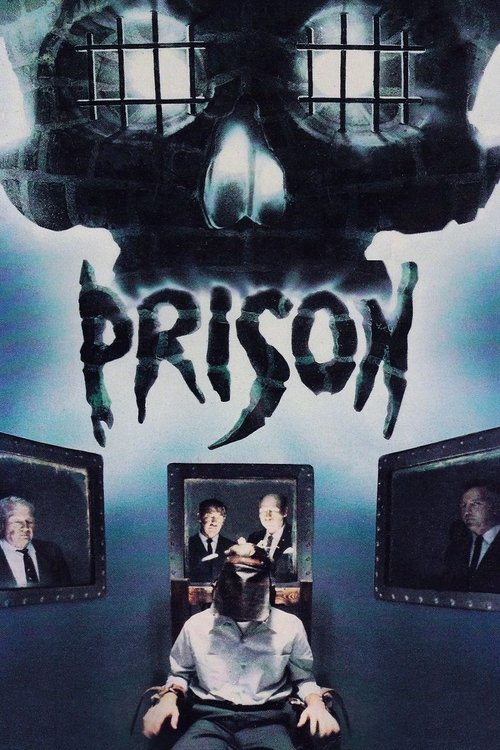
Prison
1987After Charles Forsyth was sent to the electric chair for a crime he didn't commit, he forever haunts the prison where he was executed. Flash forward several years when the prison is reopened, under the control of its new warden Eaton Sharpe, a former security guard who framed Charlie. When prisoners are ordered to break down the wall to the execution room, they unknowingly release the angry spirit of Charles Forsyth, a powerful being distributing his murderous rage to all, leading up to the Warden himself.
Merging the grim reality of incarceration with a visceral supernatural dread, this film stands as a standout genre hybrid. Renny Harlin’s atmospheric direction transforms the stone walls of a penitentiary into a claustrophobic cage where past sins take terrifying physical form.
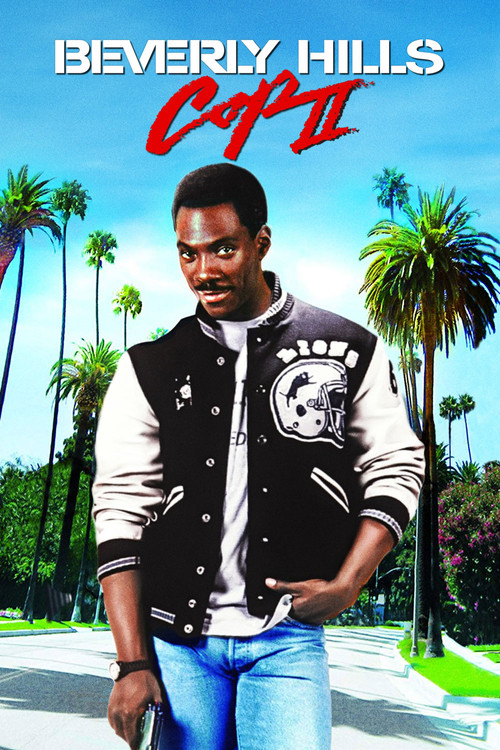
Axel Foley returns to the land of sunshine and palm trees to investigate the near-fatal shooting of police Captain Andrew Bogomil. With the help of Sgt. Taggart and Det. Rosewood, they soon uncover that the shooting is associated with a series of "alphabet" robberies masterminded by a heartless weapons kingpin—and the chase is on.
Tony Scott brings a high-gloss, music-video aesthetic to this sequel, sharpening the gritty comedy of the original into a sleek, industrial action spectacle. The film thrives on its relentless pacing and the vibrant, sun-drenched cynicism of its aesthetic.
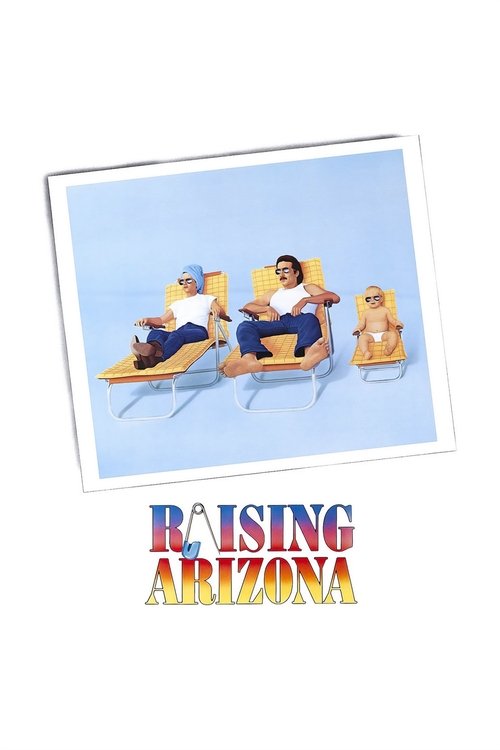
Raising Arizona
1987When a childless couple—an ex-con and an ex-cop—take one of a wealthy family’s quintuplets to raise as their own, their lives grow more complicated than anticipated.
The Coen brothers reinvent the heist movie as a neon-hued, slapstick fable defined by manic camera movements and a peculiar lexicon. It is a rare crime comedy that finds profound, chaotic beauty in the desperate absurdity of a lawless domestic impulse.
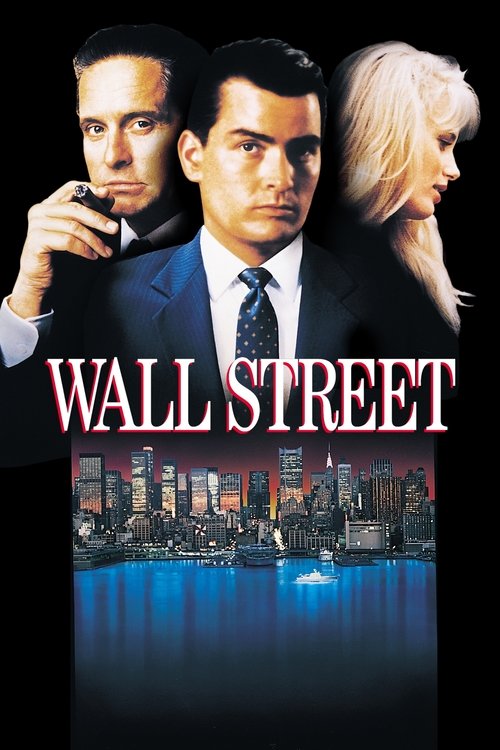
Wall Street
1987A young and impatient stockbroker is willing to do anything to get to the top, including trading on illegal inside information taken through a ruthless and greedy corporate raider, whom takes the youth under his wing.
Oliver Stone’s scathing indictment of corporate sociopathy captures the predatory pulse of the decade’s financial excess. It treats the boardroom as a crime scene, fueled by a charismatic, reptilian performance that makes greed feel both seductive and terminal.
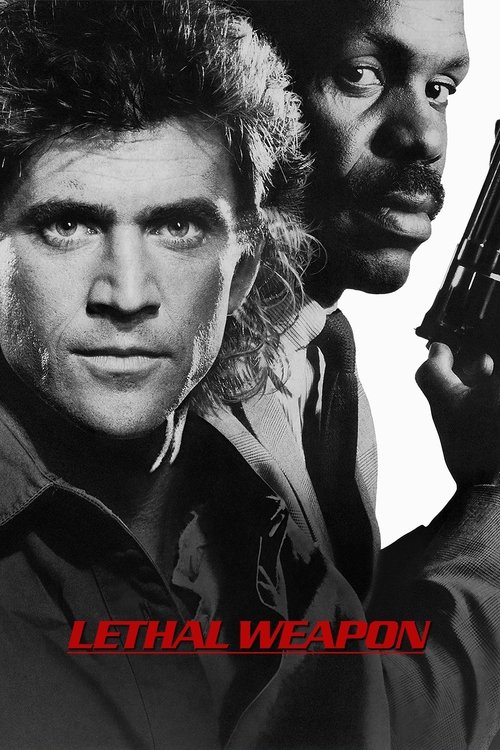
Lethal Weapon
1987A veteran cop and an unstable detective become partners who must put their differences aside in order to bring down a heroin-smuggling ring run by ex-Special Forces.
This film redefined the kinetic energy of the buddy-cop subgenre by balancing high-octane pyrotechnics with genuine psychological volatility. Shane Black’s acerbic script finds a perfect outlet in the electric, twitchy friction between its mismatched leads.
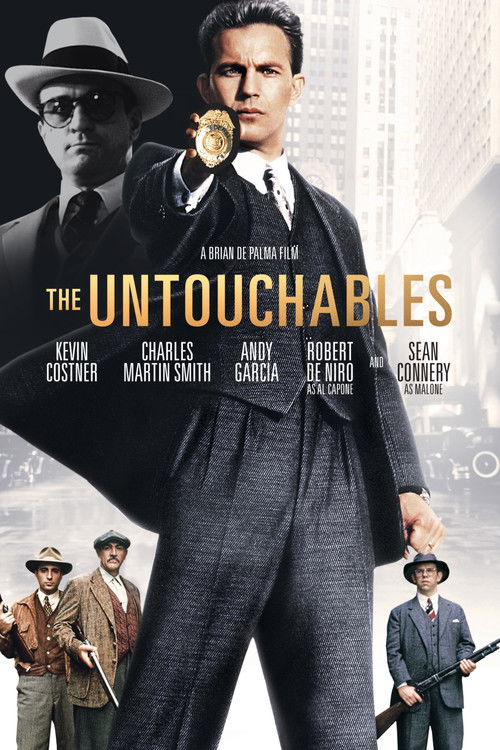
The Untouchables
1987Elliot Ness, an ambitious prohibition agent, is determined to take down Al Capone. In order to achieve this goal, he forms a group given the nickname “The Untouchables”.
Brian De Palma crafts a mythic, operatic vision of Prohibition-era Chicago where moral purity meets brutalist violence. Its stylistic grandeur and Ennio Morricone’s pulsating score elevate a standard police procedural into an enduring masterwork of cinematic bravado.
Frequently Asked Questions
Everything you need to know about this list and SnakeDrafts
- "The Untouchables" secures the top spot due to Brian De Palma's masterful direction, blending historical crime facts with tense thriller elements. Its iconic performances and gripping narrative make it a definitive crime film of 1987.
- "Lethal Weapon" combines action, thriller, and crime genres, creating a dynamic buddy-cop story with strong character chemistry. Its innovative blend set a new template for crime films and firmly established it as a 1987 classic.
- Although "Wall Street" centers on financial corruption rather than street crime, it delves deeply into ethical dilemmas and greed, hallmarks of crime genre storytelling. Oliver Stone's sharp script exposes the criminal heart of corporate America in 1987.
- Yes, movies like "Raising Arizona" and "Beverly Hills Cop II" incorporate comedy into the crime genre, offering a lighter, humorous take on crime stories. These films display the variety and experimentation present in 1987's crime movie scene.
- These Hong Kong films are pivotal for their intense action and stylistic innovation, influencing global crime cinema. Including them highlights the international impact and diversity of crime movies produced in 1987.
- Both films use incarceration settings to explore themes of survival, justice, and human struggle within the crime genre. Their gritty portrayal of prison life adds depth and realism to the 1987 crime movie collection.
- A strong theme of moral ambiguity and the psychological toll of crime runs through many top films, from "The Untouchables" to "House of Games." This focus reflects 1987's shift toward more complex, character-driven crime stories.