The Best Jeff Daniels Movies Ranked
From Slapstick Comedy to Heavyweight Dramatic Roles
Explore the most iconic performances of Jeff Daniels, featuring his best work in comedy classics, gripping dramas, and high-stakes thrillers.
About Jeff Daniels

Jeff Daniels is the ultimate camouflage artist of American cinema, a performer whose greatest trick is convincing the public he is exactly like the man he played five minutes ago. To some, he remains the quintessential Midwest dad, radiating a gentle, reliable warmth. To others, he is the sharpest tongue in the room, capable of delivering a blistering monologue that makes everyone else look like an amateur. He occupies a unique space where he can be the smartest person on screen or the absolute dimmest, often within the same calendar year, and audiences buy into both versions without hesitation.
His staying power comes from a refusal to be pinned down by a singular brand. Early in his trajectory, he proved his leading-man soul in The Purple Rose of Cairo, playing a fictional hero stepping off a cinema screen with a mix of wonder and naivety. That porcelain vulnerability made him a natural fit for high-stakes drama, yet he spent the eighties and nineties weaving through every genre imaginable. He anchored the high-octane tension of Speed and the creature-feature chills of Arachnophobia with a grounded sincerity that kept the more outlandish plots from drifting into parody. When he donned a Union uniform for Gettysburg, he brought a historical gravitas that felt lived-in rather than performed, proving he could shoulder the weight of a national epic just as easily as a domestic heartbreaker like Terms of Endearment.
Then came the pivot that should have broken a lesser career but instead defined his versatility. Sliding into a bowl cut and a tuxedo for Dumb and Dumber was a fearless embrace of the absurd. He didn’t just play the fool; he found a specific, sweet-natured rhythm in the stupidity that made the character iconic. This ability to shed his dignity for a laugh, only to reclaim it as a cynical, wounded father in The Squid and the Whale, is what makes him indispensable. In that indie masterwork, he captured the agonizing ego of a fading intellectual with such precision that it redefined his middle age as an era of complex, often prickly characters.
In recent decades, he has transitioned into a statesman of the screen. Directors call on him when they need a figure of authority who feels human enough to be flawed. Whether he is managing a crisis at NASA in The Martian, navigating the corporate shark tank of Steve Jobs, or portraying a kingpin from the future in Looper, there is a rhythmic intelligence to his delivery. He brings a rhythmic, almost musical cadence to his dialogue, a skill likely honed on his beloved Broadway stages and in his own songwriting.
The public connects with him because he feels like a man who chose his own path. He famously operates from his home base in Michigan rather than the Hollywood hills, a move that reflects the quiet, unpretentious integrity of his work. He is the actor who can give us the nostalgic comfort of Fly Away Home or Pleasantville and then turn around to anchor a prestige newsroom drama with terrifying intensity. He doesn't chase the spotlight; he simply waits for the right character to inhabit, proving time and again that the most interesting person in the movie is often the one who makes it look the most effortless.
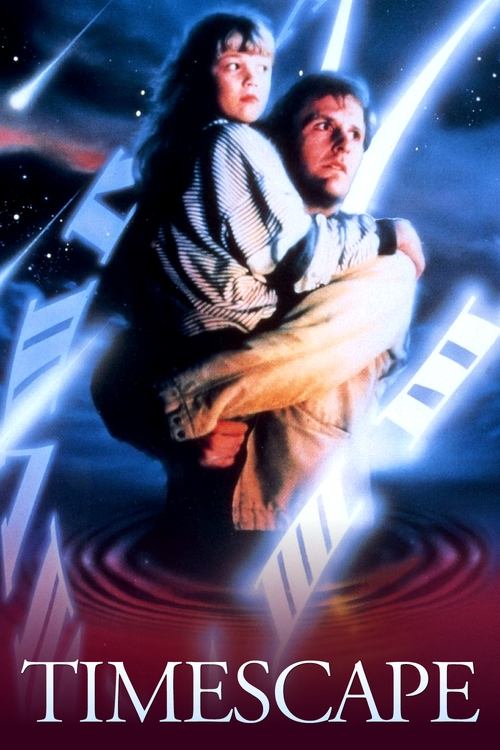
Timescape
1992Before they can complete renovations on their new inn, a father and daughter are visited by a woman seeking immediate lodging for her strange group of travelers.
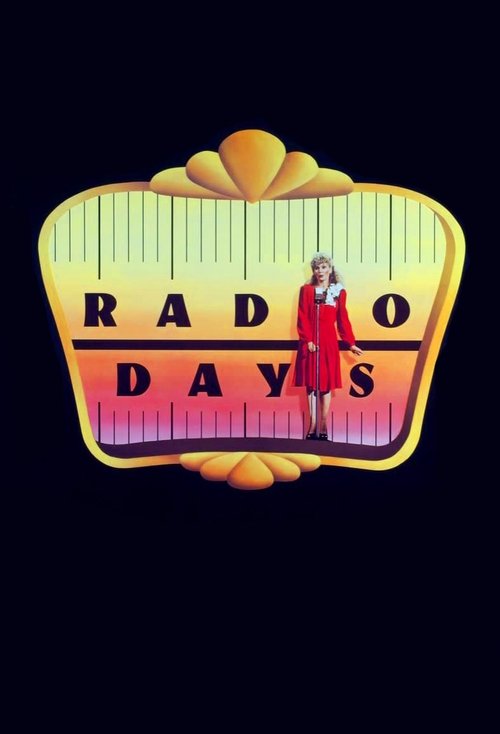
Radio Days
1987The Narrator tells us how the radio influenced his childhood in the days before TV. In the New York City of the late 1930s to the New Year's Eve 1944, this coming-of-age tale mixes the narrator's experiences with contemporary anecdotes and urban legends of the radio stars.
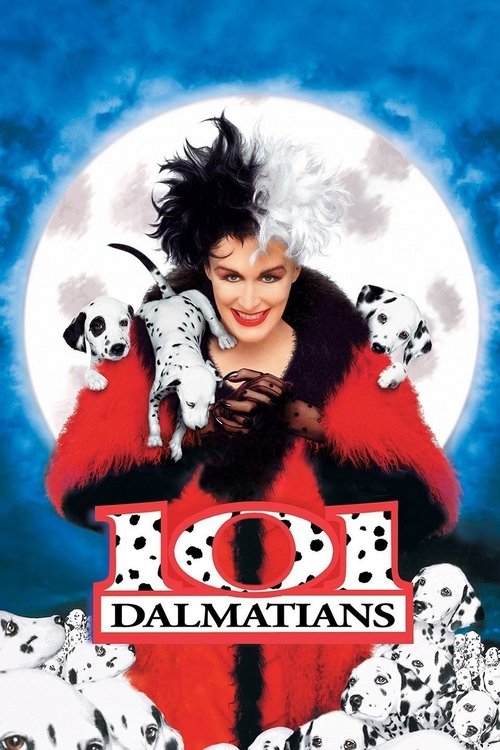
101 Dalmatians
1996An evil, high-fashion designer plots to steal Dalmatian puppies in order to make an extravagant fur coat, but instead creates an extravagant mess.
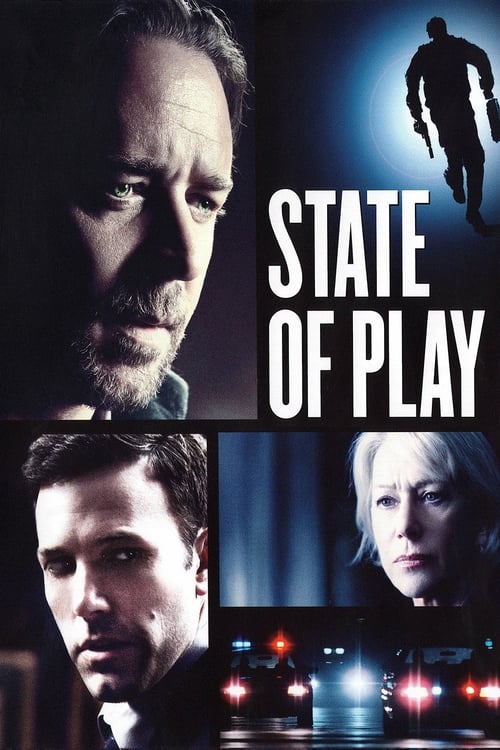
State of Play
2009When a congressional aide is killed, a Washington, D.C. journalist starts investigating the case involving the Representative, his old college friend.
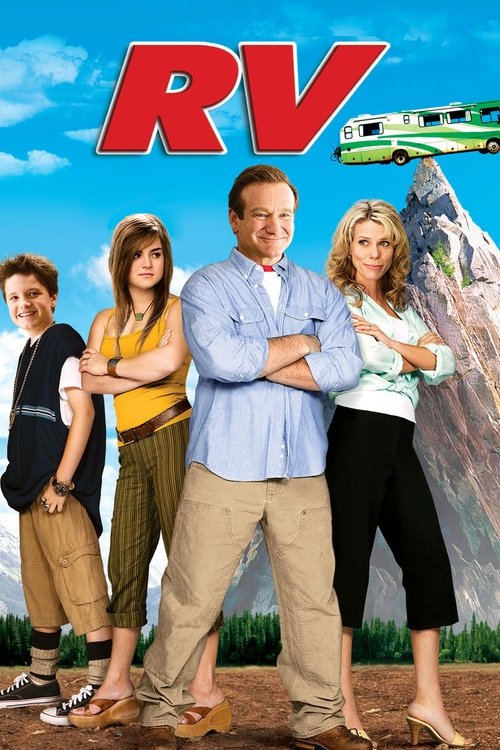
RV
2006Climbing aboard their mammoth recreational vehicle for a cross-country road trip to the Colorado Rockies, the Munro family – led by dysfunctional patriarch, Bob – prepares for the adventure of a lifetime. But spending two weeks together in one seriously small space has a way of cramping their style.
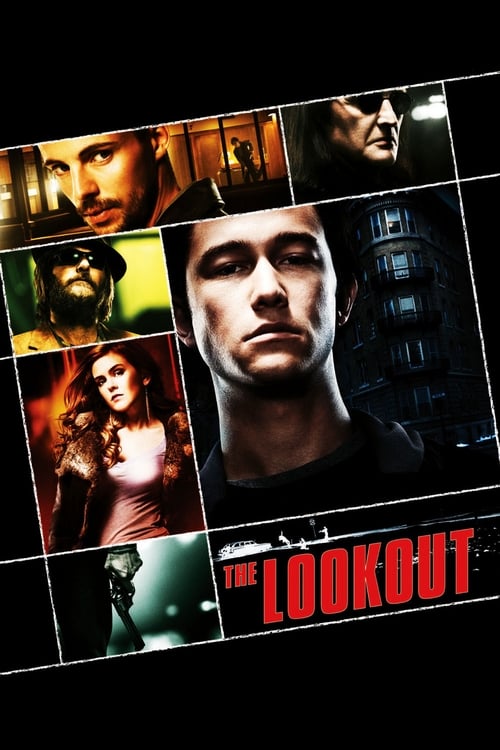
The Lookout
2007Chris is a once promising high school athlete whose life is turned upside down following a tragic accident. As he tries to maintain a normal life, he takes a job as a janitor at a bank, where he ultimately finds himself caught up in a planned heist.
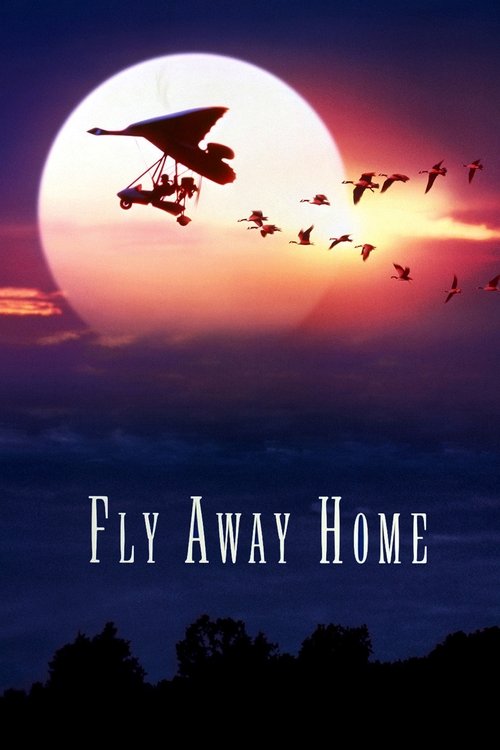
Fly Away Home
1996Amy is only 13 years old when her mother is killed. She goes to Canada to live with her father, an eccentric inventor whom she barely knows. Amy is miserable in her new life... until she discovers a nest of goose eggs that were abandoned when a local forest was torn down. The eggs hatch and Amy becomes "Mama Goose". When winter comes, Amy and her dad must find a way to lead the birds South.

Steve Jobs
2015Set backstage at three iconic product launches and ending in 1998 with the unveiling of the iMac, Steve Jobs takes us behind the scenes of the digital revolution to paint an intimate portrait of the brilliant man at its epicenter.
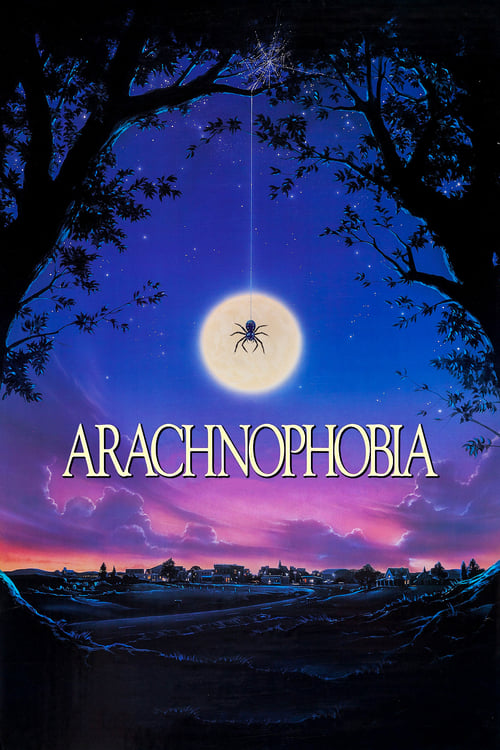
Arachnophobia
1990A large spider from the jungles of South America is accidentally transported in a crate with a dead body to America where it mates with a local spider. Soon after, the residents of a small California town disappear as the result of spider bites from the deadly spider offspring. It's up to a couple of doctors with the help of an insect exterminator to annihilate these eight legged freaks.
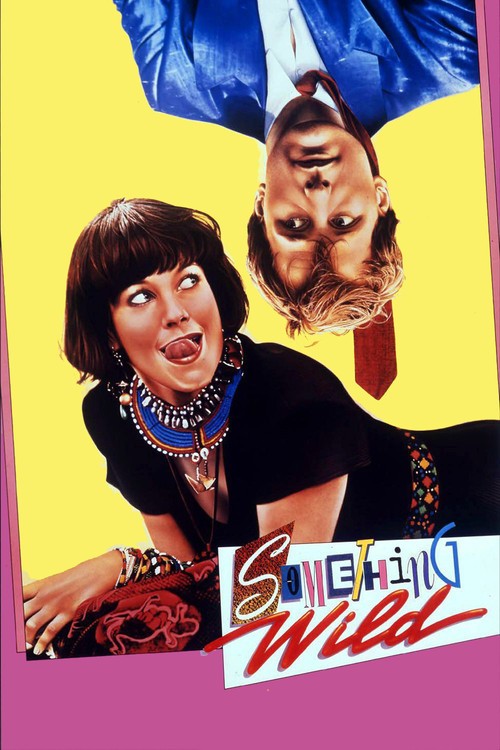
Something Wild
1986A free-spirited woman "kidnaps" a yuppie for a weekend of adventure. But the fun quickly takes a dangerous turn when her ex-con husband shows up.
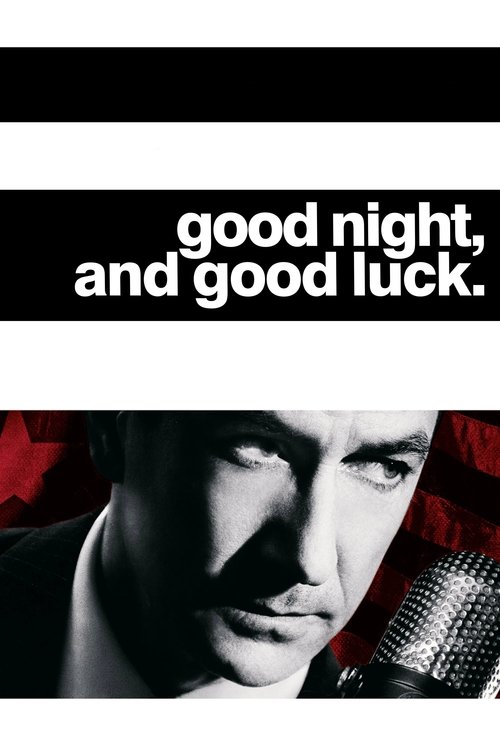
Good Night, and Good Luck.
2005The story of journalist Edward R. Murrow's stand against Senator Joseph McCarthy's anti-communist witch-hunts in the early 1950s.
Daniels disappears into the rigid corporate skin of a network executive, embodying the moral compromises and professional anxieties of the 1950s television landscape. Within George Clooney’s stark aesthetic, he serves as a vital representation of the institutional pressure cooker that defined the era's journalism.
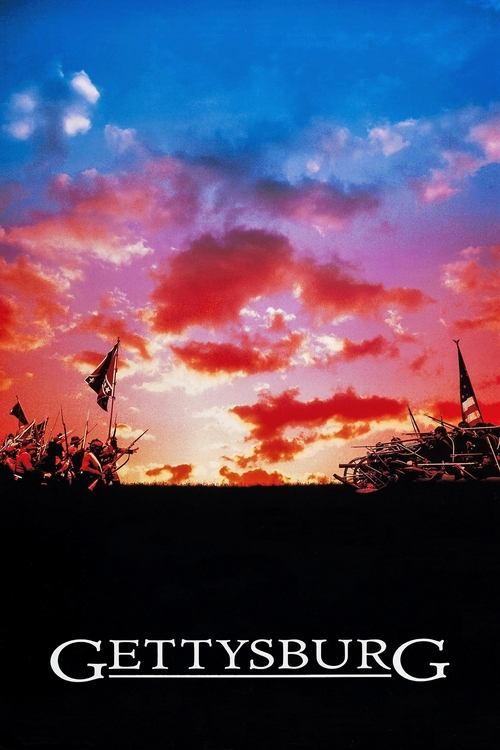
Gettysburg
1993In the summer of 1863, General Robert E. Lee leads the Confederate Army of Northern Virginia into Gettysburg, Pennsylvania with the goal of marching through to Washington, D.C. The Union Army of the Potomac, under the command of General George G. Meade, forms a defensive position to confront the rebel forces in what will prove to be the decisive battle of the American Civil War.
Tasked with the film's most stirring moments, Daniels brings a gritty, intellectual heroism to Colonel Joshua Lawrence Chamberlain that feels historically resonant rather than theatrical. His portrayal of the scholar-turned-soldier remains the gold standard for projecting quiet moral conviction on a massive cinematic scale.
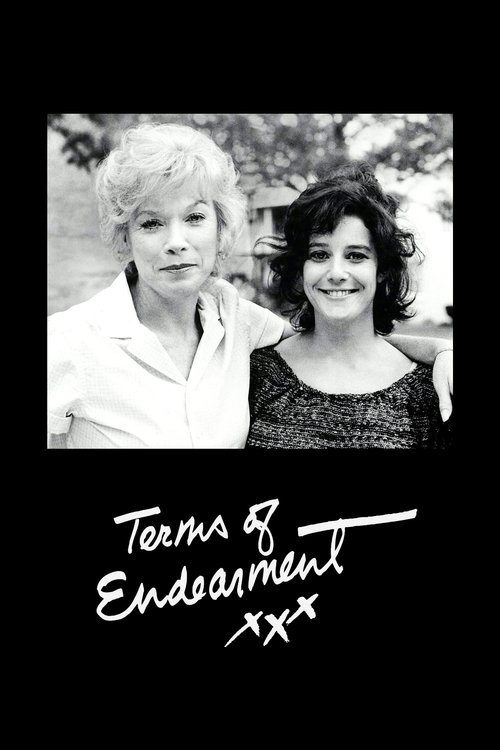
Aurora, a finicky woman, is in search of true love while her daughter faces marital issues. Together, they help each other deal with problems and find reasons to live a joyful life.
In this early career breakthrough, Daniels excels at the unenviable task of playing an unfaithful husband without losing his character's basic, pitiable humanity. He navigates the messy intersection of youthful arrogance and marital disappointment, holding his own against a powerhouse ensemble.
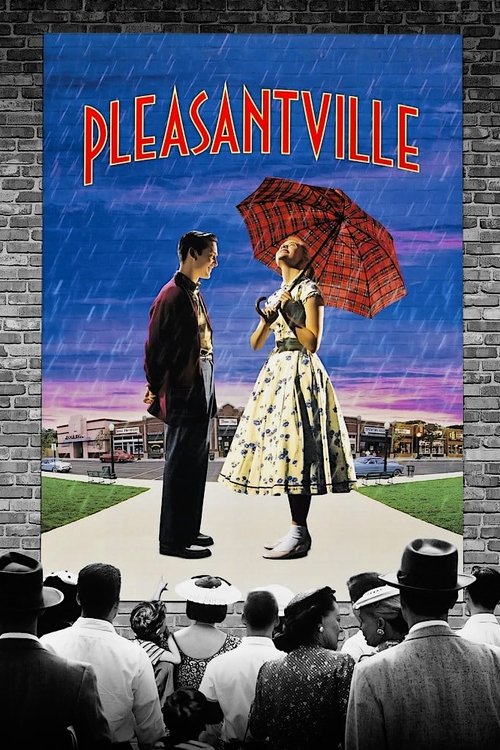
Pleasantville
1998Geeky teenager David and his popular twin sister, Jennifer, get sucked into the black-and-white world of a 1950s TV sitcom called "Pleasantville," and find a world where everything is peachy keen all the time. But when Jennifer's modern attitude disrupts Pleasantville's peaceful but boring routine, she literally brings color into its life.
In the role of the soda shop owner, Daniels subtly tracks the painful, beautiful evolution of a man awakening from a black-and-white stupor into a world of vibrant color and complex emotion. His performance provides the film’s essential heartbeat, capturing the quiet terror and wonder of personal growth.
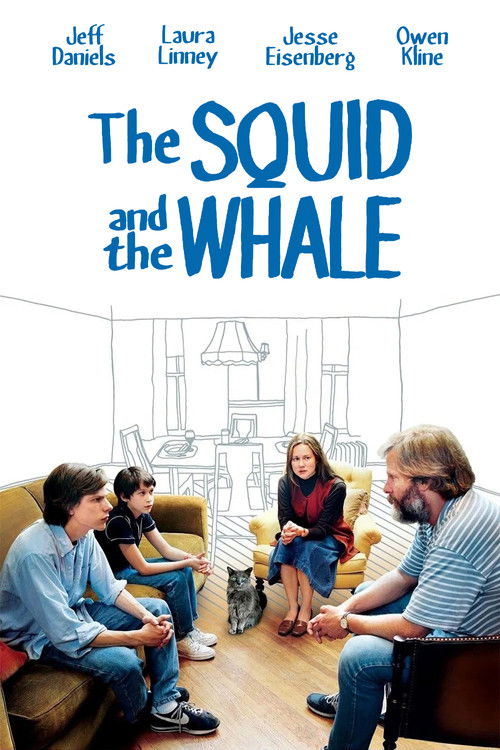
The Squid and the Whale
2005Based on the true childhood experiences of Noah Baumbach and his brother, The Squid and the Whale tells the touching story of two young boys dealing with their parents' divorce in Brooklyn in the 1980s.
Daniels is breathtakingly unlikable as a fading academic whose towering intellectual vanity serves as a shield for his personal failures. This role reinvented him for the indie circuit, showcasing a razor-sharp ability to inhabit deeply flawed, neurotic patriarchs.
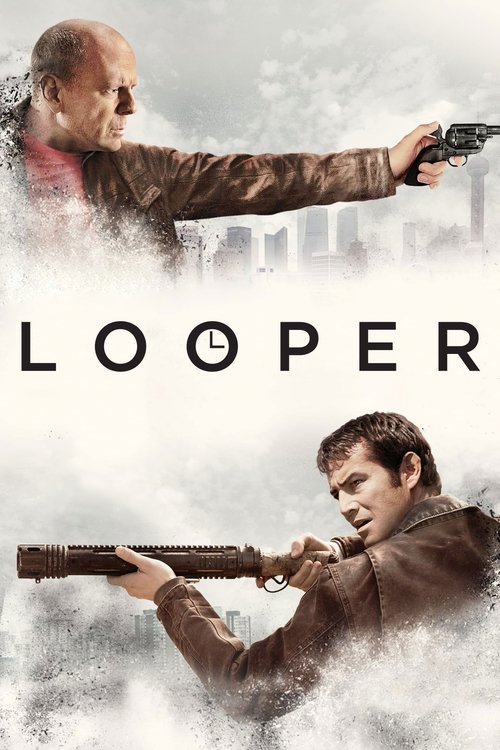
Looper
2012In the year 2044, time travel has not yet been invented but in 30 years it will have been. When the mob wants to get rid of someone, they will send their target into the past where a looper, a hired gun, like Joe is waiting to mop up. Joe is getting rich and life is good until the day the mob decides to close the loop, sending back Joe's future self for assassination.
Exuding a weary, bearded gravitas, Daniels portrays a mob boss from the future with a menacing casualness that feels entirely fresh for the genre. He eschews typical villain tropes in favor of a paternal, almost gentlemanly authority that makes his capacity for violence far more chilling.
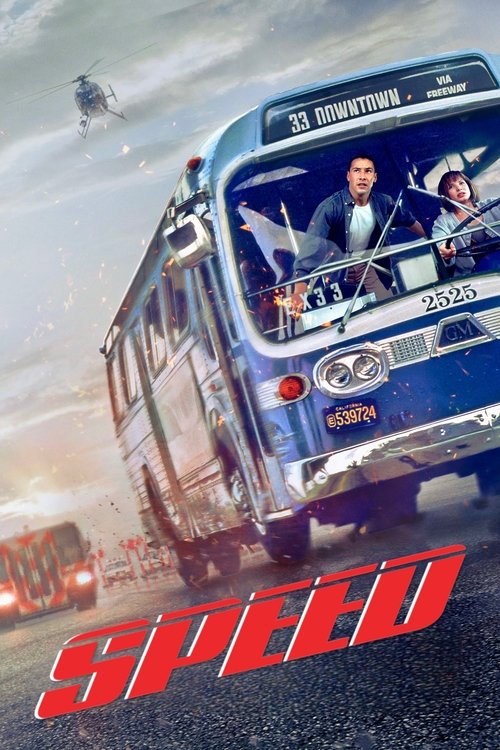
Speed
1994Tensions run high when a crazed bomber rigs a Los Angeles bus with a device that will kill everyone on board if the vehicle's speed dips below fifty miles per hour.
Before the high-speed chaos takes over, Daniels provides the necessary grounding for Keanu Reeves, playing the veteran partner with an effortless, lived-in camaraderie. He serves as the film’s emotional tether, lending a sense of seasoned reality to an otherwise breathless action spectacle.
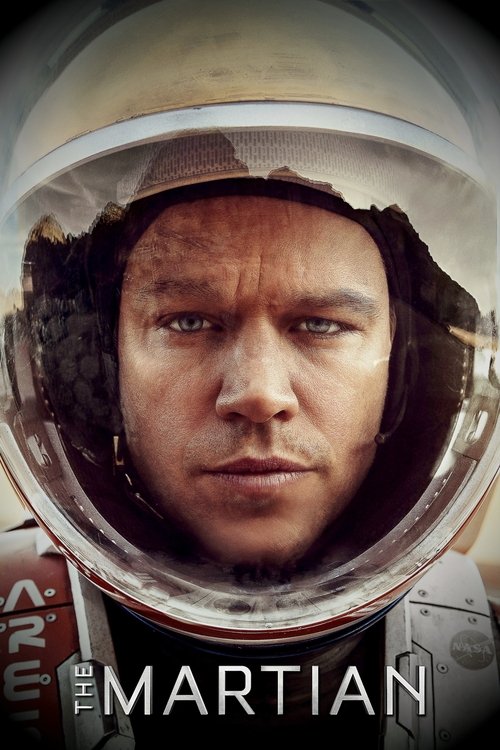
The Martian
2015During a manned mission to Mars, Astronaut Mark Watney is presumed dead after a fierce storm and left behind by his crew. But Watney has survived and finds himself stranded and alone on the hostile planet. With only meager supplies, he must draw upon his ingenuity, wit and spirit to subsist and find a way to signal to Earth that he is alive.
As the Director of NASA, Daniels anchors this high-stakes sci-fi epic with a cold, pragmatic authority that often puts him at odds with the film's sentimental core. He elevates the bureaucratic procedural elements into a compelling study of the heavy burden of institutional leadership.
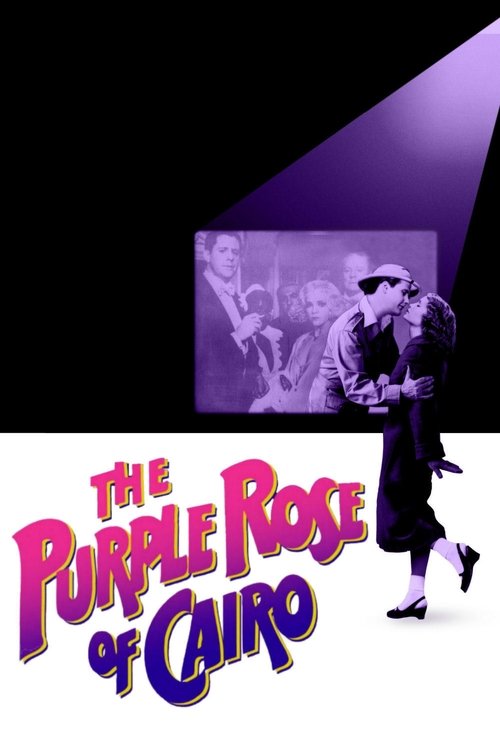
Cecilia is a waitress in New Jersey, living a dreary life during the Great Depression. Her only escape from her mundane reality is the movie theatre. After losing her job, Cecilia goes to see 'The Purple Rose of Cairo' in hopes of raising her spirits, where she watches dashing archaeologist Tom Baxter time and again.
Playing the dual roles of a fictional cinematic hero and the insecure actor who portrays him, Daniels navigates Woody Allen’s meta-narrative with precise whimsicality. It is a masterclass in contrasting the artifice of old Hollywood charm against the messy fragility of real-world ego.
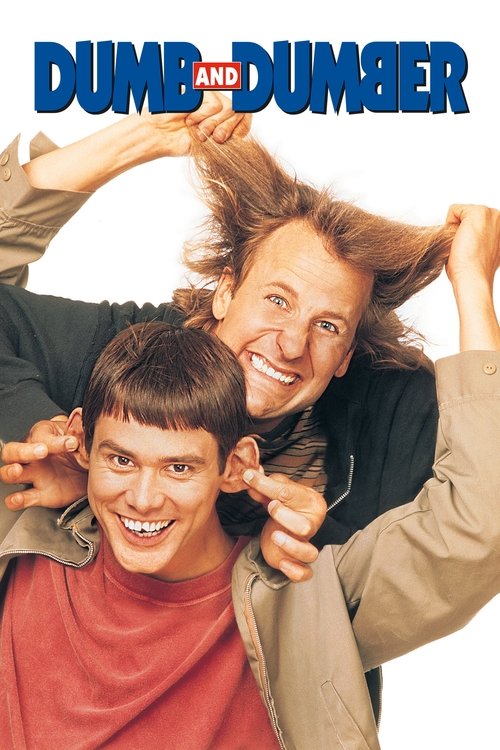
Dumb and Dumber
1994Lloyd and Harry are two men whose stupidity is really indescribable. When Mary, a beautiful woman, loses an important suitcase with money before she leaves for Aspen, the two friends (who have found the suitcase) decide to return it to her. After some "adventures" they finally get to Aspen where, using the lost money they live it up and fight for Mary's heart.
Daniels achieves a rare kind of comedic alchemy by committing so fully to Harry Dunne's profound stupidity that he matches Jim Carrey's rubber-faced energy beat for beat. This transformative turn remains the definitive proof of his immense range, shattering his previous image as a straight-laced leading man.
Frequently Asked Questions
Everything you need to know about this list and SnakeDrafts
- Jeff Daniels shines in the comedy classic Dumb and Dumber, where his impeccable timing and chemistry with co-star Jim Carrey highlight his ability to deliver broad humor while maintaining a likable everyman persona.
- Yes, Jeff Daniels has notable roles in science fiction, including The Martian, where he plays a NASA official supporting the stranded astronaut, and Looper, in which he portrays a complex character involved in a high-stakes time-travel thriller.
- Jeff Daniels has earned critical acclaim in drama films such as The Squid and the Whale, where he delivers a raw and nuanced performance as a father going through a painful divorce, and Good Night, and Good Luck., which explores historical journalism with Daniels contributing a strong supporting role.
- Jeff Daniels appears in Gettysburg, a historical war drama in which he embodies Colonel Joshua Lawrence Chamberlain, showcasing his ability to bring depth and gravitas to real-life figures and intense historical narratives.
- Yes, he stars in Pleasantville, a fantasy comedy-drama that uses a unique premise to explore social themes, and Fly Away Home, an adventure drama that appeals to family audiences with its heartfelt story and inspiring performances.
- The Purple Rose of Cairo blends fantasy, comedy, and romance, allowing Daniels to exhibit his versatile acting skills by navigating a storyline that breaks the fourth wall while charming audiences with wit and subtle emotion.
- Indeed, Jeff Daniels appears in Speed, an action thriller with high tension and fast-paced excitement, as well as The Lookout, a crime drama where his role supports a gritty narrative involving a man overcoming cognitive challenges to solve a crime.