Michael Mann Films Ranked Definitively
Master of Crime and Visual Atmosphere
Explore the definitive ranking of Michael Mann movies, from high-stakes crime thrillers like Heat to stylish neo-noir masterpieces.
About Michael Mann
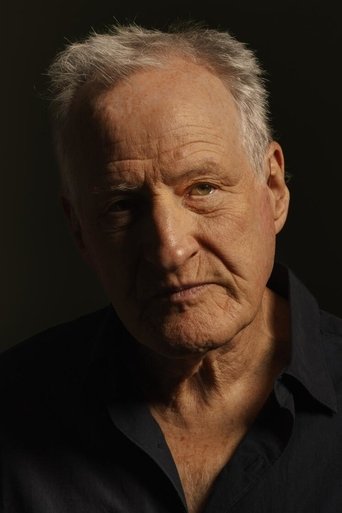
In the cool, cobalt-tinted world of Michael Mann, masculinity is a professional discipline practiced under the hum of streetlights. To watch a Mann film is to enter a cathedral of competence where men defined by their labor stare across dining room tables or gun barrels, recognizing a kindred spirit in their enemy. This director does not just film a heist or a race; he captures the existential weight of Being Good At Something. Whether it is the precision of a safecracker in Thief or the tactical geometry of the downtown shootout in Heat, his frames vibrate with a specific, restless energy that suggests life is only truly lived at the edge of a deadline.
His visual language is unmistakably sleek, characterized by a fascination with the way city lights bleed into digital sensors. While other filmmakers clung to the warmth of film grain, he pioneered the raw, jittery immediacy of high-definition video. In Collateral and the big-screen reimagining of Miami Vice, he used this technology to turn Los Angeles and Florida into ethereal, neon-soaked dreamscapes. The night sky in his work is rarely pitch black; it is a bruised purple or a glowing orange, reflecting off the polished hoods of getaway cars and the glass facades of high-rises where deals are brokered in whispers.
Beyond the chrome and the gunsmoke lies a deep, soulful center focused on the cost of excellence. The Insider stands as perhaps his most searing human drama, trading ballistics for the high-stakes tension of corporate whistleblowing. Here, the violence is psychological, but the stakes feel just as lethal as the musket fire in The Last of the Mohicans. He demands a relentless level of research from his actors, insisting they understand the internal mechanics of their characters' professions. This obsession with detail is what makes a film like Ferrari feel so visceral. He does not just show a car driving fast; he makes the audience feel the terrifying, combustible reality of being strapped to a metal rocket.
His legacy is built on these contradictions: the marriage of high-octane spectacle and quiet, lonely introspection. From the brooding procedural rhythms of Manhunter to the period-accurate grit of Public Enemies, he remains the poet laureate of the professional. He captures people who are singular in their focus, often at the expense of their personal lives. When Neil McCauley tells Vincent Hanna in Heat that he will not hesitate to walk away from everything in thirty seconds flat, he is speaking to the cold purity that defines this filmic universe. It is a world where the blue hour never ends, the engines never stop humming, and the work is the only thing that lasts.
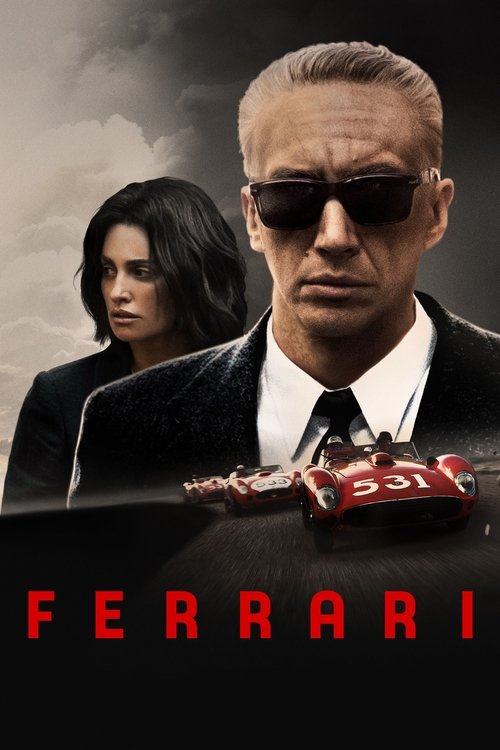
Ferrari
2023Set during the summer of 1957. Ex-racecar driver, Enzo Ferrari, is in crisis. Bankruptcy stalks the company he and his wife, Laura, built from nothing ten years earlier. Their tempestuous marriage struggles with the mourning for one son and the acknowledgement of another.
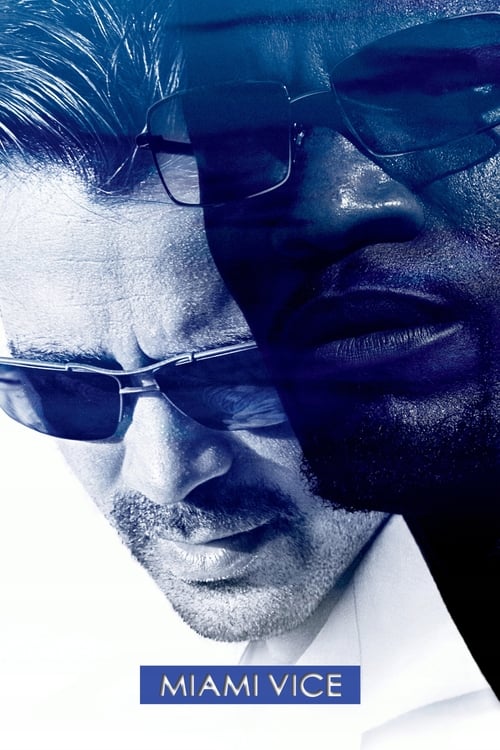
Miami Vice
2006A case involving drug lords and murder in South Florida takes a personal turn for undercover detectives Sonny Crockett and Ricardo Tubbs. Unorthodox Crockett gets involved romantically with the Chinese-Cuban wife of a trafficker of arms and drugs, while Tubbs deals with an assault on those he loves.
Vindication has come late for this uncompromisingly moody tone poem that sacrifices plot for a total immersion in sensation and digital grit. It is a masterpiece of modern texture, where the sound of the wind and the saturation of the sky tell a deeper story than the undercover operation itself.
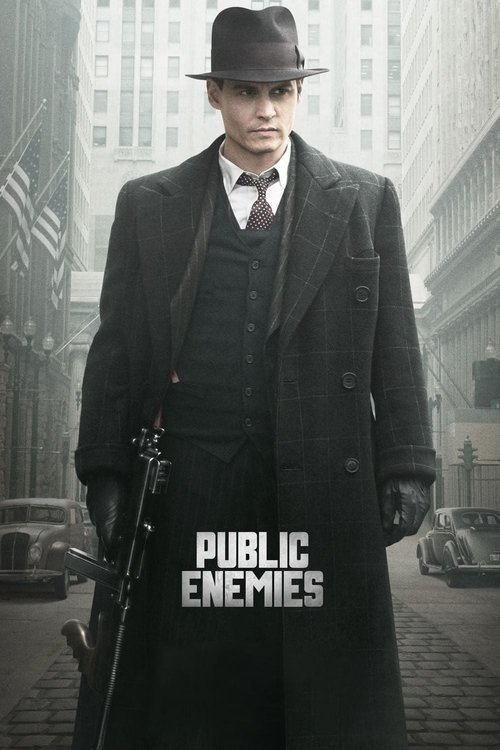
Public Enemies
2009Depression-era bank robber John Dillinger's charm and audacity endear him to much of America's downtrodden public, but he's also a thorn in the side of J. Edgar Hoover and the fledgling FBI. Desperate to capture the elusive outlaw, Hoover makes Dillinger his first Public Enemy Number One and assigns his top agent, Melvin Purvis, the task of bringing him in dead or alive.
By applying high-definition video to a Depression-era setting, Mann intentionally disrupts the nostalgia usually associated with the gangster genre. The result is a jarringly immediate experience that strips away the period-piece artifice to focus on the raw, frantic reality of outlaws under siege.
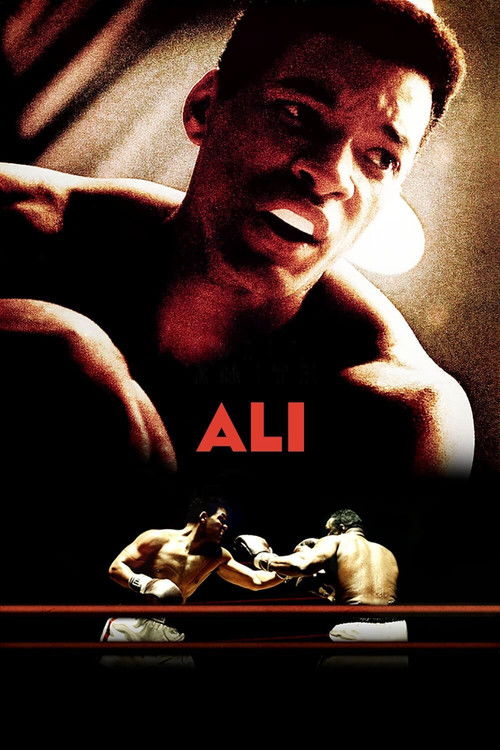
Ali
2001In 1964, a brash, new pro boxer, fresh from his Olympic gold medal victory, explodes onto the scene: Cassius Clay. Bold and outspoken, he cuts an entirely new image for African Americans in sport with his proud public self-confidence and his unapologetic belief that he is the greatest boxer of all time. Yet at the top of his game, both Ali's personal and professional lives face the ultimate test.
This is a rhythmic and impressionistic biopic that rejects standard hagiography in favor of capturing the kinetic energy of a man in constant motion. Mann utilizes a fragmented, roving camera to place the viewer directly inside the political and physical storms surrounding a global icon.
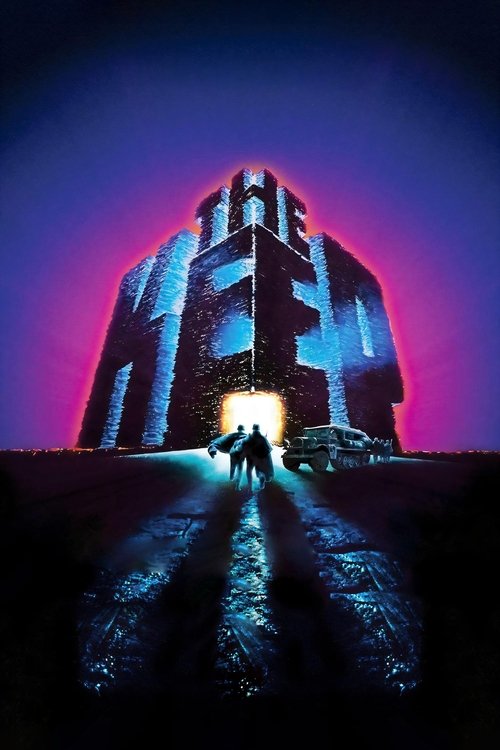
The Keep
1983Set during World War II, a German army garrison is sent to guard a mountain pass in a village in Romania's Carpathian mountains and sets up barracks in an ancient stone fortress. Two of the soldiers unwittingly release a mysterious entity that kills or corrupts those within its influence, drawing the attention of a Gestapo commander, a Jewish scholar, and a mysterious traveller.
Though fractured by studio interference, this surreal foray into gothic horror remains a fascinating artifact of sheer atmosphere and experimental lighting. It showcases Mann's willingness to push his visual language into the realm of the abstract, prioritizing dreamlike texture over conventional narrative logic.
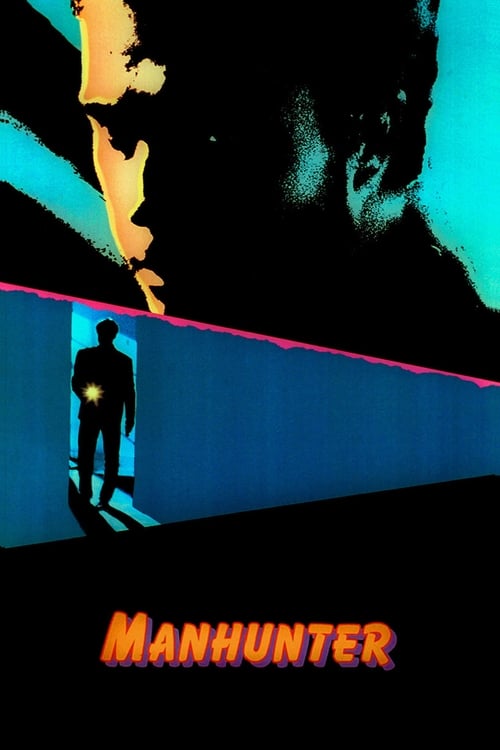
Manhunter
1986FBI Agent Will Graham, who retired after catching Hannibal Lecktor, returns to duty to engage in a risky cat-and-mouse game with Lecktor to capture a new killer.
Before the franchise became a cultural staple, Mann introduced a cold, forensic aesthetic to the serial killer genre that remains hauntingly clinical. Its pastel-washed frames and synth-pop undercurrents create a unique psychological landscape where the investigator must risk his own sanity by mirroring a predator's vision.
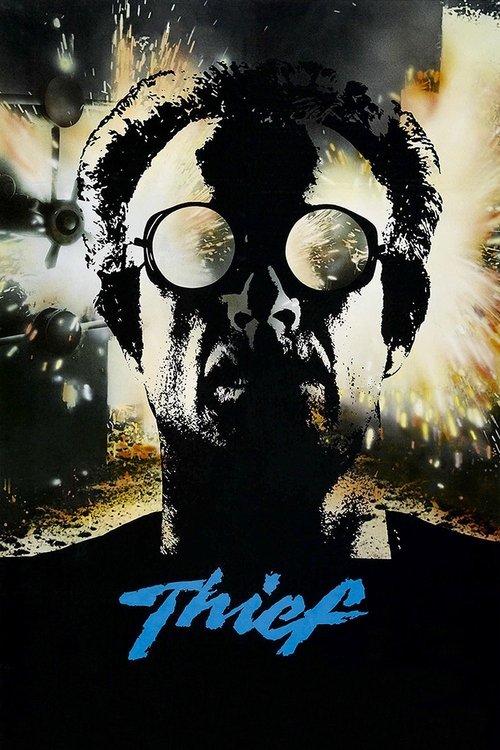
Thief
1981Frank is an expert professional safecracker, specialized in high-profile diamond heists. He plans to use his ill-gotten income to retire from crime and build a nice life for himself complete with a home, wife and kids. To accelerate the process, he signs on with a top gangster for a big score.
In his debut feature, Mann arrives fully formed with a hyper-stylized blueprint for the modern heist film, defined by Tangerine Dream's synth pulses and an unwavering focus on the tools of the trade. The film establishes his career-long fascination with the lonely expert who defines himself solely through his labor.
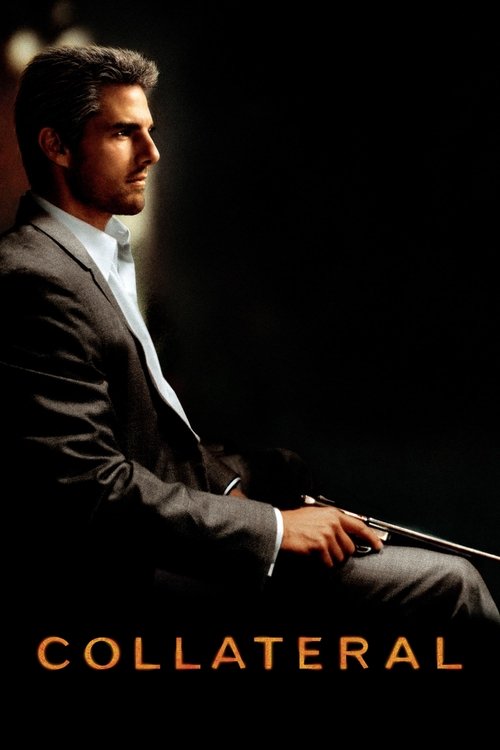
Collateral
2004Cab driver Max picks up a man who offers him $600 to drive him around. But the promise of easy money sours when Max realizes his fare is an assassin.
The director embraces early digital cinematography to capture the nocturnal electricity of a city that never sleeps, turning the taxi cab into a mobile pressure cooker. It is a sleek, neon-drenched exploration of fate and urban isolation that strips his aesthetic down to its most kinetic essentials.
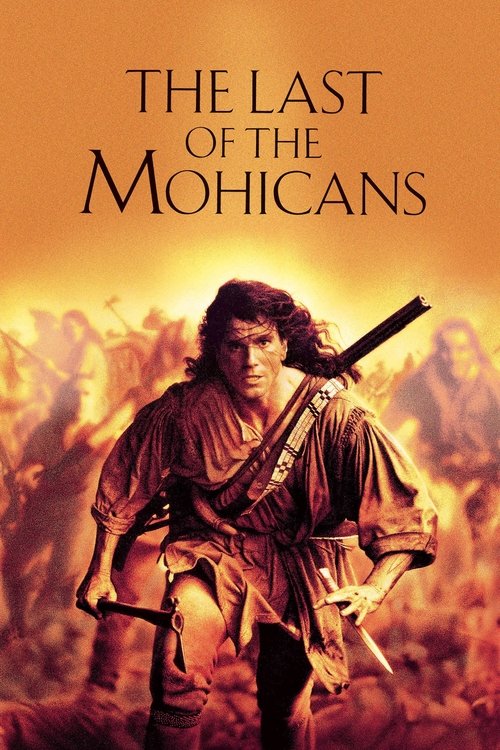
In war-torn colonial America, in the midst of a bloody battle between British, the French and Native American allies, the aristocratic daughter of a British Colonel and her party are captured by a group of Huron warriors. Fortunately, a group of three Mohican trappers comes to their rescue.
Steeping historical epic in intense romanticism, this film operates as a grand sensory experience where the thundering score and lush wilderness become active participants in the narrative. It stands as Mann's most overtly tactile work, grounding sweeping 18th-century conflict in his signature focus on individual survival instincts.
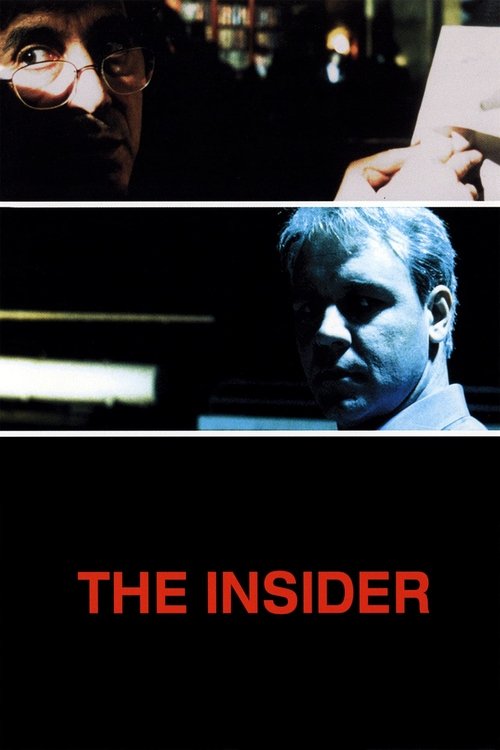
The Insider
1999A research chemist comes under personal and professional attack when he decides to appear in a 60 Minutes exposé on Big Tobacco.
Mann pivots from physical violence to the high-stakes claustrophobia of boardrooms and depositions, proving that a legal deposition can be just as visceral as a shootout. This masterclass in tension deconstructs the moral cost of truth through a suffocating, blue-hued lens of corporate paranoia.
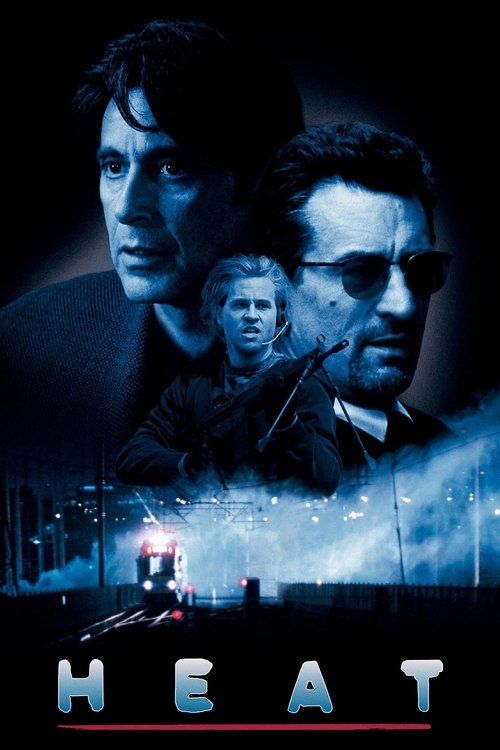
Heat
1995Obsessive master thief Neil McCauley leads a top-notch crew on various daring heists throughout Los Angeles while determined detective Vincent Hanna pursues him without rest. Each man recognizes and respects the ability and the dedication of the other even though they are aware their cat-and-mouse game may end in violence.
A peerless synthesis of urban mood and procedural precision, this crime saga represents the absolute apex of Mann's career-long obsession with professional codes. It transforms the asphalt of Los Angeles into a sprawling stage for a tragic, mirrored duality between law and disorder.
Frequently Asked Questions
Everything you need to know about this list and SnakeDrafts
- Michael Mann's films often explore themes of professional dedication, existential weight of skill, and complex masculinity. These motifs are evident in movies like Thief and Heat, where characters engage deeply in their crafts under intense pressure.
- In Mann's crime thrillers, crime is depicted with meticulous detail and a somber tone, emphasizing the professionalism and existential struggles of both criminals and law enforcement. For instance, Heat showcases a profound psychological duel between a thief and a detective, highlighting their mutual respect and shared solitude.
- Michael Mann masterfully blends crime, drama, thriller, and action genres in his films. Notably, The Last of the Mohicans combines action, history, romance, and war, demonstrating Mann's versatility across thematic and stylistic elements.
- Mann's directing style features a sleek, atmospheric look often enhanced by precise cinematography and a strong sense of place. In The Insider and Collateral, this style creates immersive, tension-filled narratives that emphasize character psychology and moral ambiguity.
- Ferrari (2023) continues Mann's exploration of historical drama, focusing on a real-life figure with emotional depth and dramatic tension. It aligns with Mann's tendency to highlight complex characters in high-stakes situations, similar to Public Enemies and The Last of the Mohicans.
- Yes, The Keep is a unique entry in Mann's filmography incorporating horror and fantasy elements. Unlike his more grounded crime dramas, this film delves into supernatural mythology, showcasing Mann's ability to cross genres while maintaining his signature atmospheric tension.
- Manhunter and Thief are regarded as influential due to their pioneering visual style and complex characters. Mann's use of atmospheric lighting and focus on the inner lives of criminals set new standards for psychological depth and aesthetic sophistication in the crime thriller genre.