The Best Paul Newman Movies Ranked
The Definitive Career Review of a Hollywood Blue Eyed Legend
Discover the most iconic performances from Paul Newman's career, from his classic Western breakthroughs to his powerful Oscar-winning dramas.
About Paul Newman
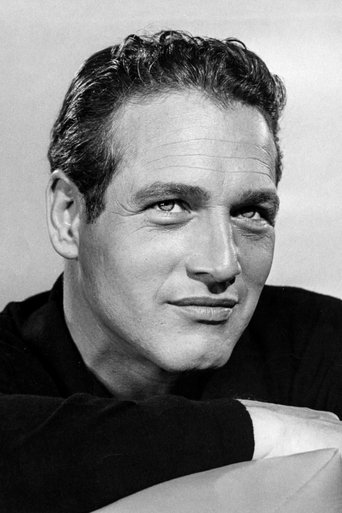
In an industry built on vanity, Paul Newman was the rare creature who seemed genuinely embarrassed by his own perfection. With those impossibly blue eyes and a bone structure that belonged on a Roman coin, he could have easily coasted on visual grace alone. Instead, he spent half a century trying to complicate his own reflection. He didnt just play rebels; he inhabited men who were often their own worst enemies, possessing a rugged, soulful magnetism that defined a specific brand of American masculinity: principled but flawed, cool but rarely cold.
His early work in films like Somebody Up There Likes Me and Cat on a Hot Tin Roof established him as the logical heir to the Method acting throne, yet he lacked the brooding puffery of his contemporaries. There was a lightness to him, a kinetic energy that finally found its perfect outlet in 1961 with The Hustler. As Fast Eddie Felson, he tapped into a desperate, sweating ambition that dismantled his matinee idol image. It was a role he would revisit decades later in The Color of Money, finally securing an Oscar by showing us what happens when a young shark grows old and weary.
The late sixties transformed him from a dramatic heavyweight into a cultural icon during one of cinemas most legendary runs. Whether he was leaning into the rebellious, unbreakable spirit of Cool Hand Luke or perfecting the lethal charm of the antihero in Hud, he possessed an effortless gravitas. Then came the lightning in a bottle chemistry with Robert Redford. In Butch Cassidy and the Sundance Kid and later The Sting, Newman proved he was the ultimate teammate. He understood that movie stardom was not a solo sport, using his wit and understated timing to anchor some of the most beloved capers in film history.
Audiences connected with him because he never seemed to be lying to them. Even when playing total bastards or broken down souls, a fundamental decency flickered underneath. You see it in the quiet, aging dignity of Nobodys Fool or the grizzled desperation of an alcoholic lawyer looking for one last scrap of salvation in The Verdict. He thrived in the gray areas of the human condition, choosing projects like The Young Philadelphians or The Long, Hot Summer that explored the friction between social standing and personal integrity.
Even as he entered his twilight years, his screen presence lost none of its potency. He could pivot from the eccentric corporate satire of The Hudsucker Proxy to the terrifying, paternal menace of an Irish mob boss in Road to Perdition without breaking a sweat. Whether he was playing a romantic lead in Message in a Bottle or a cynical socialite, he remained the gold standard for aging with grace. He was the rare movie star who managed to be both a legend and a human being, leaving behind a body of work that feels less like a catalog of performances and more like a masterclass in how to live. More than just a face on a popcorn bag or a salad dressing bottle, he was the conscience of Hollywood, a man who survived the spotlight by never taking his own myth too seriously.
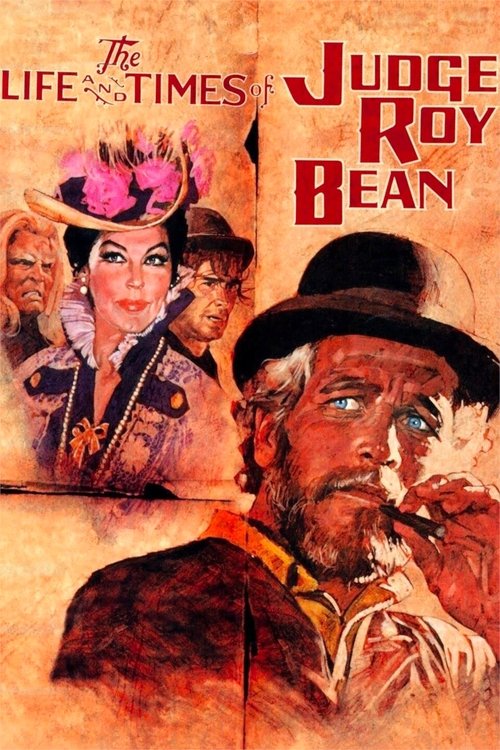
The Life and Times of Judge Roy Bean
1972Outlaw and self-appointed lawmaker Judge Roy Bean rules over an empty stretch of the West that gradually grows, under his iron fist, into a thriving town, while dispensing his his own quirky brand of frontier justice upon strangers passing by.
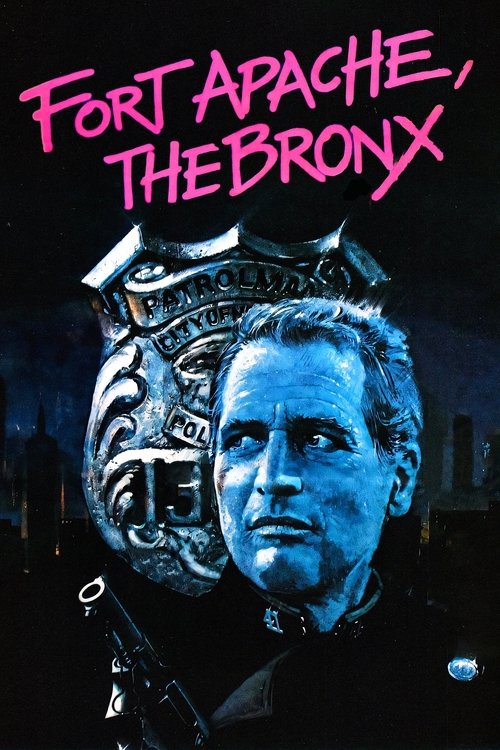
Fort Apache, the Bronx
1981From the sight of a police officer this movie depicts the life in New York's infamous South Bronx. In the center is "Fort Apache", as the officers call their police station, which really seems like an outpost in enemy's country. The story follows officer Murphy, who seems to be a tuff cynic, but in truth he's a moralist with a sense for justice.
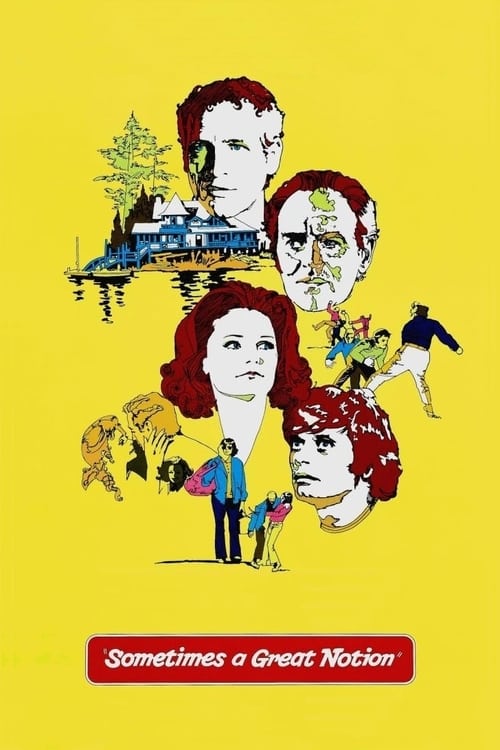
Sometimes a Great Notion
1971Hank Stamper and his father, Henry, own and operate the family business by cutting and shipping logs in Oregon. The town is furious when they continue working despite the town going broke and the other loggers go on strike ordering the Stampers to stop, however Hank continues to push his family on cutting more trees. Hank's wife wishes he would stop and hopes that they can spend more time together. When Hank's half brother Leland comes to work for them, more trouble starts.
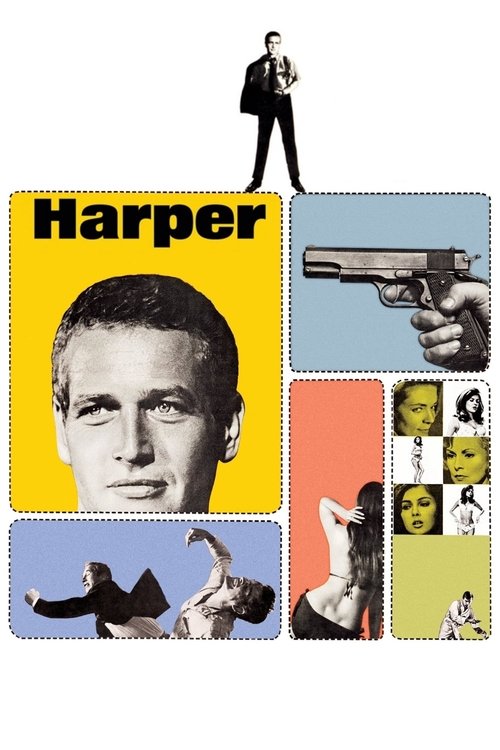
Harper
1966Harper is a cynical private eye in the best tradition of Bogart. He even has Bogie's Baby hiring him to find her missing husband, getting involved along the way with an assortment of unsavory characters and an illegal-alien smuggling ring.
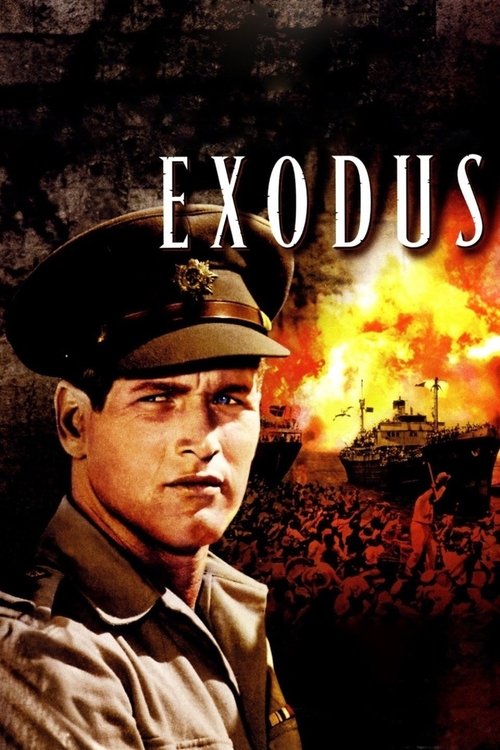
Exodus
1960Ari Ben Canaan, a passionate member of the Jewish paramilitary group Haganah, attempts to transport 600 Jewish refugees on a dangerous voyage from Cyprus to Palestine on a ship named the Exodus. He faces obstruction from British forces, who will not grant the ship passage to its destination.
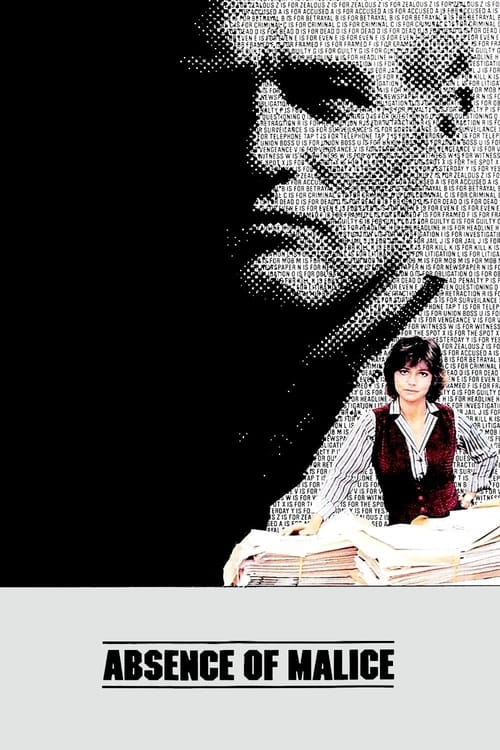
Absence of Malice
1981Megan Carter is a reporter duped into running an untrue story on Michael Gallagher, a suspected racketeer. He has an alibi for the time his crime was allegedly committed—but it involves an innocent party. When he tells Carter the truth and the newspaper runs it, tragedy follows, forcing Carter to face up to the responsibilities of her job when she is confronted by Gallagher.
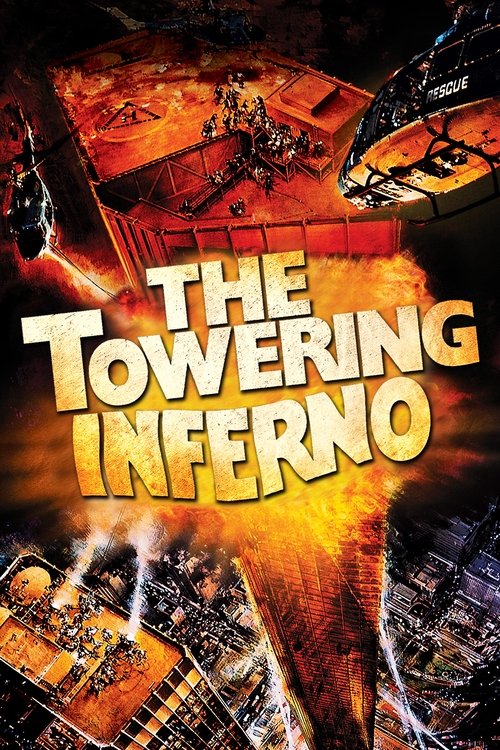
At the opening party of a colossal—but poorly constructed—skyscraper, a massive fire breaks out, threatening to destroy the tower and everyone in it.
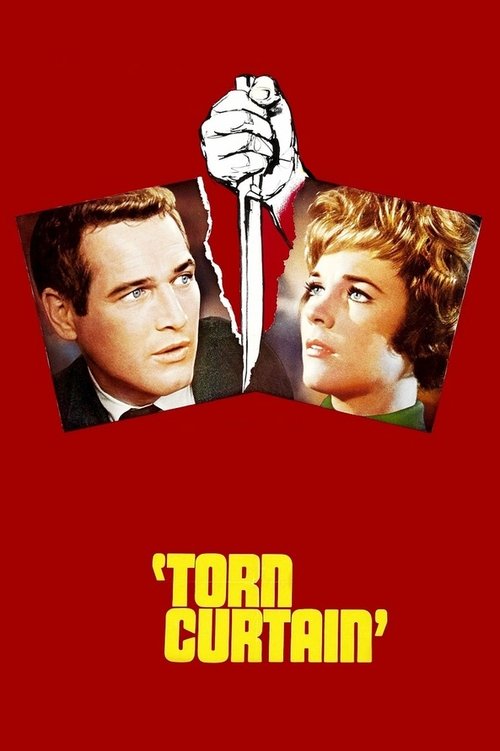
Torn Curtain
1966During the Cold War, an American scientist appears to defect to East Germany as part of a cloak and dagger mission to find the formula for a resin solution—but the plan goes awry when his fiancee, unaware of his motivation, follows him across the border.
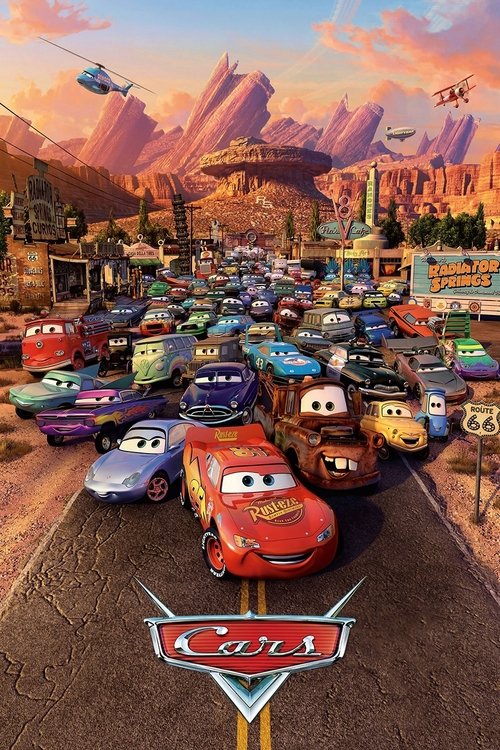
Cars
2006Lightning McQueen, a hotshot rookie race car driven to succeed, discovers that life is about the journey, not the finish line, when he finds himself unexpectedly detoured in the sleepy Route 66 town of Radiator Springs. On route across the country to the big Piston Cup Championship in California to compete against two seasoned pros, McQueen gets to know the town's offbeat characters.
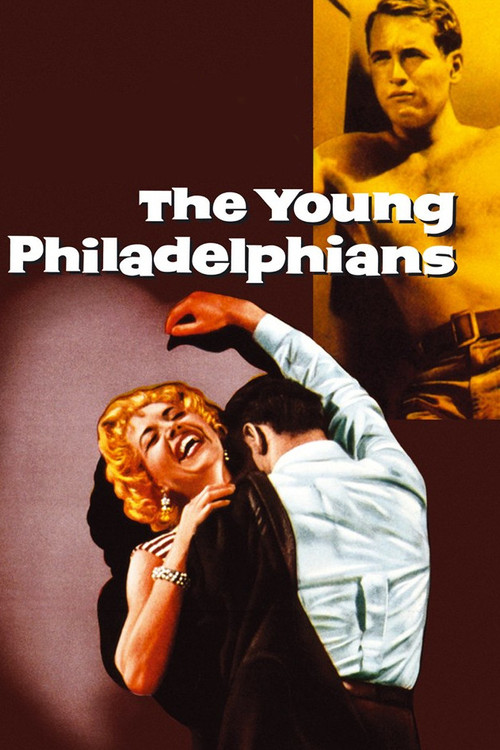
The Young Philadelphians
1959Up and coming young lawyer Anthony Lawrence faces several ethical and emotional dilemmas as he climbs the Philadelphia social ladder. His personal and professional skills are tested as he tries to balance the needs of his fiance Joan, the expectations of his colleagues and his own obligation to defend his friend Chester on a murder count.
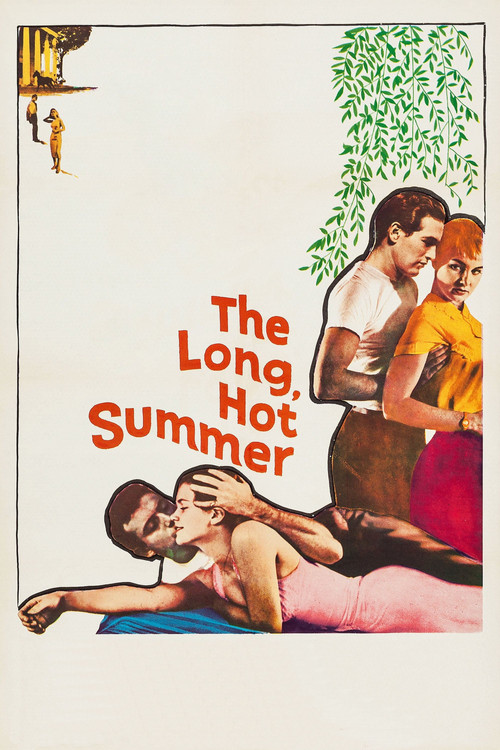
The Long, Hot Summer
1958Accused barn burner and conman Ben Quick arrives in a small Mississippi town and quickly ingratiates himself with its richest family, the Varners.
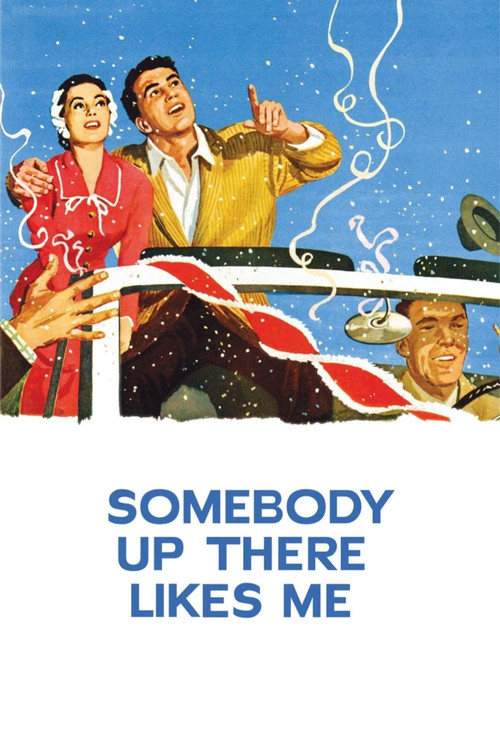
Somebody Up There Likes Me
1956The story of boxer Rocky Graziano's rise from juvenile delinquent to world champ.
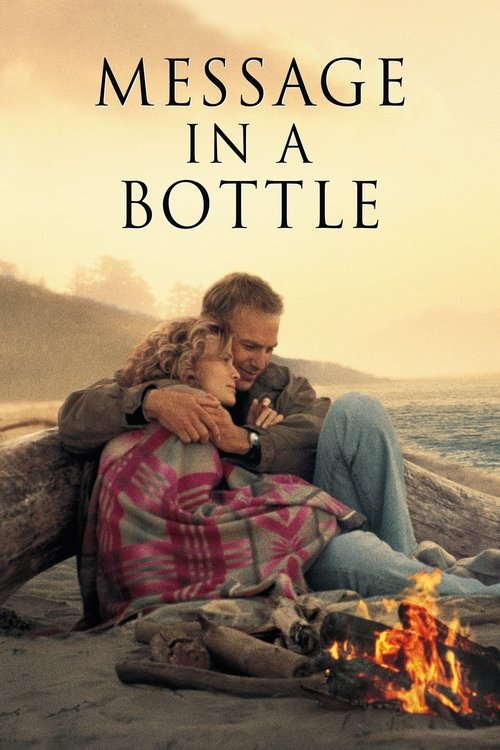
Message in a Bottle
1999A woman finds a romantic letter in a bottle washed ashore and tracks down the author, a widowed shipbuilder whose wife died tragically early. As a deep and mutual attraction blossoms, the man struggles to make peace with his past so that he can move on and find happiness.
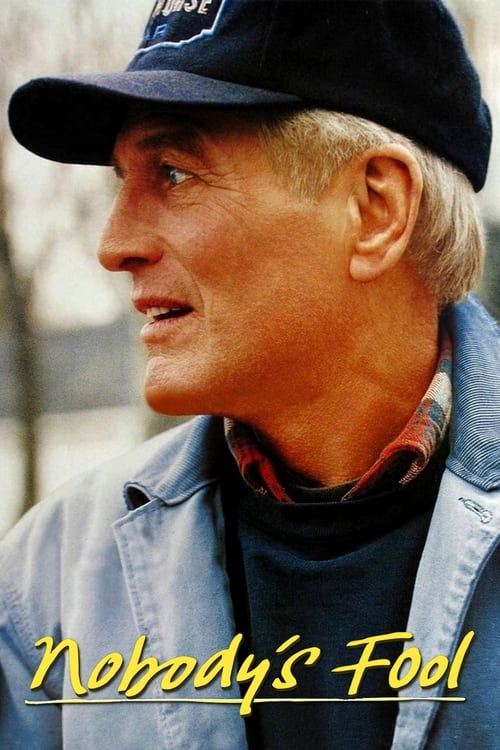
Nobody's Fool
1994A rascally nearing-retirement man juggles a workers' compensation suit while secretly working for his nemesis and flirting with his nemesis' young wife. As his estranged son returns, he faces new family responsibilities, while a banker plots to evict him from his home.
This understated performance as Sully offers a gentle, humanist look at a small-town life lived on the margins. Newman excels here by leaning into a graceful, effortless authenticity, finding extraordinary depth in the rhythms of an ordinary man.
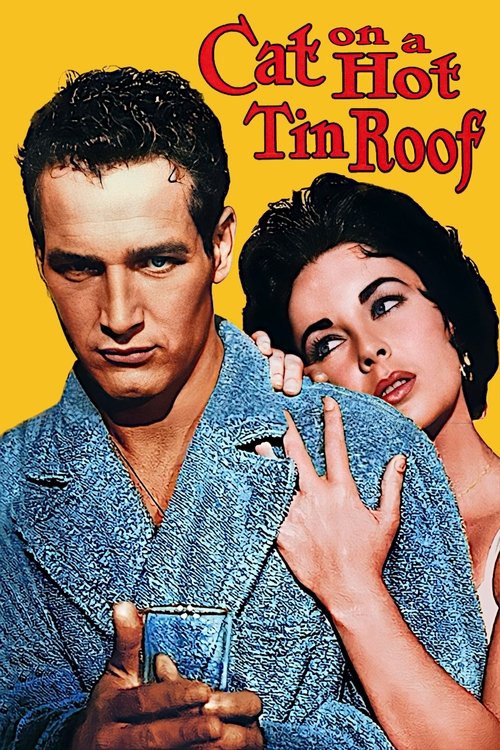
Cat on a Hot Tin Roof
1958An alcoholic ex-football player drinks his days away, having failed to come to terms with his sexuality and his real feelings for his football buddy who died after an ambiguous accident. His wife is crucified by her desperation to make him desire her: but he resists the affections of his wife. His reunion with his father—who is dying of cancer—jogs a host of memories and revelations for both father and son.
Opposite Elizabeth Taylor, Newman vibrates with repressed frustration and simmering resentment in this definitive Tennessee Williams adaptation. His ability to convey Brick’s internal torment largely through silence and a brooding gaze marked a milestone in his evolution as a dramatic heavy hitter.
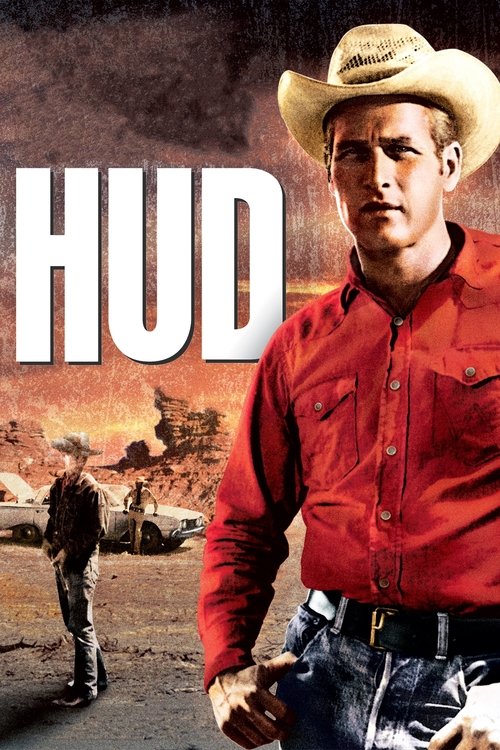
Hud
1963Hud Bannon is a ruthless young man who tarnishes everything and everyone he touches. Hud represents the perfect embodiment of alienated youth, out for kicks with no regard for the consequences. There is bitter conflict between the callous Hud and his stern and highly principled father, Homer. Hud's nephew Lon admires Hud's cheating ways, though he soon becomes too aware of Hud's reckless amorality to bear him anymore. In the world of the takers and the taken, Hud is a winner. He's a cheat, but, he explains, "I always say the law was meant to be interpreted in a lenient manner."
Newman provides a chillingly cold performance as the title character, a man whose narcissism serves as a brutal indictment of the fading American West. By playing a fundamentally unlikable protagonist, he challenged his audience to look past his looks and confront his character's hollow soul.
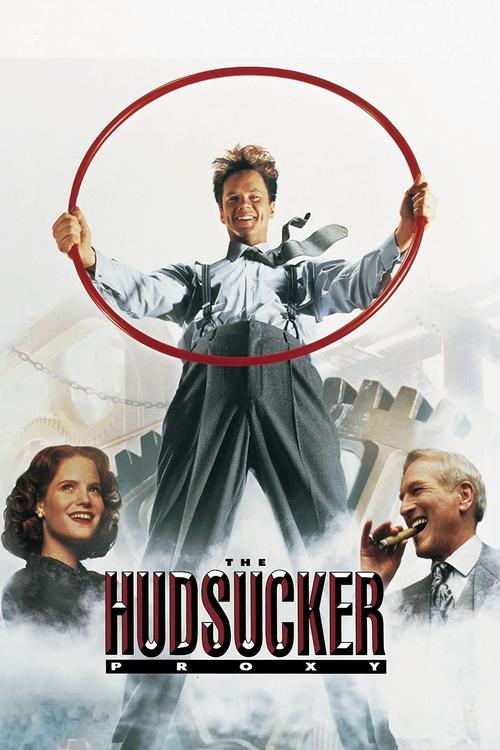
The Hudsucker Proxy
1994A naive business graduate is installed as president of a manufacturing company as part of a stock scam.
Diving into the Coen Brothers' stylized universe, Newman portrays the cigar-chomping Sidney Mussburger with a deliciously sinister comic edge. This late-career pivot demonstrated his surprising versatility and willingness to subvert his hero persona through heightened, idiosyncratic villainy.
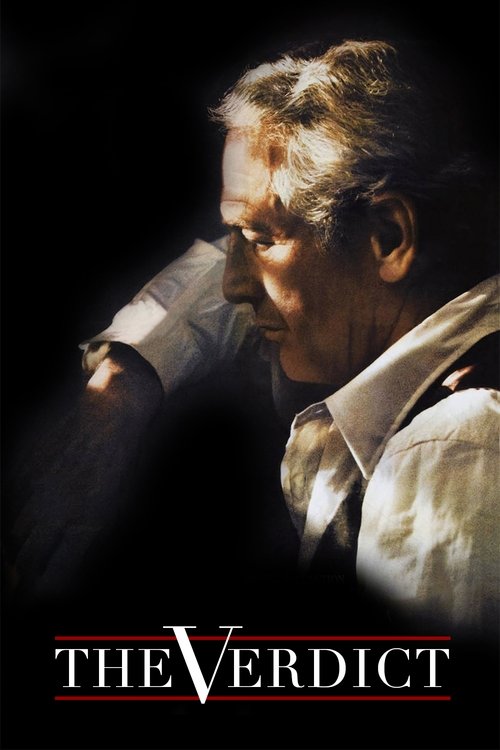
The Verdict
1982Frank Galvin is a down-on-his-luck lawyer and reduced to drinking and ambulance chasing, when a former associate reminds him of his obligations in a medical malpractice suit by serving it to Galvin on a silver platter—all parties are willing to settle out of court. Blundering his way through the preliminaries, Galvin suddenly realizes that the case should actually go to court—to punish the guilty, to get a decent settlement for his clients... and to restore his standing as a lawyer.
In this masterclass of restraint, Newman portrays a washed-up lawyer seeking a final shred of dignity. It is a haunting, lived-in turn that allowed him to embrace the gravity of aging while delivering one of the most powerful courtroom portraits in film history.
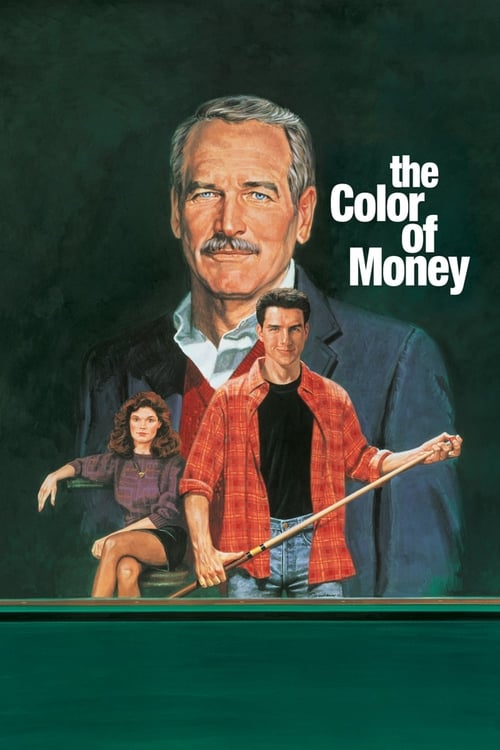
Former pool hustler "Fast Eddie" Felson decides he wants to return to the game by taking a pupil. He meets talented but green Vincent Lauria and proposes a partnership. As they tour pool halls, Eddie teaches Vincent the tricks of scamming, but he eventually grows frustrated with Vincent's showboat antics, leading to an argument and a falling-out. Eddie takes up playing again and soon crosses paths with Vincent as an opponent.
Newman delivers a masterclass in weary charisma, trading his youthful cool for the sharp, cynical edge of a shark who has seen it all. He weaponizes his aging grace to portray Eddie Felson as a man rediscovering his hunger through a haze of cigarette smoke and regret. This performance finally secured his overdue Oscar by proving that a veteran prowl is just as lethal as a rookie sprint.
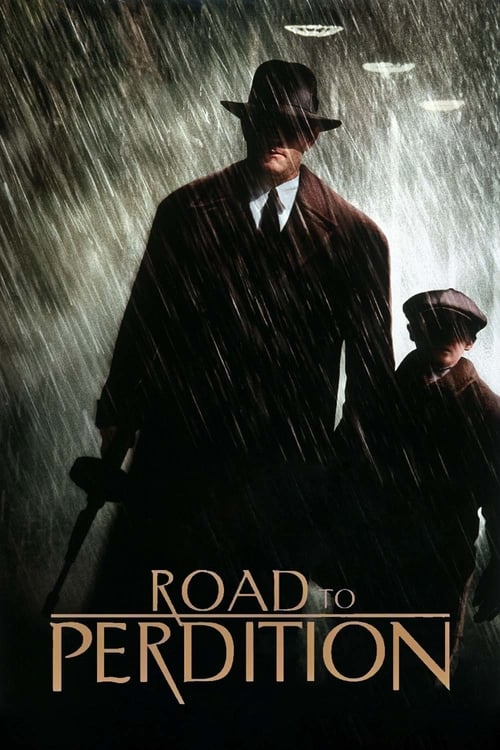
Mike Sullivan works as a hit man for crime boss John Rooney. Sullivan views Rooney as a father figure, however after his son is witness to a killing, Mike Sullivan finds himself on the run in attempt to save the life of his son and at the same time looking for revenge on those who wronged him.
Returning to the screen with a quiet, terrifying authority, Newman brings a Shakespearean weight to his role as a weary mob boss. This final live-action appearance serves as a poignant coda to his career, proving his screen presence remained undiminished even in his twilight years.
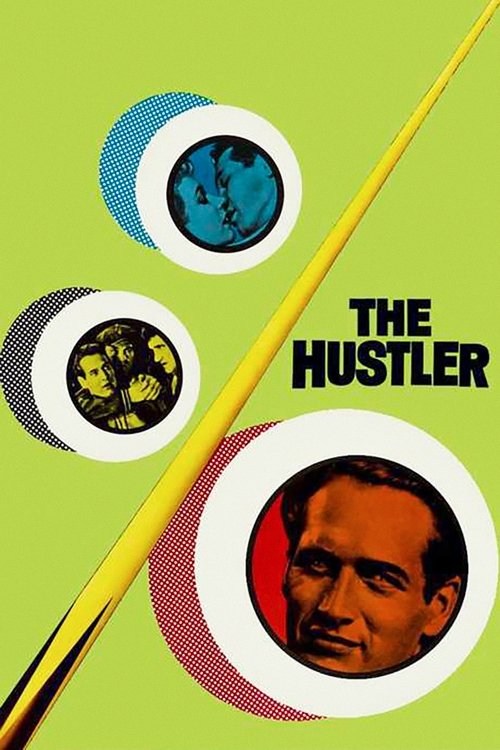
The Hustler
1961Fast Eddie Felson is a small-time pool hustler with a lot of talent but a self-destructive attitude. His bravado causes him to challenge the legendary Minnesota Fats to a high-stakes match.
Newman captures the desperate, self-destructive hunger of Fast Eddie Felson with a raw intensity that marked his transition into serious Method acting. This gritty performance stripped away the studio system polish to reveal a vulnerable, complex artist beneath the matinee idol exterior.
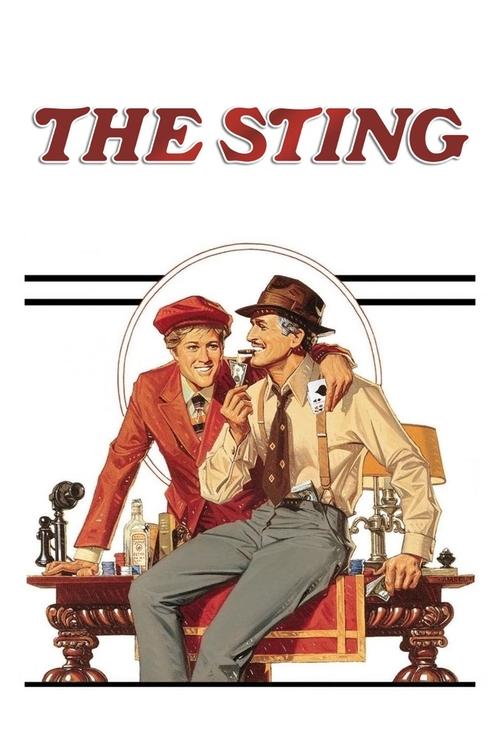
The Sting
1973A novice con man teams up with an acknowledged master to avenge the murder of a mutual friend by pulling off the ultimate big con and swindling a fortune from a big-time mobster.
Reaching the zenith of his collaboration with Robert Redford, Newman weaponizes his lethal charm as the seasoned con man Henry Gondorff. This role solidified his status as the industry's premier leading man, proving he could anchor a blockbuster with effortless, twinkling sophistication.
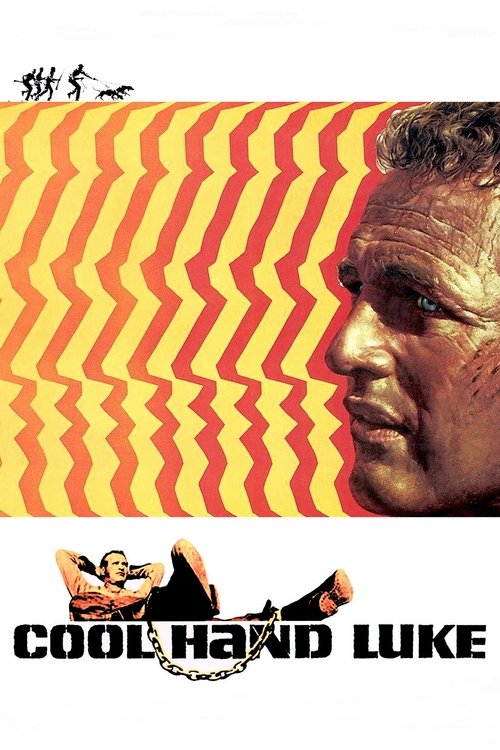
Cool Hand Luke
1967When petty criminal Luke Jackson is sentenced to two years in a Florida prison farm, he doesn't play by the rules of either the sadistic warden or the yard's resident heavy, Dragline, who ends up admiring the new guy's unbreakable will. Luke's bravado, even in the face of repeated stints in the prison's dreaded solitary confinement cell, "the box," make him a rebel hero to his fellow convicts and a thorn in the side of the prison officers.
As the rebellious Luke Jackson, Newman shed his glamorous veneer to become a visceral symbol of anti-establishment defiance. It is the definitive showcase of his physical commitment to a role, cementing his image as the ultimate blue-eyed icon of the counterculture.
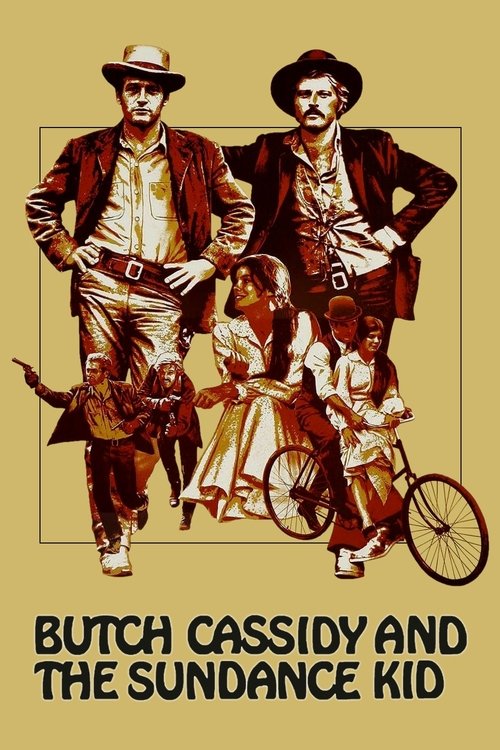
Butch Cassidy and the Sundance Kid
1969As the west rapidly becomes civilized, a pair of outlaws in 1890s Wyoming find themselves pursued by a posse and decide to flee to South America in hopes of evading the law.
Newman reinvented the Western anti-hero here, trading traditional grit for a revolutionary, fast-talking charisma that defined the New Hollywood era. His playful chemistry with Redford created a modern archetype for the screen duo that remains the gold standard of cinematic bromance.
Frequently Asked Questions
Everything you need to know about this list and SnakeDrafts
- Paul Newman shines as the charming outlaw in 'Butch Cassidy and the Sundance Kid,' a classic Western that blends crime, adventure, and history. His performance alongside Robert Redford is iconic for its wit and chemistry.
- 'Cool Hand Luke' is renowned for Paul Newman's portrayal of a rebellious prisoner who refuses to conform, highlighting his ability to embody complex, defiant characters. This role cemented Newman’s legacy as a powerful dramatic actor.
- 'The Hustler' features Paul Newman as a skilled but troubled pool player whose gritty and intense performance added depth to the drama. This film was instrumental in solidifying Newman as a leading figure in American cinema.
- Paul Newman collaborated with Martin Scorsese in 'The Color of Money,' a film about redemption and pool hustling, and with Sidney Lumet in 'The Verdict,' showcasing his talent in courtroom drama. These partnerships brought out some of Newman’s most mature and nuanced performances.
- Newman’s best movies often explore themes of rebellion, redemption, and the complexity of the human spirit, as seen in films like 'Cool Hand Luke,' 'The Verdict,' and 'Road to Perdition.' His characters frequently grapple with internal conflict and moral ambiguity.
- In 'The Sting,' Paul Newman demonstrates his flair for comedy and drama blended with crime capers, portraying a clever con artist with charm and wit. This film showcases his ability to balance lighthearted and intense moments skillfully.
- 'The Hudsucker Proxy' stands out as a unique blend of comedy, drama, and fantasy in Paul Newman’s filmography, offering a lighter and more whimsical tone compared to his often serious roles. It highlights his range and willingness to experiment with different genres.