Best Movies Directed by Sergio Leone
The Definitive Works of a Spaghetti Western Visionary
Explore the legendary filmography of Sergio Leone, covering his iconic Dollars Trilogy and sweeping cinematic epics that redefined the Western genre.
About Sergio Leone
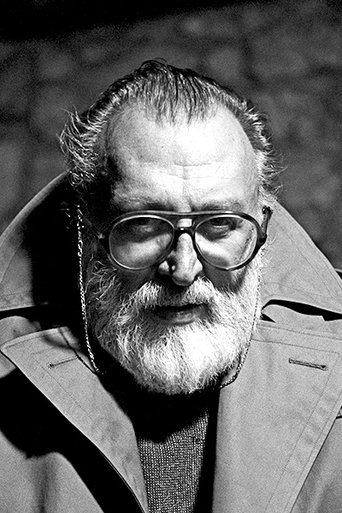
Long before the term cinematic universe became a marketing buzzword, Sergio Leone was busy constructing a mythic geography of his own. He looked at the American West not as a historical record, but as a dreamscape where morality was as scorched as the landscape. While his peers in Italy were flirting with neorealism, he pivoted toward a grand, operatic artifice that would eventually redefine the visual language of the twentieth century. To watch one of his films is to witness a tension between the microscopic and the monumental. He was a master of the standoff, stretching seconds into infinities until the mere blink of an eyelid felt like a thunderclap.
The DNA of his style is famously etched into the Dollars Trilogy. In A Fistful of Dollars and For a Few Dollars More, he stripped away the white-hat heroism of traditional westerns, replacing it with a cynical, sweat-stained pragmatism. His camera work became his signature weapon. He obsessed over the extreme close-up, focusing on squinting eyes and cracked lips with a voyeuristic intensity that forced the audience into the headspace of his gunmen. This intimacy was always balanced by a sudden, jarring pull-back into a wide-screen vista, emphasizing how small these violent men were against the backdrop of a callous frontier.
Music was never an afterthought for him; it was the heartbeat of the edit. His collaboration with Ennio Morricone turned soundtracks into characters. In Once Upon a Time in the West, the score dictates the rhythm of the film, with every creaking windmill and harmonica wail acting as a narrative anchor. That film, perhaps his most complete masterpiece, transformed the railroad expansion into a funeral procession for the old world. He didn't just film a story; he choreographed a ritual. Even his detour into the Mexican Revolution with Duck, You Sucker maintained this preoccupation with the intersection of personal vengeance and grand historical shifts, proving his eye for scale remained unmatched regardless of the setting.
His career culminated in a tonal departure that remains one of the most ambitious swings in film history. With Once Upon a Time in America, he traded the dusty plains for the claustrophobic alleys of Jewish gangster-era New York. It is a sprawling, non-linear meditation on memory and regret that feels less like a crime movie and more like a fever dream. The stylistic flourishes remained, but they were seasoned with a newfound melancholy. It proved that his real interest wasn't in the gunfights or the gold, but in the toll that time takes on a human soul.
What survives of his legacy is a template for the modern blockbuster. Every slow-burn standoff in a contemporary thriller or stylized action sequence owes its pacing to the man who realized that what happens before the trigger is pulled is always more interesting than the shot itself. He elevated the B-movie genre to the level of high opera, leaving behind a body of work that feels as vast and unchanging as the horizons he loved to film. He didn't just change the western; he gave the world a new way to look at the screen.
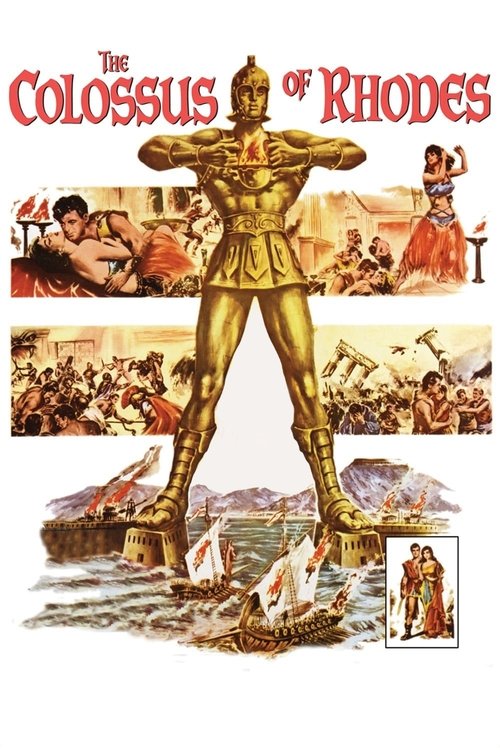
The Colossus of Rhodes
1961While on holiday in Rhodes, Athenian war hero Darios becomes involved in two different plots to overthrow the tyrannical king, one from Rhodian patriots and the other from sinister Phoenician agents.
While constrained by the tropes of the peplum genre, this debut feature already showcases Leone’s nascent fascination with colossal architecture and the choreography of large-scale spectacles. It serves as a fascinating blueprint, proving that his eye for grandiosity was present long before he turned his attention to the dusty plains of the West.
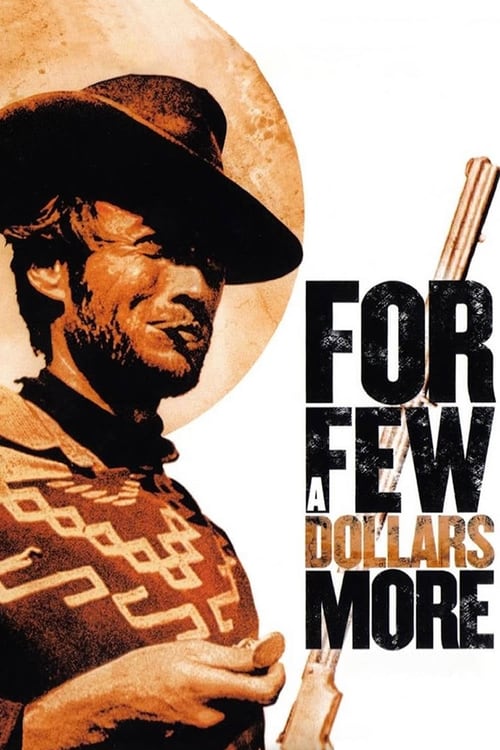
For a Few Dollars More
1965Two bounty hunters both pursue the brutal and sadistic bandit, El Indio, who has a large bounty on his head.
Leone refines his aesthetic here, moving beyond the minimalist origins of his style to embrace the sophisticated, contrapuntal tension that would become his trademark. The introduction of a more complex, dual-protagonist dynamic allows him to explore the precision of cinematic timing as a tool for suspense rather than mere action.
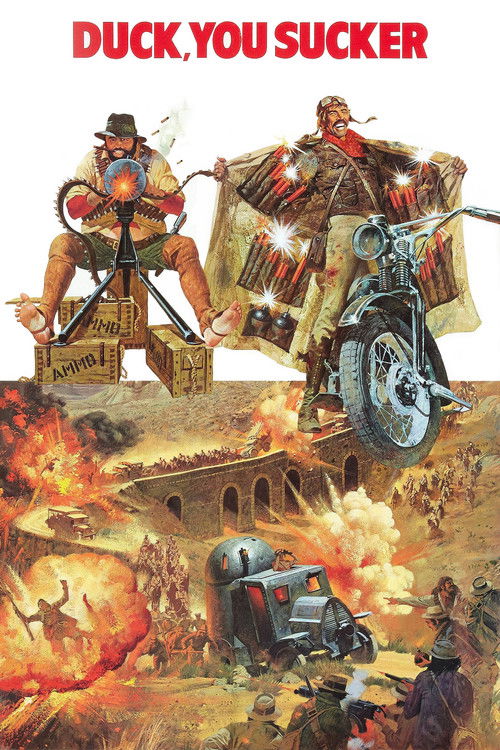
Duck, You Sucker
1971At the beginning of the 1913 Mexican Revolution, greedy bandit Juan Miranda and idealist John H. Mallory, an Irish Republican Army explosives expert on the lam from the British, fall in with a band of revolutionaries plotting to strike a national bank. When it turns out that the government has been using the bank as a hiding place for illegally detained political prisoners -- who are freed by the blast -- Miranda becomes a revolutionary hero against his will.
Often overshadowed by his previous epics, this explosive blend of slapstick humor and political nihilism reveals Leone’s deeply skeptical view of revolutionary zeal. It stands as his most jagged and tonally complex work, punctuating grand historical upheaval with intimate, tragic explosions of emotion.
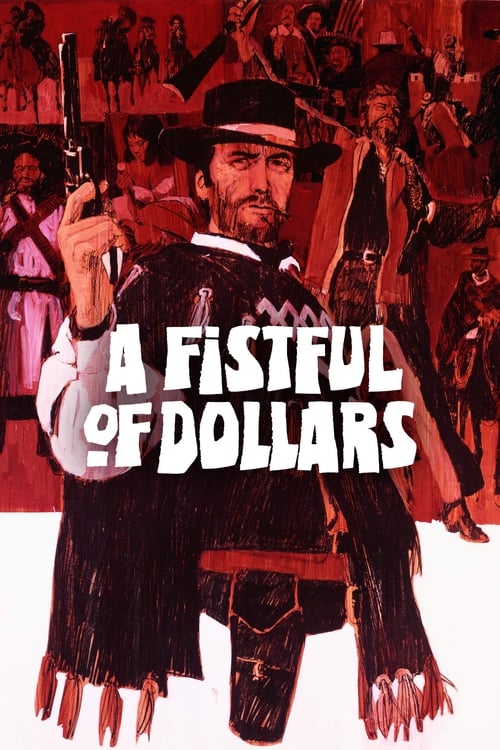
A Fistful of Dollars
1964The Man With No Name enters the Mexican village of San Miguel in the midst of a power struggle among the three Rojo brothers and sheriff John Baxter. When a regiment of Mexican soldiers bearing gold intended to pay for new weapons is waylaid by the Rojo brothers, the stranger inserts himself into the middle of the long-simmering battle, selling false information to both sides for his own benefit.
By infusing the DNA of Kurosawa with a cynical, Mediterranean grit, Leone dismantled the American Western's moral clarity and birthed a new stylistic vernacular. It is a foundational exercise in visual economy and cool detachment that fundamentally shifted the trajectory of commercial filmmaking.
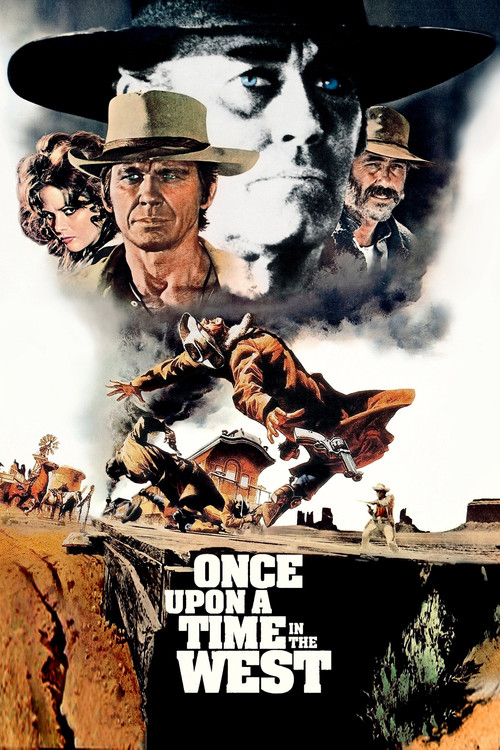
Once Upon a Time in the West
1968As the railroad builders advance unstoppably through the Arizona desert on their way to the sea, Jill arrives in the small town of Flagstone with the intention of starting a new life.
This monumental work represents the apotheosis of the Spaghetti Western, trading quick-draw thrills for a slow-burn, ritualistic study of the frontier's extinction. Leone utilizes extreme close-ups and expansive anamorphic frames to create a sense of mythological weight that redefines the very syntax of the genre.
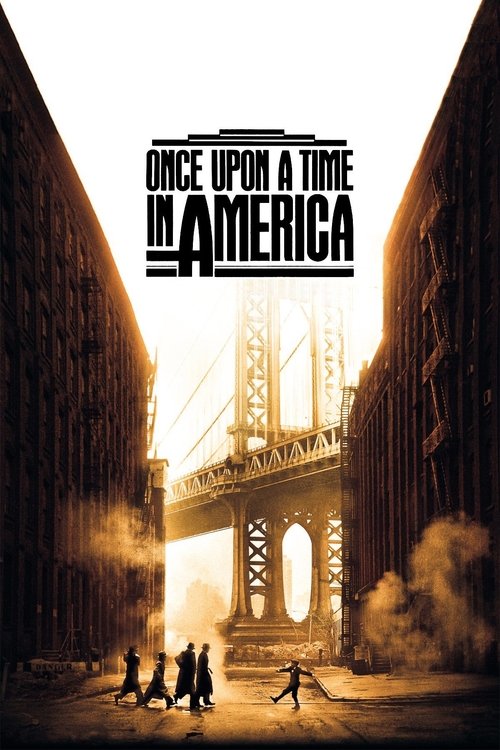
A former Prohibition-era Jewish gangster returns to the Lower East Side of Manhattan over thirty years later, where he once again must confront the ghosts and regrets of his old life.
Leone’s elegiac swan song transcends the crime genre to become a sprawling, melancholic meditation on time and the corrosive nature of memory. Through a labyrinthine structure and Morricone’s haunting score, the director elevates a gritty underworld saga into a ghostly, operatic vision of a vanishing America.
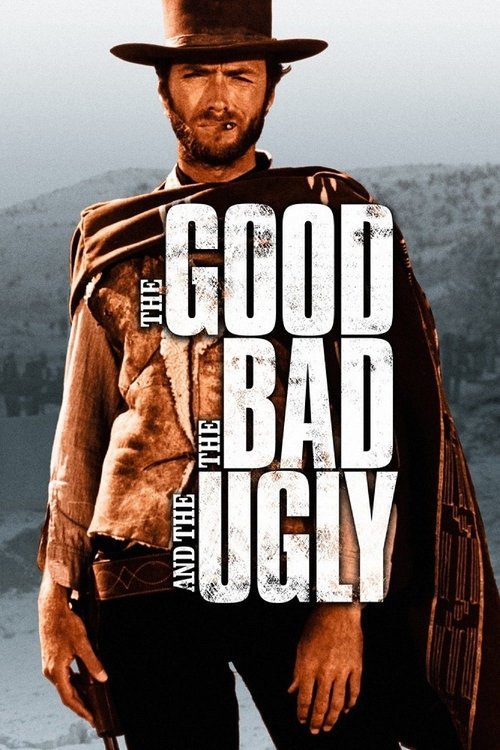
The Good, the Bad and the Ugly
1966While the Civil War rages on between the Union and the Confederacy, three men – a quiet loner, a ruthless hitman, and a Mexican bandit – comb the American Southwest in search of a strongbox containing $200,000 in stolen gold.
Leone redefined the Western by stretching time through extreme close-ups and operatic long shots, turning a Civil War scavenger hunt into a mythic dance of death. His masterful command of rhythmic editing and spatial tension transformed the genre into a landscape of moral ambiguity and stylistic excess. This film stands as the definitive realization of his vision, where Ennio Morricone’s score and the camera’s gaze collide to create a widescreen fever dream.
Frequently Asked Questions
Everything you need to know about this list and SnakeDrafts
- Sergio Leone's Dollars Trilogy, including A Fistful of Dollars, For a Few Dollars More, and The Good, the Bad and the Ugly, revolutionized the Western genre with its stylistic close-ups, morally complex characters, and iconic Ennio Morricone score. These films introduced a gritty, operatic tone that contrasted with traditional Westerns and influenced countless filmmakers.
- Once Upon a Time in America is a sprawling crime drama that shifts away from Leone's Western settings to explore themes of friendship, betrayal, and the passage of time in 20th century America. Its narrative complexity and emotional depth showcase Leone's versatility beyond the Western genre.
- Once Upon a Time in the West features themes of revenge, survival, and the encroachment of civilization, depicted through sweeping landscapes and deliberate pacing. Leone uses these motifs to craft a mythic version of the American frontier that blends tragedy with grandeur.
- Duck, You Sucker, also known as A Fistful of Dynamite, explores the Mexican Revolution with a mix of political commentary and Leone's signature stylistic flourishes. It stands out for its heavier focus on historical context and the unlikely friendship between its leads.
- The Colossus of Rhodes is a departure from Leone's Westerns and instead is an adventure historical drama centered on ancient Greece. While less known, it displays his early directorial skill in creating epic narratives and grand set pieces.
- Leone pioneered a distinct visual language characterized by extreme close-ups, wide panoramic shots, and meticulous framing that heightened tension and drama. His operatic style and innovative editing helped redefine cinematic storytelling, especially in the Western genre.
- Yes, recurring motifs include themes of morality in a lawless landscape, the hero's ambiguous role, and epic storytelling underscored by powerful musical scores. These elements unify his films, from the Dollars Trilogy to Once Upon a Time in America, creating a consistent auteur signature.