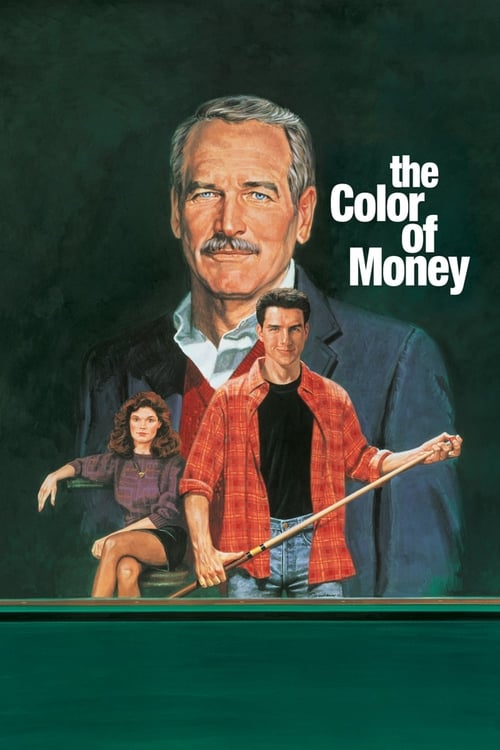
The Color of Money
In Martin Scorsese's "The Color of Money," pool shark Fast Eddie Felson returns to the felt, mentoring a cocky young protege. This captivating drama explores ambition, mentorship, and the allure of the hustle, drawing viewers into the smoky world of professional billiards with dazzling style.
Director
Release Year
1986
Runtime
119 minutes
Genres
Main Cast
Paul Newman, Tom Cruise, Mary Elizabeth Mastrantonio, Helen Shaver, John Turturro
About The Color of Money
Martin Scorsese's "The Color of Money" is more than just a sequel to the classic "The Hustler"; it's a compelling character study that delves into the psychology of competition and the delicate balance between skill and showmanship. Released in 1986, the film masterfully bridges generations of pool players, exploring themes of legacy, redemption, and the evolving nature of the game itself. It offered a rare glimpse into the competitive pool circuit, elevating the sport beyond a mere game to an art form.
The film centers on "Fast Eddie" Felson, now a liquor salesman, who discovers Vincent Lauria, a charismatic but undisciplined talent. Their journey through smoke-filled pool halls is a lesson in the art of the hustle, where Eddie attempts to impart not just the mechanics of the game, but also the strategic deception required to truly dominate. The narrative skillfully builds tension as their mentor-protege dynamic frays, leading to a clash of egos and playing styles that is both inevitable and electrifying.
Critically, "The Color of Money" was well-received, particularly for its sharp screenplay and the captivating performances of its lead actors. Paul Newman reprised his iconic role as Fast Eddie Felson, earning an Academy Award for Best Actor, a testament to his nuanced portrayal of an aging legend grappling with his past and present. Tom Cruise, as the brash Vincent, equally shines, embodying the youthful exuberance and raw talent that both entices and frustrates Eddie.
Beyond its critical acclaim, the film holds a significant place in popular culture. It not only ignited a renewed interest in billiards but also showcased Scorsese's versatility as a director, proving his ability to craft engaging narratives outside his more frequently explored genre of crime dramas. The movie's legacy endures as a compelling sports drama that transcends its subject matter, offering timeless insights into human ambition and the pursuit of mastery.
Drafts Featuring The Color of Money
Every SnakeDrafts listicle where this movie appears
The Best of Tom Cruise Movies Ranked
Ranked #11
The Best Forest Whitaker Movies Ranked
Ranked #8
The Best John Turturro Movies Ranked
Ranked #11
The Best Paul Newman Movies Ranked
Ranked #6
The Ultimate Martin Scorsese Movie Rankings
Ranked #20
Mary Elizabeth Mastrantonio Movies Ranked Definitively
Ranked #2
Best 1986 Movies of All Time
Ranked #7
A Ranking of Paul Herman's Best Movies
Ranked #18
Similar Movies
Movies related to The Color of Money
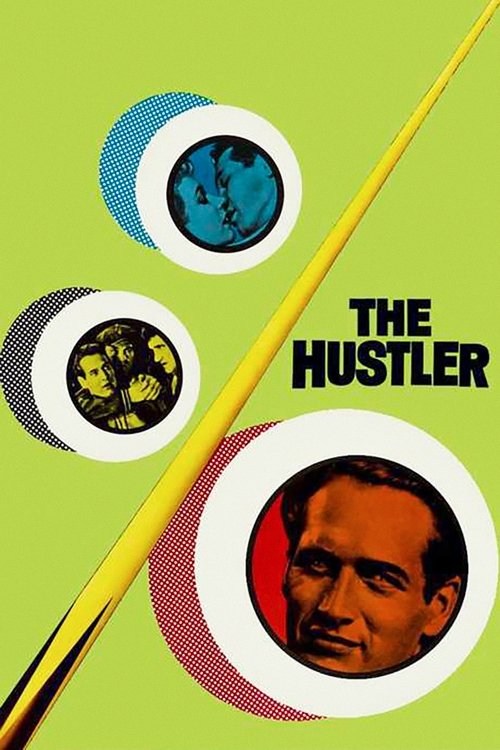
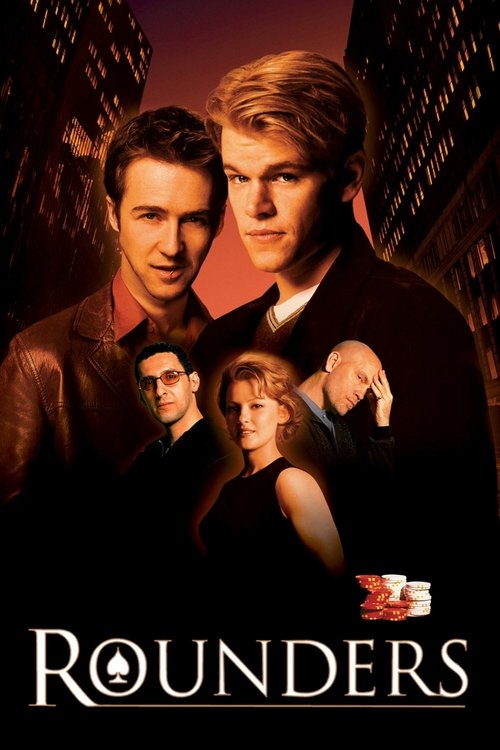
Frequently Asked Questions
Everything you need to know about The Color of Money
- The title "The Color of Money" refers to the green felt of the pool table as well as the monetary rewards of winning. It symbolizes the allure and sometimes corrupting influence of wealth in the high-stakes world of professional billiards, highlighting how financial gain can motivate and change individuals.
- Vincent Lauria begins as a raw, naturally gifted, but unrefined player. Under Eddie's mentorship, he learns the strategic nuances and psychological aspects of the hustle. His evolution is marked by a shift from pure showmanship to a more calculated and disciplined approach to the game, though his underlying flamboyant nature persists.
- The central conflict stems from their contrasting philosophies on playing pool. Eddie, wise from experience, emphasizes the hustle and calculated strategy, while Vincent, young and arrogant, prioritizes showmanship and raw talent. This clash of approaches ultimately leads to their professional and personal estrangement.
- The ending of "The Color of Money" is intentionally ambiguous, leaving the ultimate victor undefined in their final match. This ambiguity suggests that the true 'win' isn't just about the game's outcome but about personal growth, self-discovery, and the passing of a torch from one generation to the next.
- The film explores mentorship through the complex relationship between Eddie and Vincent. It illustrates the challenges and rewards of guiding a younger talent, showcasing the difficulty of imparting wisdom and the inevitable tension that arises when a protege begins to challenge the mentor's authority and methods, ultimately leading to both growth and conflict for both characters.

