The Top Movies Featuring Danny Aiello
Unforgettable Performances from a New York Legend
Discover the most iconic film roles of Danny Aiello, from his Oscar-nominated turn in Do the Right Thing to crime classics and heartfelt dramas.
About Danny Aiello
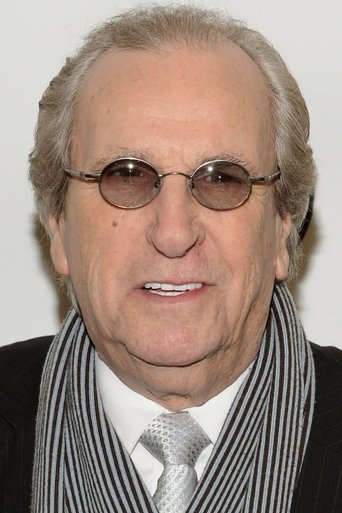
Danny Aiello never looked like a man who spent his mornings in an acting workshop. He possessed the thick-set frame and weary, watchful eyes of someone who had actually worked for a living, a quality that made him the ultimate utility player in New York cinema. He was the soulful anchor of the outer boroughs, a performer who could shift from a menacing neighborhood enforcer to a tender, heartbroken father without changing his shirt. While his peers often chased vanity, he leaned into the friction of the everyday man, carving out a legacy as the cinematic conscience of a disappearing city.
His presence in The Godfather Part II was brief but legendary, providing the muscle behind the iconic line regarding Michael Corleone’s regards, yet it was his collaborations with directors like Woody Allen that proved his range extended far beyond the stereotypical heavy. In Radio Days and The Purple Rose of Cairo, he displayed a nimble, almost musical timing that spoke to his deep love of old-school standards. Even when playing a cop in the gritty landscape of Fort Apache, the Bronx or a politician in City Hall, he brought a specific brand of ethical fatigue that suggested his characters had seen far too much of the world.
The apex of his cultural resonance arrived in 1989 with Spike Lee’s Do the Right Thing. As Sal, the owner of a Bed-Stuy pizzeria, he delivered a masterclass in the complexity of the human spirit. He managed to make a character both sympathetic and combustible, a man who loved his neighborhood but was ultimately blinded by his own pride. It was a role that earned him an Oscar nomination and solidified his status as the voice of the old neighborhood. He followed this with a streak of vulnerability, playing the mama’s boy fiancé in Moonstruck and the angelic chiropractor who provides a moment of spiritual grace in the hallucinatory Jacob’s Ladder.
By the time he anchored the cult favorite Dinner Rush, he had become the definitive screen patriarch. Whether he was playing the calculating mob fixer in Léon: The Professional or the gambler in 29th Street, there was always a foundational warmth to his work. Audiences connected with him because he felt familiar. He was the uncle you feared, the father you wanted to impress, and the neighbor who knew everyone’s business. His characters were rarely simple heroes or villains. Instead, they were men caught in the middle of changing times, holding onto their dignity with both hands.
From his early days in The Front to his late-career turn in Lucky Number Slevin, he remained an essential texture in the fabric of American film. He didn't need a lead role to dominate a scene. He simply occupied space with a confident, street-smart authority that can't be taught. He wasn't just an actor playing a New Yorker. He was the city itself, loud, complicated, occasionally terrifying, but possessed of an undeniable, beating heart.
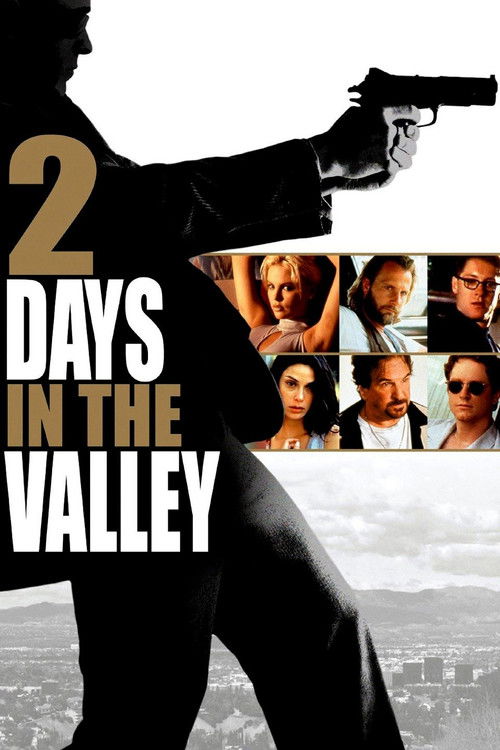
2 Days in the Valley
1996In a sleepy bedroom community of LA's San Fernando Valley, the murder of a professional athlete by two hit men sets into motion a chain of events that puts the mundane lives of a dozen residents on a collision course. This clever tale tells the story of two hit men, a mistress, a nurse, a vindictive ex-wife, a wealthy art dealer and his lovelorn assistant, a suicidal writer and his dog, and a bitter cop and his partner.
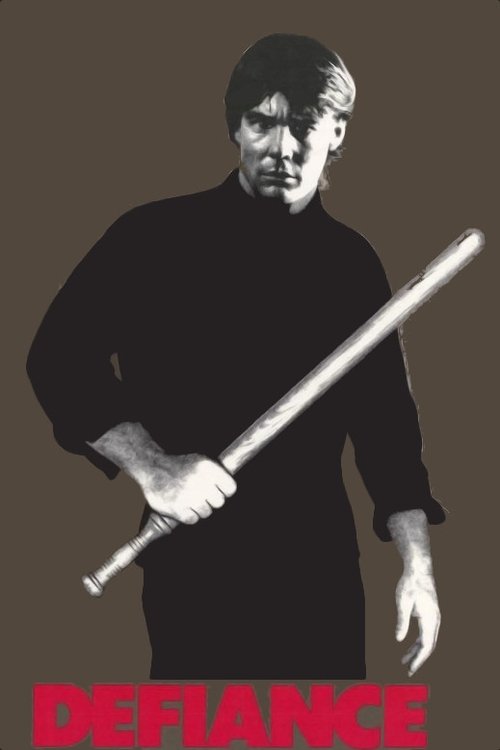
Defiance
1980Tommy takes up temporary housing in a New York neighborhood plagued by a violent gang called the Souls. Tommy is waiting for his next assignment as a seaman and though he tries to avoid the gang and his neighbors, it does not work. Soon he is battling the Souls and not only changing their attitudes, but the attitudes of his previously intimidated neighbors as well.
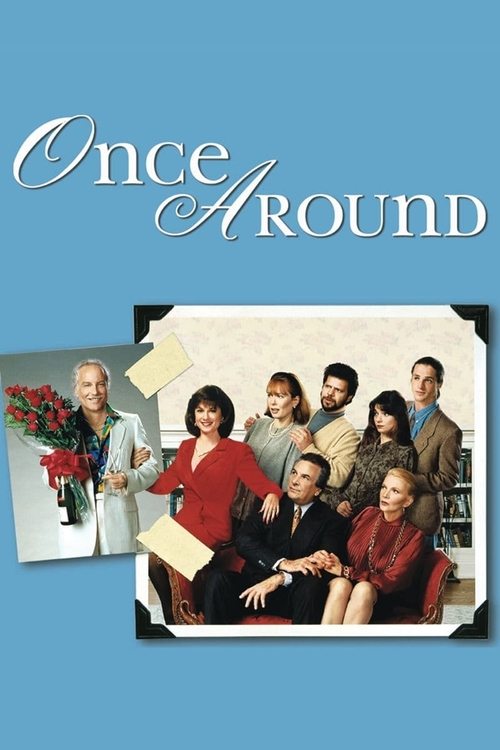
Once Around
1991Renata Bella feels like a failure at life and career. But when Renata attends a seminar on selling real estate, she finally finds True Love. Sam Sharpe, while a top-notch, successful salesman, is much older than Renata. She is swept away by his excessively flamboyant style and irrepressible nature. The very traits she finds romantic, however, lead to repeated conflict with her family, especially her beloved father Joe, leaving Renata trapped in the middle.
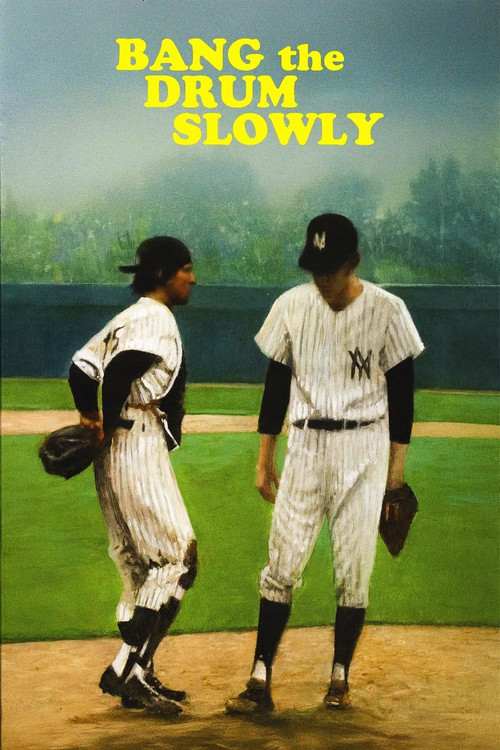
Bang the Drum Slowly
1973The story of a New York pro baseball team and two of its players. Henry Wiggen is the star pitcher and Bruce Pearson is the normal, everyday catcher who is far from the star player on the team and friend to all of his teammates. During the off-season, Bruce learns that he is terminally ill, and Henry, his only true friend, is determined to be the one person there for him during his last season with the club. Throughout the course of the season, Henry and his teammates attempt to deal with Bruce's impending illness, all the while attempting to make his last year a memorable one.
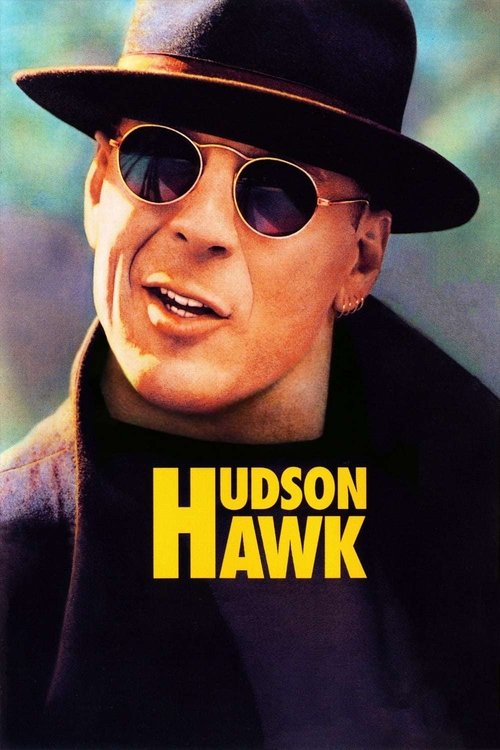
Hudson Hawk
1991Eddie Hawkins, called Hudson Hawk has just been released from ten years of prison and is planning to spend the rest of his life honestly. But then the crazy Mayflower couple blackmail him to steal some of the works of Leonardo da Vinci. If he refuses, they threaten to kill his friend Tommy.
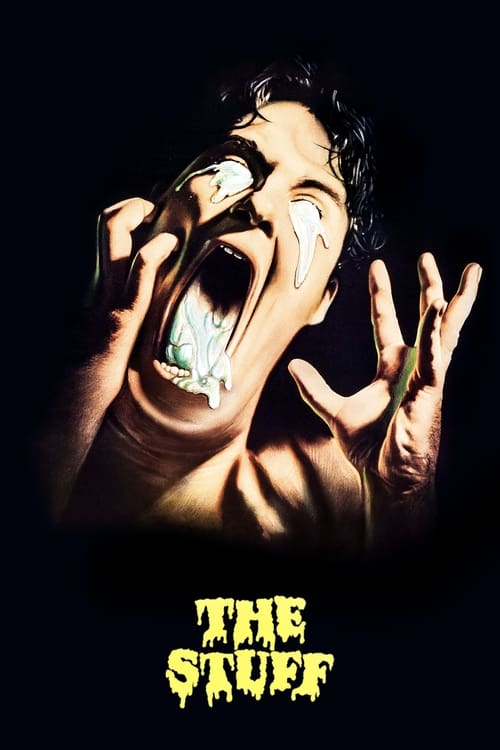
The Stuff
1985Amalgamated Dairies hires David Rutherford, an FBI man turned industrial saboteur, to investigate a popular new product called “the Stuff,” a new dessert product that is blowing ice cream sales out of the water. Nobody knows how it’s made or what’s in it, but people are lining up to buy it. It's got a delicious flavor to die for!
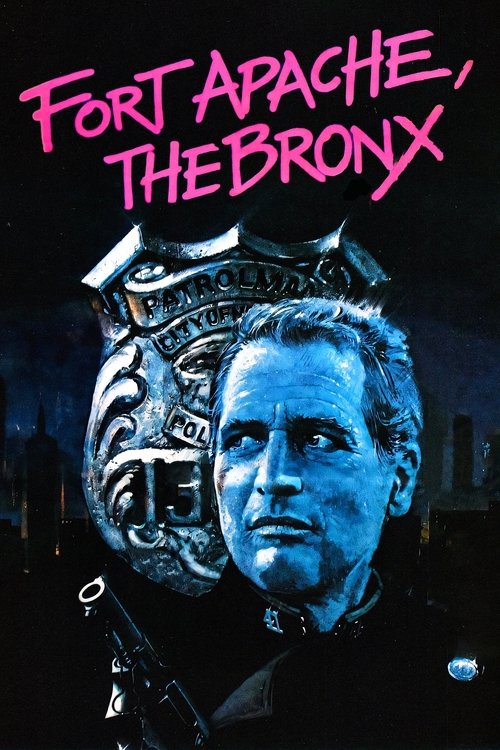
Fort Apache, the Bronx
1981From the sight of a police officer this movie depicts the life in New York's infamous South Bronx. In the center is "Fort Apache", as the officers call their police station, which really seems like an outpost in enemy's country. The story follows officer Murphy, who seems to be a tuff cynic, but in truth he's a moralist with a sense for justice.
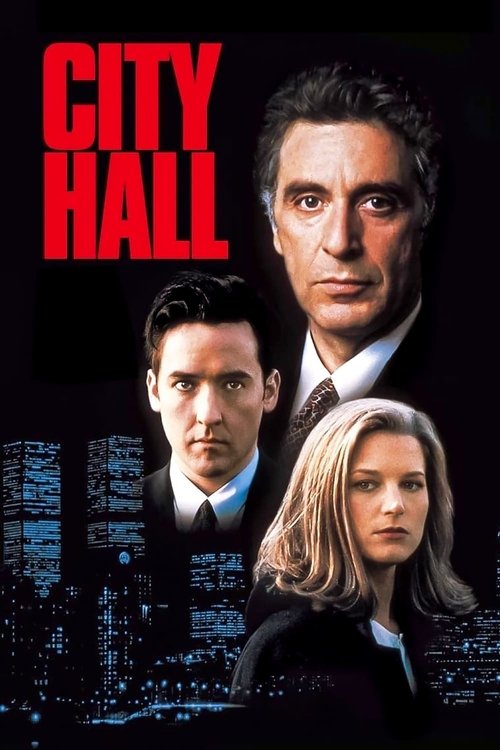
City Hall
1996The accidental shooting of a boy in New York City leads to an investigation by the Deputy Mayor, and unexpectedly far-reaching consequences.
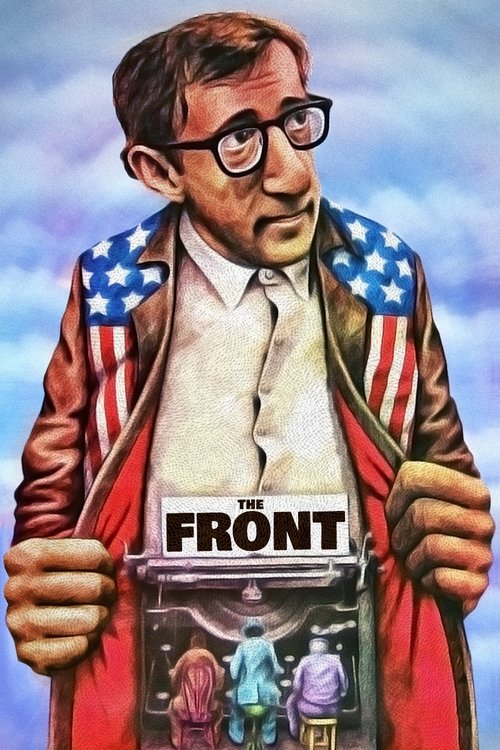
The Front
1976A cashier poses as a writer for blacklisted talents to submit their work through, but the injustice around him pushes him to take a stand.
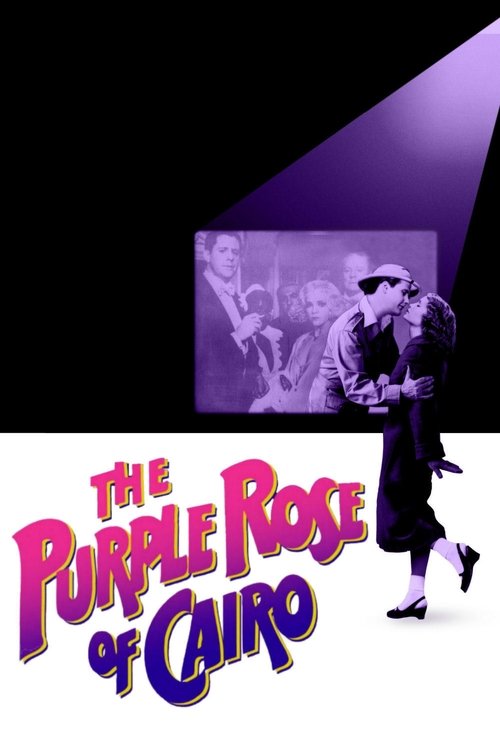
Cecilia is a waitress in New Jersey, living a dreary life during the Great Depression. Her only escape from her mundane reality is the movie theatre. After losing her job, Cecilia goes to see 'The Purple Rose of Cairo' in hopes of raising her spirits, where she watches dashing archaeologist Tom Baxter time and again.
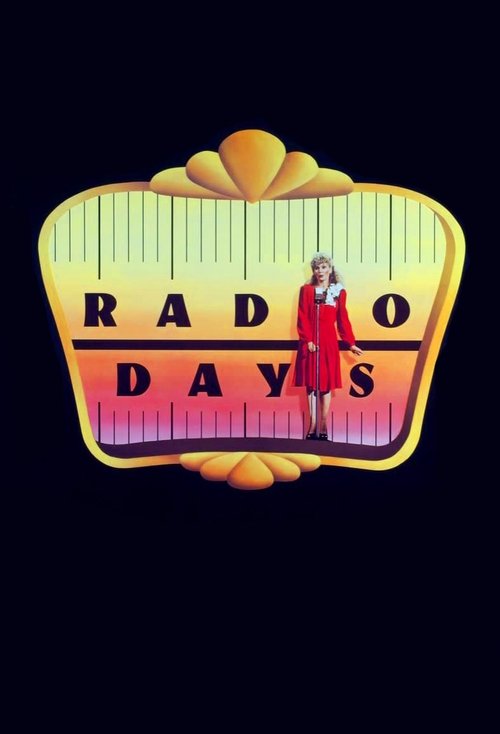
Radio Days
1987The Narrator tells us how the radio influenced his childhood in the days before TV. In the New York City of the late 1930s to the New Year's Eve 1944, this coming-of-age tale mixes the narrator's experiences with contemporary anecdotes and urban legends of the radio stars.
In this nostalgic vignette, Aiello embodies the quintessential mid-century tough guy with a heart of gold. He fits perfectly into the film's episodic structure, capturing a specific Brooklyn archetype that he spent his entire career refining.
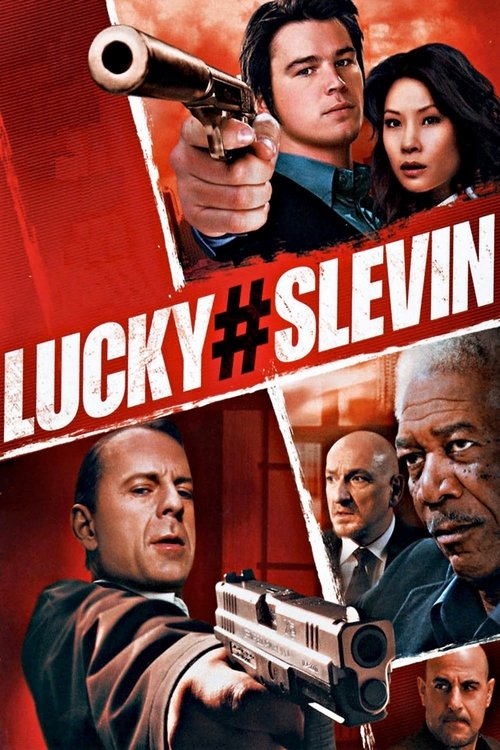
Slevin is mistakenly put in the middle of a personal war between the city’s biggest criminal bosses. Under constant watch, Slevin must try not to get killed by an infamous assassin and come up with an idea of how to get out of his current dilemma.
Aiello leans into the stylistic artifice of this neo-noir as a sharp-tongued bookie, adding a layer of grit to an otherwise slick production. Even in a cameo, he utilizes his seasoned presence to remind the audience of the genre's traditional roots.
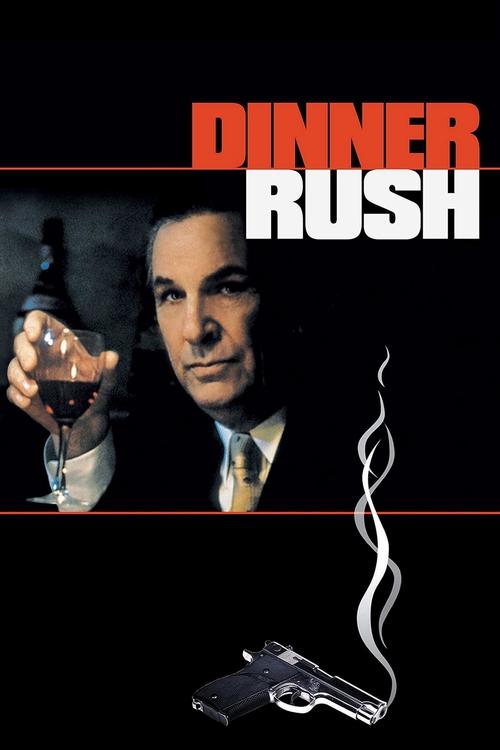
Dinner Rush
2000One unlucky evening, Louis Cropa, a part-time bookmaker, discovers that his restaurant has become a hotbed of conflicting characters. In addition to having to please a whiny food critic, Louis must fend off a hostile takeover from a pair of gangsters, to whom his sous-chef is in debt. Further, Louis has an argument with his son, the star chef, whose culinary creativity has brought success to the business.
Operating at the height of his late career powers, Aiello commands the screen as a restaurateur juggling mob debts and a changing culinary landscape. His weary dignity carries this taut indie, proving he could lead a film with the same effortless authority he brought to his ensemble roles.
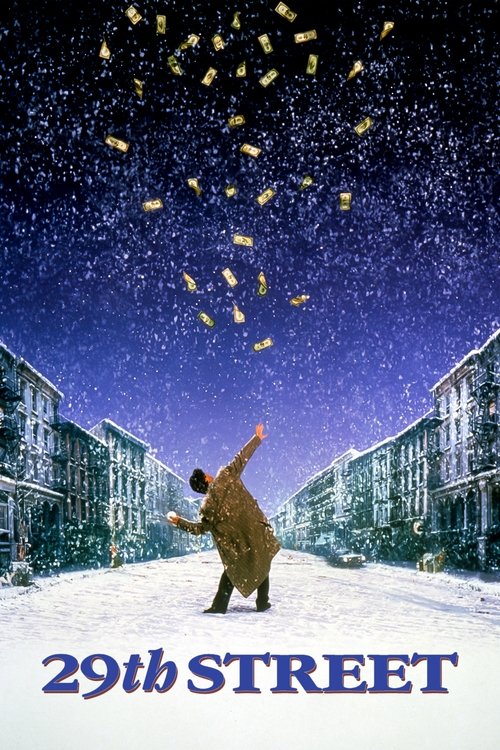
29th Street
1991After winning $6.2 million in the 1976 New York State Lottery, he is arrested for throwing rocks at a church. He then tells his story at the police station.
This hidden gem allows Aiello to lean into his natural charisma, portraying a father caught between the superstitious luck of a son and the harsh realities of the neighborhood. It is perhaps his most soulful work, blending high energy comedy with profound familial devotion.

Jacob's Ladder
1990After returning home from the Vietnam War, veteran Jacob Singer struggles to maintain his sanity. Plagued by hallucinations and flashbacks, Singer rapidly falls apart as the world and people around him morph and twist into disturbing images. His girlfriend, Jezzie, and ex-wife, Sarah, try to help, but to little avail. Even Singer's chiropractor friend, Louis, fails to reach him as he descends into madness.
In this descent into psychological horror, Aiello acts as a literal and figurative angel of mercy whose physical presence offers the only solace in a fractured reality. His role as the gentle chiropractor Louis transcends mere supporting work to become the film's spiritual anchor.
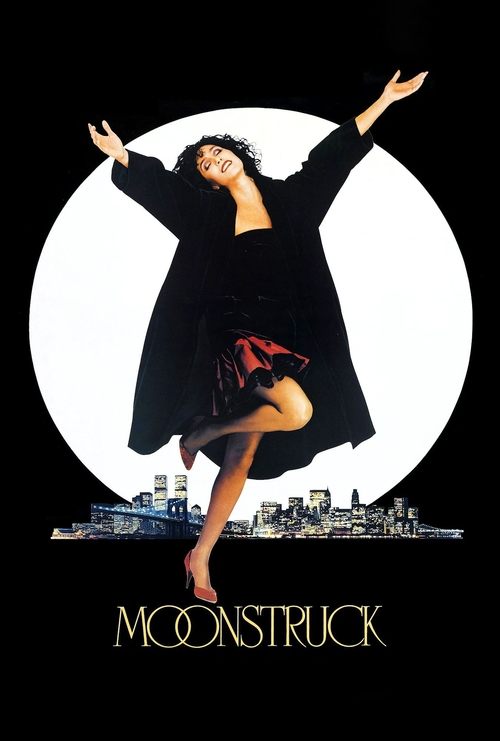
Moonstruck
198737-year-old Italian-American widow Loretta Castorini believes she is unlucky in love, and so accepts a marriage proposal from her boyfriend Johnny, even though she doesn't love him. When she meets his estranged younger brother Ronny, an emotional and passionate man, she finds herself drawn to him. She tries to resist, but Ronny, who blames his brother for the loss of his hand, has no scruples about aggressively pursuing her while Johnny is out of the country. As Loretta falls for Ronny, she learns that she's not the only one in her family with a secret romance.
Aiello plays the quintessential foil as the hopelessly square Johnny Cammareri, offering a subtle masterclass in comedic vulnerability. He provides the necessary gravity of a safe choice, making the romantic turmoil of the central leads feel both urgent and earned.
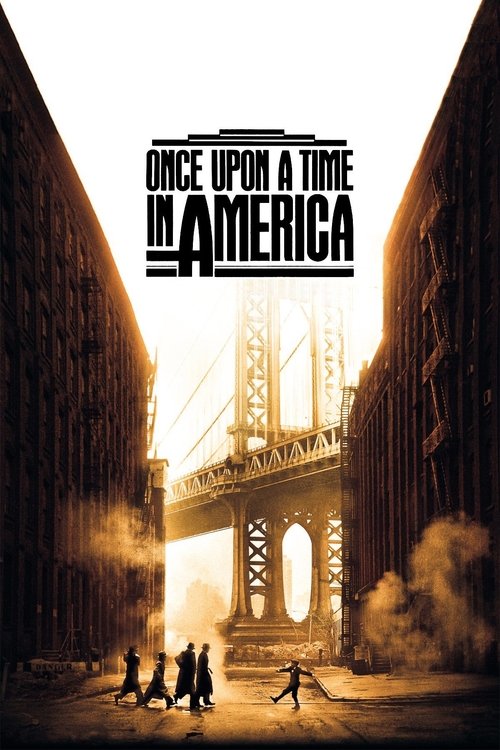
A former Prohibition-era Jewish gangster returns to the Lower East Side of Manhattan over thirty years later, where he once again must confront the ghosts and regrets of his old life.
Playing a corrupt police chief in Leone’s expansive dreamscape, Aiello shifts away from his usual warmth to inhabit a role defined by bureaucratic brutality. This performance showcased his range and proved he could withstand the weight of a demanding, four hour operatic tragedy.
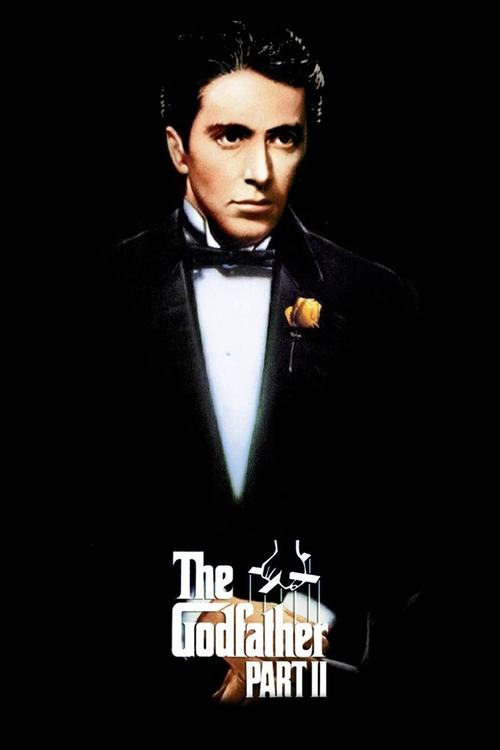
In the continuing saga of the Corleone crime family, a young Vito Corleone grows up in Sicily and in 1910s New York. In the 1950s, Michael Corleone attempts to expand the family business into Las Vegas, Hollywood and Cuba.
Though his screen time is brief, Aiello seizes his moment in the Coppola epic by injecting Tony Rosato with a terrifying, improvised authenticity. It remains a definitive example of his ability to leave a permanent mark on a sprawling cinematic tapestry with just a few sharp, calculated lines.
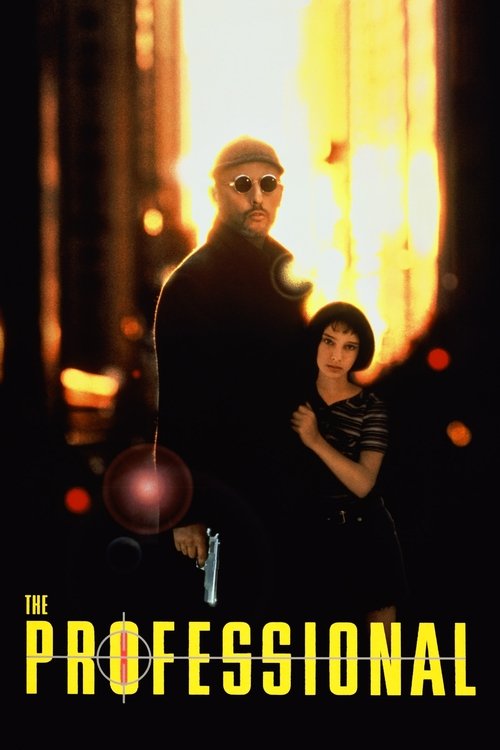
Léon, the top hit man in New York, has earned a rep as an effective "cleaner". But when his next-door neighbors are wiped out by a loose-cannon DEA agent, he becomes the unwilling custodian of 12-year-old Mathilda. Before long, Mathilda's thoughts turn to revenge, and she considers following in Léon's footsteps.
Aiello radiates a menacing yet paternal charm as Tony, the pasta-eating middleman who turns organized crime into a mundane family business. His performance serves as the essential narrative tether between the film's hyper-violent action and its surprisingly tender emotional center.
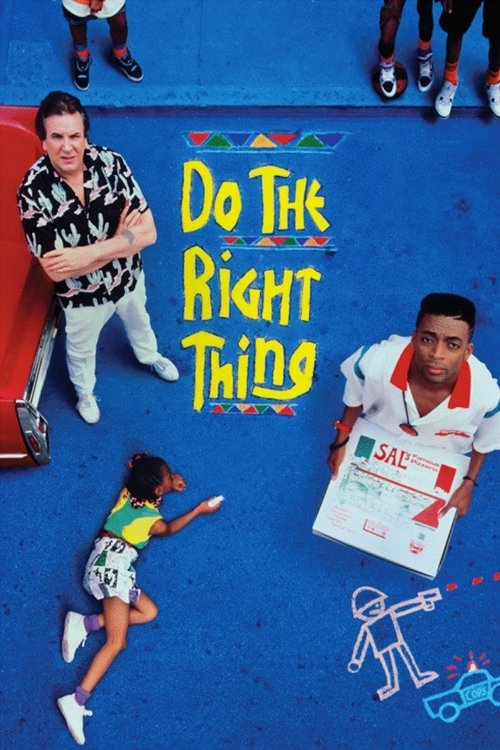
Sal is the Italian owner of a pizzeria in Brooklyn. A neighborhood local, Buggin' Out, becomes upset when he sees that the pizzeria's Wall of Fame exhibits only Italian actors. Buggin' Out believes a pizzeria in a black neighborhood should showcase black actors, but Sal disagrees. The wall becomes a symbol of racism and hate to Buggin' Out and to other people in the neighborhood, and tensions rise.
As Sal, Aiello provides the volatile human heartbeat of a simmering Brooklyn summer, earning an Oscar nod by grounding a stylized masterpiece in blue-collar pathos. He masterfully navigates the gray area between neighborhood fixture and catalyst for chaos, making the character’s internal conflict the film's tragic core.
Frequently Asked Questions
Everything you need to know about this list and SnakeDrafts
- Danny Aiello received an Oscar nomination for his powerful performance in Spike Lee's drama Do the Right Thing. His portrayal of Sal, the pizzeria owner, captured complex emotions and racial tension, making it one of his most iconic roles.
- Danny Aiello delivered memorable performances in crime classics such as The Godfather Part II and Léon: The Professional. These films showcase his versatility, portraying characters that range from gritty mobsters to involved side characters.
- Aiello's career demonstrates a unique ability to navigate both heartfelt dramas like Once Upon a Time in America and comedies such as Moonstruck and 29th Street. His natural, grounded acting style brought authenticity to both emotional and humorous scenes.
- Films like Do the Right Thing, Fort Apache, the Bronx, and Dinner Rush spotlight Danny Aiello’s deep connection to New York City, often portraying tough, streetwise characters that embody the spirit of the outer boroughs. These roles underline his reputation as a quintessential New York actor.
- Danny Aiello’s filmography spans a wide range of genres including drama, crime, comedy, thriller, and even horror with movies like The Stuff. This diversity highlights his adaptability and talent in delivering compelling performances across different cinematic styles.
- Danny Aiello portrayed tender father figures and protective characters in movies like Moonstruck and 29th Street. His warm yet nuanced performances added depth to these roles, showing his capability for emotional resonance beyond tough-guy personas.
- Yes, Danny Aiello collaborated with acclaimed directors such as Woody Allen in Radio Days and The Purple Rose of Cairo, and Spike Lee in Do the Right Thing. These partnerships helped highlight his range and embed him in critically acclaimed projects.