
Heat
Heat (1995) is a gripping crime drama that delves into the intense cat-and-mouse chase between a master thief and a relentless detective in Los Angeles. Featuring powerhouse performances from Al Pacino and Robert De Niro, this film masterfully blends action and suspense with deep character exploration, making it a landmark in the crime genre.
Director
Release Year
1995
Runtime
170 minutes
Main Cast
Al Pacino, Robert De Niro, Val Kilmer, Jon Voight, Tom Sizemore
About Heat
Heat is widely regarded as a seminal crime film that redefined the genre with its meticulous attention to detail, psychological depth, and complex characters. Director Michael Mann's atmospheric portrayal of Los Angeles sets a moody and immersive stage for the intertwined lives of criminals and law enforcement. The film's depiction of urban crime and morally ambiguous characters has influenced countless films and TV shows.
The story centers on Neil McCauley, an expert thief with a strict personal code, and Vincent Hanna, a dedicated detective who matches Neil's intensity and intellect. The plot unfolds through a series of sophisticated heists and investigations, showcasing both men’s professional prowess and personal struggles without revealing spoilers. This dual perspective heightens the tension and emotional stakes.
Critically acclaimed for its script, direction, and especially the electrifying dynamic between Pacino and De Niro, Heat received praise for its realism and thrilling sequences—most notably, its iconic bank robbery and shootout scenes. The film was acknowledged by various awards bodies for its gripping narrative and technical achievements.
Heat's legacy endures as a benchmark for crime thrillers, often cited for its influence on the heist genre and for bringing a dramatic gravitas seldom seen in action movies of its time. Its explorations of loyalty, obsession, and the blurry line between good and bad continue to resonate with audiences and filmmakers alike.
Drafts Featuring Heat
Every SnakeDrafts listicle where this movie appears
The Best Robert De Niro Movies Ranked
Ranked #4
The Best Natalie Portman Movies Ranked
Ranked #4
The Best Val Kilmer Movies Ranked
Ranked #3
The Best Tom Sizemore Movies Ranked
Ranked #2
The Greatest Ashley Judd Movies Ever
Ranked #1
Michael Mann Films Ranked Definitively
Ranked #1
Best Movies of 1995
Ranked #1
The Greatest Jeremy Piven Movies Ever
Ranked #1
A Ranking of Paul Herman's Best Movies
Ranked #4
The Best 1995 Action Movies Ranked
Ranked #4
The Best Movies of the 1990s Ranked
Ranked #14
The Greatest Crime Movies of 1995
Ranked #1
The Greatest Crime Movies Ranked
Ranked #3
The Greatest 1990s Crime Movies Ranked
Ranked #6
The Best Al Pacino Movies Ranked
Ranked #3
Similar Movies
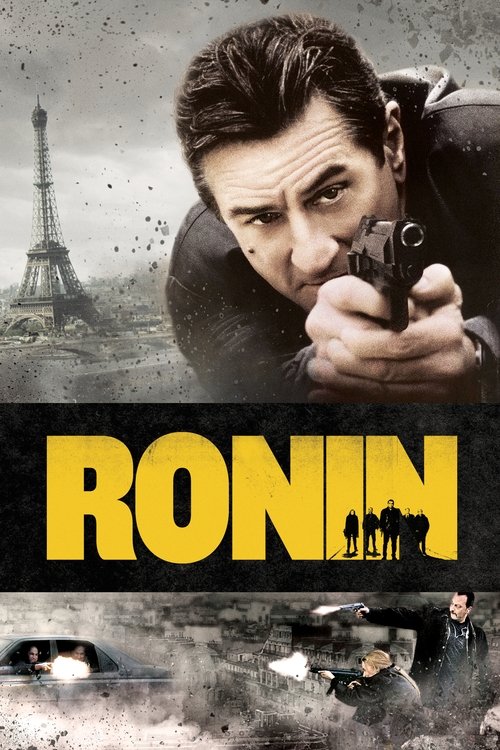
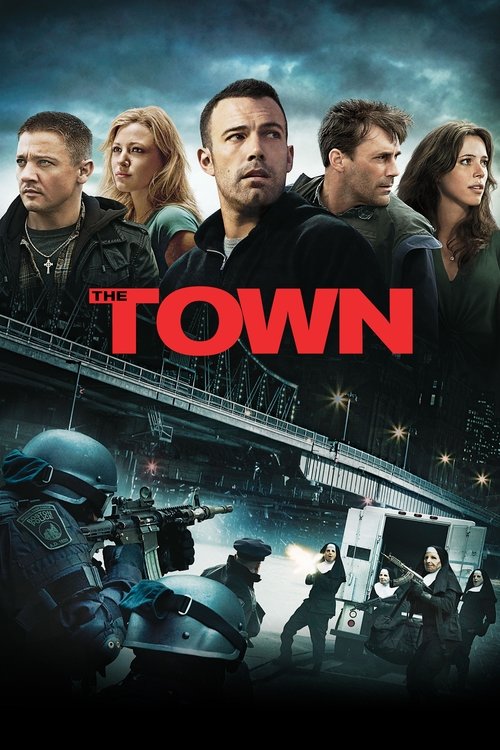
Movies related to Heat


Frequently Asked Questions
Everything you need to know about Heat
- Their relationship represents a deep mutual respect and parallel obsession despite being on opposite sides of the law. This dynamic drives much of the film’s tension and thematic exploration of duality and professional code.
- Heat presents its characters in shades of gray rather than clear good or evil, highlighting their personal codes and motivations. This nuanced portrayal adds complexity and depth to the story.
- The bank robbery is executed with intense realism, meticulous choreography, and raw tension, making it one of the most memorable and influential action sequences in cinema history.
- Yes, quotes like "Don’t let yourself get attached to anything you are not willing to walk out on in 30 seconds flat if you feel the heat around the corner" encapsulate the film’s themes of detachment and survival.
- Los Angeles is portrayed almost as a character itself, with Michael Mann’s direction emphasizing the city's nocturnal urban landscape, which reflects the film’s dark, tense atmosphere.
- Beyond crime, Heat delves into themes of loneliness, professionalism, obsession, and the blurred lines between personal and professional life for both criminals and law enforcers.
- Yes, the ending is deliberately nuanced, leaving audiences to reflect on the fates and motivations of the characters, which has sparked varied interpretations among viewers.
- Their commanding performances bring emotional depth and complexity to their characters, elevating the film through a subtle power struggle that feels both personal and epic.
- Absolutely, Heat set a new standard for realism, character development, and action choreography, influencing a wide range of later films and television series in the crime genre.

