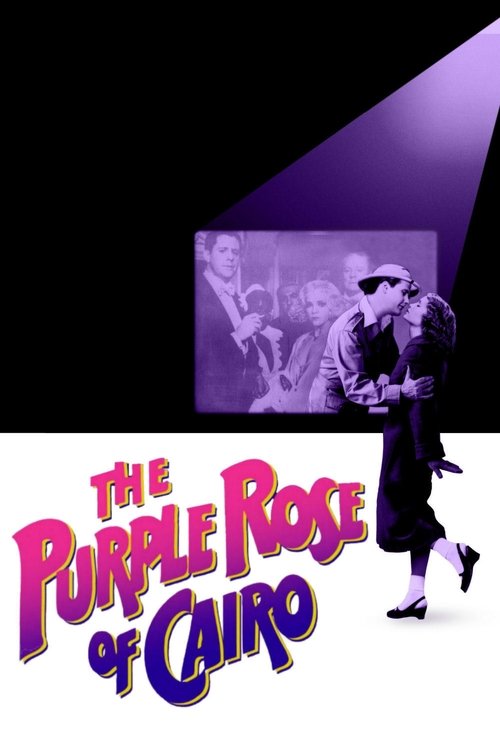
The Purple Rose of Cairo
Step directly into the magic of the movies with Woody Allen's enchanting fantasy-comedy, "The Purple Rose of Cairo." This cinematic gem, set against the grim backdrop of the Great Depression, offers a profound yet whimsical escape into the power of imagination and the allure of the silver screen itself. Discover a world where the line between fiction and reality blurs with captivating charm and poignant reflection.
Director
Release Year
1985
Runtime
82 minutes
Main Cast
Mia Farrow, Jeff Daniels, Danny Aiello, Irving Metzman, Stephanie Farrow
About The Purple Rose of Cairo
Woody Allen's 1985 film, "The Purple Rose of Cairo," stands as a unique and beloved entry in his diverse filmography, celebrated for its innovative narrative structure and heartfelt exploration of escapism during trying times. Set during the Great Depression, the movie captures the collective yearning for solace and fantasy that cinema provided to audiences grappling with harsh realities.
The premise centers on Cecilia, a downtrodden waitress whose life finds its only joy in the local movie theater. This imaginative concept, where a film character literally steps off the screen into the real world, allows Allen to playfully—and sometimes poignantly—examine the relationship between art and life. The film's blend of humor, romance, and existential questioning resonated deeply with critics, earning it considerable acclaim for its originality and depth.
"The Purple Rose of Cairo" was lauded for its clever screenplay and the standout performances of its cast, particularly Mia Farrow as the yearning Cecilia and Jeff Daniels in a dual role. While not a massive box office hit, its critical success was undeniable, securing a BAFTA Award for Best Original Screenplay and nominations for several other prestigious awards, including the Palme d'Or at the Cannes Film Festival. It consistently ranks among Allen's most inventive and charming works.
The film's enduring legacy lies in its beautiful portrayal of the transformative power of storytelling and the human need for fantasy. It serves as a romantic ode to cinema itself, a meditation on idealism versus reality, and a timeless reminder of how art can offer both an escape and a reflection of our deepest desires. "The Purple Rose of Cairo" remains a touchstone for discussions on meta-narratives and the immersive experience of film.
Drafts Featuring The Purple Rose of Cairo
Every SnakeDrafts listicle where this movie appears
Similar Movies
Movies related to The Purple Rose of Cairo


Frequently Asked Questions
Everything you need to know about The Purple Rose of Cairo
- When Tom Baxter steps off the screen, he throws the established order of both the film reel and the real world into disarray. His fellow characters in "The Purple Rose of Cairo" are left stranded on screen, endlessly repeating their lines, while Tom himself struggles to comprehend the stark differences between his scripted existence and the complexities of human life.
- The ending highlights Cecilia's ultimate dilemma between two distinct forms of escapism: the idealized romance offered by Tom Baxter and the tangible, albeit imperfect, prospect of a real-world relationship with Gil Shepherd. Her decision, or lack thereof, underscores the bittersweet nature of fantasy versus reality and the enduring allure of cinematic illusion.
- The Great Depression provides a crucial backdrop, amplifying Cecilia's need for escapism. During this period of widespread economic hardship, movies served as a vital comfort and temporary reprieve for millions, making the setting essential to the film's exploration of cinema's power as a fantasy.
- Jeff Daniels plays both Tom Baxter, the dashing, idealized character from the film-within-a-film, and Gil Shepherd, the actor who portrays him. This duality serves to emphasize the stark contrast between the glamorous, perfect world of cinema and the often disappointing, flawed reality of human existence and the people who create these illusions.
- The film acts as a meta-commentary on the nature of storytelling and the audience's relationship with it. By having a character literally break the fourth wall, it explores questions about narrative control, the suspension of disbelief, and how fictional worlds can both reflect and influence our understanding of reality and our own desires.

