The Ultimate Jared Leto Career Ranking: Every Essential Movie Ranked
From Method Transformations to Cult Classics
Explore Jared Leto's most iconic performances, featuring his Academy Award-winning roles and transformative method acting in cinema history.
About Jared Leto
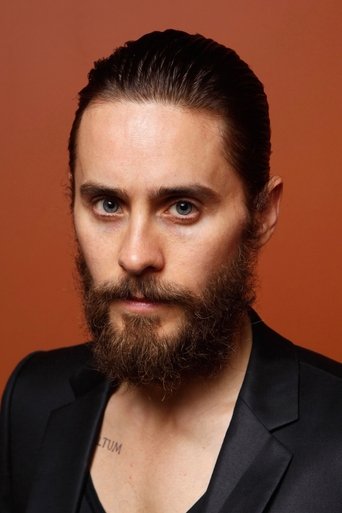
In the landscape of modern cinema, few figures inhabit the space between high art and blockbuster spectacle with as much intensity as Jared Leto. He is an actor who treats the screen not as a stage, but as a laboratory for psychological extremes. To watch him perform is to witness a total disappearance into a character, usually marked by physical transformations so radical they Border on the unrecognizable. This commitment has earned him a reputation as one of the last true devotees of the immersive method, a performer who refuses to take the easy route when a more grueling, authentic path is available.
The industry first caught glimpses of this fearlessness in the late nineties, when he carved out a niche in gritty, genre-defining works. He allowed his striking features to be systematically dismantled in Fight Club and played the ill-fated Angel Face with a haunting, ethereal quality. Shortly after, he navigated the harrowing descent of addiction in Requiem for a Dream, a performance that remains a benchmark for raw, cinematic vulnerability. Even in smaller supporting turns like the slick, doomed Paul Allen in American Psycho or his role in the ensemble of The Thin Red Line, there was an unmistakable gravity to his presence that suggested he was never interested in being just another leading man.
What makes him a fascinating subject for audiences is his rejection of the status quo. He often vanishes for years to tour the world with his band, only to return with a performance that resets the cultural conversation. His crowning achievement, an Academy Award winning turn in Dallas Buyers Club, saw him shed forty pounds to portray Rayon with a heartbreaking, fragile humanity. It was a masterclass in empathy that solidified his standing as an actor who seeks the soul beneath the artifice. He followed this with a polarizing, neon-soaked interpretation of the Joker in Suicide Squad, proving he was just as comfortable in the heightened reality of comic book lore as he was in the existential sci-f of Blade Runner 2049 or the sprawling, philosophical mystery of Mr. Nobody.
He possesses a chameleon-like ability to inhabit different eras and temperaments. Whether playing the legendary runner in Prefontaine, a tech wizard in Panic Room, or the tragic Hephaistion in Alexander, he brings a consistent level of obsessive detail to the craft. More recently, his work in House of Gucci saw him submerged under layers of prosthetics, delivering a tragicomic performance that divided critics but undoubtedly stole the show. Even in quieter, slow-burn thrillers like The Little Things, he leans into the uncanny, making the audience lean in with him.
The cultural impact of his career lies in this refusal to be predictable. He is a fixture of red carpets who treats fashion as another form of performance art, yet his filmography reflects a deep-seated interest in the discarded and the misunderstood. He represents a rare breed of artist who values the process as much as the product, pushing his body and mind to the brink to ensure that whatever flicker of life appears on screen is entirely undeniable. In an era of polished, safe performances, his willingness to be strange, loud, and profoundly human keeps him at the very center of the cinematic zeitgeist.

Urban Legend
1998A college campus is plagued by a vicious serial killer murdering students in ways that correspond to various urban legends.

Chapter 27
2007A film about Mark David Chapman in the days leading up to the infamous murder of Beatle John Lennon.
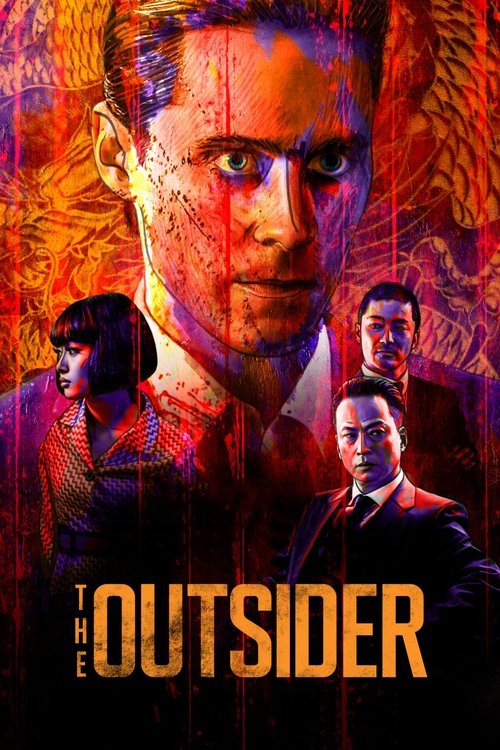
The Outsider
2018A former American G.I. joins a yakuza family after his release from prison in post-World War II Osaka.

Morbius
2022Dangerously ill with a rare blood disorder, and determined to save others suffering his same fate, Dr. Michael Morbius attempts a desperate gamble. What at first appears to be a radical success soon reveals itself to be a remedy potentially worse than the disease.

Suicide Squad
2016From DC Comics comes the Suicide Squad, an antihero team of incarcerated supervillains who act as deniable assets for the United States government, undertaking high-risk black ops missions in exchange for commuted prison sentences.
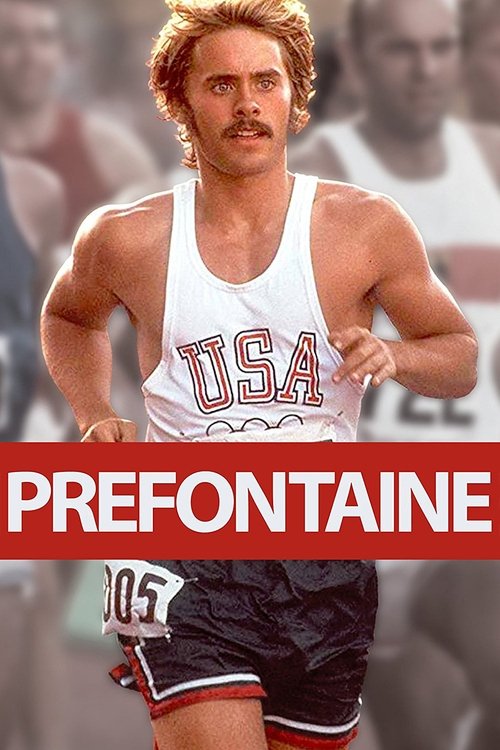
Prefontaine
1997It's the true-life story of legendary track star Steve Prefontaine, the exciting and sometimes controversial "James Dean of Track," whose spirit captured the heart of the nation! Cocky, charismatic, and tough, "Pre" was a running rebel who defied rules, pushed limits ... and smashed records ...

Alexander
2004Alexander, the King of Macedonia, leads his legions against the giant Persian Empire. After defeating the Persians, he leads his army across the then known world, venturing farther than any westerner had ever gone, all the way to India.

The Little Things
2021Deputy Sheriff Joe "Deke" Deacon joins forces with Sgt. Jim Baxter to search for a serial killer who's terrorizing Los Angeles. As they track the culprit, Baxter is unaware that the investigation is dredging up echoes of Deke's past, uncovering disturbing secrets that could threaten more than his case.
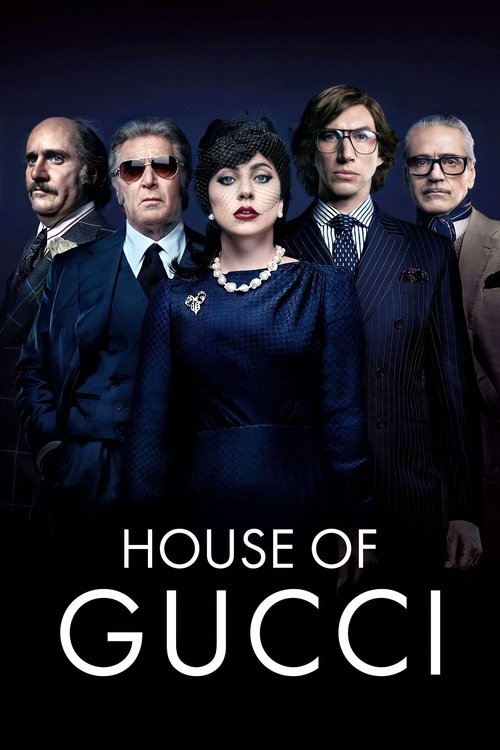
House of Gucci
2021When Patrizia Reggiani, an outsider from humble beginnings, marries into the Gucci family, her unbridled ambition begins to unravel the family legacy and triggers a reckless spiral of betrayal, decadence, revenge, and ultimately… murder.

Panic Room
2002Trapped in their New York brownstone's panic room, a hidden chamber built as a sanctuary in the event of break-ins, newly divorced Meg Altman and her young daughter Sarah play a deadly game of cat-and-mouse with three intruders - Burnham, Raoul and Junior - during a brutal home invasion. But the room itself is the focal point because what the intruders really want is inside it.
As the erratic and talkative threat during a high stakes home invasion, Leto injects a frantic energy that contrasts with the calculated tension of the plot. He effectively portrays a specific kind of blue collar desperation that goes horribly wrong under pressure.

Girl, Interrupted
1999Set in the changing world of the late 1960s, Susanna Kaysen's prescribed "short rest" from a psychiatrist she had met only once becomes a strange, unknown journey into Alice's Wonderland, where she struggles with the thin line between normal and crazy. Susanna soon realizes how hard it is to get out once she has been committed, and she ultimately has to choose between the world of people who belong inside or the difficult world of reality outside.
Portraying the catalyst for the protagonist's rebellion, Leto leans into the era's counter-culture aesthetic. He serves as a grounding romantic interest while highlighting the divide between the institutionalized world and the messy reality outside.
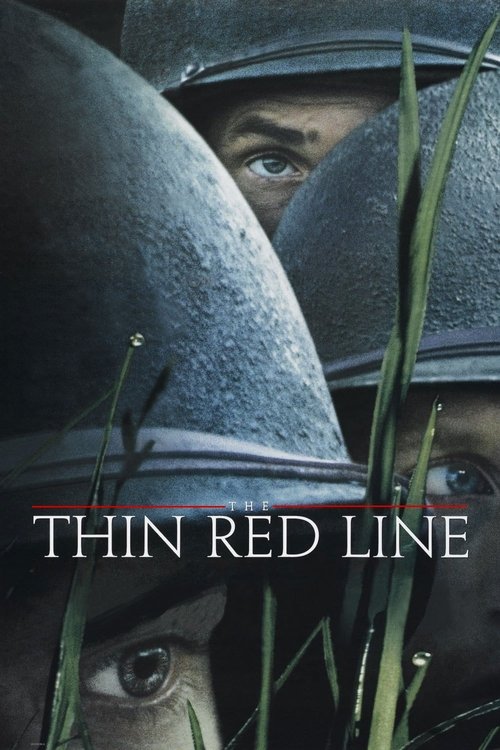
The story of a group of men, an Army Rifle company called C-for-Charlie, who change, suffer, and ultimately make essential discoveries about themselves during the fierce World War II battle of Guadalcanal. It follows their journey, from the surprise of an unopposed landing, through the bloody and exhausting battles that follow, to the ultimate departure of those who survived.
Existing within Terrence Malick’s sprawling meditation on war, Leto offers a glimpse of the fleeting, disposable nature of the individual soldier. His presence contributes to the film’s atmospheric dread and its focus on the collective haunting of the front lines.
Lord of War
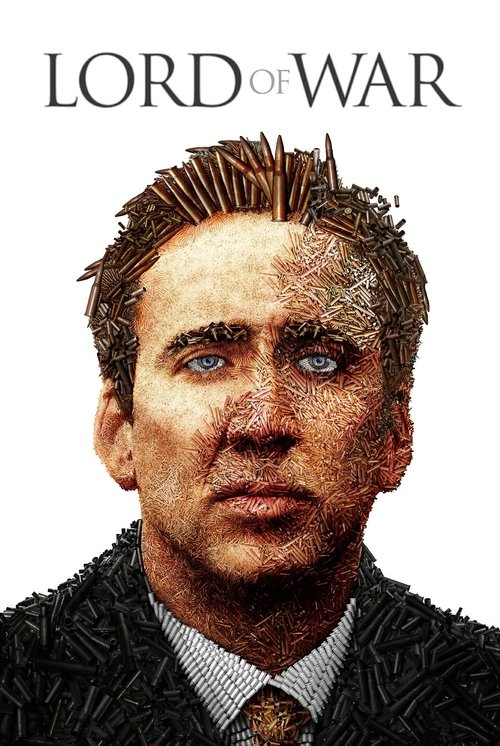
2005Yuri Orlov is a globetrotting arms dealer and, through some of the deadliest war zones, he struggles to stay one step ahead of a relentless Interpol agent, his business rivals and even some of his customers who include many of the world's most notorious dictators. Finally, he must also face his own conscience.
Playing the fragile brother to a chaotic arms dealer, Leto provides the film with its only moral compass. He excels at portraying a tragic descent into excess that highlights the human cost of the protagonist's cold calculations.

Mr. Nobody
2009Nemo Nobody leads an ordinary existence with his wife and 3 children; one day, he wakes up as a mortal centenarian in the year 2092.
Tasked with portraying a man at every conceivable stage of a fragmented life, Leto navigates an experimental labyrinth of identity. This ambitious project showcases his range across multiple timelines through a demanding and philosophical central performance.
American Psycho
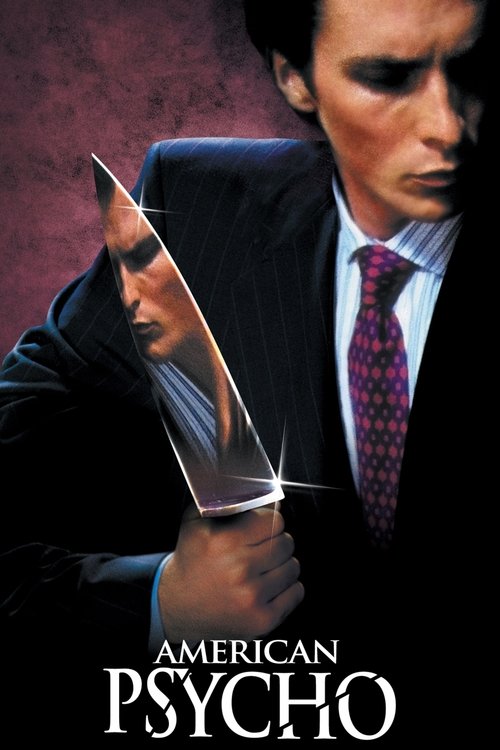
2000A wealthy New York investment banking executive hides his alternate psychopathic ego from his co-workers and friends as he escalates deeper into his illogical, gratuitous fantasies.
In the role of the smugly superior Paul Allen, Leto perfectly embodies the vapid yuppie excess that triggers Patrick Bateman’s homicidal envy. His ability to be simultaneously obnoxious and oblivious makes him the ideal foil for the film's satirical carnage.

Thirty years after the events of the first film, a new blade runner, LAPD Officer K, unearths a long-buried secret that has the potential to plunge what's left of society into chaos. K's discovery leads him on a quest to find Rick Deckard, a former LAPD blade runner who has been missing for 30 years.
Playing a god-complex industrialist, Leto uses stillness and a chillingly calm vocal delivery to command the screen. He crafts a villain who feels like a relic of a future yet to happen, looming over the narrative with eerie existential weight.

Fight Club
1999A ticking-time-bomb insomniac and a slippery soap salesman channel primal male aggression into a shocking new form of therapy. Their concept catches on, with underground "fight clubs" forming in every town, until an eccentric gets in the way and ignites an out-of-control spiral toward oblivion.
Though his screen time is brief, his bleach blonde Angel Face serves as the ultimate sacrificial lamb for the story's unchecked nihilism. His brutal physical deconstruction remains one of the most visceral visual metaphors for the film's cult like violence.
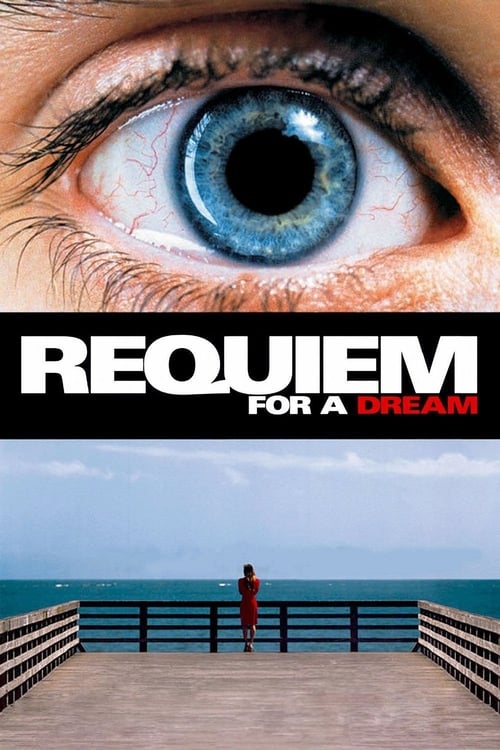
The drug-induced utopias of four Coney Island residents are shattered when their addictions run deep.
As the hollowed out face of addiction, Leto captures the agonizing slow motion collapse of youthful dreaming. His performance anchors Darren Aronofsky’s stylistic chaos with a raw, terrifyingly grounded desperation.

Dallas Buyers Club
2013Loosely based on the true-life tale of Ron Woodroof, a drug-taking, women-loving, homophobic man who in 1986 was diagnosed with HIV/AIDS and given thirty days to live.
Transforming into the soul of the film, Rayon provides the vital emotional friction against Matthew McConaughey’s grit. This Oscar winning turn remains the definitive proof of Leto's willingness to disappear entirely into a character's vulnerability.
Frequently Asked Questions
Everything you need to know about this list and SnakeDrafts
- Jared Leto's role in Dallas Buyers Club is highlighted as his most transformative, where he underwent a dramatic physical transformation to portray Rayon, a transgender woman living with HIV/AIDS, earning him critical acclaim and an Academy Award.
- The listicle emphasizes Jared Leto's intense method acting and psychological immersion, particularly in films like Requiem for a Dream and Fight Club, where his performances contribute deeply to the dark, gritty tone of these cult classics.
- Blade Runner 2049 showcases Jared Leto's capacity to blend into complex science fiction narratives, portraying a mysterious and enigmatic character that underscores his versatility beyond traditional drama genres.
- Jared Leto often gravitates towards characters experiencing psychological extremes or social outsiders, with many of his films blending intense drama with crime, history, and science fiction themes, reflecting his preference for challenging and layered roles.
- Suicide Squad marks Jared Leto's entry into the superhero genre, where he plays the iconic Joker, bringing his unique method approach to a comic book villain in a big-budget blockbuster.
- Alexander (2004) is a key example where Jared Leto portrays a character in a grand historical epic directed by Oliver Stone, showcasing his ability to adapt to varied historical and dramatic contexts within his career.
- In House of Gucci, Jared Leto delivers a standout performance that combines his method acting with a flair for portraying real-life, complex figures, demonstrating his continuing evolution towards multifaceted roles in contemporary cinema.
- Yes, the listicle references early career highlights like Prefontaine, where Leto played the titular Olympic runner, and The Thin Red Line, emphasizing his longstanding dedication to diverse and emotionally charged roles since the late 1990s.