Denis Villeneuve Films Ranked Definitively
The Master of Atmospheric Cinema and Sci-Fi Epics
Explore the definitive ranking of Denis Villeneuve's best films, from mind-bending sci-fi masterpieces to intense psychological thrillers.
About Denis Villeneuve
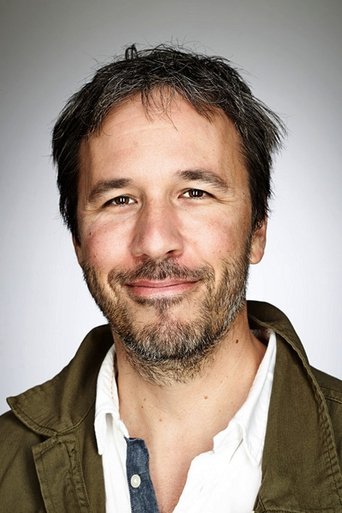
In the current landscape of blockbuster filmmaking, where spectacle often comes at the expense of soul, Denis Villeneuve stands as a rare architect of the monumental. He possesses a specific, almost architectural eye for scale, creating images that make the viewer feel fundamentally small. Whether he is capturing the brutalist concrete of a dystopian Los Angeles or the endless, shifting spice sands of Arrakis, his work thrives on a sense of awe that borders on the religious. He does not just make movies; he crafts environments that demand total sensory submission.
The path to his current status as the premier visionary of high-concept science fiction was paved with intimate, bone-chilling dramas that prioritized psychological tension over pyrotechnics. In the harrowing Incendies, he demonstrated a mastery of the slow reveal, using a family’s tragic history to explore how the ghosts of war linger across generations. This same fixation on the weight of the past carries through to Prisoners, a film that turned a suburban kidnapping into a grueling, rain-soaked descent into moral rot. Even in his smaller projects like Enemy, he toyed with identity and surrealism, proving that he could make a basement apartment feel as vast and terrifying as deep space.
What distinguishes his work is a deliberate, rhythmic patience. He trusts the audience to sit with silence. In Arrival, he transformed a first-contact scenario into a haunting meditation on linguistics and grief, choosing intellectual curiosity over the typical explosions of the genre. He treats sound as a physical force, often collaborating with composers to create industrial, vibrating scores that act as a heartbeat for the visuals. This tactile approach reached a fever pitch in Blade Runner 2049, where he managed to honor a legendary legacy while carving out a distinct, neon-drenched aesthetic that felt entirely his own.
The recent success of Dune and its monumental sequel, Dune: Part Two, represents the apex of his creative legacy. He took a book long considered unfilmable and grounded it in a gritty, visceral reality. He eschews the flashy colors of typical space operas for a palette of gold, black, and shadow, making the alien feel ancient rather than futuristic. His films are obsessed with the intersection of the individual and the infinite, showing how singular human choices ripple across vast landscapes.
Even when delving into the brutal world of drug cartels in Sicario, the director maintained that signature sense of predatory dread, uses the camera to hunt his characters through the dusty borderlands. From the stark black and white tragedy of Polytechnique to the sun-scorched odyssey of August 32nd on Earth, his filmography reveals a creator fascinated by the endurance of the human spirit under immense pressure. He has become the bridge between the high-brow auteur and the global hitmaker, proving that the most massive stories are best told with a haunting, quiet intimacy. In his hands, the cinema is once again a place of genuine, terrifying wonder.
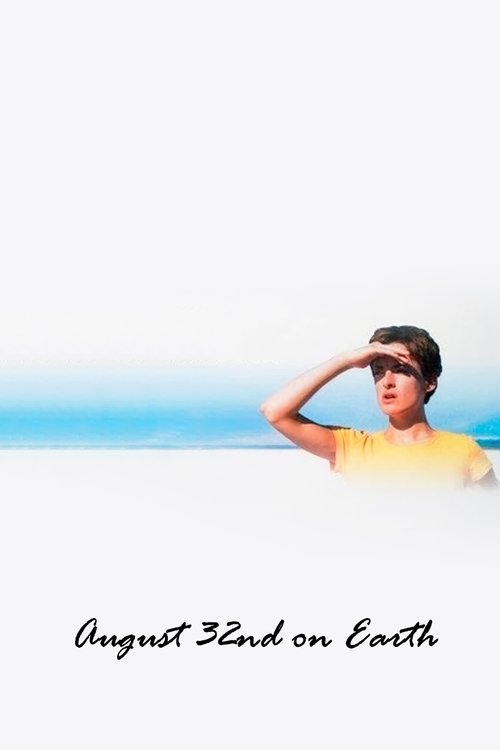
August 32nd on Earth
1999After escaping unscathed from a car accident, photo model Simone decides that having a baby is the only way to give her vacant life some meaning. She asks her best friend Philippe to get her pregnant, and he reluctantly agrees, on the condition that they conceive somewhere in a desert, so they leave Montréal on a 24-hour round-trip to Salt Lake City to find a suitable spot.
In this quirky and formative debut, the seeds of Villeneuve's fascination with desert isolation and existential wandering are planted amidst a lighter, more experimental tone. While it lacks the crushing weight of his later tragedies, it provides a vital glimpse into a director finding his visual rhythm and exploring the boundaries of narrative structure.
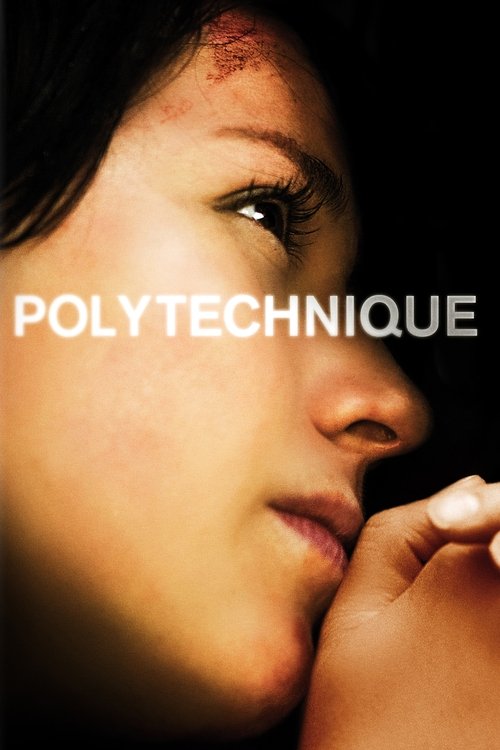
Polytechnique
2009A dramatization of the Montreal Massacre of 1989 where several female engineering students were murdered by an unstable misogynist.
Utilizing a stark black-and-white palette, Villeneuve approaches an unthinkable real-world tragedy with a restrained, almost reverent distance. This early work demonstrates a sophisticated control of perspective and a refusal to sensationalize, traits that would become the bedrock of his mature directorial style.

Enemy
2014A mild-mannered college professor discovers a look-alike actor and delves into the other man's private affairs.
This surrealist detour into the psyche of the double allows Villeneuve to indulge his most avant-garde impulses within the framework of a psychological thriller. It is a cryptic, claustrophobic puzzle box that showcases the director's talent for transforming ordinary cityscapes into alien, predatory landscapes.
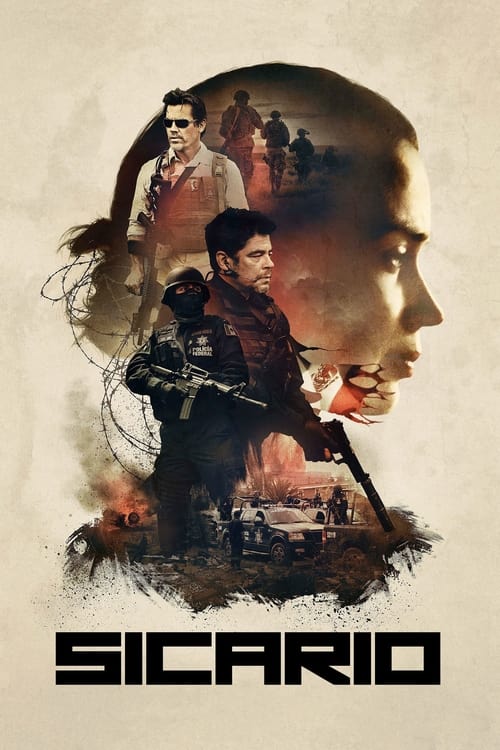
Sicario
2015An idealistic FBI agent is enlisted by a government task force to aid in the escalating war against drugs at the border area between the U.S. and Mexico.
The borderland becomes a crucible of moral rot in this visceral exploration of the futility of the drug war. Villeneuve’s clinical direction strips the action of any cinematic glamor, resulting in a lean, muscular exercise in tactical suspense that highlights his preoccupation with the corruption of the soul.

Dune
2021Paul Atreides, a brilliant and gifted young man born into a great destiny beyond his understanding, must travel to the most dangerous planet in the universe to ensure the future of his family and his people. As malevolent forces explode into conflict over the planet's exclusive supply of the most precious resource in existence-a commodity capable of unlocking humanity's greatest potential-only those who can conquer their fear will survive.
Villeneuve treats the printed page as scripture, translating a complex web of ecology and politics into a tactile, immersive visual language. This foundational chapter serves as the definitive proof of his capability to handle massive logistical complexity while maintaining a singular, uncompromising artistic voice.
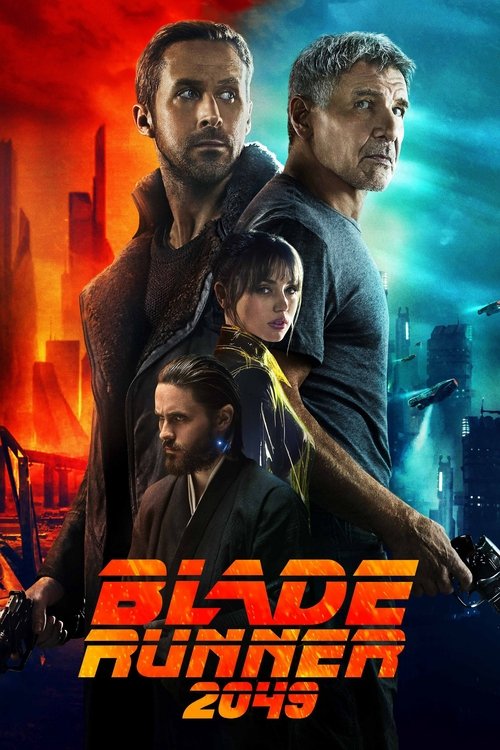
Thirty years after the events of the first film, a new blade runner, LAPD Officer K, unearths a long-buried secret that has the potential to plunge what's left of society into chaos. K's discovery leads him on a quest to find Rick Deckard, a former LAPD blade runner who has been missing for 30 years.
By expanding on a foundational masterpiece without ever succumbing to mere nostalgia, Villeneuve crafts a visual tone poem that justifies its own existence through sheer aesthetic majesty. This film stands as a monumental achievement in world-building, where the director’s obsession with brutalist geometry and existential isolation finds its most haunting expression.
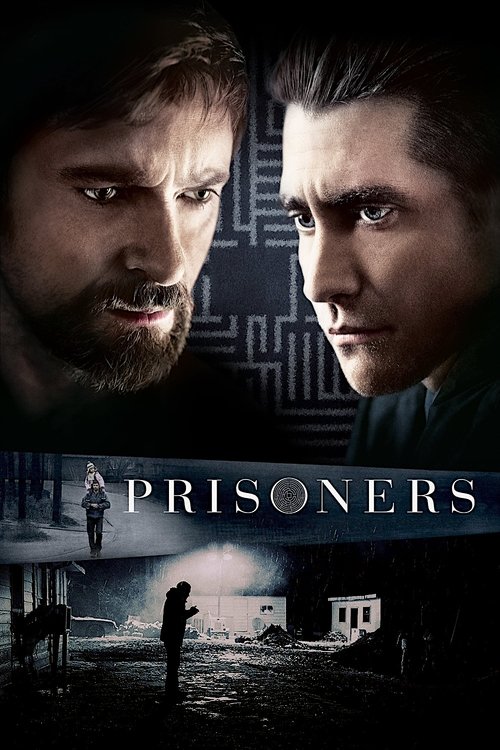
Prisoners
2013Keller Dover is facing every parent’s worst nightmare. His six-year-old daughter, Anna, is missing, together with her young friend, Joy, and as minutes turn to hours, panic sets in. The only lead is a dilapidated RV that had earlier been parked on their street.
A suffocating masterclass in tension, this labyrinthine thriller strips back the veneer of suburban morality to explore the brutal ethics of desperation. Villeneuve utilizes shadow and silence to craft an oppressive atmosphere that lingers long after the credits, establishing his signature ability to make the viewer an accomplice to the onscreen dread.
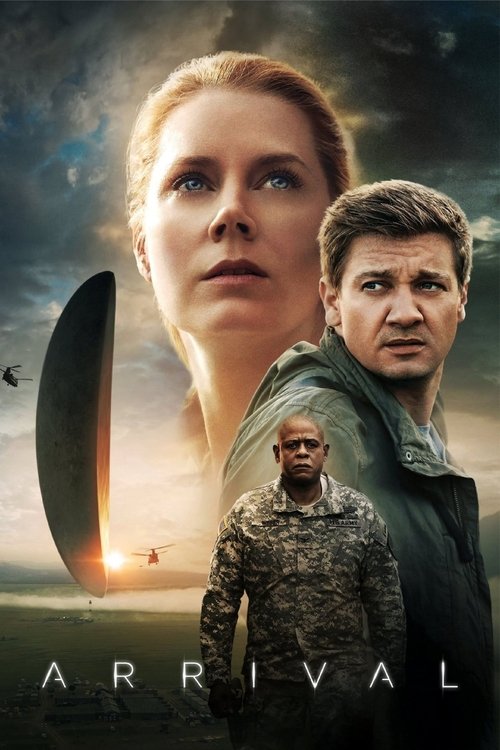
Arrival
2016Taking place after alien crafts land around the world, an expert linguist is recruited by the military to determine whether they come in peace or are a threat.
Villeneuve subverts the tropes of first-contact cinema by prioritizing linguistic elegance and non-linear structure over pyrotechnics. The film serves as a profound meditation on grief and temporal perception, marking a pivotal moment where the director successfully infused cold conceptual science fiction with a beating, compassionate heart.

Incendies
2010A mother's last wishes send twins Jeanne and Simon on a journey to Middle East in search of their tangled roots. Adapted from Wajdi Mouawad's acclaimed play, Incendies tells the powerful and moving tale of two young adults' voyage to the core of deep-rooted hatred, never-ending wars and enduring love.
This harrowing dive into generational trauma solidified Villeneuve as a master of the slow-burn revelation, stripping away artifice to reveal the raw nerves of history. It remains his most emotionally devastating work, proving that his eye for grand architecture is matched only by his ability to capture the intimate horrors of the human condition.
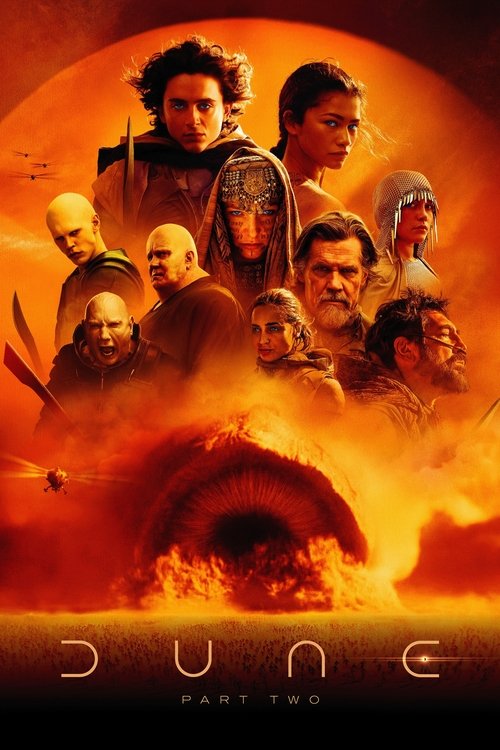
Dune: Part Two
2024Follow the mythic journey of Paul Atreides as he unites with Chani and the Fremen while on a path of revenge against the conspirators who destroyed his family. Facing a choice between the love of his life and the fate of the known universe, Paul endeavors to prevent a terrible future only he can foresee.
A staggering fulfillment of the promises made by modern blockbuster cinema, this sequel sees Villeneuve mastering scale and religious fervor with terrifying precision. It represents the absolute zenith of his career, transmuting dense philosophy into a sensory assault that redefines the possibilities of the sci-fi epic.
Frequently Asked Questions
Everything you need to know about this list and SnakeDrafts
- Denis Villeneuve's films often explore themes of psychological depth, identity, and the human condition amidst larger social or cosmic landscapes. For example, 'Arrival' delves into communication and time, while 'Prisoners' unpacks moral ambiguity in dire situations.
- Villeneuve employs a grand, architectural visual style that amplifies the sense of scale and awe in his science fiction works. This approach creates immersive worlds that emphasize both the vastness of the environment and the intimate human stories within, as seen in 'Dune' and 'Blade Runner 2049'.
- 'Prisoners' is particularly recognized for its tense psychological thriller narrative, exploring themes of desperation and moral complexity through a gripping kidnapping investigation.
- Villeneuve's drama films often focus on heavy, real-world issues—'Incendies' unveils family secrets against a war backdrop, while 'Polytechnique' sensitively depicts the aftermath of a tragic event. His storytelling is poignant and layered, exposing emotional and ethical depths.
- 'Arrival' stands out for its innovative narrative about language and time, blending science fiction with emotional human drama. It showcases Villeneuve's talent for intellectual storytelling combined with strong emotional resonance.
- While many of Villeneuve's films have a contemplative or science fiction focus, 'Sicario' is a gritty, intense action crime thriller that delves into the violent drug war at the U.S.-Mexico border. It emphasizes tension and moral ambiguity through visceral storytelling and sharp direction.
- 'Enemy' is distinct for its surreal and mysterious narrative that explores identity and duality through a psychological thriller lens. Its ambiguous and symbolic storytelling marks a departure from more literal narratives in Villeneuve's other films.
- 'Dune: Part Two' continues Villeneuve's ambitious adaptation of the classic sci-fi novel, expanding the epic world-building and philosophical themes established in the first part. It exemplifies his dedication to crafting monumental cinematic experiences with thoughtful storytelling.