LaKeith Stanfield Movies Ranked: The Actor's Most Essential Roles
From Indie Breakouts to Thrilling Blockbusters
Explore the standout performances of LaKeith Stanfield, from his haunting role in Short Term 12 to the mind-bending Sorry to Bother You.
About LaKeith Stanfield
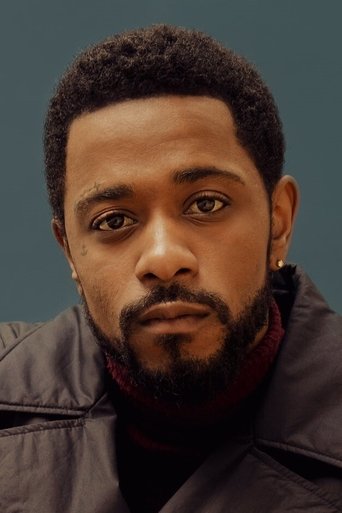
In the hall of mirrors that is modern Hollywood, LaKeith Stanfield functions as the industry gold standard for the unpredictable. He possesses a rare cinematic frequency, one that can oscillate between bone chilling paranoia and heart on his sleeve vulnerability within the span of a single scene. While many of his peers chase stardom through cookie cutter franchises or safe leading man archetypes, he has cultivated a career built on subverting expectations. He is the actor directors call when a role requires a certain spiritual vibration or an unsettlingly authentic humanity that cannot be manufactured in a chemistry read.
The first time he truly rattled the collective psyche was in the suburban nightmare of Get Out. With a single, tear streaked scream, he became the face of a specific kind of contemporary dread, grounding a surreal premise in visceral reality. Yet, looking back at his debut in Short Term 12, that raw nerve was always exposed. He has a way of wearing his characters like a second skin, whether he is playing the doomed, poetic Marcus or portraying the historical weight of figures in Selma and Straight Outta Compton.
Audiences gravitate toward him because there is a distinct lack of vanity in his performance style. In the psychedelic satire Sorry to Bother You, he navigated a descent into capitalist madness with a frantic, wide eyed energy that felt entirely singular. He followed that high wire act by stepping into the meticulously groomed world of Knives Out, where he served as the grounded foil to a cast of eccentric suspects. Even when he enters the high stakes chaos of Uncut Gems or the stylized grit of The Harder They Fall, he maintains a quiet magnetism that pulls the eye toward him whenever he is on screen.
His reputation hit a high water mark with Judas and the Black Messiah. His portrayal of William O’Neal was a masterclass in the exhausting, soul eroding price of betrayal. To play an informant without slipping into easy villainy requires a level of empathy that few actors can access, but he turned the character into a tragic, fluttering heart trapped in a cage of his own making. This complexity earned him an Oscar nomination, but more importantly, it solidified his status as a performer who refuses to provide easy answers to the audience.
Whether he is playing the romantic lead in The Photograph and Someone Great or leading a studio blockbuster like Haunted Mansion, he brings an air of mystery that remains unsolved. He feels less like a celebrity and more like a shapeshifter who accidentally wandered into the frame. From the indie intimacy of Dope and Crown Heights to the quirky charm of The Incredible Jessica James, he has built a body of work that defies categorization. It is this refusal to be pinned down that makes him one of the most vital figures in film today. You never quite know which version of him you are going to get, but you can be certain that he will be the most honest thing in the room.

Someone Great
2019An aspiring music journalist lands her dream job and is about to move to San Francisco when her boyfriend of nine years decides to call it quits. To nurse her broken heart, she and her two best friends spend one outrageous last adventure in New York City.
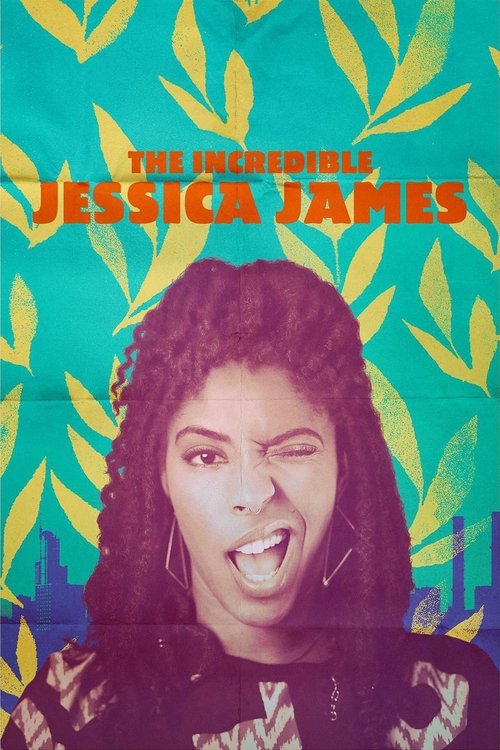
The Incredible Jessica James
2017Burned by a bad breakup, a struggling New York City playwright makes an unlikely connection with a divorced app designer she meets on a blind date.
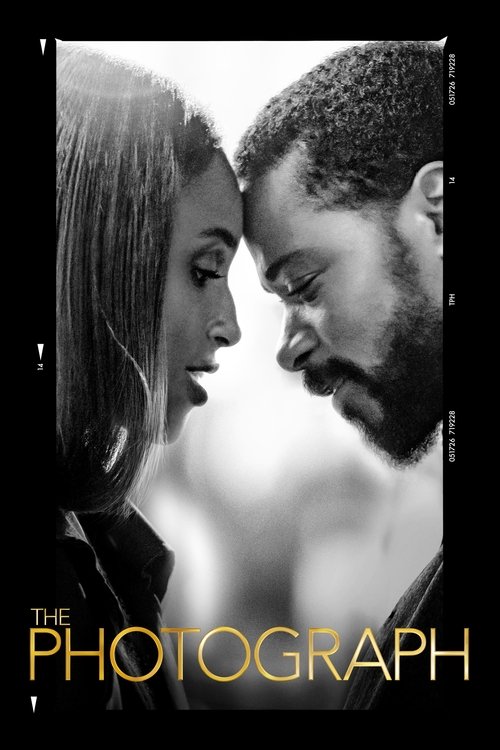
The Photograph
2020When famed photographer Christina Eames dies unexpectedly, she leaves her estranged daughter, Mae, hurt, angry and full of questions. When Mae finds a photograph tucked away in a safe-deposit box, she soon finds herself delving into her mother's early life -- an investigation that leads to an unexpected romance with a rising journalist.
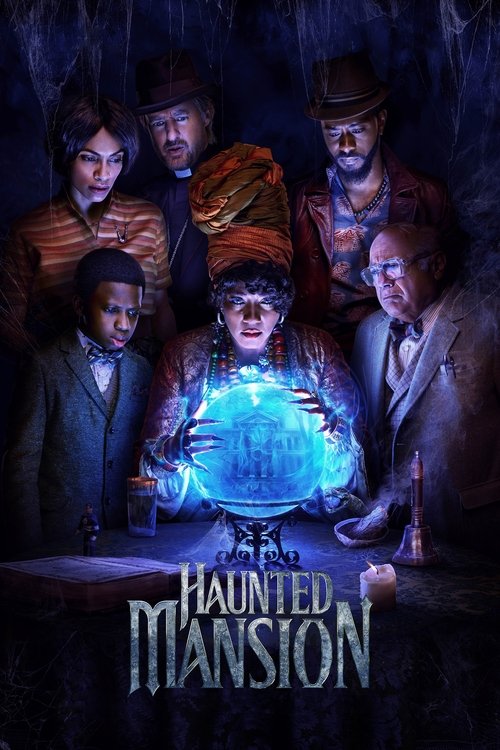
Haunted Mansion
2023A woman and her son enlist a motley crew of so-called spiritual experts to help rid their home of supernatural squatters.
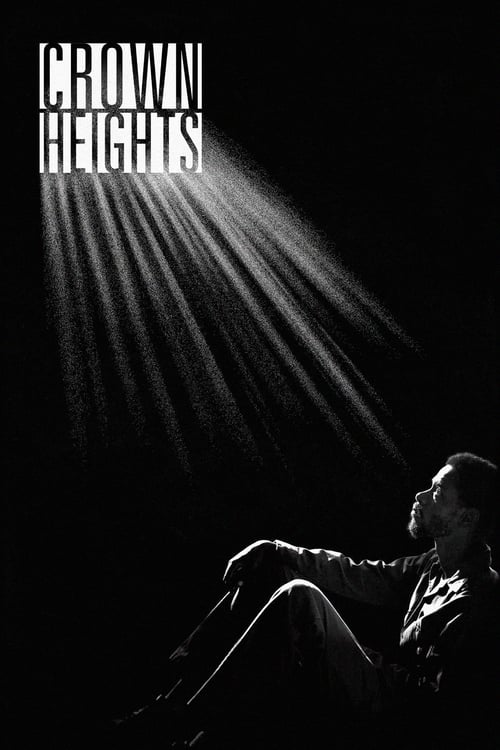
Crown Heights
2017When Colin Warner was wrongfully convicted of murder, his best friend Carl King devoted his life to proving his innocence.
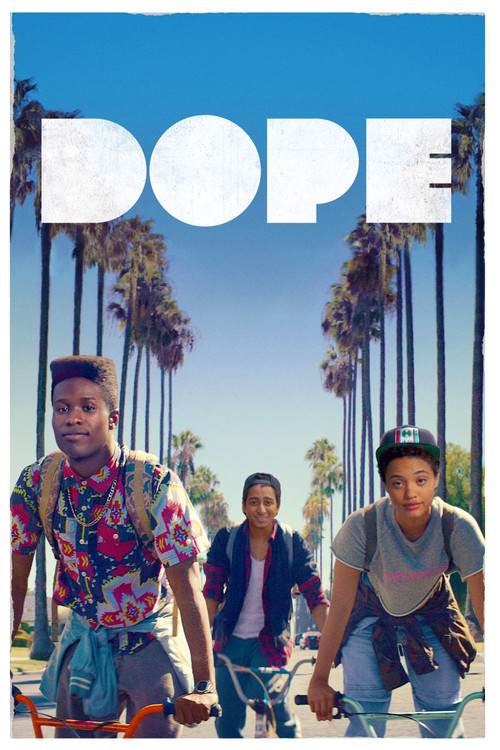
Dope
2015Malcolm is carefully surviving life in a tough neighborhood in Los Angeles while juggling college applications, academic interviews, and the SAT. A chance invitation to an underground party leads him into an adventure that could allow him to go from being a geek, to being dope, to ultimately being himself.
Even in an antagonistic supporting role, Stanfield projects a menacing unpredictability that elevates the film's tension. He manages to find the specific rhythm of a neighborhood bully while hinting at the systemic pressures that shaped his character's aggression.
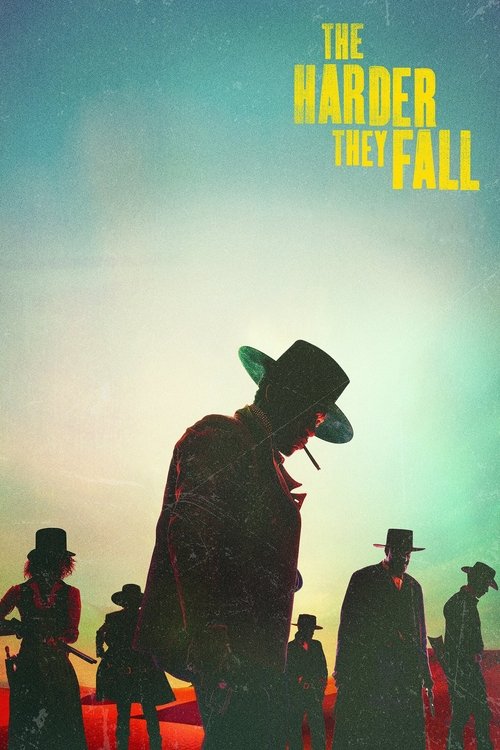
The Harder They Fall
2021Gunning for revenge, outlaw Nat Love saddles up with his gang to take down enemy Rufus Buck, a ruthless crime boss who just got sprung from prison.
As Cherokee Bill, Stanfield reimagines the Western outlaw with a cold, poetic lethalness that steals every scene. He uses silence and stillness to command the frame, bringing a modern noir sensibility to the sprawling desert landscape.
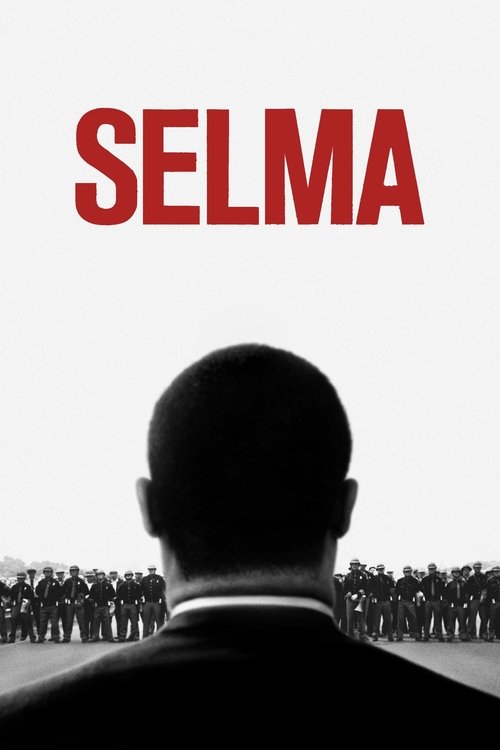
Selma
2014"Selma," as in Alabama, the place where segregation in the South was at its worst, leading to a march that ended in violence, forcing a famous statement by President Lyndon B. Johnson that ultimately led to the signing of the Voting Rights Act.
Representing the youthful heartbeat of the civil rights movement, Stanfield provides the film’s most devastating emotional pivot. His ability to humanize the collateral damage of history makes the stakes of the struggle feel urgently personal rather than merely academic.
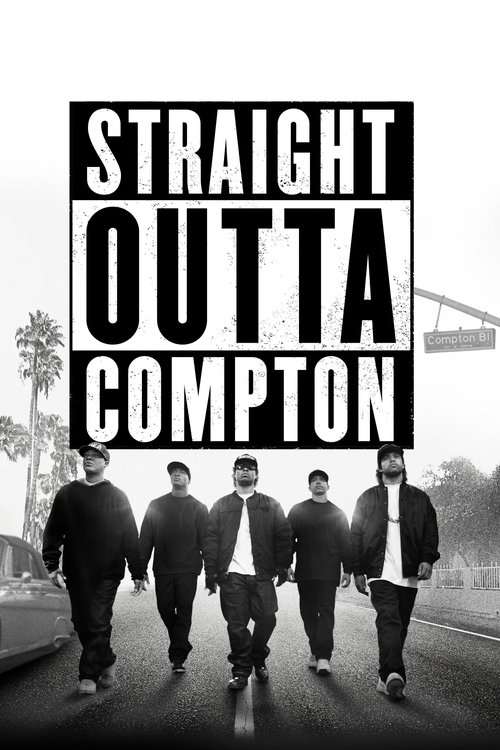
Straight Outta Compton
2015In 1987, five young men, using brutally honest rhymes and hardcore beats, put their frustration and anger about life in the most dangerous place in America into the most powerful weapon they had: their music. Taking us back to where it all began, Straight Outta Compton tells the true story of how these cultural rebels—armed only with their lyrics, swagger, bravado and raw talent—stood up to the authorities that meant to keep them down and formed the world’s most dangerous group, N.W.A. And as they spoke the truth that no one had before and exposed life in the hood, their voice ignited a social revolution that is still reverberating today.
Stanfield offers a brief but eerily precise invocation of Snoop Dogg, capturing a specific laid-back cadence without sliding into cheap imitation. This role proved he could inhabit the essence of a living cultural icon through subtle gesture and vocal control.
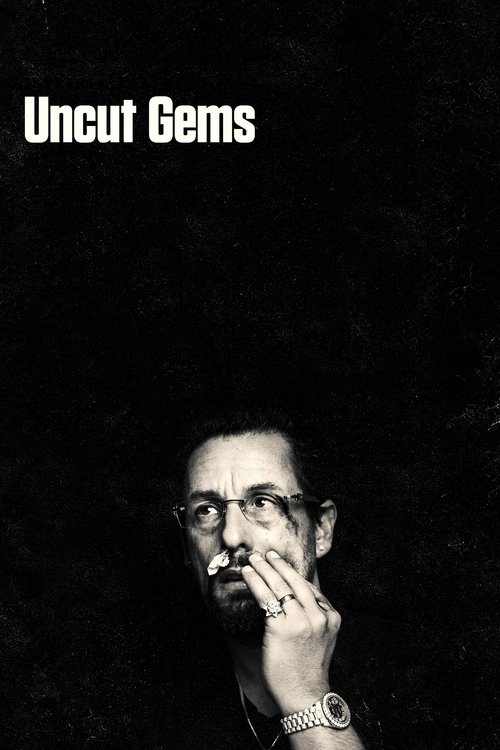
Uncut Gems
2019A charismatic New York City jeweler always on the lookout for the next big score makes a series of high-stakes bets that could lead to the windfall of a lifetime. Howard must perform a precarious high-wire act, balancing business, family, and encroaching adversaries on all sides in his relentless pursuit of the ultimate win.
Tasked with being the cool, professional counterweight to Adam Sandler’s manic gambling, Stanfield brings a sharp, street-smart friction to the screen. He excels as the intermediary who understands the dangerous stakes better than the protagonist himself.
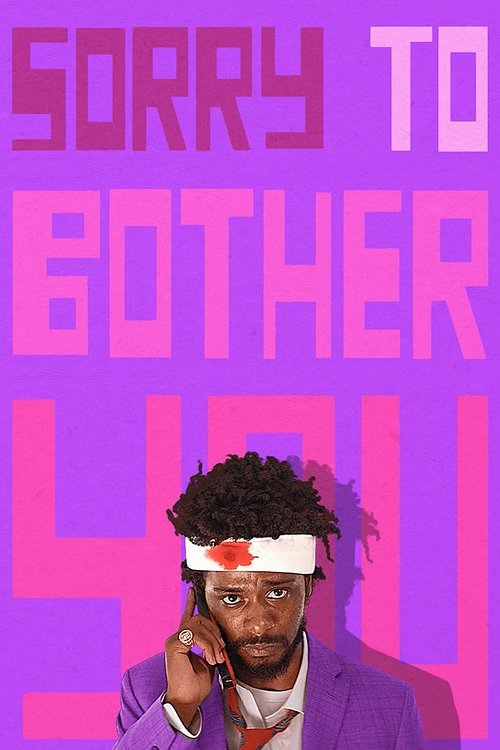
Sorry to Bother You
2018In an alternate present-day version of Oakland, black telemarketer Cassius Green discovers a magical key to professional success – which propels him into a macabre universe.
Stanfield anchors this surrealist satire with a frantic, rubbery energy that perfectly mirrors the film's anti-capitalist chaos. It is a rare leading turn that balances absurdist physical comedy with a deeply resonant sense of moral exhaustion.
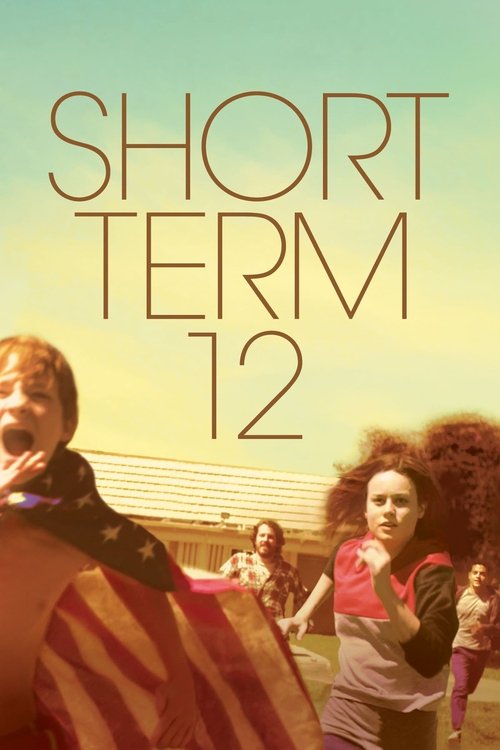
Short Term 12
2013Grace, a compassionate young supervisor at a foster care facility, helps at-risk teens. But when a new charge dredges up memories of her own troubled past, Grace's tough exterior begins eroding.
This breakout role revealed a raw, bruised vulnerability that remains the foundation of Stanfield's magnetism. His portrayal of a young man aging out of the system is a masterclass in suppressed rage and the painful process of shedding defensive layers.
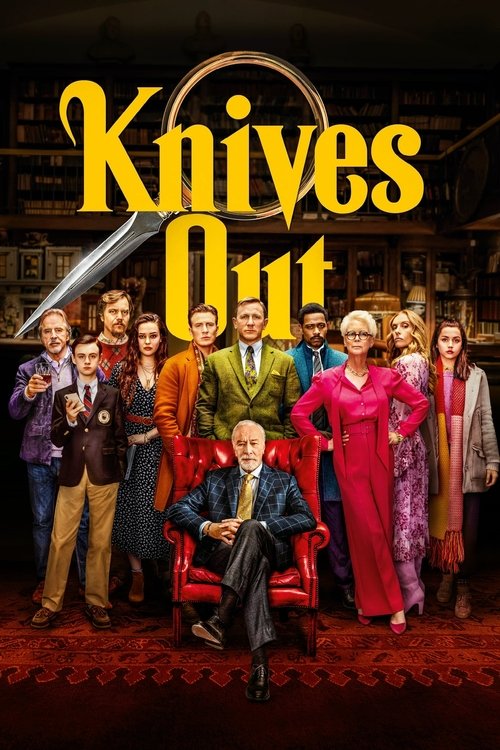
Knives Out
2019When renowned crime novelist Harlan Thrombey is found dead at his estate just after his 85th birthday, the inquisitive and debonair Detective Benoit Blanc is mysteriously enlisted to investigate. From Harlan's dysfunctional family to his devoted staff, Blanc sifts through a web of red herrings and self-serving lies to uncover the truth behind Harlan's untimely death.
Playing the straight man in an ensemble of caricatures, Stanfield provides the necessary grounded skepticism that makes the surrounding absurdity hum. He demonstrates a refined restraint here, showcasing his talent for bolstering a narrative through quiet authority and observant charisma.
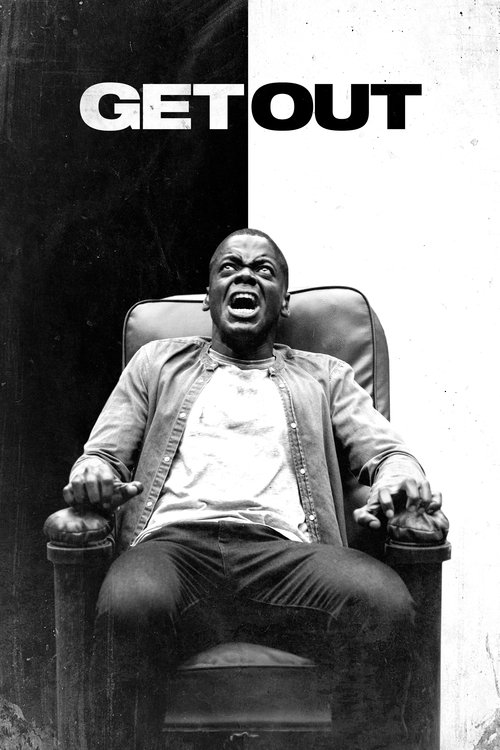
Get Out
2017Chris and his girlfriend Rose go upstate to visit her parents for the weekend. At first, Chris reads the family's overly accommodating behavior as nervous attempts to deal with their daughter's interracial relationship, but as the weekend progresses, a series of increasingly disturbing discoveries lead him to a truth that he never could have imagined.
In just a handful of minutes on screen, Stanfield creates an indelible haunting through a singular, fractured gaze that signals the film's shift into true horror. Every twitch and sudden outburst acts as a vital tonal pivot, solidifying his reputation as a master of unsettling, high-impact presence.
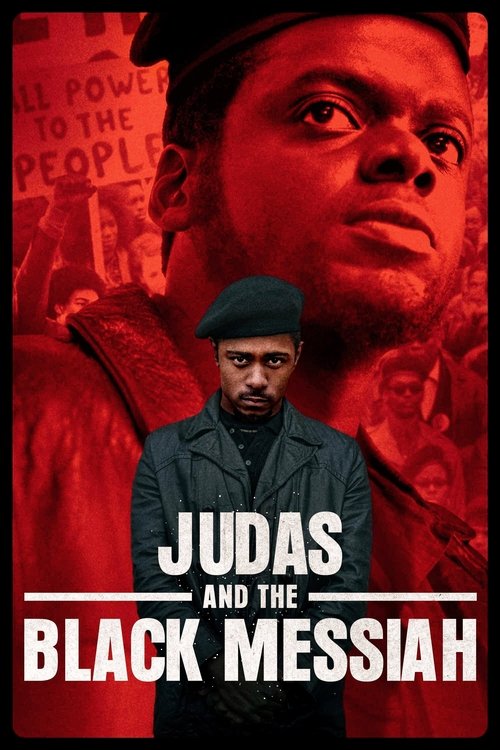
Judas and the Black Messiah
2021Bill O'Neal infiltrates the Black Panthers on the orders of FBI Agent Mitchell and J. Edgar Hoover. As Black Panther Chairman Fred Hampton ascends—falling for a fellow revolutionary en route—a battle wages for O’Neal’s soul.
Stanfield captures the agonizing erosion of a soul as Bill O'Neal, masterfully navigating the treacherous space between survivalist desperation and the crushing weight of betrayal. This performance serves as his definitive career benchmark, proving his ability to anchor a historical tragedy with profound psychological complexity.
Frequently Asked Questions
Everything you need to know about this list and SnakeDrafts
- LaKeith Stanfield's portrayal of Fred Hampton in Judas and the Black Messiah is ranked highest due to its powerful depiction of historical resistance and Stanfield's deeply compelling performance that captures both the charisma and tragedy of the Black Panther Party leader.
- In Get Out, Stanfield delivers a subtle yet impactful performance as a key supporting character, illustrating his ability to navigate horror and social thriller genres while contributing to the film's tense and unsettling atmosphere.
- Short Term 12 highlights Stanfield's emotional depth, where he portrays complex vulnerability and empathy, reinforcing his reputation for crafting nuanced characters in intimate dramas that resonate strongly with audiences.
- Sorry to Bother You showcases Stanfield's skill in blending fantasy, science fiction, and dark comedy, pushing the boundaries of conventional storytelling and allowing him to exhibit a wide emotional and thematic range in a uniquely surreal narrative.
- Stanfield frequently chooses roles that challenge societal norms and explore complex social issues, often blending drama with elements of suspense and dark humor, demonstrating his commitment to thought-provoking and boundary-pushing cinema.
- While the list includes acclaimed films like Knives Out and Uncut Gems, some fans might find the absence of his earlier indie work surprising, but the ranking focuses on roles that showcase his range and impact in prominent, influential films throughout his career.
- In Knives Out, Stanfield embraces comedic timing and mystery elements, showcasing his adaptability in lighter, genre-blending narratives compared to the intense emotional gravitas required in his dramatic roles like in Crown Heights or Selma.