The Best Rachel McAdams Movies
From Regina George to Oscar Nominated Dramas
Discover the essential films of Rachel McAdams ranked. Experience her best performances in romantic classics, gripping dramas, and iconic comedies.
About Rachel McAdams

In the early 2000s, Hollywood attempted to pigeonhole Rachel McAdams as the industry’s next great ingenue, but she had far more subversive plans for her career. Within a single calendar year, she delivered two performances that should have been diametrically opposed: the icy, Machiavellian Regina George in Mean Girls and the soulful, rain-drenched Allie Hamilton in The Notebook. One role cemented her as a comedic force with surgical timing; the other turned her into the face of modern romantic longing. To capture both the villain of the high school cafeteria and the heroine of a generational tearjerker requires a specific type of alchemy, a blend of approachability and mystery that she has maintained for two decades.
What sets her apart from her contemporaries is an apparent lack of ego. While other stars of her caliber chase the spotlight, she famously retreats to her native Canada, choosing projects with a selective eye that favors substance over celebrity. This groundedness translates on screen as a rare, lived-in warmth. Audiences connect with her because she feels like the smartest person in the room who has no interest in proving it. Whether she is trading rapid-fire barbs with Vince Vaughn in Wedding Crashers or navigating the surreal, nostalgic streets of 1920s France in Midnight in Paris, she grounds the high-concept whimsy of her films in something tangible and human.
Her mid-career transition into prestige drama revealed a performer with deep stores of grit. In Spotlight, she disappeared into the role of a tireless journalist, earning an Oscar nomination by leaning into the mundane reality of the work rather than reaching for theatrical outbursts. That same intensity anchored the boxing drama Southpaw and the brooding political tension of State of Play. Even when stepping into the machinery of blockbuster franchises like Sherlock Holmes or Doctor Strange, she refuses to serve as a mere accessory to the leading man. She fights for the interior life of her characters, ensuring they possess a pulse and a purpose.
Perhaps her most underrated superpower is her comedic range. In Game Night, she reminded the industry that she is one of the few dramatic heavyweights who can pull off slapstick with absolute conviction. Yet, she always returns to the emotional nucleus of the human experience. Her recent turn in Are You There God? It's Me, Margaret. served as a poignant reminder of why she remains essential. As a mother navigating her own identity crises, she offered a performance of such vulnerability and grace that it felt like a conversation with an old friend.
She has mastered the art of being a chameleon without losing her core identity. From the forbidden romance of Disobedience to the high-stakes science fiction of About Time and The Time Traveler’s Wife, she navigates genres with a rhythmic fluidity. She does not just inhabit a script; she elevates it, bringing a sense of dignity to every frame. In a town built on artifice, her enduring appeal lies in her refusal to be anything other than authentic, making every character she plays feel less like a performance and more like a revelation.
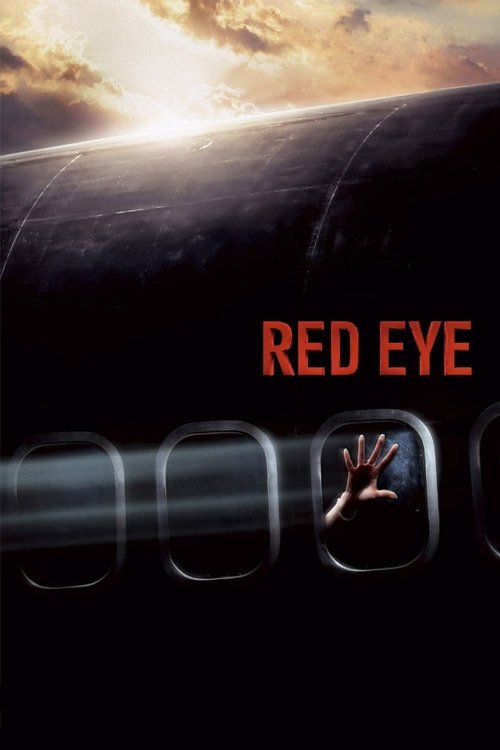
Red Eye
2005An overnight flight to Miami quickly becomes a battle for survival when Lisa realizes her seatmate plans to use her as part of a chilling assassination plot against the Deputy Secretary of Homeland Security. If she refuses to cooperate, her own father will be killed. As the miles tick by, she's in a race against time to find a way to warn the potential victims before it's too late.

The Vow
2012Happy young married couple Paige and Leo are, well, happy. Then a car accident puts Paige into a life-threatening coma. Upon awakening she has lost the previous five years of memories, including those of her beloved Leo, her wedding, a confusing relationship with her parents, or the ending of her relationship with her ex-fiance. Despite these complications, Leo endeavors to win her heart again and rebuild their marriage.
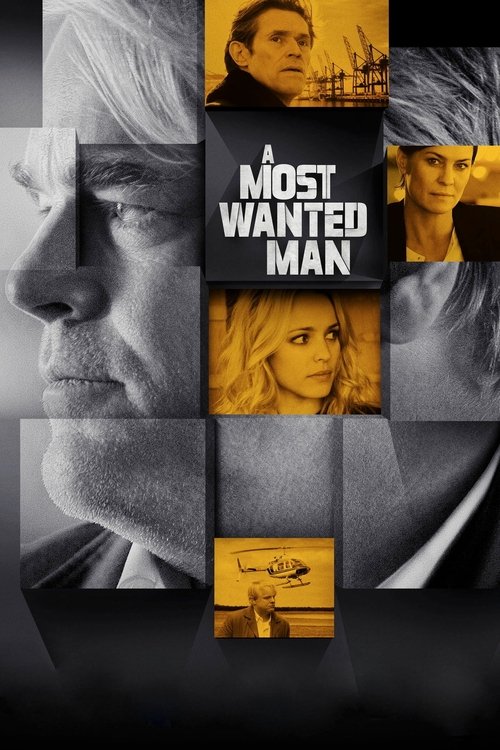
A Most Wanted Man
2014A Chechen Muslim illegally immigrates to Hamburg and becomes a person of interest for a covert government team tracking the movements of potential terrorists.
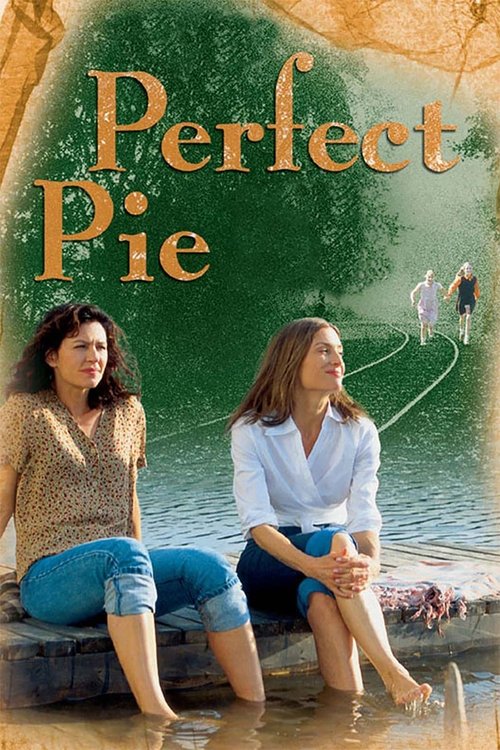
Perfect Pie
2002On the invitation of her childhood best friend Patsy McCann née Willets, famed opera singer Francesca Prine - whose real name is Marie Beck - returns to Marmora, Ontario to sing in a benefit concert. Patsy and Marie were best friends from the time Marie and her family arrived in Marmora when she was ten years old to the time she left Marmora at age fifteen, which was thirty years prior. With the exception of Don Rayford on who Marie had a crush, Patsy was shy Marie's only friend in Marmora. However, Marie and Patsy have not been in touch since due to issues that drove Marie out of town at the time. Those issues include Marie being physically abused by her alcoholic mother, but most specifically what happened the evening of the Sadie Hawkins dance - where Don accompanied Marie - and post dance down by the railroad tracks. Marie and Patsy's reunion may not be able to endure the thirty years of silence and the events of that night.
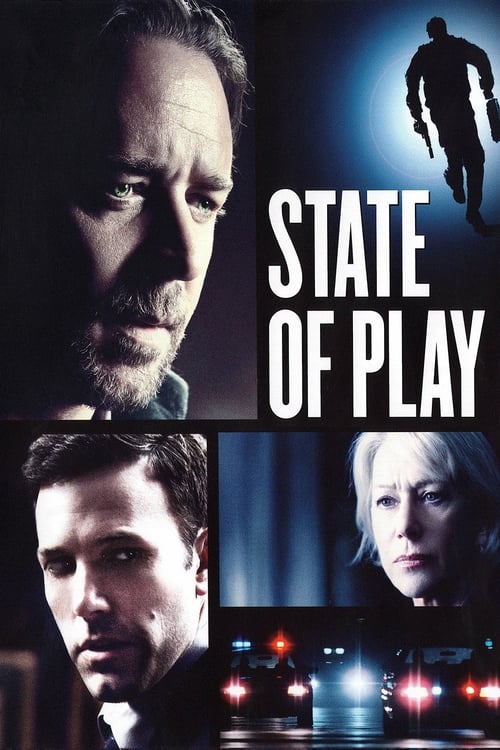
State of Play
2009When a congressional aide is killed, a Washington, D.C. journalist starts investigating the case involving the Representative, his old college friend.
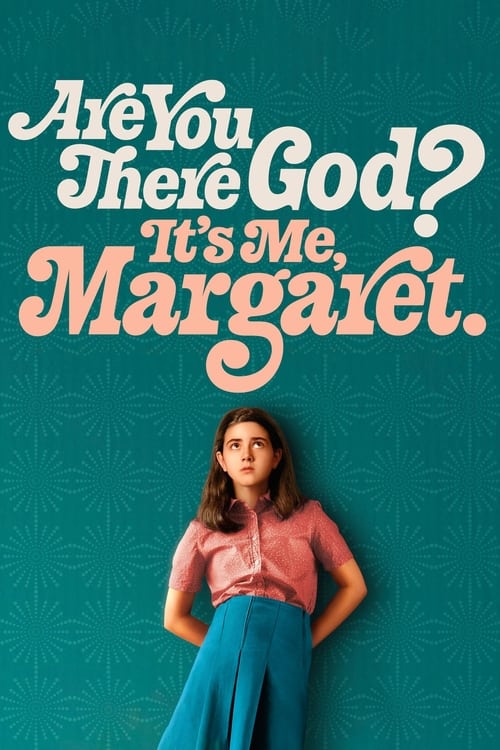
Are You There God? It's Me, Margaret.
2023When her family moves from New York City to New Jersey, an 11-year-old girl navigates new friends, feelings, and the beginning of adolescence.
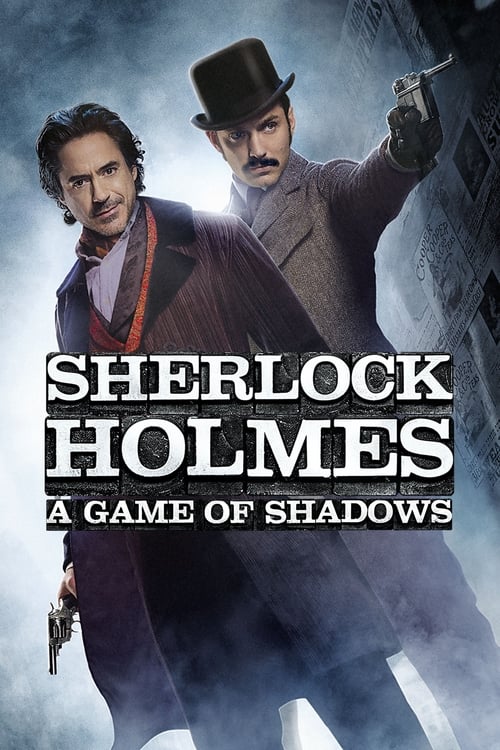
Sherlock Holmes: A Game of Shadows
2011There is a new criminal mastermind at large (Professor Moriarty) and not only is he Holmes’ intellectual equal, but his capacity for evil and lack of conscience may give him an advantage over the detective.
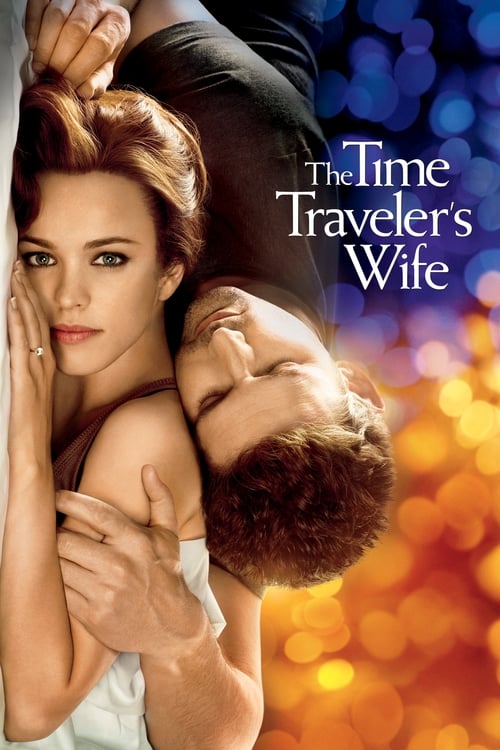
The Time Traveler's Wife
2009Due to a genetic disorder, handsome librarian Henry DeTamble involuntarily zips through time, appearing at various moments in the life of his true love, the beautiful artist Clare Abshire.
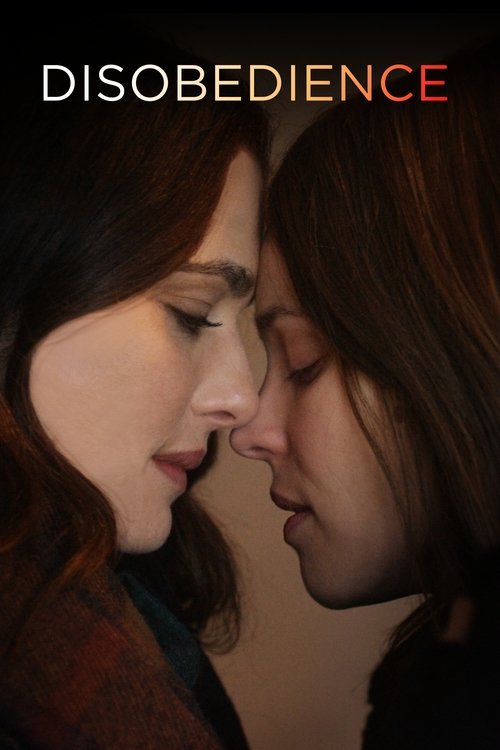
Disobedience
2018New York photographer Ronit flies to London after learning about the death of her estranged father. Ronit is returning to the same Orthodox Jewish community that shunned her decades earlier for her childhood attraction to Esti, a female friend. Their fortuitous and happy reunion soon reignites their burning passion as the two women explore the boundaries of faith and sexuality.
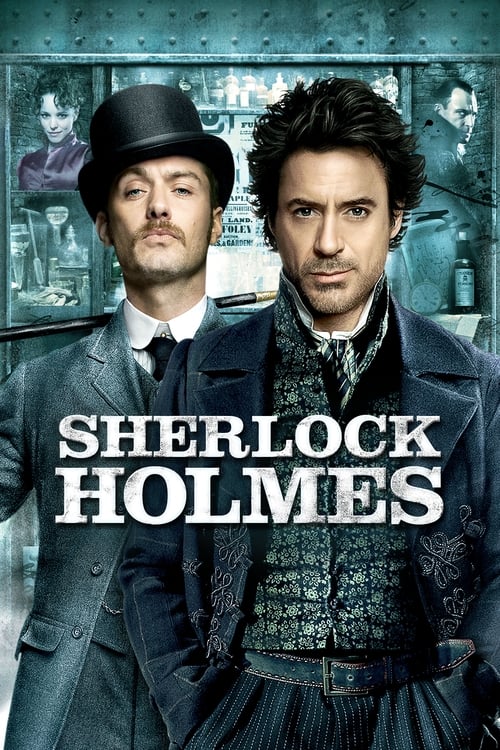
Sherlock Holmes
2009Eccentric consulting detective Sherlock Holmes and Doctor John Watson battle to bring down a new nemesis and unravel a deadly plot that could destroy England.
McAdams weaponizes a predatory, feline grace to reinvent Irene Adler as a street-smart operative who outmaneuvers the world’s greatest detective with effortless poise. It remains a pivotal turn in her filmography, marking the exact moment she shed her girl-next-door archetype to embrace a more dangerous, calculating screen presence. She anchors the film’s chaotic energy with a sharp-witted elegance that proves she is the only person in London capable of knocking Holmes off his axis.

Southpaw
2015Billy "The Great" Hope, the reigning junior middleweight boxing champion, has an impressive career, a loving wife and daughter, and a lavish lifestyle. However, when tragedy strikes, Billy hits rock bottom, losing his family, his house and his manager. He soon finds an unlikely savior in Tick Willis, a former fighter who trains the city's toughest amateur boxers. With his future on the line, Hope fights to reclaim the trust of those he loves the most.
McAdams discards her girl-next-door veneer to become the gritty, steel-spined engine of the film’s first act, grounding the melodrama with a fierce maternal realism. It is a pivotal departure that proved she could command the screen as a formidable dramatic heavyweight, delivering a grounded urgency that haunts the story long after she leaves it.
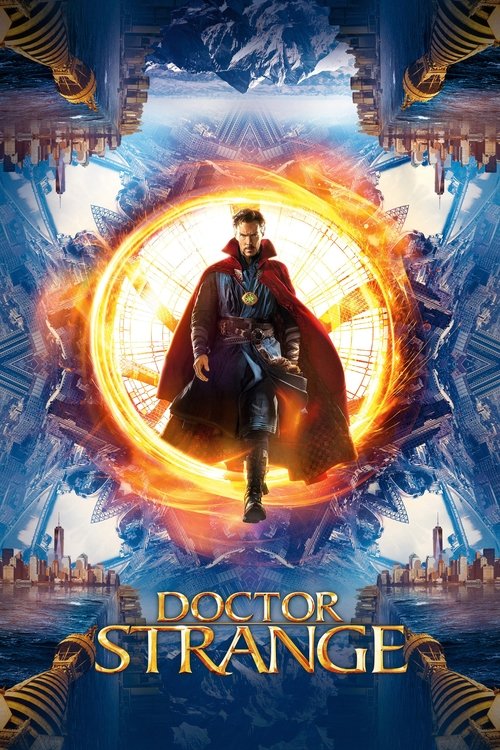
Doctor Strange
2016After his career is destroyed, a brilliant but arrogant surgeon gets a new lease on life when a sorcerer takes him under her wing and trains him to defend the world against evil.
McAdams elevates the thankless audience-surrogate role through sharp comedic timing and a grounded, tactile humanity that serves as the film’s essential moral ballast. It marks a savvy pivot into blockbuster territory, proving she can command the screen alongside Tier-1 spectacle without losing her signature naturalistic warmth. She treats the high-concept absurdity with a deadpan sincerity that makes the supernatural stakes feel surprisingly intimate.
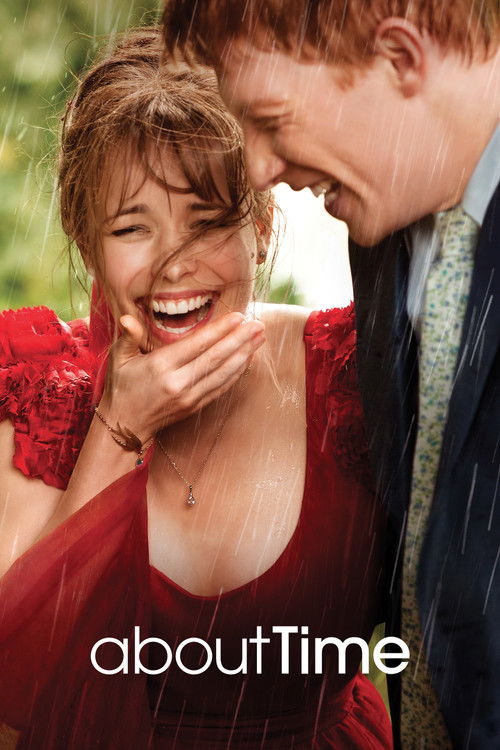
About Time
2013The night after another unsatisfactory New Year's party, Tim's father tells his son that the men in his family have always had the ability to travel through time. They can't change history, but they can change what happens and has happened in their own lives. Thus begins the start of a lesson in learning to appreciate life itself as it is, as it comes, and most importantly, the people living alongside us.
McAdams operates with a radiant, understated naturalism that grounds the film’s high-concept premise in genuine human stakes. She crafts Mary with a tactile blend of bashfulness and warmth, reaffirming her status as the definitive screen presence of the modern romantic genre. It is a masterclass in reactionary acting, proving she can command a story's heart just by being the person worth traveling through time for.

Game Night
2018Max and Annie's weekly game night gets kicked up a notch when Max's brother Brooks arranges a murder mystery party -- complete with fake thugs and federal agents. So when Brooks gets kidnapped, it's all supposed to be part of the game. As the competitors set out to solve the case, they start to learn that neither the game nor Brooks are what they seem to be. The friends soon find themselves in over their heads as each twist leads to another unexpected turn over the course of one chaotic night.
McAdams weaponizes a sunny, Midwestern earnestness to become the film’s comedic engine, delivering a masterclass in high-stakes screwball energy. It is the definitive proof of her untapped genius for physical comedy, trading her "America's Sweetheart" polish for a deliriously unhinged spontaneity that steals every frame. Crucially, she recalibrates the tired supportive-wife archetype into a whirlwind of infectious, wide-eyed chaos.
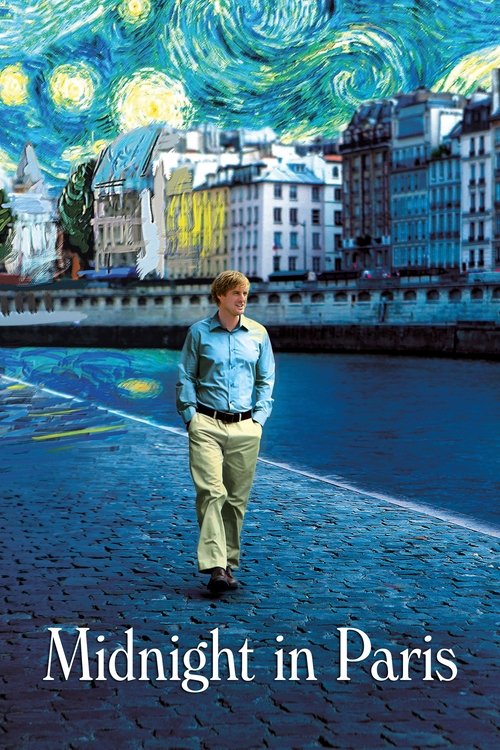
Midnight in Paris
2011While on a trip to Paris with his fiancée's family, a nostalgic screenwriter finds himself mysteriously going back to the 1920s every day at midnight.
McAdams weaponizes a sharp, brittle pragmatism to play the ultimate buzzkill, trading her signature sweetness for a masterclass in relentless condescension. It remains a fascinating pivot in her career, proving she could excel as a quintessential antagonist by stripping away her likability to ground the film’s whimsy in harsh, uptight reality.
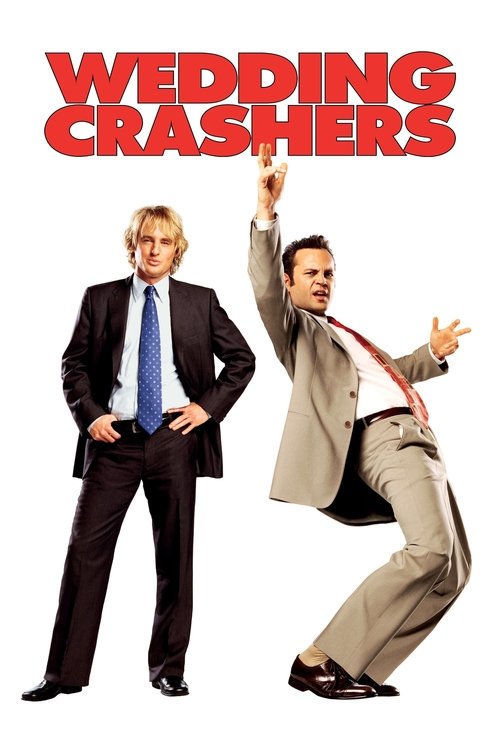
Wedding Crashers
2005John and his buddy Jeremy are emotional criminals who know how to use a woman's hopes and dreams for their own carnal gain. Their modus operandi: crashing weddings. Normally, they meet guests who want to toast the romantic day with a random hook-up. But when John meets Claire, he discovers what true love – and heartache – feels like.
McAdams provides the essential heartbeat to an otherwise cynical farce, radiating a luminous sincerity that prevents the film from collapsing into mere frat-boy antics. This role solidified her status as the era’s definitive romantic lead, proving she could pivot from Regina George’s bite to a grounded, soulful warmth. She anchors the chaos with a naturalistic charm that makes the improbable central romance feel both earned and inevitable.
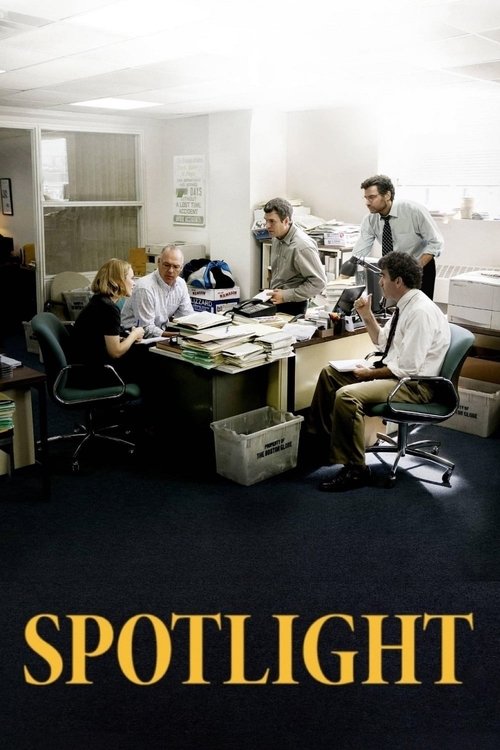
Spotlight
2015The true story of how the Boston Globe uncovered the massive scandal of child molestation and cover-up within the local Catholic Archdiocese, shaking the entire Catholic Church to its core.
McAdams sheds her leading-lady shimmer for a grounded, blue-collar tenacity, capturing Sacha Pfeiffer’s quiet composure and empathetic listening with ego-free precision. It is the definitive turning point in her career, proving she could anchor a gritty ensemble by favoring subdued realism over movie-star artifice. She turns the simple act of taking notes into a masterclass in stillness and focused intent.
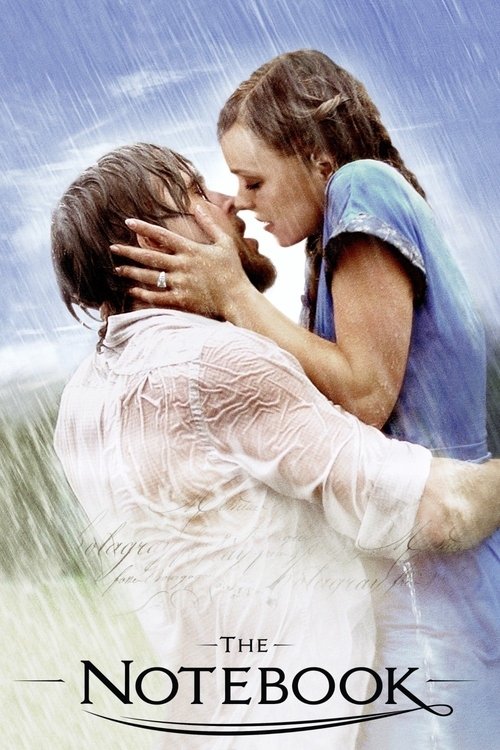
The Notebook
2004An epic love story centered around an older man who reads aloud to a woman with Alzheimer's. From a faded notebook, the old man's words bring to life the story about a couple who is separated by World War II, and is then passionately reunited, seven years later, after they have taken different paths.
McAdams weaponizes a luminous, high-velocity charm that transforms Allie from a standard debutante into a whirlwind of indecision and raw nerve. It was the definitive star-making turn that proved she could anchor a sprawling period romance with genuine vulnerability rather than just cinematic artifice. She captures the electric, frantic friction of first love with a precision that remains the benchmark for the modern tearjerker.
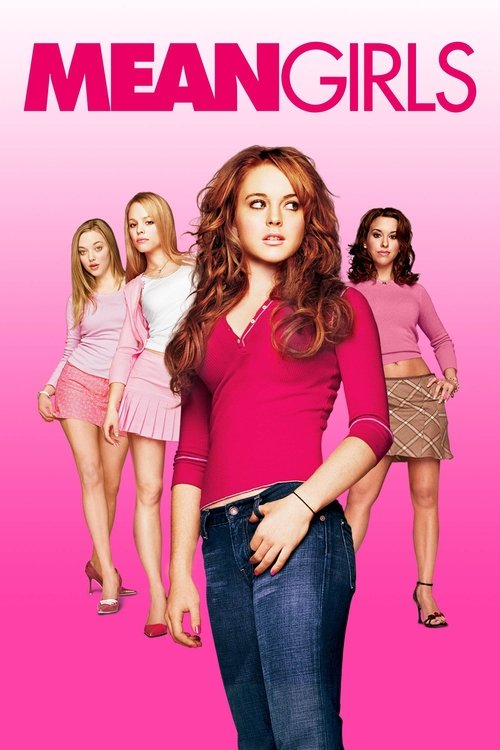
Mean Girls
2004Cady Heron is a hit with The Plastics, the A-list girl clique at her new school, until she makes the mistake of falling for Aaron Samuels, the ex-boyfriend of alpha Plastic Regina George.
McAdams wields a terrifying, velvet-gloved magnetism as Regina George, weaponizing poise and a predatory smile to create the ultimate high school apex predator. It is the definitive breakout turn that proved she could command the screen with a lethal comic precision, transforming a stereotypical villain into an indelible cultural icon. Her ability to pivot between sugar-coated manipulation and cold-blooded calculation remains the gold standard for cinematic mean spirits.
Frequently Asked Questions
Everything you need to know about this list and SnakeDrafts
- Rachel McAdams shines in romantic classics like The Notebook and About Time, where she brings depth and warmth to her characters. These films showcase her ability to portray heartfelt, emotional narratives that resonate with audiences.
- Yes, Rachel McAdams has demonstrated impressive comedic timing in films like Mean Girls, Wedding Crashers, and Midnight in Paris. These comedies highlight her versatility, ranging from sharp satire to lighthearted romantic humor.
- Rachel McAdams has delivered compelling performances in dramas like Spotlight and Southpaw, where she takes on serious, emotionally charged roles. These films allow her to explore complex characters outside the romance and comedy genres.
- Rachel McAdams appears in the Marvel Cinematic Universe film Doctor Strange, showcasing her range by entering the fantasy and action genres. She blends seamlessly into the superhero world, balancing dramatic and fantastical elements.
- Rachel McAdams has worked with Guy Ritchie in Sherlock Holmes and its sequel Sherlock Holmes: A Game of Shadows. These adventure and crime films highlight her role as a strong and intelligent character, complementing Ritchie's dynamic directing style.
- Rachel McAdams' movies often explore themes of romance, personal growth, and complex interpersonal relationships. Whether in heartfelt dramas or smart comedies, her characters frequently navigate love, identity, and moral dilemmas.
- Yes, Rachel McAdams starred in Spotlight, a powerful drama based on the true story of investigative journalism uncovering the Catholic Church's abuse scandal. This film highlights her ability to engage with significant social issues through her performances.