Best Movies Directed by Oliver Stone
The Definitive Filmography of a Political Provocateur
Explore the essential cinematic works of Oliver Stone, from visceral war epics to controversial political thrillers and cultural critiques.
About Oliver Stone
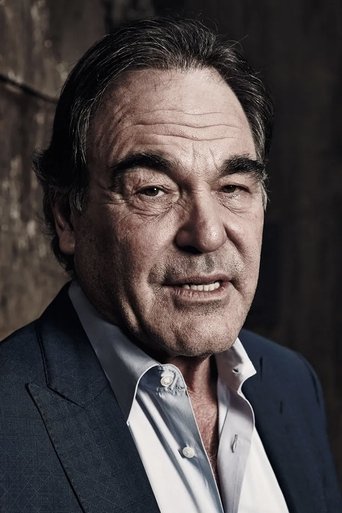
To watch an Oliver Stone film is to walk directly into a high-speed collision between historical trauma and hallucinogenic style. He does not merely observe power; he grapples with it until both the filmmaker and the audience are bruised. While his peers often lean into the safety of nostalgia, Stone operates as a restless provocateur, using the camera as a blunt force instrument to dismantle American myths. His lens is perpetually twitching, hungry for a truth that lies somewhere beneath the official redacted report.
The kinetic energy of his work reached a fever pitch in the nineties, specifically with the dizzying sensory assault of Natural Born Killers. In that film, he abandoned traditional continuity for a chaotic blend of film stocks, animation, and sitcom parodies, a fever dream reflecting a culture obsessed with its own decay. This stylistic restlessness defines his most vital contributions to cinema. Even when he slows down, there is a vibrating tension under the surface. In JFK, he turned the dry mechanics of a courtroom procedural into a paranoid masterpiece, using rapid-fire editing to mirror the fractured psyche of a nation mourning its lost innocence. He proved that history is not a static set of dates, but a living, breathing conspiracy that demands to be interrogated.
His obsession with the masculine ego and the heavy cost of the American Dream runs through every frame of his filmography. He famously drew from his own scars to create Platoon, a visceral descent into the jungle that stripped away the heroism of war movies to reveal the moral rot within. This raw authenticity carried over into Born on the Fourth of July, where he tracked the physical and spiritual disintegration of a veteran with unflinching intensity. He views his protagonists through a tragic lens, whether it is the cocaine-fueled greed of Gordon Gekko in Wall Street or the spiraling self-destruction of Jim Morrison in The Doors. These figures are larger than life, yet Stone insists on showing us the cracks in their armor.
Even his political biopics function more like Shakespearean tragedies than standard dramas. With Nixon and W., he humanized deeply divisive figures without ever letting them off the hook, finding the pathos in their isolation. He treats the football field in Any Given Sunday and the drug wars of Savages with the same operatic scale, proving that no subject is too small for his maximalist vision. Whether he is dissecting the mechanics of whistleblowing in Snowden or the gritty survivalism of Salvador, his voice remains unmistakable. He is a filmmaker who refuses to whisper. In an era of polished, safe blockbusters, his legacy is one of beautiful, defiant noise, reminding us that cinema should be as messy and complicated as the world it portrays.
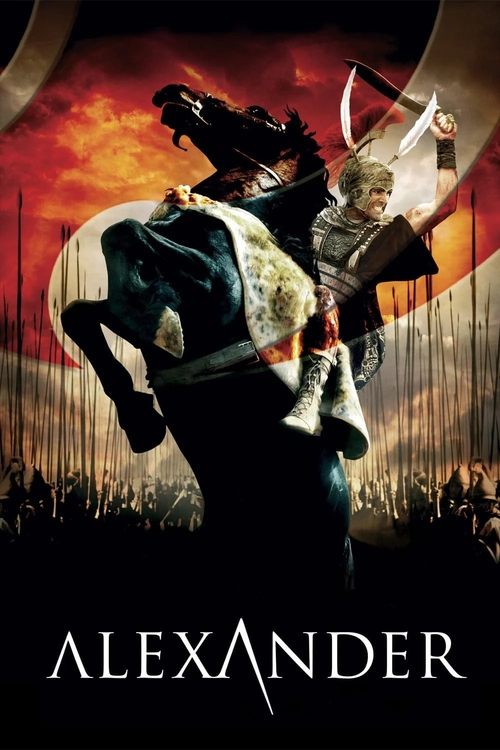
Alexander
2004Alexander, the King of Macedonia, leads his legions against the giant Persian Empire. After defeating the Persians, he leads his army across the then known world, venturing farther than any westerner had ever gone, all the way to India.
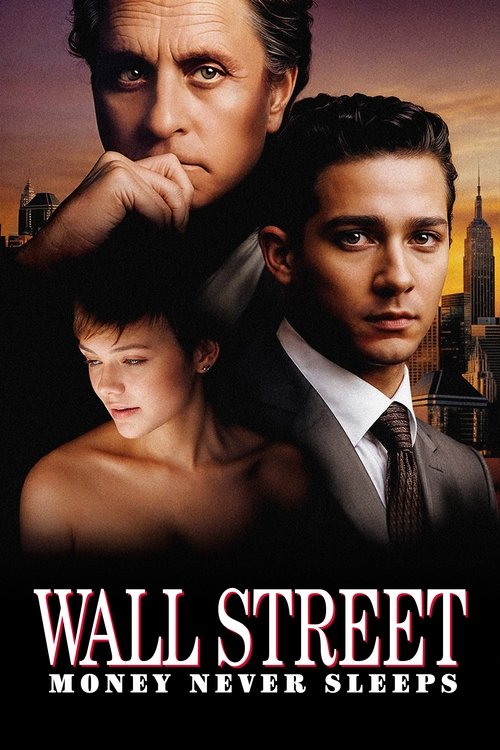
Wall Street: Money Never Sleeps
2010As the global economy teeters on the brink of disaster, a young Wall Street trader partners with disgraced former Wall Street corporate raider Gordon Gekko on a two tiered mission: To alert the financial community to the coming doom, and to find out who was responsible for the death of the young trader's mentor.
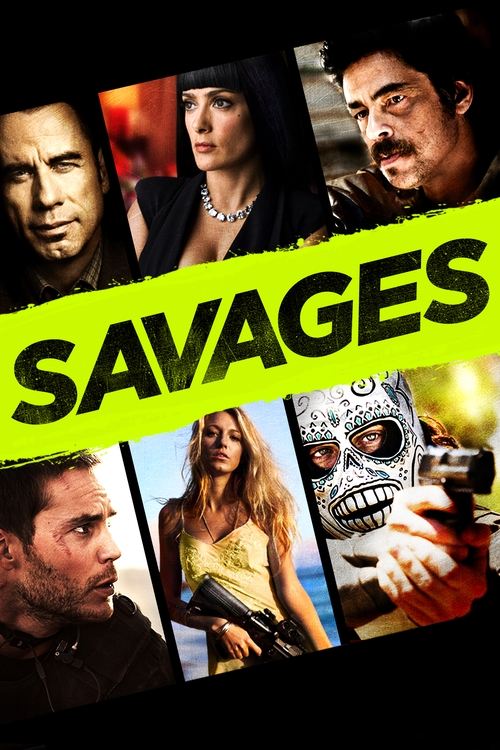
Savages
2012Pot growers Ben and Chon face off against the Mexican drug cartel who kidnapped their shared girlfriend.
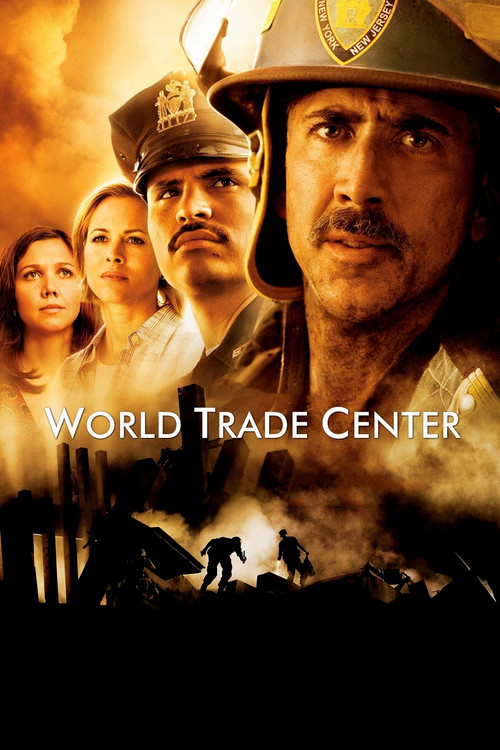
World Trade Center
2006Two police officers struggle to survive when they become trapped beneath the rubble of the World Trade Center on September 11, 2001.
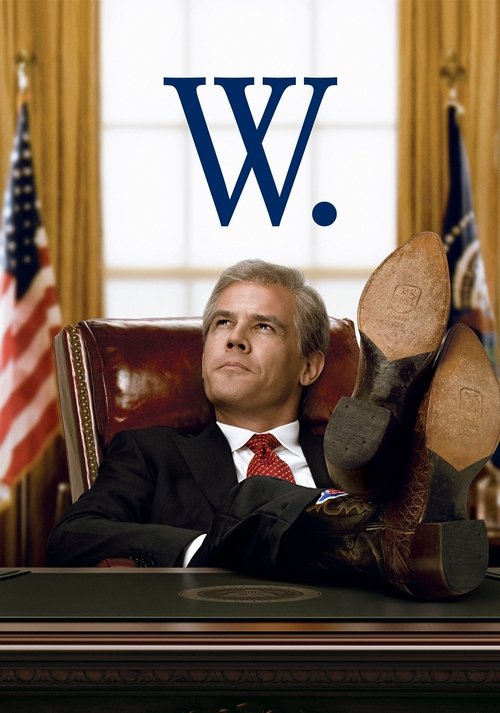
W.
2008The story of the eventful life of George W. Bush—his struggles and triumphs, how he found both his wife and his faith—and the critical days leading up to his decision to invade Iraq.
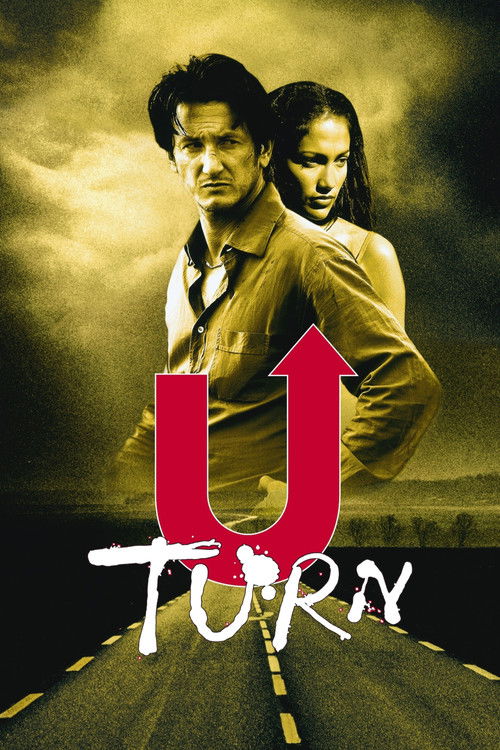
U Turn
1997When a desperate man’s car breaks down in a bizarre desert town while evading vengeful bookies, he becomes entangled in a dangerous love triangle. Caught between a married couple, he’s faced with deadly contracts to kill them both.
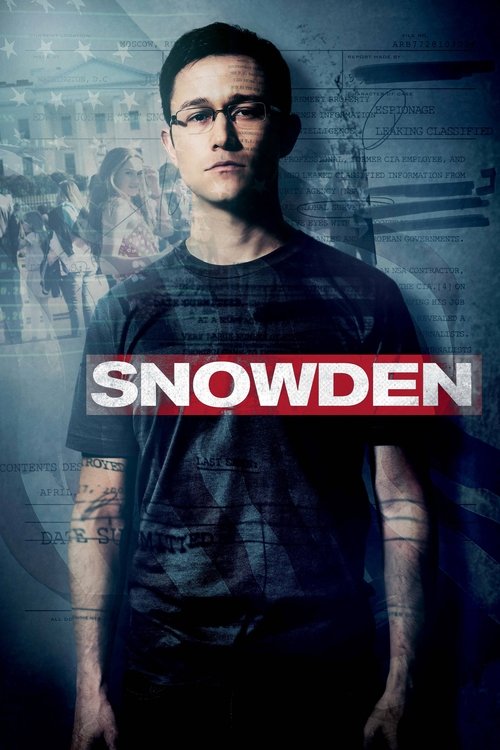
Snowden
2016CIA employee Edward Snowden leaks thousands of classified documents to the press.
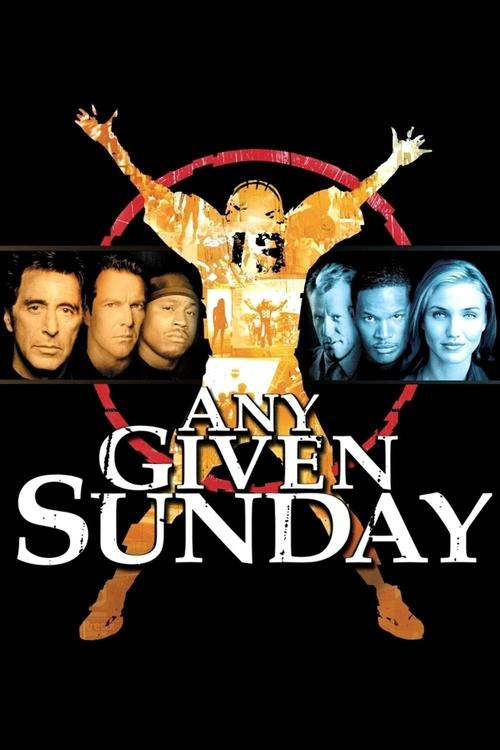
Any Given Sunday
1999A star quarterback gets knocked out of the game and an unknown third stringer is called in to replace him. The unknown gives a stunning performance and forces the aging coach to reevaluate his game plans and life. A new co-owner/president adds to the pressure of winning. The new owner must prove herself in a male dominated world.
Stone applies his combat aesthetic to the gridiron, treating professional football as a gladiatorial spectacle of bone crushing impact. The hyper kinetic editing and aggressive sound design transform the sport into a sprawling metaphor for the physical and spiritual costs of the American dream.
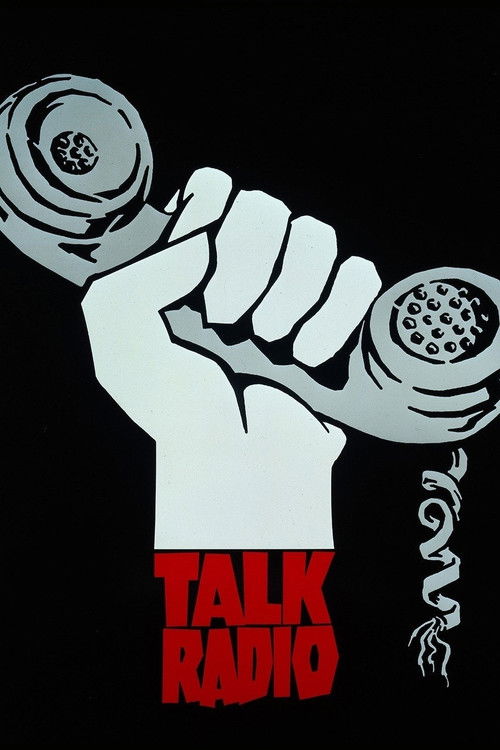
Talk Radio
1988A rude, contemptuous talk show host becomes overwhelmed by the hatred that surrounds his program just before it goes national.
Confined largely to a single room, Stone proves he can generate white knuckle tension through dialogue and camera movement alone. This claustrophobic character study anticipates the toxic evolution of modern media discourse through its relentless, staccato pacing.
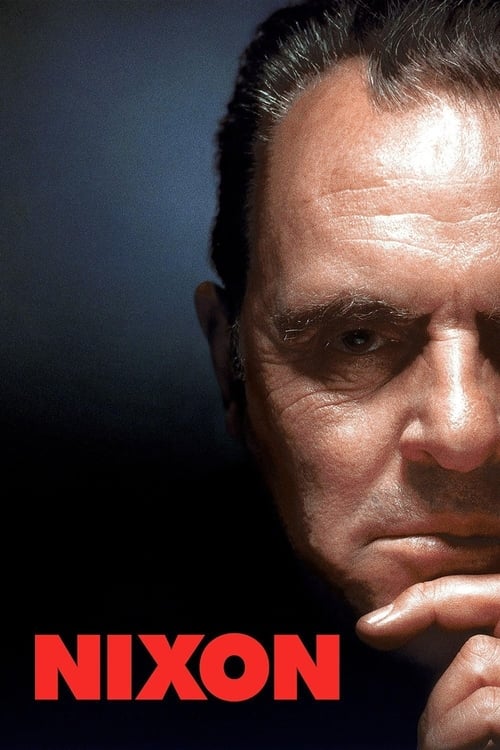
Nixon
1995A look at President Richard M. Nixon—a man carrying the fate of the world on his shoulders while battling the self-destructive demands from within—spanning his troubled boyhood in California to the shocking Watergate scandal that would end his Presidency.
Taking a Shakespearean approach to the American presidency, Stone crafts a somber and visually layered psychological portrait of power in decline. The film utilizes a complex, non linear structure to humanize a polarizing figure without ever absolving the weight of his political legacy.

The Doors
1991The story of the famous and influential 1960s rock band and its lead singer and composer, Jim Morrison.
Stone approaches the rock biopic as a psychedelic odyssey, utilizing swirling camerawork and high contrast lighting to mimic the sensory distortion of the counterculture. He eschews standard chronology for a sensory experience that prioritizes the mythic over the biographical.
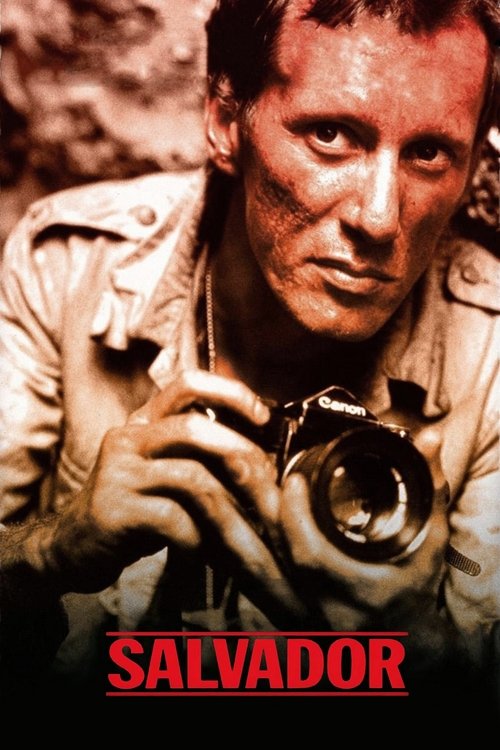
Salvador
1986In 1980, an American journalist covering the Salvadoran Civil War becomes entangled with both the leftist guerrilla groups and the right-wing military dictatorship while trying to rescue his girlfriend and her children.
In this frantic and sweaty political thriller, Stone establishes his signature style of boots on the ground journalism infused with righteous indignation. The film serves as a crucial prototype for his career long obsession with Latin American intervention and the moral compromises of the frontline observer.
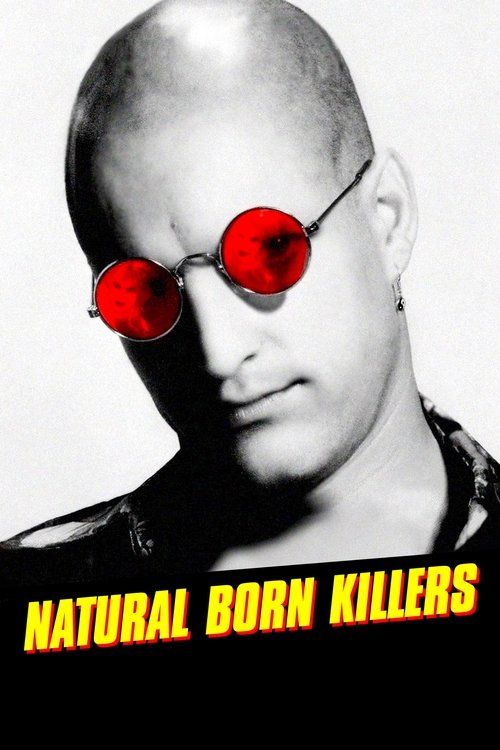
Two victims of traumatized childhoods become lovers and serial murderers irresponsibly glorified by the mass media.
A hallucinatory assault on the senses, this film utilizes a chaotic collage of animation, rear projection, and distorted angles to satirize the media's fetishization of violence. It represents Stone at his most formally radical, pushing the boundaries of narrative structure to reflect a fractured, channel-surfing psyche.
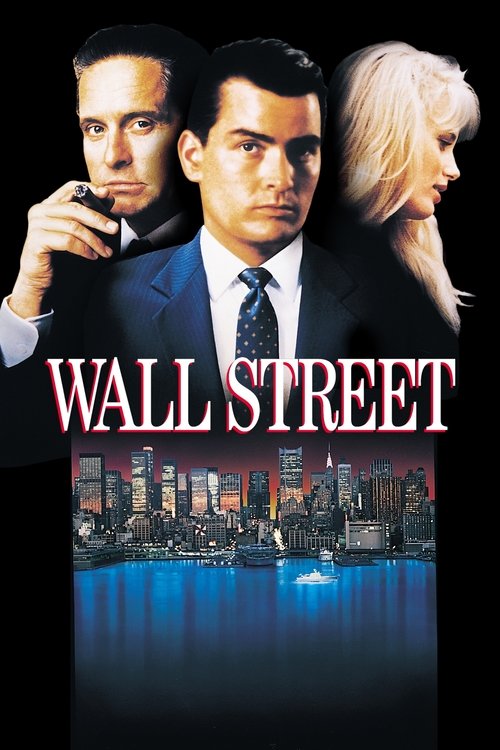
Wall Street
1987A young and impatient stockbroker is willing to do anything to get to the top, including trading on illegal inside information taken through a ruthless and greedy corporate raider, whom takes the youth under his wing.
Stone turned his aggressive lens toward the high stakes of late eighties finance, crafting a sleek yet predatory aesthetic that perfectly mirrors the era of excess. It stands as his most influential cultural critique, capturing the seductive rot of corporate capitalism with a cold, rhythmic precision.
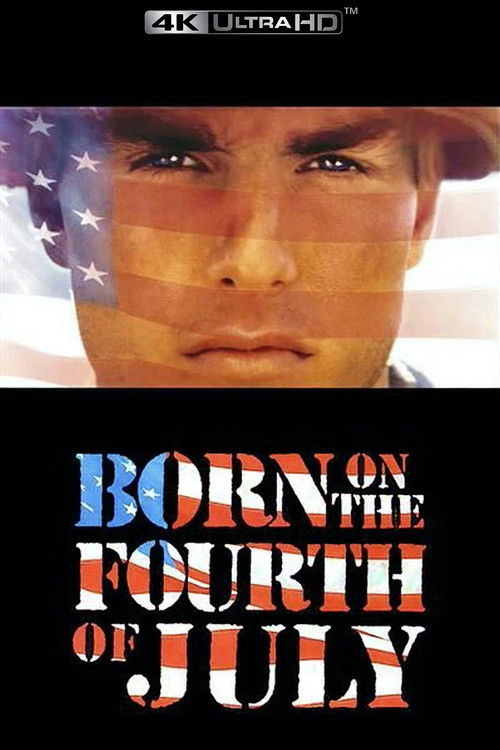
Paralyzed in the Vietnam war, Ron Kovic becomes an anti-war and pro-human rights political activist after feeling betrayed by the country he fought for.
Moving from the jungle to the fractured American landscape, Stone captures the agonizing friction between patriotic myth and broken reality. His direction here relies on a sweeping, operatic intensity that transforms a personal tragedy into a blistering indictment of the state.
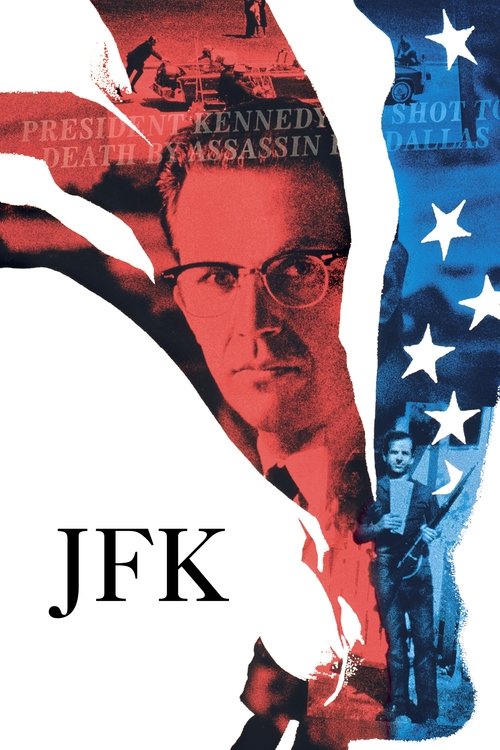
JFK
1991Follows the investigation into the assassination of President John F. Kennedy led by New Orleans district attorney Jim Garrison.
This masterclass in kinetic editing and paranoid storytelling functions as a fever dream of American distrust. Stone weaves disparate film stocks and historical fragments into a dense, contrapuntal tapestry that fundamentally altered how cinema interrogates official history.
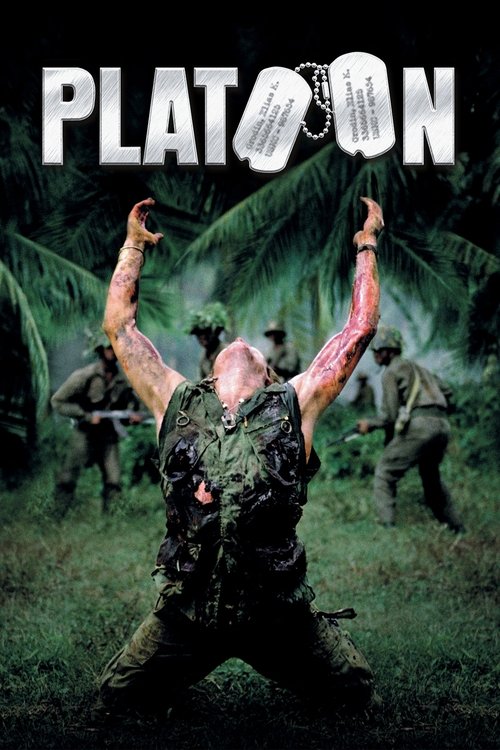
Platoon
1986As a young and naive recruit in Vietnam, Chris Taylor faces a moral crisis when confronted with the horrors of war and the duality of man.
Drawing from the raw shrapnel of his own combat experience, Stone reinvented the war epic by stripping away Hollywood artifice in favor of a claustrophobic, moral sweatbox. It remains the definitive cinematic exorcism of the Vietnam era, established through a gritty visual vocabulary that prioritizes sensory overload over traditional heroism.
Frequently Asked Questions
Everything you need to know about this list and SnakeDrafts
- 'Platoon' (1986) is ranked as the best due to its raw and authentic portrayal of the Vietnam War, showcasing Oliver Stone's personal war experience. This film not only earned critical acclaim but also won multiple Academy Awards, cementing its status as a powerful anti-war masterpiece.
- The listicle highlights Oliver Stone's focus on themes such as war trauma ('Born on the Fourth of July', 'Salvador'), political controversy ('JFK', 'Nixon'), and American cultural critique ('Wall Street', 'Natural Born Killers'). His movies often explore power struggles, historical events, and the clash between truth and myth.
- 'JFK' (1991) is a significant film because it delves into the conspiracy theories surrounding President John F. Kennedy's assassination, blending thriller and historical drama. It exemplifies Stone’s provocative style by challenging official narratives and igniting public debate about American history.
- The inclusion of 'Talk Radio' (1988) stands out as it focuses on media and free speech rather than war or politics, showing Stone's versatility. However, some might find the omission of 'Wild Palms'—a notable mini-series he directed—surprising, as it reflects his engagement with political and social themes beyond feature films.
- While 'Wall Street' engages with the greed and moral decay in America’s financial sector through sharp dialogue and character study, Stone’s war dramas like 'Platoon' are visceral and immersive, often drawing from personal experience. This contrast showcases his ability to address diverse American power structures with varying cinematic techniques.
- 'Natural Born Killers' is distinctive due to its chaotic visual style and satirical take on media sensationalism and violence. Unlike Stone’s more grounded historical dramas, this film employs a hallucinogenic narrative and cutting social commentary, pushing his boundary-pushing filmmaking approach.
- 'Snowden' and 'W.' extend Stone’s trend of dissecting contemporary political figures and espionage, portraying complex and controversial characters with detail. They reinforce his reputation for critiquing power and government through dramatic retellings of recent history.