Aidan Quinn Movies Ranked Definitively
Essential Performances from a Versatile Hollywood Icon
Discover Aidan Quinn's most iconic roles, from intense period dramas to beloved cult classics in this definitive filmography guide.
About Aidan Quinn
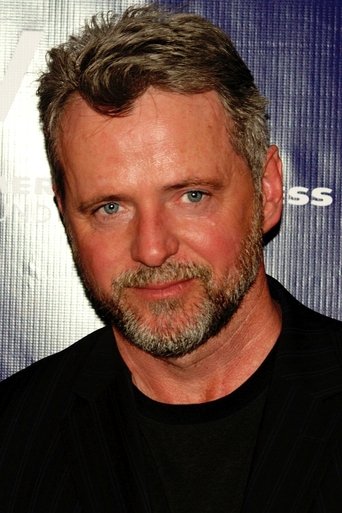
In the landscape of American cinema, Aidan Quinn occupies a space reserved for the soulful and the steady. He possesses a specific kind of magnetism that never demands the center of the frame but inevitably finds it, anchored by a gaze that suggests a deep, internal dialogue. He first punctured the pop culture consciousness during the neon-soaked eighties, providing the perfect grounded counterpoint to Rosanna Arquette and Madonna in Desperately Seeking Susan. While many of his peers chased the loud, hyper-masculine energy of that decade, he leaned into a thoughtful, often poetic sensibility that has defined his four-decade career.
His brilliance lies in a rare versatility that allows him to pivot between the high-stakes period drama and the intimate domestic character study without ever losing his footing. In The Mission, he navigated the brutal landscapes of 18th-century South America with a raw, physical intensity, yet he was just as convincing playing the empathetic brother trying to hold his family together in Benny and Joon. There is an inherent decency to his screen presence, an unspoken reliability that makes him the ideal choice for roles requiring moral weight. Whether he is playing the lovestruck investigator in Practical Magic or the father trying to navigate a changing suburbia in Flipped, he brings a nuanced humanity that prevents his characters from becoming archetypes.
Audiences connect with him because he feels like the keeper of the story's secrets. In the sweeping epic Legends of the Fall, he played the responsible, often overlooked brother Alfred with a simmering resentment that was as heartbreaking as it was relatable. This ability to portray the burden of the dutiful man surfaced again in Michael Collins and Mary Shelley's Frankenstein, where he provided the necessary emotional tether to stories that might otherwise have drifted into melodrama. He holds the screen with a quiet authority that does not require shouting.
As his career progressed, he transitioned seamlessly into the role of the elder statesman, often serving as the emotional conscience of a film. His work in Song for a Raggy Boy showcased a devastating grit, while his presence in thrillers like The Assignment or Unknown reminded viewers of his capacity for sharp, kinetic energy. Even in lighter fare like Wild Child or the nostalgic warmth of Avalon, he remains a master of the understated. He does not just inhabit a role; he settles into it, allowing the audience to see the gears of his character's mind turning.
Ultimately, the enduring appeal of his work comes down to a refusal to be flashy. He has managed to avoid the pitfalls of overexposure, maintaining a level of mystery that makes every new appearance feel like a reunion with an old friend. He remains one of those few actors whose name on a poster acts as a seal of quality, a promise that the performance will be thoughtful, layered, and entirely lived-in. In a town built on artifice, he offers something far more valuable: a consistent, ringing truth.

Blink
1993Emma is an attractive girl in her 20s who has been blind for 20 years. A new type of eye operation partially restores her sight, but she is having problems: sometimes she doesn't "remember" what she's seen until later. One night she is awakened by a commotion upstairs. Peering out of her door, she sees a shadowy figure descending the stairs. Convinced that her neighbour has been murdered she approaches the police, only to find that she is unsure if it was just her new eyes playing tricks on her.
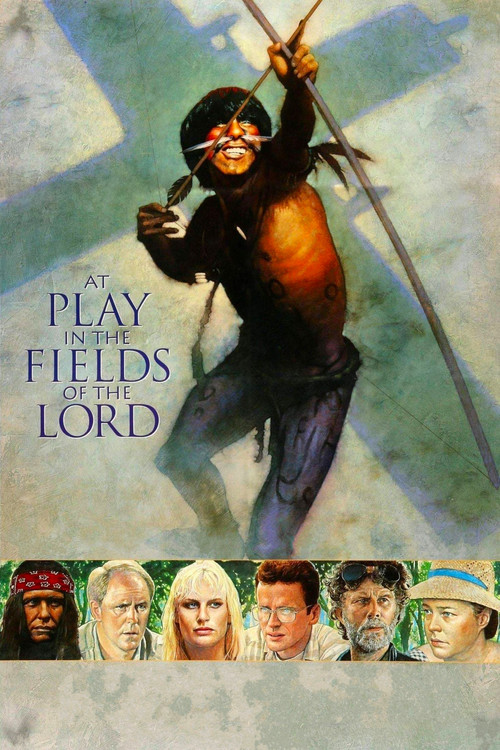
At Play in the Fields of the Lord
1991Martin and Hazel Quarrier are small-town fundamentalist missionaries sent to the jungles of South America to convert the Indians. Their remote mission was previously run by the Catholics, before the natives murdered them all. They are sent by the pompous Leslie Huben, who runs the missionary effort in the area but who seems more concerned about competing with his Catholic 'rivals' than in the Indians themselves. Hazel is terrified of the Indians while Martin is fascinated. Soon American pilot Lewis Moon joins the Indian tribe but is attracted by Leslie's young wife, Andy. Can the interaction of these characters and cultures, and the advancing bulldozers of civilization, avoid disaster?
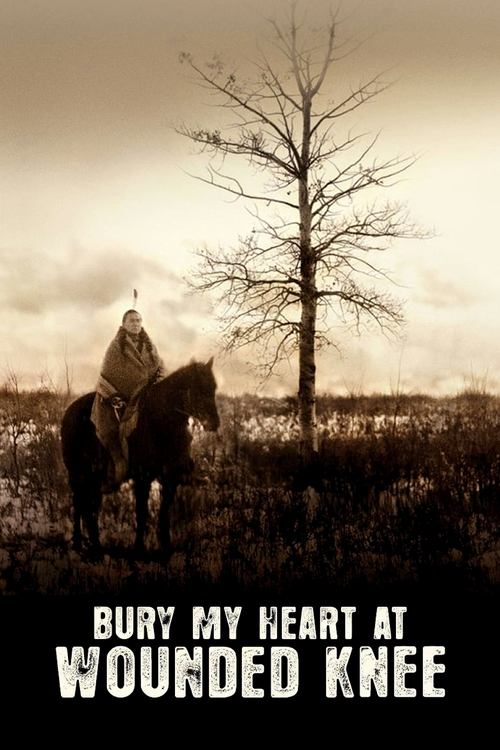
Bury My Heart at Wounded Knee
2007Beginning just after the bloody Sioux victory over General Custer at Little Big Horn, the story is told through two unique perspectives: Charles Eastman, a young, white-educated Sioux doctor held up as living proof of the alleged success of assimilation, and Sitting Bull the proud Lakota chief whose tribe won the American Indians’ last major victory at Little Big Horn.
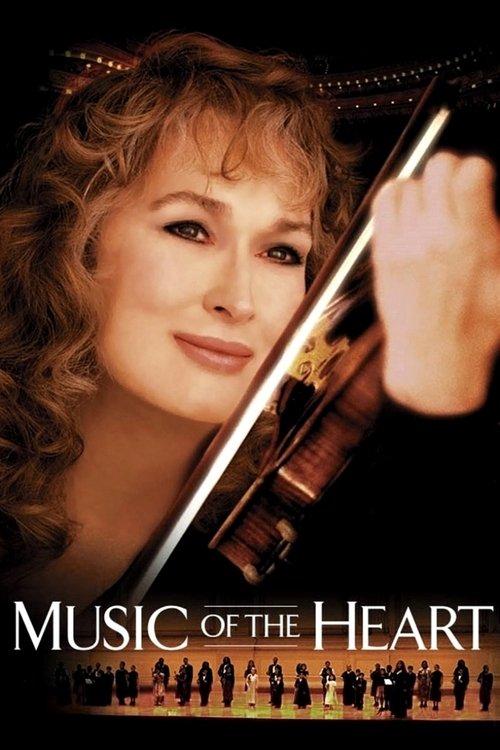
Music of the Heart
1999After Roberta Guaspari separates from her husband, she receives encouragement from her mother to take up a job of a music teacher at the Central Park East School in East Harlem.
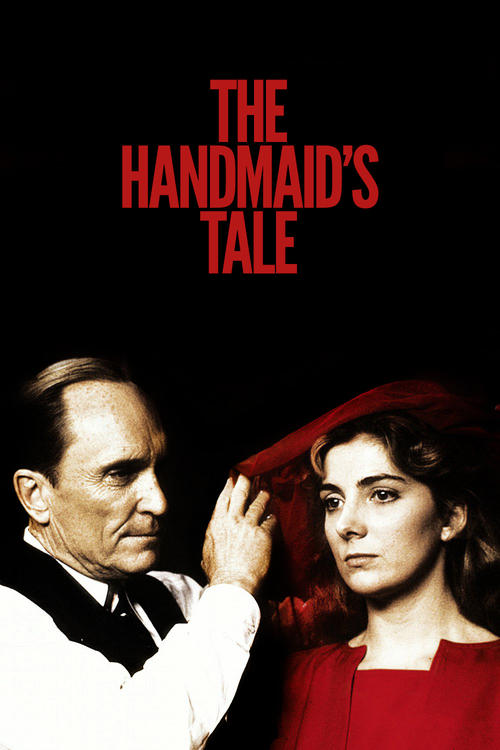
The Handmaid's Tale
1990In a dystopian, polluted right-wing religious tyranny, a young woman is put in sexual slavery on account of her now rare fertility.
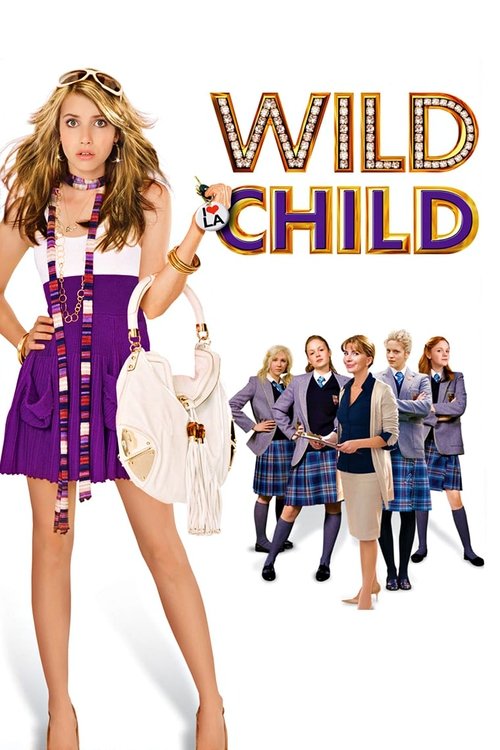
Wild Child
2008Sixteen-year-old Poppy has everything her unlimited credit cards can buy, and a spoiled attitude to match. After a final thoughtless prank, her exasperated father ships her off to boarding school in England. There, Poppy meets her match in a stern headmistress and a class full of girls who will not tolerate her selfishness.
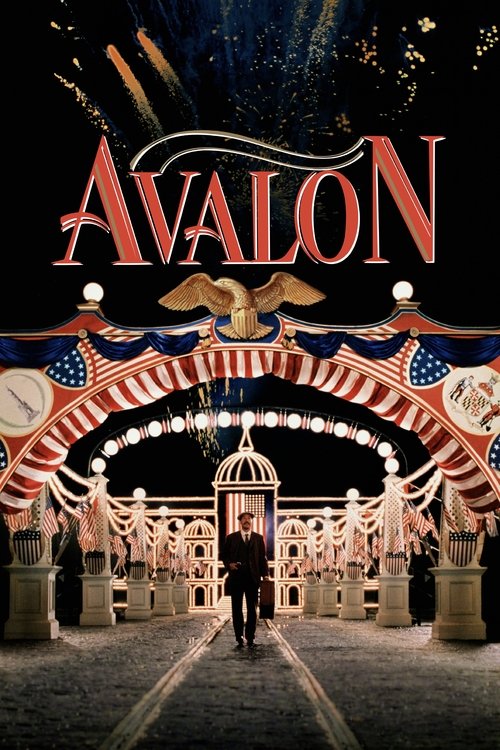
Avalon
1990A Polish-Jewish family comes to the U.S. at the beginning of the twentieth century. There, the family and their children try to make themselves a better future in the so-called promised land.
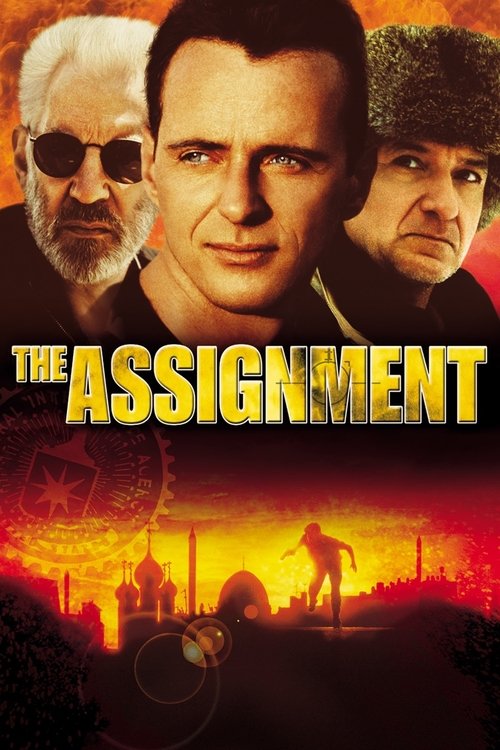
The Assignment
1997Jack Shaw has experienced the terror first-hand. He's a top CIA agent who's tracked international killer-for-hire Carlos "The Jackal" Sanchez for over twenty years and barely survived Carlos' devastating bombing of a Parisian cafe. Now, he finally gets a break when he discovers Carlos' dead ringer: American naval officer and dedicated family man Annibal Ramirez.
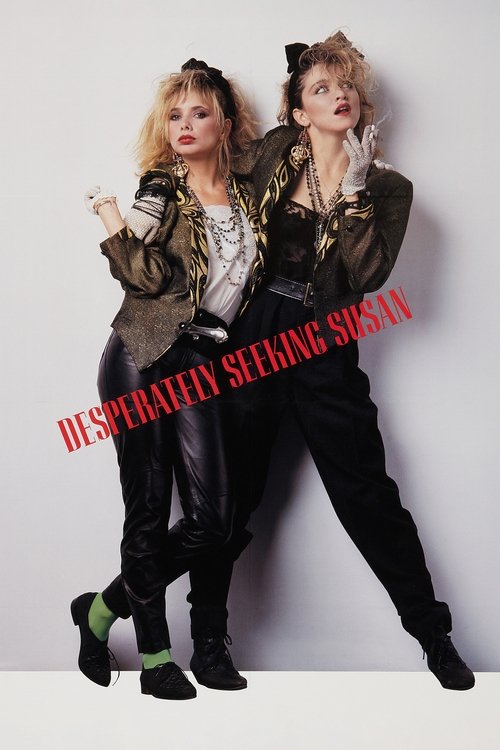
Desperately Seeking Susan
1985A bored New Jersey suburban housewife's fascination with a free-spirited woman she has read about in the personal columns leads to her being mistaken for the woman herself and into a chaotic adventure of amnesia and self-discovery.
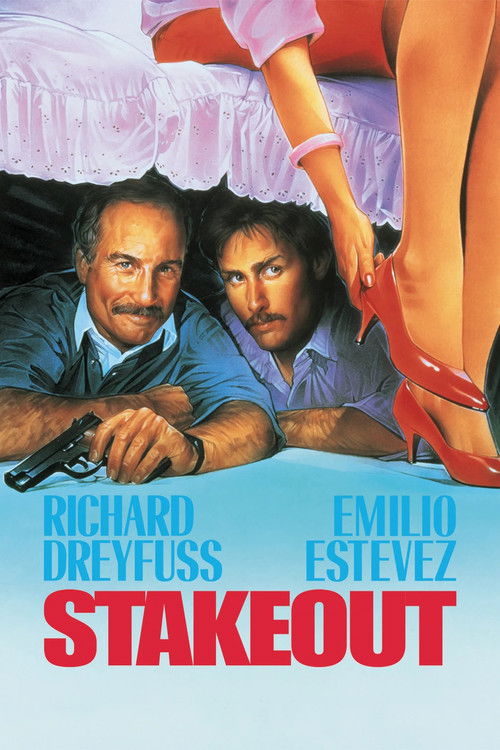
Stakeout
1987Two detectives observe an escaped convict's ex-girlfriend, but complications set in when one of them falls for her.
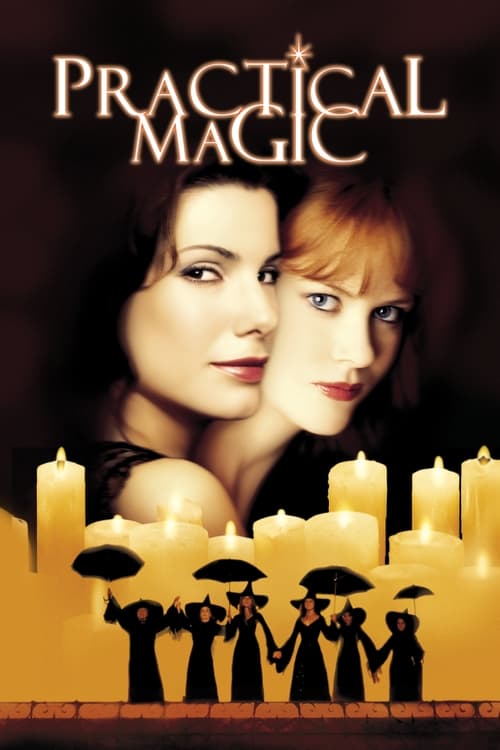
Practical Magic
1998Sally and Gillian Owens, born into a magical family, have mostly avoided witchcraft themselves. But when Gillian's vicious boyfriend, Jimmy Angelov, dies unexpectedly, the Owens sisters give themselves a crash course in hard magic. With policeman Gary Hallet growing suspicious, the girls struggle to resurrect Angelov -- and unwittingly inject his corpse with an evil spirit that threatens to end their family line.
Quinn leans into his underrated romantic leading man potential here, playing the skeptical investigator with a playful, low-key charm. He navigates the film's supernatural whimsy by remaining refreshingly sincere, serving as the essential straight man in a world of domestic sorcery.
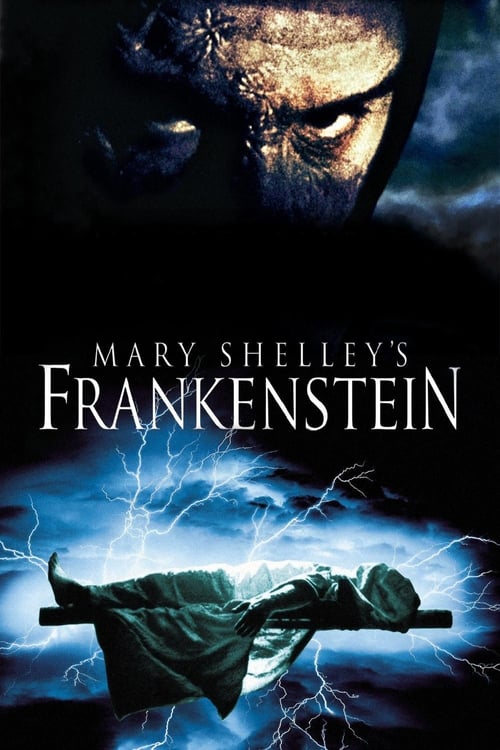
Mary Shelley's Frankenstein
1994Victor Frankenstein is a promising young doctor who, devastated by the death of his mother during childbirth, becomes obsessed with bringing the dead back to life. His experiments lead to the creation of a monster, which Frankenstein has put together with the remains of corpses. It's not long before Frankenstein regrets his actions.
Framing the gothic horror as Captain Walton, Quinn’s arctic explorer serves as a cautionary reflection of Frankenstein’s own obsessive ambition. He commands the screen in these bookended sequences, establishing the chilling atmosphere required for the tragedy to unfold.
Sarah's Key
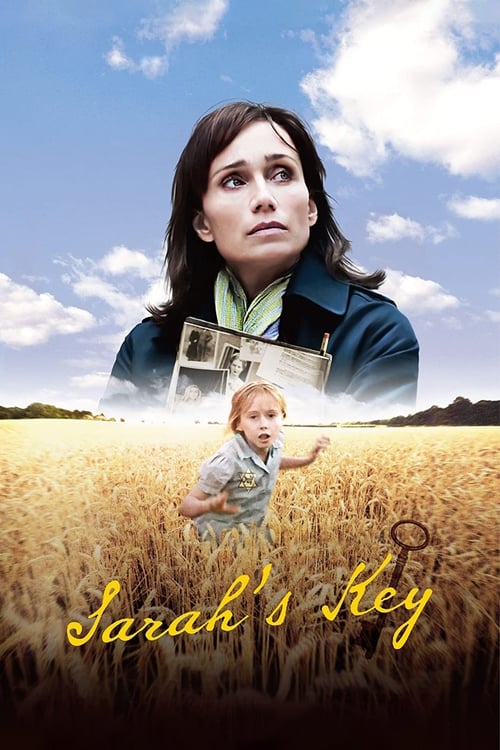
2010On the night of 16 July 1942, ten year old Sarah and her parents are being arrested and transported to the Velodrome d'Hiver in Paris where thousands of other jews are being sent to get deported. Sarah however managed to lock her little brother in a closet just before the police entered their apartment. Sixty years later, Julia Jarmond, an American journalist in Paris, gets the assignment to write an article about this raid, a black page in the history of France. She starts digging archives and through Sarah's file discovers a well kept secret about her own in-laws.
Providing a sensitive and understated supporting turn, Quinn tethers the film’s modern-day investigative thread to a tangible emotional reality. He manages to communicate decades of unspoken history through subtle gestures and a quiet, watchful intensity.
Song for a Raggy Boy
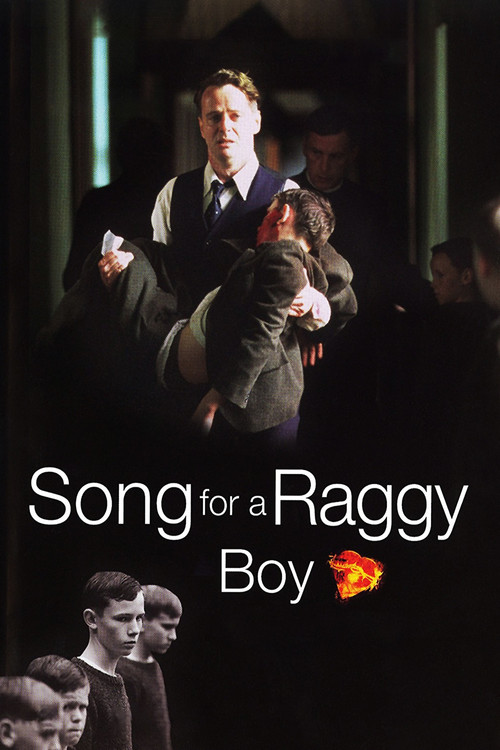
2003William Franklin is a teacher who was born in Ireland and moved to the United States only to repatriate in 1939 after his leftist political views cause him to lose his job. Franklin becomes the first non-cleric instructor at St. Jude's, a school for wayward boys run by Brother John, who is a firm believer in strong discipline.
Quinn offers a hauntingly righteous performance as a teacher confronting systemic cruelty within an Irish industrial school. His work here is a masterclass in controlled outrage, centering the film’s moral compass through a lens of weary but persistent humanism.
Michael Collins
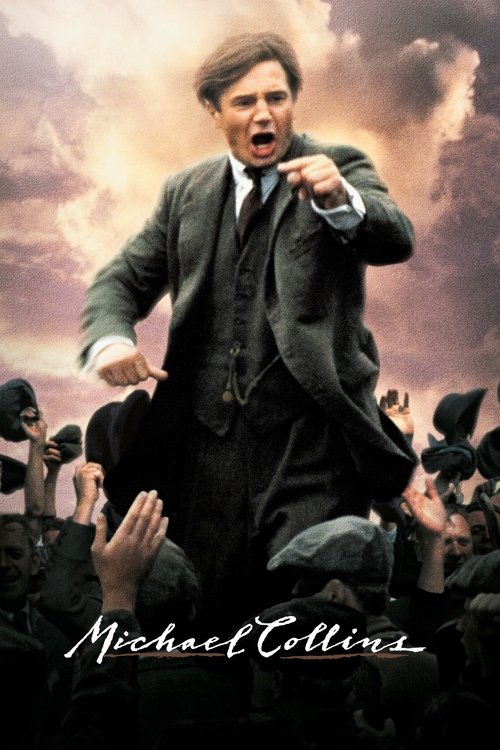
1996Michael Collins plays a crucial role in the establishment of the Irish Free State in the 1920s, but becomes vilified by those hoping to create a completely independent Irish republic.
As Harry Boland, Quinn captures the tragic fracture of a friendship destroyed by revolutionary politics and romantic rivalry. He infuses the historical drama with a visceral sense of loss, effectively representing the human cost hidden behind the grand architecture of Irish independence.

Unknown
2011A man awakens from a coma, only to discover that someone has taken on his identity and that no one, (not even his wife), believes him. With the help of a young woman, he sets out to prove who he is.
Tasked with playing a shadow version of the protagonist, Quinn utilizes his natural charisma to create a chillingly effective foil. He weaponizes his familiar, trustworthy screen presence to sow seeds of doubt, proving himself a formidable opponent in the high-stakes thriller genre.
Flipped
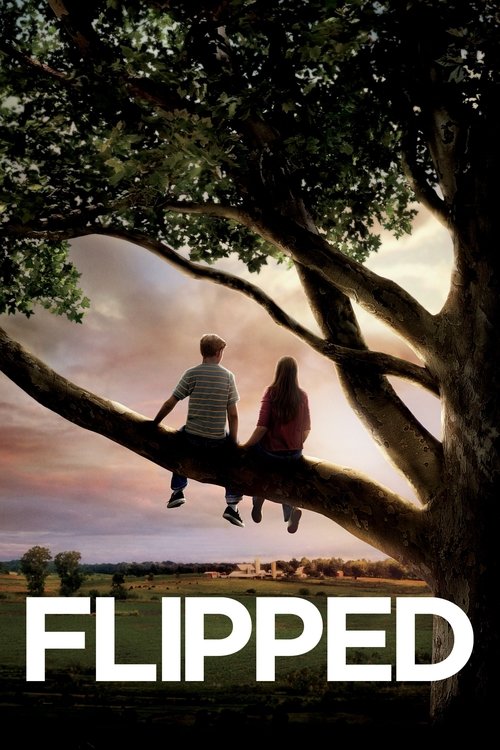
2010When Juli meets Bryce in the second grade, she knows it's true love. After spending six years trying to convince Bryce the same, she's ready to give up - until he starts to reconsider.
Quinn brings a cynical edge to the typical father figure archetype, articulating the quiet bitterness of a man whose dreams have curdled into suburban discontent. This subtle turn allows him to explore the nuanced, often uncomfortable dynamics of family legacy and class ego.
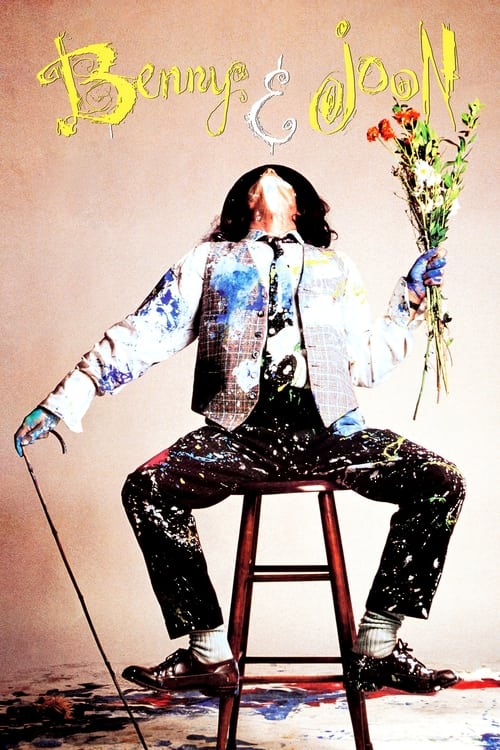
Benny & Joon
1993A mentally ill young woman finds her love in an eccentric man who models himself after Buster Keaton.
Playing the weary, protective Benny, Quinn excels at depicting the exhausting reality of unconditional love and the stifling nature of fraternal responsibility. He avoids the traps of melodrama, instead opting for a gritty, lived-in portrayal of a man who has forgotten how to live for himself.
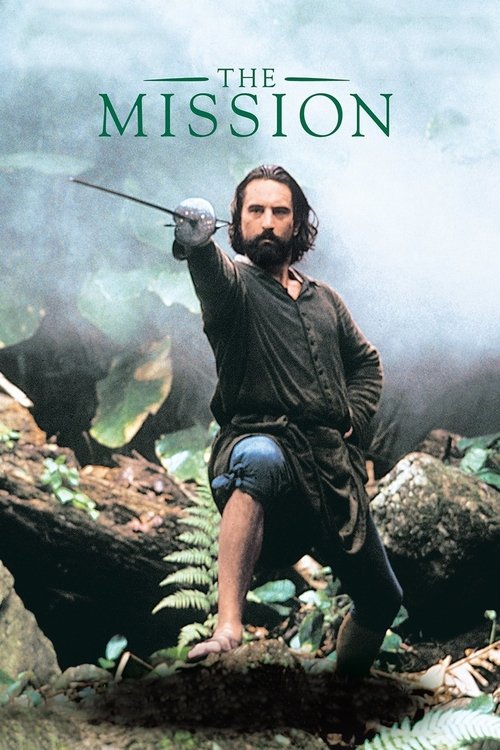
The Mission
1986When a Spanish Jesuit goes into the South American wilderness to build a mission in the hope of converting the Indians of the region, a slave hunter is converted and joins his mission. When Spain sells the colony to Portugal, they are forced to defend all they have built against the Portuguese aggressors.
In this epic of faith and colonialism, Quinn offers a crucial sense of vulnerability as Felipe, acting as the bridge between his brother's violent past and a precarious future. His physical presence against the lush South American landscape highlights his ability to convey deep internal conflict with minimal dialogue.
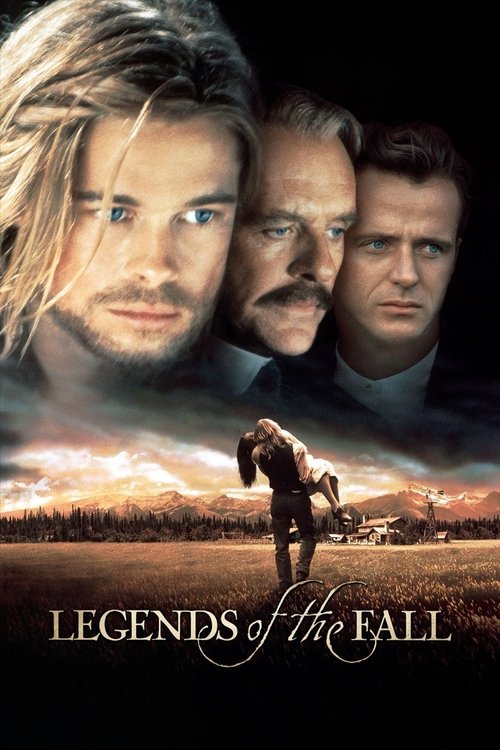
In early 20th-century Montana, Col. William Ludlow lives on a ranch in the wilderness with his sons, Alfred, Tristan, and Samuel. Eventually, the unconventional but close-knit family are bound by loyalty, tested by war, and torn apart by love, as told over the course of several decades in this epic saga.
Quinn serves as the film's moral and emotional anchor, masterfully portraying the simmering resentment of the dutiful eldest brother who lives in the shadow of chaos. His transformation from a rigid traditionalist to a heartbroken politician provides a necessary, grounded counterweight to the movie's sprawling romanticism.
Frequently Asked Questions
Everything you need to know about this list and SnakeDrafts
- Aidan Quinn's filmography in this list spans a diverse range of genres including drama, romance, war, action, and historical films. For example, 'Legends of the Fall' blends drama and romance with action, while 'The Mission' incorporates adventure and history, showcasing his versatility across different cinematic styles.
- In 'Benny & Joon,' Aidan Quinn plays a gentle and quirky character in a romantic comedy-drama setting, which contrasts with his intense roles in serious dramas like 'Michael Collins' and 'Song for a Raggy Boy.' This highlights his ability to adapt to both lighthearted and emotionally heavy narratives.
- Several of Aidan Quinn’s films tackle significant historical events and themes such as the Irish struggle for independence in 'Michael Collins,' colonial missions in 'The Mission,' and the impacts of war in 'Sarah's Key.' These films not only highlight his range but also his ability to engage with complex historical subject matter.
- While the list features a variety of directors, each film brings a unique directorial vision, from Edward Zwick’s expansive storytelling in 'Legends of the Fall' to Roland Joffé’s intense direction in 'The Mission.' This variety reflects the broad scope of Quinn's collaborative experiences.
- Films like 'Flipped' and 'Practical Magic' best display Aidan Quinn’s charm as a romantic lead, blending emotional depth with lighthearted moments. These films emphasize his talent in portraying nuanced romantic relationships in different genres, including romance and fantasy.
- Yes, 'Desperately Seeking Susan' is a cult classic on this list where Aidan Quinn plays a grounded character amidst the vibrant 1980s New York setting. This film helped cement his early popularity and remains a beloved title among fans of 80s cinema.
- Aidan Quinn’s roles evolve from youthful, charismatic parts in films like 'Desperately Seeking Susan' to mature, complex characters in films such as 'Mary Shelley's Frankenstein' and 'Michael Collins.' This transition marks his growth as an actor capable of handling varied emotional and narrative depths.
- War is a central theme in movies like 'Legends of the Fall,' 'Michael Collins,' and 'Sarah's Key,' where Aidan Quinn portrays characters deeply affected by conflict and its consequences. These roles underscore his capacity to capture the human dimensions of turmoil and resilience.