The Best Emilio Estevez Movies
From Brat Pack Icon to Passionate Filmmaker
Explore the definitive ranking of Emilio Estevez movies, featuring Breakfast Club, The Mighty Ducks, and his acclaimed directorial work in The Way.
About Emilio Estevez

In the frantic, neon-soaked landscape of eighties cinema, Emilio Estevez functioned as the grounded heart of a generation. While his peers were often busy cultivating a certain aloofness, he possessed a blue-collar intensity that made him the most relatable member of the era's elite young acting circle. He wasn't just a face on a poster; he was the athlete struggling with paternal pressure in The Breakfast Club and the haunted soul in St. Elmo's Fire. There was always a distinct vulnerability behind his sharp jawline, a sense that he understood the weight of expectation better than most.
His career trajectory reflects a restless creative spirit that refused to be pinned down by the Brat Pack label. He pivoted from the suburban angst of The Outsiders into the jagged, surrealist punk energy of Repo Man, proving he could handle cult weirdness just as easily as ensemble drama. This versatility defined his peak years. He could transform into the legendary outlaw Billy the Kid for the Young Guns franchise, leaning into a manic, charismatic energy that reinvented the Western for a younger audience, or play the straight man in the high-stakes buddy comedy of Stakeout. He bridged the gap between the gritty indie scene and blockbuster commercialism with a seamlessness that looked far easier than it actually was.
Audiences gravitated toward him because he lacked the untouchable sheen of a typical movie star. He felt like a neighbor or a teammate. This accessibility fueled the massive success of The Mighty Ducks, where he transformed Gordon Bombay from a cynical lawyer into a beloved cinematic mentor. It is a testament to his enduring charm that he could headline three installments of a Disney hockey saga while simultaneously exploring darker, more cerebral territory in projects like Judgment Night or the sci-fi grit of Freejack. He never seemed above the material, whether he was fleeing a futuristic bounty hunter or dodging sentient semi-trucks in the cult madness of Maximum Overdrive.
As he matured, his focus shifted toward the director's chair, revealing a deep-seated social consciousness. Films like The War at Home and Men at Work showed a desire to tell stories that mattered to him personally, moving beyond the frame of just being a leading man. His 2018 film The Public cemented this evolution, focusing on the humanity of those living on the margins. He has spent his life in the industry not just chasing fame, but seeking out the marrow of the American experience. Today, he remains a singular figure in pop culture history: a performer who survived the frantic highs of teenage stardom to become a thoughtful, steady voice in independent filmmaking, always maintaining that same earnest spark that first commanded our attention decades ago.

Bobby
2006In 1968 the lives of a retired doorman, hotel manager, lounge singer, busboy, beautician and others intersect in the wake of Robert F. Kennedy's assassination at the Ambassador Hotel in Los Angeles.
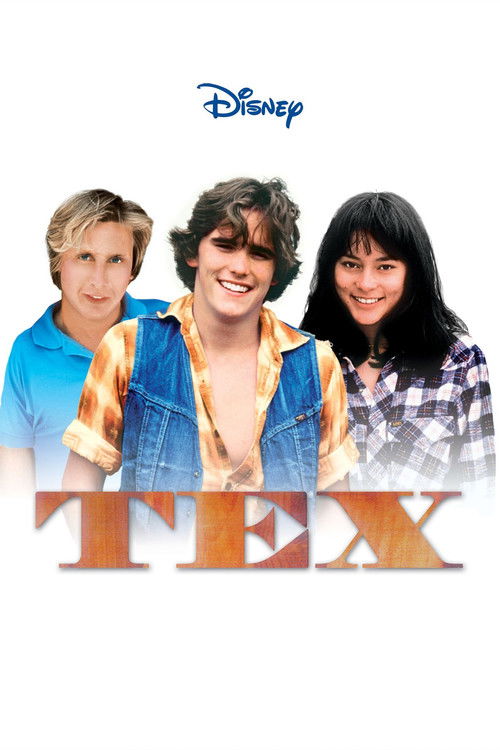
Tex
1982After their mother dies and their father leaves them, teenage brothers Tex and Mason McCormick struggle to make it on their own.
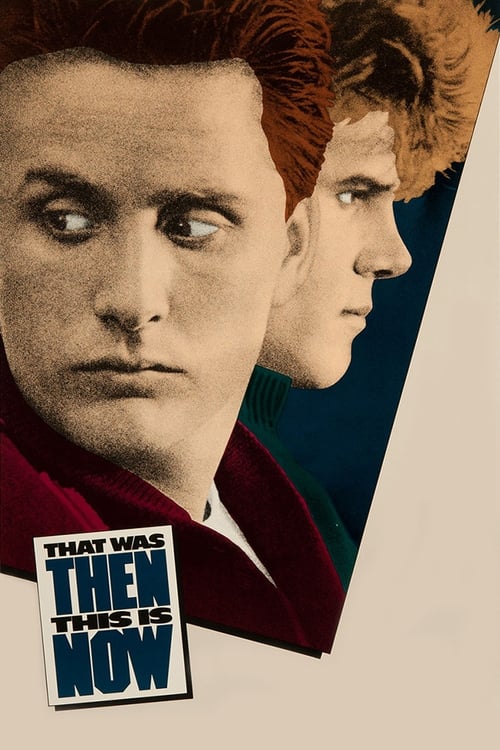
That Was Then... This Is Now
1985A delinquent teenager's only link to society is the attachment he feels towards an older brother-figure. When the older boy starts spending time with a new girlfriend, the teenager begins to feel even more alienated, and gets involved with drugs and the police.
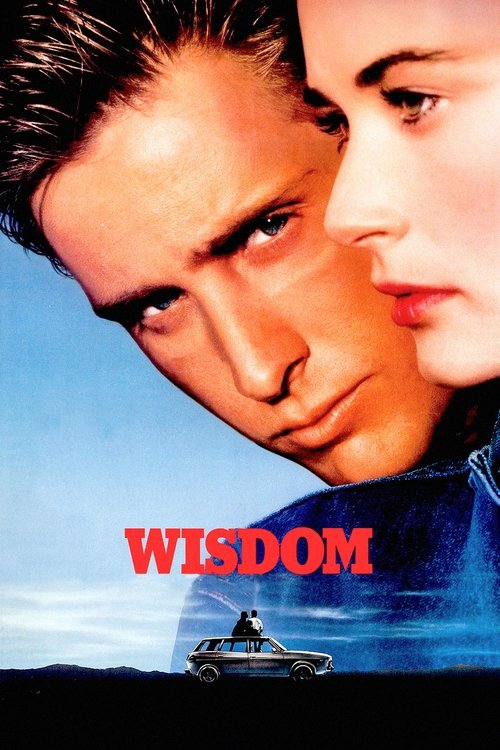
Wisdom
1986Unable to find work after a past felony, graduate John Wisdom and his girlfriend embark on a cross-country bank-robbing spree in order to aid American farmers.

National Lampoon's Loaded Weapon 1
1993An LA detective is murdered because she has microfilm with the recipe to make cocaine cookies. Two cops partner to find and stop the fiends before they can dope the nation by distributing their wares via the 'Wilderness Girls' cookie drive.

The Public
2019An act of civil disobedience turns into a standoff with police when homeless people in Cincinnati take over the public library to seek shelter from the bitter cold.
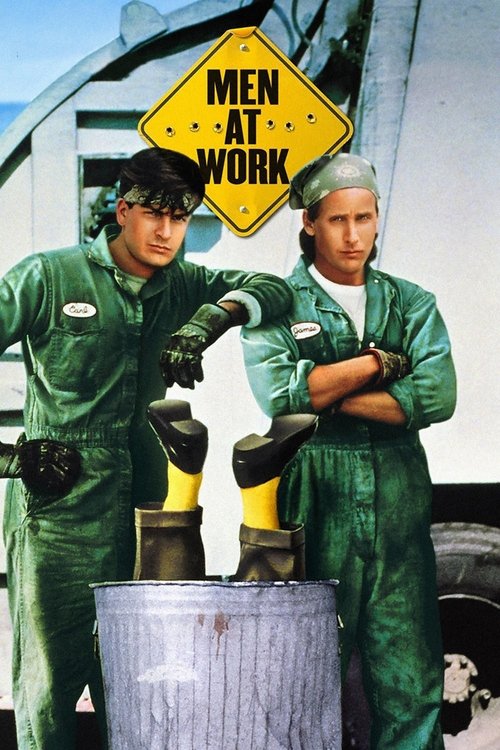
Men at Work
1990Two garbage men find the body of a city councilman in a trash can on their route. With help from a supervisor, the duo must solve the case and find the man's killer while hiding the body from the cops.
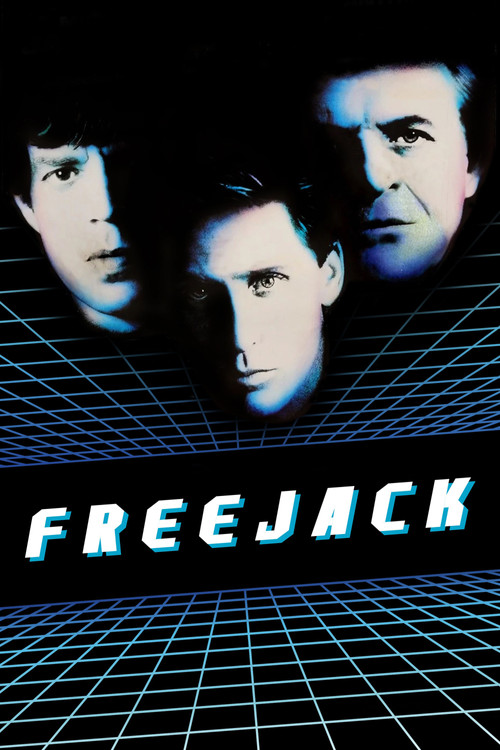
Freejack
1992Time-traveling bounty hunters find a doomed race-car driver in the past and bring him to 2009 New York, where his mind will be replaced with that of a terminally ill billionaire.

The War at Home
1996Jeremy Collier is a Vietnam veteran who has returned home and is struggling to cope with the war experiences that haunt him. He is also at odds with his family, who cannot begin to understand what he has been through. Jeremy's battles with his family finally spiral out of control on Thanksgiving Day, when a bitter secret is revealed
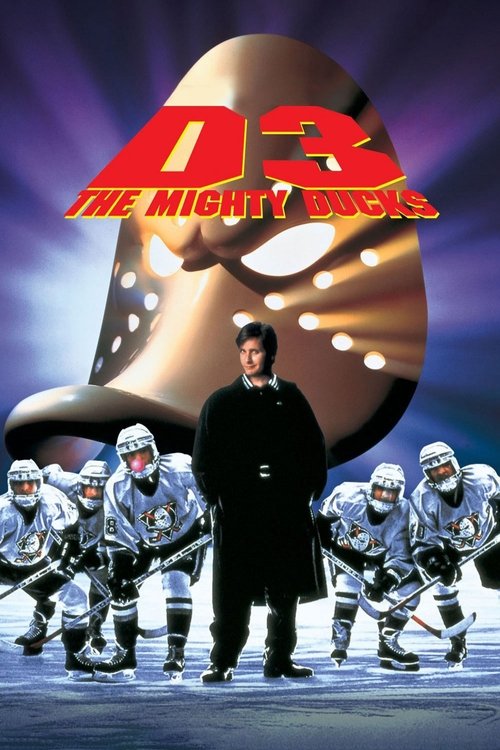
D3: The Mighty Ducks
1996The Ducks are offered scholarships at Eden Hall Academy but struggle with their new coach's methods and come under pressure from the board to retain their scholarships before their big game against the Varsity team.
Even in a reduced capacity, Estevez commands the screen by allowing his character to pass the torch with a weary, knowing grace. This final turn in the trilogy operates as a meta commentary on his own movement away from the franchise spotlight toward a new chapter in his professional life.
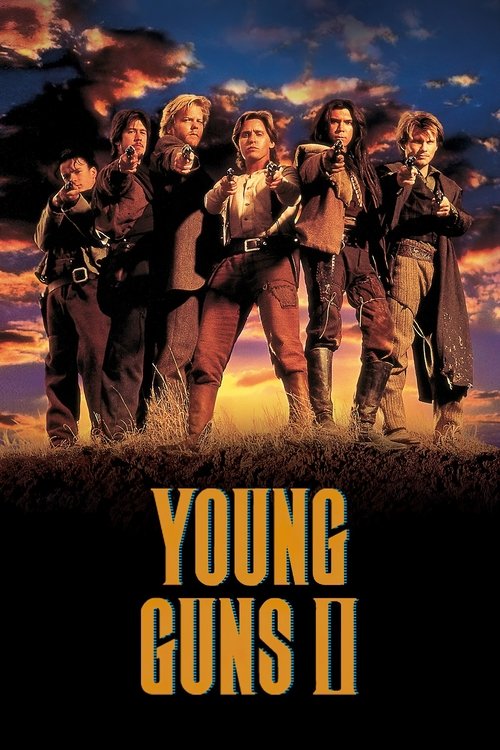
Young Guns II
1990Three of the original five "young guns" — Billy the Kid, Jose Chavez y Chavez, and Doc Scurlock — return in Young Guns, Part 2, which is the story of Billy the Kid and his race to safety in Old Mexico while being trailed by a group of government agents led by Pat Garrett.
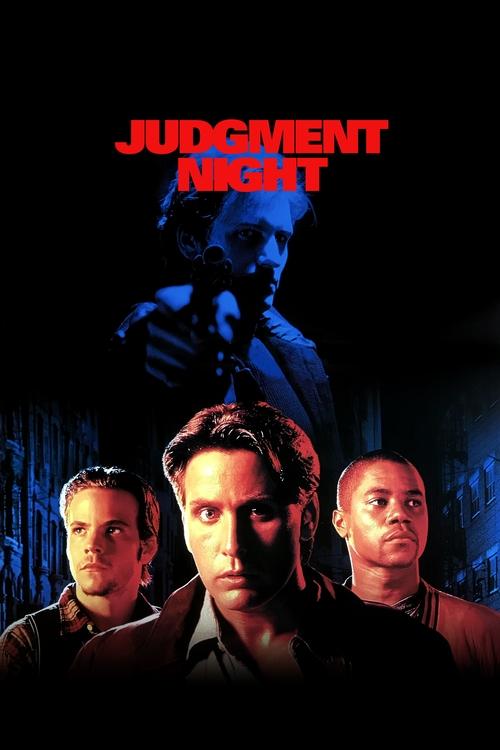
Judgment Night
1993Four young friends, while taking a shortcut en route to a local boxing match, witness a brutal murder which leaves them running for their lives.
Estevez enters the urban thriller territory with a frantic, wide eyed paranoia that effectively heightens the film's claustrophobic atmosphere. His performance serves as a gritty departure from 1980s optimism, aligning him with the more cynical and aggressive tone of early 1990s genre cinema.
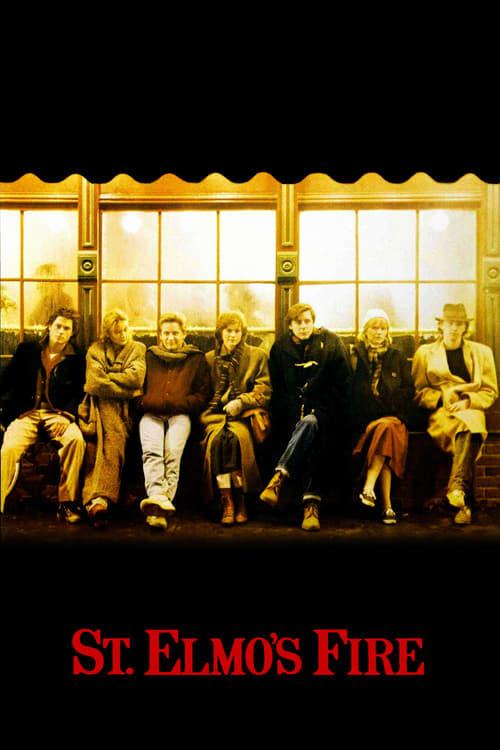
St. Elmo's Fire
1985Reluctant to let go of college life, a close-knit team of seven friends--irresponsible saxophone player Billy, young Republican Alec, his girlfriend Leslie, struggling journalist Kevin, drama queen Jules, lovesick waiter Kirby, and Wendy, a social worker with a heart of gold--realise the party is over. And as the burdens of maturity close in on the young dreamers, the complexities of adulthood and the daily struggle of growing up put their sacred friendship to the test. But everyone knows life is not a bed of roses. It won't be easy, but when all is said and done, what will it take for St. Elmo's clique to find its place in the real world?
Portraying the obsessive Kirby Keger, Estevez captures the darker, more unsettling impulses of post collegiate life with a frantic energy. He successfully navigates a morally ambiguous role that challenged his heartthrob image by leaning into the manic desperation of unrequited love.
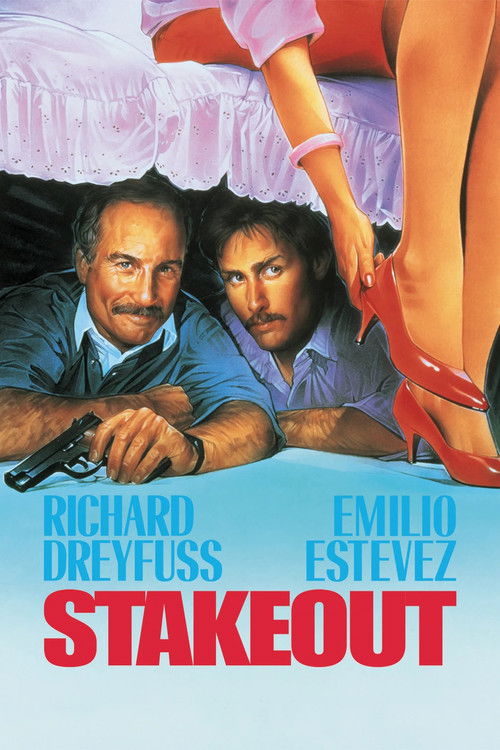
Stakeout
1987Two detectives observe an escaped convict's ex-girlfriend, but complications set in when one of them falls for her.
The chemistry between Estevez and Richard Dreyfuss revitalized the police procedural through a blend of sharp comedic timing and genuine fraternal warmth. This role highlighted his ability to excel in the buddy comedy format, proving he could balance slapstick energy with procedural tension.
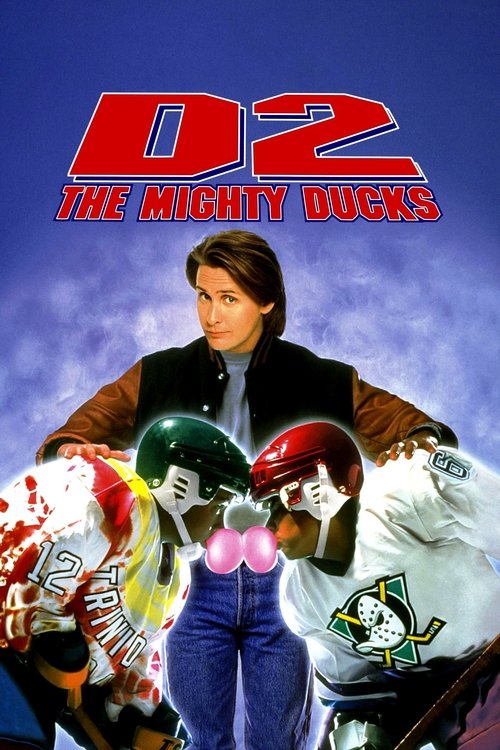
D2: The Mighty Ducks
1994After Gordon Bombay's hockey comeback is cut short he is named coach of Team USA Hockey for the Junior Goodwill Games. Bombay reunites the Mighty Ducks and introduces a few new players, however, he finds himself distracted by his newfound fame and must regather if the Ducks are to defeat tournament favourites Iceland.
Doubling down on the charisma that rescued the first installment, Estevez shifts Gordon Bombay from a weary reluctant lead to a confident cinematic mentor. He navigates the transition into a full blown franchise centerpiece with a poise that solidified his status as a reliable box office anchor for family audiences.
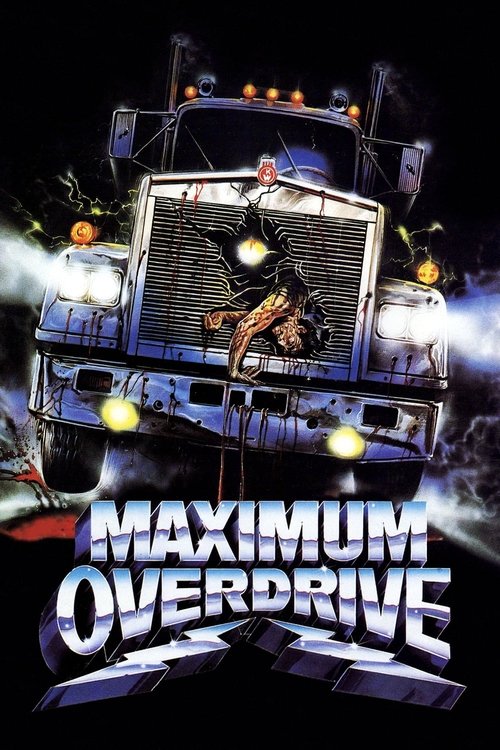
Maximum Overdrive
1986When a comet passes close to the earth, machines all over the world come alive and go on homicidal rampages. A group of people at a desolate truck stop are held hostage by a gang of murderous 18-wheelers. The frightened people set out to defeat the killer machines…Or be killed by them.
Working against a backdrop of mechanical carnage, Estevez adopts a lean, blue collar intensity that showcases his versatility as a traditional action hero. While the surrounding spectacle is chaotic, his grounded presence provides the necessary human tether for Stephen King's directorial experiment.
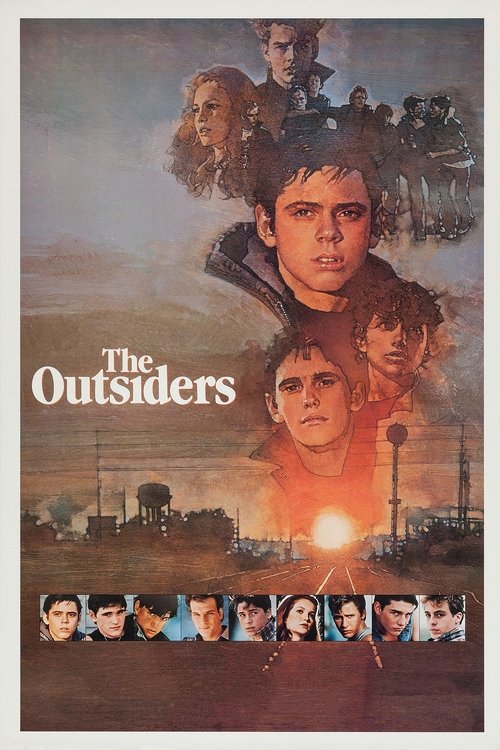
The Outsiders
1983In 1960s Tulsa, class divisions ignite a violent rivalry between the working-class Greasers and the privileged Socs. When a deadly encounter forces two Greasers, Ponyboy and Johnny, to flee, their struggle for survival and redemption exposes the fragile innocence and enduring bonds of youth on the wrong side of town.
In a cast overflowing with future icons, Estevez stands out as Two-Bit Mathews by injecting a loose, comedic unpredictability into Coppola’s operatic tragedy. He serves as the vital rhythmic counterpoint to the film's heavier brooding, proving his instinct for scene stealing ensemble work early in his career.
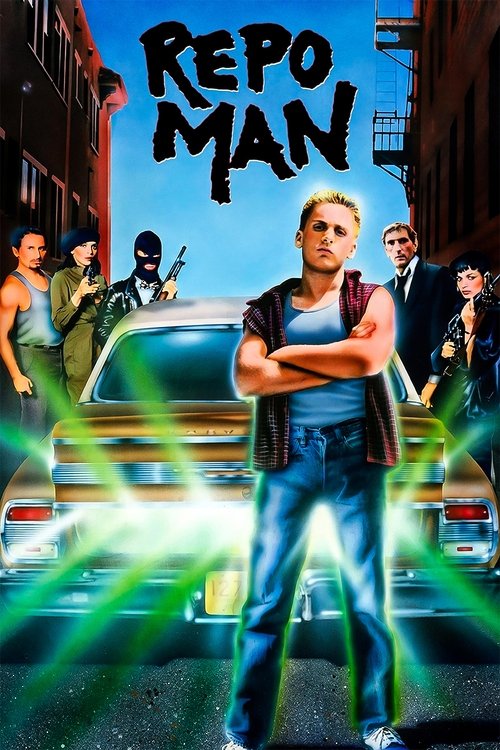
Repo Man
1984A down and out young punk gets a job working with a seasoned repo man, but what awaits him in his new career is a series of outlandish adventures revolving around aliens, the CIA, and a most wanted '64 Chevy.
Trading mainstream polish for punk rock cynicism, Estevez anchors this cult oddity with a sharp, blank-generation sneer that perfectly mirrors Alex Cox’s offbeat direction. It is a gritty pivot that successfully distanced him from his peers and established his credentials in the burgeoning independent film landscape.
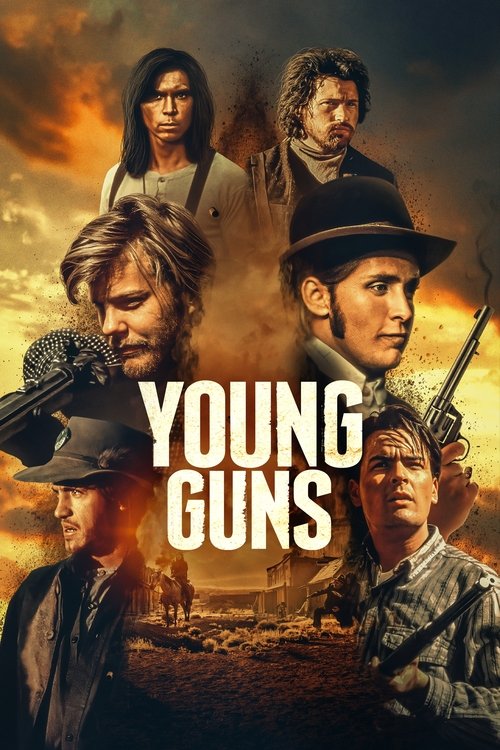
Young Guns
1988A group of young gunmen, led by Billy the Kid, become deputies to avenge the murder of the rancher who became their benefactor. But when Billy takes their authority too far, they become the hunted.
Estevez redefines the outlaw archetype by leaning into Billy the Kid’s manic instability, trading stoic cowboy tropes for a high-pitched, unpredictable cackle. It is the definitive pivot point in his career where he shed his clean-cut Brat Pack skin to embrace a more volatile and charismatic brand of screen presence. He anchors the ensemble by making the West’s most famous gunslinger feel like a dangerous, vibrating nerve ending.
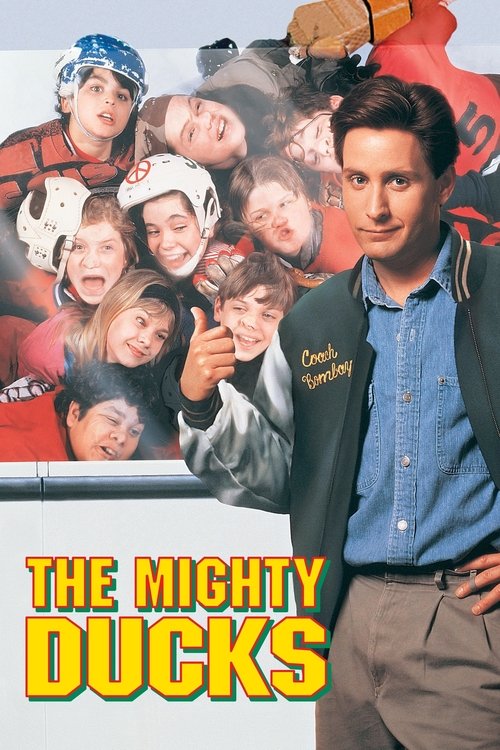
The Mighty Ducks
1992After reckless young lawyer Gordon Bombay gets arrested for drunk driving, he must coach a kids hockey team for his community service. Gordon has experience on the ice, but isn't eager to return to hockey, a point hit home by his tense dealings with his own former coach, Jack Reilly. The reluctant Gordon eventually grows to appreciate his team, which includes promising young Charlie Conway, and leads them to take on Reilly's tough players.
Estevez masterfully breathes nuance into the redemption arc of a cynical lawyer, avoiding the saccharine traps typical of the underdog sports genre. His evolution from yuppie entitlement to soulful coach provides the essential gravity required to ground the film's more whimsical elements.
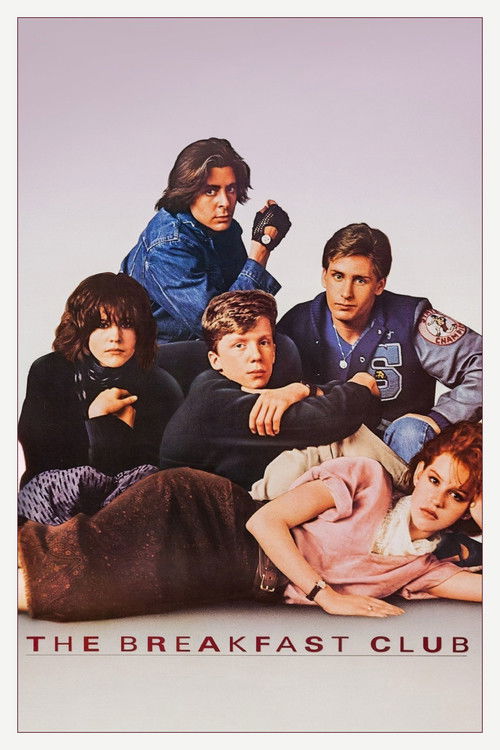
Five high school students from different walks of life endure a Saturday detention under a power-hungry principal. The disparate group includes rebel John, princess Claire, outcast Allison, brainy Brian and Andrew, the jock. Each has a chance to tell his or her story, making the others see them a little differently -- and when the day ends, they question whether school will ever be the same.
As the letterman jacket wearing Andrew Clark, Estevez provides the emotional tectonic plates for Hughes's seminal drama by humanizing the hollow expectations of high school athleticism. This performance stripped away his Brat Pack swagger to reveal a raw vulnerability that remains the definitive portrait of adolescent burnout under pressure.
Frequently Asked Questions
Everything you need to know about this list and SnakeDrafts
- 'The Breakfast Club' is ranked number one because it perfectly showcases Emilio Estevez's relatable blue-collar intensity and emotional vulnerability. His role as the athlete dealing with paternal pressure resonated deeply with audiences, making it a defining film of 80s cinema and a cultural touchstone.
- Estevez's directorial efforts like 'The War at Home' are included to highlight his versatility beyond acting. These films show his ability to handle complex themes with emotional depth, further cementing his standing in the industry not just as an actor but as a filmmaker.
- Many of Estevez's top movies, such as 'The Breakfast Club' and 'St. Elmo's Fire,' explore themes of personal struggle, identity, and vulnerability within the context of youth culture. Additionally, his roles in films like 'The Mighty Ducks' and 'Young Guns' reflect resilience and leadership, often set against sports or Western backdrops.
- All three 'Mighty Ducks' films make the list because they represent a significant part of Estevez's career where he played a memorable coach and mentor figure. These movies not only showcase his comedic and dramatic range but also highlight his appeal to family audiences across different sequels.
- One surprising inclusion is 'Maximum Overdrive,' a Stephen King-directed film, which diverges from Estevez’s usual coming-of-age roles and explores horror and sci-fi elements. Conversely, some fans might find the absence of Estevez's lesser-known independent films notable given his extensive filmography.
- 'Young Guns' highlights Estevez's ability to thrive in action-packed Westerns, showcasing a more rugged and adventurous side. His portrayal adds intensity and charisma, contrasting with the more introspective roles in his dramatic and comedic works.
- Estevez’s participation in iconic ensemble films like 'The Breakfast Club' and 'St. Elmo's Fire' helped him become the relatable heart of 80s youth culture cinema. These roles emphasized his everyman charm and emotional depth, securing his place as a key figure in the era’s movie landscape.
- 'Repo Man' stands out for its unique blend of comedy and science fiction, showcasing Estevez's willingness to take risks with unconventional roles. The cult status of the film has cemented its place as a distinctive milestone in his career.