Every Jennifer Hudson Movie Ranked
From Academy Award Glory to Soulful Screen Presence
Discover Jennifer Hudson's most essential film performances, featuring her Oscar-winning breakout, powerful biopics, and compelling dramatic roles.
About Jennifer Hudson
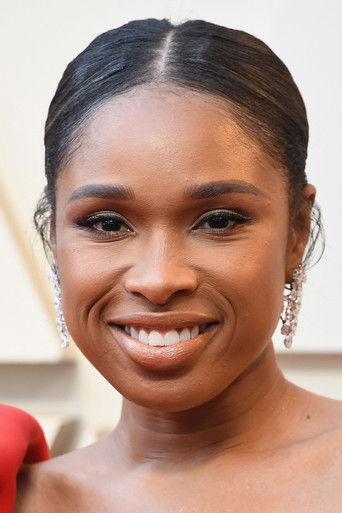
In the competitive landscape of modern entertainment, few arcs feel as predestined yet hard-earned as the one belonging to Jennifer Hudson. She occupies a rare space in the cultural consciousness where her voice is treated as a natural resource, a force of nature that first stunned the world when she walked onto a singing competition stage and never truly let go of the spotlight. While many reality television alumni fade into the background of trivia nights, she utilized her early exit as fuel to ignite a cinematic debut that effectively shifted the tectonic plates of Hollywood.
Her turn in Dreamgirls was not merely a performance but an arrival. Playing Effie White, she infused the role with a mix of raw vulnerability and defiant power that earned her an Academy Award and signaled that a massive new talent had taken center page. Since that breakout, she has navigated her career with a deliberate focus on stories that demand significant emotional gravity. Whether she is bringing quiet grace to The Secret Life of Bees or portraying the complex maternal struggles in The Inevitable Defeat of Mister and Pete, she possesses a grounded presence that makes even the most harrowing dramas feel deeply human.
Audiences gravitate toward Hudson because she carries an air of survivorhood mixed with undeniable regality. This unique combination made her the only logical choice to portray the Queen of Soul in Respect. Stepping into the shoes of Aretha Franklin requires more than just mimicking a vocal run; it demands an understanding of the intersection between faith, struggle, and global superstardom. Hudson inhabited that role with a reverence that felt like a baton being passed. She brings that same intensity to supporting work as well, providing a soulful anchor in the festive Black Nativity and a sharp, contemporary edge to Spike Lee’s Chi-Raq.
Her filmography reflects a refusal to be put into a box. She can lean into the whimsical charm of a voice role in Sing or the absurdity of The Three Stooges just as easily as she dives into the legal tensions of Confirmation or the heavy judicial stakes of Monster. Even in a cult favorite like Sex and the City, she managed to steal scenes by providing the film with its much-needed emotional heartbeat. She has a gift for making characters feel like they have lived a full life before the cameras started rolling, a quality that shines through in her portrayal of historical figures like Winnie Mandela.
Today, she stands as a member of the elite EGOT circle, but her prestige never feels aloof. There is a tangible warmth to her public persona that suggests she remains the girl from Chicago who simply happens to possess the most powerful lungs in the business. Her impact lies in that relatability. She proves that a career can be built on authenticity and an refusal to shrink, turning every screen appearance into an event that feels both grand and personal. Whether she is leading a massive biopic or adding texture to an ensemble drama like Winged Creatures, she remains one of the few artists who can reliably stop a audience in its tracks with a single look or a solitary note.
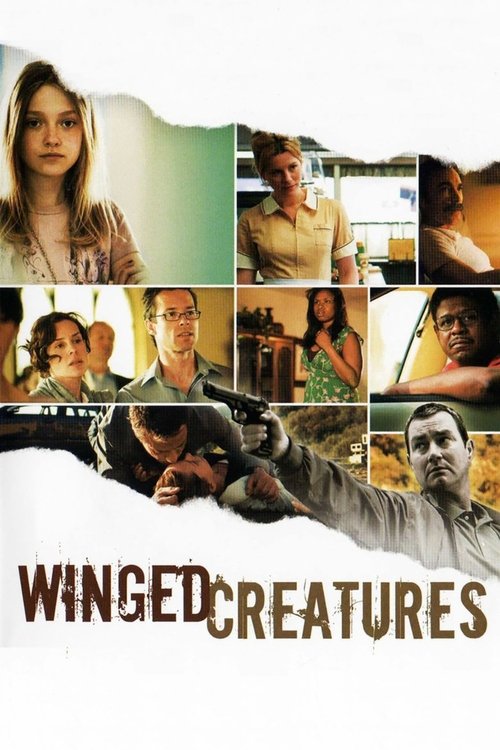
Winged Creatures
2009A psychotic man opens fire in a diner, murdering numerous people before killing himself. The survivors struggle in different ways following this horrendous event: a doctor doubts his own instincts and elects to use an experimental medical procedure on his wife, while a gambler believes he's on a lucky streak. A waitress begins engaging in promiscuous sex, and a young girl whose father is among the dead gains unexpected fame.
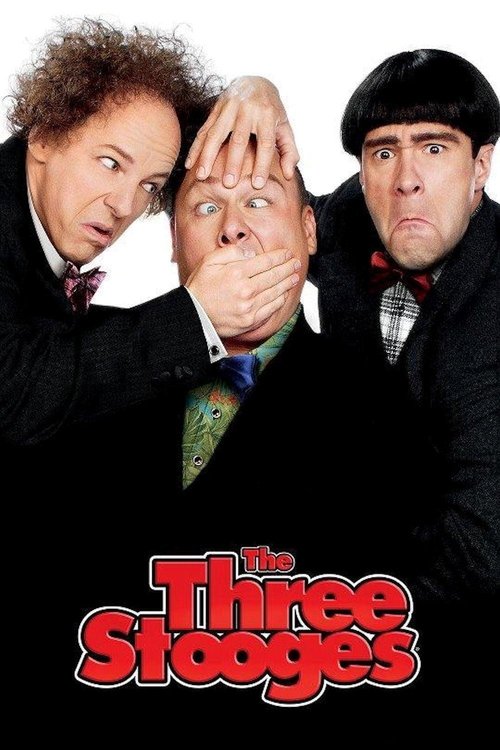
The Three Stooges
2012Left on the doorstep of an orphanage run by nuns, three newborn knuckleheads grow up to be finger-poking, nyuk-nyuking janitors named Larry, Curly and Moe. When they learn that financial problems will soon force the only home they've ever known to close, the trio sets out to raise $830,000 in one month. Out in the world for the very first time, the three innocent bumblers become embroiled in a murder plot and find stardom on a TV reality show.
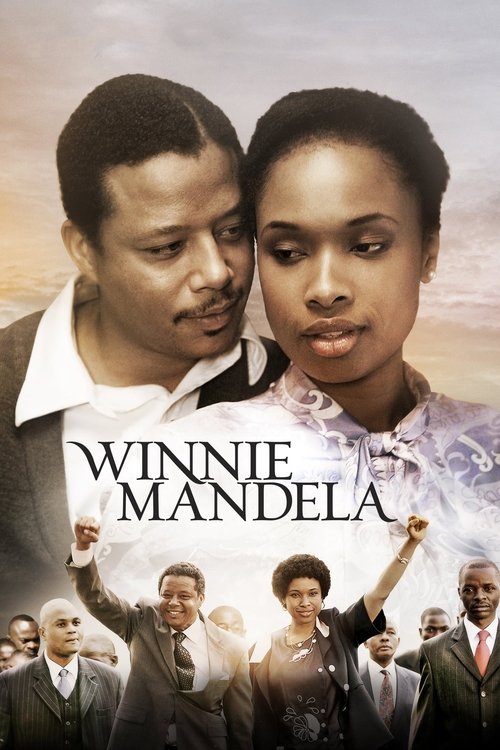
Winnie Mandela
2011A drama that chronicles the life of Winnie Mandela from her childhood through her marriage and her husband's incarceration.
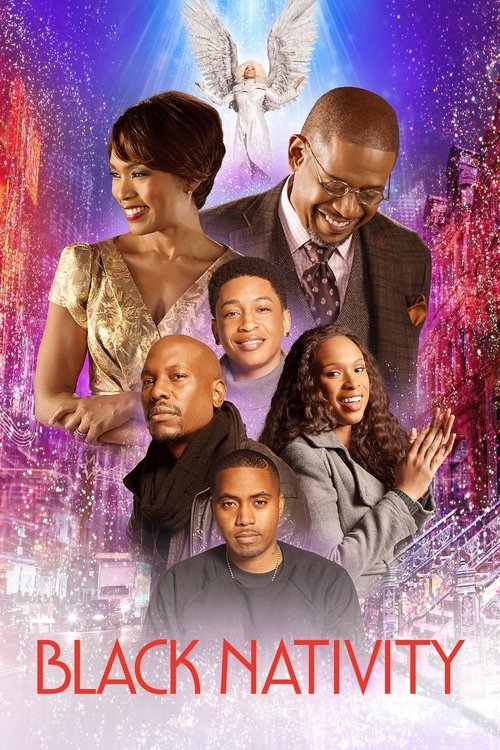
Black Nativity
2013A street-wise teen from Baltimore who has been raised by a single mother travels to New York City to spend the Christmas holiday with his estranged relatives, where he embarks on a surprising and inspirational journey.
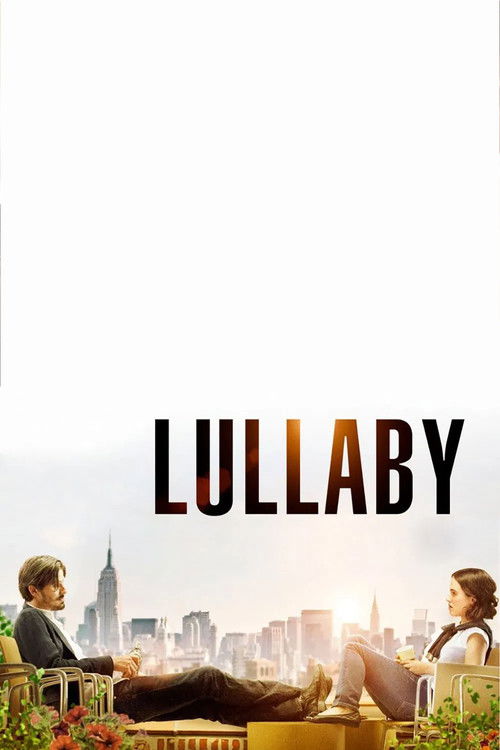
Lullaby
2014Estranged from his family, Jonathan (Hedlund) discovers his father has decided to take himself off life support in forty-eight hours’ time. During this intensely condensed period, a lifetime of drama plays out. Robert (Jenkins) fights a zero sum game to reclaim all that his illness stole from his family. A debate rages on patients’ rights and what it truly means to be free. Jonathan reconciles with his father, reconnects with his mother (Archer), sister (Brown-Findlay), and his love (Adams) and reclaims his voice through two unlikely catalysts – a young, wise-beyond-her-years patient (Barden) and a no-nonsense nurse (Hudson). Through this intensely life affirming prism, an unexpected and powerful journey of love, laughter, and forgiveness unfolds.
In this heavy ensemble drama, Hudson contributes to a complex tapestry of familial discord with a focused and somber energy. Her work here demonstrates a commitment to character driven indies that prioritize thematic depth over commercial spectacle.
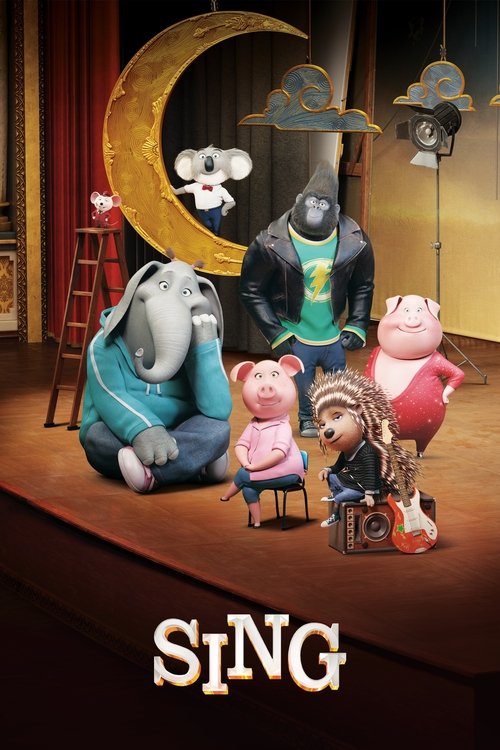
Sing
2016A koala named Buster recruits his best friend to help him drum up business for his theater by hosting a singing competition.
Even behind an animated avatar, the theatricality of Hudson’s vocal instrument brings a regal, operatic scale to the film's climax. This role reaffirmed that her voice is a cinematic special effect in its own right, capable of carrying a film's resolution through pure sonics.
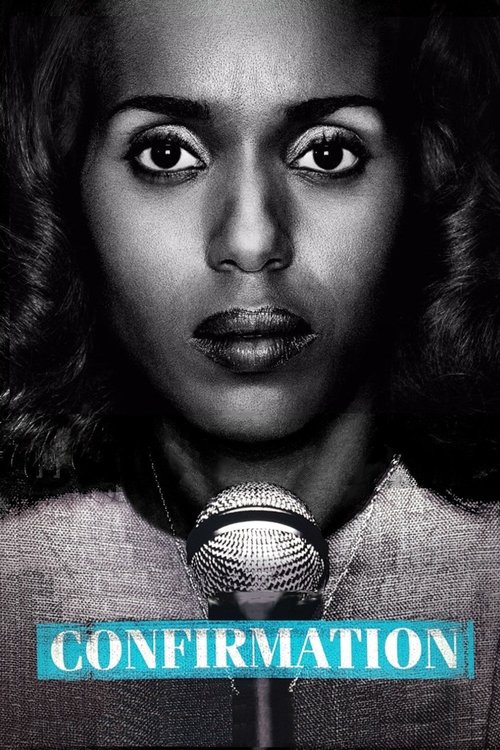
Confirmation
2016Judge Clarence Thomas' nomination to the United States' Supreme Court is called into question when former colleague, Anita Hill, testifies that he had sexually harassed her.
Playing Angela Wright, Hudson utilizes her screen time to project a specific brand of professional resilience and intellectual composure. It is a precise, collaborative performance that bolsters the film's historical weight without ever feeling performative.
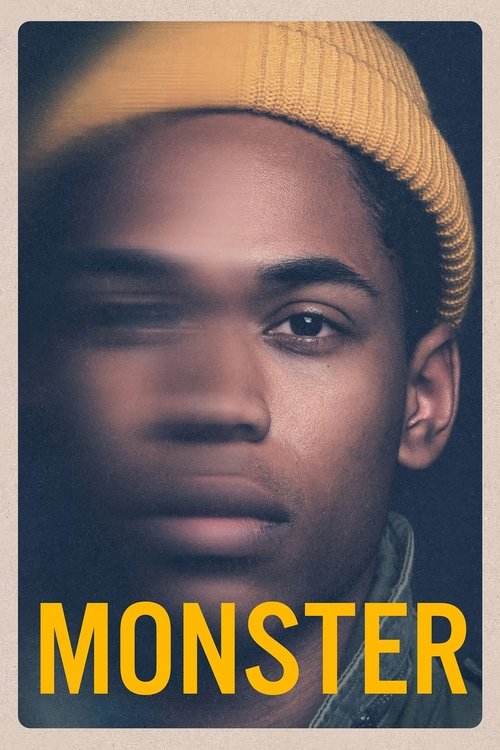
Monster
2021The story of Steve Harmon, a 17-year-old honor student whose world comes crashing down around him when he is charged with felony murder.
Hudson navigates the complexities of maternal devotion and systemic anxiety with a quiet, persistent intensity in this legal drama. Her performance highlights a maturing dramatic sensibility that avoids melodrama in favor of nuanced, internal struggle.
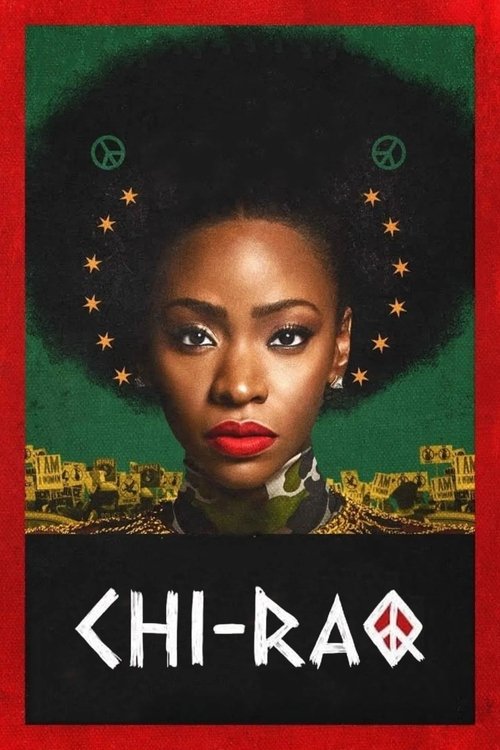
Chi-Raq
2015A modern day adaptation of the ancient Greek play Lysistrata by Aristophanes, set against the backdrop of gang violence in Chicago.
Within Spike Lee’s stylized polemic, Hudson offers a hauntingly still performance as a grieving mother that provides the film’s most poignant reality check. She acts as the production's emotional epicenter, grounding the satirical flourishes in palpable, heartbreaking grief.
Sex and the City
2008A New York writer on sex and love is finally getting married to her Mr. Big. But her three best girlfriends must console her after one of them inadvertently leads Mr. Big to jilt her.
As the wide eyed assistant Louise, Hudson injected a much needed sense of warmth and normalcy into the franchise's high fashion escapism. The role served as a critical post-Oscar bridge that demonstrated her ability to elevate supporting material with infectious charm.
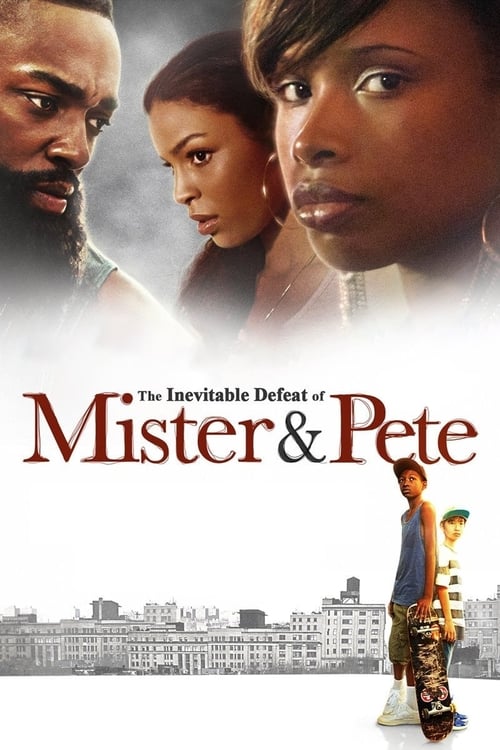
The Inevitable Defeat of Mister & Pete
2013Coming of age story about two inner city youths, who are left to fend for themselves over the summer after their mothers are taken away by the authorities.
Casting aside her glamorous persona, Hudson delivers a searing and deglamorized portrait of a mother spiraling through addiction. This gritty performance serves as a vital pivot point in her filmography, showcasing a willingness to inhabit raw, uncomfortable human truths.
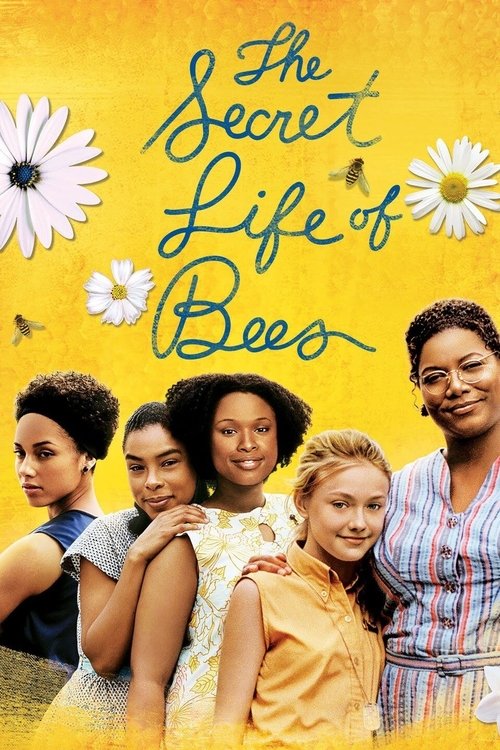
The Secret Life of Bees
2008Set in South Carolina in 1964, this is the tale of Lily Owens a 14 year-old girl who is haunted by the memory of her late mother. To escape her lonely life and troubled relationship with her father, Lily flees with Rosaleen, her caregiver and only friend, to a South Carolina town that holds the secret to her mother's past.
In this ensemble piece, Hudson anchors the film's emotional stakes through a grounded, understated dignity that signaled her range beyond the musical genre. Her presence provides the narrative its moral compass, proving she could command the screen through silence as much as song.
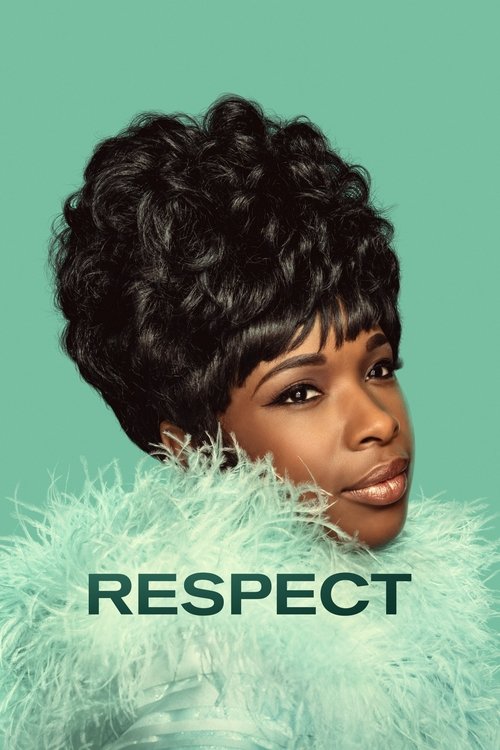
Respect
2021The rise of Aretha Franklin’s career from a child singing in her father’s church’s choir to her international superstardom.
Tasked with portraying the Queen of Soul, Hudson moves beyond mere mimicry to capture the grueling technical precision of Aretha Franklin’s artistry. It is a sophisticated, lived-in study of a legend finding her voice that solidifies Hudson's status as the definitive musical biopic lead of her generation.
Dreamgirls
2006A trio of female soul singers cross over to the pop charts in the early 1960s, facing their own personal struggles along the way.
Hudson’s volcanic interpretation of Effie White remains a watershed moment in modern cinema, where her sheer vocal power effectively upstaged the entire industry. This Oscar winning turn transformed her from a reality show contestant into an immediate pillar of Hollywood royalty.
Frequently Asked Questions
Everything you need to know about this list and SnakeDrafts
- Jennifer Hudson won an Oscar for her breakthrough role in 'Dreamgirls' (2006), where she played a powerful and soulful singer. This film remains her most critically acclaimed performance in a dramatic musical setting.
- Jennifer Hudson has portrayed real-life figures in biographical dramas such as 'Respect' (2021), where she played iconic singer Aretha Franklin, showcasing her vocal talents and acting depth in a historical context.
- Yes, Jennifer Hudson has starred in family-friendly movies including 'The Secret Life of Bees' (2008), a drama about healing and community, and the animated musical 'Sing' (2016), where she lent her voice to a charming character that highlights her vocal versatility.
- Jennifer Hudson has demonstrated versatility by working in a variety of genres ranging from musical dramas like 'Dreamgirls' and 'Respect' to crime dramas such as 'Monster' (2021), as well as comedies like 'Sex and the City' (2008) and social commentaries like Spike Lee's 'Chi-Raq' (2015).
- Beyond musicals, Jennifer Hudson delivers compelling dramatic performances in movies like 'The Inevitable Defeat of Mister & Pete' (2013), where she portrays a resilient single mother, and 'Confirmation' (2016), a historical drama exploring themes of justice and politics.
- Yes, Jennifer Hudson appeared in the TV movie 'Confirmation' (2016), which dramatizes the contentious Supreme Court confirmation hearings of Anita Hill, highlighting Hudson's capability to handle intense, historically significant roles.
- Jennifer Hudson worked with Spike Lee on the film 'Chi-Raq' (2015), a socially charged drama that blends crime and comedy to address issues of violence and community dynamics in Chicago.