Madeleine Stowe's Greatest Movies Ranked
The Definitive Filmography of a Screen Icon
Explore the best movies of Madeleine Stowe, featuring her iconic roles in sci-fi classics, historical epics, and intense dramas from her storied career.
About Madeleine Stowe
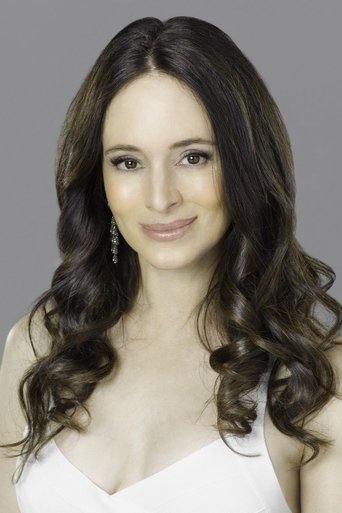
In the landscape of nineties cinema, Madeleine Stowe occupied a space that felt both classic and dangerously modern. While her peers were often pigeonholed as either the girl next door or the femme fatale, she cultivated a screen presence defined by a staggering, high-frequency intensity. There is a specific kind of stillness she brings to the frame, a level of composure that suggests a storm is brewing just beneath the surface. This unique frequency made her the ideal anchor for the sweeping epics and gritty thrillers that defined the decade, establishing her as an actor who could hold her own against any leading man while often remaining the most interesting person in the room.
Her turn as Cora Munro in The Last of the Mohicans remains a masterclass in how to play a period heroine without falling into the trap of decorative helplessness. Opposite Daniel Day-Lewis, she provided the film with its emotional marrow, balancing a refined vulnerability with a fierce, almost feral resilience. It was this ability to project inner strength that allowed her to navigate the paranoid corridors of Twelve Monkeys, where she served as the grounded emotional compass in Terry Gilliam's chaotic future. Whether she was playing a psychiatrist caught in a time-loop or the blind musician witnessing a murder in Blink, she possessed a rare gift for making high-concept stakes feel intimate and personal.
There is a recurring theme of complicated domesticity in her filmography, often characterized by characters trapped in volatile environments. In the suburban nightmare of Unlawful Entry or the gritty procedural world of Stakeout, she elevated the role of the love interest into something far more psychological. She excelled at depicting women who were acutely aware of the danger surrounding them, yet possessed a quiet defiance. Even in Robert Altman’s Short Cuts, an ensemble piece crowded with heavy hitters, her portrayal of a wife navigating the infidelities and frustrations of a crumbling marriage stood out for its stinging honesty. She didn’t just occupy space in these stories; she haunted them.
The late nineties saw her lean into more operatic territory, from the neo-noir atmosphere of China Moon and the sun-drenched betrayal of Revenge to the military rigidity of the General's Daughter and We Were Soldiers. Throughout these varied worlds, her appeal remained rooted in her gaze. She has a way of looking at a scene partner that feels like she is stripping away their pretenses. It is a quality that made her perfectly suited for the noir sensibilities of The Two Jakes and the claustrophobic, experimental tension of Closet Land. Audiences connected with her because she never seemed to be performing for the camera. Instead, she invited the viewer into a private, guarded world where every emotion was earned and every silence was heavy with meaning.
Ultimately, her legacy is defined by a refusal to be ordinary. From the romantic yearning of Playing by Heart to the colonial friction of The Proposition, she navigated fame on her own terms, prioritizing complex characters over mere celebrity. She remains one of those rare performers who can convey an entire biography with a single weary smile or a sharp tilt of the head. In an industry that often favors the loud and the obvious, her career stands as a testament to the enduring power of poise, intelligence, and a layer of mystery that remains unsolved even decades later.
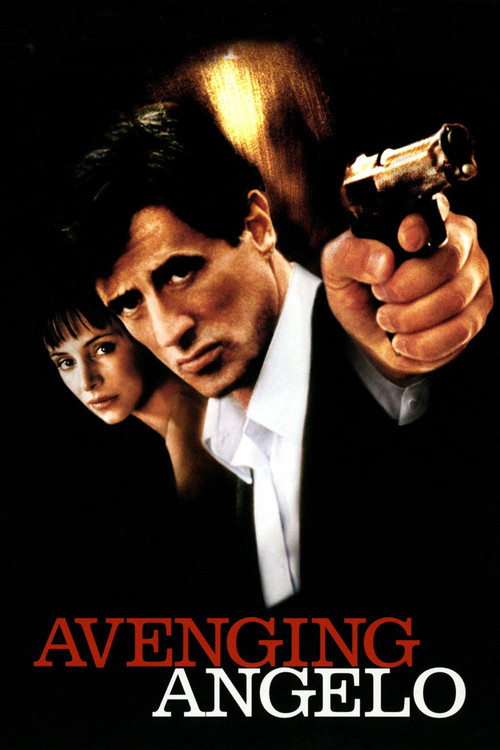
Avenging Angelo
2002A woman who has recently discovered that she is the daughter of Angelo, a major mafia boss, decides to wreak vengeance when he is killed by a hitman. She's aided by his faithful bodyguard, with whom she soon falls in love.
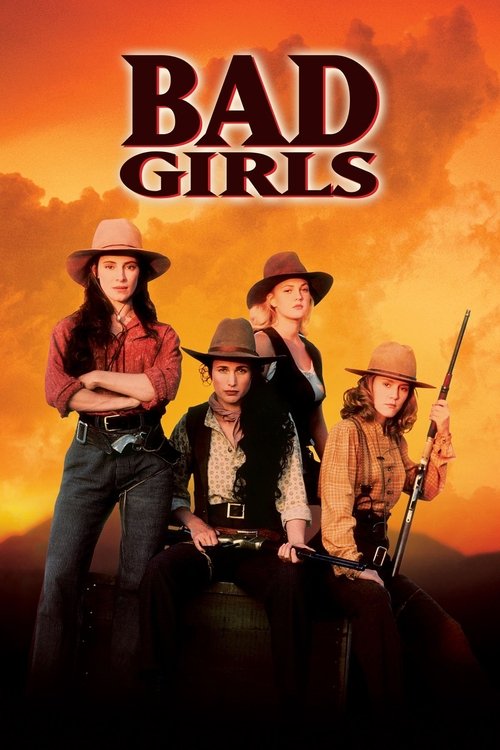
Bad Girls
1994Four former harlots try to leave the wild west (Colorado, to be exact) and head north to make a better life for themselves. Unfortunately someone from Cody's past won't let it happen that easily.
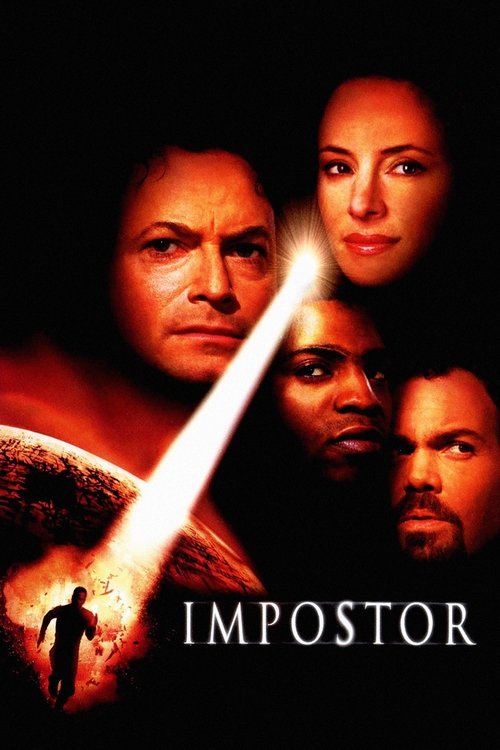
Impostor
2001A top-secret government weapons designer is arrested by a clandestine government organization on suspicion of being a clone created by the hostile alien race wanting to take over Earth.
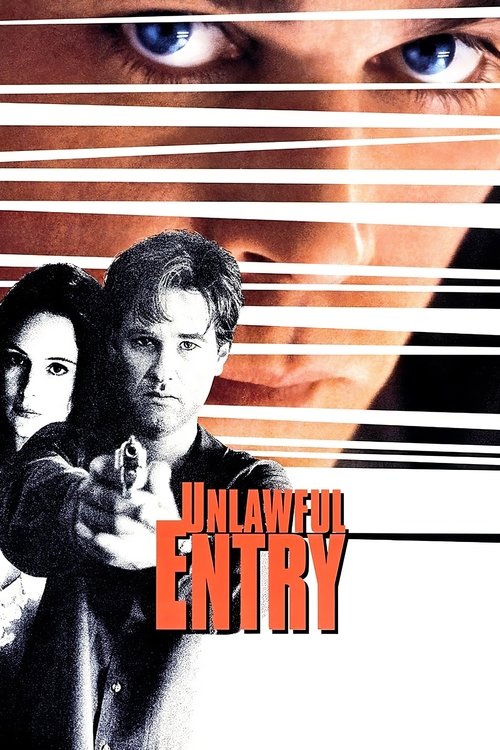
Unlawful Entry
1992Happily married Michael and Karen Carr call the police after Karen is held at knife point during a failed robbery attempt in their home. Before long, one of the responding officers, Officer Pete Davis, helps arrange the installation of a new security system, taking extra interest in the couple's case. As a result, the grateful Carrs invite him to stay for dinner and they strike up an unexpected friendship. However, as the lonely policeman develops an intense fixation on Karen, his take on friendship develops into a dangerous obsession soon becoming the Carrs' worst nightmare.
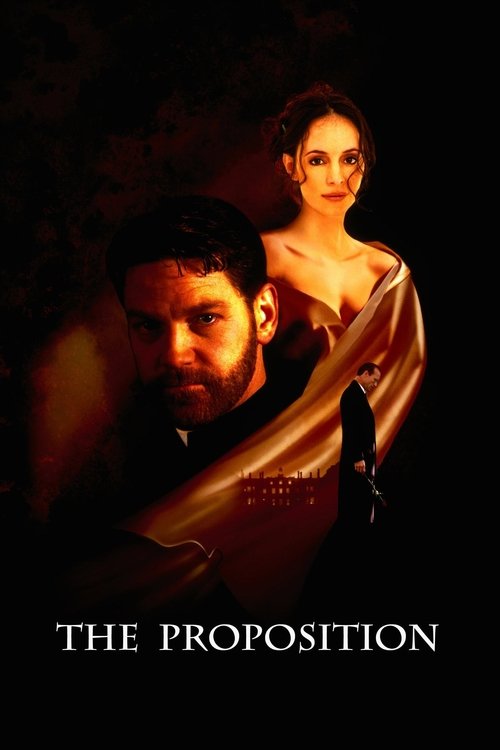
The Proposition
1998Father Michael McKinnon goes from the UK to Boston circa 1935. For unknown reasons, he avoids at all costs the most prominent parishioners, Arthur and Eleanor Barret. Meanwhile Eleanor and Arthur desperately want to have a child, but Arthur is sterile, so they hire Harvard law student Roger Martin to impregnate Eleanor, but unfortunately Roger falls in love with her.
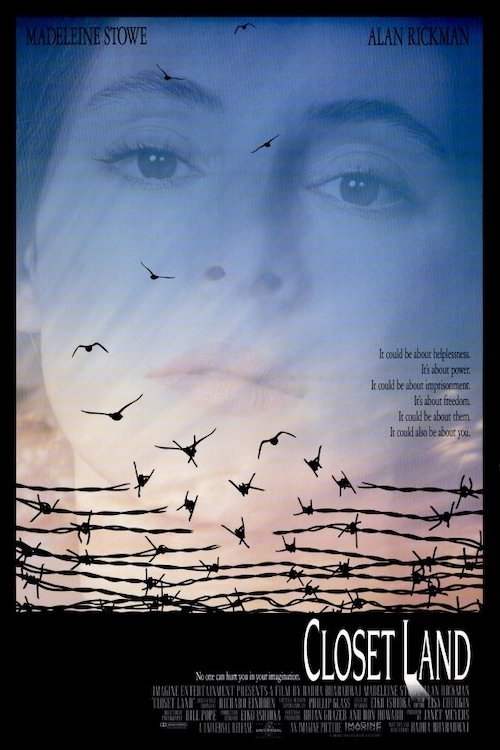
Closet Land
1991A young writer is interrogated by a sadistic secret policeman. She is accused of embedding political messages in her children's stories. The entire movie takes place in one room, with only the two actors. The movie is set in an unidentified, modern police state.
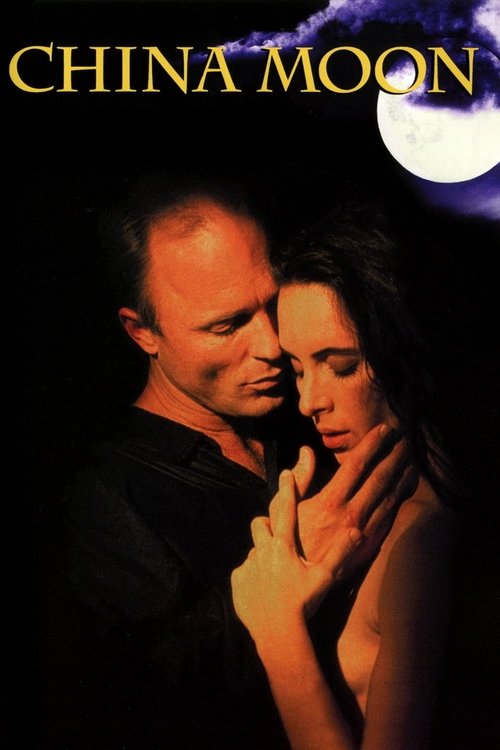
China Moon
1994Detective Kyle Bodine falls for Rachel Munro who is trapped in a violent marriage. After she shoots her husband, Kyle relucantly agrees to help hide the body, but his partner is showing an unusual flair for finding clues.
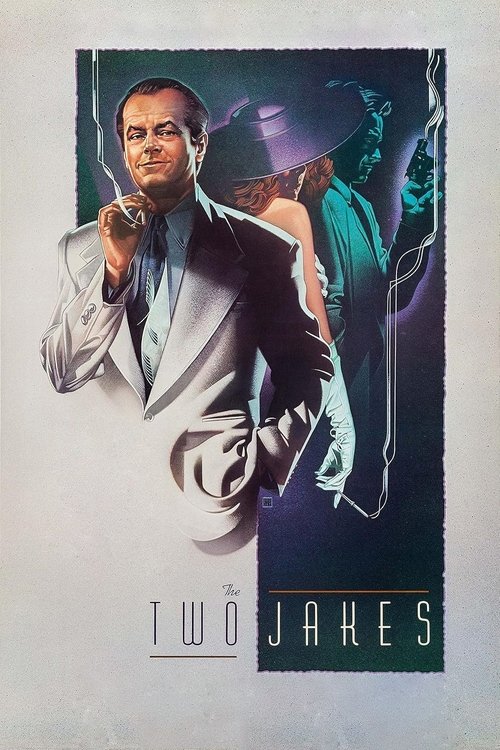
The Two Jakes
1990Real estate developer Jake Berman hires private investigator and war veteran Jake Gittes for some run-of-the-mill matrimonial work. After Berman shoots his wife's lover, who happens to be his business partner, Gittes is drawn into a web of conspiracy and deceit involving the oil reserves beneath Los Angeles. While investigating, Gittes hears a voice from his past that causes him to revisit a traumatic case in Chinatown.
In this ambitious noir sequel, Stowe inhabits the classic femme fatale persona while adding a modern layer of tragic inevitability. She captures the smoky, atmospheric quality of the genre, proving her timeless aesthetic was perfectly suited for the demands of the New Hollywood revival.
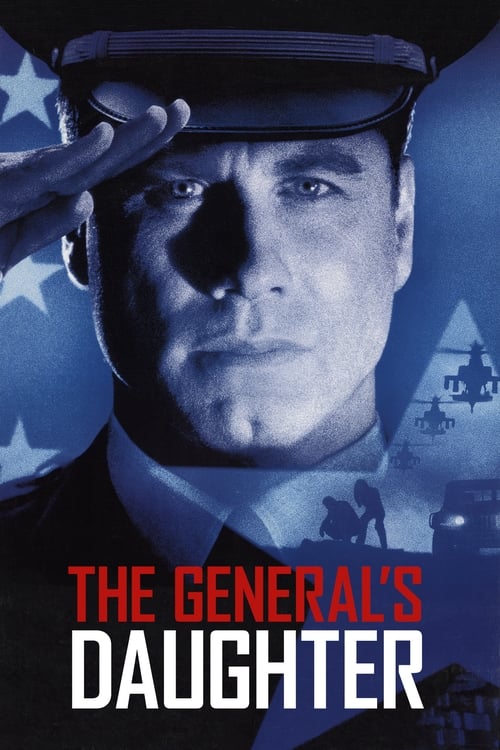
When the body of Army Capt. Elisabeth Campbell is found on a Georgia military base, two investigators, Warrant Officers Paul Brenner and Sara Sunhill, are ordered to solve her murder. What they uncover is anything but clear-cut. Unseemly details emerge about Campbell's life, leading to allegations of a possible military coverup of her death and the involvement of her father, Lt. Gen. Joseph Campbell.
Stowe provides a necessary steeliness to this military procedural, portraying an officer forced to navigate a minefield of institutional misogyny. Her performance is defined by a controlled, professional coldness that serves as the perfect foil to the surrounding cinematic bombast.
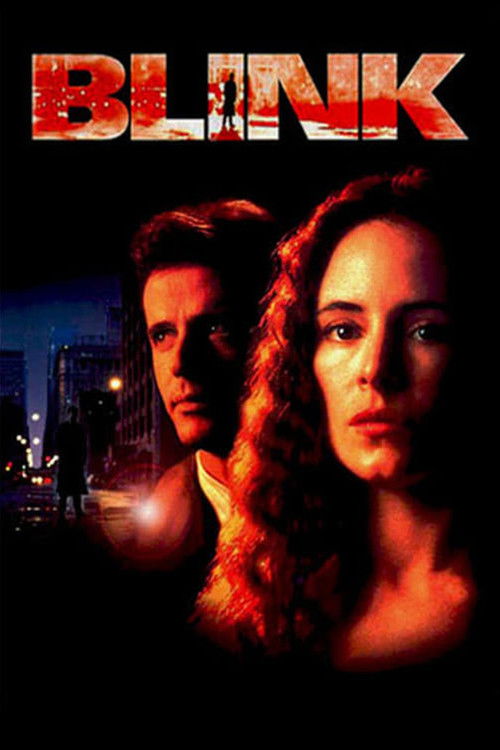
Blink
1993Emma is an attractive girl in her 20s who has been blind for 20 years. A new type of eye operation partially restores her sight, but she is having problems: sometimes she doesn't "remember" what she's seen until later. One night she is awakened by a commotion upstairs. Peering out of her door, she sees a shadowy figure descending the stairs. Convinced that her neighbour has been murdered she approaches the police, only to find that she is unsure if it was just her new eyes playing tricks on her.
Tasked with portraying a blind musician who regains her sight, Stowe avoids the theatrical pitfalls of the premise to deliver a taut, sensory performance. She carries this thriller by internalizing the character's disorientation, making the suspense feel personal rather than procedural.
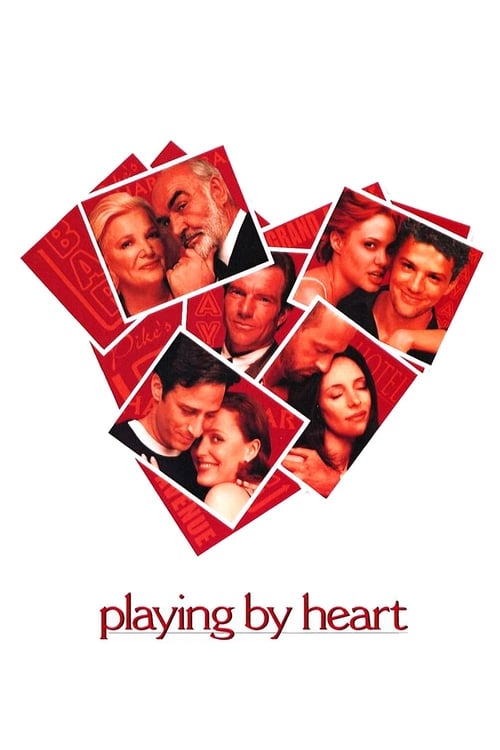
Playing by Heart
1998In a vibrant tapestry of love and longing, nine interconnected souls navigate romance and heartbreak in L.A., where passions collide and truths unfold, revealing that the heart's desires often lead us where we least expect.
Working within a multi-narrative structure, Stowe navigates the nuances of modern intimacy with a sophisticated, intellectual edge. Her contribution to the ensemble highlights her specialized talent for portraying the complexities of adult romance and verbal sparring.
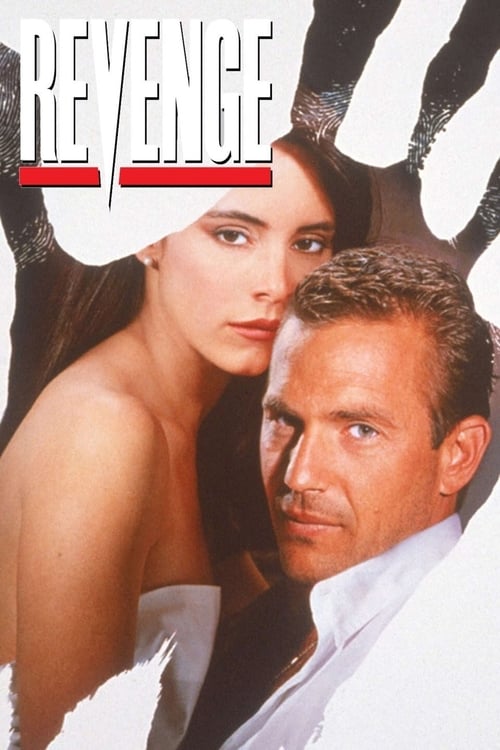
Revenge
1990Michael ‘Jay’ Cochran has just left the Navy after 12 years and he's not quite sure what he's going to do, except that he knows he wants a holiday. He decides to visit Tiburon Mendez, a powerful but shady Mexican businessman who he once flew to Alaska for a hunting trip. Arriving at the Mendez mansion in Mexico, he is immediately surprised by the beauty and youth of Mendez’s wife, Miryea.
Stowe leans into the heightened operatics of this melodrama, portraying a woman caught in a lethal triangle with a vulnerability that feels dangerously raw. This role solidified her status as a premiere dramatic lead capable of carrying heavy, tragic narratives.
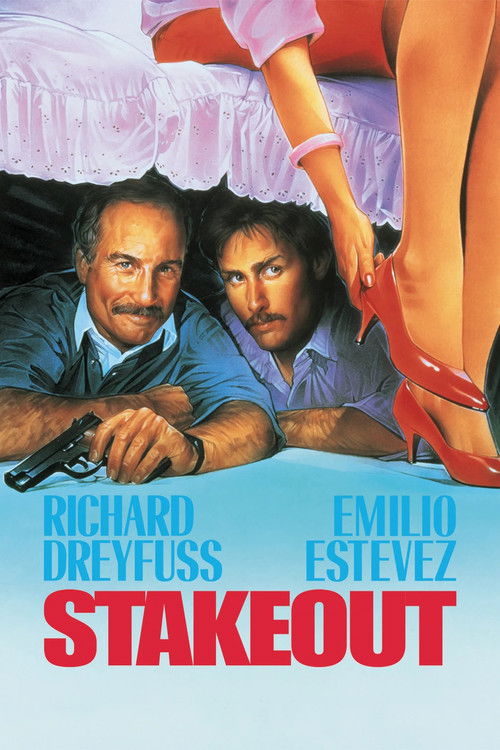
Stakeout
1987Two detectives observe an escaped convict's ex-girlfriend, but complications set in when one of them falls for her.
In this breakthrough role, Stowe manages to subvert the objectified love interest trope by injecting a sense of genuine agency and comedic timing. Her presence elevated a standard genre exercise into a star-making vehicle that proved she could hold her own against established charisma.
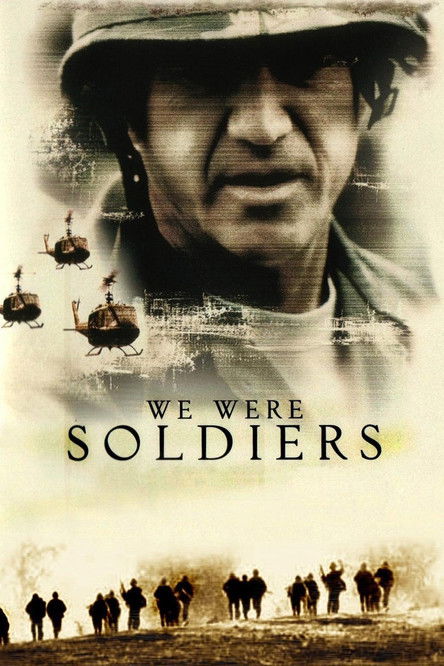
We Were Soldiers
2002The story of the first major battle of the American phase of the Vietnam War and the soldiers on both sides that fought it.
While the film focuses on the brutality of the front lines, Stowe anchors the psychological stakes back home with a quiet, stoic dignity. She avoids the clichés of the military spouse by layering her performance with a palpable, simmering anxiety that gives the film its necessary human weight.
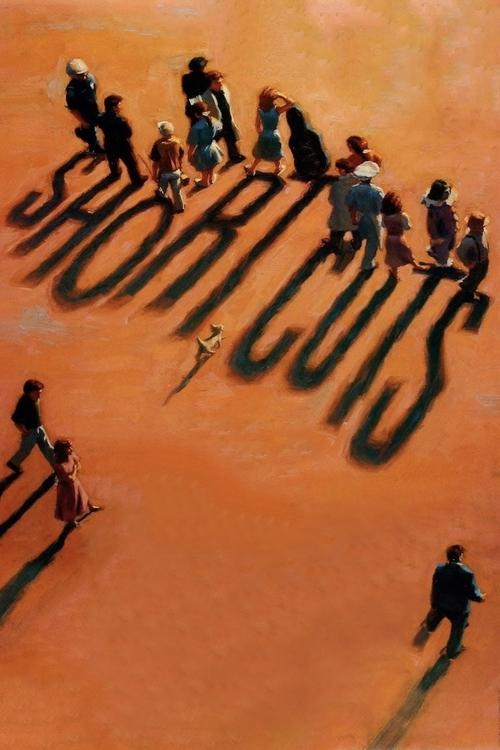
Short Cuts
1993Many loosely connected characters cross paths in this film, based on the stories of Raymond Carver. Waitress Doreen Piggot accidentally runs into a boy with her car. Soon after walking away, the child lapses into a coma. While at the hospital, the boy's grandfather tells his son, Howard, about his past affairs. Meanwhile, a baker starts harassing the family when they fail to pick up the boy's birthday cake.
Amidst a sprawling ensemble of heavyweights, Stowe’s turn as a wife navigating domestic deception provides the film with its most stinging emotional realism. She occupies Robert Altman’s naturalistic landscape with a weary, cynical grace that stands out as the production's cynical heart.
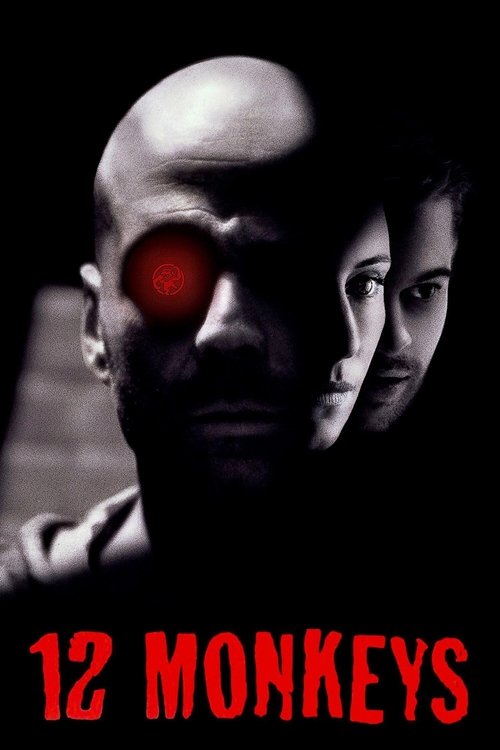
Twelve Monkeys
1995In the year 2035, convict James Cole reluctantly volunteers to be sent back in time to discover the origin of a deadly virus that wiped out nearly all of the earth's population and forced the survivors into underground communities. But when Cole is mistakenly sent to 1990 instead of 1996, he's arrested and locked up in a mental hospital. There he meets psychiatrist Dr. Kathryn Railly and the son of a famous virus expert who may hold the key to the Army of the 12 Monkeys; thought to be responsible for unleashing the killer disease.
Functioning as the audience's grounding force amidst Terry Gilliam’s clockwork chaos, Stowe navigates the transition from skeptical psychiatrist to desperate believer with surgical precision. It is a masterclass in reactionary acting that prevents the high-concept sci-fi from spinning off its axis.
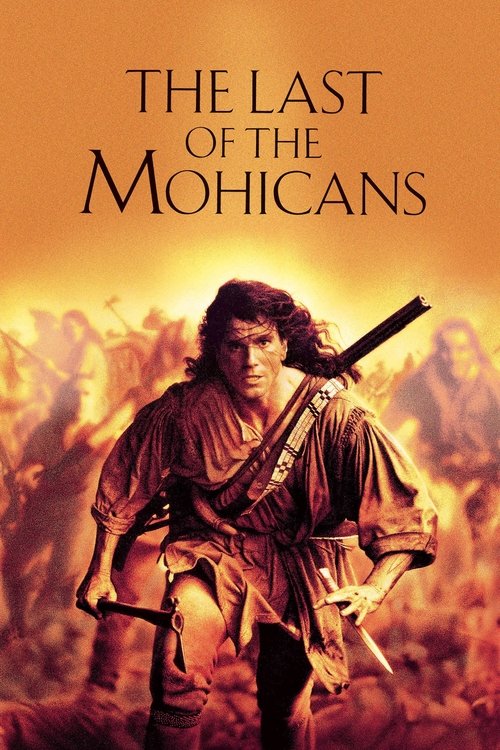
In war-torn colonial America, in the midst of a bloody battle between British, the French and Native American allies, the aristocratic daughter of a British Colonel and her party are captured by a group of Huron warriors. Fortunately, a group of three Mohican trappers comes to their rescue.
Stowe serves as the soul of Michael Mann's frontier epic, transforming the damsel-in-distress archetype into a figure of fierce, wordless resilience. Her Cora Munro remains the definitive showcase of her ability to command the screen through sheer intensity of gaze.
Frequently Asked Questions
Everything you need to know about this list and SnakeDrafts
- "The Last of the Mohicans" is ranked highest due to Stowe's compelling portrayal of Cora Munro, which masterfully blends strength and vulnerability. The film's epic scale and emotional depth established her as a formidable lead in historical action dramas.
- In "Twelve Monkeys," Stowe plays a mental health patient with haunting intensity, diverging from her usual romantic and dramatic roles. This sci-fi thriller spotlights her ability to navigate complex, psychologically layered characters with nuance.
- Stowe frequently stars in films combining intense emotional drama with high stakes, such as historical epics like "We Were Soldiers" and thrillers like "Revenge." A recurring theme is her portrayal of resolute women facing moral or existential challenges.
- While popular and showcasing her charm, movies like "Stakeout" and "Playing by Heart" are lighter in tone or ensemble-based, which can overshadow Stowe's individual performance. The ranking favors films where her presence is more central and emotionally commanding.
- The inclusion of "Closet Land," a tense thriller drama, highlights Stowe's interest in challenging, unconventional roles, which is often overlooked. Conversely, some mainstream hits are not present, emphasizing the list's focus on her most critically acclaimed and impactful performances.
- In "Short Cuts," Stowe navigates an ensemble cast with subtle emotional resonance, while in "The General's Daughter," her commanding presence anchors the mystery thriller. Both films benefit from her ability to convey complex emotional states within different narrative frameworks.
- "Revenge" presents Stowe as a woman thrust into extreme circumstances, balancing intense vulnerability with fierce determination. This raw portrayal helped cement her status as a capable lead in psychological thrillers with a strong emotional core.
- The list illustrates Stowe's extensive genre range, from historical action in "The Last of the Mohicans" to sci-fi in "Twelve Monkeys" and thriller in "Unlawful Entry." Her adaptability across diverse genres showcases her dynamic acting skills and broad appeal.