Best Thriller Movies of 1976
Classic Suspense and Psychological Chills
Explore the best suspense cinema with our definitive guide to the year's top psychological thrillers, cult classics, and mystery masterpieces.
About 1976 Thriller Movies
In the long, sweltering history of cinema, 1976 stands as a year where the thriller genre officially shed its skin. If the early seventies were defined by the paranoia of political conspiracies and shadows, 1976 was the year that anxiety became visceral, personal, and profoundly violent. It was a twelve month stretch that saw the birth of cinematic shorthand we still use today, moving away from the slow burn procedurals of the past and toward a more aggressive, stylized form of psychological warfare.
Perhaps no film captures this shift better than John Carpenter’s Assault on Precinct 13. While it technically functions as a modern western transposed into a decaying urban landscape, it remains one of the leanest thrillers ever put to celluloid. Carpenter stripped away the bloat of studio filmmaking to create a claustrophobic pressure cooker. The threat was nameless, the setting was isolated, and the tension was rhythmic. It proved that a thriller did not need a massive budget to paralyze an audience; it just needed a synthesizer and a relentless sense of dread.
While Carpenter was refining the urban siege, Martin Scorsese was taking a taxi into the mouth of hell. Taxi Driver is often categorized as a drama, but as a psychological thriller, it is unrivaled. It took the post Vietnam malaise and squeezed it until it popped in a finale of crimson and chrome. Travis Bickle became the ultimate unreliable protagonist, a man whose internal monologue served as a ticking clock for the audience. This was a new kind of thriller, one where the danger was not lurking around the corner but sitting right in the driver’s seat.
Across the Atlantic, the genre was taking on a more operatic and disturbing tone. This was the year Brian De Palma gave us Carrie, blending the supernatural with high school cruelty to create a revenge thriller that redefined the jump scare. More significantly, 1976 gave us Nicolas Roeg’s The Man Who Fell to Earth and the ending of the giallo golden age in Italy. But even in the mainstream, the tension was high. Marathon Man took the cold war thriller and localized it to a dentist’s chair, making audiences terrified of white tiled rooms and historical secrets.
What made 1976 unique was its lack of safety. In All the President’s Men, the thriller was found in the rustle of newspapers and hushed phone calls, proving that the genre could thrive on information alone. Meanwhile, The Omen brought the thriller into the realm of the religious, using a countdown toward an apocalypse to keep viewers in a state of perpetual flight or fight.
Looking back, the landscape of 1976 was one of incredible transition. The genre was no longer just about solving a crime or escaping a killer. It had become a reflection of a world that felt increasingly out of control. Filmmakers were experimenting with gore, sound design, and non linear storytelling to find new ways to rattle the cage of the viewer. It was a year where the hero was often as broken as the villain, and the happy ending was frequently replaced by a cold, lingering stare into the camera. Modern suspense owes its heartbeat to 1976. It was the year the thriller stopped being polite and started being dangerous.
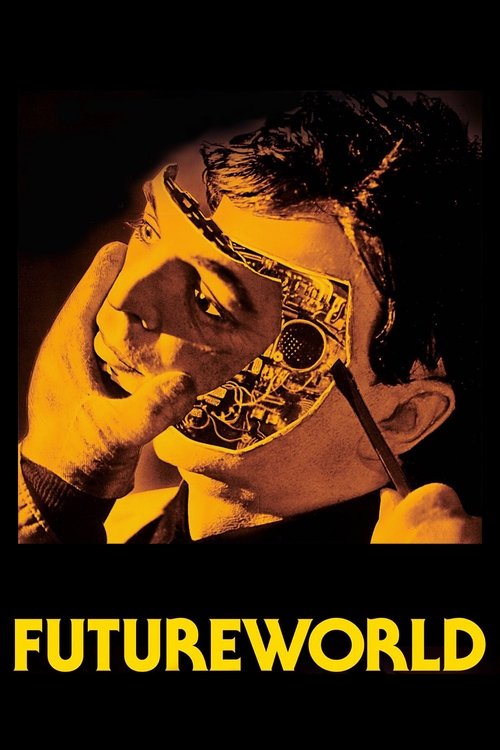
Futureworld
1976Two years after the Westworld tragedy in the Delos amusement park, the corporate owners have reopened the park following over $1 billion in safety and other improvements. For publicity purposes, reporters Chuck Browning and Tracy Ballard are invited to review the park. Just prior to arriving, however, Browning is given a clue by a dying man that something is amiss.
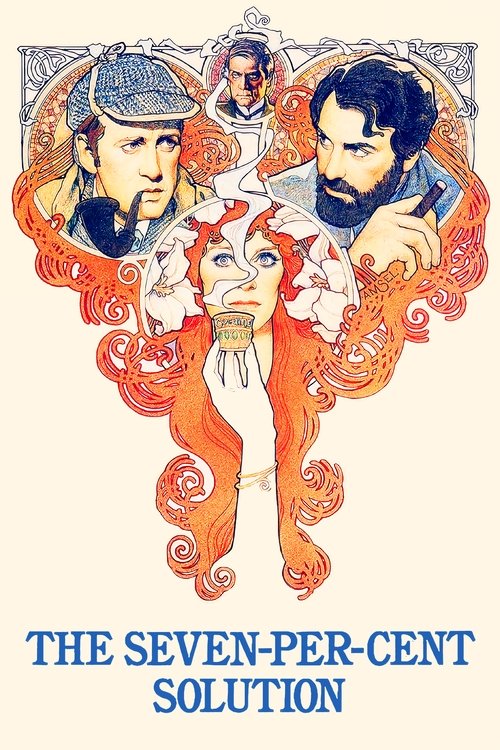
The Seven-Per-Cent Solution
1976Concerned about his friend's cocaine use, Dr. Watson tricks Sherlock Holmes into travelling to Vienna, where Holmes enters the care of Sigmund Freud. Freud attempts to solve the mysteries of Holmes' subconscious, while Holmes devotes himself to solving a mystery involving the kidnapping of Lola Deveraux.
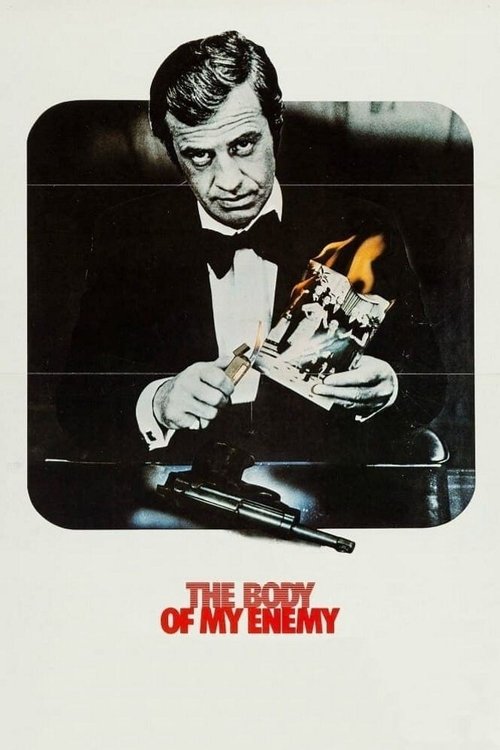
The Body of My Enemy
1976A man accused of murder discovers a trail of corruption leading to the powerful family of his former love. Going underground, he seeks allies in a town where trust is scarce.
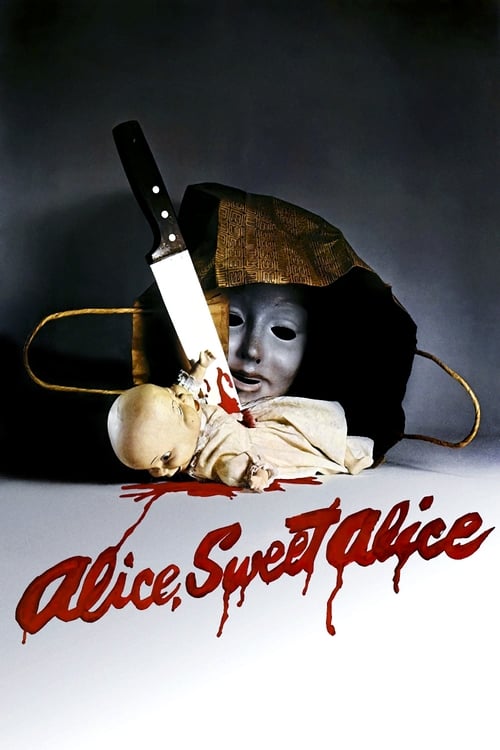
Alice, Sweet Alice
1976Alice is a withdrawn 12-year-old who lives with her mother and her younger sister, Karen, who gets most of the attention from her mother, leaving Alice out of the spotlight. When Karen is found brutally murdered in a church, suspicions start to turn toward Alice. But could a 12-year-old girl really be capable of such savagery?
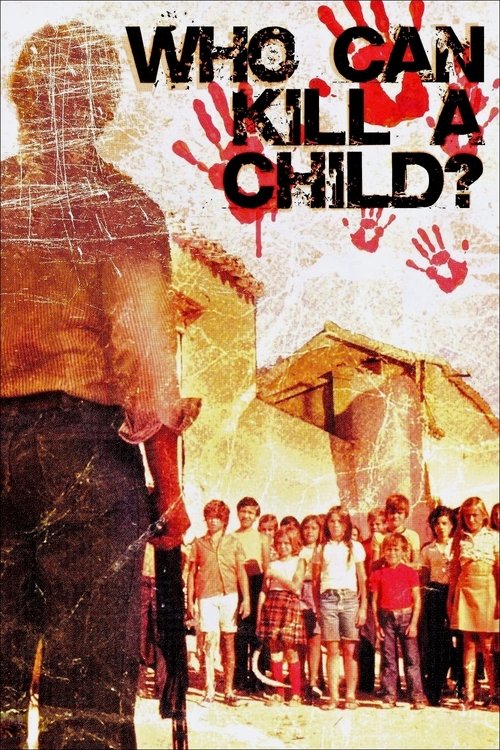
Who Can Kill a Child?
1976A couple of English tourists arrive at the island of Almanzora, off the Spanish Mediterranean coast, where they discover that there are no adults in a small fishing village, only some children who stare at them and smile mysteriously.
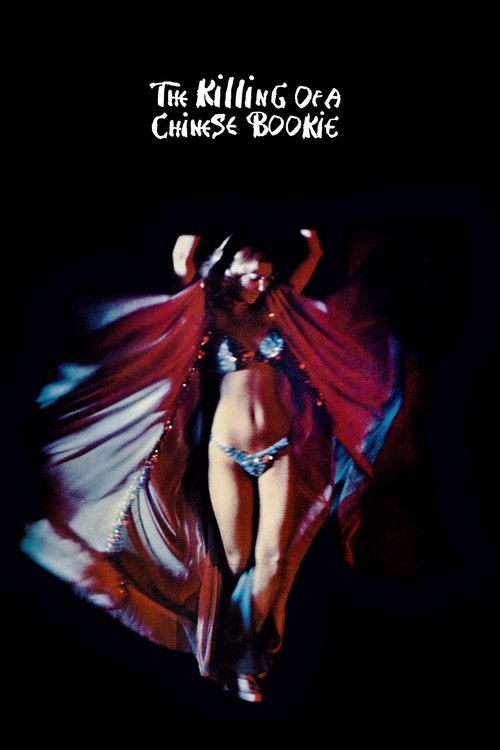
The Killing of a Chinese Bookie
1976Cosmo Vittelli, the proprietor of a sleazy, low-rent Hollywood cabaret, has a real affection for the women who strip in his peepshows and the staff who keep up his dingy establishment. He also has a major gambling problem that has gotten him in trouble before. When Cosmo loses big-time at an underground casino run by mobster Mort, he isn't able to pay up. Mort then offers Cosmo the chance to pay back his debt by knocking off a pesky, Mafia-protected bookie.
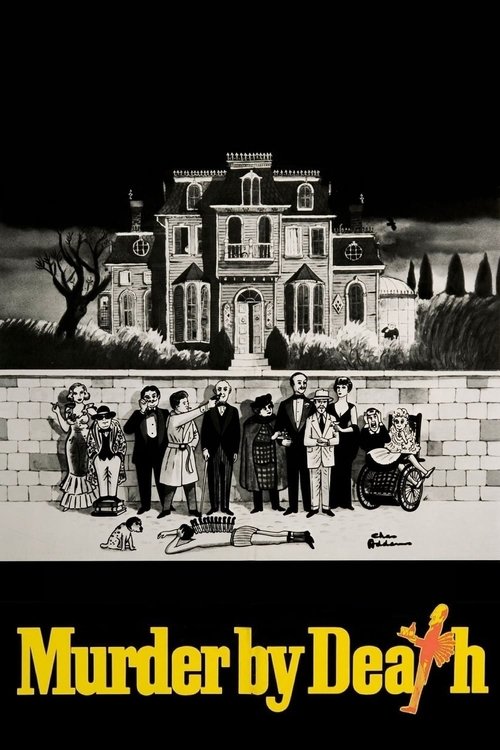
Murder by Death
1976Lionel Twain invites the world's five greatest detectives to a 'dinner and murder'. Included are a blind butler, a deaf-mute maid, screams, spinning rooms, secret passages, false identities and more plot turns and twists than are decently allowed.
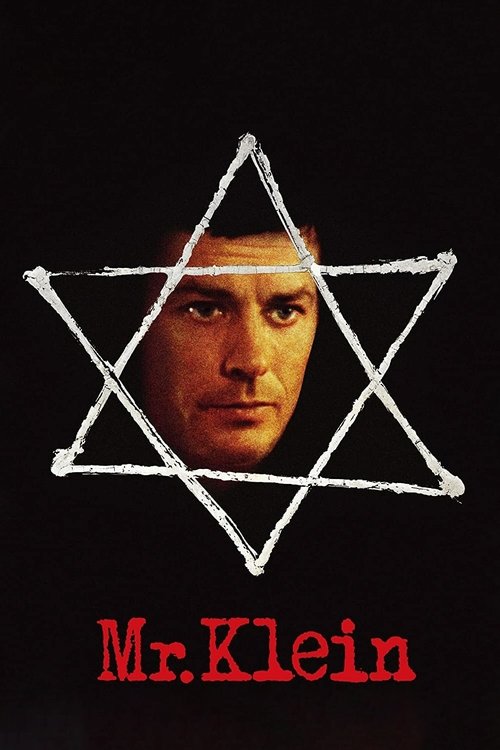
Mr. Klein
1976Paris, France, 1942, during the Nazi occupation. Robert Klein, a successful art dealer who benefits from the misfortunes of those who are ruthlessly persecuted, discovers by chance that there is another Robert Klein, apparently a Jewish man; someone with whom he could be mistakenly identified, something dangerous in such harsh times.
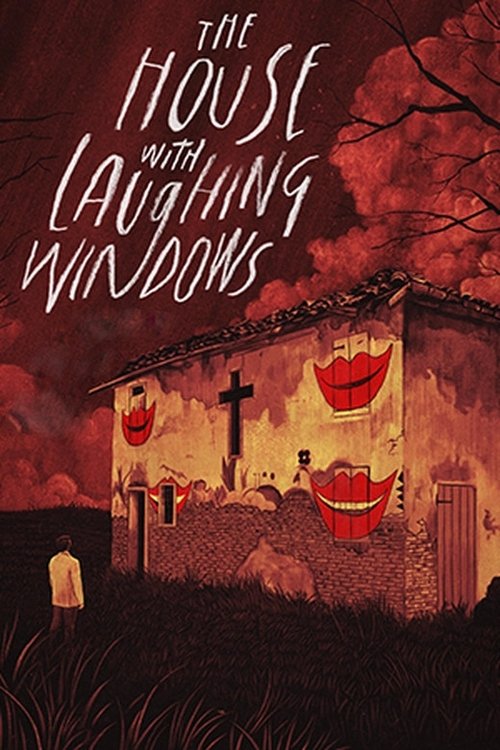
The House with Laughing Windows
1976Stefano, a young restorer, is commissioned to save a controversial mural located in the church of a small, isolated village.
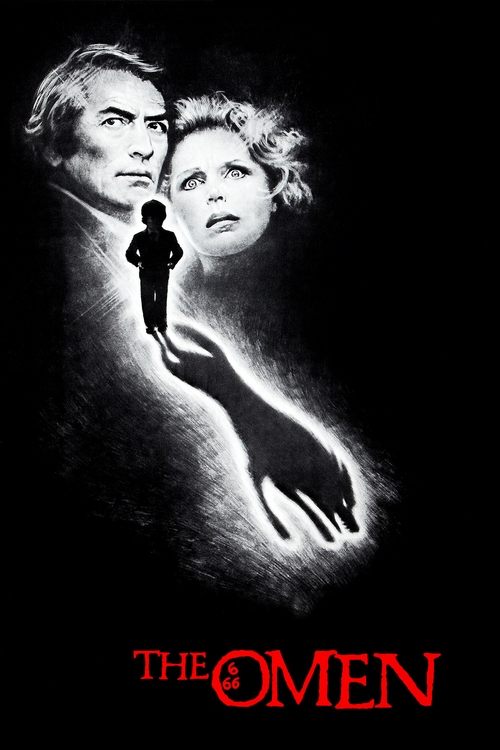
The Omen
1976Immediately after their miscarriage, the US diplomat Robert Thorn adopts the newborn Damien without the knowledge of his wife. Yet what he doesn’t know is that their new son is the son of the devil.
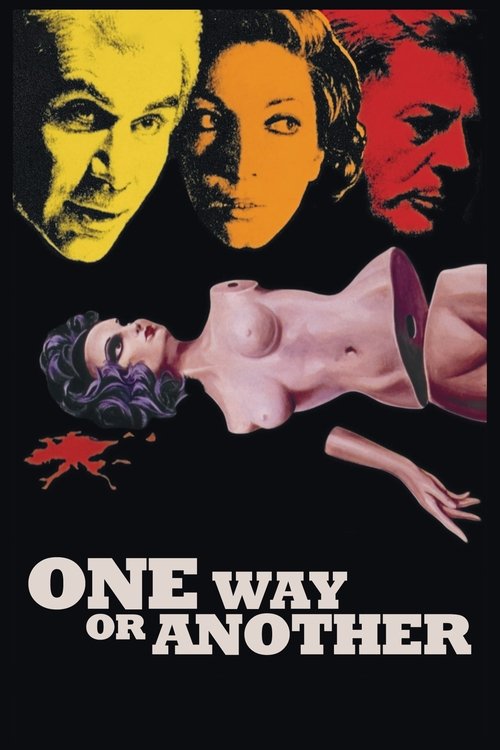
One Way or Another
1976Set during a retreat of Christian Democrat politicians who practice spiritual exercises together, it is an allegory of corrupted power. Disturbing, claustrophobic settings are the background to a series of mysterious crimes.
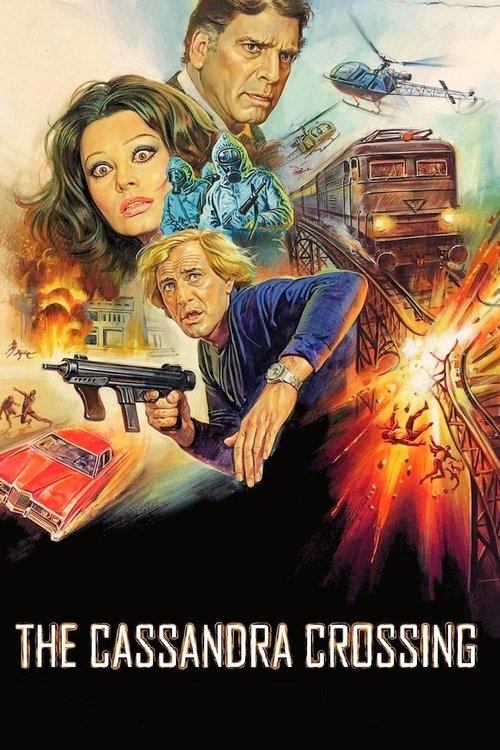
The Cassandra Crossing
1976Passengers on a European train have been exposed to a deadly disease, and nobody will let them off the train.
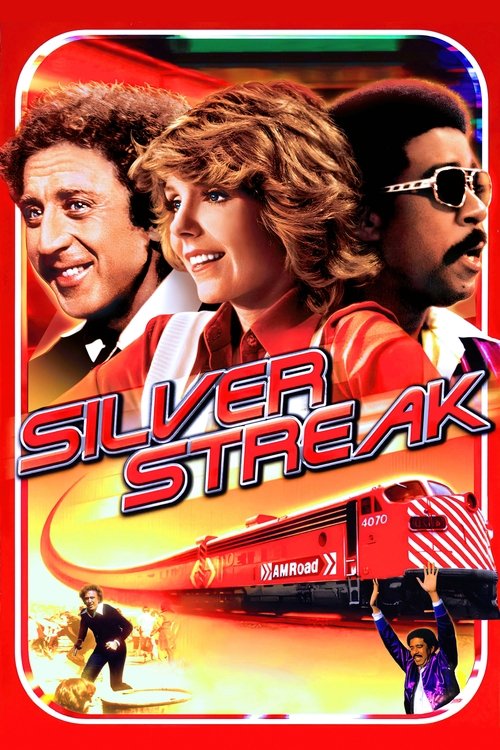
Silver Streak
1976A somewhat daffy book editor on a rail trip from Los Angeles to Chicago thinks that he sees a murdered man thrown from the train. When he can find no one who will believe him, he starts doing some investigating of his own. But all that accomplishes is to get the killer after him.
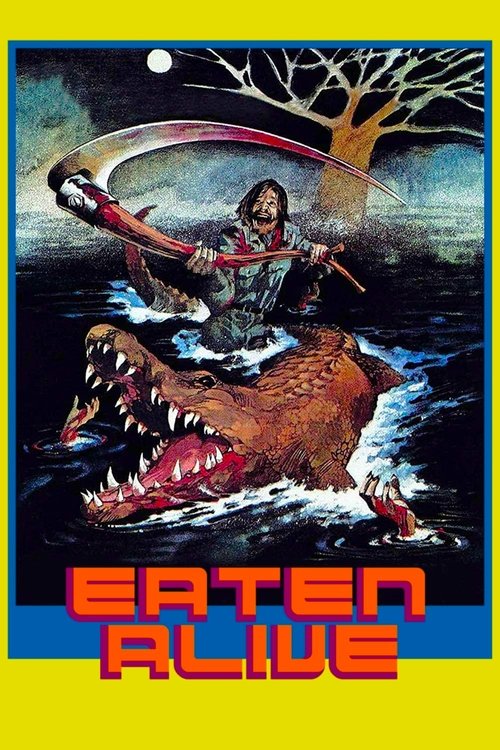
Eaten Alive
1976A psychotic redneck owns a dilapidated hotel in rural East Texas, where he murders those who upset him or his business, and then feeds their remains to his pet crocodile in the swamp beside his hotel.
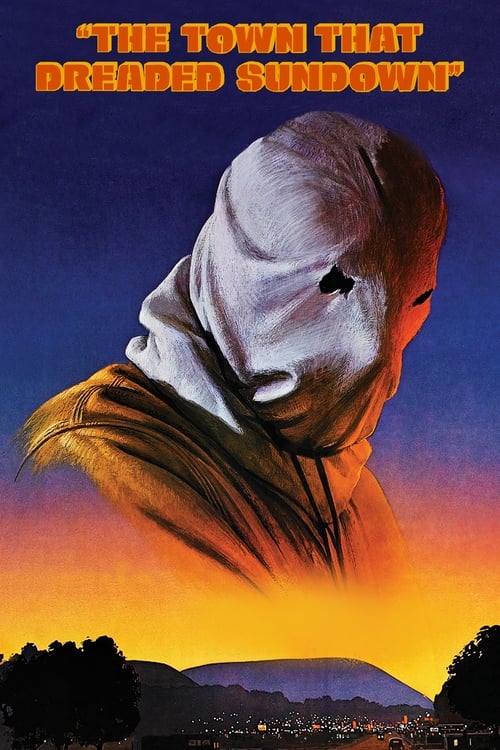
The Town That Dreaded Sundown
1976When two young lovers are savagely beaten and tortured on a back country road in Texarkana, local police are baffled and must find "the Phantom Killer" before he can kill again.
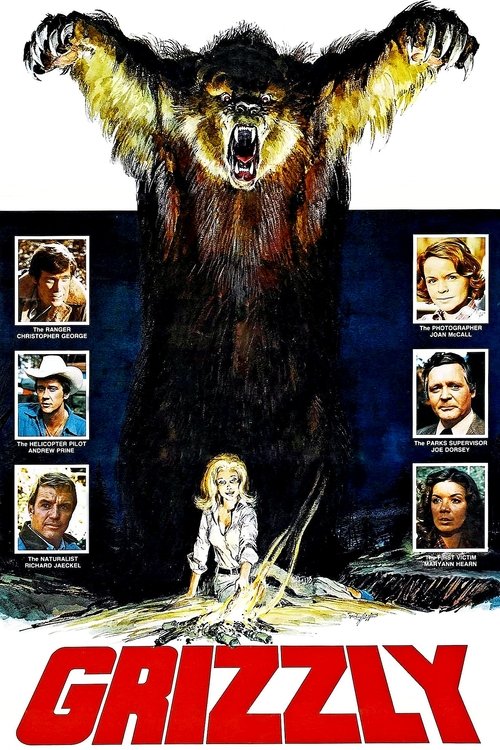
Grizzly
1976An eighteen-foot grizzly bear figures out that humans make for a tasty treat. As a park ranger tries rallying his men to bring about the bear's capture or destruction, his efforts are thwarted by the introduction of dozens of drunken hunters into the area.
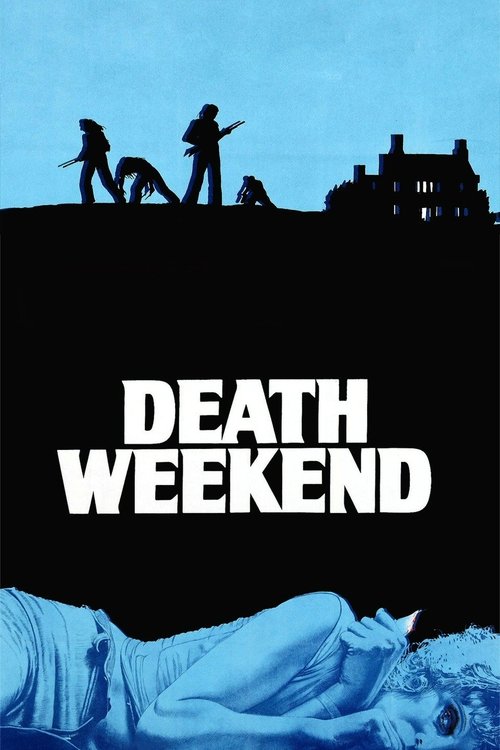
The House by the Lake
1976Harry is a rich dentist who often brings women up to his rural lakehouse. One weekend, he invites Diane, a former fashion model. On their way to the house, Diane runs a gang of thugs off the road. Humiliated, the thugs track down the couple for revenge.
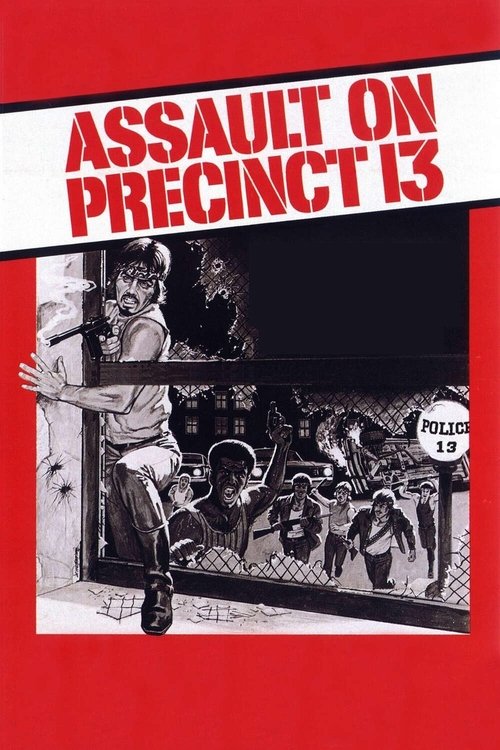
Assault on Precinct 13
1976A highway patrol officer, two criminals, and a station secretary form an unlikely alliance to defend a defunct Los Angeles precinct against a siege by a bloodthirsty street gang.
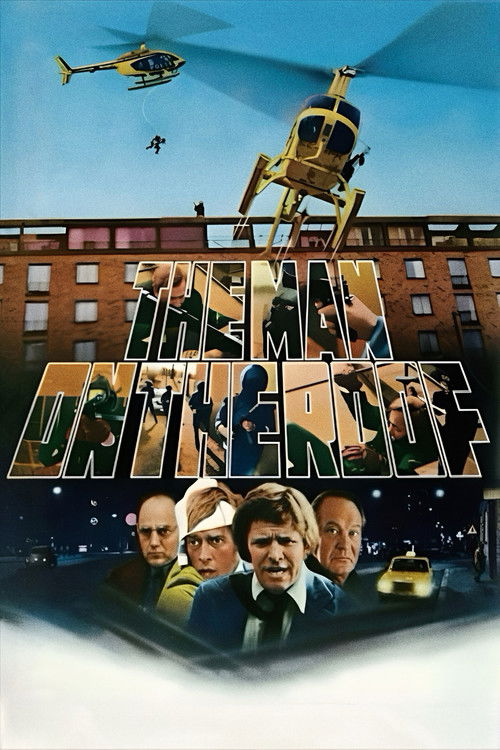
Man on the Roof
1976When an inspector is murdered in hospital, the investigation led by Detective Martin Beck uncovers reports of misconduct and possibly revenge.
Bo Widerberg’s Swedish procedural strips away Hollywood artifice to present a gritty, hyper-realistic depiction of law enforcement under siege. The climax stands as a landmark in tension, utilizing a documentary-style lens to capture the terrifying unpredictability of urban violence.
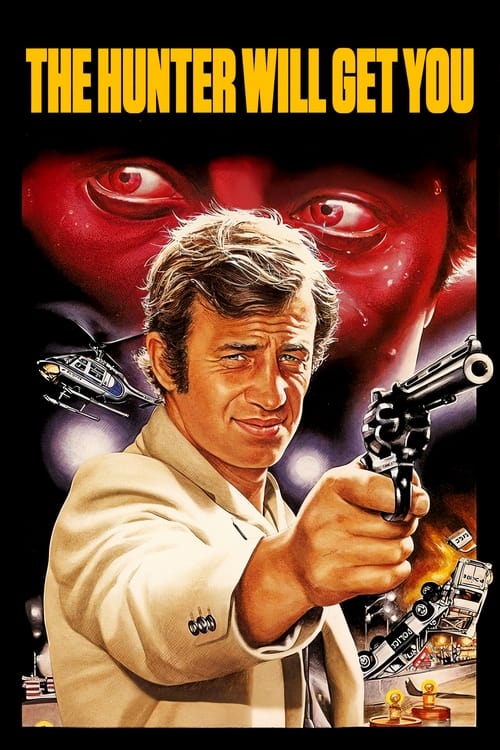
Hunter Will Get You
1976L'Alpagueur is a free-lance spy from the French secret agency. He's put on the investigation about L'epervier, a serial-killer who employs young boys to help him robbing banks before killing them.
Jean-Paul Belmondo radiates cool in this lean French neo-noir that balances bone-crunching action with a cynical, post-68 worldview. It is a muscular example of European genre cinema, driving forward with a relentless kinetic energy and a hard-boiled soul.
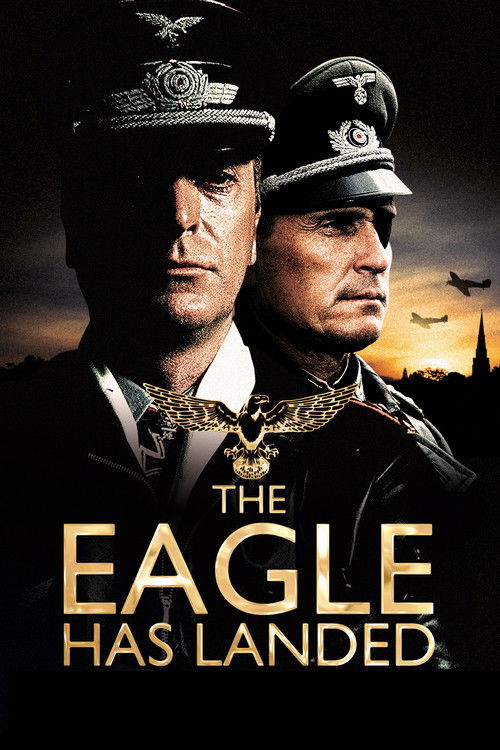
The Eagle Has Landed
1976When the Nazi high command learns in late 1943 that Winston Churchill will be spending time at a country estate in Norfolk, it hatches an audacious scheme to kidnap the prime minister and spirit him to Germany for enforced negotiations with Hitler.
John Sturges executes a taut, high-stakes 'what-if' scenario that finds unexpected humanity within an enemy infiltration plot. The film distinguishes itself through rhythmic pacing and a powerhouse ensemble that elevates the typical war-caper into a gripping character study.
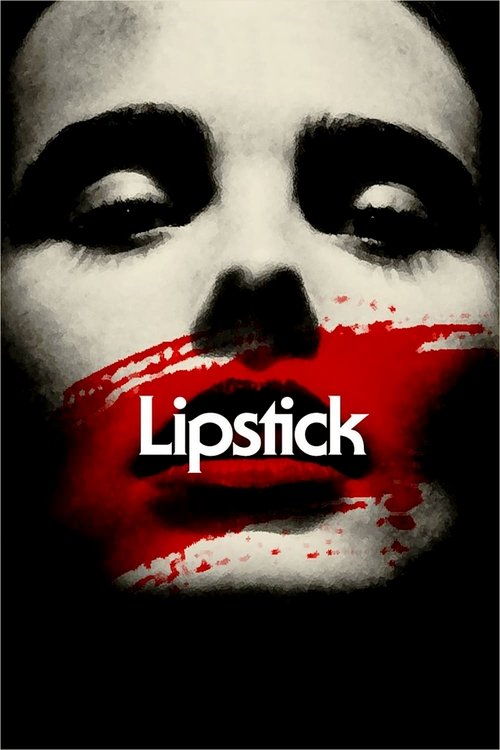
Lipstick
1976An aspiring avant-garde composer rapes a fashion model. When she takes him to court, she's slut-shamed by the defense and the man is exonerated. But justice will be served.
A brutal, polarizing exploration of the justice system’s failure, this film remains a raw nerve of the exploitation-thriller genre. Its unflinching gaze at societal misogyny provides a grim, provocative edge that transcends its sensationalist roots.
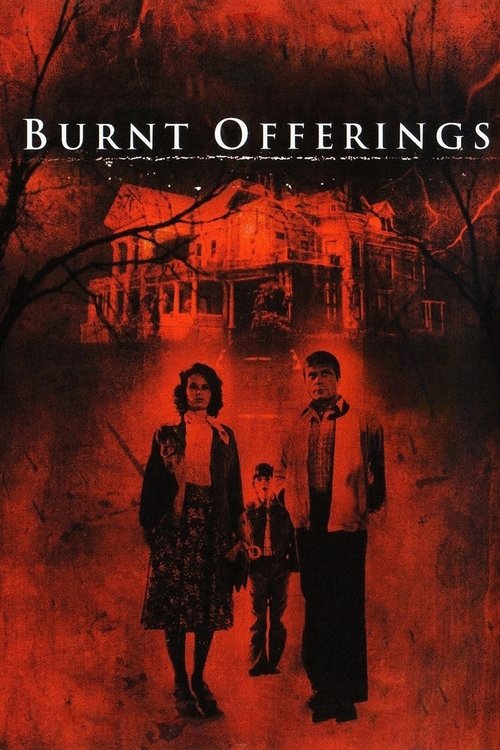
Burnt Offerings
1976A couple and their twelve-year-old son move into a giant house for the summer where things aren’t quite what they seem. Every time someone gets hurt on the grounds, the beat-up house seems to repair itself…
This slow-burn haunted estate narrative excels by treating its central architecture as a predatory organism that feeds on the vulnerability of the nuclear family. It eschews cheap jump scares for a cumulative sense of architectural dread that feels both ancient and inevitable.
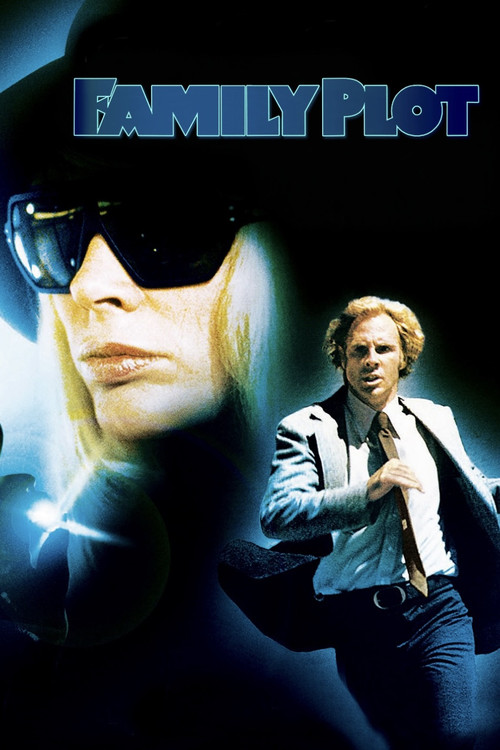
Family Plot
1976Spiritualist Blanche Tyler and her cab-driving boyfriend encounter a pair of serial kidnappers while trailing a missing heir in California.
Alfred Hitchcock’s final bow is a deceptively playful macabre dance that trades his usual heavy tension for a sophisticated, interlocking puzzle. It remains a masterclass in narrative economy, proving that the Master of Suspense could still manipulate an audience through sheer tonal agility and dark wit.
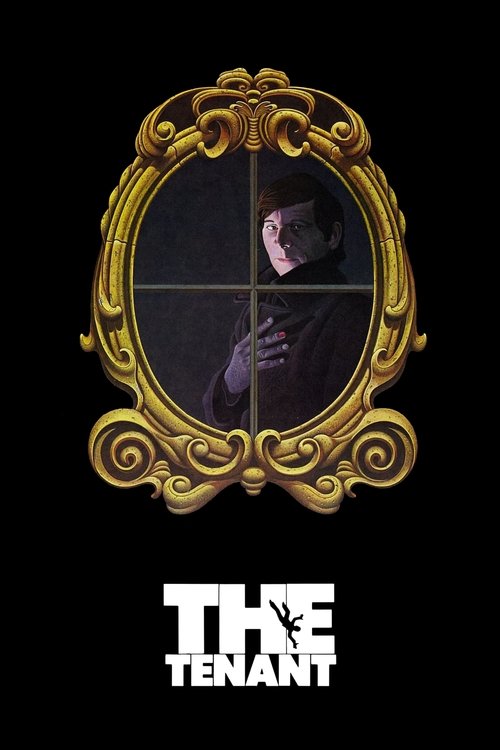
The Tenant
1976A quiet and inconspicuous man rents an apartment in Paris where he finds himself drawn into a rabbit hole of dangerous paranoia.
Roman Polanski delivers the definitive study of identity dissolution within the confines of a decaying Parisian apartment. The film’s power stems from its suffocating Kafkaesque logic, transforming mundane neighborly disputes into a surrealist nightmare of total psychic collapse.
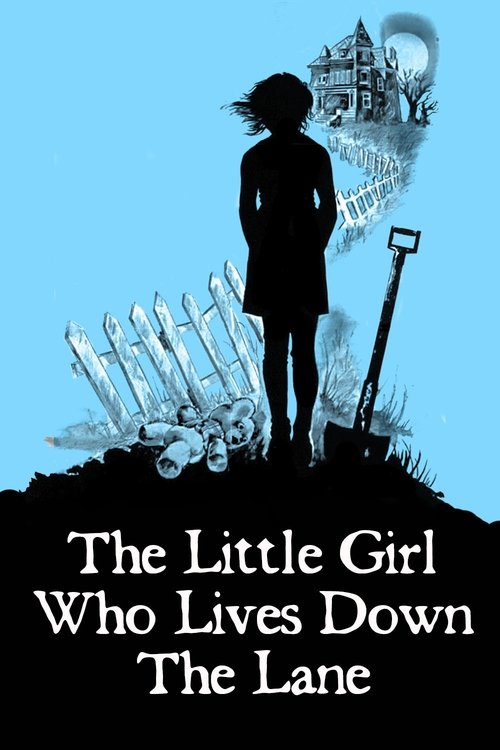
The Little Girl Who Lives Down the Lane
197613-year-old Rynn Jacobs lives in a New England beach town. Whenever the landlady inquires after Rynn's father, she claims that he's not available. But when the landlady's son, Frank, won't leave Rynn alone, she teams up with a neighbor Mario to maintain the dark family secret that she's been keeping to herself.
A chillingly precocious Jodie Foster anchors this claustrophobic chamber piece, which weaponizes the domestic sphere into a site of lethal secrets. It subverts the 'child in peril' trope by presenting a protagonist whose calculating autonomy is far more unsettling than the threats outside her door.
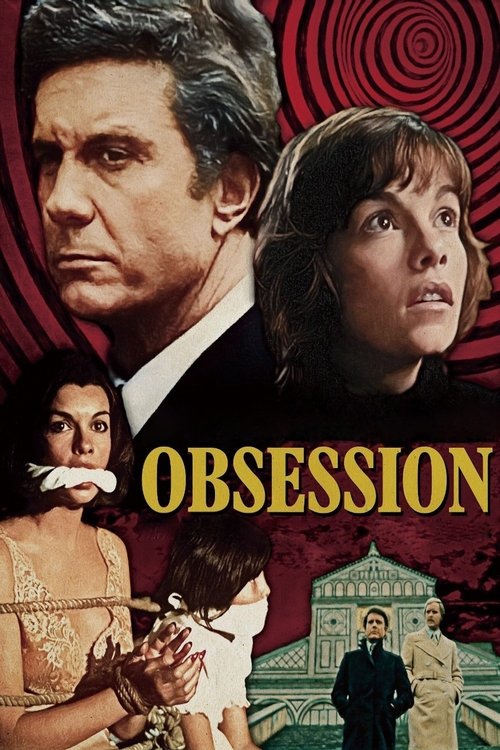
Obsession
1976A wealthy New Orleans businessman becomes obsessed with a young woman who resembles his late wife.
Brian De Palma leans into Hitchcockian fetishism with a lush, Bernard Herrmann-scored fever dream that prioritizes atmosphere over logic. This is high-style suspense, anchored by a haunting aesthetic that blurs the line between romantic devotion and psychological fracturing.
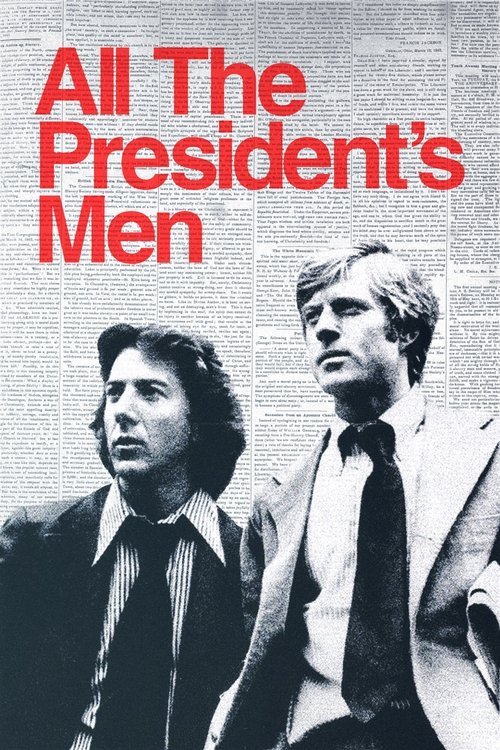
All the President's Men
1976During the 1972 elections, two reporters' investigation sheds light on the controversial Watergate scandal that compels President Nixon to resign from his post.
Robert Redford anchors the film with a jittery, caffeine-fueled intensity that captures the frantic desperation of a hungry reporter. By stripping away his golden boy persona for a role defined by dogged persistence, he transformed Bob Woodward into the definitive cinematic archetype of the investigative outsider. This performance solidified his transition from a mere matinee idol into a formidable creative force capable of carrying a tense procedural on purely intellectual nerve.
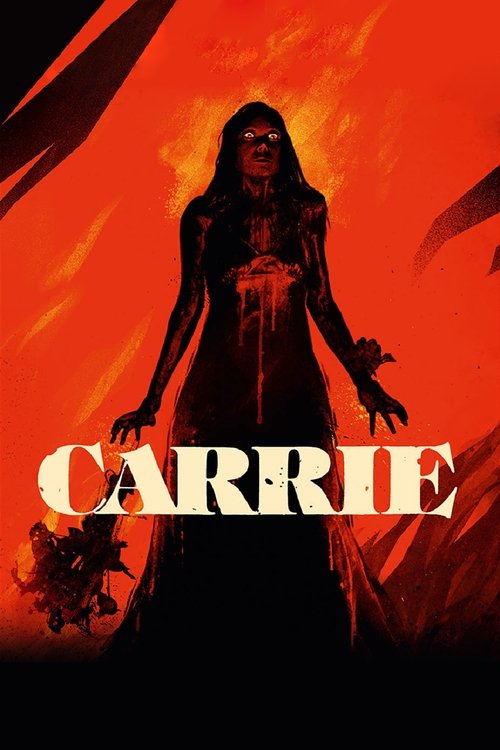
Carrie
1976Withdrawn and sensitive teenager Carrie White faces bullying from classmates and abuse from her fanatically pious mother. When she begins to suspect that she has supernatural powers, things take a dark and violent turn.
Sissy Spacek weaponizes fragility into something truly terrifying, using her wide eyed stillness to bridge the gap between a bullied child and an apocalyptic force. This role transformed her into a generational icon of the macabre, proving she could anchor a high stakes horror tragedy purely through the intensity of her translucent, haunted stare. Spacek crafts a metamorphosis that remains the gold standard for cinematic outcasts.
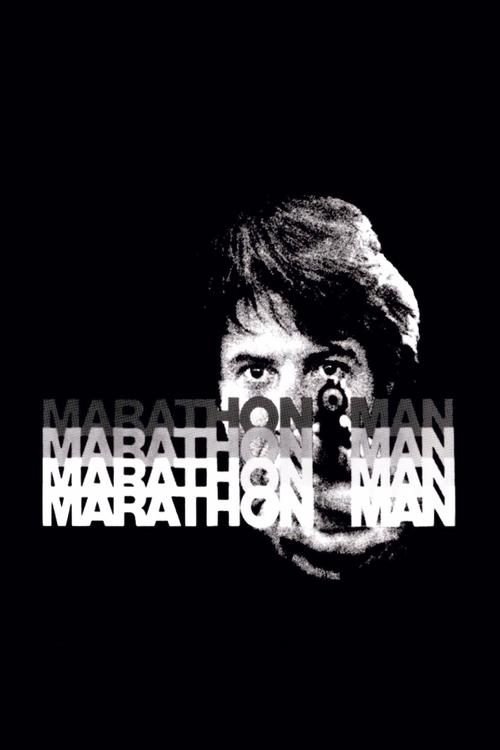
Marathon Man
1976A graduate student and obsessive runner in New York is drawn into a mysterious plot involving his brother, a member of the secretive Division.
John Schlesinger crafts a masterpiece of urban paranoia where history’s ghosts re-emerge as visceral, dental-chair agony. Its brilliance lies in the collision between a gritty New York procedural and the cold, precision-engineered terror of a lurking Third Reich shadow.
Frequently Asked Questions
Everything you need to know about this list and SnakeDrafts
- Films like 'Carrie' and 'Burnt Offerings' seamlessly combine horror with thriller elements, creating an atmosphere of dread and psychological tension. These movies stand out for their unique approach to suspense, which has influenced the horror-thriller hybrid genre.
- The thrillers of 1976 marked a shift towards more aggressive and stylized psychological narratives, moving away from the slow-burn, politically charged stories of the early 70s. Movies like 'Marathon Man' and 'Obsession' demonstrate this transition with their intense personal conflicts and visceral anxiety.
- Yes, several acclaimed directors contributed to 1976's thriller scene, including Brian De Palma with 'Carrie' and 'Obsession,' Alfred Hitchcock with 'Family Plot,' and Roman Polanski with 'The Tenant.' Their work that year helped define the genre's modern psychological approach.
- The 1976 thriller lineup showcases a variety of subgenres, including psychological thrillers ('Marathon Man'), horror-thrillers ('Carrie,' 'Burnt Offerings'), mystery thrillers ('The Tenant'), and action thrillers ('Assault on Precinct 13'). This diversity illustrates the genre's richness and experimentation during that year.
- Movies like 'Carrie' and 'Assault on Precinct 13' have achieved cult classic status due to their innovative storytelling, memorable performances, and lasting influence on the thriller genre. Their unique blend of suspense and genre elements continues to resonate with audiences and filmmakers alike.
- Thrillers like 'All the President's Men' reflect the era's political anxieties by dramatizing real historical moments such as the Watergate scandal. This film exemplifies how 1976 thrillers incorporated true events to heighten suspense and societal relevance.
- 'The Little Girl Who Lives Down the Lane' and 'Obsession' both masterfully weave mystery into their suspenseful narratives, engaging viewers with complex characters and plot twists. These films showcase the genre's fascination with uncovering hidden secrets under a tense atmosphere.