Best Thriller Movies of 1977, Ranked
Classic Suspense and High Stakes Cinema
Explore the best suspenseful cinema from a hallmark year for thrillers. From gritty action to psychological tension, discover top-ranked cult classics.
About 1977 Thriller Movies
In the rearview mirror of cinematic history, 1977 is often remembered as the year a certain space opera changed the industry forever. But beneath the shadow of blockbusters and the burgeoning age of spectacle, the thriller genre was undergoing a fascinating, gritty evolution. It was a year where the tension didn't just come from the shadows, but from the crushing weight of a society that felt increasingly unstable. If the early seventies were defined by the paranoid political thriller, 1977 saw that paranoia curdling into something more visceral, international, and occasionally quite surreal.
At the top of the pile stood William Friedkin with Sorcerer. Fresh off the massive success of The Exorcist, Friedkin delivered a film that remains arguably the most stressful viewing experience of the decade. A reimagining of the classic Wages of Fear, it followed four outcasts driving trucks loaded with unstable dynamite across a treacherous South American jungle. It was a thriller stripped of artifice, relying on the sheer, sweating anxiety of shifting gears and rotting bridge planks. While audiences at the time were looking for escapism, Sorcerer offered an uncompromising look at fate and human desperation. It remains the gold standard for high tension filmmaking, proving that a ticking clock is nothing compared to a leaking crate of nitroglycerin.
Across the Atlantic, Italy was perfecting the Giallo and the Poliziotteschi, but it was Dario Argento who truly shattered expectations with Suspiria. Though often categorized as horror, Argento’s masterpiece operates as a hallucinatory supernatural thriller. It replaced the standard investigative beats of a mystery with a sensory assault of primary colors and a deafening score. It signaled a shift in how thrillers could be paced, prioritizing atmosphere and a dreamlike sense of impending doom over traditional police procedurals.
Back in the United States, the genre was finding a weird, wonderful home in the intersection of character study and urban rot. Consider The Late Show, a film that breathed new life into the noir tradition. Art Carney starred as an aging private eye navigating a modern Los Angeles that had outgrown his morality. It was a reminder that the thriller didn't always need high stakes to be effective. Sometimes, the tension of an old man trying to keep his dignity in a changing world is just as gripping as a chase sequence.
Even the world of sports wasn't safe from the thriller itch. Black Sunday, directed by John Frankenheimer, brought the anxieties of global terrorism to the Super Bowl. Utilizing actual footage from the event and a massive Goodyear blimp as a weapon of mass destruction, it was a precursor to the modern techno-thriller. It captured a very specific pulse of 1977 where the threat felt large, public, and frighteningly plausible.
Looking back, the thriller landscape of 1977 was a beautiful contradiction. It was a year where you could find the cold, clinical suspense of the medical thriller in Coma, which entered production that year, or the high society dread of The Deep. The genre was moving away from the quiet conspiracies of the Watergate era and toward a louder, more visual style of tension. These films didn't just want to make you think. They wanted to make you sweat, squint, and hold your breath. It was a year that proved the thriller was the most versatile tool in the kit of the New Hollywood directors, capable of reflecting the chaos of the world in every frame.
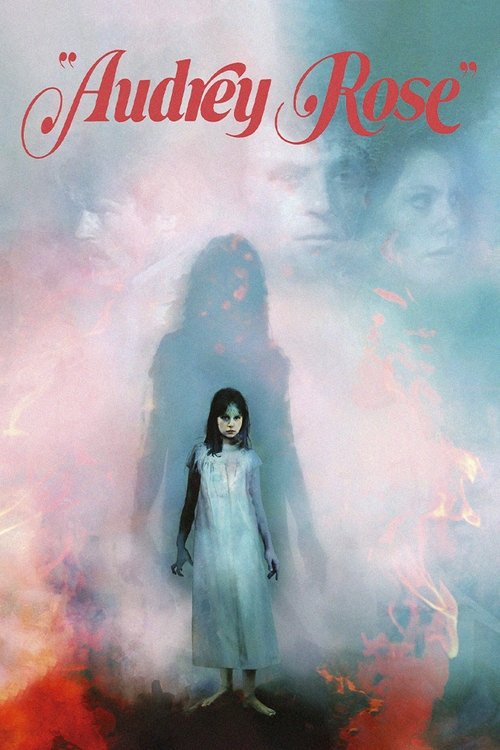
Audrey Rose
1977A man is convinced that 11-year old girl, Ivy, is the reincarnation of his own daughter Audrey Rose, who died in a fiery car accident, along with his wife, two minutes before Ivy was born.
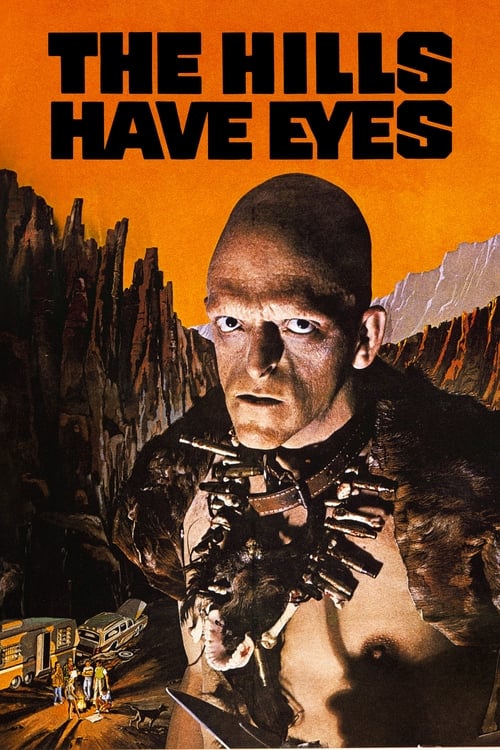
The Hills Have Eyes
1977Taking an ill-advised detour en-route to California, the Carter family soon run into trouble when their RV breaks down in the middle of the desert. Stranded, they find themselves at the mercy of monstrous cannibals lurking in the surrounding hills.
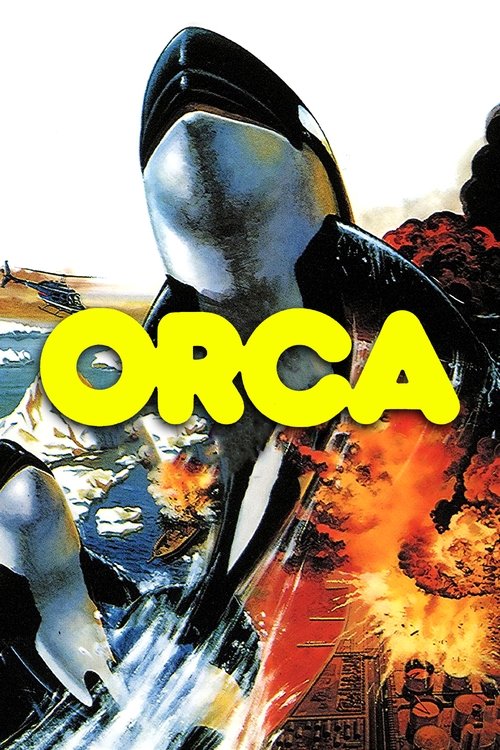
Orca
1977After witnessing the killing of his mate and offspring at the hands of a reckless Irish captain, a vengeful killer whale rampages through the fisherman's Newfoundland harbor. Under pressure from the villagers, the captain, a female marine biologist, and an Indigenous tribalist venture after the great beast, who will meet them on its own turf.
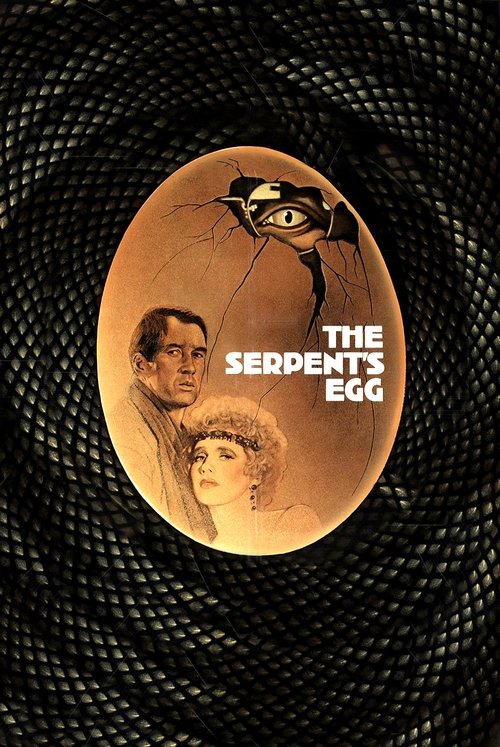
The Serpent's Egg
1977In 1923 Berlin, following the suicide of his brother, an American acrobat struggles to survive while facing unemployment, depression, alcoholism, and the social decay of Germany during the Weimar Republic.
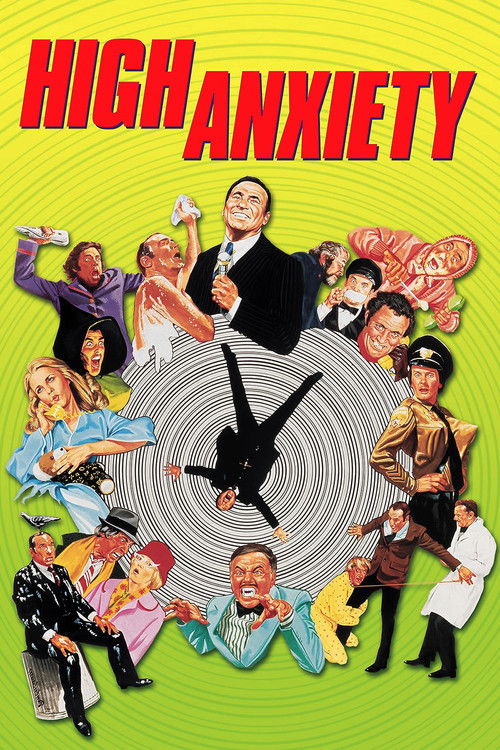
High Anxiety
1977A psychiatrist with intense acrophobia (fear of heights) goes to work for a mental institution run by doctors who appear to be crazier than their patients, and have secrets that they are willing to commit murder to keep.
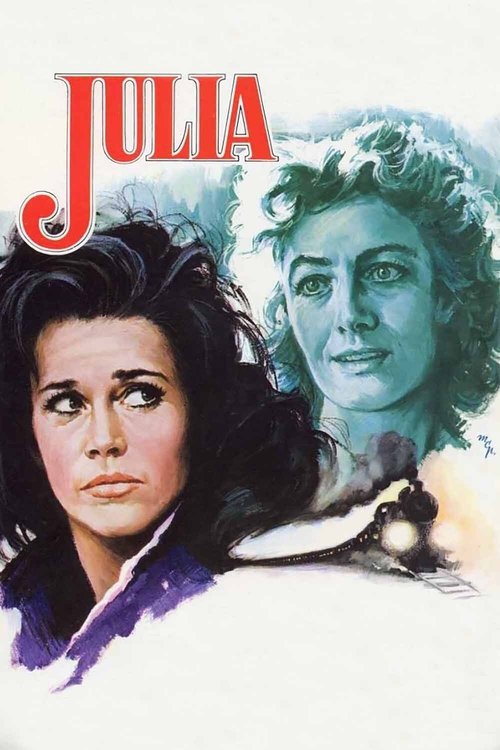
Julia
1977At the behest of an old and dear friend, playwright Lillian Hellman undertakes a dangerous mission to smuggle funds into Nazi Germany.
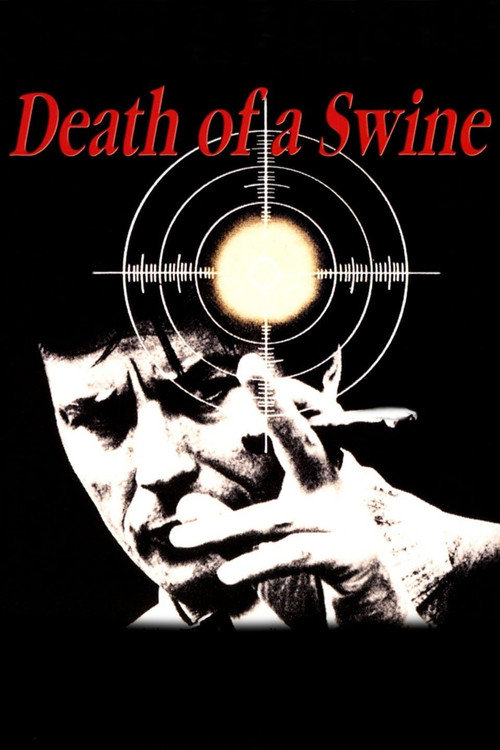
Death of a Corrupt Man
1977In the middle of the night, deputy Philippe Dubaye wakes up his old friend Xavier Maréchal with disturbing news: he has just killed Serrano, a racketeer with extant political connections. Serrano kept proofs of Dubaye's involvement in corrupt dealings and was poised to use them against the deputy. Xavier readily agrees to cover up for his old pal Philippe, but he soon runs into difficulties. Nobody believes Dubaye's alibi. And everybody -- influential personalities, powerful businessmen, dubious go-betweens and the police -- wants to get hold of the documents that served to blackmail Dubaye; by all possible means...
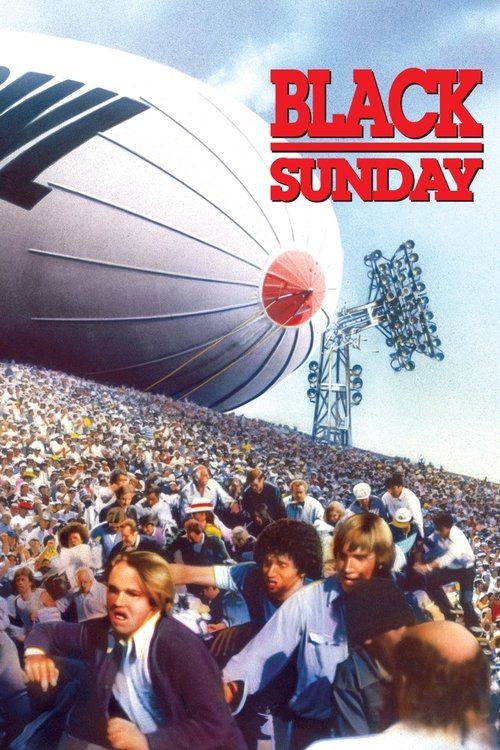
Black Sunday
1977An Israeli anti-terrorist agent must stop a disgruntled Vietnam vet cooperating in a Black September PLO plot to commit a terrorist attack at the Super Bowl.
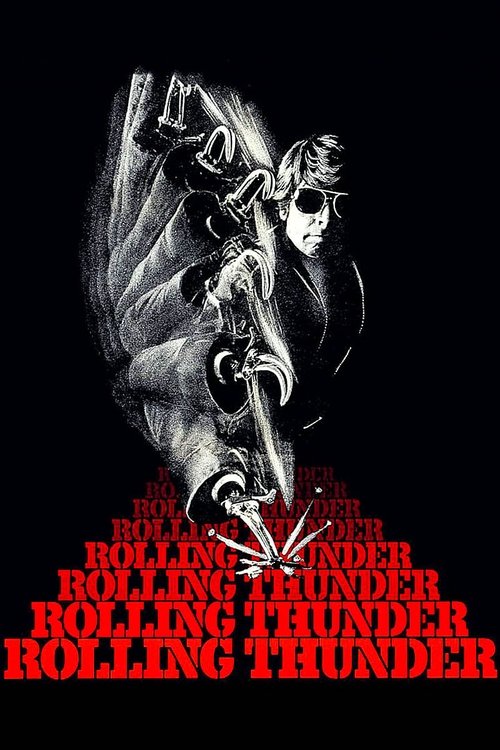
Rolling Thunder
1977A Vietnam veteran, Charles Rane, returns home after years in a POW camp and is treated as a hero. He has a hard time adjusting, and things go badly. A movie about the walking dead, before that meant just flesh-eating zombies.
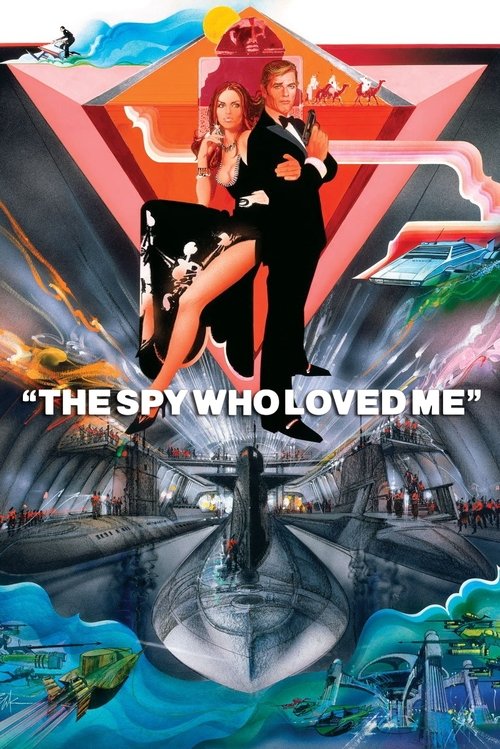
The Spy Who Loved Me
1977Russian and British submarines with nuclear missiles on board both vanish from sight without a trace. England and Russia both blame each other as James Bond tries to solve the riddle of the disappearing ships. But the KGB also has an agent on the case.
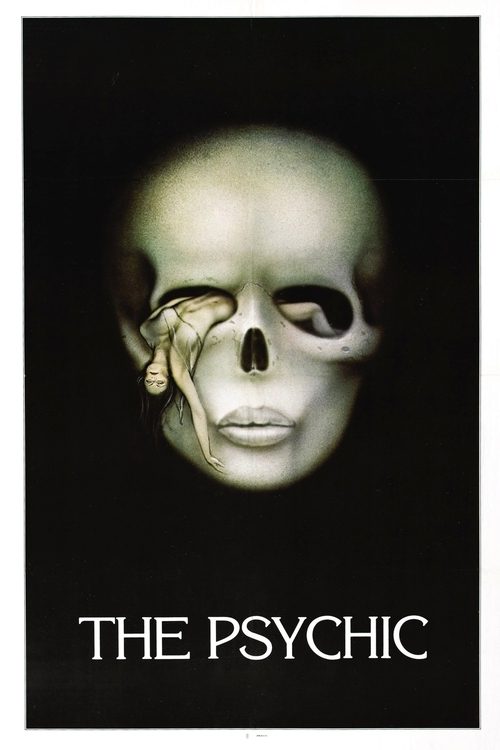
The Psychic
1977A woman with psychic powers has a vision of a murder that took place in a house owned by her husband.
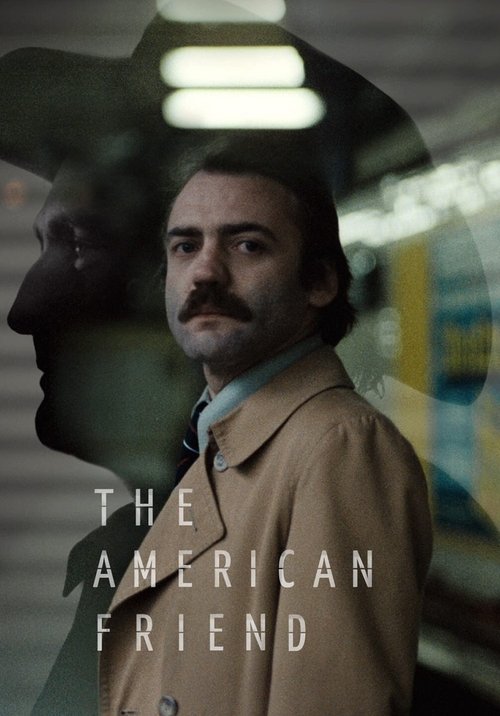
The American Friend
1977Tom Ripley, an American who deals in forged art, is slighted at an auction in Hamburg by picture framer Jonathan Zimmerman. When Ripley is asked by gangster Raoul Minot to kill a rival, he suggests Zimmerman, and the two, exploiting Zimmerman's terminal illness, coerce him into being a hitman.
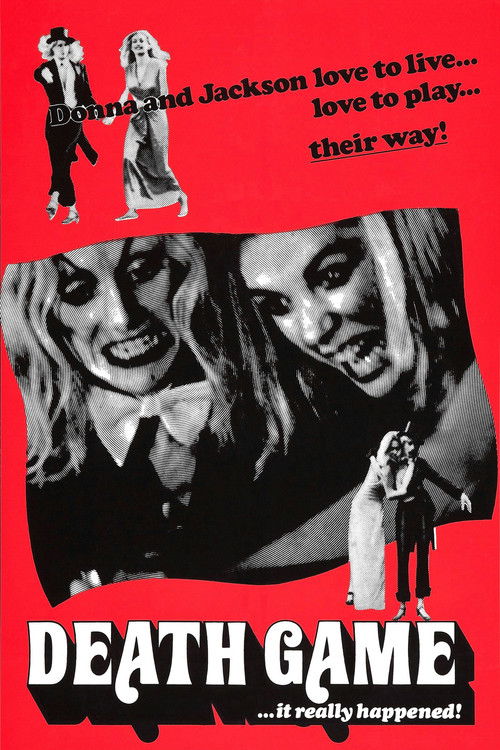
Death Game
1977George Manning is a well-to-do businessman, husband, and father. While his family is away on his birthday, he invites a pair of rain-soaked young women into his house to wait out an evening thunderstorm. The two girls seduce Manning and ultimately kidnap and torture him in his own home.

The Pack
1977The residents of vacation spot Seal Island find themselves terrorized by a pack of dogs -- the remnants of discarded pets by visiting vacationers.
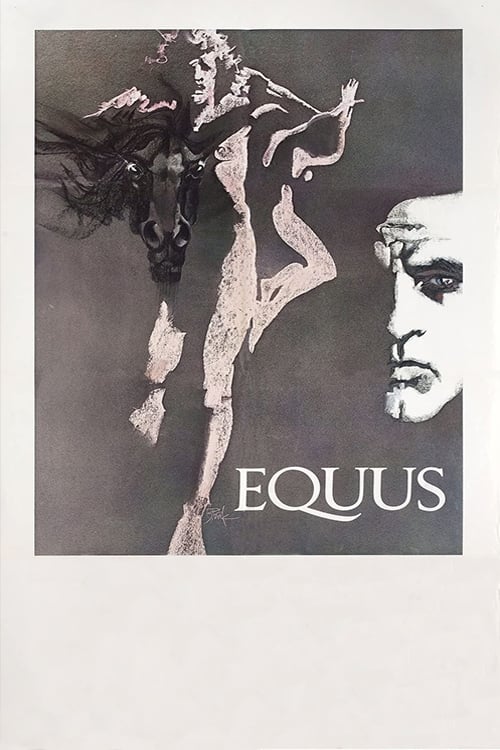
Equus
1977A psychiatrist, Martin Dysart, investigates the savage blinding of six horses with a metal spike in a stable in Hampshire, England. The atrocity was committed by an unassuming seventeen-year-old stable boy named Alan Strang, the only son of an opinionated but inwardly-timid father and a genteel, religious mother. As Dysart exposes the truths behind the boy's demons, he finds himself face-to-face with his own.
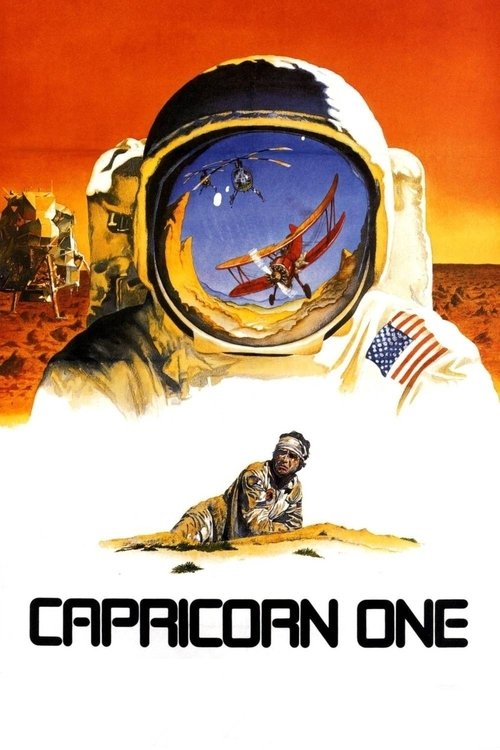
Capricorn One
1977In order to protect the reputation of the American space program, a team of NASA administrators turn the first Mars mission into a phony Mars landing. Under threat of harm to their families the astronauts play their part in the deception on a staged set in a deserted military base. But once the real ship returns to Earth and burns up on re-entry, the astronauts become liabilities. Now, with the help of a crusading reporter, they must battle a sinister conspiracy that will stop at nothing to keep the truth hidden.
Peter Hyams crafts a gripping indictment of institutional deception that taps directly into the post-Watergate zeitgeist. The film excels as a lean chase thriller while weaponizing the horrifying possibility that history is merely a manufactured image.
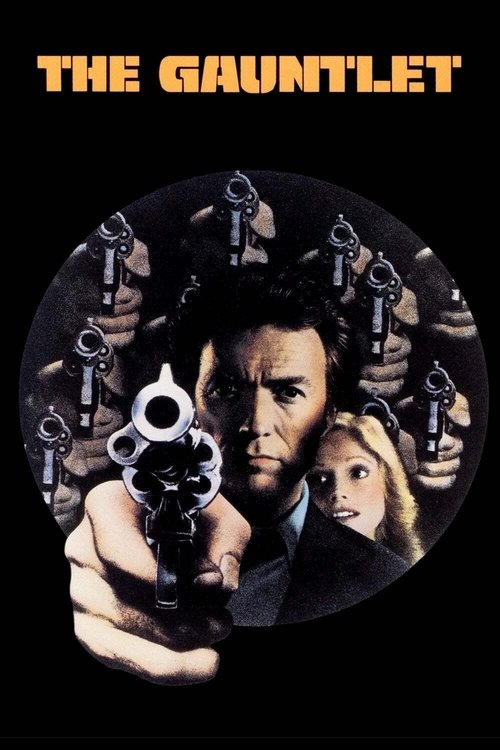
The Gauntlet
1977Phoenix cop Ben Shockley is well on his way to becoming a derelict when he is assigned to transport a witness from Las Vegas. The witness turns out to be a belligerent prostitute with mob ties—and incriminating information regarding a high-ranking official.
Clint Eastwood directs a bombastic, bullet-ridden odyssey that prioritizes sheer spectacle and hard-boiled momentum over subtlety. It remains a fascinatingly loud transition from the stoicism of Noir into the excess of the modern action thriller.
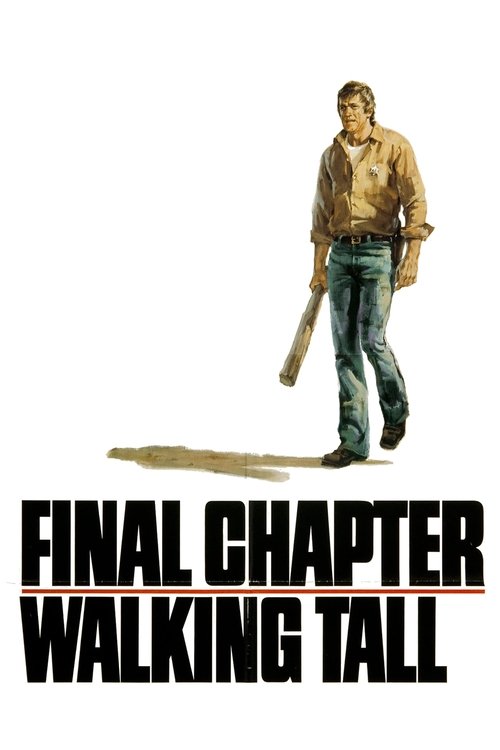
Final Chapter: Walking Tall
1977It's the final chapter in this chilling, real-life story of Sheriff Buford Pusser, a good-hearted lawman set on keeping his town safe. Still distraught over his wife's death, he blows up every moonshine still in McNairy county and burns the brothels and whiskey joints to the ground. Having gone too far, he's voted out of office, but that doesn't stop the mob from seeking their revenge. Buford soon discovers how small his town is when he runs out of highway with the mob on his trail.
The saga concludes with a gritty, uncompromising look at the heavy toll of vigilante justice on the soul. It strips away the mythic varnish of its predecessor to reveal a raw and unapologetically violent study of a man at his breaking point.
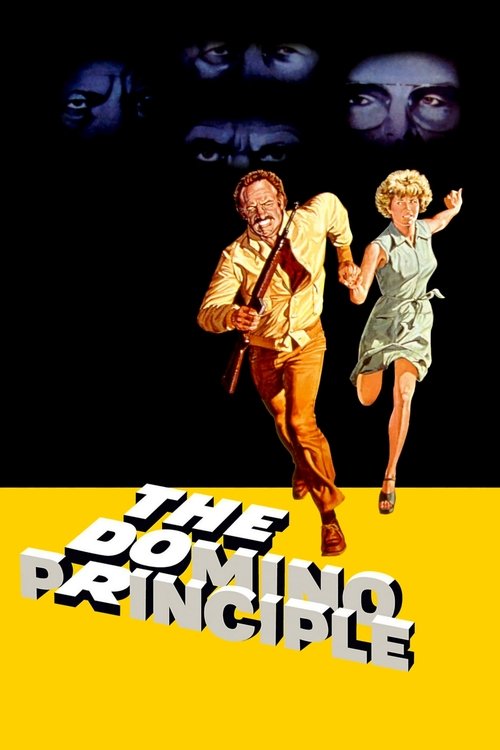
The Domino Principle
1977Roy Tucker, a Vietnam war veteran with excellent shooting skills, is serving a long prison sentence when a mysterious visitor promises him that he will be released if he agrees to carry out a dangerous assignment.
This cynical descent into the machinery of shadow governments serves as a quintessential artifact of seventies paranoia. Gene Hackman’s weary performance anchors a narrative defined by moral ambiguity and the crushing weight of invisible power.
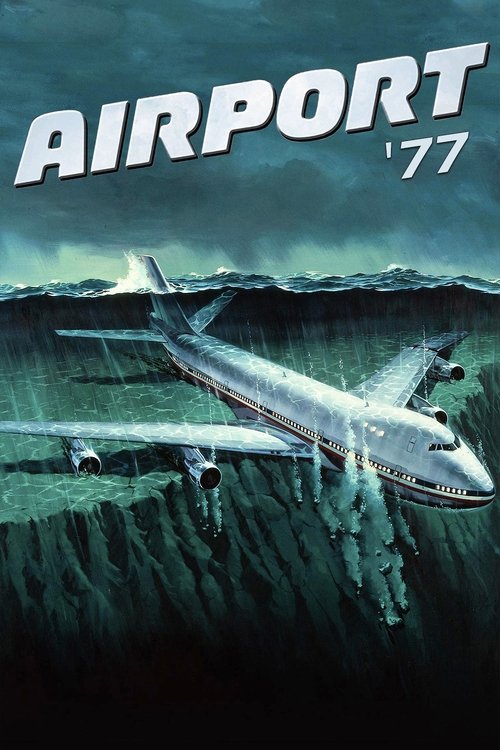
Airport '77
1977Flight 23 has crashed in the Bermuda Triangle after a hijacking gone wrong. Now the surviving passengers must brave panic, slow leaks, oxygen depletion, and more while attempting a daring plan, all while 200 feet underwater.
Taking the disaster subgenre to submerged depths, this film succeeds by leaning into the high-pressure mechanics of a rescue mission against time and tide. It is a polished example of glossy, high-concept peril executed with professional precision.
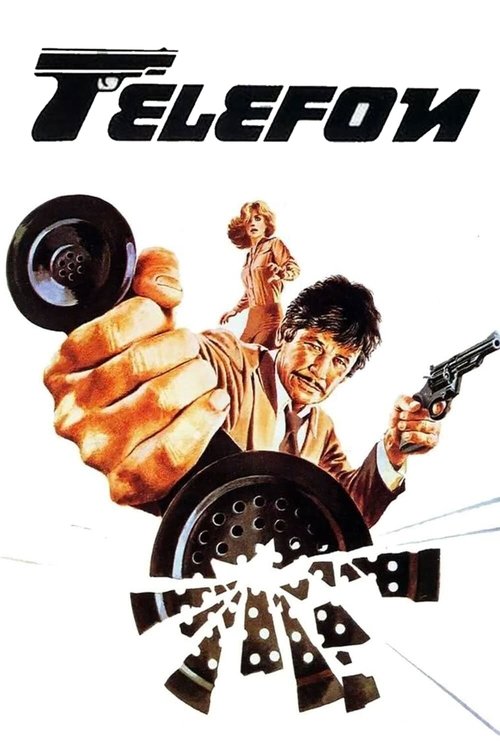
Telefon
1977Nicolai Dalchimski, a mad KGB agent steals a notebook full of names of "sleeping" undercover KGB agents sent to the U.S. in the 1950's. These agents got their assignments under hypnosis, so they can't remember their missions until they're told a line of a Robert Frost poem. Dalchimski flees to the U.S. and starts phoning these agents who perform sabotage acts against military targets.
Don Siegel delivers a cold-blooded exploration of identity and indoctrination that feels chillingly plausible during the twilight of the Cold War. The film’s rhythmic tension is built on the fragility of the human mind under systemic control.
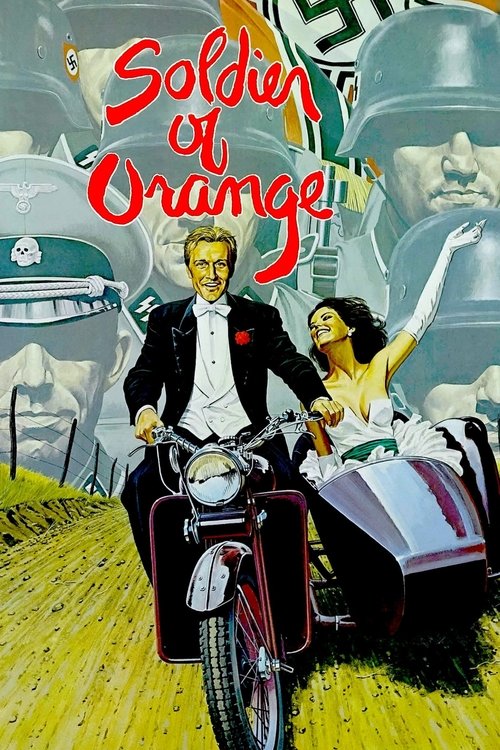
Soldier of Orange
1977The lives of Erik Lanshof and five of his closest friends take different paths when the German army invades the Netherlands in 1940: fight and resistance, fear and resignation, collaboration and high treason.
Rutger Hauer anchors the epic with a kinetic, rogue charm that transformed him from a local Dutch talent into an international sensation. He navigates the character’s evolution from a frivolous aristocrat to a gritty resistance fighter with a feral intensity and magnetic cynicism. It is the definitive blueprint for his career, blending a chilly European detachment with an explosive, unpredictable physicality.
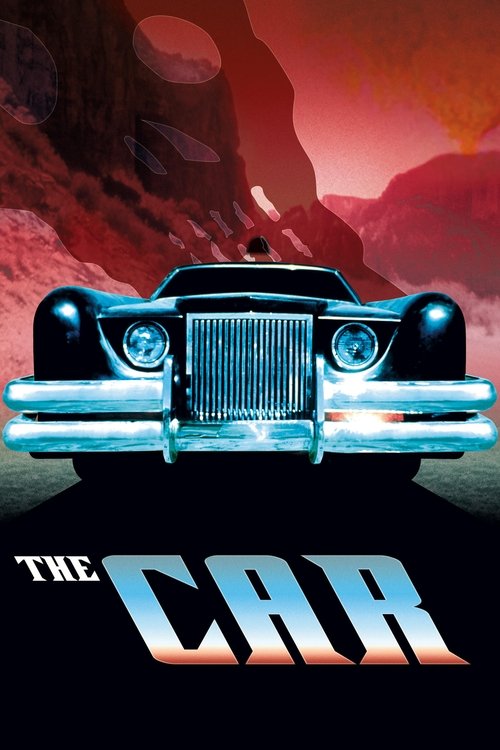
The Car
1977The Utah community of Santa Ynez is being terrorized by a mysterious black coupe that appears out of nowhere and begins running people down. After the car kills off the town sheriff, Captain Wade Parent is determined to stop the murderous driver.
A relentless piece of motorized gothic horror, this film elevates a mechanical predator into a faceless, supernatural force of nature. Its minimalist execution and sheer kinetic momentum create a haunting atmosphere of inevitability.
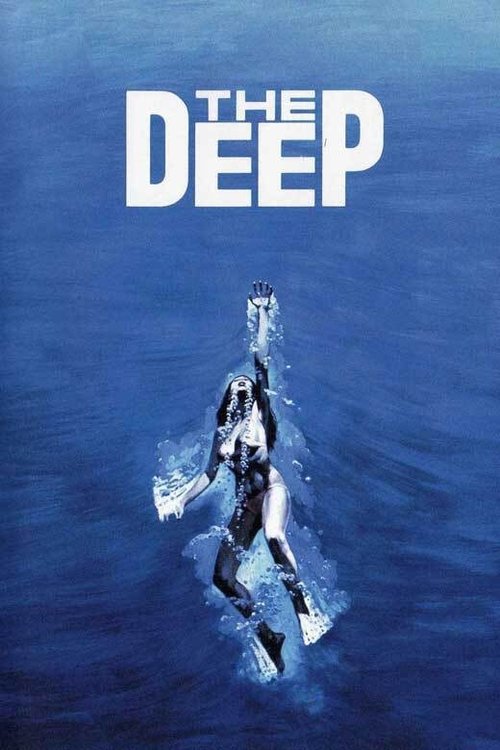
The Deep
1977A pair of young vacationers are involved in a dangerous conflict with treasure hunters when they discover a way into a deadly wreck in Bermuda waters.
This aquatic nightmare trades surface-level scares for a claustrophobic, deep-sea dread that lingers long after the bubbles settle. Peter Yates expertly balances the beauty of the abyss with the jagged, lethal reality of maritime crime.
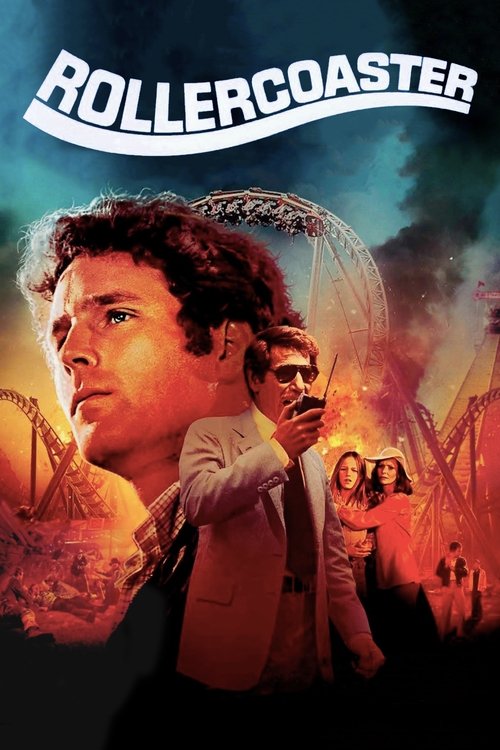
Rollercoaster
1977A young terrorist kills and injures patrons of a Norfolk amusement park by placing homemade explosives on the track of one of its roller coasters. After staging a similar incident in Pittsburgh, he sends a tape to a meeting of major amusement park executives in Chicago, demanding $1 million to make him stop.
By weaponizing the sonic punch of Sensurround, this cat and mouse game transforms a structural marvel into a site of high-stakes psychological warfare. It remains a uniquely visceral entry in the era's obsession with urban vulnerability.
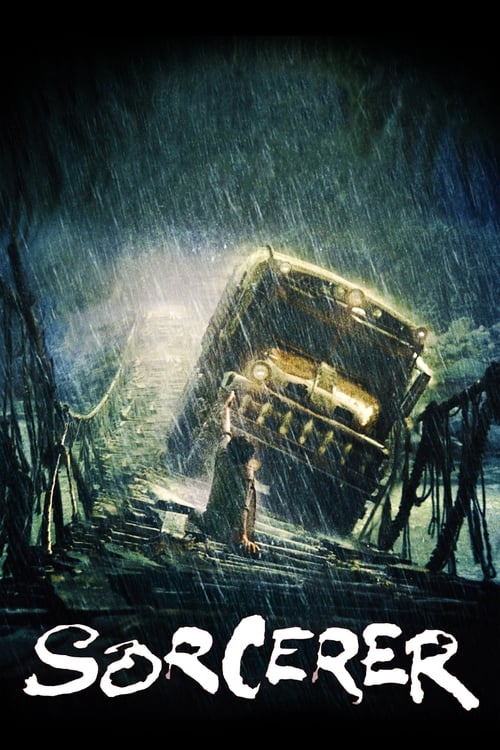
Sorcerer
1977Four men from different parts of the globe, all hiding from their pasts in the same remote South American town, agree to risk their lives transporting several cases of dynamite (which is so old that it is dripping unstable nitroglycerin) across dangerous jungle terrain.
William Friedkin reaches a fever pitch of nihilistic intensity, crafting a sensory assault where the environment itself feels predatory. It is a masterclass in sustained, sweating-palm suspense that pushes the boundaries of cinematic realism.
Frequently Asked Questions
Everything you need to know about this list and SnakeDrafts
- Thriller films of 1977 often explore psychological tension, societal instability, and suspense rooted in crime or espionage. Many movies like 'The Domino Principle' and 'Telefon' reflect paranoia and political intrigue, mirroring the uncertain social climate of the late 1970s.
- 'The Car' uniquely blends horror, action, thriller, and mystery elements, creating a suspenseful narrative centered around a malevolent vehicle. Its genre-crossing style contributes to its cult status among 1977 thrillers.
- Yes, thrillers such as 'Sorcerer' and 'The Deep' incorporate adventure elements, enhancing their tense storylines with high-stakes action and explorations. This fusion allows for dynamic pacing alongside suspense.
- 'Soldier of Orange' and 'Telefon' delve into war and espionage themes, reflecting Cold War anxieties prevalent in 1977. Their narratives integrate thrilling drama with historical and political contexts, making them thought-provoking entries in the genre.
- Several films such as 'Final Chapter: Walking Tall' and 'The Gauntlet' skillfully combine crime, action, and thriller genres, offering intense, gritty storylines driven by suspense and conflict. These movies showcase the genre's versatility in blending adrenaline-pumping sequences with mystery.
- Yes, 'Capricorn One' stands out as a science fiction thriller, intertwining suspense with a conspiracy narrative about a faked Mars landing. Its inclusion exemplifies how 1977 thrillers often crossed genre boundaries to explore complex themes.
- The thrillers range from psychological dramas like 'Equus' to action-packed narratives like 'Rollercoaster,' encompassing a variety of tones from eerie horror to intense crime drama. This diversity highlights the evolving nature of the thriller genre during that year.