The Complete Ranking of Laurence Olivier Movies
The Definitive Performances of a Cinematic Legend
Discover the essential films of Laurence Olivier, featuring his most iconic roles from Shakespearean classics to gripping modern thrillers.
About Laurence Olivier
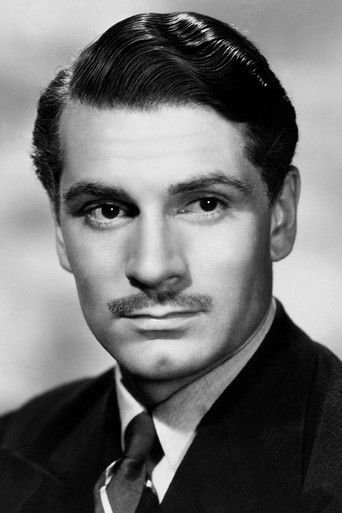
To look at the legacy of Laurence Olivier is to witness the evolution of the actor as a total architect. He did not just inhabit roles; he designed them with a surgical precision that often made his contemporaries look like they were merely reciting lines. While he became the definitive face of high-culture prestige, his career was actually defined by a restless, almost aggressive need to conquer every medium he touched. He possessed an uncanny ability to pivot from the aristocratic brooding of Maxim de Winter in Rebecca to the visceral, bone-deep physical agony of a man being tortured in Marathon Man. He was rarely interested in being relatable. Instead, he wanted to be undeniable.
The early cinematic phase of his life saw him mastering the art of the romantic lead, though often with a dark edge. In Wuthering Heights, he brought a haunted, feral quality to Heathcliff that set the standard for the brooding anti-hero. Yet he was never content just being a matinee idol. Alongside Vivien Leigh in That Hamilton Woman, he proved he could handle the sweeping scale of historical epic, but his true obsession remained the reclamation of Shakespeare for a modern audience. By the time he directed and starred in Henry V and Hamlet, he had essentially invented the blueprint for how classic stage texts could become cinematic blockbusters. His Hamlet offered a moody, psychological interiority that felt startlingly modern, proving that the Bard did not have to be dusty or impenetrable.
There was a specific tension in his performances that audiences found magnetic. He was an actor of masks. Whether he was assuming the twisted physique of Richard III or the stern, military gravity of a commander in Battle of Britain, his transformations were total. This penchant for artifice was not a lack of sincerity but rather a demonstration of supreme craftsmanship. Even in mid-career pivots like the high-stakes religious drama of The Shoes of the Fisherman or the mystery aesthetics of Bunny Lake Is Missing, he maintained a level of technical excellence that made him the north star for an entire generation of performers.
As he aged, he transitioned into a sort of elder statesman of the screen, though he never lost his bite. His work in the 1970s showed a man still willing to play games with his image. In Sleuth, he engaged in a dizzying psychological duel that showcased his legendary wit and timing. Even when he appeared in more commercial fare like the 1979 Dracula or the sprawling sands of Khartoum, he commanded the screen with a vocal resonance that few could replicate. He understood that acting was as much about the physical silhouette and the cadence of a voice as it was about emotion. Whether he was playing a humble everyman in This Happy Breed or a calculating antagonist, he treated every frame with the same intensity. He remains the standard because he never stopped reaching, ensuring that his influence would linger long after the final curtain call.
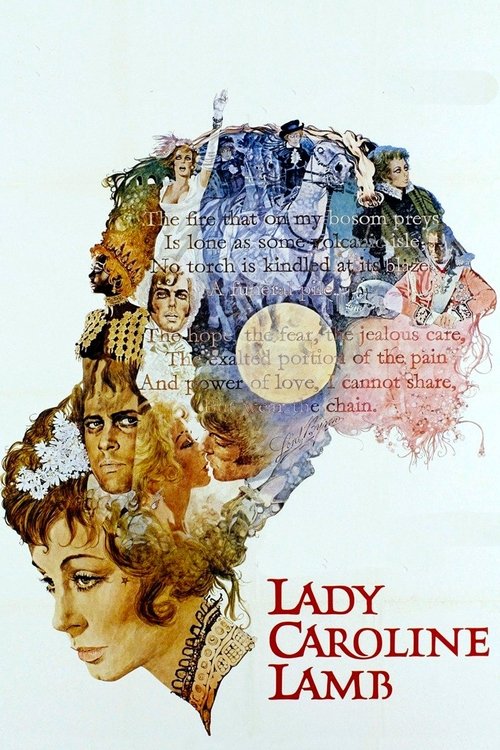
Lady Caroline Lamb
1972Lady Caroline Lamb, dissatisfied in her marriage, has an affair with the dashing Romantic poet Lord Byron.
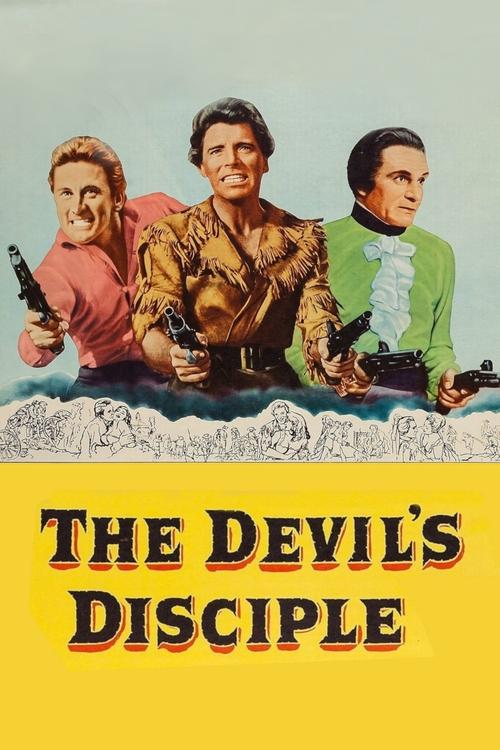
The Devil's Disciple
1959In a small New England town during the American War of Independence, Dick Dudgeon, a revolutionary American Puritan, is mistaken for local minister Rev. Anthony Anderson and arrested by the British. Dick discovers himself incapable of accusing another human to suffer and continues to masquerade as the reverend.
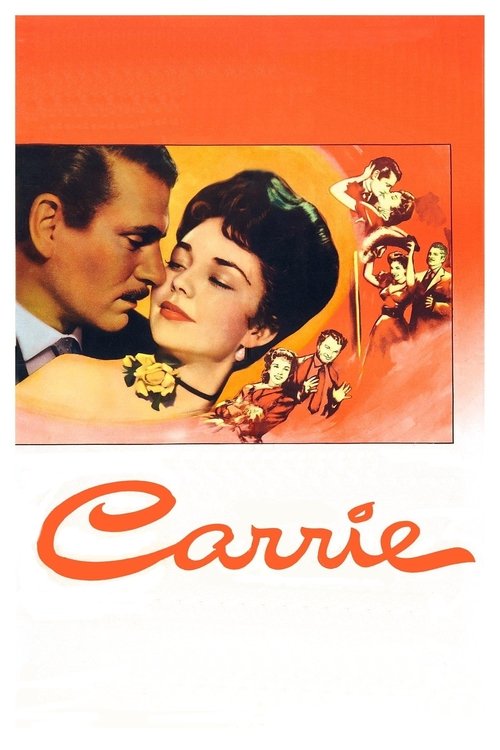
Carrie
1952In the late 1890s, the ambitious, innocent Carrie arrives in Chicago’s South Side and stays with her nagging, dullish married sister. She then runs for help to traveling salesman Charles Drouet. She soon becomes his mistress, but falls in love with married restaurant manager George Hurstwood.
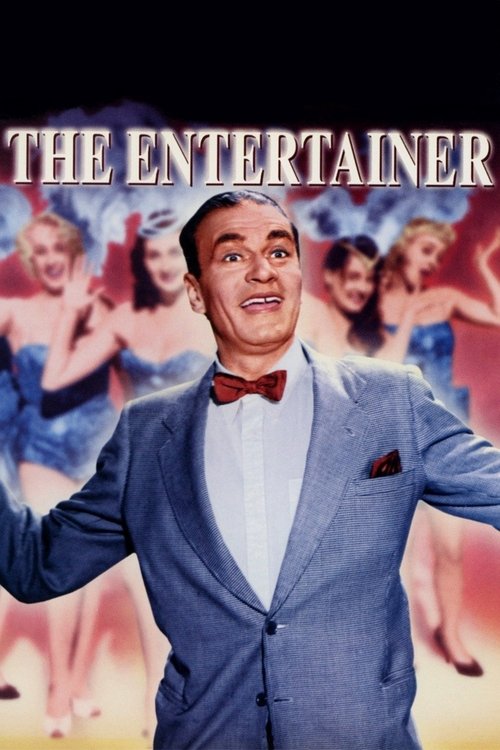
The Entertainer
1960Archie Rice, an old-time British vaudeville performer sinking into final defeat, schemes to stay in show business.
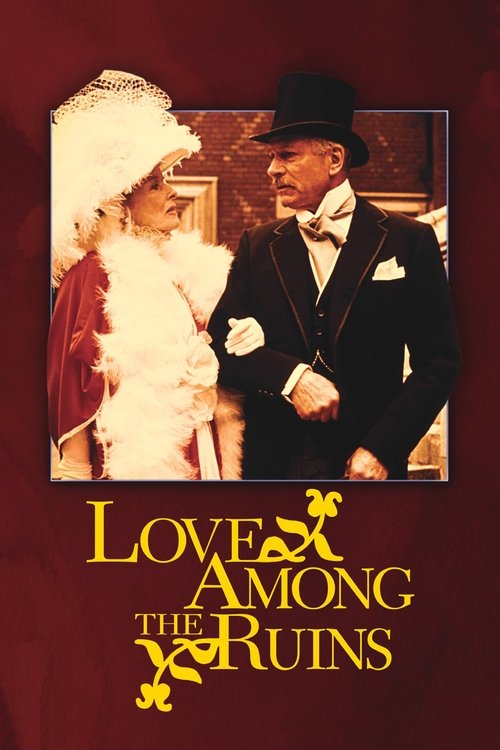
Love Among the Ruins
1976An aging actress and socialite, Jessica Medlicott has ended her engagement with a younger man and is now being sued by her former fiancé. Esteemed barrister Sir Arthur Glanville-Jones is assigned to represent Jessica in the lawsuit, and he also happens to be an old suitor of hers from decades earlier. While Jessica claims not to remember him, and Arthur still smarts from her earlier rejection, the two form a close bond during the case.
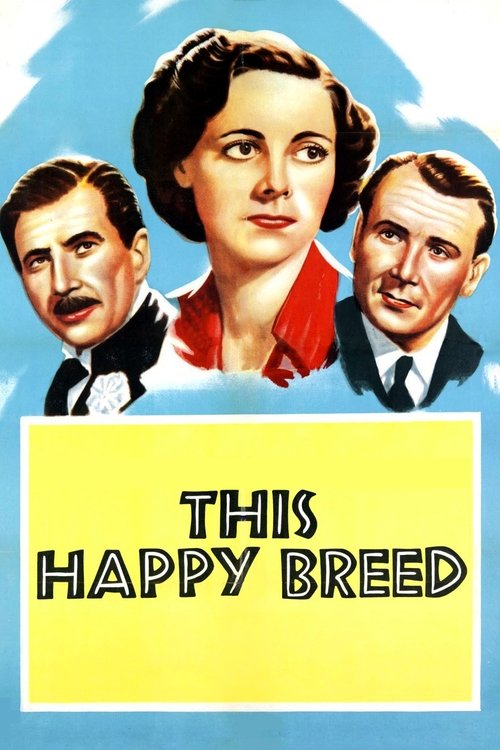
This Happy Breed
1944A chronicle of the lives of the Gibbons family, from shortly after the end of the First World War to the beginning of the Second.
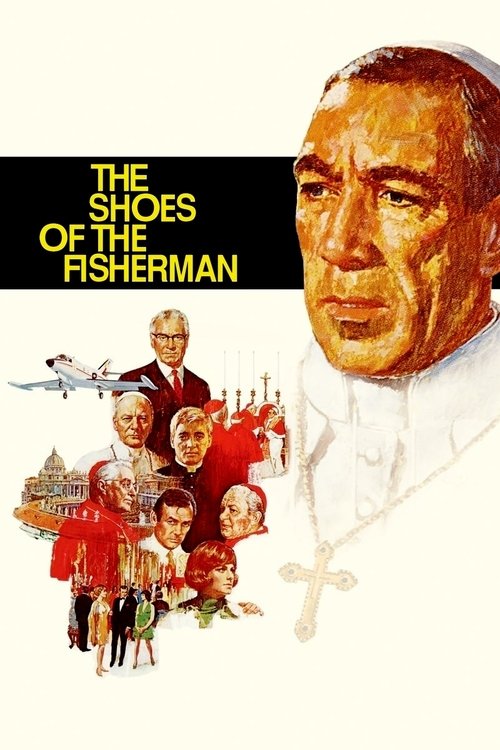
The Shoes of the Fisherman
1968Ukrainian bishop Kiril Lakota, a political prisoner in a Soviet gulag for twenty years, is unexpectedly released and sent to the Vatican, where, upon the sudden death of the Pope, leader of the Catholic Church, he must face a challenging destiny that will put the future of the entire world in his hands.
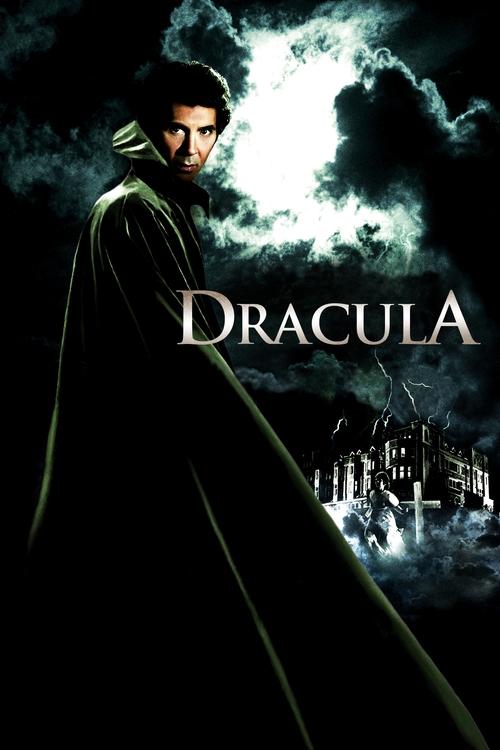
Dracula
1979Romanticized adaptation of Bram Stoker's 1897 classic. Count Dracula is a subject of fatal attraction to more than one English maiden lady, as he seeks an immortal bride.
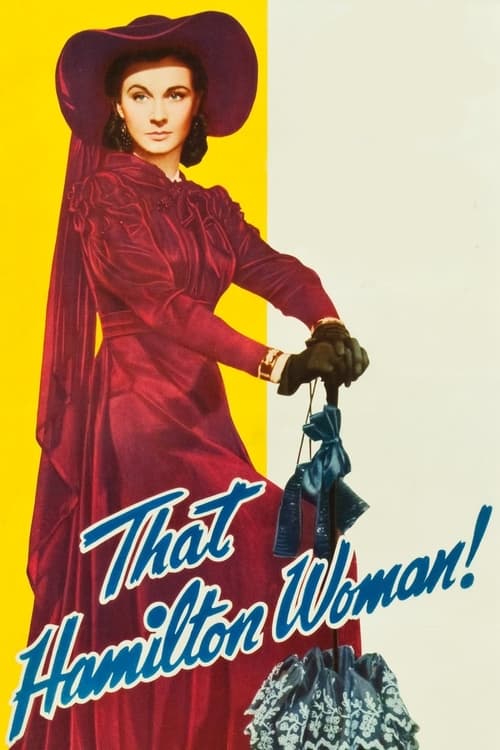
That Hamilton Woman
1941The story of courtesan and dance-hall girl Emma Hamilton, including her relationships with Sir William Hamilton and Admiral Horatio Nelson and her rise and fall, set during the Napoleonic Wars.
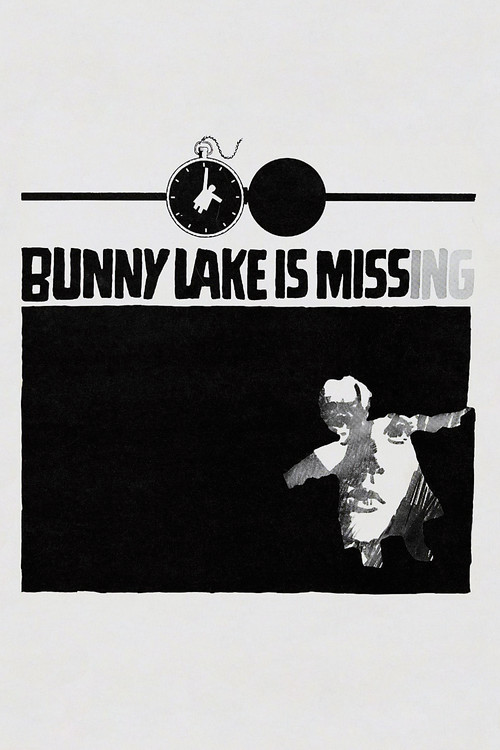
Bunny Lake Is Missing
1965A woman reports that her young daughter is missing, but there seems to be no evidence that she ever existed.
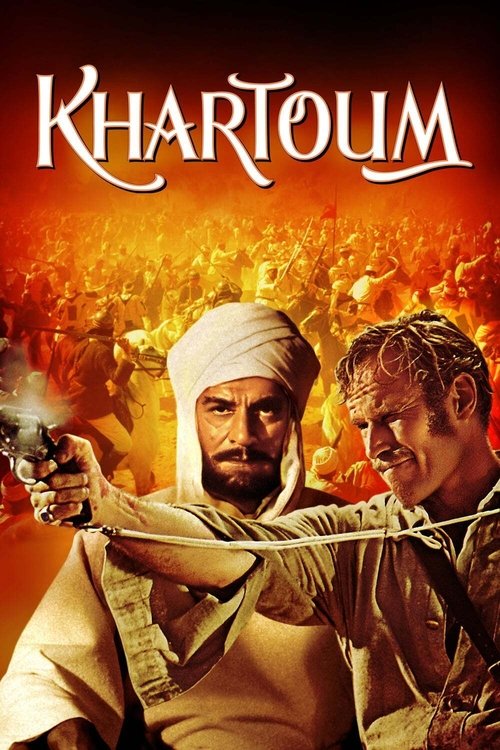
Khartoum
1966English General Charles George Gordon is appointed military governor of Anglo-Egyptian Sudan by the Prime Minister. Ordered to evacuate Egyptians from the Sudan, Gordon stays on to protect the people of Khartoum, who are under threat of being conquered by a Muslim army.
Olivier ventures into high-concept character work as the Mahdi, utilizing a heavy stylistic mask to portray a charismatic religious visionary. It is a bold, controversial turn that demonstrates his career-long obsession with the transformative power of makeup and dialect.
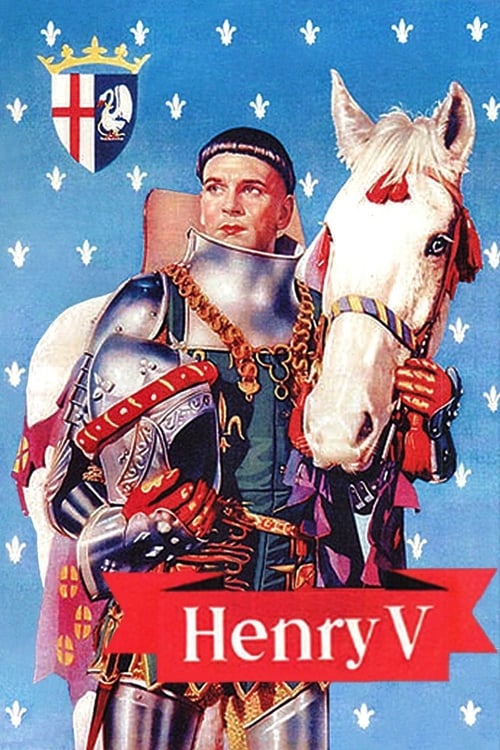
Henry V
1944In 1415, in the midst of the Hundred Years' War, the young King Henry V of England embarks on the conquest of France.
Filmed as a colorful morale booster during wartime, this role allowed Olivier to flex his oratory muscles while innovating the transition from stage artifice to cinematic realism. His King Henry is a vibrant synthesis of soldierly grit and regal charisma.
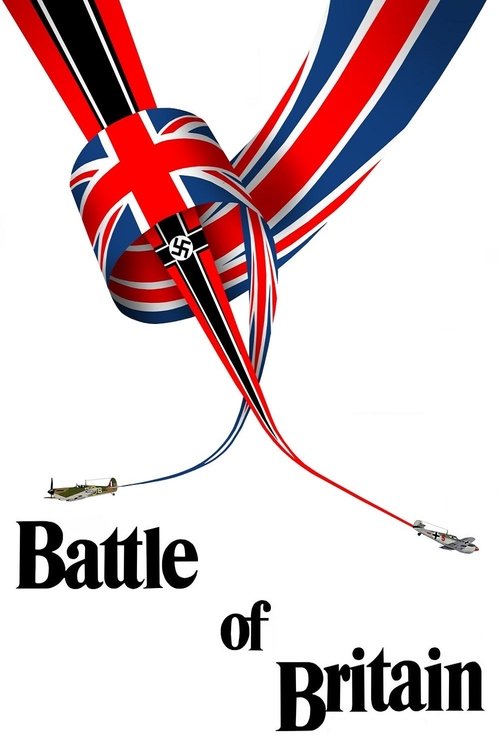
Battle of Britain
1969In 1940, the Royal Air Force fights a desperate battle against the might of the Luftwaffe for control of the skies over Britain, thus preventing an attempted Nazi invasion.
Providing the film’s moral and strategic center, his portrayal of Air Chief Marshal Sir Hugh Dowding is a study in weary, stoic leadership. He eschews grandstanding in favor of a quiet, bureaucratic dignity that grounds the surrounding aerial spectacles.
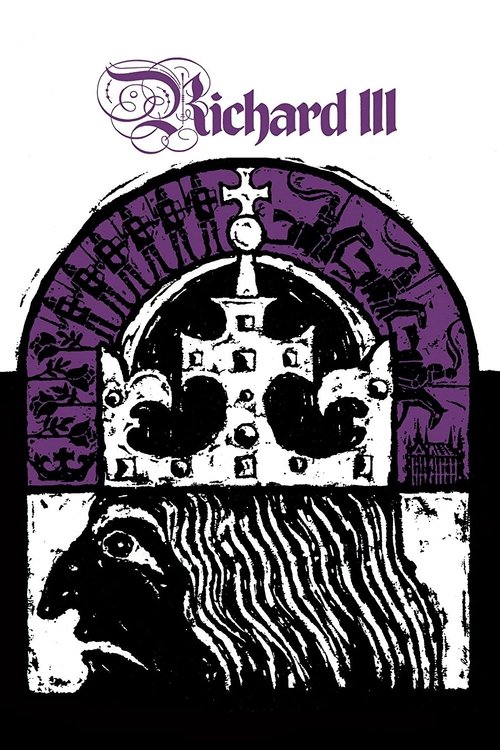
Richard III
1955Having helped his brother King Edward IV take the throne of England, the jealous hunchback Richard, Duke of Gloucester, plots to seize power for himself. Masterfully deceiving and plotting against nearly everyone in the royal court, including his eventual wife, Lady Anne, and his brother George, Duke of Clarence, Richard orchestrates a bloody rise to power before finding all his gains jeopardized by those he betrayed.
Olivier’s turn as the Machiavellian king is a triumph of transformative character acting, utilizing a sharp, nasal delivery and fourth-wall breaks to implicate the audience in his schemes. It remains the most influential cinematic depiction of a Shakespearean villain ever captured on film.
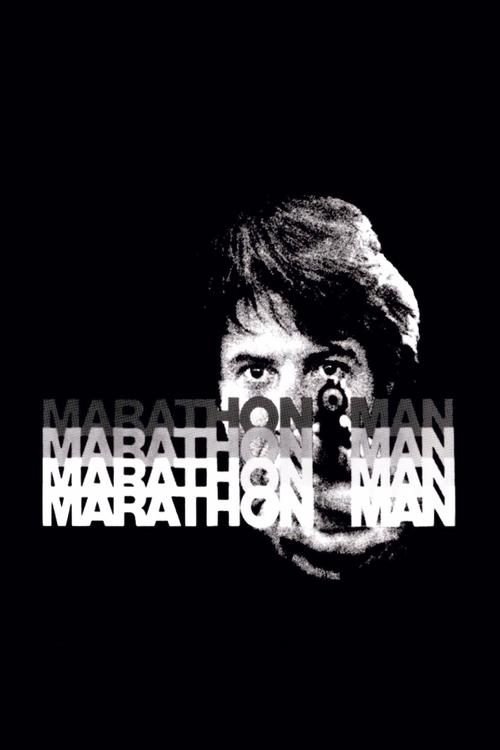
Marathon Man
1976A graduate student and obsessive runner in New York is drawn into a mysterious plot involving his brother, a member of the secretive Division.
Playing against his heroic reputation, Olivier creates a terrifying personification of banal evil as the dental-obsessed Christian Szell. Every precise movement and clipped syllable serves to heighten the visceral discomfort of the film’s most infamous sequences.
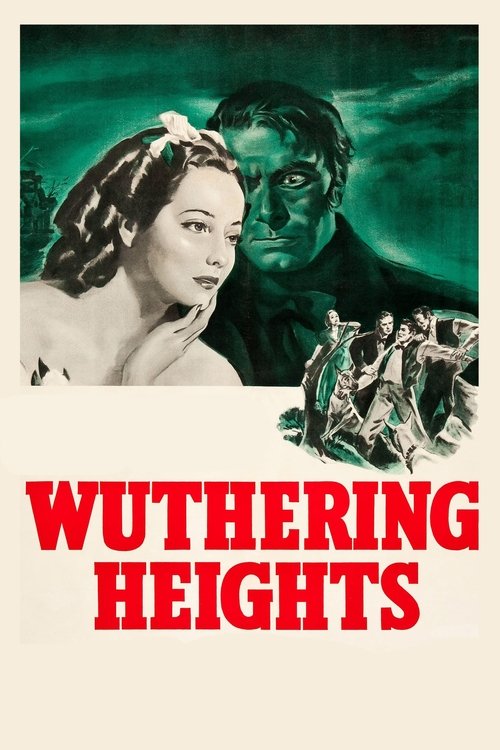
Wuthering Heights
1939Young orphan Heathcliff is adopted by the wealthy Earnshaw family and moves into their estate, Wuthering Heights. Soon, the new resident falls for his compassionate foster sister, Cathy. The two share a remarkable bond that seems unbreakable until Cathy, feeling the pressure of social convention, suppresses her feelings and marries Edgar Linton, a man of means who befits her stature. Heathcliff vows to win her back.
As the definitive Heathcliff, Olivier channeled a raw, tempestuous masculinity that defined the classic Hollywood romantic lead for a decade. This performance bridged the gap between his Shakespearean discipline and the demands of high-stakes studio melodrama.
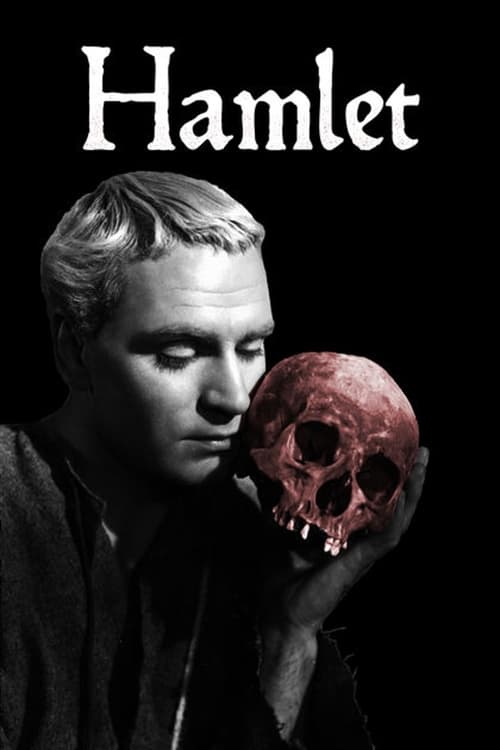
Hamlet
1948Winner of four Academy Awards, including Best Picture and Best Actor, Sir Laurence Olivier’s Hamlet continues to be the most compelling version of Shakespeare’s beloved tragedy. Olivier is at his most inspired—both as director and as the melancholy Dane himself—as he breathes new life into the words of one of the world’s greatest dramatists.
By stripping the Dane of his traditional theatrical artifice, Olivier created a psychological noir that felt startlingly modern for 1948. His interpretation balances athletic vigor with a haunting, Oedipal melancholy, cementing his legacy as the premier Shakespearean interpreter of the sound era.
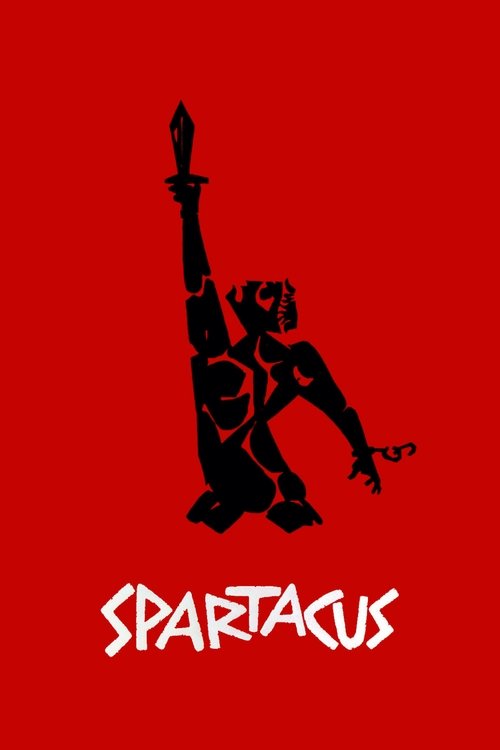
Spartacus
1960The rebellious Thracian Spartacus, born and raised a slave, is sold to Gladiator trainer Batiatus. After weeks of being trained to kill for the arena, Spartacus turns on his owners and leads the other slaves in rebellion. As the rebels move from town to town, their numbers swell as escaped slaves join their ranks. Under the leadership of Spartacus, they make their way to southern Italy, where they will cross the sea and return to their homes.
The actor brings a chilling, aristocratic decadence to Crassus, transforming a standard historical villain into a sophisticated study of ego and industrial-scale ambition. This role solidified his ability to dominate widescreen epics through sheer vocal authority and a piercing, predatory gaze.
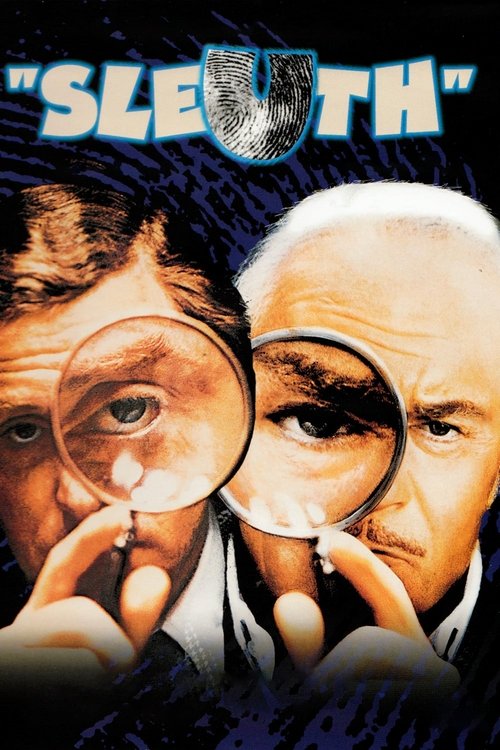
Sleuth
1972A man who loves games and theatre invites his wife's lover to meet, setting up a battle of wits with potentially deadly results.
In this wicked duel of wits, an elder Olivier gleefully deconstructs his own prestige by playing a murderous mystery novelist. It is a rare, kinetic showcase of his capacity for camp and cruelty, proving he could outmaneuver the next generation of method actors.
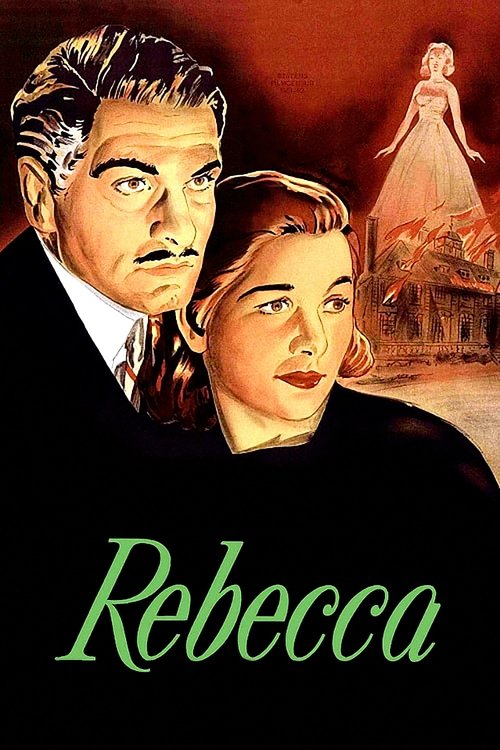
Rebecca
1940Story of a young woman who marries a fascinating widower only to find out that she must live in the shadow of his former wife, Rebecca, who died mysteriously several years earlier. The young wife must come to grips with the terrible secret of her handsome, cold husband, Max De Winter. She must also deal with the jealous, obsessed Mrs. Danvers, the housekeeper, who will not accept her as the mistress of the house.
Olivier anchors Hitchcock’s gothic masterpiece with a brooding, internalized intensity that signaled his definitive transition from stage idol to cinematic heavyweight. His Maxim de Winter is a masterclass in suppressed trauma, utilizing silence and stiff-backed reserve to command the screen.
Frequently Asked Questions
Everything you need to know about this list and SnakeDrafts
- Laurence Olivier's Shakespearean masterpieces highlighted in the list include "Hamlet," "Richard III," and "Henry V." These films showcase his profound impact as both an actor and director, with his adaptation of "Hamlet" earning critical acclaim for its cinematic innovation and powerful performance.
- Beyond his iconic Shakespearean performances, Olivier demonstrated remarkable versatility in films like "Rebecca," "Sleuth," and "Marathon Man." These movies highlight his ability to seamlessly navigate genres from thriller and mystery to crime drama, underscoring his broad acting range.
- Olivier's work with celebrated directors like Alfred Hitchcock in "Rebecca" and Stanley Kubrick in "Spartacus" brought out nuanced performances that combined Olivier’s theatrical intensity with cinematic innovation. These collaborations contributed to some of the most enduring and influential films featured in the list.
- The films in this ranking reveal Olivier's affinity for themes such as power, conflict, and psychological complexity. Whether through historical epics like "Spartacus" and "Battle of Britain" or intimate psychological thrillers like "Sleuth," his roles often explore deep human struggles and leadership dynamics.
- Yes, Laurence Olivier not only starred but also directed several key films in his ranking, including the critically acclaimed "Hamlet," "Richard III," and "Henry V." His dual role as actor-director allowed him to shape these adaptations with authentic insight and artistic precision.
- "Wuthering Heights" is a standout film on the list that features Olivier’s portrayal of brooding, aristocratic characters. His performance adds a romantic intensity that aligns perfectly with the film’s moody and dramatic atmosphere.
- Olivier’s contributions to the thriller genre are significant, with films like "Rebecca," "Sleuth," and "Marathon Man" featuring suspenseful narratives that spotlight his ability to build tension and embody complex, enigmatic characters. These roles expanded his appeal beyond classical drama to include gripping modern thrillers.