The Essential Alfred Hitchcock Films Ranked
Masterpieces from the Master of Suspense
Explore the definitive guide to Alfred Hitchcock's cinematic legacy, featuring his most iconic thrillers and boundary-pushing psychological masterpieces.
About Alfred Hitchcock
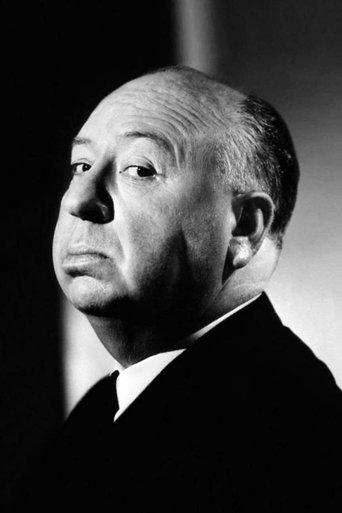
Long before the era of the modern blockbuster, a stout, deadpan Englishman taught the world how to be afraid of its own shadow. High art and popcorn thrills collided in the hands of Alfred Hitchcock, a man who viewed the cinema not as a medium for storytelling, but as a mechanism for manipulating the human nervous system. He was the ultimate puppet master of the silver screen, a technician of anxiety who understood that the anticipation of a gunshot is always more terrifying than the blast itself.
His visual language remains the gold standard for tension. Watching a masterpiece like Rear Window, we realize he is not just telling a story about a photographer with a broken leg; he is indicting the audience for their own voyeurism. By trapping us in that Greenwich Village apartment, he forces us to peer through the lens alongside James Stewart, making us accomplices in a potential crime. This ability to implicate the viewer is a signature thread throughout his filmography. In Psycho, he shattered every rule of narrative safety by killing off his leading lady in the first act, punctuated by a rhythmic, slashing editing style that changed horror forever.
The director possessed an uncanny knack for turning mundane objects into instruments of dread. A glass of milk in Suspicion or a telephone in Dial M for Murder becomes a focal point of unbearable pressure. He favored the theme of the innocent man wrongly accused, a trope he refined into a high-octane art form with North by Northwest. Here, the typical Hitchcockian MacGuffin, a plot device that drives everyone mad but ultimately means nothing, propels Cary Grant across Mount Rushmore in a perfect blend of wit and peril.
While his commercial hits dominated the box office, his deeper psychological explorations like Vertigo eventually cemented his status among the intellectual elite. Vertigo is a dizzying, obsessive dive into romantic fixation and identity, using the famous dolly zoom effect to visually translate the sensation of falling. It is a haunting, neon-lit fever dream that feels as modern today as it did in the fifties. Even in earlier triumphs like Rebecca or Notorious, he proved he could handle gothic romance and post-war espionage with equal sophistication, always centering on the intricate, often fractured dynamics between men and women.
His legacy is one of absolute control. From the experimental, seemingly one-take technical feat of Rope to the sheer, technical audacity of The Birds, he never stopped testing the boundaries of what a camera could do. He transformed the director from a behind-the-scenes laborer into a global brand, often appearing in his own films in brief, cheeky cameos. Every time a modern filmmaker uses a lingering close-up to build dread or a sharp cut to jolt the audience, they are speaking his language. He remains the definitive architect of the cinematic thrill, a man who knew exactly how to make our hearts skip a beat while we sat safely in the dark.
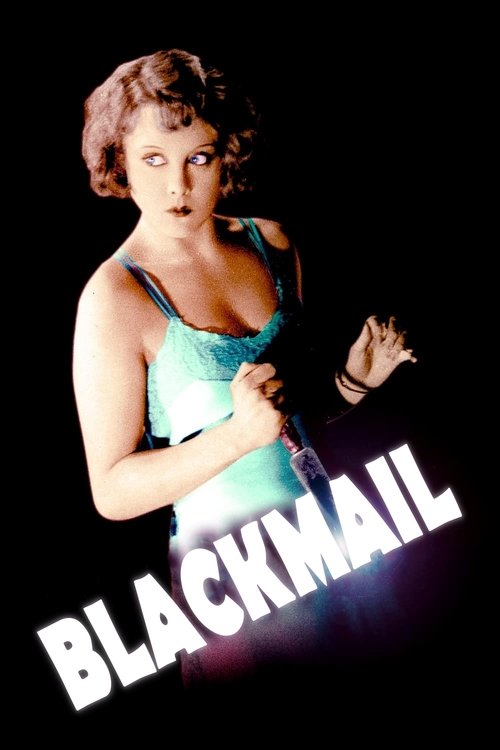
Blackmail
1929London, 1929. Frank Webber, a very busy Scotland Yard detective, seems to be more interested in his work than in Alice White, his girlfriend. Feeling herself ignored, Alice agrees to go out with an elegant and well-mannered artist who invites her to visit his fancy apartment.
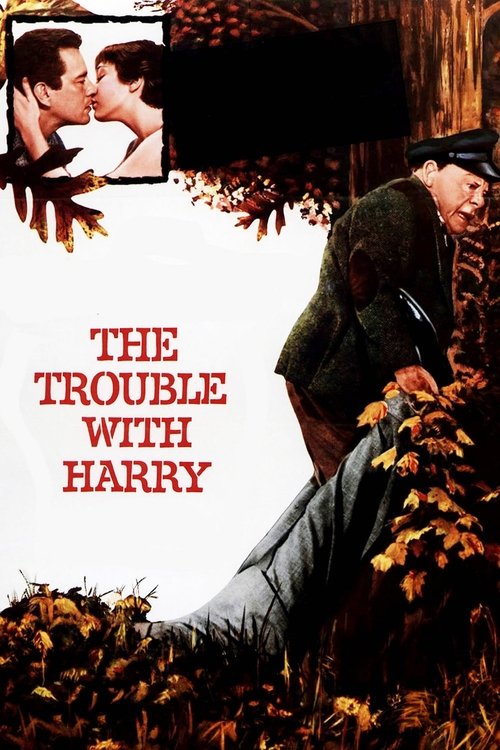
The Trouble with Harry
1955The trouble with Harry is that he’s dead. In a quiet Vermont village, a corpse creates unexpected chaos as several townspeople each believe they may be to blame.
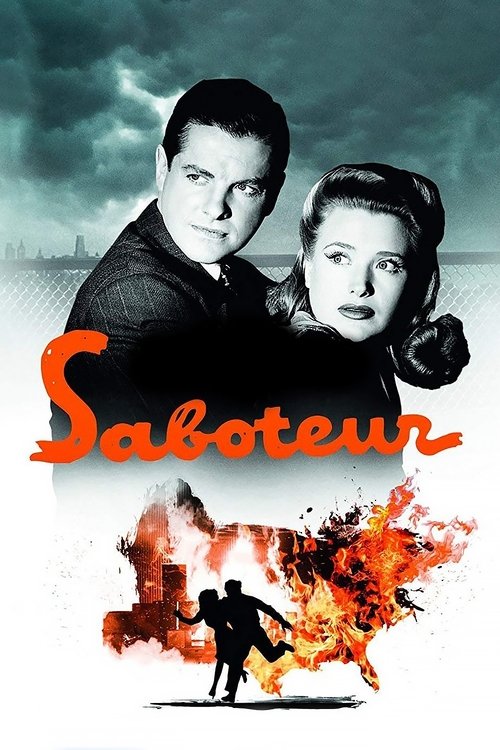
Saboteur
1942Aircraft factory worker Barry Kane flees across the United States after he is wrongly accused of starting the fire that killed his best friend.
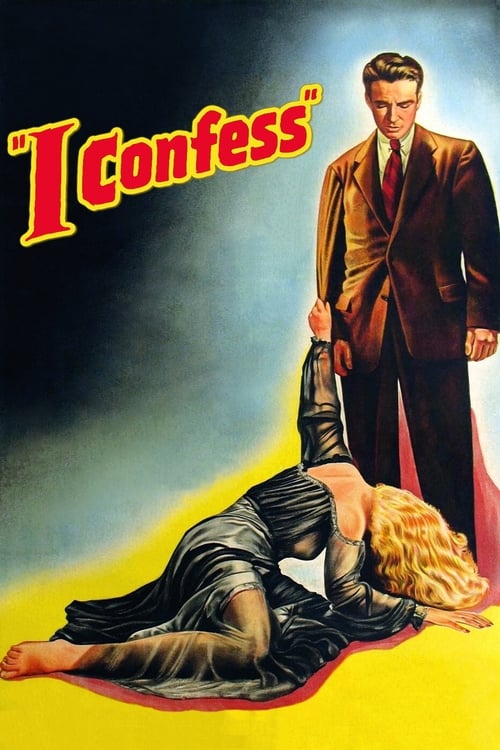
I Confess
1953When a priest hears a murderer’s confession, he becomes bound by his vow of silence—even as circumstantial evidence turns suspicion toward him. Torn between faith and self-preservation, he faces public scandal and trial for a crime he cannot reveal the truth about.
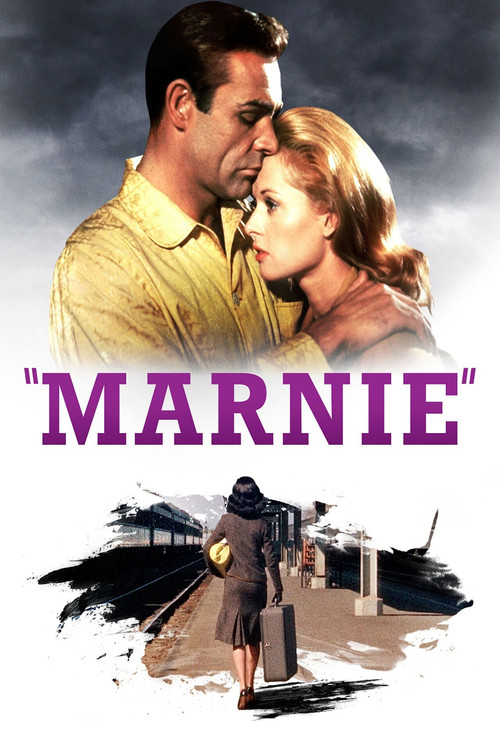
Marnie
1964Marnie is a beautiful but emotionally withdrawn thief, stealing from employers before disappearing under new identities. When her new boss, Mark Rutland, discovers her secret, his fascination turns to obsession, and he blackmails her into marriage, convinced he can cure her. But as he probes deeper into Marnie’s fractured mind, long-buried fears and compulsions begin to surface.
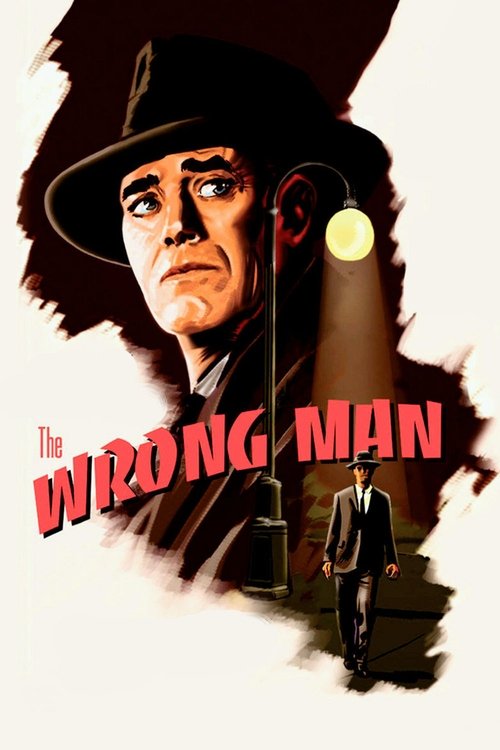
The Wrong Man
1956In 1953, an innocent man named Christopher Emmanuel "Manny" Balestrero is arrested after being mistaken for an armed robber.
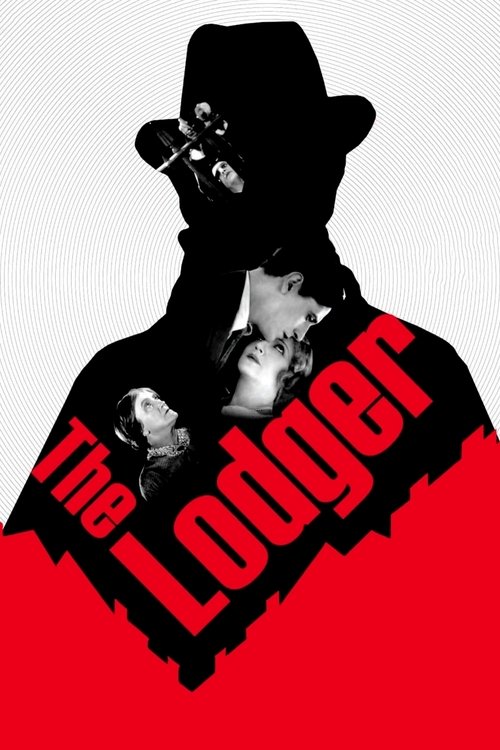
The Lodger: A Story of the London Fog
1927London. A mysterious serial killer brutally murders young blond women by stalking them in the night fog. One foggy, sinister night, a young man who claims his name is Jonathan Drew arrives at the guest house run by the Bunting family and rents a room.
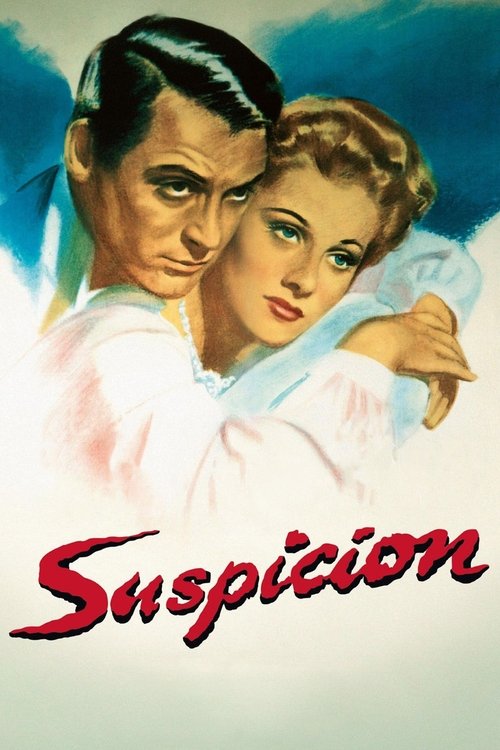
Suspicion
1941A sheltered heiress falls for a charming playboy and elopes with him, but soon discovers his gambling vice and mounting debts. As his lies deepen and those around them meet mysterious ends, she begins to suspect that her husband’s affection may conceal a deadly motive—and that she could be his next victim.
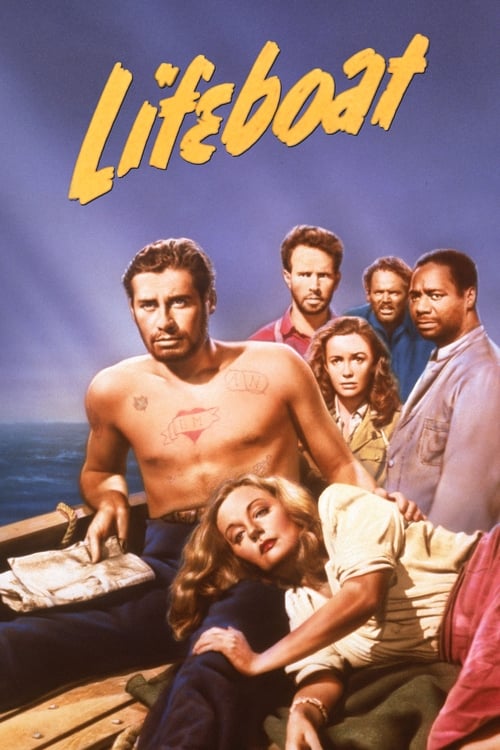
Lifeboat
1944During World War II, a small group of survivors is stranded in a lifeboat together after the ship they were traveling on is destroyed by a German U-boat.
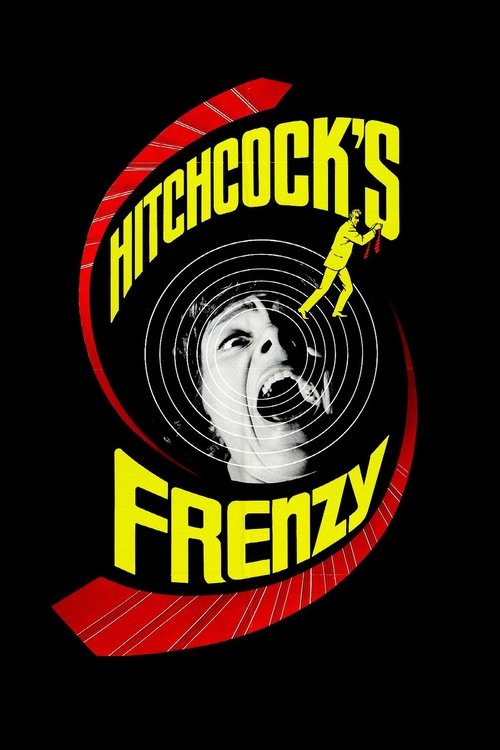
Frenzy
1972London is terrorized by a vicious sex killer known as The Necktie Murderer. Following the brutal slaying of his ex-wife, down-on-his-luck Richard Blaney is suspected by the police of being the killer. He goes on the run, determined to prove his innocence.
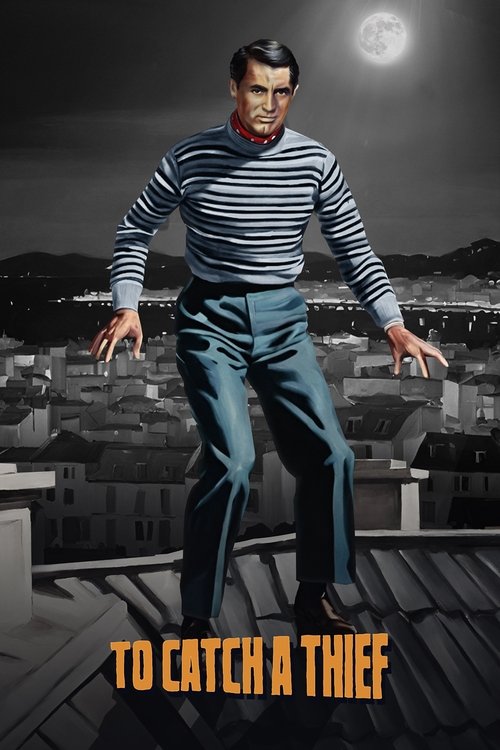
To Catch a Thief
1955When a string of jewel robberies hits the French Riviera, suspicion falls on retired thief John “The Cat” Robie. To clear his name, he sets out to trap the copycat himself—entangling a wealthy widow and her beguiling daughter in a seductive game of pursuit, deception, and desire.
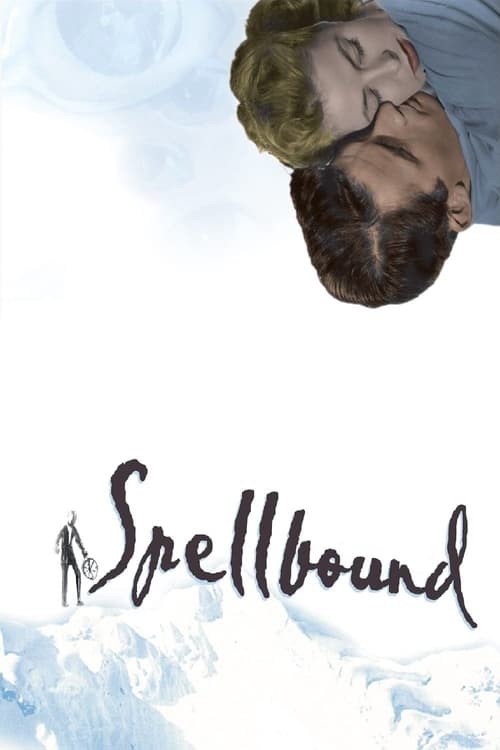
Spellbound
1945When Dr. Anthony Edwardes arrives at a Vermont mental hospital to replace the outgoing hospital director, Dr. Constance Peterson, a psychoanalyst, discovers Edwardes is actually an impostor. The man confesses that the real Dr. Edwardes is dead and fears he may have killed him, but cannot recall anything. Dr. Peterson, however is convinced his impostor is innocent of the man's murder, and joins him on a quest to unravel his amnesia through psychoanalysis.
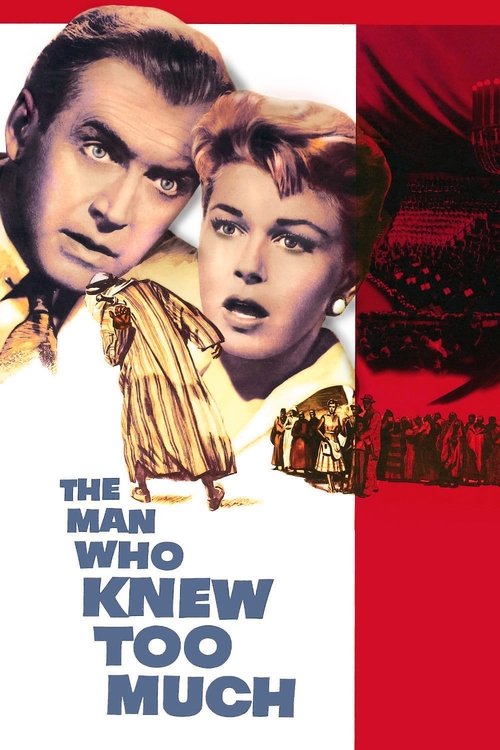
The Man Who Knew Too Much
1956An American doctor and his wife, a former singing star, witness a murder while vacationing in Morocco, and are drawn into a twisting plot of international intrigue when their young son is kidnapped.
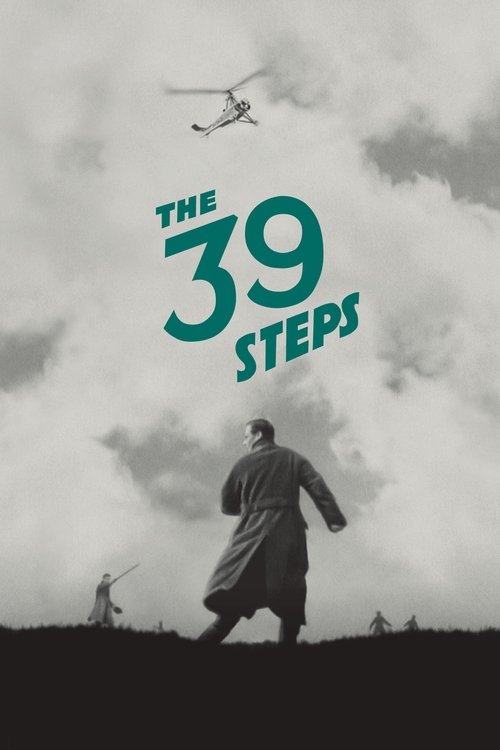
The 39 Steps
1935Richard Hanney has a rude awakening when a glamorous female spy falls into his bed - with a knife in her back. Having a bit of trouble explaining it all to Scotland Yard, he heads for the hills of Scotland to try to clear his name by locating the spy ring known as The 39 Steps.
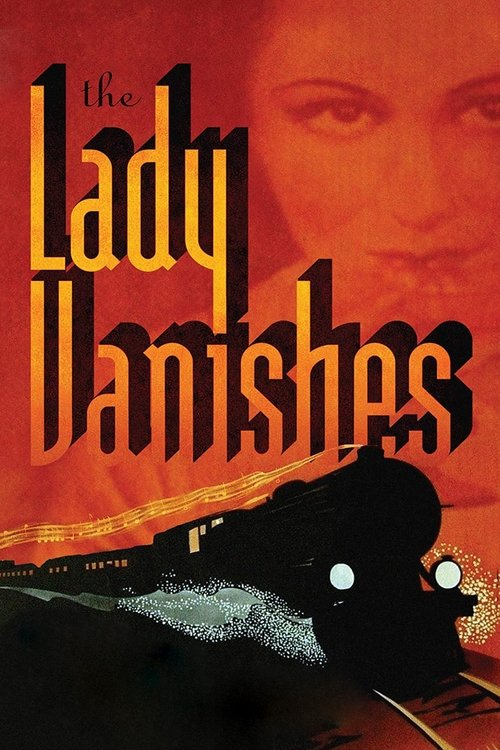
The Lady Vanishes
1938On a train headed for England a group of travelers is delayed by an avalanche. Holed up in a hotel in a fictional European country, young Iris befriends elderly Miss Froy. When the train resumes, Iris suffers a bout of unconsciousness and wakes to find the old woman has disappeared. The other passengers ominously deny Miss Froy ever existed, so Iris begins to investigate with another traveler and, as the pair sleuth, romantic sparks fly.
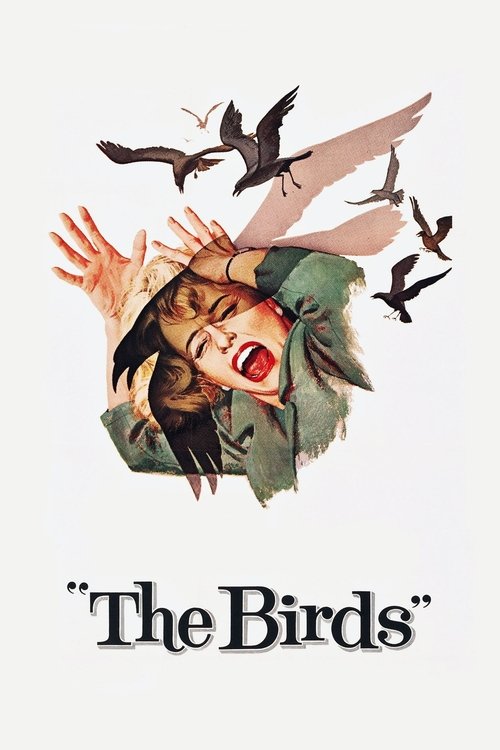
The Birds
1963Thousands of birds flock into a seaside town and terrorize the residents in a series of deadly attacks.

Shadow of a Doubt
1943In sleepy Santa Rosa, restless young Charlie’s world brightens when her sophisticated Uncle Charlie arrives for a long visit. But as his behavior grows increasingly strange, she begins to suspect that her beloved uncle may be hiding a terrible secret—and that danger has quietly entered her home.
In this subversion of small town Americana, Hitchcock exposes the rot beneath the white picket fence with a cold, observational eye. Often cited as his personal favorite, the film excels by bringing the monster into the family living room, proving that true terror is most effective when it is familiar.
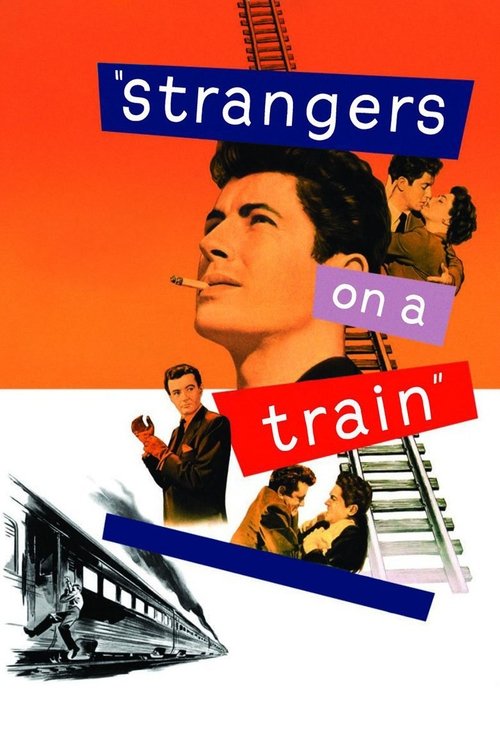
Strangers on a Train
1951A charming psychopath tries to coerce a tennis star into his theory that two strangers can commit the perfect crime by exchanging murders—each killing the other’s most-hated person.
Constructed around a chillingly symmetrical premise, this film explores the duality of man through a series of visual doubles and rhythmic editing. Hitchcock utilizes the contrast between bright, public spectacles and dark, private impulses to create a dizzying portrait of shared guilt.
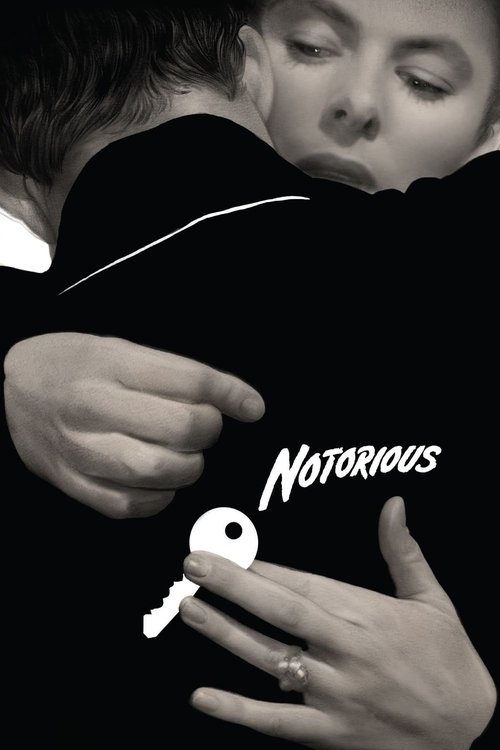
Notorious
1946In order to help bring Nazis to justice, U.S. government agent T.R. Devlin recruits Alicia Huberman, the American daughter of a convicted German war criminal, as a spy. As they begin to fall for one another, Alicia is instructed to win the affections of Alexander Sebastian, a Nazi hiding out in Brazil. When Sebastian becomes serious about his relationship with Alicia, the stakes get higher, and Devlin must watch her slip further undercover.
This elegantly coiled thriller represents the apex of Hitchcock’s ability to fuse political intrigue with intense, intimate romantic agony. Every shadow and camera angle is calibrated to heighten the feeling of betrayal, making it one of the most emotionally sophisticated entries in his entire body of work.
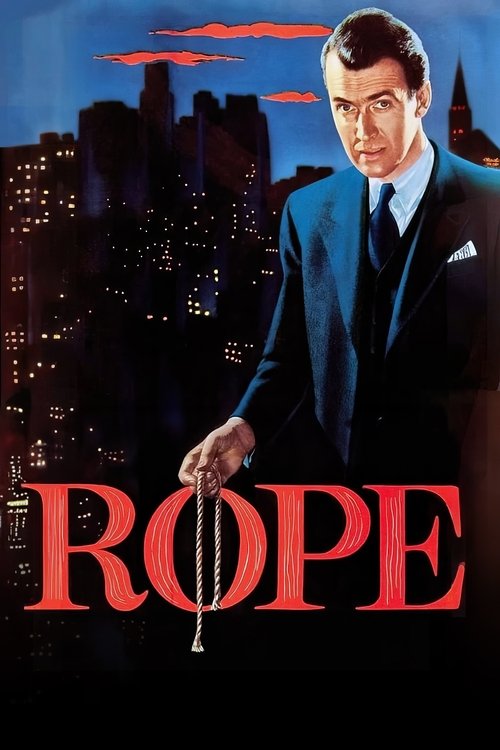
Rope
1948Two young men attempt to prove they committed the perfect murder by hosting a dinner party for the family of a classmate they just strangled to death.
Characterized by its audacious attempt to mimic a single, unbroken take, this film serves as a relentless technical manifesto on real time suspense. It showcases a director at his most experimental, using camera movement to prowl through a confined space like a predatory witness to a moral vacuum.
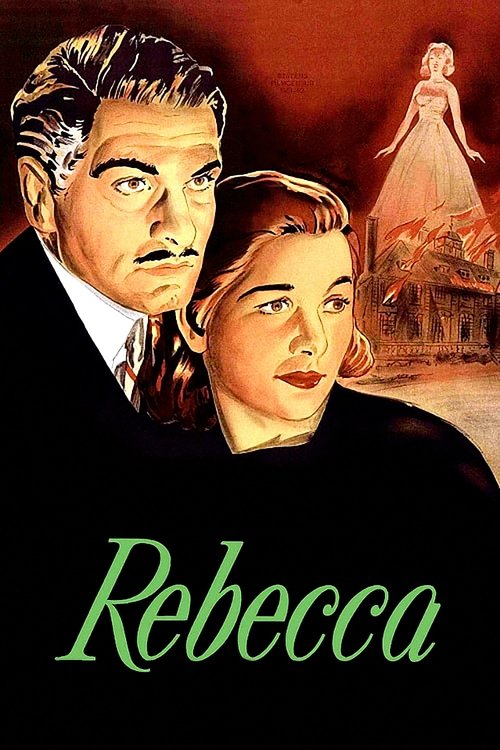
Rebecca
1940Story of a young woman who marries a fascinating widower only to find out that she must live in the shadow of his former wife, Rebecca, who died mysteriously several years earlier. The young wife must come to grips with the terrible secret of her handsome, cold husband, Max De Winter. She must also deal with the jealous, obsessed Mrs. Danvers, the housekeeper, who will not accept her as the mistress of the house.
Hitchcock’s American debut is a gothic triumph that establishes his career long fascination with the suffocating weight of the past. The direction elevates a haunting psychological atmosphere over mere melodrama, using the architecture of the house itself to manifest a character who never appears on screen.
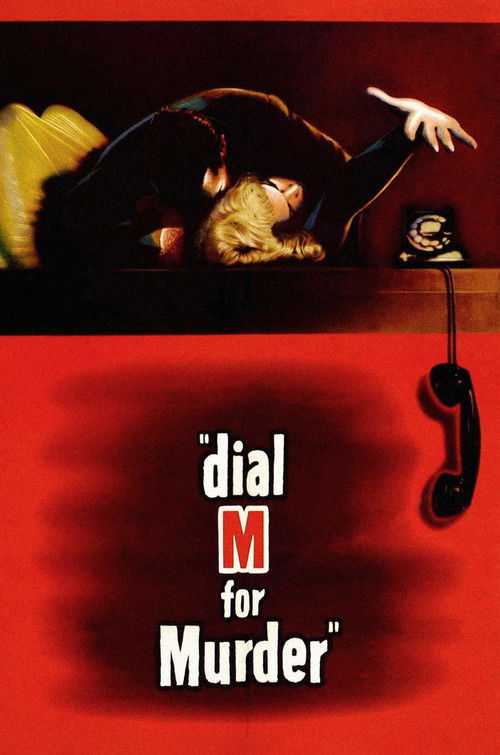
Dial M for Murder
1954When her American lover visits London, a wealthy woman’s jealous husband hatches a plan to murder her and inherit her fortune.
By adapting a stage play with sharp, cold precision, Hitchcock utilizes the constraints of 3D technology and a single interior to create a lethal game of chess. The direction focuses on the tactile nature of evidence, turning mundane domestic objects into instruments of terrifying existential dread.
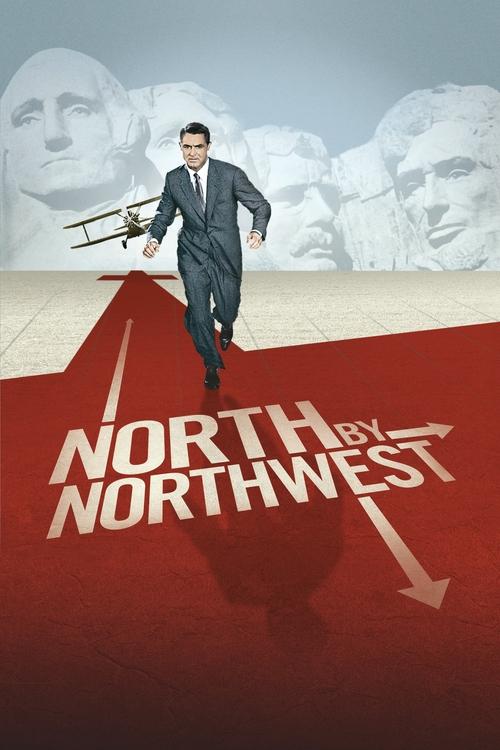
North by Northwest
1959Advertising man Roger Thornhill is mistaken for a spy, triggering a deadly cross-country chase.
The ultimate blueprint for the modern action spectacular, this film balances sophisticated wit with a frantic, geometric sense of space. It demonstrates Hitchcock’s unparalleled ability to choreograph suspense across vast, iconic landscapes while maintaining a playful, lighthearted command of the screen.
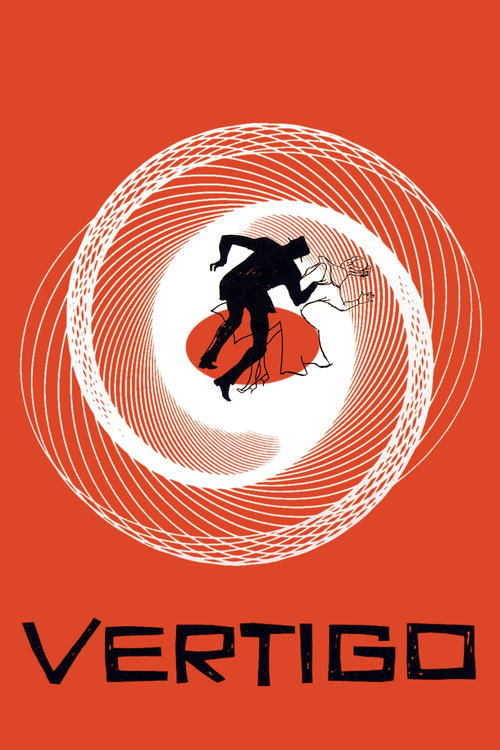
Vertigo
1958A retired San Francisco detective suffering from acrophobia investigates the strange activities of an old friend's wife, all the while becoming dangerously obsessed with her.
Drenched in haunting color palettes and circular motifs, this surrealist masterpiece dives into the abyss of obsession and artifice. Hitchcock transcends the thriller template to create a deeply personal, technicolor nightmare that interrogates the very nature of male desire and directorial control.
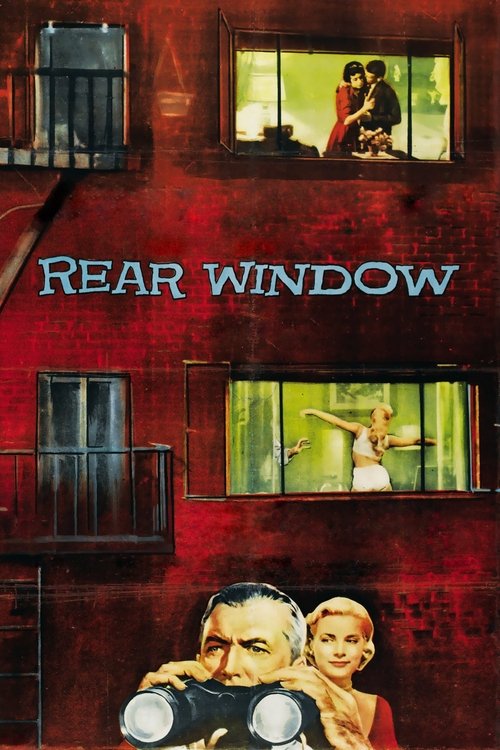
Rear Window
1954A wheelchair-bound photographer spies on his neighbors from his apartment window and becomes convinced one of them has committed murder.
This crystalline exercise in voyeurism transforms the act of spectatorship into a moral quandary, trapping the viewer within a single, meticulously constructed perspective. It remains the definitive statement on the cinematic gaze, proving that a master can evoke infinite tension from a fixed, claustrophobic vantage point.
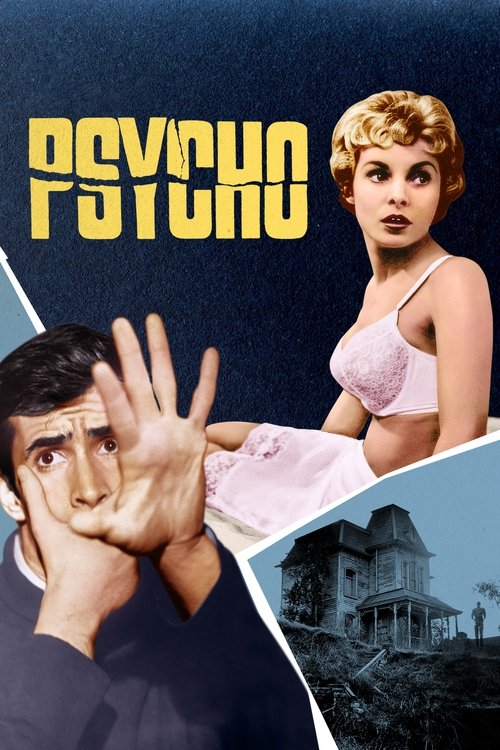
Psycho
1960When larcenous real estate clerk Marion Crane goes on the lam with a wad of cash and hopes of starting a new life, she ends up at the notorious Bates Motel, where manager Norman Bates cares for his housebound mother.
A ruthless deconstruction of cinematic expectation, this film shattered the traditional narrative blueprint by weaponizing the audience's sense of security against them. Hitchcock's mastery of the jump cut and subjective framing here redefined the horror genre as a high art form of psychological manipulation.
Frequently Asked Questions
Everything you need to know about this list and SnakeDrafts
- Alfred Hitchcock's films frequently explore themes of suspense, psychological tension, and mistaken identity. Many titles like 'Vertigo' and 'Rear Window' delve into voyeurism and human obsession, highlighting his mastery in creating intricate emotional and narrative layers.
- 'Psycho' is widely regarded as a pioneering psychological thriller that redefined horror and suspense cinema. Its innovative narrative structure and shocking twists continue to influence filmmakers and captivate audiences.
- 'Rear Window' builds suspense through confined voyeurism and the protagonist's limited perspective, creating intense psychological drama. In contrast, 'North by Northwest' employs broader action-adventure elements with high-stakes chases and mistaken identity, showcasing Hitchcock's versatility in suspense storytelling.
- Romance in Hitchcock's films often intertwines with mystery and thriller elements, as seen in 'Vertigo' and 'Notorious'. These films use romantic relationships to deepen character motivations and amplify psychological tension, enhancing the overall dramatic impact.
- 'Rebecca' stands out as Hitchcock's first American film, winning the Academy Award for Best Picture. It blends gothic romance with mystery, establishing many stylistic and thematic traits that define his later work.
- 'Rope' is distinctive for its experimental technique of appearing as a single continuous shot, heightening the sense of real-time suspense. This bold approach showcases Hitchcock's innovative filmmaking style within a tightly plotted thriller.
- By the time of 'The Birds', Hitchcock moved beyond traditional horror tropes, using natural elements as inexplicable threats to amplify atmospheric tension. This film exemplifies his ability to create fear from everyday scenarios without relying on conventional monsters or gore.
- Films like 'Dial M for Murder' and 'Strangers on a Train' emphasize crime, deception, and moral complexity. Hitchcock expertly crafts narratives where characters grapple with ethical dilemmas, enhancing the psychological depth of these thrilling stories.