The Ultimate Ranking of Bette Davis Movies
The Definitive Career of Hollywood's First Lady
Discover the most iconic performances by Bette Davis, from her Oscar-winning turns to cult classic psychological thrillers and classic dramas.
About Bette Davis
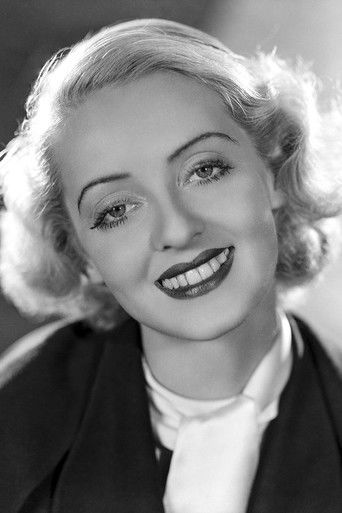
To look at Bette Davis was to witness a thunderstorm captured on celluloid. She did not possess the soft, porcelain vulnerability of the typical MGM starlet, nor did she seek it. Instead, she commanded the screen with a clipped, staccato delivery and those famously heavy lidded eyes that seemed to burn holes through her co stars. She arrived in Hollywood as an outsider and spent the next sixty years rewriting the rules of what a female lead could be. To Davis, vanity was a secondary concern. If a character required a haggard face, a ruthless sneer, or a desperate mind, she leaned into the ugliness with a ferocity that terrified studio executives and enthralled the public.
Her ascent was fueled by a chronic refusal to be boring. In 1934, she shocked the industry by playing the loathsome Mildred in Of Human Bondage, a role other actresses feared would ruin their reputations. Davis saw it as her liberation. By the time she appeared in Jezebel, she had mastered the art of playing the complicated anti heroine, winning an Oscar for a performance that proved she could carry a film through sheer force of will. She possessed a rare ability to ground high melodrama in psychological truth. Whether she was the tragic socialite in Dark Victory or the repressed daughter finding her wings in Now, Voyager, she made the audience feel every tremor of her internal struggle.
The Davis legend is often defined by her grit, particularly her willingness to fight for quality material at Warner Bros. That rebellious spirit translated into her roles in The Letter and The Little Foxes, where she played women who were as dangerous as they were articulate. She inhabited characters who refused to be small. This reached its zenith in 1950 with All About Eve. As Margo Channing, Davis delivered a masterclass in aging brilliance and stinging wit, providing the definitive portrait of a theater queen navigating the arrival of her successor. It remains one of the most quotable and sophisticated performances in cinema history, a role that perfectly mirrored her own status as a formidable veteran who suffered no fools.
Even as the studio system crumbled, she reinvented herself. She embraced the macabre in What Ever Happened to Baby Jane?, diving into the grotesque with a fearlessness that launched an entire subgenre of psychological horror. This later era saw her playing everything from Elizabeth I in The Virgin Queen to a lonely mother in The Catered Affair, always maintaining that signature intensity. Even in her final years, appearing in The Whales of August, she retained a sharp, crystalline screen presence that reminded everyone why she had survived so long.
Audiences connected with her because she represented the triumph of character over artifice. She was the patron saint of the defiant. To watch her was to see a woman who demanded her space and never apologized for the volume of her soul. She transformed the role of the actress from a passive object of beauty into an active, breathing engine of drama. Decades after her peak, the image of her with a cigarette in hand and a sharp remark on her tongue remains the ultimate symbol of Hollywood gold. She didn't just play stars; she was the sun around which the industry revolved, proving that while beauty might fade, a genuine, terrifying talent is immortal.
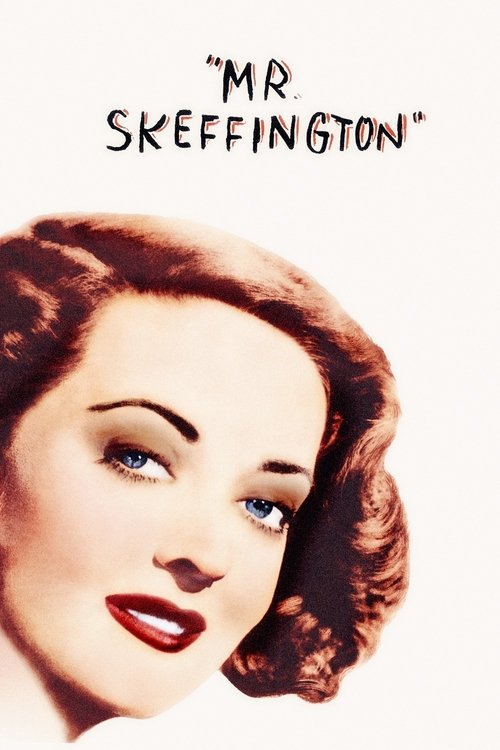
Mr. Skeffington
1944A beautiful but vain woman who rejects the love of her older husband must face the loss of her youth and beauty.
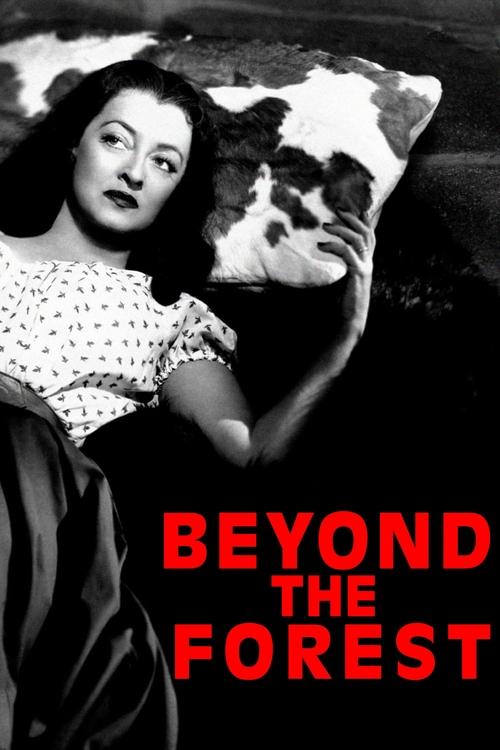
Beyond the Forest
1949Rosa, the self-serving wife of a small-town doctor, gets a better offer when a wealthy big-city man insists she get a divorce and marry him instead. Soon she demonstrates she is capable of rather deplorable acts -- including murder.
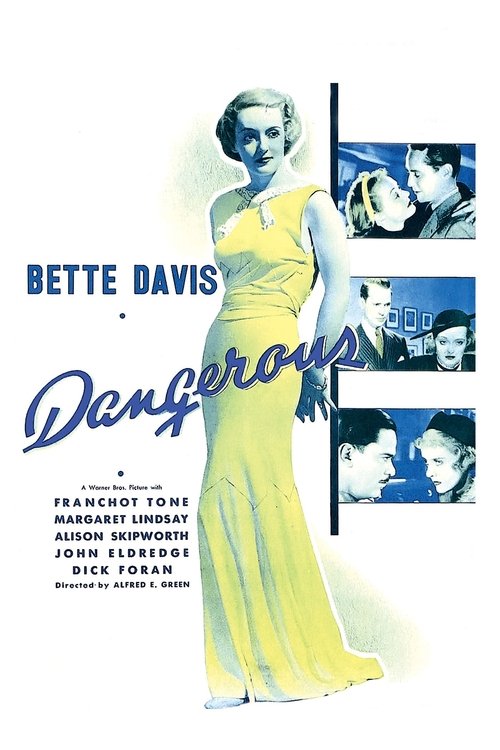
Dangerous
1935Dan Bellows finds former stage star Joyce Heath a penniless drunk and takes her to his Connecticut home for rehabilitation. He asks his fiancée Gail to free him and offers to sponsor Joyce in a play.
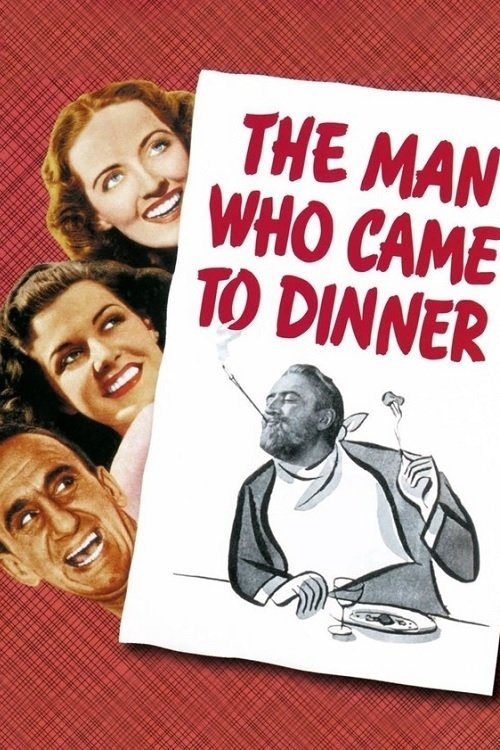
The Man Who Came to Dinner
1941An acerbic critic wreaks havoc when a hip injury forces him to move in indefinitely with a Midwestern family.
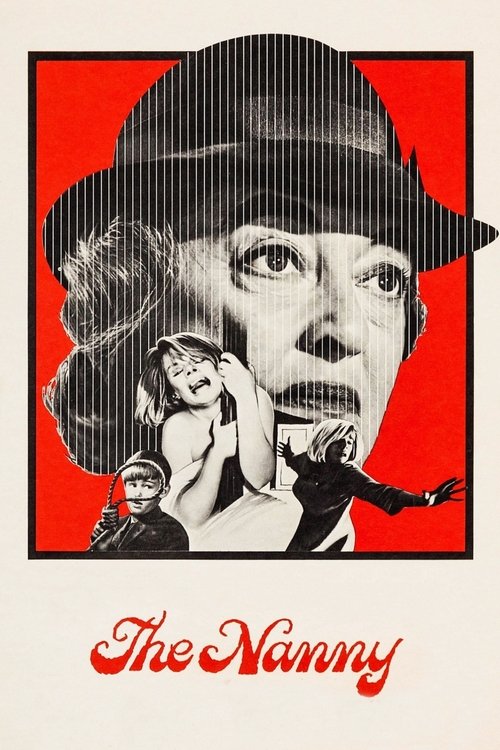
The Nanny
1965Nanny, a London family's live-in maid, brings morbid 10-year-old Joey back from the psychiatric ward he's been in for two years, since the death of his younger sister. Joey refuses to eat any food Nanny's prepared or take a bath with her in the room. He also demands to sleep in a room with a lock. Joey's parents -- workaholic Bill and neurotic Virgie -- are sure Joey is disturbed, but he may have good reason to be terrified of Nanny.
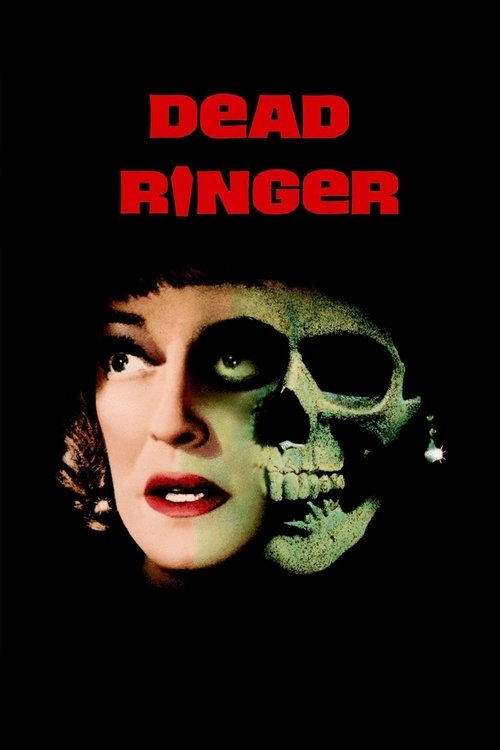
Dead Ringer
1964The working class twin sister of a callous wealthy woman impulsively murders her out of revenge and assumes the identity of the dead woman. But impersonating her dead twin is more complicated and risky than she anticipated.
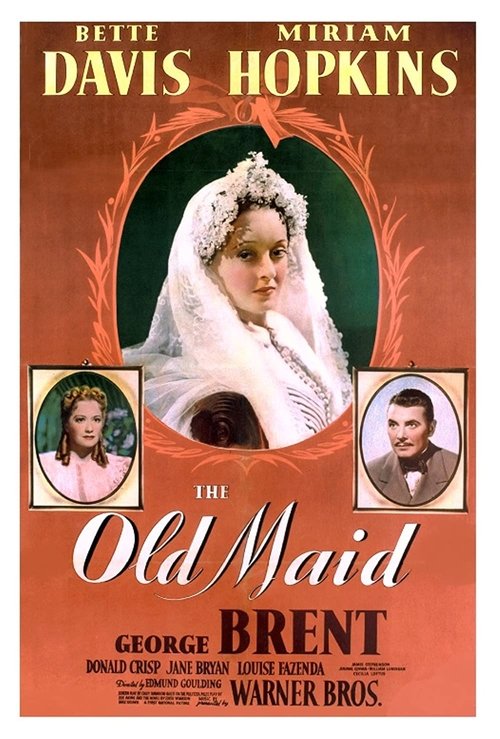
The Old Maid
1939The lives of two cousins are complicated by the return of an ex-boyfriend and an illegitimate child.
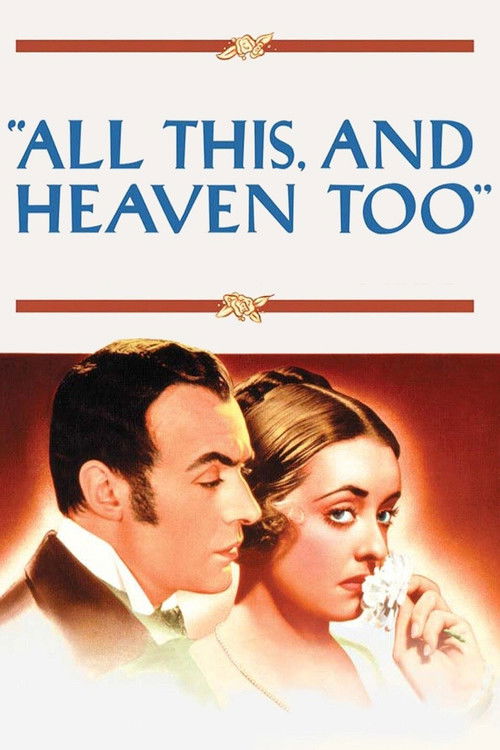
All This, and Heaven Too
1940When lovely and virtuous governess Henriette Deluzy comes to educate the children of the debonair Duc de Praslin, a royal subject to King Louis-Philippe and the husband of the volatile and obsessive Duchesse de Praslin, she instantly incurs the wrath of her mistress, who is insanely jealous of anyone who comes near her estranged husband. Though she saves the duchess's little son from a near-death illness and warms herself to all the children, she is nevertheless dismissed by the vengeful duchess. Meanwhile, the attraction between the duke and Henriette continues to grow, eventually leading to tragedy.
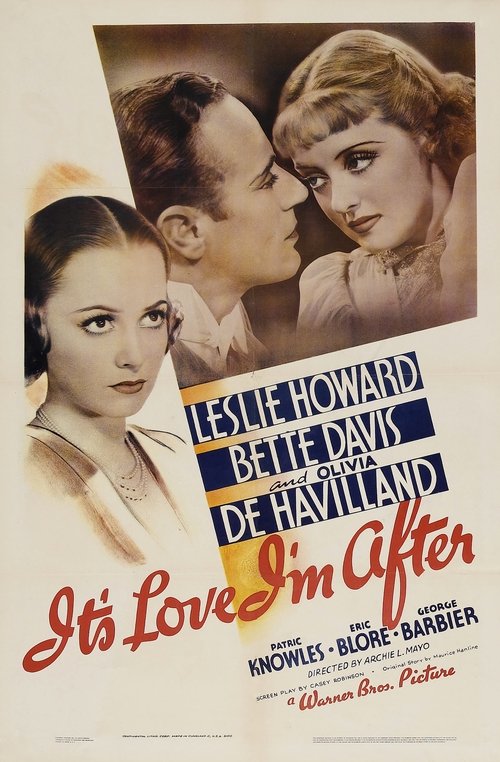
It's Love I'm After
1937An infatuated debutante renews a Shakespearean actor's running feud with his leading lady.
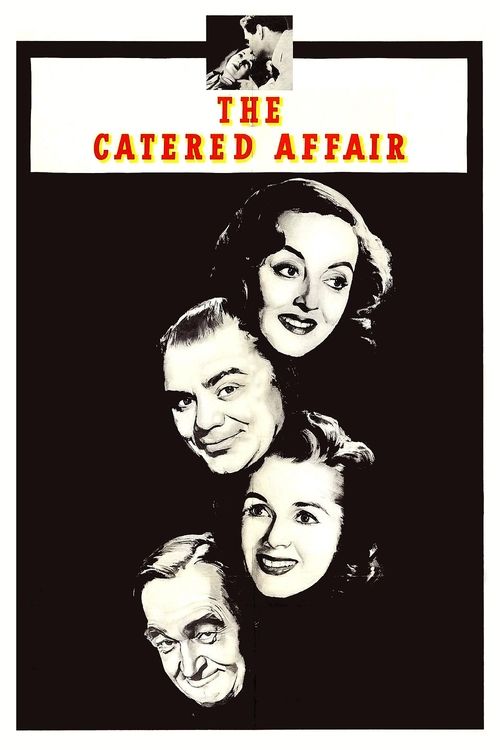
The Catered Affair
1956An Irish cabby in the Bronx watches his wife go overboard planning their daughter's wedding.
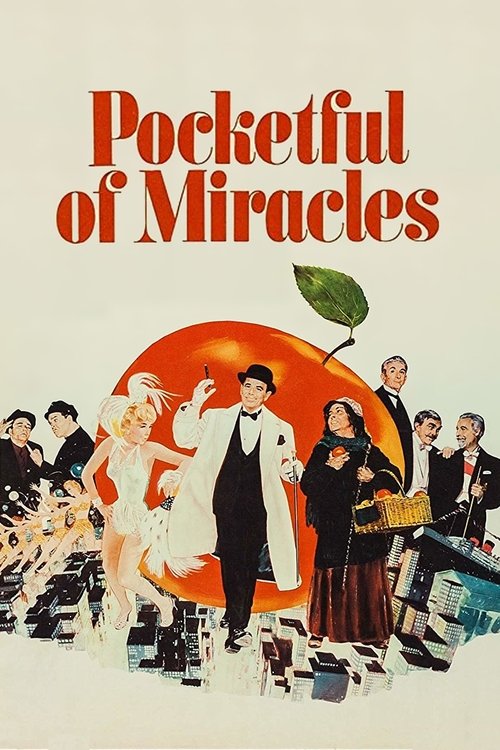
Pocketful of Miracles
1961A New York gangster and his girlfriend attempt to turn street beggar Apple Annie into a society lady when the peddler learns her daughter is marrying royalty.
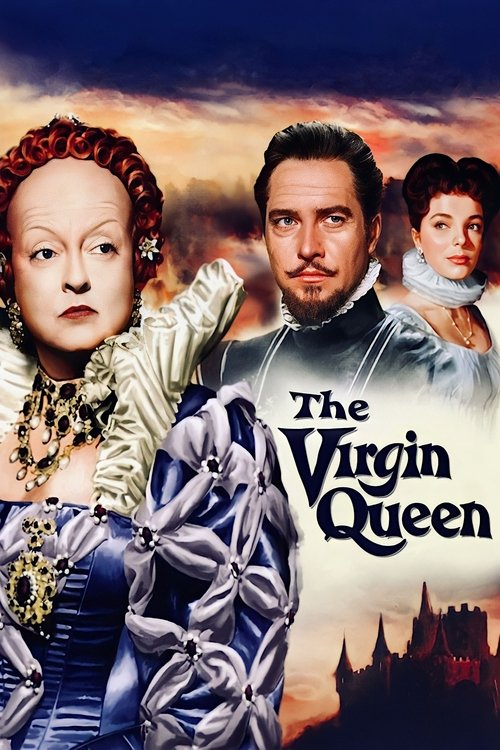
The Virgin Queen
1955Sir Walter Raleigh overcomes court intrigue to win favor with the Queen in order to get financing for a proposed voyage to the New World.
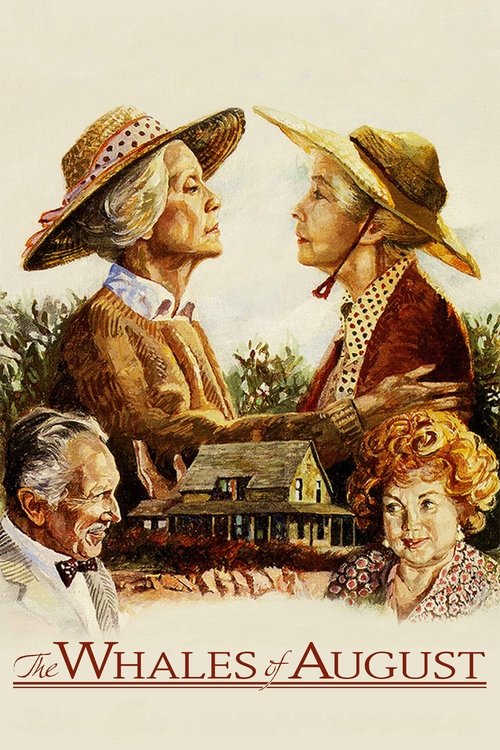
The Whales of August
1987Two aged sisters reflect on life and the past during a late summer day in Maine.
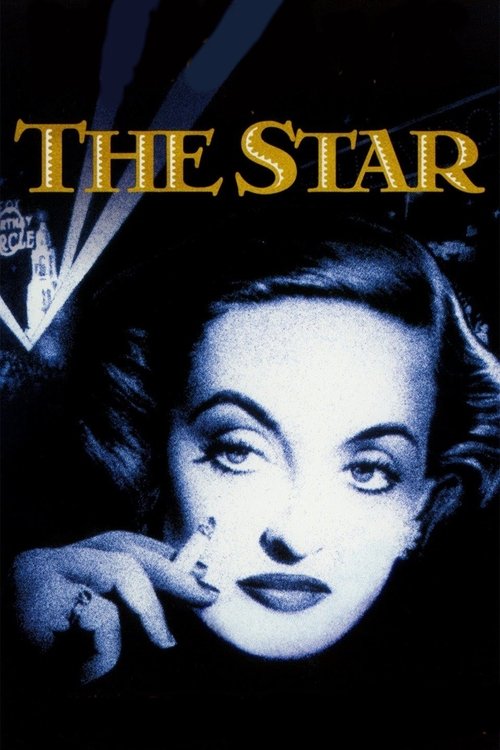
The Star
1952Actress Margaret Elliot is well past her prime but refuses to retire from the acting business. Despite entreaties from both her daughter, Gretchen, and one-time professional colleague Jim Johannsen, Margaret remains convinced that she can regain her former glory. As she sets her sights on a coveted Hollywood role, Johannsen tries doggedly to get his unrequited love to see the folly of her ways.
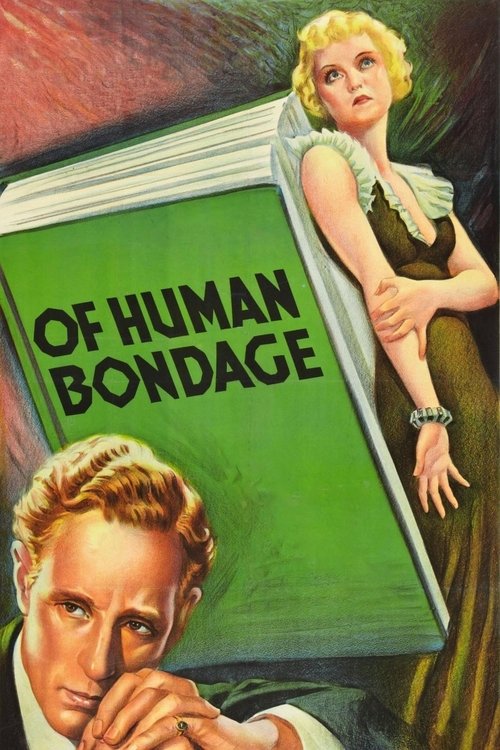
Of Human Bondage
1934A young man finds himself attracted to a cold and unfeeling waitress who may ultimately destroy them both.
Her visceral, unvarnished turn as the manipulative Mildred Rogers was the first true shockwave of her career. By refusing to soften her character's repulsive traits, Davis broke the mold for female performers and forced Hollywood to acknowledge her as a powerhouse of gritty realism.
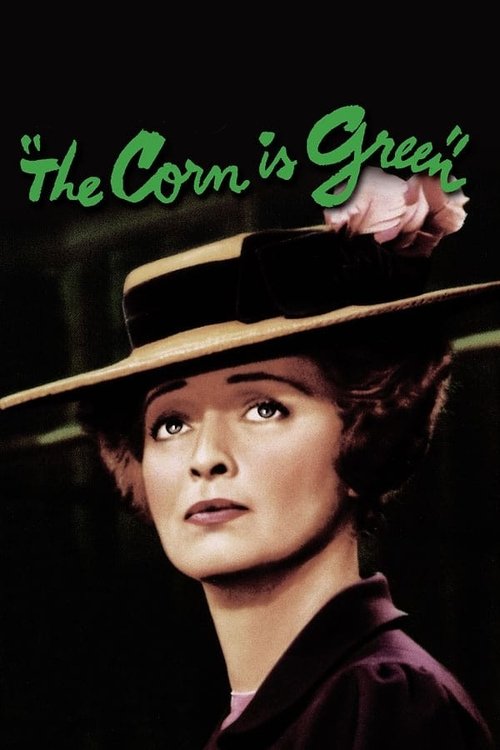
The Corn Is Green
1945When a teacher reads an essay written by Morgan Evans, one of the boys, moved by his rough poetry she decides to hold classes in her house and believes that Morgan is smart enough to attend Oxford.
Donning maturity and intellectual rigor, Davis portrays a dedicated educator with a gravity that commands respect. This film highlights her versatility as a character actress, proving she was just as compelling in quiet, academic settings as she was in explosive domestic dramas.
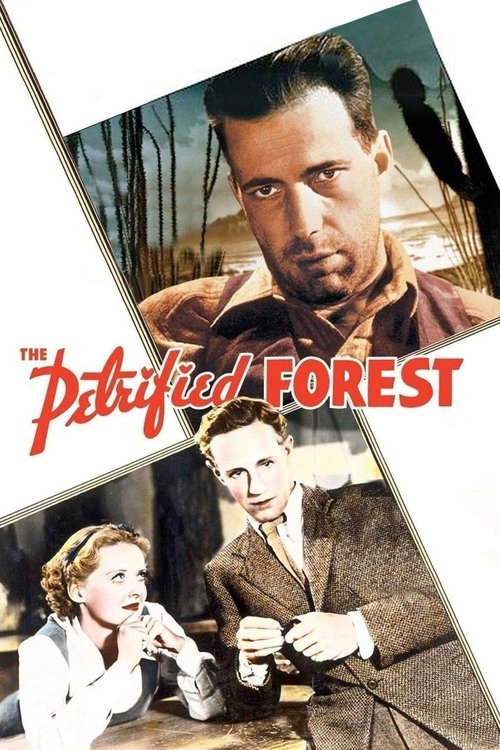
The Petrified Forest
1936Gabby, the waitress in an isolated Arizona diner, dreams of a bigger and better life. One day penniless intellectual Alan drifts into the joint and the two strike up a rapport. Soon enough, notorious killer Duke Mantee takes the diner's inhabitants hostage. Surrounded by miles of desert, the patrons and staff are forced to sit tight with Mantee and his gang overnight.
In this early career breakthrough, she exudes an earnestness and poetic yearning that contrasts sharply with her later, more cynical roles. Her chemistry with Leslie Howard reveals a softer, more ethereal facet of her screen presence that is rarely seen in her mid century work.
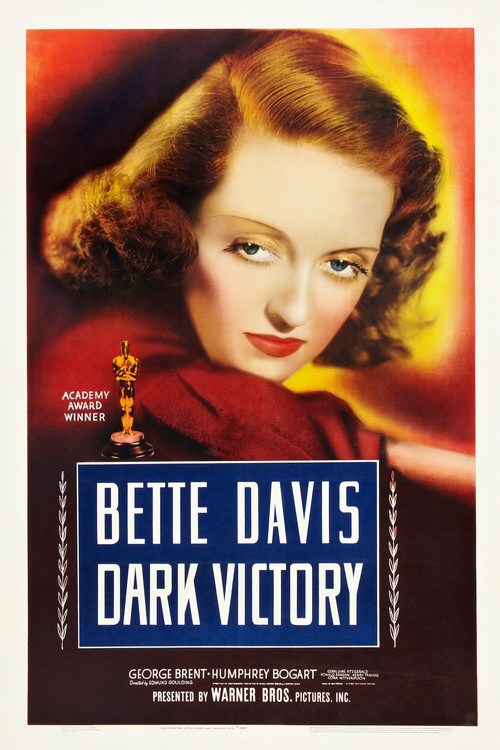
Dark Victory
1939Socialite Judith Traherne lives a lavish but emotionally empty life. Riding horses is one of her few joys, and her stable master is secretly in love with her. Told she has a brain tumor by her doctor, Frederick Steele, Judith becomes distraught. After she decides to have surgery to remove the tumor, Judith realizes she is in love with Dr. Steele, but more troubling medical news may sabotage her new relationship, and her second chance at life.
Faced with a terminal diagnosis, Davis avoids the trap of sentimentality by infusing her character with a flinty, defiant courage. It is a quintessential example of how she could take a weepie script and sharpen it into a dignified, searing portrait of human mortality.
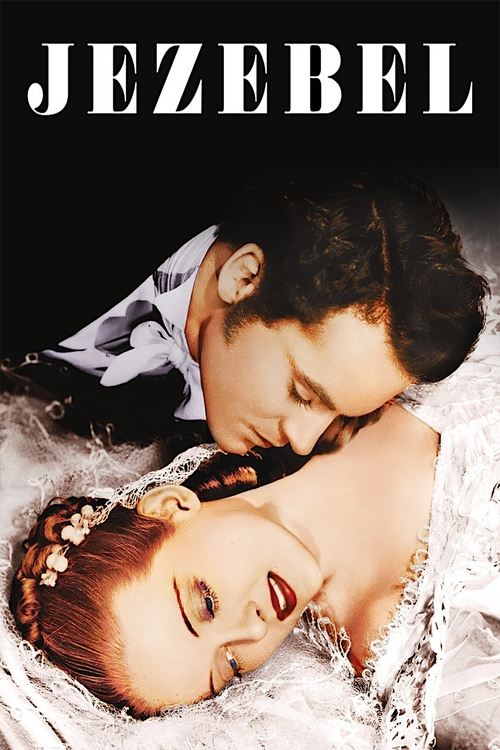
Jezebel
1938In 1850s Louisiana, the willfulness of a tempestuous Southern belle threatens to destroy all who care for her.
Davis captures the volatile energy of a headstrong Southern belle with a performance that earned her a second Oscar and cemented her status as Warner Bros. most bankable star. She weaponizes her eyes and posture to convey a rebellion against the very social codes the film depicts.
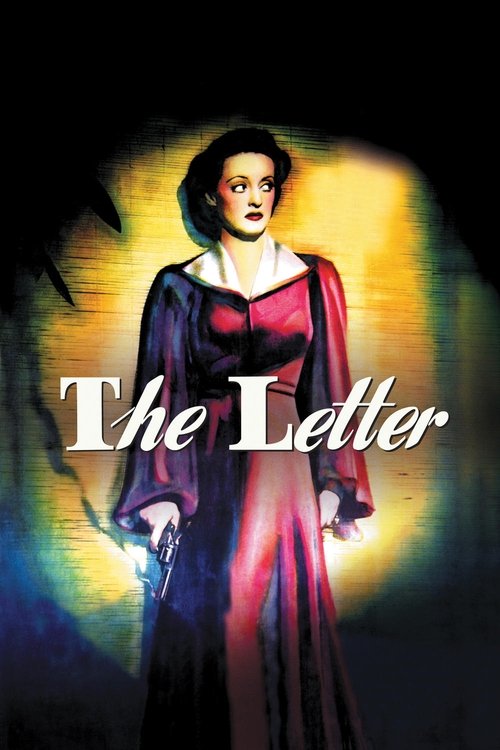
The Letter
1940After a woman shoots a man to death, a damning letter she wrote raises suspicions.
The camera lingers on her face as she navigates a landscape of shadows and lies, showcasing a lethal economy of movement. In this film, Davis perfected the art of the noir antiheroine, proving she could dominate a frame through sheer atmospheric tension.
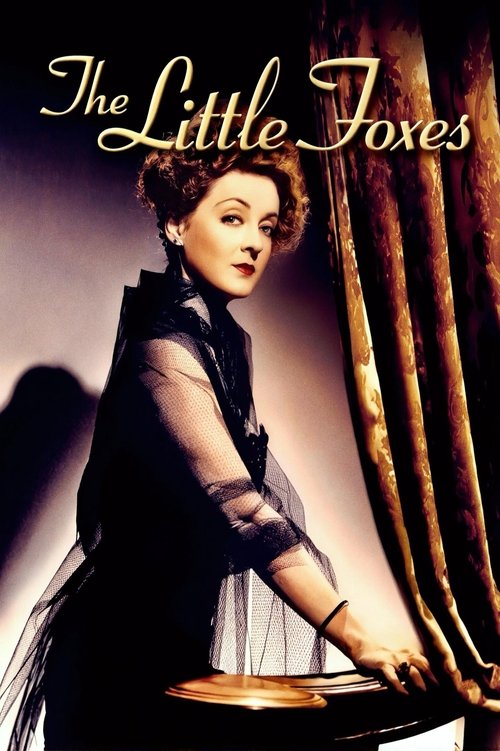
The Little Foxes
1941In 1900, a clan attempts to strike a deal with a Chicago industrialist to get him to build cotton mills in their Deep South town.
As the icy Regina Giddens, Davis delivers a masterclass in stillness and shark like calculated cruelty. This performance marked a pivotal shift in her career toward playing formidable, morally complex antagonists who refuse to seek the audience's sympathy.
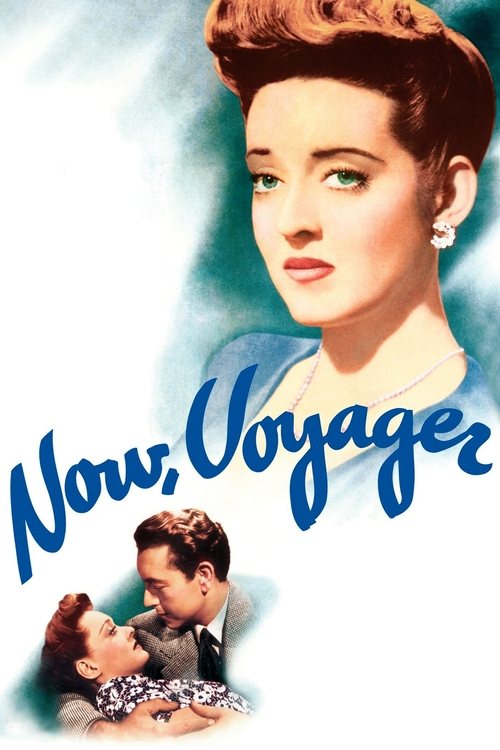
Now, Voyager
1942A woman suffers a nervous breakdown and an oppressive mother before being freed by the love of a man she meets on a cruise.
Tracing the meticulous psychological thaw of Charlotte Vale, Davis demonstrates an astonishing emotional range that moves beyond her usual fire into nuanced restraint. This role stands as the definitive showcase of her ability to elevate a melodrama into a profound study of female autonomy.
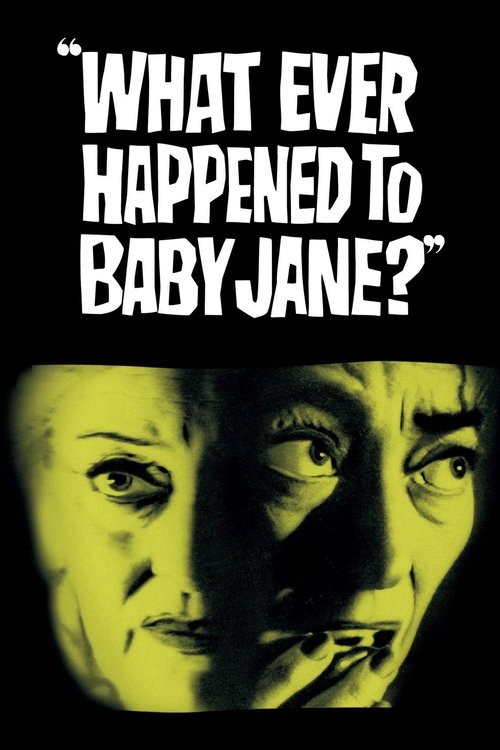
What Ever Happened to Baby Jane?
1962A former vaudeville child star viciously torments her paraplegic sister in their decaying Hollywood mansion.
Embracing a grotesque, mask like physicality, Davis shattered the vanity of her peers to invent the hagsploitation subgenre. It is a fearless, grand guignol transformation that proved her technical mastery remained potent even when divorced from traditional leading lady glamour.
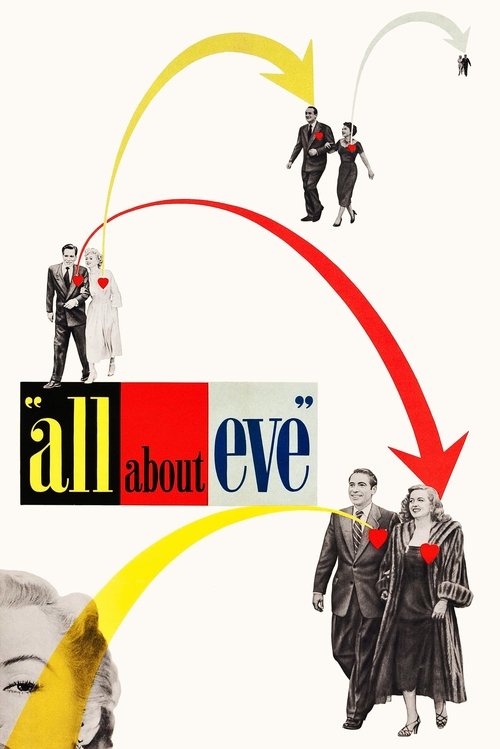
All About Eve
1950From the moment she glimpses her idol at the stage door, Eve Harrington is determined to take the reins of power away from the great actress Margo Channing. Eve maneuvers her way into Margo's Broadway role, becomes a sensation and even causes turmoil in the lives of Margo's director boyfriend, her playwright and his wife. Only the cynical drama critic sees through Eve, admiring her audacity and perfect pattern of deceit.
Davis commands the screen with a jagged, self aware brilliance as Margo Channing, weaponizing her own persona to explore the anxieties of aging in the limelight. This performance solidified her legend by blending caustic wit with a vulnerable undercurrent that redefined the archetype of the Hollywood diva.
Frequently Asked Questions
Everything you need to know about this list and SnakeDrafts
- All About Eve is ranked #1 because it showcases Bette Davis at her career peak, delivering an iconic, sharp performance that earned her an Academy Award nomination. The film's witty script and Davis's portrayal of the scheming Margo Channing highlight her powerhouse screen presence and acting range.
- 'What Ever Happened to Baby Jane?' is notable for its blend of drama, horror, and psychological thriller elements, which allowed Davis to demonstrate her flair for playing complex, disturbed characters. The film revitalized her career and became a cult classic due to her intense, chilling performance.
- Yes, many films like 'Now, Voyager' and 'The Little Foxes' explore themes of female empowerment, emotional resilience, and complex interpersonal relationships. These thematic threads reflect Davis's pioneering roles as strong, often troubled women who challenged traditional feminine archetypes.
- William Wyler's collaborations with Bette Davis, such as 'The Letter' and 'Jezebel,' are ranked highly because they feature compelling dramas where Davis's intense emotional depth and commanding presence shine. Their partnership resulted in films that highlighted Davis's ability to portray conflicted, strong-willed women in richly textured narratives.
- 'The Star' is included because it reflects Davis's willingness to tackle vulnerable and self-reflective roles, portraying a fading actress struggling with her sense of identity. This film adds depth to the ranking by showcasing a different, more introspective side of her acting repertoire.
- While the list covers Davis's most iconic and critically acclaimed works, some notable films like 'Beyond the Forest' or 'The Nanny' were not included, possibly due to the focus on her best-known, award-winning, or culturally influential performances. The chosen titles emphasize her most impactful contributions to cinema.
- 'Now, Voyager' highlights Davis's transformation from a repressed woman into a confident, independent individual, showcasing her ability to convey vulnerability and strength simultaneously. This film remains a defining romantic drama in her career and solidifies her status as a leading lady who challenged social norms.