The Ultimate Ranking of Bruce Dern Movies
The Gritty Evolution of a Hollywood Legend
Explore Bruce Dern's most iconic film roles, from gritty Westerns and Hitchcock thrillers to his acclaimed lead performance in Nebraska.
About Bruce Dern
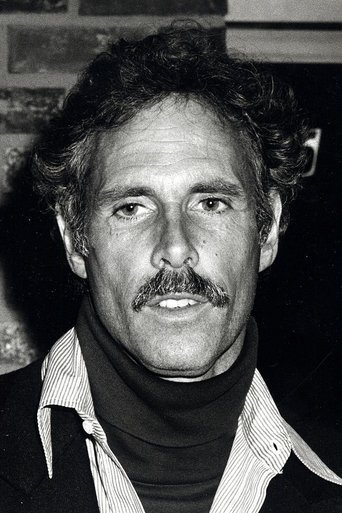
In the storied landscape of American cinema, few faces carry the weathered weight of history quite like Bruce Dern. He possesses a gaze that can shift from manic intensity to soul-crushing vulnerability in a single frame, a trait that has made him the preeminent outsider of Hollywood for over six decades. While his peers often chased the spotlight of the traditional leading man, he carved out a niche as the ultimate wildcard. He is perhaps the only actor in history who can claim the specific infamy of killing John Wayne on screen in The Cowboys, a moment that cemented his reputation as a performer willing to embrace the uncomfortable and the antagonistic.
His career is defined by a refusal to settle into a single groove. In the seventies, he showcased a startling range, playing everything from the wealthy, entitled Tom Buchanan in The Great Gatsby to the obsessed, calculated detective in The Driver. He earned his first Oscar nod for Coming Home, capturing the fractured psyche of a returning veteran with a raw transparency that felt uncomfortably real for the era. Even when working under the meticulous direction of Alfred Hitchcock in Family Plot, he brought a loose, unpredictable energy that suggested he was always thinking two steps ahead of the audience.
The connection people feel with his work stems from a perceived lack of vanity. He does not ask to be liked; he asks to be understood. This quality found a perfect late-career marriage with the sensibilities of Quentin Tarantino. In films like Django Unchained and The Hateful Eight, he occupies the frame with a cantankerous authority, playing men who have seen the world rot and aren't surprised by the smell. This late-stage resurgence reached a poignant peak in Nebraska. As Woody Grant, a man chasing a phantom fortune across the midwest, he stripped away the histrionics to reveal a silent, stubborn dignity. It was a performance that reminded everyone that beneath the wild-eyed villains of his youth lay one of the most disciplined and observant actors of his generation.
He has a way of turning small roles into permanent memories. Whether he is playing the paranoid, camo-clad neighbor in the cult classic The 'Burbs or providing the emotional backbone for indie gems like The Peanut Butter Falcon and Freaks, he anchors every scene with a lived-in gravity. Even a brief turn as George Spahn in Once Upon a Time in Hollywood feels like a masterclass in atmospheric acting, turning a dusty ranch house into a place of haunting nostalgia. He remains a vital link to the rebellious spirit of the New Hollywood era, a man who never needed a hero's cape because he was too busy finding the humanity inside the monsters. At the heart of his endurance is a simple truth: he treats every character as if they have an entire lifetime of secrets tucked away in their pockets, and we are lucky enough to watch him pull them out, one by one.
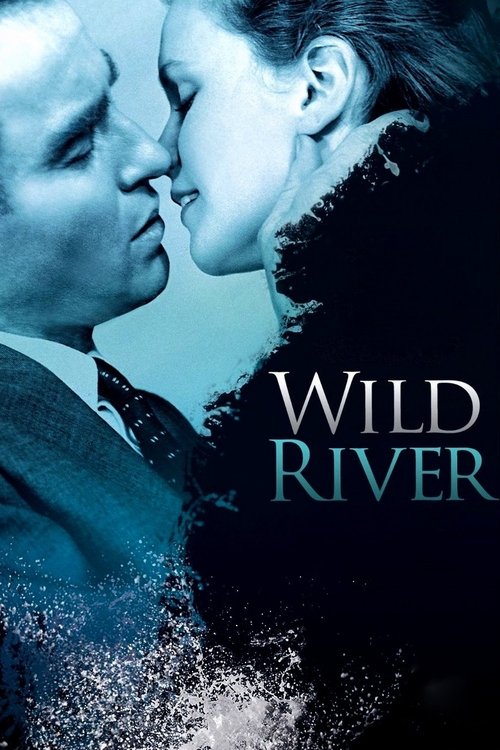
Wild River
1960A young bureaucrat for the Tennessee Valley Authority goes to rural Tennessee to oversee the building of a dam. He encounters opposition from the local people, in particular a farmer who objects to his employment (with pay) of local black laborers. Much of the plot revolves around the eviction of a stubborn octogenarian from her home on an island in the river, and the young man's love affair with that woman's widowed granddaughter. Preserved by the Academy Film Archive in partnership with The Film Foundation.
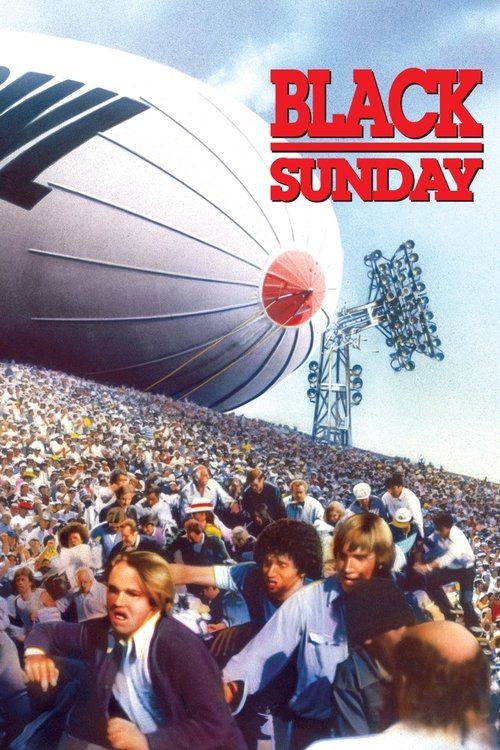
Black Sunday
1977An Israeli anti-terrorist agent must stop a disgruntled Vietnam vet cooperating in a Black September PLO plot to commit a terrorist attack at the Super Bowl.
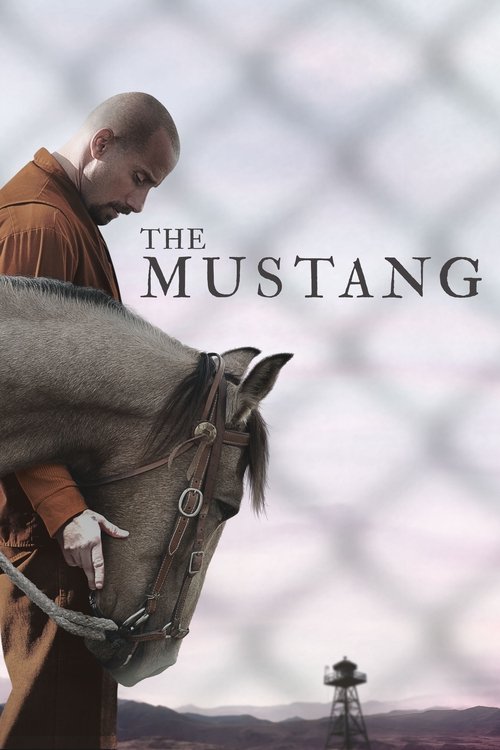
The Mustang
2019While participating in a rehabilitation program training wild mustangs, a convict at first struggles to connect with the horses and his fellow inmates, but he learns to confront his violent past as he soothes an especially feisty horse.
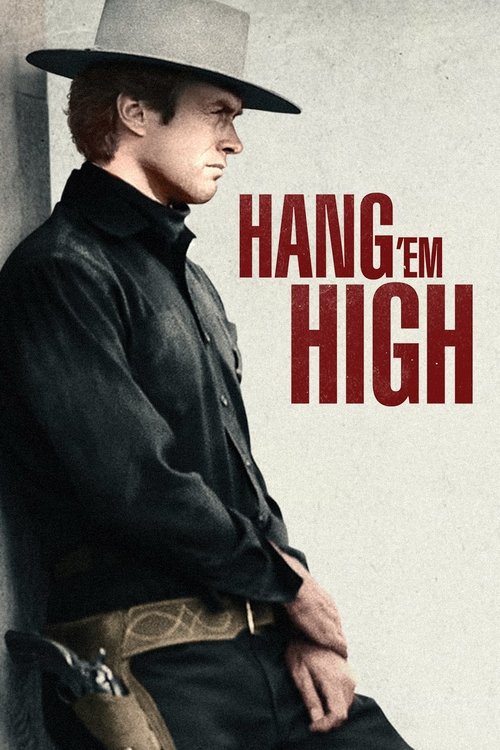
Hang 'em High
1968Marshall Jed Cooper survives a hanging, vowing revenge on the lynch mob that left him dangling. To carry out his oath for vengeance, he returns to his former job as a lawman. Before long, he's caught up with the nine men on his hit list and starts dispensing his own brand of Wild West justice.
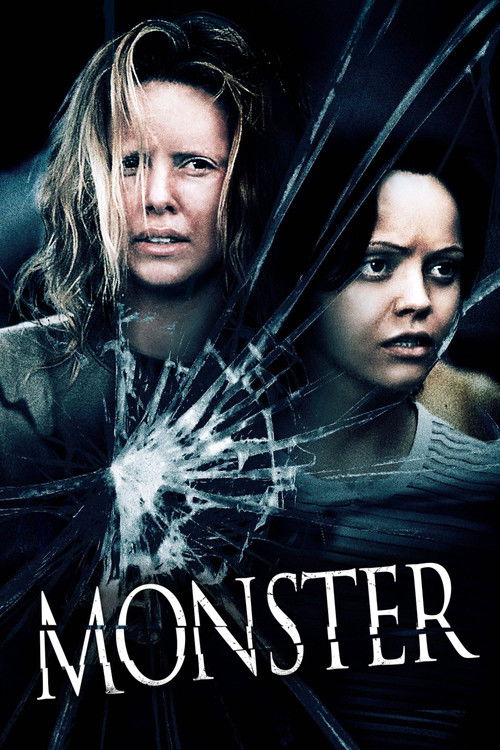
Monster
2003In 1989, prostitute Aileen Wuornos befriends and enters a relationship with a young woman named Selby. Determined to straighten out her life, Aileen's limited education lands her back on the corner. She's raped by a trick, who she kills. A string of murder and robbery follows that ultimately leads Aileen to becoming America's first female serial killer.
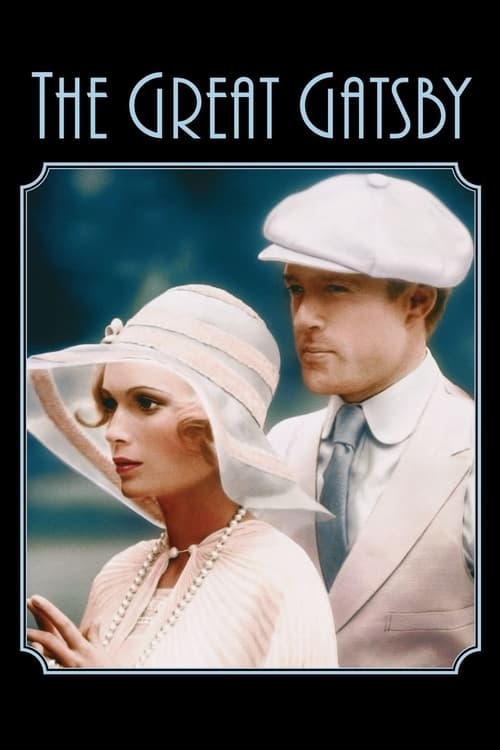
The Great Gatsby
1974Nick Carraway, a young Midwesterner now living on Long Island, finds himself fascinated by the mysterious past and lavish lifestyle of his neighbor, the nouveau riche Jay Gatsby. He is drawn into Gatsby's circle, becoming a witness to obsession and tragedy.
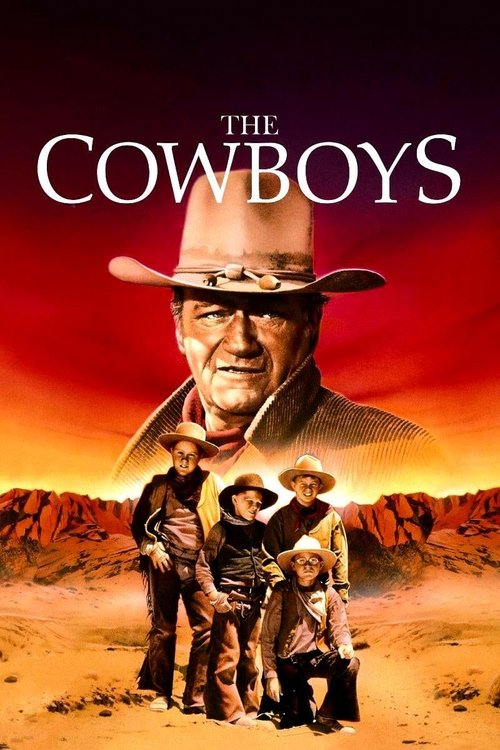
The Cowboys
1972When his cattlemen abandon him for the gold fields, rancher Wil Andersen is forced to take on a collection of young boys as his cowboys in order to get his herd to market in time to avoid financial disaster. The boys learn to do a man's job under Andersen's tutelage, however, neither he nor the boys know that a gang of cattle thieves is stalking them.
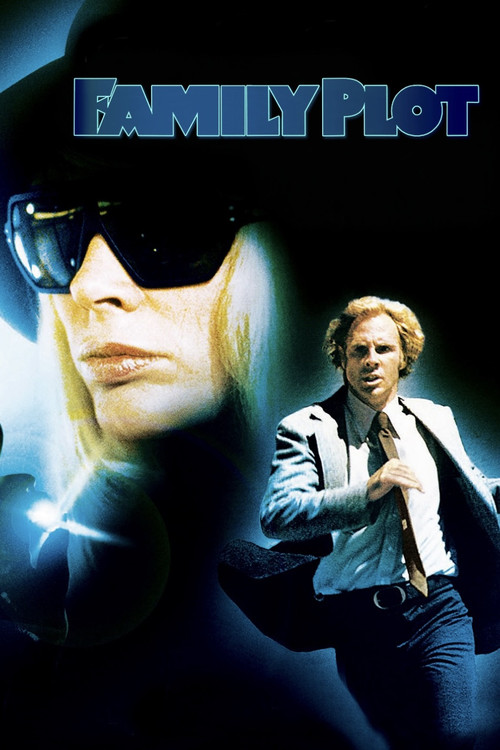
Family Plot
1976Spiritualist Blanche Tyler and her cab-driving boyfriend encounter a pair of serial kidnappers while trailing a missing heir in California.
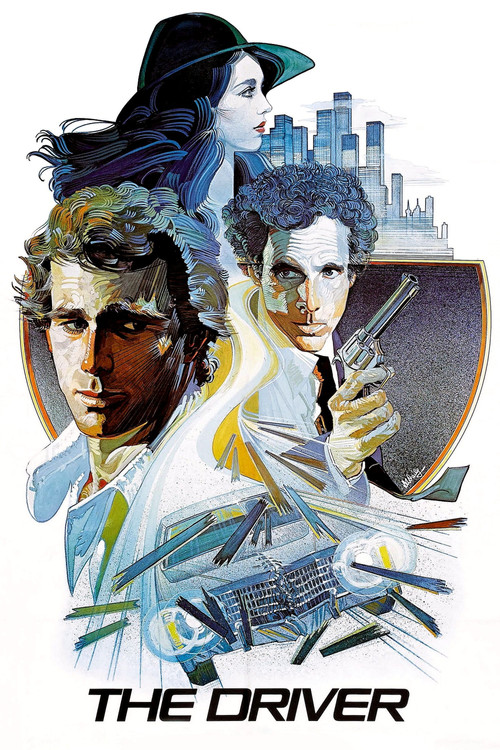
The Driver
1978The Driver specializes in driving getaway cars for robberies. His exceptional talent has prevented him from being caught yet. After another successful flight from the police a self-assured detective makes it his primary goal to catch the Driver. He promises pardons to a gang if they help to convict him in a set-up robbery. The Driver seeks help from The Player to mislead the detective.
Dern is electric as a narcissistic police detective obsessed with his own reflection and the thrill of the chase. He transforms a standard lawman archetype into a twitchy, fast-talking predator, standing as a sharp intellectual foil to the film’s stoic lead.
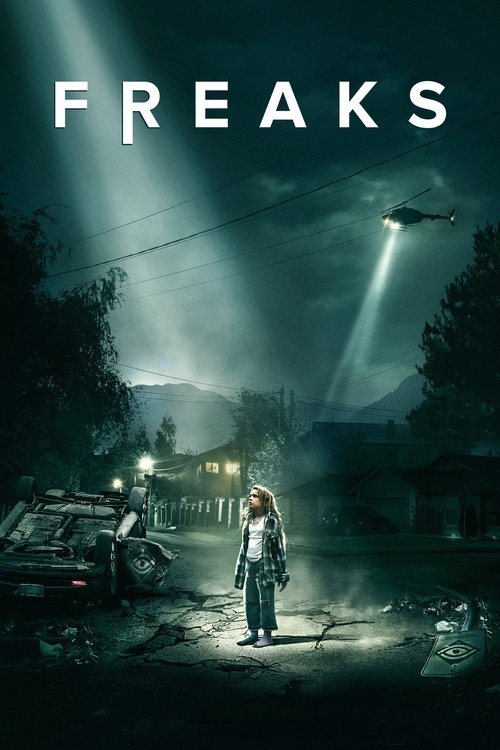
Freaks
2019Kept locked inside the house by her father, 7-year-old Chloe lives in fear and fascination of the outside world, where Abnormals create a constant threat—or so she believes. When a mysterious stranger offers her a glimpse of what's really happening outside, Chloe soon finds that while the truth isn't so simple, the danger is very real.
Playing a mysterious shut-in, Dern radiates a sense of weathered menace that perfectly complements the film’s claustrophobic atmosphere. He utilizes his iconic gravelly voice and piercing gaze to keep the audience off-balance regarding his true intentions.
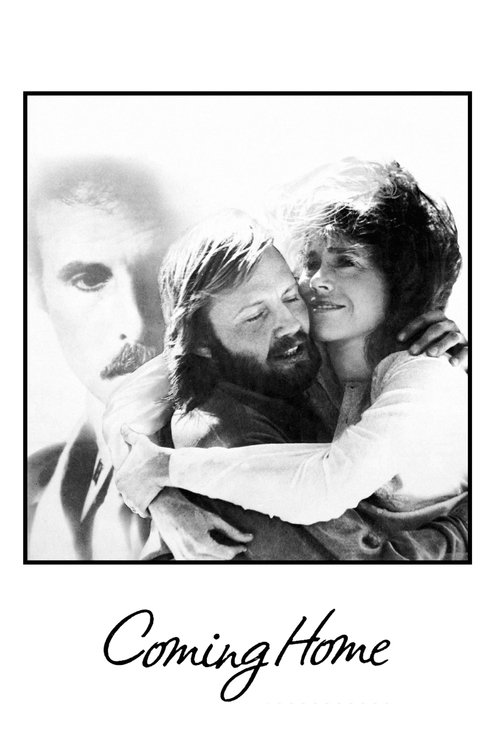
Coming Home
1978In 1968 California, a Marine officer's wife falls in love with a former high school classmate who suffered a paralyzing combat injury in the war.
His portrayal of a Marine officer unraveling after returning from Vietnam is a raw and terrifying look at post-traumatic breakdown. By eschewing easy sympathy, Dern creates a complex antagonist whose internal explosion remains one of the most honest depictions of combat's psychological cost.
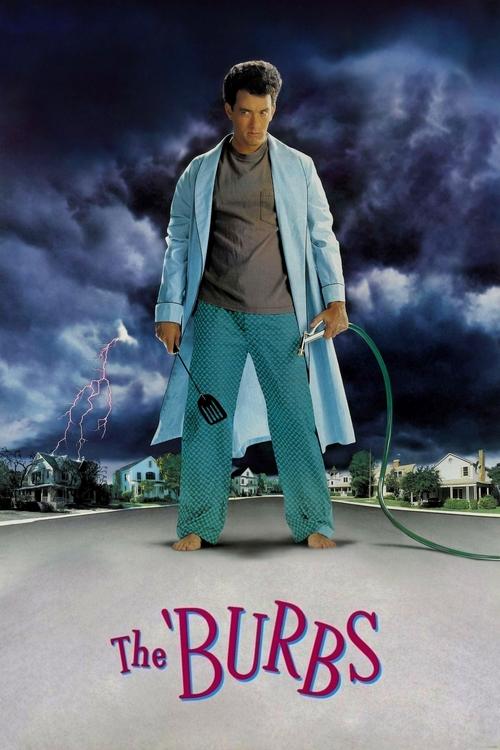
The 'Burbs
1989When secretive new neighbors move in next door, suburbanite Ray Peterson and his friends let their paranoia get the best of them as they start to suspect the newcomers of evildoings and commence an investigation. But it's hardly how Ray, who much prefers drinking beer, reading his newspaper and watching a ball game on the tube expected to spend his vacation.
Dern leans into his gift for high-strung eccentricity by playing a paranoid, tactical-gear-obsessed veteran with expert comedic timing. It is a brilliant parody of his own tough-guy persona that highlights his underrated versatility in broad satire.
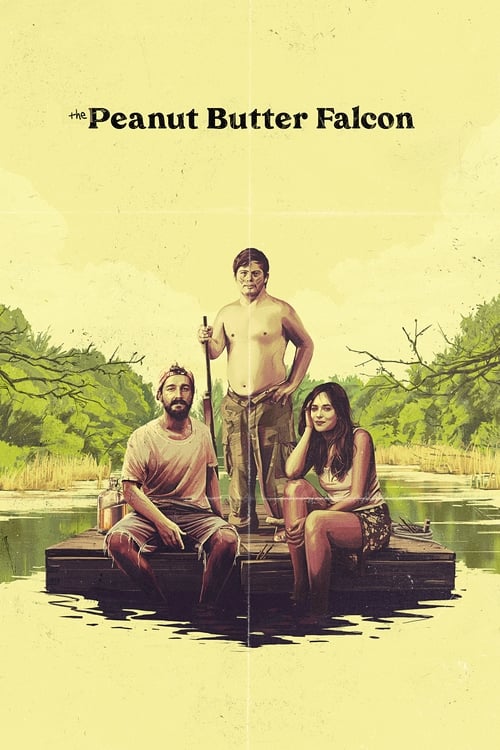
The Peanut Butter Falcon
2019A down-on-his-luck crab fisherman embarks on a journey to get a young man with Down syndrome to a professional wrestling school in rural North Carolina and away from the retirement home where he’s lived for the past two and a half years.
Dern offers a rare flash of warmth and mischievous wisdom as a nursing home roommate who facilitates a grand escape. This role highlights his ability to steal scenes with a raspy wit while grounding the film's whimsical tone in a sense of lived-in reality.
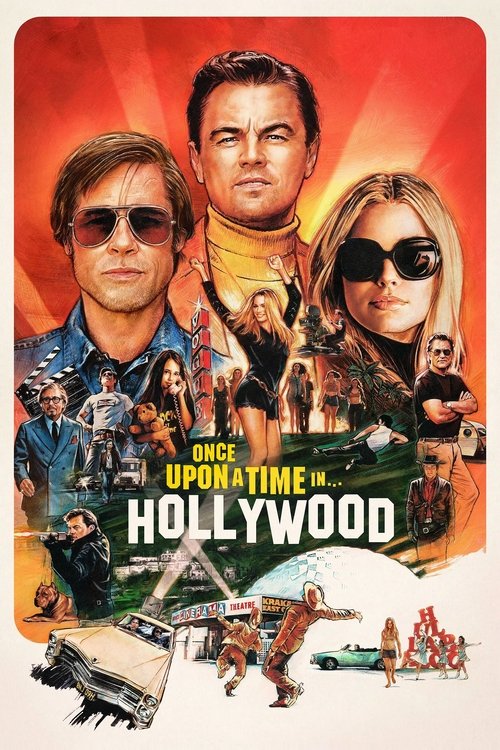
Los Angeles, 1969. TV star Rick Dalton, a struggling actor specializing in westerns, and stuntman Cliff Booth, his best friend, try to survive in a constantly changing movie industry. Dalton is the neighbor of the young and promising actress and model Sharon Tate, who has just married the prestigious Polish director Roman Polanski…
Taking over the role of George Spahn, Dern delivers a disorienting, squinting turn that keeps the audience guessing about his character’s mental clarity. He provides the film’s most eerie sequence by playing a man who has become a ghost within his own legendary ranch.
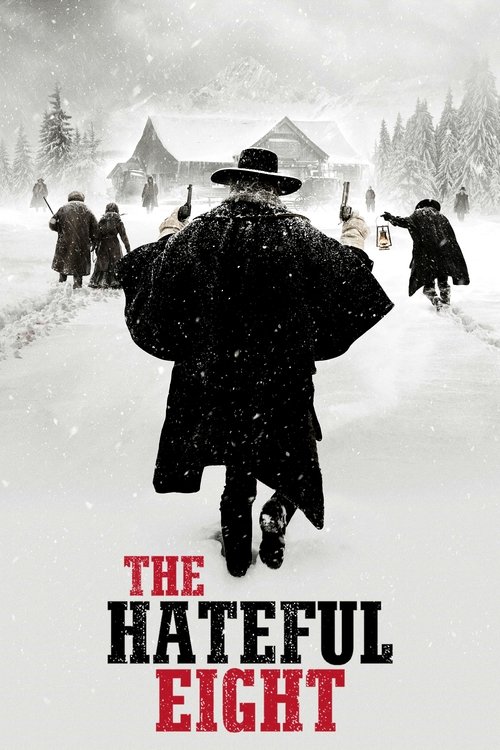
Bounty hunters seek shelter from a raging blizzard and get caught up in a plot of betrayal and deception.
Confined to a chair for nearly the entire runtime, Dern commandingly projects the bitter, frozen resentment of a defeated Confederate general. He anchors the film’s racial tensions with a snarling stillness that proves he can dominate a room without ever standing up.
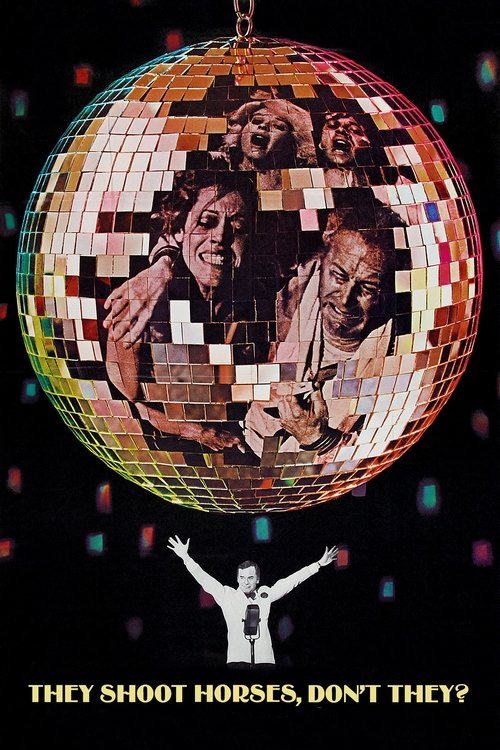
They Shoot Horses, Don't They?
1969In the midst of the Great Depression, manipulative emcee Rocky enlists contestants for a dance marathon offering a $1,500 cash prize. Among them are a failed actress, a middle-aged sailor, a delusional blonde and a pregnant girl.
In this grueling Depression-era drama, Dern portrays a desperate husband pushing through physical collapse with a frightening, wide-eyed intensity. It is a pivotal early showcase of his ability to embody characters pushed to the absolute psychological brink.
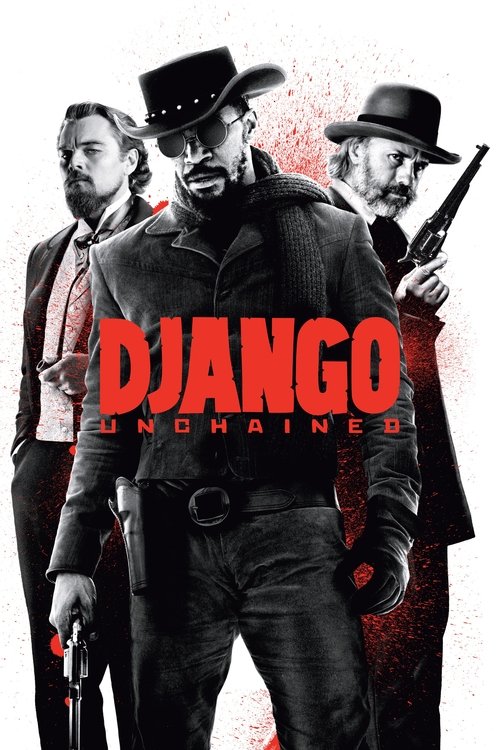
Django Unchained
2012With the help of a German bounty hunter, a freed slave sets out to rescue his wife from a brutal Mississippi plantation owner.
As the decaying patriarch Old Man Carrucan, Dern weaponizes a lifetime of screen villainy into a brief but chilling personification of antebellum cruelty. His presence serves as a bridge between the classic Westerns of his youth and Tarantino’s revisionist violence.
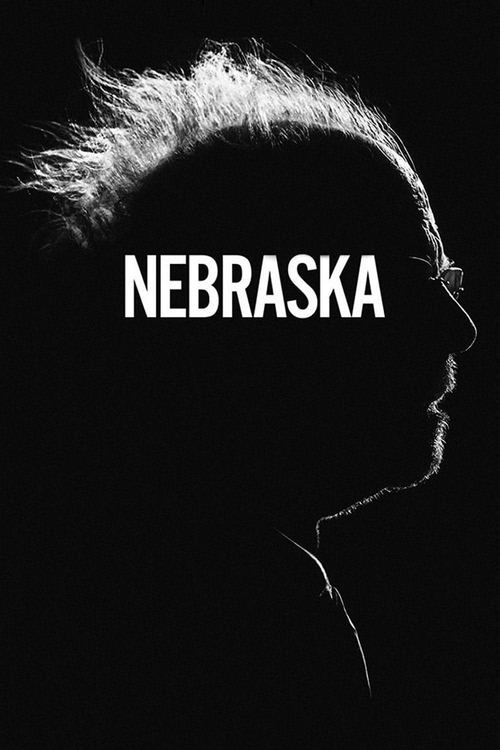
Nebraska
2013An aging, booze-addled father takes a trip from Montana to Nebraska with his estranged son in order to claim what he believes to be a million-dollar sweepstakes prize.
Dern captures the stubborn, hollowed-out spirit of the American Midwest through a minimalist masterclass in physical acting. This late-career triumph strips away his usual manic energy to reveal a vulnerability that finally secured his status as a heavyweight leading man.
Frequently Asked Questions
Everything you need to know about this list and SnakeDrafts
- Bruce Dern is renowned for portraying complex characters often marked by a brooding intensity or unsettling vulnerability. His roles span gritty Westerns, thrillers, dramas, and character-driven narratives like Nebraska, highlighting his versatility as a quintessential Hollywood outsider.
- Bruce Dern appears in multiple Quentin Tarantino films, including Django Unchained, The Hateful Eight, and Once Upon a Time... in Hollywood. In these films, he often plays morally ambiguous and imposing characters, showcasing his knack for adding depth to supporting roles in Tarantino's stylized storytelling.
- Bruce Dern’s lead role in Nebraska was critically acclaimed, earning him an Academy Award nomination. His portrayal of a vulnerable yet stubborn elderly man brought new depth to his career, emphasizing his ability to carry a film with subtlety and emotional resonance.
- Bruce Dern has a significant presence in Western cinema, starring in films like The Cowboys, Hang 'em High, Django Unchained, and The Hateful Eight. These performances illustrate his strong affinity for the Western genre, often embodying rugged, complex characters that add nuance to traditional Western archetypes.
- Bruce Dern has taken on memorable roles in thrillers and mysteries such as Family Plot, The 'Burbs, and Freaks. His portrayals often tap into a subtle menace or eccentricity, which enhances the suspenseful and eerie tones of these films.
- Collaborations with directors like Quentin Tarantino, Alexander Payne, and Alfred Hitchcock have been pivotal for Bruce Dern, allowing him to explore diverse roles across genres. These partnerships have cemented his reputation as a versatile actor capable of elevating both leading and supporting roles.
- Bruce Dern’s filmography shows remarkable evolution from intense dramas and classic Westerns in the 60s and 70s to contemporary films blending genres like comedy, thriller, and sci-fi. This adaptability reflects his enduring relevance and ability to reinvent himself while maintaining his signature intensity.