Brian De Palma Films Ranked Definitively
The Master of Suspense and Stylized Cinema
Explore the definitive filmography of Brian De Palma, from iconic crime epics to groundbreaking psychological thrillers and cult classics.
About Brian De Palma
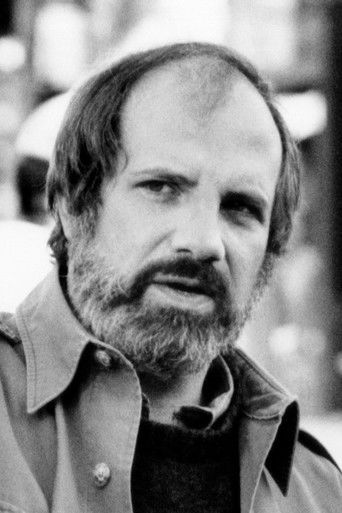
In the pantheon of the New Hollywood rebels who redefined American cinema in the seventies, Brian De Palma occupies a space that is as provocative as it is technically dazzling. While his peers often chased realism or grand mythology, he became the high priest of the voyeuristic and the operatic. To watch one of his films is to witness an orchestration of pure visual adrenaline, where the camera is never a passive observer. Instead, it acts as a restless, stalking presence, obsessed with the mechanics of sight and the delicious terror of being watched.
His signature aesthetic relies on a vocabulary of baroque tension. He famously elevates the split screen from a mere gimmick to a profound narrative tool, allowing audiences to witness two simultaneous timelines or perspectives, most notably in the early psychological thrills of Sisters and the telekinetic chaos of Carrie. He treats the lens like a surgeon’s scalpel, dissecting space with elaborate long takes and a fetishistic attention to slow motion. This is perhaps most iconic in the grand odyssey of The Untouchables, where a train station shootout transforms into a rhythmic, heart-pounding ballet of falling prams and flying lead.
Critics often frame him through the lens of Alfred Hitchcock, but that comparison misses the grit and the unapologetic excess that define his best work. Where Hitchcock was subtle, this filmmaker is explosive. He took the basic DNA of the thriller and injected it with a feverish, neon intensity. Blow Out showcases this perfectly, turning a simple foley recording session into a haunting conspiracy theory that ends in a scream of pure cinematic tragedy. Even when he ventures into the hyper-violent world of the gangster epic, as he did with the sun-drenched masonry of Scarface and the neon-lit regret of Carlito Way, there is a sense of tragic grandeur that elevates the pulp material into something operatic.
The sheer audacity of his vision often invites controversy, particularly in the psychosexual labyrinths of Dressed to Kill and Body Double. He leans into the artifice of filmmaking, frequently reminding the audience they are watching a construct. This meta-commentary is playful in the cult glitter of Phantom of the Paradise and clinical in the icy puzzles of Femme Fatale. He is a director who understands that the eye is easily deceived, a theme he navigated even within the confines of a blockbuster like Mission Impossible, which remains the most stylish and suspense-driven entry in that long-running franchise.
Beyond the thrills and the blood, there is a deep seated technical mastery that commands respect. Whether he is exploring the psychic trauma of The Fury or the devastating moral vacuum of Casualties of War, his camera remains a precise instrument of empathy and dread. Even a divisive venture like Mission to Mars reveals his obsession with the celestial and the unknown, proving that his stylistic flourishes are not limited to the dark alleys of the suspense genre. He remains film history’s most stylish voyeur, a creator who transformed the act of looking into a high-stakes game of life and death, leaving behind a legacy of images that refuse to be forgotten.
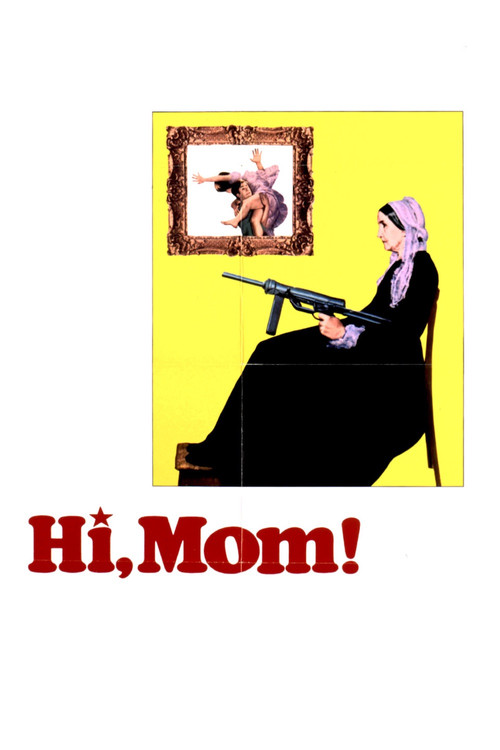
Hi, Mom!
1970Vietnam vet Jon Rubin returns to New York and rents a rundown flat in Greenwich Village. It is in this flat that he begins to film, 'Peeping Tom' style, the people in the apartment across the street. His obsession with making films leads him to fall in with a radical 'Black Power' group, which in turn leads him to carry out a bizarre act of urban terrorism.
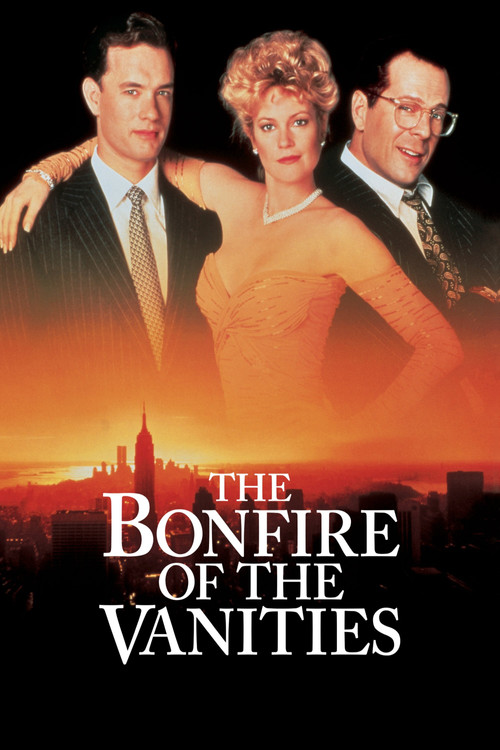
The Bonfire of the Vanities
1990After his mistress runs over a black teen, a Wall Street hotshot sees his life unravel in the spotlight; A down-and-out reporter breaks the story and opportunists clamber to use it to their advantage.
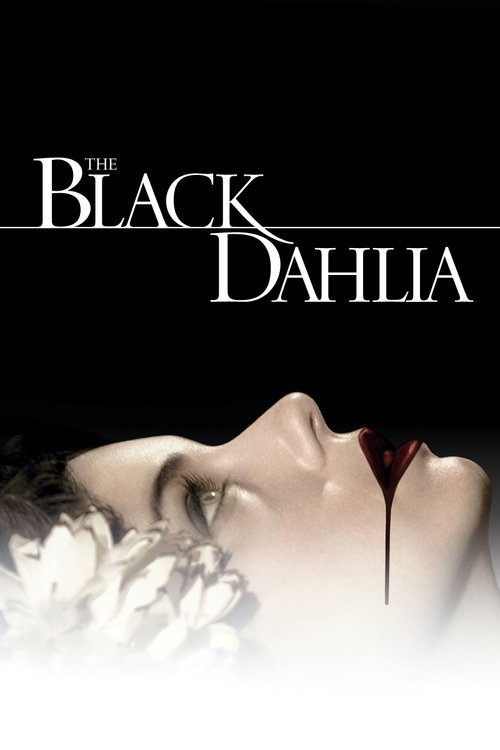
The Black Dahlia
2006In 1940s Los Angeles, two former boxers-turned-cops must grapple with corruption, narcissism, stag films and family madness as they pursue the killer of an aspiring young actress.
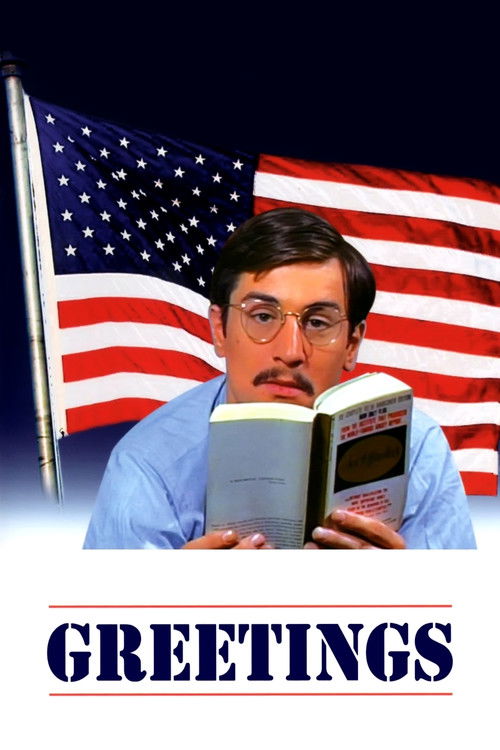
Greetings
1968Three friends in New York City discuss how to dodge the draft and Vietnam, JFK's assassination, voyeurism, computer dating, and everything else.
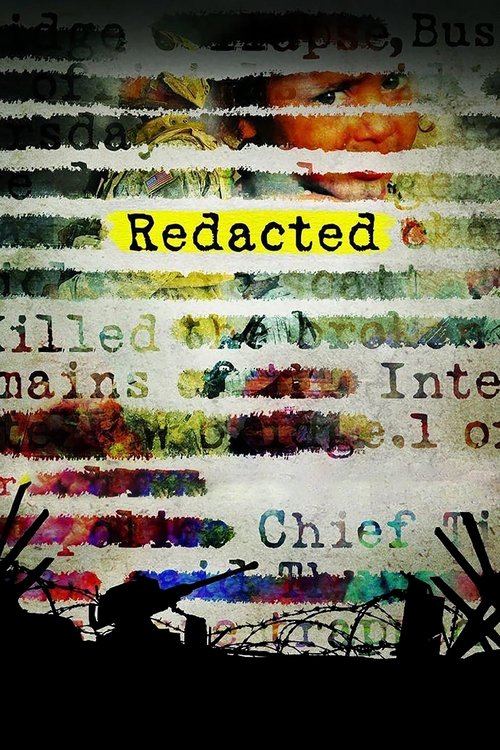
Redacted
2007A fictional documentary discusses the effects the Iraq war has had on soldiers and local people through interviews with members of an American military unit, the media, and local Iraqis.
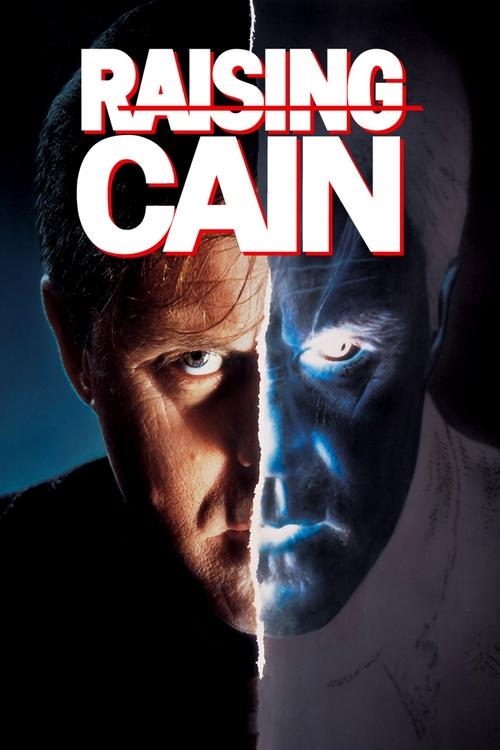
Raising Cain
1992Child psychologist Carter Nix is a loving and caring family man, but under this appearance lies a dark and troubled past. Grappling with the consequences of this past on his own psyche and the influence of his returning father and violent brother Cain, Carter becomes involved in a series of murders and kidnappings. Meanwhile, his wife Jenny rekindles an old love affair, placing herself in the crosshairs of her increasingly unstable husband.
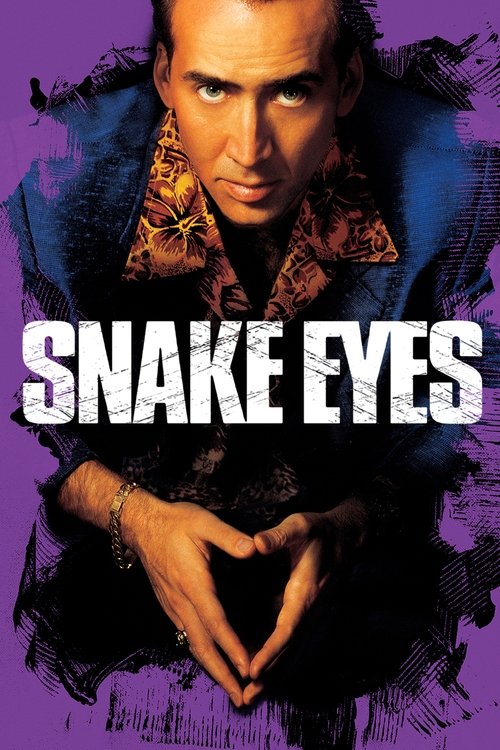
Snake Eyes
1998All bets are off when shady homicide cop Rick Santoro witnesses a murder during a boxing match. Determined to solve the crime, he quickly learns that his search for answers will only uncover yet more questions in an ever-widening web of conspiracy, intrigue, and danger.
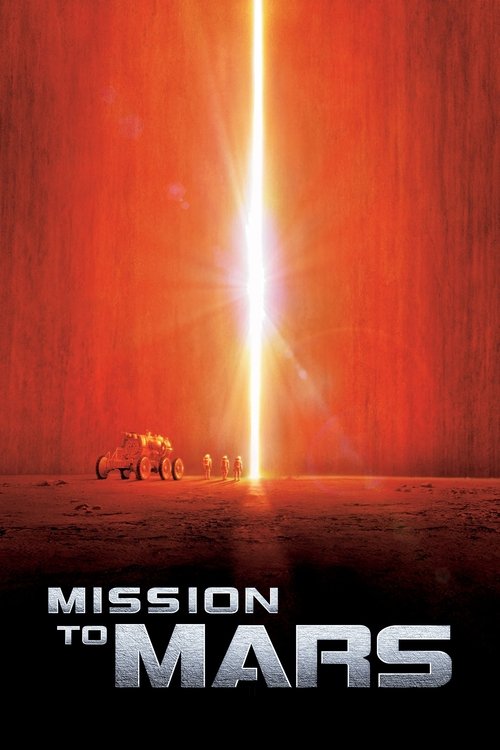
Mission to Mars
2000When the first manned mission to Mars meets with a catastrophic and mysterious disaster after reporting an unidentified structure, a rescue mission is launched to investigate the tragedy and bring back any survivors.
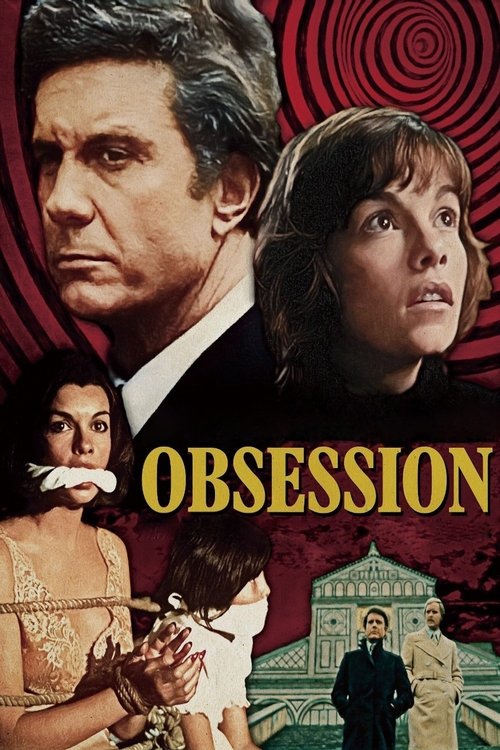
Obsession
1976A wealthy New Orleans businessman becomes obsessed with a young woman who resembles his late wife.
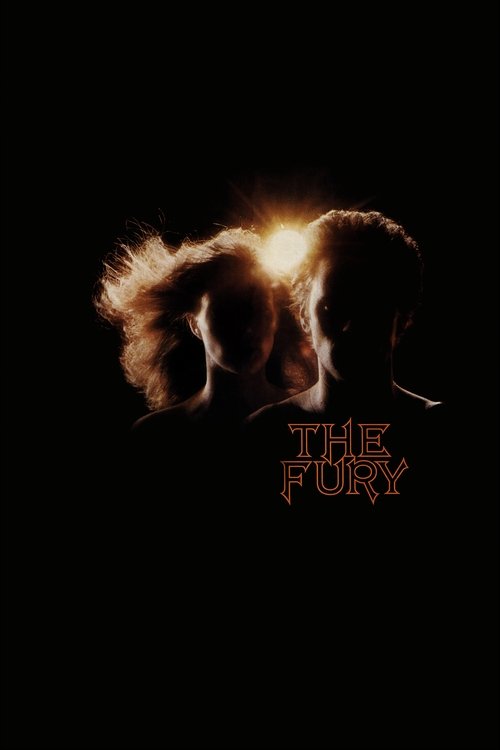
The Fury
1978When a devious plot separates CIA agent Peter Sandza from his son, Robin, the distraught father manages to see through the ruse. Taken because of his psychic abilities, Robin is being held by Ben Childress, who is studying people with supernatural powers in hopes of developing their talents as weapons. Soon Peter pairs up with Gillian, a teen who has telekinesis, to find and rescue Robin.
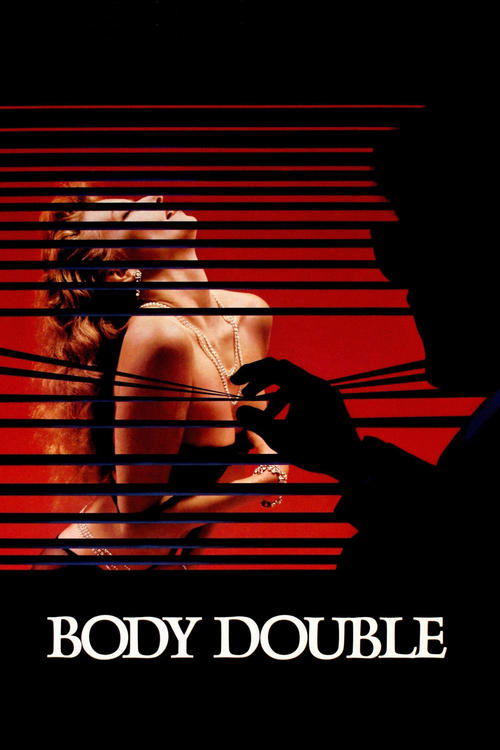
Body Double
1984After losing an acting role and his girlfriend, Jake Scully finally catches a break: he gets offered a gig house-sitting in the Hollywood Hills. While peering through the beautiful home's telescope one night, he spies a gorgeous woman dancing in her window. But when he witnesses the girl's murder, it leads Scully through the netherworld of the adult entertainment industry on a search for answers—with porn actress Holly Body as his guide.
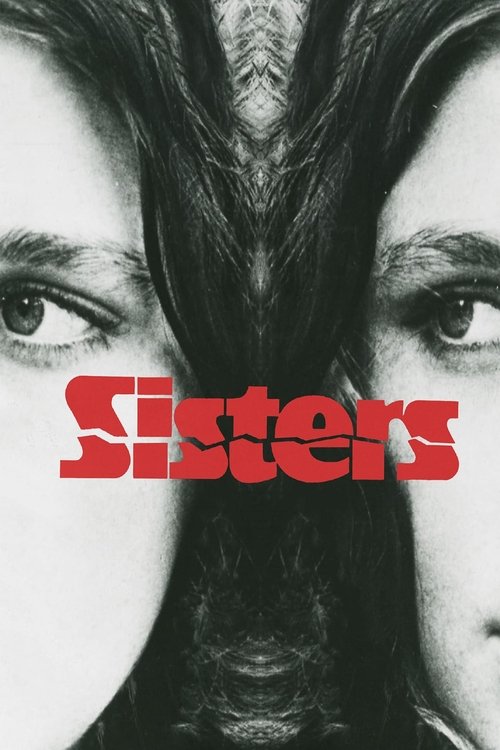
Sisters
1973Inquisitive journalist Grace Collier is horrified when she witnesses her neighbor, fashion model Danielle Breton, violently murder a man. Panicking, she calls the police. But when the detective arrives at the scene and finds nothing amiss, Grace is forced to take matters into her own hands. Her first move is to recruit private investigator Joseph Larch, who helps her to uncover a secret about Danielle's past that has them both seeing double.
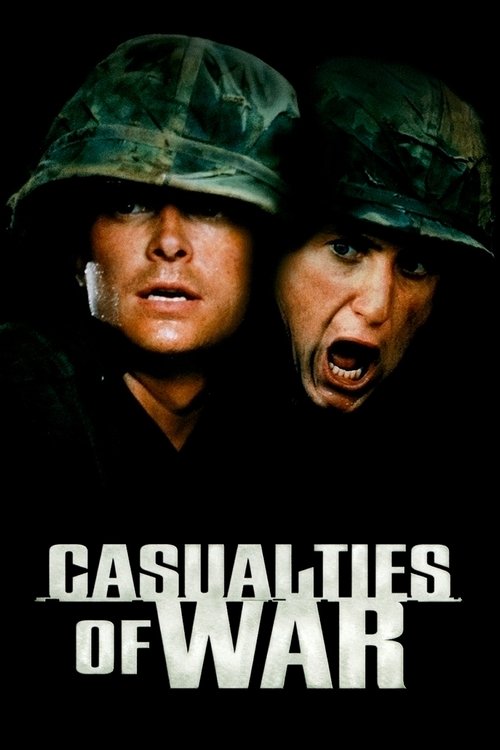
During the Vietnam War, a soldier finds himself the outsider of his own squad when they unnecessarily kidnap a female villager.
De Palma strips away his usual artifice to deliver a harrowing, formally rigorous examination of the moral vacuum inherent in warfare. The film utilizes his trademark long takes not for suspense, but to force the viewer into a visceral, inescapable confrontation with human cruelty.
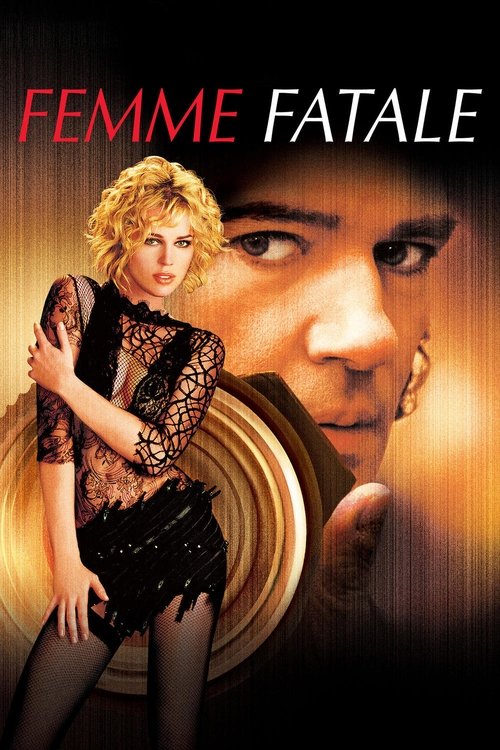
Femme Fatale
2002A $10-million diamond rip-off, a stolen identity, a new life married to a diplomat. Laure Ash has risked big, won big. But then a tabloid shutterbug snaps her picture in Paris, and suddenly, enemies from Laure's secret past know who and where she is. And they all want their share of the diamond heist. Or her life. Or both.
This neo-noir acts as a flamboyant victory lap for De Palma’s career-long fascination with deception and the feminine image. It is a labyrinthine, self-aware puzzle that celebrates the art of the cinematic twist with unapologetic visual flair.
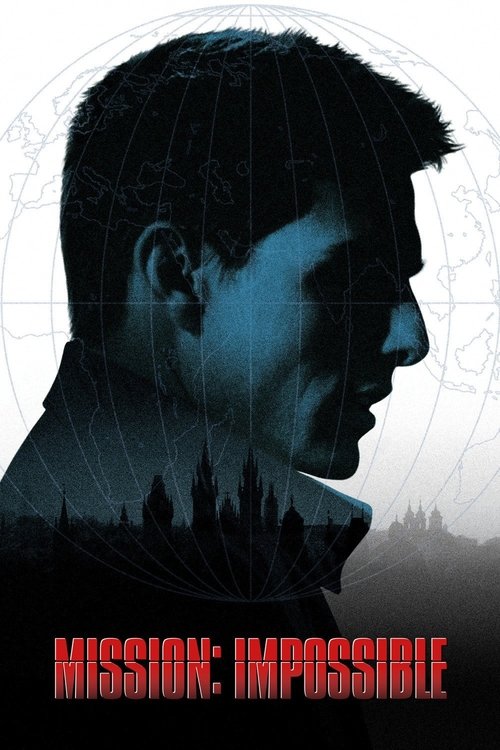
When Ethan Hunt, the leader of a crack espionage team whose perilous operation has gone awry with no explanation, discovers that a mole has penetrated the CIA, he's surprised to learn that he's the prime suspect. To clear his name, Hunt now must ferret out the real double agent and, in the process, even the score.
By infusing a big-budget blockbuster with the intricate logic of a heist film, De Palma redefined the modern action aesthetic. His focus on physical geometry and silent, unbearable tension proved that a director's signature style could thrive even within the constraints of a franchise.
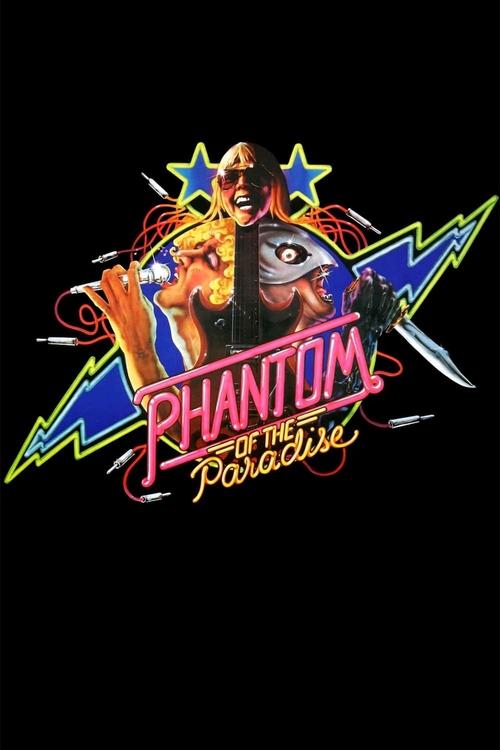
Phantom of the Paradise
1974Singer-songwriter Winslow Leach seeks revenge on the nefarious music producer Swan, who steals both Winslow's music and his favorite singer for the grand opening of Swan's new rock palace, the Paradise.
This cult phenomenon captures the director’s wild, experimental energy through a kaleidoscopic fusion of glam rock and gothic satire. It remains a vibrant testament to his ability to bend multiple genres into a singular, hallucinatory vision of industry exploitation.
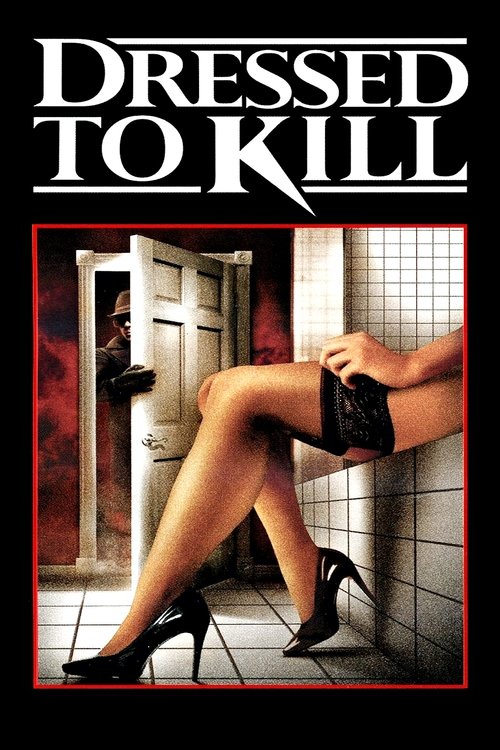
Dressed to Kill
1980After witnessing a mysterious woman brutally slay a homemaker, prostitute Liz Blake finds herself trapped in a dangerous situation. While the police thinks she is the murderer, the real killer is intent on silencing her only witness.
De Palma pushes his obsession with voyeurism to its provocative limit in this sleek, controversial exercise in pure cinema. The film operates as a series of meticulously choreographed set pieces that challenge the boundaries between the spectator's gaze and the screen's violence.
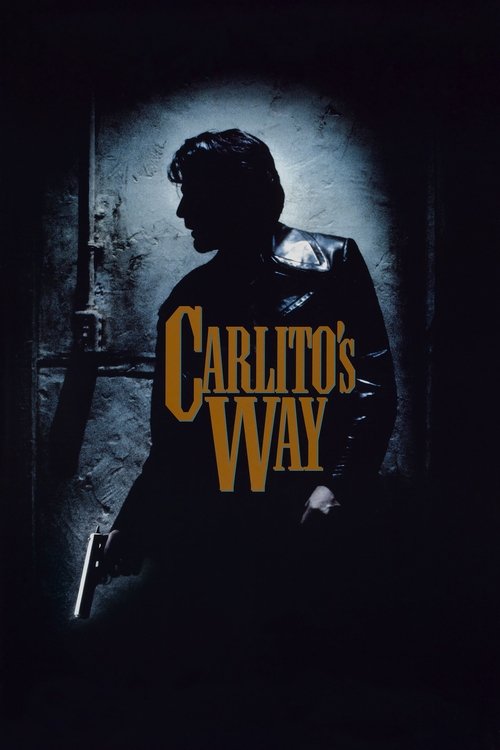
Carlito's Way
1993Free after years in prison, Carlito Brigante intends to give up his criminal ways, but it's not long before the ex-con is sucked back into the New York City underworld.
A soulful companion to his earlier crime epics, this film swaps cocaine-fueled fury for a weary, fatalistic elegance. The director’s fluid camera movements here serve a poignant meditation on the impossibility of escaping one's own shadow in a world governed by betrayal.
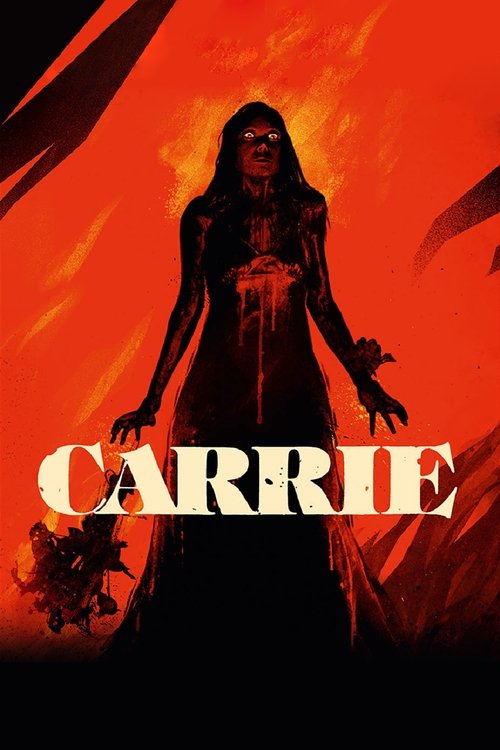
Carrie
1976Withdrawn and sensitive teenager Carrie White faces bullying from classmates and abuse from her fanatically pious mother. When she begins to suspect that she has supernatural powers, things take a dark and violent turn.
With its iconic split-screen sequences and dreamlike cinematography, this adaptation elevated the horror genre into the realm of high-art tragedy. De Palma’s visual language captures the volatile intersection of religious repression and adolescent rage with unmatched stylistic sensitivity.
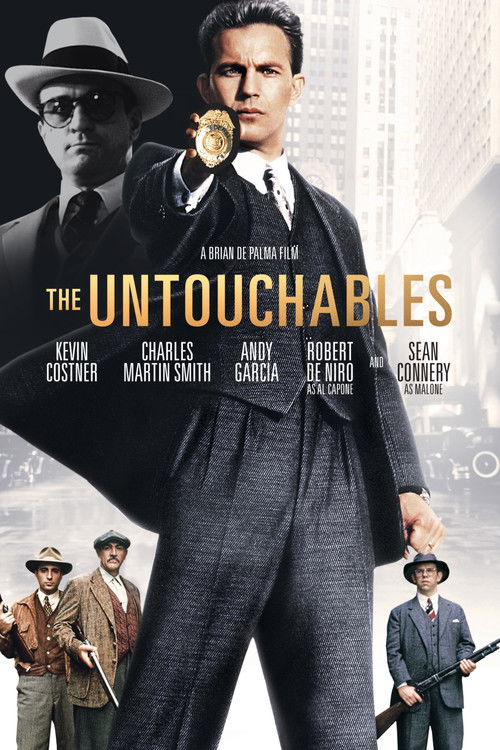
The Untouchables
1987Elliot Ness, an ambitious prohibition agent, is determined to take down Al Capone. In order to achieve this goal, he forms a group given the nickname “The Untouchables”.
This film represents the perfect synthesis of De Palma’s Hitchcockian voyeurism and high-stakes studio craftsmanship. By grounding his penchant for formalist bravura within a classical hero’s journey, he created a visually rhythmic masterpiece of tactical tension and period grandeur.
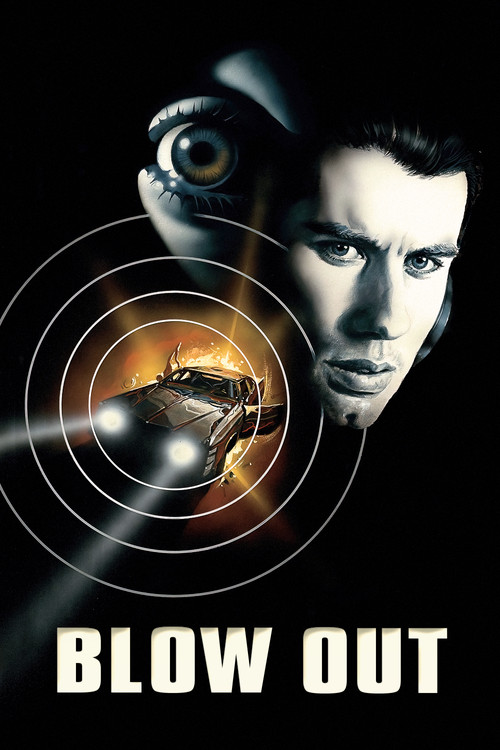
Blow Out
1981While recording sound effects for a slasher flick, Jack Terry stumbles upon a real-life horror: a car careening off a bridge and into a river. Jack jumps into the water and fishes out Sally from the car, but the other passenger is already dead — a governor intending to run for president. As Jack does some investigating of his tapes, and starts a perilous romance with Sally, he enters a tangled web of conspiracy that might leave him dead.
A masterclass in technical precision, this conspiracy thriller weaponizes the very tools of filmmaking to probe the agonizing gap between truth and institutional corruption. It captures the director at his most cynical and sophisticated, utilizing sophisticated sound design as a central narrative engine.
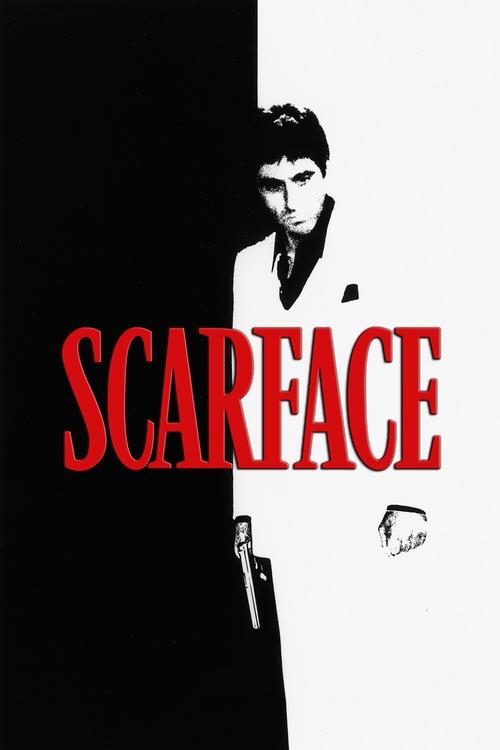
Scarface
1983After getting a green card in exchange for assassinating a Cuban government official, Tony Montana stakes a claim on the drug trade in Miami. Viciously murdering anyone who stands in his way, Tony eventually becomes the biggest drug lord in the state, controlling nearly all the cocaine that comes through Miami. But increased pressure from the police, wars with Colombian drug cartels and his own drug-fueled paranoia serve to fuel the flames of his eventual downfall.
De Palma transforms an immigrant's rise into a gargantuan, neon-soaked grand opera of American excess. It stands as his most audacious exercise in stylistic maximalism, where the sheer scale of the art direction and the relentless pacing redefine the modern crime epic.
Frequently Asked Questions
Everything you need to know about this list and SnakeDrafts
- Scarface (1983) is ranked as Brian De Palma's top film due to its iconic portrayal of crime and drama, featuring Al Pacino in a career-defining role. Its cultural impact and masterful direction exemplify De Palma's signature style of operatic violence and intense storytelling.
- Many of Brian De Palma's films, such as Carrie, Dressed to Kill, and Blow Out, explore themes of voyeurism, identity, and psychological tension. His works often blend crime, thriller, and horror elements to create visually striking and narratively complex movies.
- One notable inclusion is Mission to Mars (2000), which shows De Palma's experimentation with science fiction beyond his usual thriller and crime genres. However, some lesser-known but critically acclaimed films like Greetings (1968) are omitted, likely to keep the focus on his most influential works.
- In both The Untouchables and Carlito's Way, De Palma uses his trademark cinematic techniques such as dynamic camera movement and suspenseful pacing to elevate crime dramas into operatic spectacles. His direction balances intense action and character development, enhancing the emotional stakes.
- The inclusion of both cult classics and mainstream hits highlights Brian De Palma's versatility as a filmmaker. While Phantom of the Paradise showcases his flair for genre-blending and dark humor, Mission: Impossible represents his ability to helm high-budget, blockbuster thrillers successfully.
- Carrie is a standout due to its groundbreaking approach to the horror genre, combining supernatural elements with relatable teenage angst. De Palma's skillful direction and iconic scenes have made it a lasting influence in horror cinema and a key highlight in his filmography.
- Brian De Palma's thrillers such as Femme Fatale and Body Double are distinguished by their intricate plots, stylistic suspense, and strong visual storytelling. His signature voyeuristic camera work and narrative twists keep audiences engaged and heighten the psychological intensity.
- Casualties of War, while powerful in its anti-war message, diverges from De Palma's usual focus on crime and psychological thrillers, which may account for its relatively lower ranking. The list prioritizes films that best represent his distinctive visual style and genre strengths.