The Ultimate Roman Polanski Movie Rankings
The Definitive Filmography of a Master Provocateur
Explore the essential cinematic works of Roman Polanski, from claustrophobic thrillers to award winning historical dramas and masterful neo noir.
About Roman Polanski
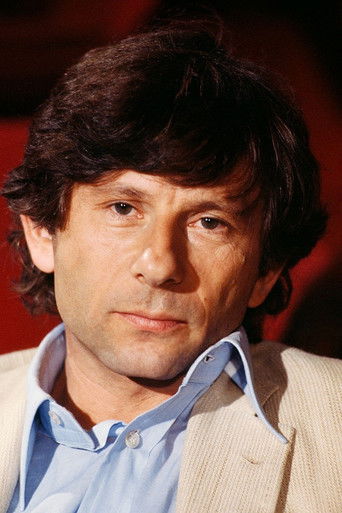
To watch a piece of cinema by Roman Polanski is to step into a room where the walls are slowly, imperceptibly closing in. His filmography serves as a masterclass in the architecture of paranoia, a career-long exploration of how physical spaces reflect the internal fractures of the human mind. Whether he is dissecting the slow-motion psychic collapse of a young woman in the sterile London apartment of Repulsion or trapping a trio of bickering adults in a claustrophobic flat in Carnage, he possesses an uncanny ability to turn domesticity into a cage. He does not just frame a scene; he weaponizes the edges of the screen to make the viewer feel as trapped as his protagonists.
This fixation on the "Apartment Trilogy," which reached its surrealist peak with the hallucinatory dread of The Tenant, established a visual language of isolation that persists even when he moves outdoors. In the sun-bleached, corruption-soaked streets of Chinatown, the wide vistas of Los Angeles offer no more freedom than a locked cellar. The film remains arguably the greatest noir ever produced because it understands that the darkest shadows exist in broad daylight. Deeply cynical yet meticulously crafted, his work suggests that the world is a rigged game where the individual is inevitably crushed by systems of power, a theme he revisited with sharp, modern precision in the political clockwork of The Ghost Writer.
Texture and precision define his aesthetic. There is a tactile, almost obsessive quality to the way he captures objects and environments, a trait that lent the bleak survivalist narrative of The Pianist its devastating weight. By stripping away melodrama and focusing on the cold, physical reality of war, he created a portrait of resilience that feels earned rather than sentimental. This same attention to period detail elevates Tess into something far more visceral than a typical costume drama, turning the 19th-century landscape into a beautiful, indifferent witness to tragedy.
Even when he indulges in the theatrical or the perverse, he maintains a rigorous control over tone. Films like Venus in Fur and Bitter Moon find him playing with the power dynamics of sexuality, turning the screen into a stage for psychological combat. He excels at the slow burn, the gradual realization that something is fundamentally wrong, a skill he perfected early on with the satanic domesticity of Rosemary's Baby. He understands that true horror does not come from monsters, but from the realization that your neighbors, your spouse, or your own mind cannot be trusted.
From the minimalist tension of his debut Knife in the Water to the jagged, blood-soaked imagery of his take on Macbeth, his legacy is one of technical perfectionism and a refusal to look away from the darkness. He treats the camera as an interrogator, pushing characters into corners until they break. Even in a more traditional adaptation like Oliver Twist, his eye for the grotesque remains sharp. Ultimately, his work serves as a chilling reminder that safety is an illusion and that the most terrifying places on earth are the ones we call home.
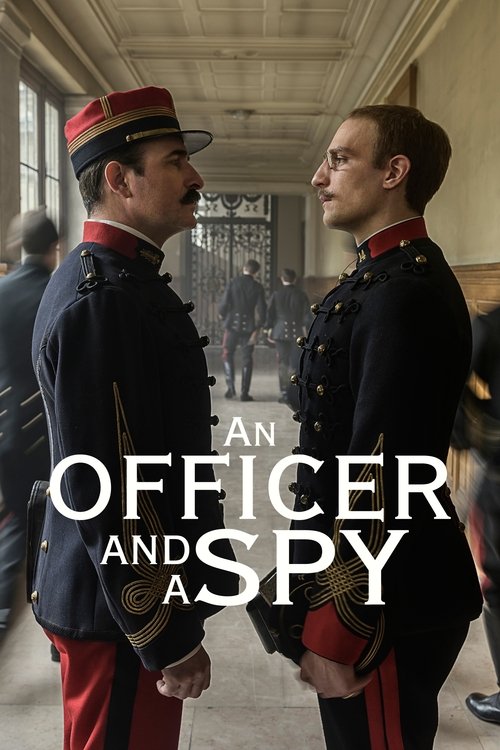
An Officer and a Spy
2019In 1894, French Captain Alfred Dreyfus is wrongfully convicted of treason and sentenced to life imprisonment at the Devil’s Island penal colony.
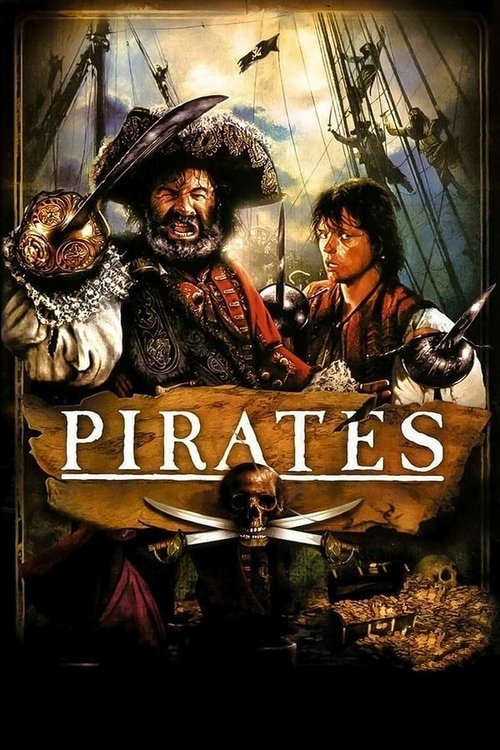
Pirates
1986The adventures of pirate Captain Red and his first mate Frog.
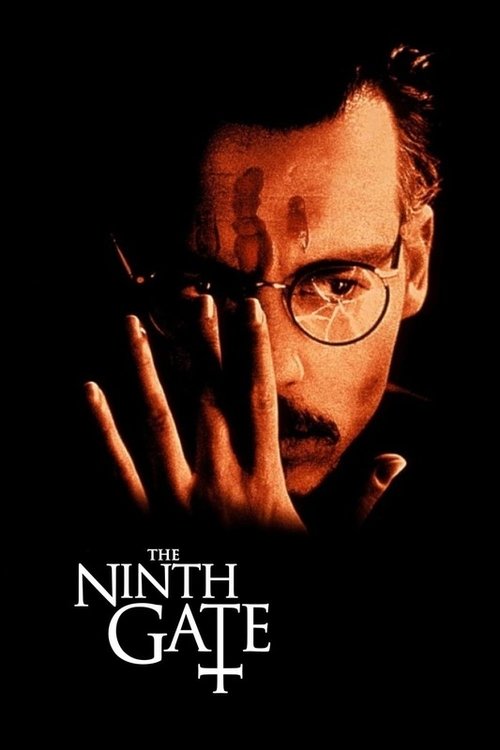
The Ninth Gate
1999A rare book dealer finds himself at the heart of a string of paranormal events when he is hired to find the last two copies of a text, The Nine Gates of the Kingdom of Shadows, capable of summoning the Devil.
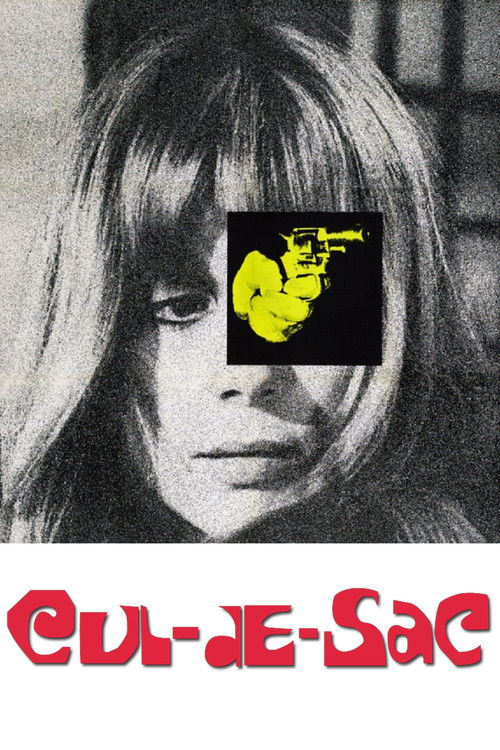
Cul-de-sac
1966On the run and in search of help, two wounded gangsters find refuge in the secluded castle of a feeble man and his wife; however, under the point of a gun, nothing is what it seems.
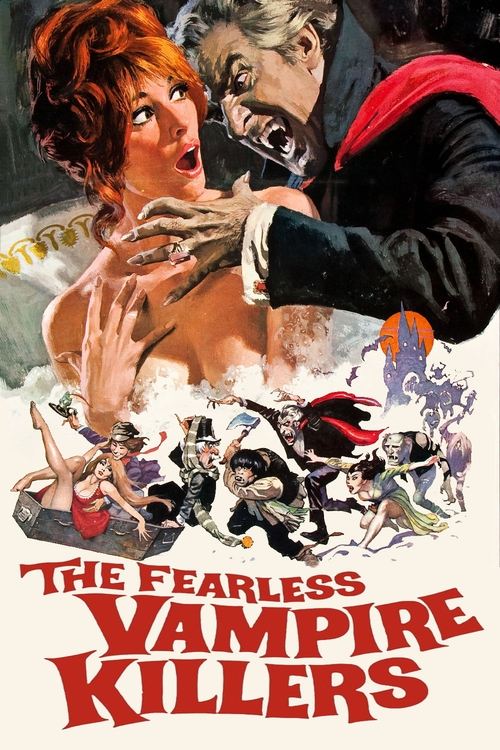
The Fearless Vampire Killers
1967A noted professor and his dim-witted apprentice fall prey to their inquiring vampires, while on the trail of the ominous damsel in distress.
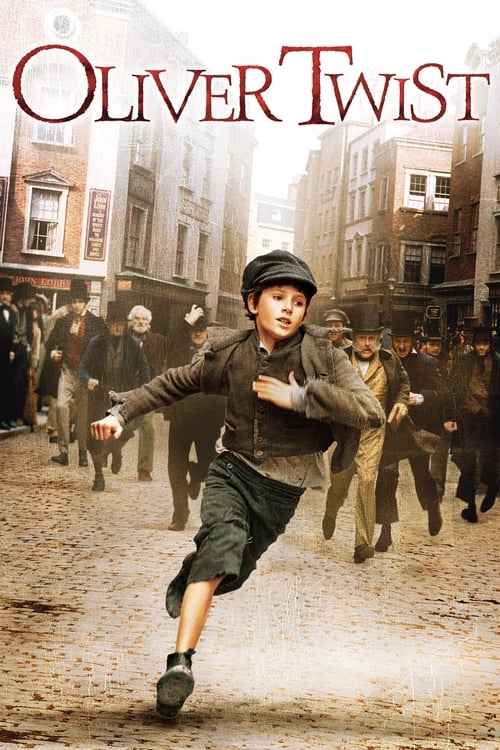
Oliver Twist
2005When 9-year-old orphan Oliver Twist dares to ask his cruel taskmaster, Mr. Bumble, for a second serving of gruel, he's hired out as an apprentice. Escaping that dismal fate, young Oliver falls in with the street urchin known as the Artful Dodger and his criminal mentor, Fagin. When kindly Mr. Brownlow takes Oliver in, Fagin's evil henchman Bill Sikes plots to kidnap the boy.
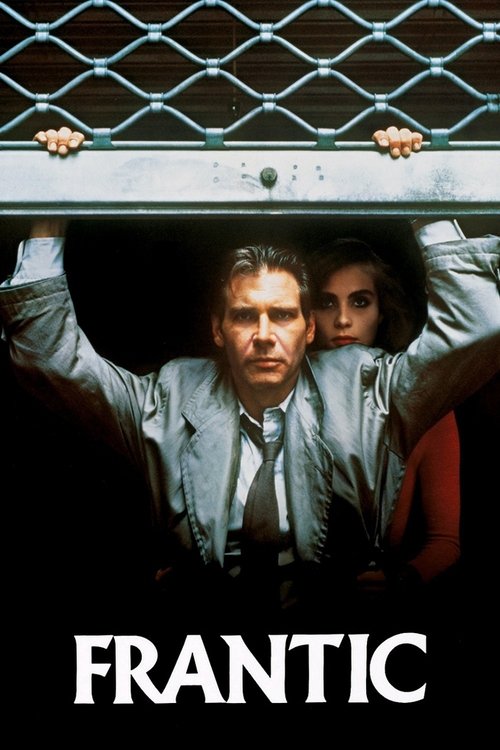
Frantic
1988The wife of an American doctor suddenly vanishes in Paris. To find her, he navigates a puzzling web of language, locale, laissez-faire cops, triplicate-form filling bureaucrats and a defiant, mysterious waif who knows more than she tells.
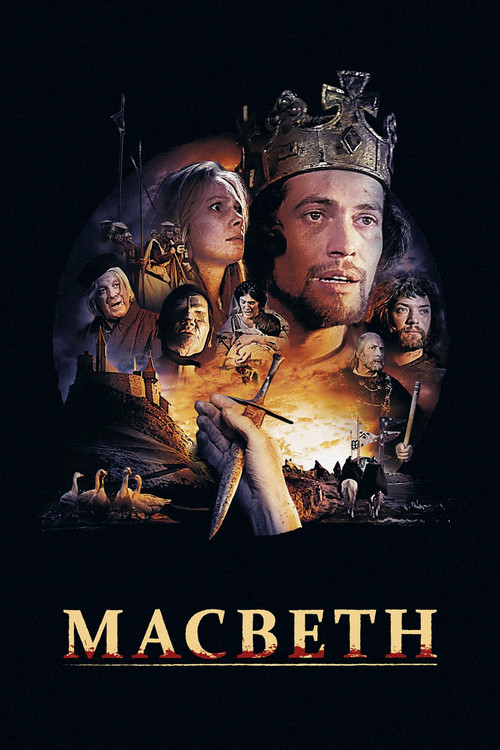
Macbeth
1971Scotland, 11th century. Driven by the twisted prophecy of three witches and the ruthless ambition of his wife, warlord Macbeth, bold and brave, but also weak and hesitant, betrays his good king and his brothers in arms and sinks into the bloody mud of a path with no return, sown with crime and suspicion.
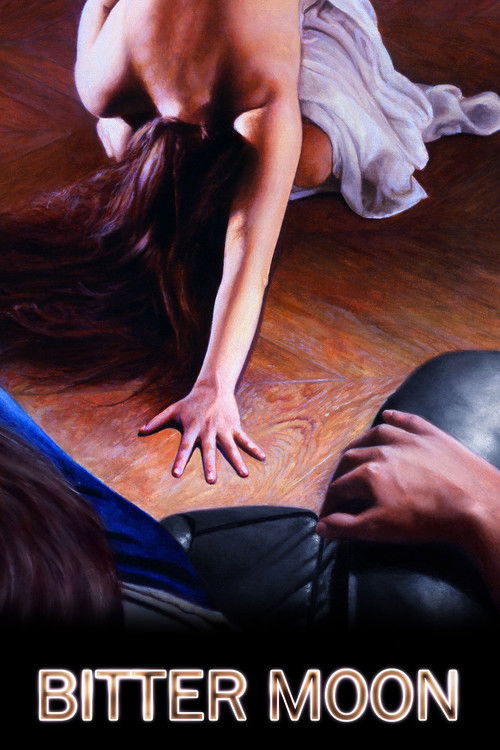
Bitter Moon
1992A passenger on a cruise ship develops an irresistible infatuation with an eccentric paraplegic's wife.
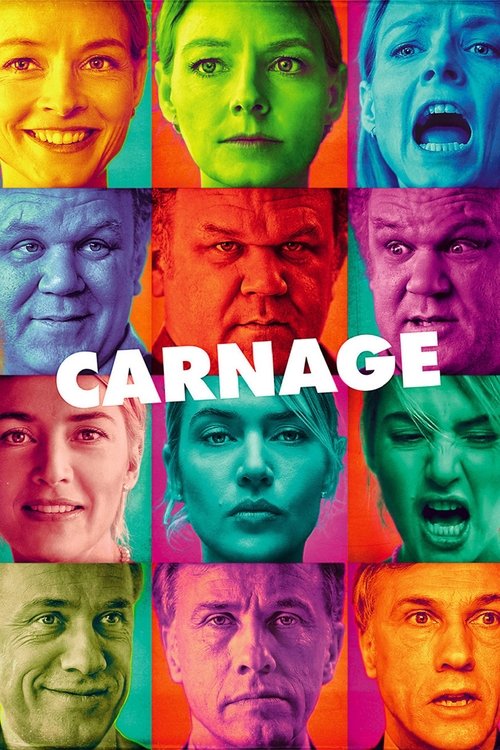
Carnage
2011Two pairs of parents hold a cordial meeting after their sons are involved in a fight, though as their time together progresses, increasingly childish behavior throws the discussion into chaos.
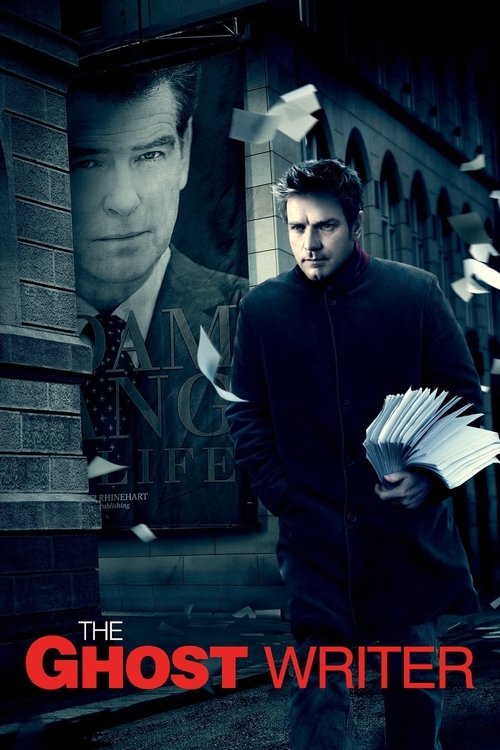
The Ghost Writer
2010A writer stumbles upon a long-hidden secret when he agrees to help former British Prime Minister Adam Lang complete his memoirs on a remote island after the politician's assistant drowns in a mysterious accident.
Exercising a cool, Hitchcockian formal control, this political procedural finds menace in the sterile glass and rainy vistas of a winter beach house. It is a lean demonstration of craft that proves the director's ability to turn a slow-burn conspiracy into an existential trap.
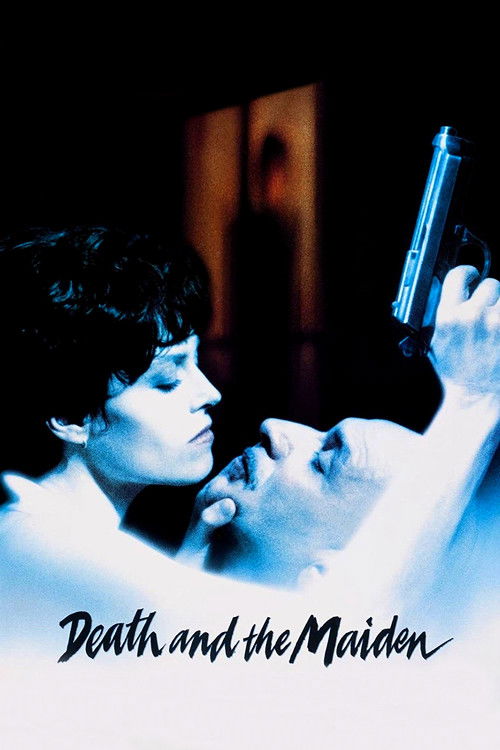
Death and the Maiden
1994A political activist is convinced that her guest is a man who once tortured her for the government.
A taut, legalistic thriller that thrives on the ambiguity of memory and the scars of political trauma. Polanski turns a single location into a courtroom where the shadows are as thick as the moral uncertainty, forcing the viewer to adjudicate a ghost story of historical violence.
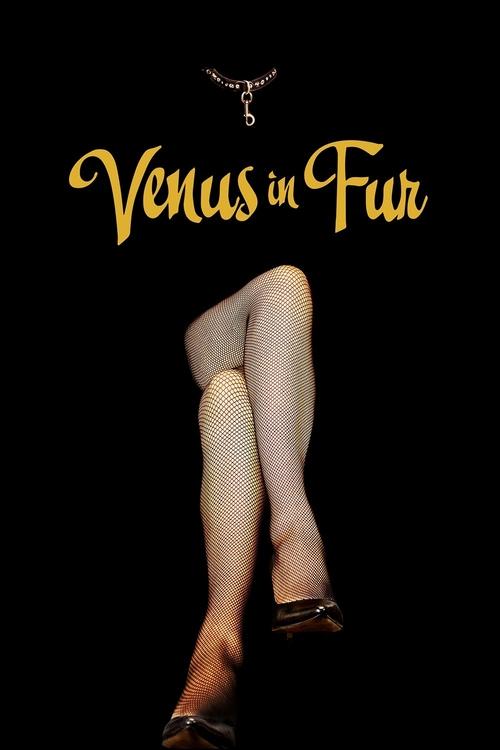
Venus in Fur
2013An enigmatic actress may have a hidden agenda when she auditions for a part in a misogynistic writer's play.
This chamber piece is a meta-theatrical power play that blurs the lines between director, actor, and character with razor-sharp wit. It serves as a caustic late-career self-examination, proving that Polanski can still generate immense heat through dialogue and spatial manipulation alone.
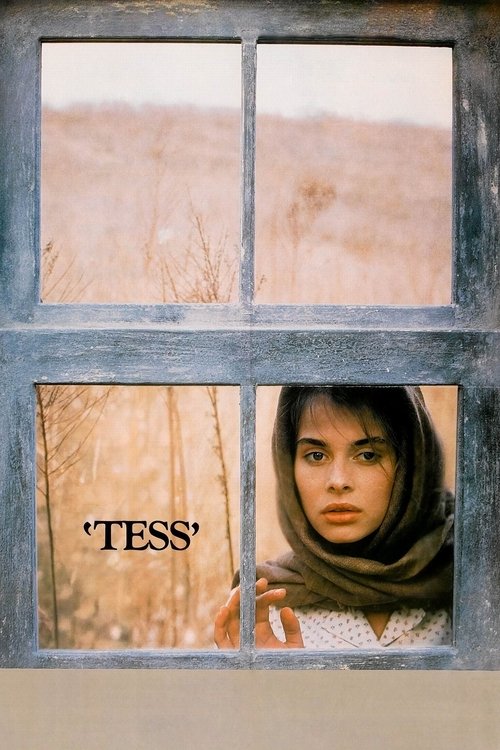
Tess
1979A strong-willed peasant girl is sent by her father to the estate of some local aristocrats to capitalize on a rumor that their families are from the same line, but is left traumatised from her experiences.
Moving away from his cynical claustrophobia, Polanski utilizes sweeping landscapes to capture a painterly, mournful vision of Victorian fatalism. The film remains his most visually ravishing achievement, utilizing natural light to frame a tragic collision between ancient customs and industrial progress.
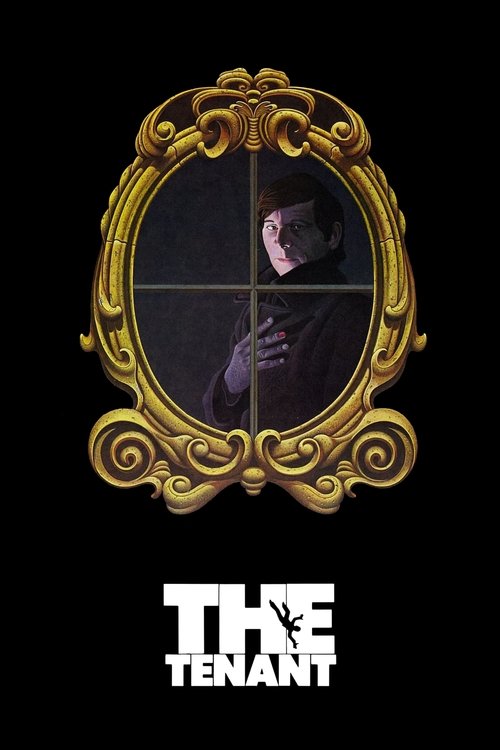
The Tenant
1976A quiet and inconspicuous man rents an apartment in Paris where he finds himself drawn into a rabbit hole of dangerous paranoia.
Rounding out the Apartment Trilogy, this film pushes surrealism into the realm of the grotesque to explore the dissolution of identity. It is a bleak, Kafkaesque meditation on how environments can consume the individual through a slow drip of social hostility.
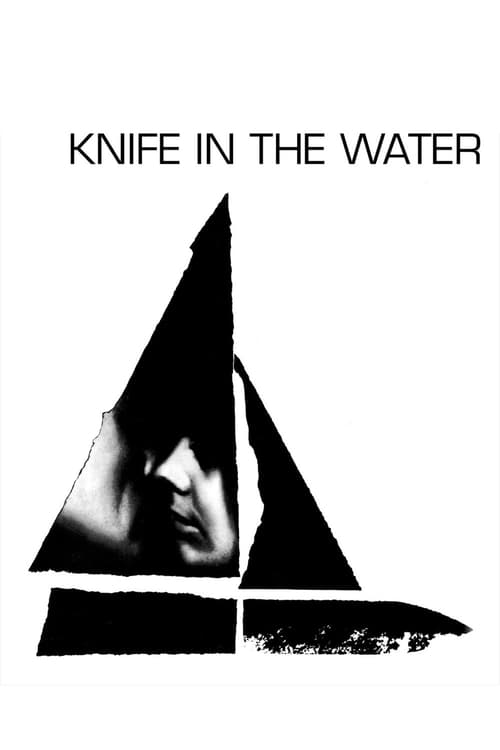
Knife in the Water
1962On their way to an afternoon on the lake, husband and wife Andrzej and Krystyna nearly run over a young hitchhiker. Inviting the young man onto the boat with them, Andrzej begins to subtly torment him; the hitchhiker responds by making overtures toward Krystyna. When the hitchhiker is accidentally knocked overboard, the husband's panic results in unexpected consequences.
A miraculous debut that weaponizes three characters and a single boat to create a microcosm of class tension and generational friction. Its surgical precision and economy of scale announced a director who could command immense psychological pressure within the smallest possible frame.
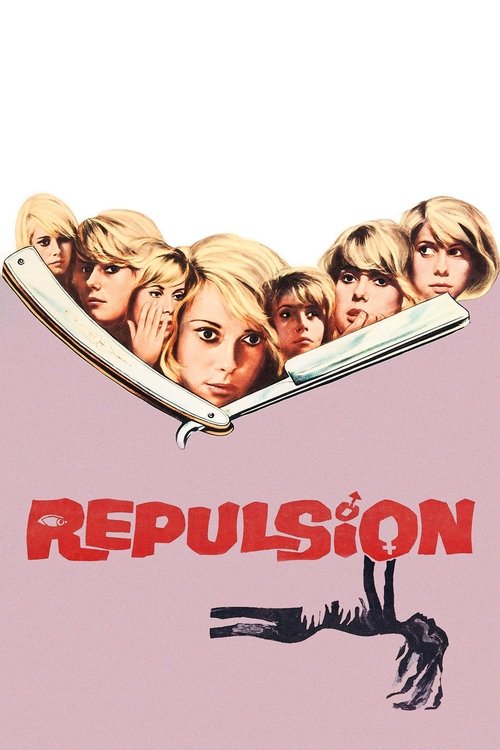
Repulsion
1965Beautiful young manicurist Carole suffers from androphobia (the pathological fear of interaction with men). When her sister and roommate, Helen, leaves their London flat to go on an Italian holiday with her married boyfriend, Carole withdraws into her apartment. She begins to experience frightful hallucinations, her fear gradually mutating into madness.
This jarring descent into sensory disintegration remains a masterclass in subjective filmmaking and claustrophobic sound design. By filming mental decay as a literal physical manifestation, Polanski created a blueprint for the psychological thriller that few have ever equaled.
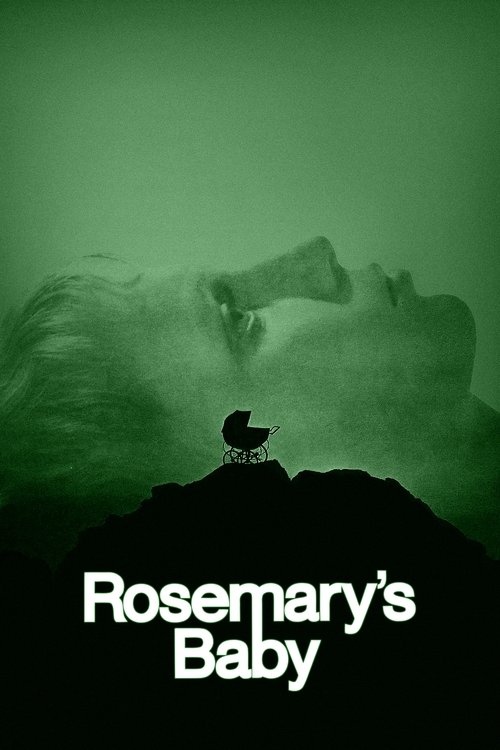
Rosemary's Baby
1968A young couple, Rosemary and Guy, moves into an infamous New York apartment building, known by frightening legends and mysterious events, with the purpose of starting a family.
The ultimate exercise in urban paranoia, this work masterfully weaponizes the domestic sphere by turning pregnancy into an inescapable gothic nightmare. Polanski proves that psychological terror is most effective when it occupies the bright, mundane corners of a modern apartment.
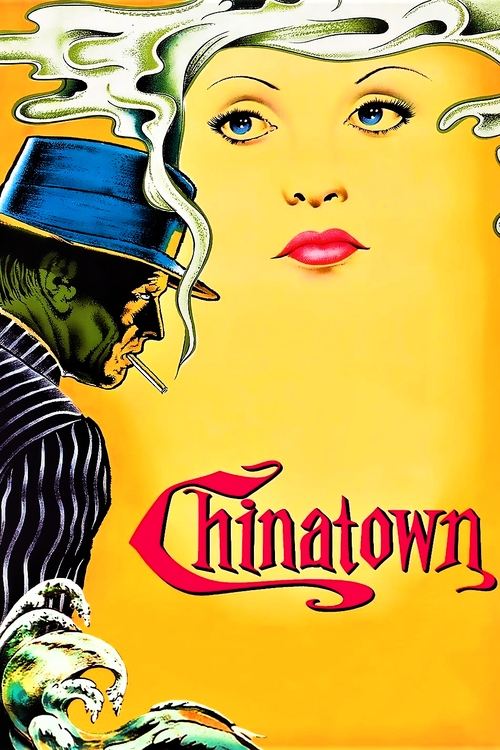
Chinatown
1974Private eye Jake Gittes lives off of the murky moral climate of sunbaked, pre-World War II Southern California. Hired by a beautiful socialite to investigate her husband's extra-marital affair, Gittes is swept into a maelstrom of double dealings and deadly deceits, uncovering a web of personal and political scandals that come crashing together.
Redefining the mechanics of neo-noir, this film weaponizes atmosphere and architectural malaise to expose the rot beneath the California sun. It stands as a cynical peak in 1970s filmmaking, where every camera movement feels like the closing of a trap.

The Pianist
2002The true story of pianist Władysław Szpilman's experiences in Warsaw during the Nazi occupation. When the Jews of the city find themselves forced into a ghetto, Szpilman finds work playing in a café; and when his family is deported in 1942, he stays behind, works for a while as a laborer, and eventually goes into hiding in the ruins of the war-torn city.
A harrowing synthesis of personal history and cinematic precision, this masterpiece strips away melodrama to find a sterile, terrifying truth in survival. Polanski directs with a haunting detachment that elevates the film from a mere historical document to a visceral exploration of human endurance amidst total systemic collapse.
Frequently Asked Questions
Everything you need to know about this list and SnakeDrafts
- Roman Polanski's films often explore themes of paranoia, psychological tension, and claustrophobia. His characters frequently face intense psychological pressures within confined spaces, as seen in 'Repulsion' and 'The Tenant', enhancing the sense of internal and external conflict.
- 'The Pianist' stands out as a deeply moving historical drama depicting the harrowing experience of a Jewish pianist during World War II. Its blend of personal tragedy and historical context showcases Polanski's ability to handle weighty subjects with emotional depth and authenticity.
- 'Chinatown' is widely regarded as a masterclass in neo-noir, blending crime, mystery, and complex character dynamics. Its intricate plot and atmospheric tension exemplify Polanski's skill in crafting suspenseful narratives with moral ambiguity.
- Polanski's horror films like 'Rosemary's Baby' and 'Repulsion' emphasize psychological terror over gore, using atmosphere and character isolation to build dread. His subtle and unsettling style redefined horror by focusing on the protagonist’s mental unraveling.
- 'Knife in the Water' is notable as Roman Polanski's first major feature film and a minimalist thriller that effectively uses a confined setting—a sailboat—to explore human tension and rivalry. Its taut narrative marked the beginning of Polanski's exploration of psychological claustrophobia.
- This list demonstrates Polanski's versatility, spanning psychological thrillers ('The Tenant'), historical dramas ('Tess'), crime mysteries ('Frantic'), and even dark comedy ('Carnage'). His adaptability to different genres underscores his broad directorial skill and innovative storytelling.
- In Polanski's films, settings often function as psychological traps, reflecting the characters' mental states and heightening tension. For example, the oppressive apartment in 'Repulsion' and the isolated boat in 'Knife in the Water' serve as crucial narrative devices that intensify the story's claustrophobic atmosphere.
- Roman Polanski skillfully adapts literary sources such as Thomas Hardy's 'Tess' and Charles Dickens' 'Oliver Twist,' preserving their thematic depth while infusing his signature psychological intensity. These adaptations highlight his ability to translate complex narratives into compelling cinematic experiences.