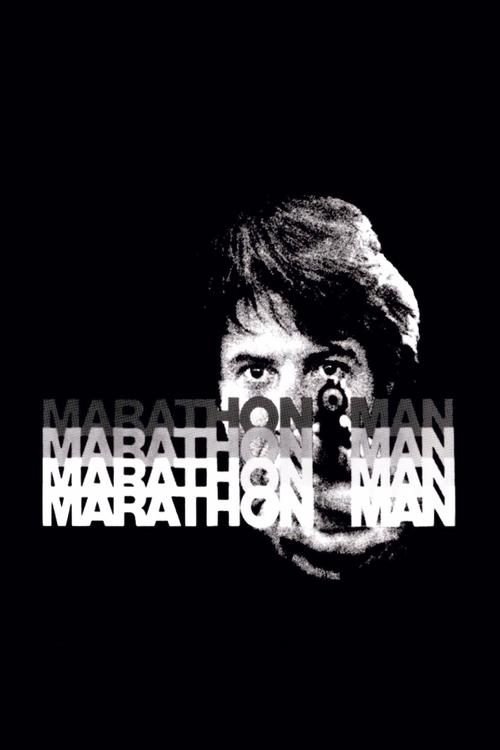
Marathon Man
"Marathon Man" (1976) is a gripping thriller that masterfully blends suspense, crime, and drama to deliver an unforgettable cinematic experience. Featuring powerhouse performances and an intense storyline, this film explores themes of danger, trust, and survival in a high-stakes conspiracy. Its atmospheric tension and psychological depth make it a standout classic in thriller cinema.
Director
John Schlesinger
Release Year
1976
Runtime
125 minutes
Main Cast
Dustin Hoffman, Laurence Olivier, Roy Scheider, William Devane, Marthe Keller
About Marathon Man
"Marathon Man" has left a lasting mark on the thriller genre, notable for its intense pacing and iconic scenes that have influenced countless films since its release. The cultural impact of the film is significant, particularly due to its portrayal of paranoia and the brutality of espionage during the Cold War era. The film’s depiction of the vulnerability of an everyman caught in extraordinary circumstances resonates deeply with audiences seeking suspense and human drama.
The plot of "Marathon Man" centers on Thomas Babington "Babe" Levy, a graduate student and dedicated long-distance runner in New York City, whose life turns precarious after his brother's involvement in a covert operation draws him into a dangerous web of international intrigue and betrayal. With no clear allies, Babe must navigate a perilous path to uncover the truth and survive. The film balances action with psychological tension, offering viewers a complex look at trust and deception.
Critically, "Marathon Man" received praise for its taut direction by John Schlesinger and powerful performances, especially Dustin Hoffman’s portrayal of the determined yet vulnerable protagonist. Laurence Olivier’s chilling depiction of the villain added a memorable intensity. The film has maintained its reputation over the decades for its masterful storytelling and fearful suspense.
Award recognition for "Marathon Man" includes several nominations, highlighting its technical achievements and acting prowess. Its legacy also includes its famous torture scene, which has been extensively analyzed and remains a benchmark in thriller filmmaking. The film’s influence extends into modern thrillers, reflecting its success in merging character-driven drama with edge-of-the-seat tension.
Drafts Featuring Marathon Man
Every SnakeDrafts listicle where this movie appears
The Best Dustin Hoffman Movies
Ranked #11
The Complete Ranking of Laurence Olivier Movies
Ranked #6
Best 1976 Movies Ranked
Ranked #6
The Best Movies of the 1970s Ranked
Ranked #79
The Best Thriller Movies of All Time, Ranked
Ranked #57
The Best Crime Movies of 1976, Ranked
Ranked #7
Best Thriller Movies of 1976
Ranked #1
The Greatest 1970s Crime Movies Ranked
Ranked #36
Top 1970s Thriller Movies Ranked
Ranked #7
Similar Movies
Movies related to Marathon Man
The Parallax View
1974
Three Days of the Condor
1975
Klute
1971
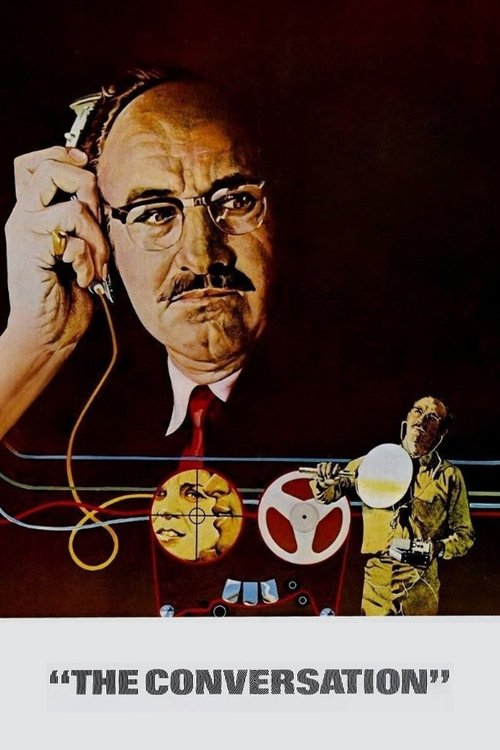
The Conversation
1974
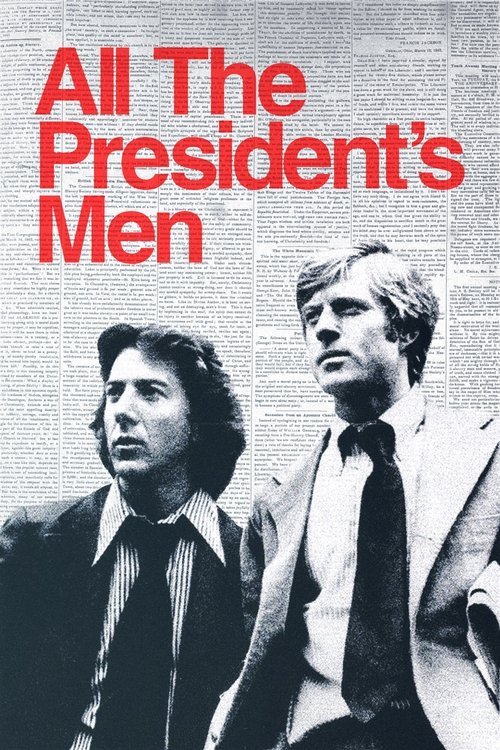
All the President's Men
1976
Frequently Asked Questions
Everything you need to know about Marathon Man
- Babe's passion for running symbolizes endurance and resilience, mirroring his struggle to survive amid the dangers he faces. It also serves as a metaphor for his psychological and physical journey throughout the film.
- Laurence Olivier’s character is memorable for his cold, methodical cruelty and menacing calmness, creating a chilling antagonist whose iconic torture scene has become a defining moment in thriller cinema.
- The film embodies Cold War anxieties through its plot involving secretive government divisions and espionage, using suspense to highlight the era’s pervasive distrust and fear of hidden enemies.
- Beyond suspense, the film explores themes of trust, betrayal, the loss of innocence, and the impact of past traumas on present actions, deepening its dramatic and psychological layers.
- Yes, the title symbolizes the protagonist's long, grueling ordeal and his perseverance, analogous to running a marathon where endurance and mental strength are crucial to reaching the finish line.
- The film presents violence and torture in a stark and realistic manner to enhance the sense of danger and raise the stakes, making these scenes highly impactful and unforgettable.
- Babe’s brother’s involvement in a secret division drives the plot, serving as the catalyst for the protagonist’s confrontation with dangerous conspiracies and characters.
- Yes, the line "Is it safe?" spoken during the torture scene has become iconic, often referenced in discussions about film suspense and psychological terror.

