The Greatest Thriller Movies of 1974
Classic Suspense and Intense Mystery Masterpieces
Explore the best suspenseful cinema from a landmark year. Discover top-rated detective noirs, political conspiracies, and high-stakes disaster thrillers.
About 1974 Thriller Movies
In the long, shadows-drenched history of American cinema, 1974 stands as the peak of the paranoid thriller. If you want to understand the psyche of a decade defined by institutional collapse and the shattering of the post-war dream, you only need to look at the marquees of fifty years ago. This was the year that the genre moved away from simple police procedurals and into the dark, labyrinthine corridors of the mind and the state.
At the center of this cultural storm was Francis Ford Coppola, a man who somehow managed to release two masterpieces in a single calendar year. While The Godfather Part II took the headlines, it was The Conversation that captured the terrifying intimacy of the electronic age. Gene Hackman delivered a career-best performance as Harry Caul, a surveillance expert who becomes a victim of his own professional coldness. The film is a masterclass in sonic tension, using the technology of eavesdropping to build a world where privacy is an illusion and every recording is a potential death sentence. It remains the definitive statement on the lonely, neurotic heart of the surveillance state.
While Coppola was exploring the ears, Roman Polanski was reinventing the eyes of the thriller with Chinatown. Though often categorized as neo-noir, it functions as a relentless political thriller about the rot beneath the surface of the American West. Jack Nicholson’s Jake Gittes starts by chasing a cheating husband and ends up uncovering a conspiracy that dwarfs his understanding of morality. The film suggested that the villains were no longer hiding in dark alleys, but were instead sitting in bright boardrooms, literally controlling the flow of life-giving water. It was a bleak, sophisticated shift for the genre, proving that the bad guys do not just win, they write the history books.
The year also gave us Alan J. Pakula’s The Parallax View, perhaps the most cynical and visually daring film of the era. Warren Beatty plays a journalist investigating a shadowy organization that recruits political assassins. The movie is famous for its terrifying lack of a traditional resolution. It treats the individual as a tiny, insignificant dot against the massive, geometric architecture of corporate power. Along with films like The Taking of Pelham One Two Three, which brought a gritty, high-stakes kinetic energy to the New York subway system, the thrillers of 1974 felt like reports from a front line that was moving closer to home every day.
Looking back, the landscape of 1974 was one of exquisite dread. These films were not just entertainment; they were exercises in national catharsis. They reflected a public that had been lied to by its leaders and was beginning to suspect that the systems designed to protect them were actually designed to consume them. The thriller in 1974 became the most honest genre in Hollywood because it was the only one brave enough to admit that we were all being watched, and nobody was coming to save us. It was a golden age of looking over your shoulder.
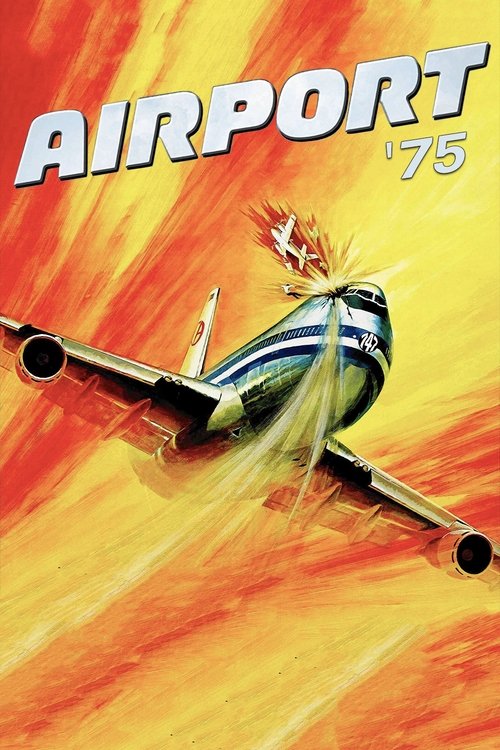
Airport 1975
1974When an in-flight collision incapacitates the pilots of an airplane bound for Los Angeles, stewardess Nancy Pryor is forced to take over the controls. From the ground, her boyfriend Alan Murdock, a retired test pilot, tries to talk her through piloting and landing the 747 aircraft. Worse yet, the anxious passengers — among which are a noisy nun and a cranky man — are aggravating the already tense atmosphere.
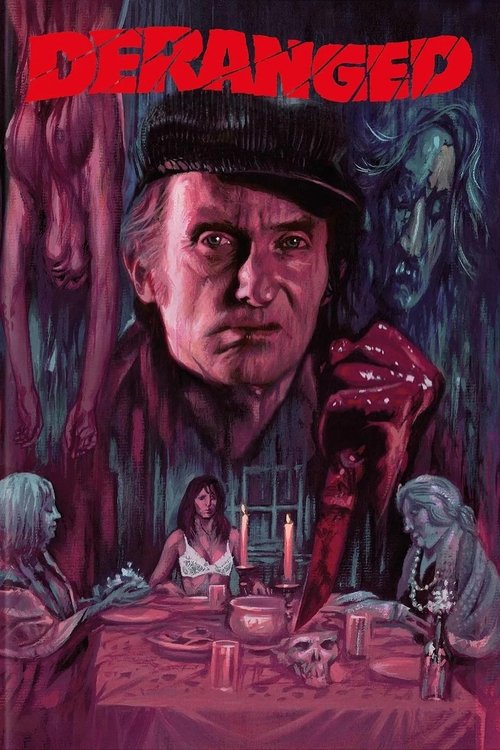
Deranged
1974A man living in rural Wisconsin takes care of his bed-ridden mother, who is very domineering and teaches him that all women are evil. After she dies, he misses her, and a year later digs her up and takes her home. He learns about taxidermy and begins robbing graves to get materials to patch her up, and inevitably begins looking for fresher sources of materials. Based loosely on the true story of Ed Gein.
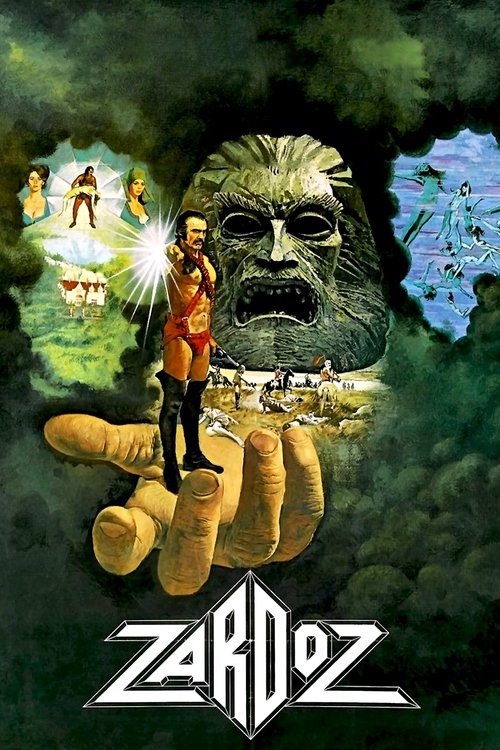
Zardoz
1974In the far future, a savage trained only to kill finds a way into the community of bored immortals that alone preserves humanity's achievements.
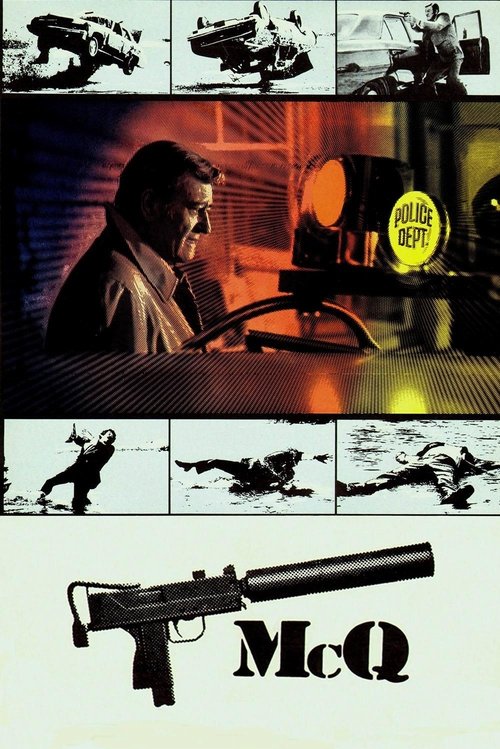
McQ
1974Police Lieutenant Lon McQ investigates the killing of his best friend and uncovers corrupt elements of the police department dealing in confiscated drugs.
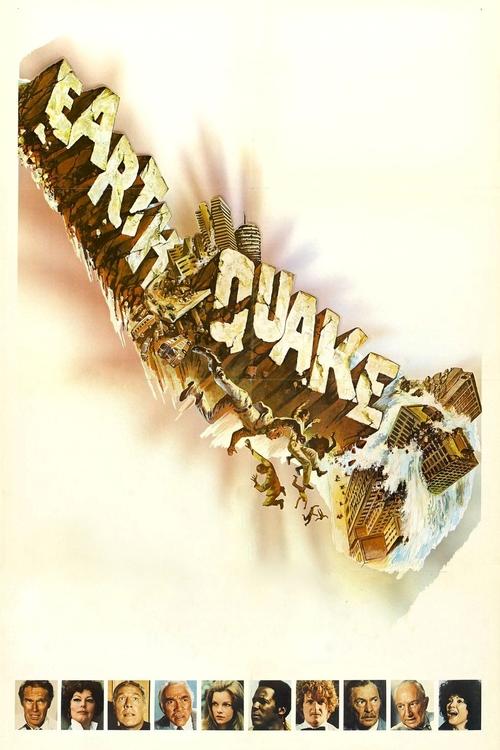
Earthquake
1974Various interconnected people struggle to survive when an earthquake of unimaginable magnitude hits Los Angeles, California.
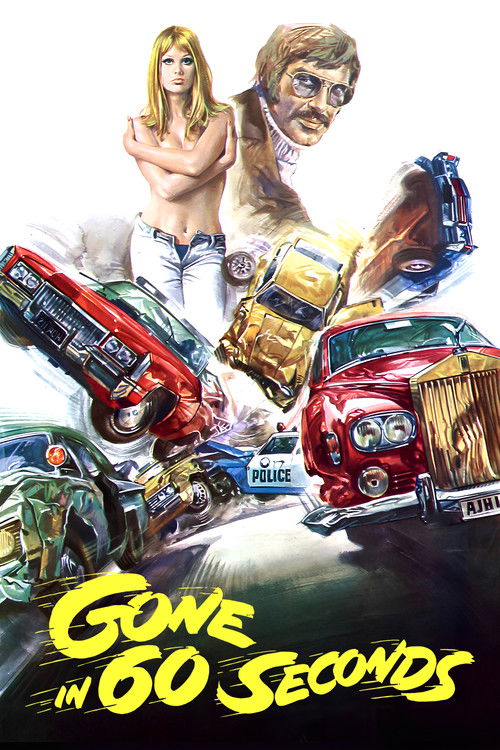
Insurance investigator Maindrian Pace and his team lead double-lives as unstoppable car thieves. When a South American drug lord pays Pace to steal 48 cars for him, all but one, a 1973 Ford Mustang, are in the bag. As Pace prepares to rip-off the fastback, codenamed "Eleanor", in Long Beach, he is unaware that his boss has tipped off the police after a business dispute.
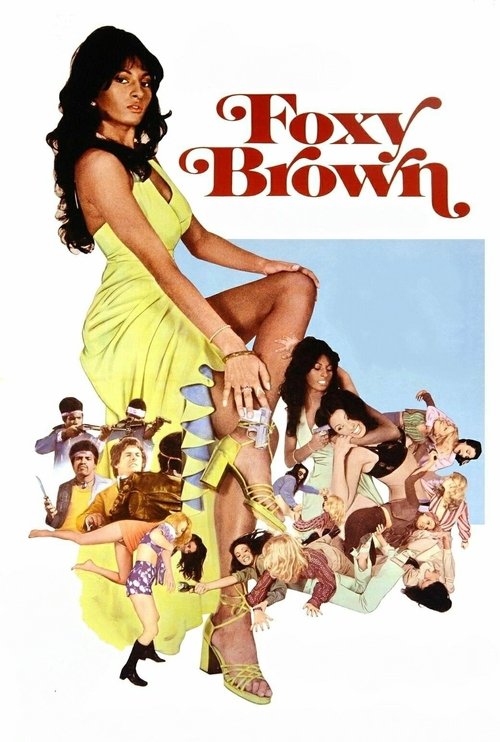
Foxy Brown
1974A voluptuous black woman takes a job as a high-class prostitute in order to get revenge on the mobsters who murdered her boyfriend.
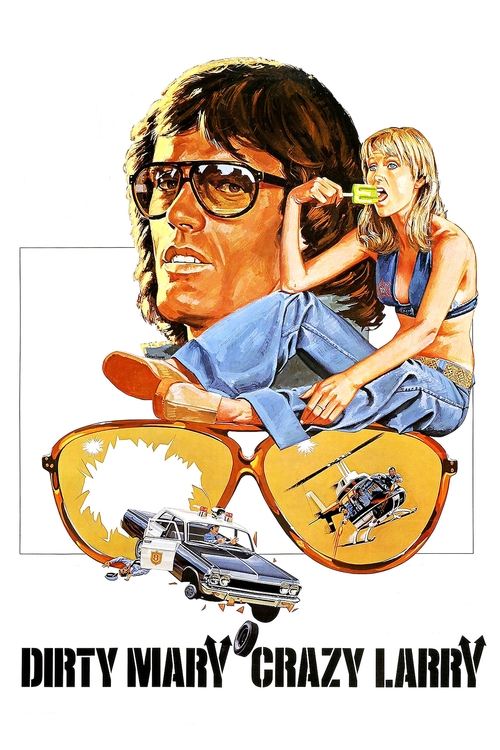
Dirty Mary Crazy Larry
1974Down-on-their-luck racers Larry and Deke steal from a supermarket manager to buy a car that will help them advance their racing chances. Their escape does not go as planned when Larry's one-night stand, Mary, tags along for the ride.
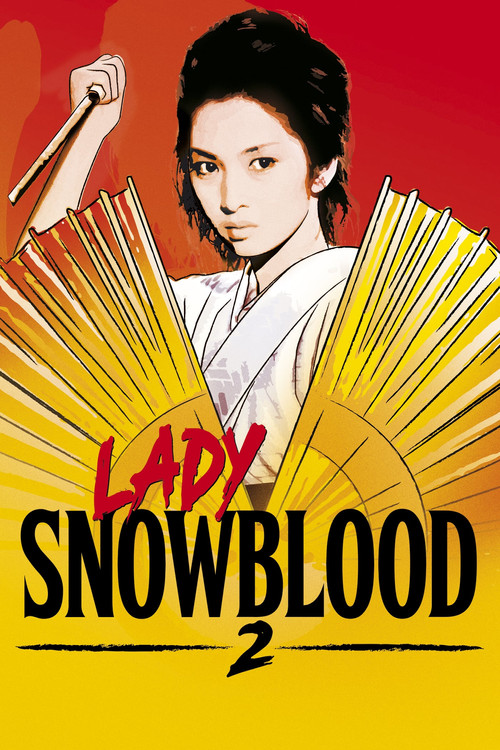
Lady Snowblood 2: Love Song of Vengeance
1974Lady Snowblood is caught by the police and sentenced to death for her crimes. As she is sent to the gallows she is rescued by the secret police who offer her a deal to assassinate some revolutionaries.
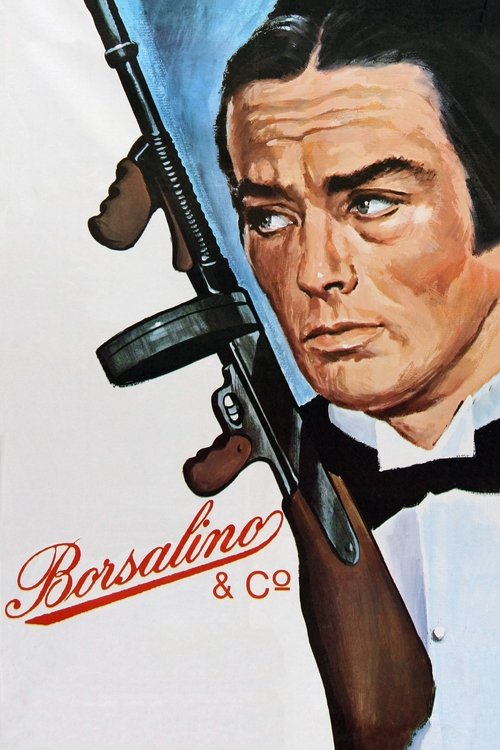
Borsalino and Co.
1974Marseille. Heaps of flowers and funeral wreaths... "A man who no longer defends his colors is no longer a man."
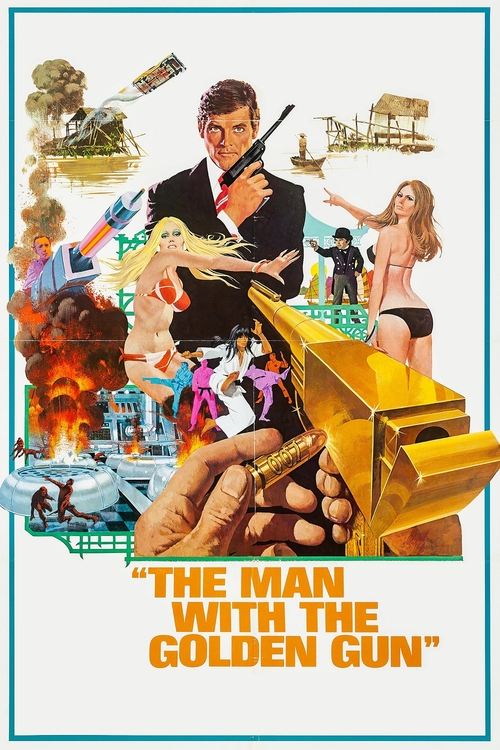
The Man with the Golden Gun
1974Cool government operative James Bond searches for a stolen invention that can turn the sun's heat into a destructive weapon. He soon crosses paths with the menacing Francisco Scaramanga, a hitman so skilled he has a seven-figure working fee. Bond then joins forces with the swimsuit-clad Mary Goodnight, and together they track Scaramanga to a Thai tropical isle hideout where the killer-for-hire lures the slick spy into a deadly maze for a final duel.
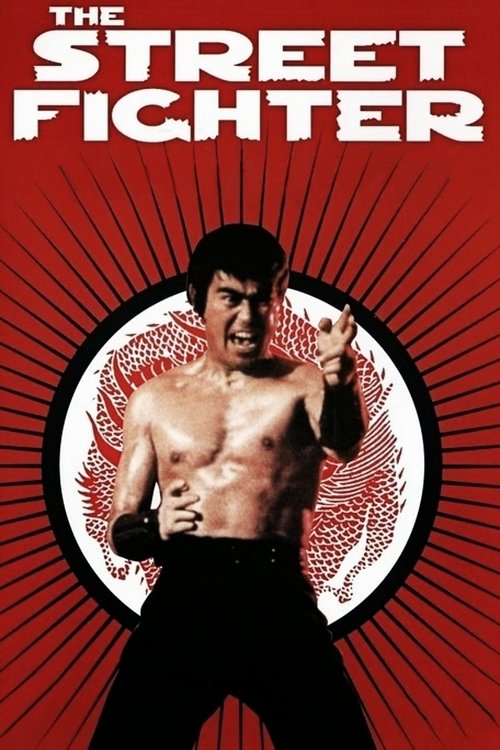
The Street Fighter
1974Takuma Tsurugi takes on the government, the police, the mafia and an international ring of kidnappers who aim to dispossess a beautiful young heiress of her millions.
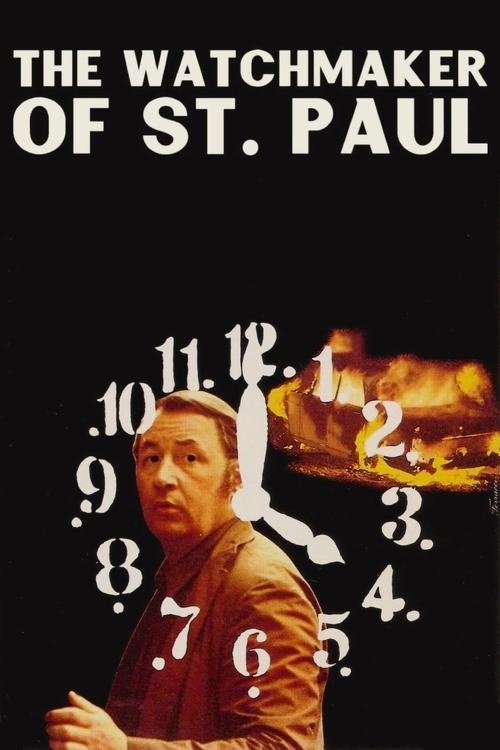
The Watchmaker of St. Paul
1974Lyons, France. Michel Descombes is a watchmaker who lives alone with his teenage son Bernard. When the police visit and informs him that Bernard killed a man and is on the run with a girl, Michel realizes that he knew far less about his son than he thought.
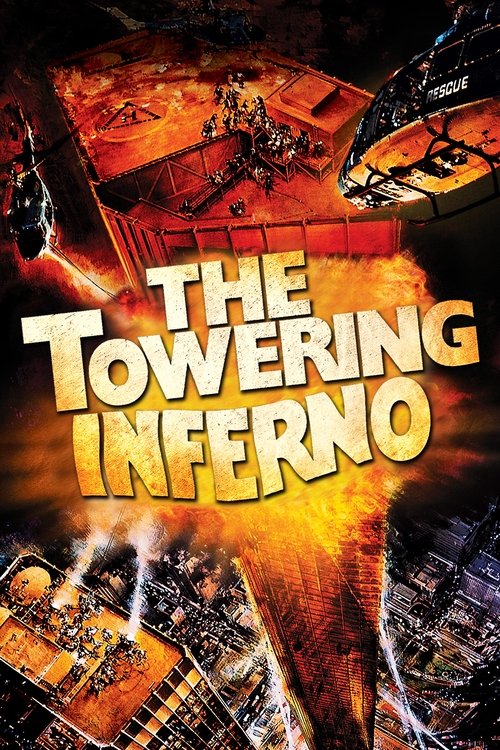
At the opening party of a colossal—but poorly constructed—skyscraper, a massive fire breaks out, threatening to destroy the tower and everyone in it.
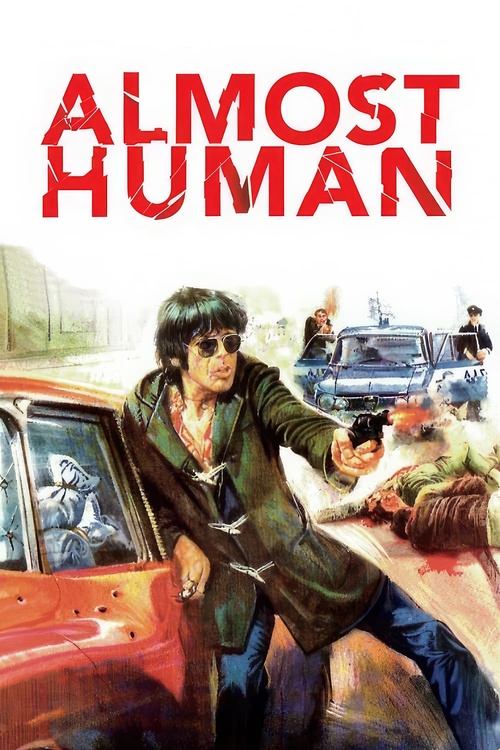
Almost Human
1974A psychotic small-time criminal realizes that the everyday robberies, rapes and murders he commits aren't profitable enough, so he figures to hit the big time by kidnapping the daughter of a rich man.
Total cinematic savagery, this poliziottesco entry stands out for its frighteningly visceral depiction of sociopathic chaos. It is a blunt instrument of a movie that captures the lawless, frantic pulse of mid-seventies Italian urban decay.
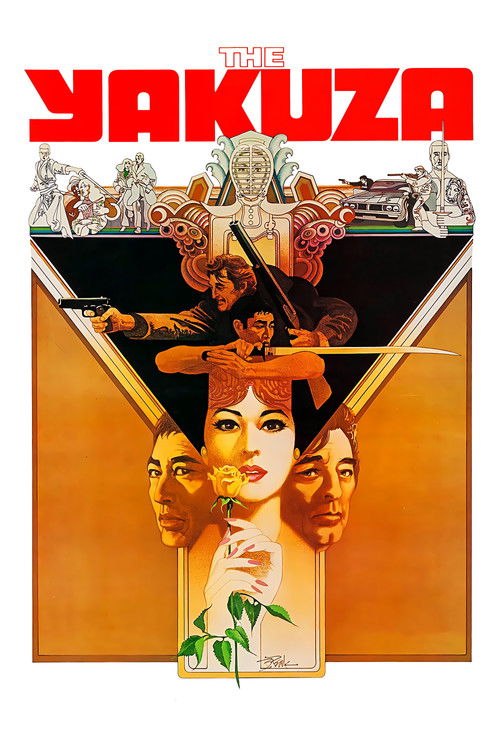
The Yakuza
1974When George Tanner does business with high-ranking Yakuza Tono, Tono kidnaps his daughter, and George summons his old friend, private eye Harry Kilmer, to Japan to investigate.
A soulful collision of Western noir and Eastern honor codes, this film find its tension in the collision of irreconcilable cultural philosophies. It is a contemplative yet explosive meditation on the heavy cost of old-world loyalties in a modernizing landscape.
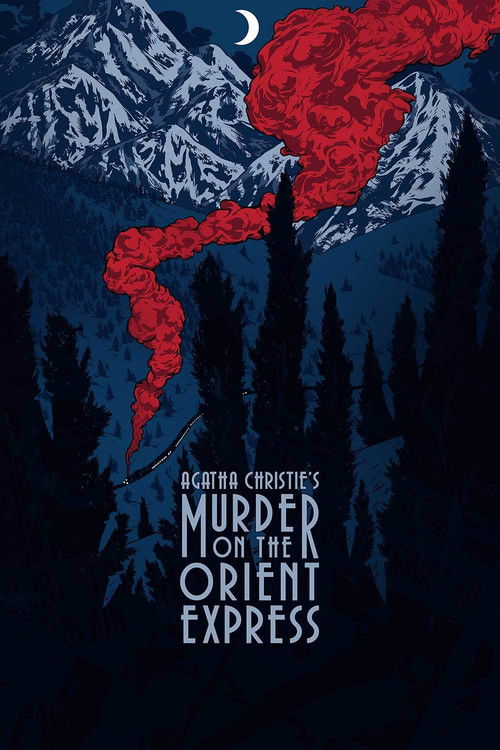
Murder on the Orient Express
1974In 1935, when his train is stopped by deep snow, detective Hercule Poirot is called on to solve a murder that occurred in his car the night before.
Sidney Lumet transforms a rigid drawing-room mystery into a lavish, rhythmic thriller through sheer directorial elegance and an ensemble of staggering caliber. The film pulses with a theatrical energy that makes every interrogation feel like a high-wire act.
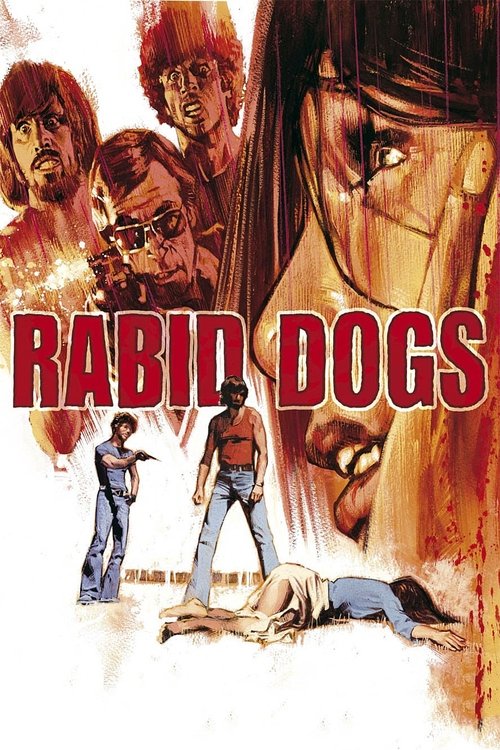
Rabid Dogs
1974Following a bungled robbery, three violent criminals take a young woman, a middle-aged man, and a child hostage and force them to drive them outside Rome to help them make a clean getaway.
Mario Bava pivots from gothic horror to a nihilistic, real-time pressure cooker that remains one of the most abrasive experiences in Italian crime cinema. The film’s suffocating intimacy and unrelenting cruelty challenge the viewer's endurance in the best way possible.
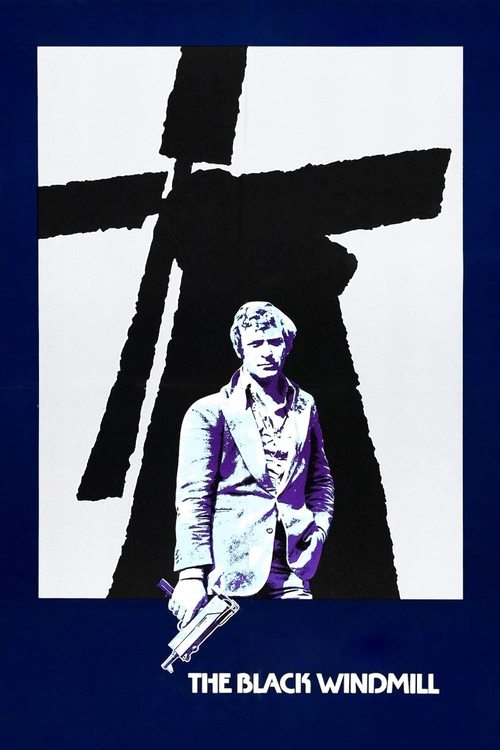
The Black Windmill
1974A British agent's son is kidnapped and held for a ransom of diamonds. The agent finds out that he can't even count on the people he thought were on his side to help him, so he decides to track down the kidnappers himself.
Don Siegel explores a father’s desperate improvisation against a bureaucratic intelligence apparatus that is as cold as the British landscape. It is a cynical, jagged piece of work that strips the spy genre of its glamour to reveal a core of raw desperation.
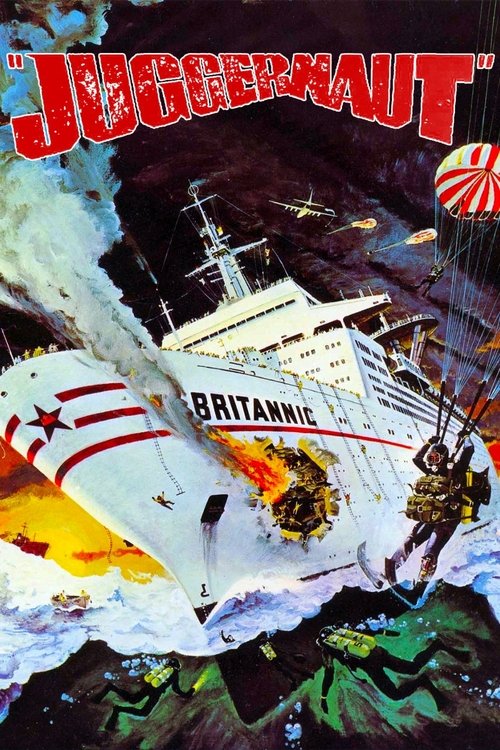
Juggernaut
1974A terrorist demands a huge ransom in exchange for information on how to disarm the seven bombs he has planted aboard a trans-Atlantic cruise ship. Inspired by real events.
This is a lean, sweat-soaked exercise in technical suspense that favors professional competence over melodrama. It elevates the disaster genre into a high-stakes chess match where the ticking clock serves as the primary antagonist.
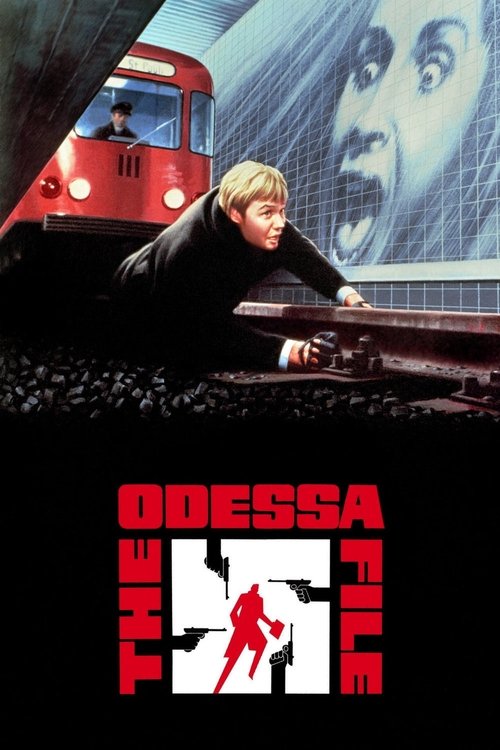
The Odessa File
1974Following the suicide of an elderly Jewish man, investigative journalist Peter Miller sets out to hunt down an SS Captain and former concentration camp commander. In doing so he discovers that, despite allegations of war crimes, the former commander has become a man of importance in industry in post-war Germany, protected from prosecution by a powerful organisation of former SS members called Odessa.
Ronald Neame maximizes the cold-sweat anxiety of post-war accountability through a hunt that feels disturbingly plausible and meticulously researched. The film’s strength lies in its procedural groundedness, eschewing spectacle for a slow-burn psychological pursuit.
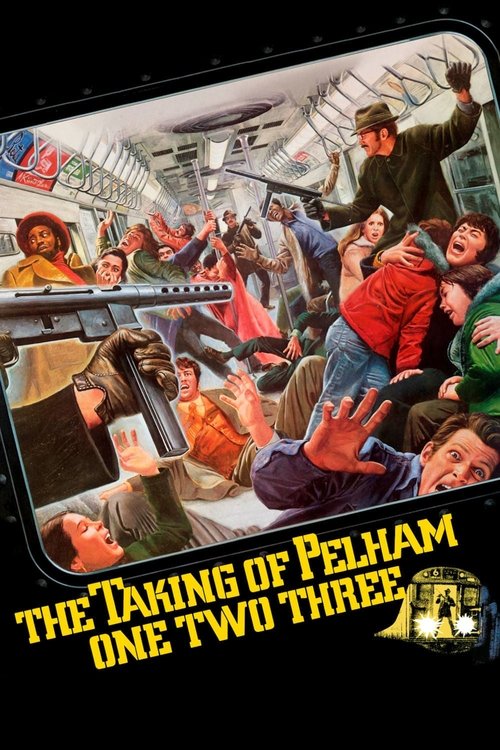
The Taking of Pelham One Two Three
1974In New York, armed men hijack a subway car and demand a ransom for the passengers. Even if it's paid, how could they get away?
Precision-engineered and fueled by a sardonic New York wit, this subway hostage drama thrives on its claustrophobic tension and propulsive editing. It manages to be both a gritty urban time capsule and a flawlessly paced clock-stopper.
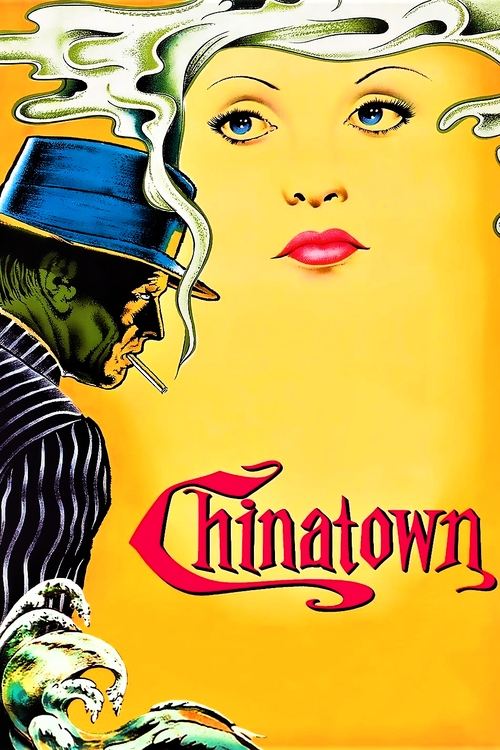
Chinatown
1974Private eye Jake Gittes lives off of the murky moral climate of sunbaked, pre-World War II Southern California. Hired by a beautiful socialite to investigate her husband's extra-marital affair, Gittes is swept into a maelstrom of double dealings and deadly deceits, uncovering a web of personal and political scandals that come crashing together.
Polanski delivers a masterclass in atmospheric rot, where the sun-drenched sprawl of Los Angeles hides a systemic depravity that transcends simple noir. It remains the definitive cinematic autopsy of power and the futility of individual justice.
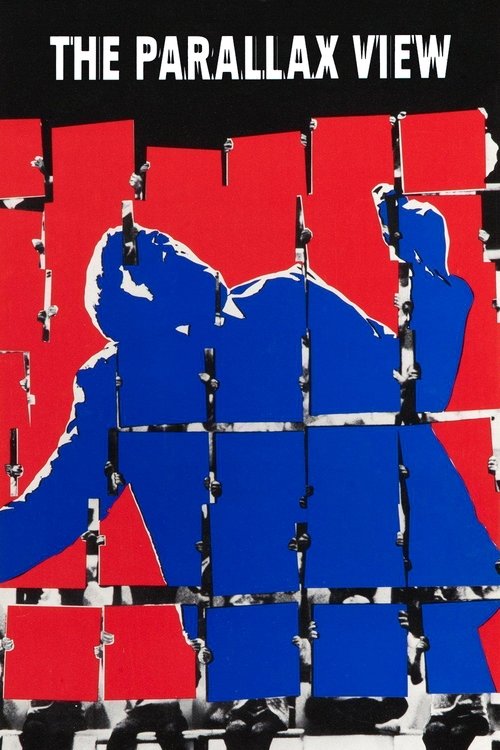
The Parallax View
1974An ambitious reporter gets in trouble while investigating a senator's assassination which leads to a vast conspiracy involving a multinational corporation behind every event in the world's headlines.
The pinnacle of paranoia, Pakula’s masterpiece weaponizes negative space and brutalist architecture to map a conspiracy too vast for the frame to hold. Its icy, clinical detachment transforms the political thriller into a terrifying existential void.
Frequently Asked Questions
Everything you need to know about this list and SnakeDrafts
- The thriller movies of 1974 often delve into themes of political conspiracy, psychological paranoia, and high-stakes crime, reflecting the societal anxieties of the era. Films like "The Parallax View" and "Chinatown" specifically explore the dark underbelly of institutional corruption and moral ambiguity.
- "Chinatown," directed by Roman Polanski, is renowned for its classic detective noir style, blending mystery and drama to create a labyrinthine narrative. Its atmospheric setting and complex characters have made it a seminal work in the thriller genre.
- Yes, "The Towering Inferno" is a standout disaster thriller from 1974 featured here. It combines high-stakes action and suspense with a dramatic storyline centered on a catastrophic fire in a skyscraper, showcasing the era's shift towards large-scale disaster narratives.
- Thrillers like "The Parallax View" capture the pervasive paranoia and distrust toward institutions that characterized the 1970s, influenced by real-world events such as Watergate. These films often portray complex conspiracies and the erosion of the American Dream, mirroring contemporary societal upheaval.
- Directors such as Alan J. Pakula, Roman Polanski, and Sidney Lumet significantly shaped the thriller landscape of 1974. Their distinct styles brought depth to films like "The Parallax View," "Chinatown," and "Murder on the Orient Express," elevating the psychological and narrative complexity of the genre.
- Yes, "The Taking of Pelham One Two Three" uniquely blends thriller and comedy elements, offering suspense with moments of dark humor. Similarly, "Juggernaut" and "The Black Windmill" mix thriller with action, heightening the intensity through dynamic sequences.
- Several films like "The Yakuza" and "Almost Human" incorporate international settings and influences, adding global intrigue to their thrillers. These movies blend cultural elements with crime and suspense, broadening the genre’s geographical and thematic scope in 1974.