Peter Fonda's Best Movies
The Definitive Filmography of a Counterculture Icon
Explore the best cinematic works of Peter Fonda, from his legendary counterculture roles to his critically acclaimed late-career performances.
About Peter Fonda
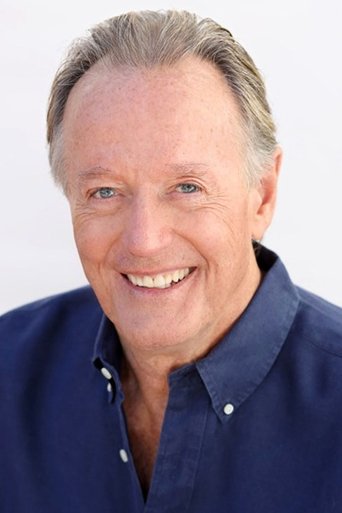
To look at Peter Fonda was to see a face that functioned as a roadmap for the American counterculture. He carried the heavy burden of a Hollywood dynasty on his shoulders, yet he managed to steer his own course with a quiet, rebellious grace that defined an entire era of cinema. While his father Henry embodied the stoic moral center of the Greatest Generation, Peter became the avatar for the restless, searching soul of the sixties. He didn't just play characters; he inhabited a specific kind of existential cool that felt both dangerous and deeply vulnerable.
The tectonic shift arrived with Easy Rider, a film that saw him astride a chrome-heavy motorcycle, draped in a leather jacket with the American flag on the back. It was a project that shattered the studio system and turned him into a generational icon overnight. That film captured a fleeting moment of freedom before the dream soured, and it cemented his reputation as the ultimate cinematic outlaw. Even when he explored the darker corners of the genre in the satanic cult pursuit of Race with the Devil or the sci-fi paranoia of Futureworld, he maintained that signature detached intensity that kept audiences riveted.
His career was never a predictable climb, choosing instead to drift through the fringes of the industry with an almost nomadic curiosity. He could pivot from the psychedelic horror of Spirits of the Dead to the high-octane western grit of 3:10 to Yuma without losing his footing. There was always a sense that he was more interested in the texture of a story than the size of the paycheck. This was evident in his later work where he channeled a more weathered, soulful energy. In Ulee's Gold, he traded the chopper for a beehive, delivering a performance of such profound, quiet restraint that it reminded the world he was one of the finest actors of his lineage. It was a turn that replaced the fire of his youth with a heartbreaking, honey-soaked dignity.
Fonda possessed a rare ability to wink at his own legend while still taking the work seriously. He popped up in the slapstick open roads of Wild Hogs and brought a menacing weight to The Boondock Saints II: All Saints Day, proving he could play the heavy just as easily as the hero. His presence in Steven Soderbergh's The Limey served as a brilliant meta-commentary on his own 1960s persona, acting as a bridge between the sun-drenched idealism of his youth and the cynical reality of the modern age. Whether he was lending his voice to the whimsical world of Thomas and the Magic Railroad or portraying the complexities of fatherhood in As Cool as I Am, he remained a magnetic anchor.
Audiences connected with him because he felt like a man who had actually seen the highway he was talking about. He represented the bridge between the old guard and the new wave, a figure who could discuss the gritty details of the industry in the documentary Easy Riders, Raging Bulls and then turn around to deliver a poignant final performance in The Last Full Measure. By the time he appeared in films like The Runner, he had become a living monument to a specific kind of artistic integrity. He never stopped moving, never stopped riding, and never lost that glint in his eye that suggested he knew a secret about the American dream that the rest of us were still trying to figure out.
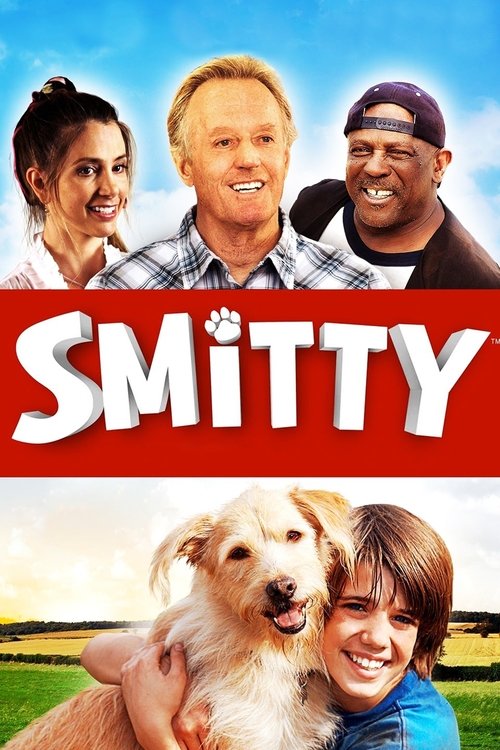
Smitty
2012SMITTY is a family film about a rescue dog. When life gets tough for Ben, a friendly paw is all it takes to pull him through. Mischievous thirteen-year-old Ben is sent to his grandfather's farm for the summer, where he crosses paths with a lovable mutt. With help from the unlikely canine companion, Ben learns the importance of friendship, family and responsibility.
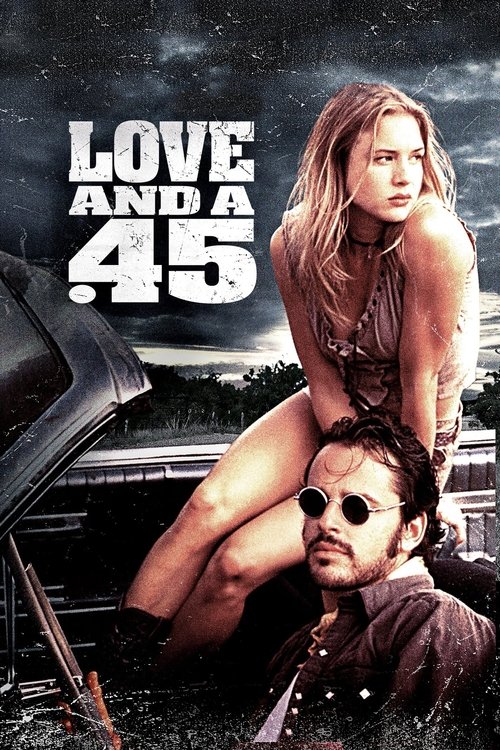
Love and a .45
1994Small-time criminal Watty Watts attempts to rob a convenience store with his drug-addict buddy, Billy Mack Black. The robbery, however, leads to murder, and soon Watty leaves Billy behind and goes on the run with his beloved girlfriend, Starlene. Heading toward Mexico, the fugitive couple gets plenty of media coverage, until there are even more people on their trail. Can Watty and Starlene make it south of the border without getting caught?
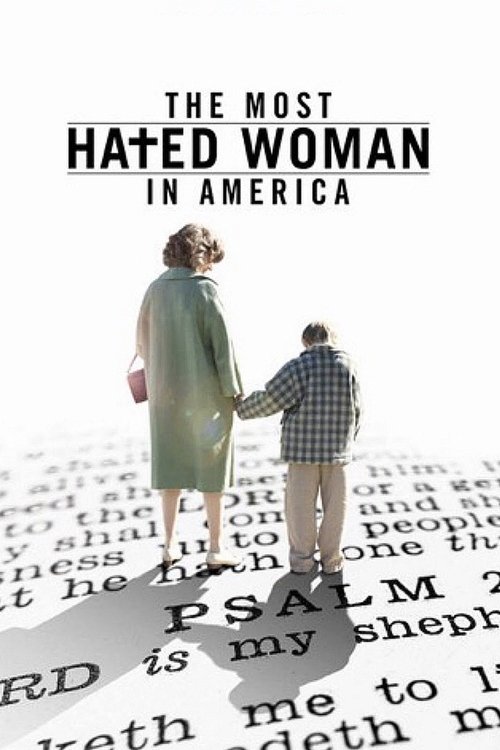
The Most Hated Woman in America
2017The true story of Madalyn Murray O'Hair -- iconoclast, opportunist, and outspoken atheist -- from her controversial rise to her untimely demise.
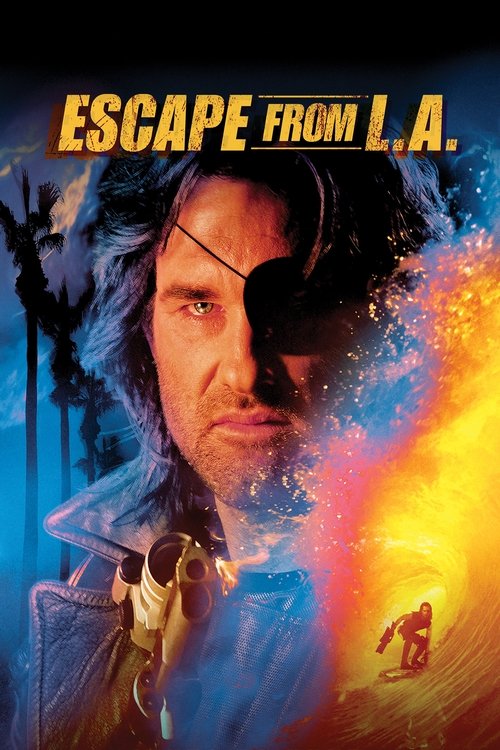
Escape from L.A.
1996Into the 9.6-quaked Los Angeles of 2013 comes Snake Plissken. His job: wade through L.A.'s ruined landmarks to retrieve a doomsday device.
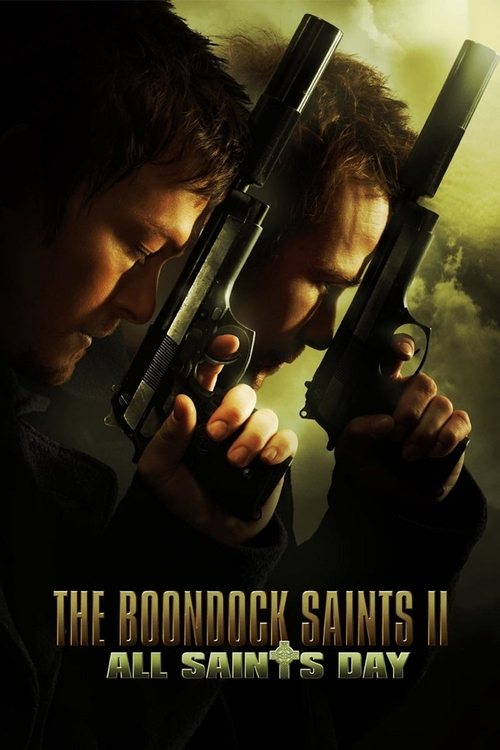
The Boondock Saints II: All Saints Day
2009Skillfully framed by an unknown enemy for the murder of a priest, wanted vigilante MacManus brothers Murphy and Connor must come out of hiding on a sheep farm in Ireland to fight for justice in Boston.
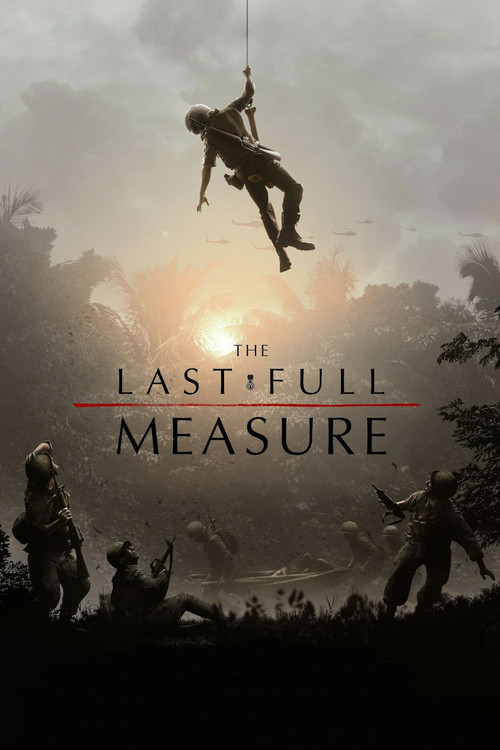
The Last Full Measure
2020The incredible true story of Vietnam War hero William H. Pitsenbarger, a U.S. Air Force Pararescuemen medic who personally saved over sixty men. Thirty-two years later, Pentagon staffer Scott Huffman investigates a Congressional Medal of Honor request for Pitsenbarger and uncovers a high-level conspiracy behind the decades-long denial of the medal, prompting Huffman to put his own career on the line to seek justice for the fallen airman.
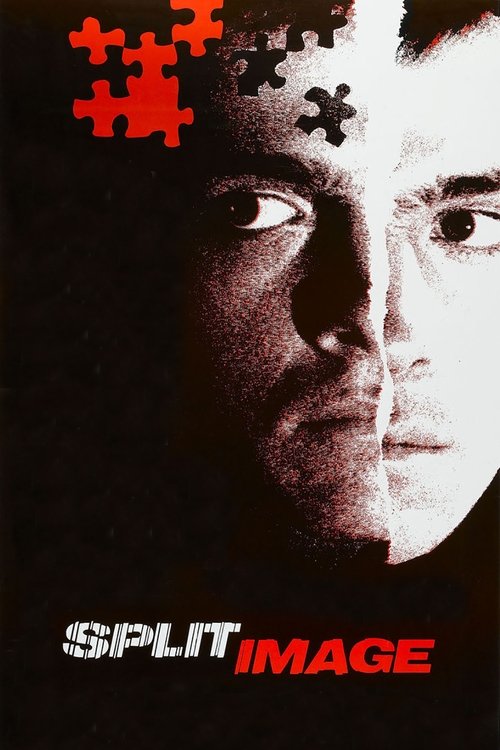
Split Image
1982An impressionable young man finds himself enslaved by a modern-day religious cult. In an effort to bring him back to reality, the boy's parents hire a deprogrammer to kidnap him and return him to his family.
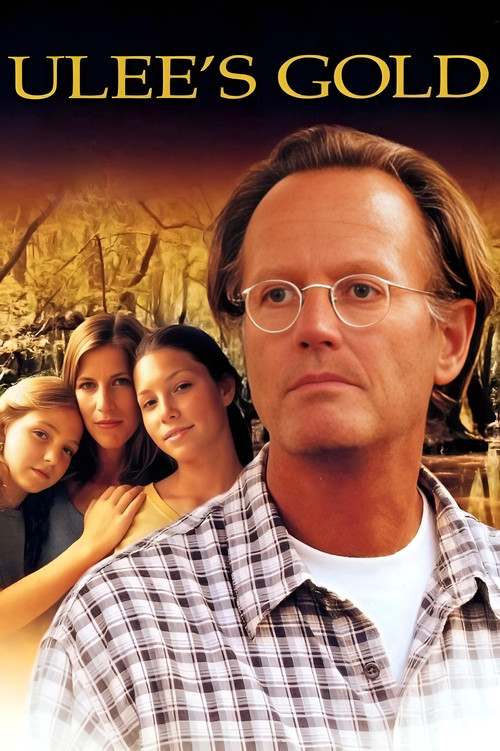
Ulee's Gold
1997Third-generation Florida beekeeper Ulee Jackson may have gotten out of Vietnam alive, but he left a part of himself behind. Now he methodically tends his bees, carefully provides for his two grandchildren and keeps his emotions at bay. But when a long-buried secret threatens Ulee's business and family, he is forced to break through his emotional walls and confront the terror of his wounded spirit.
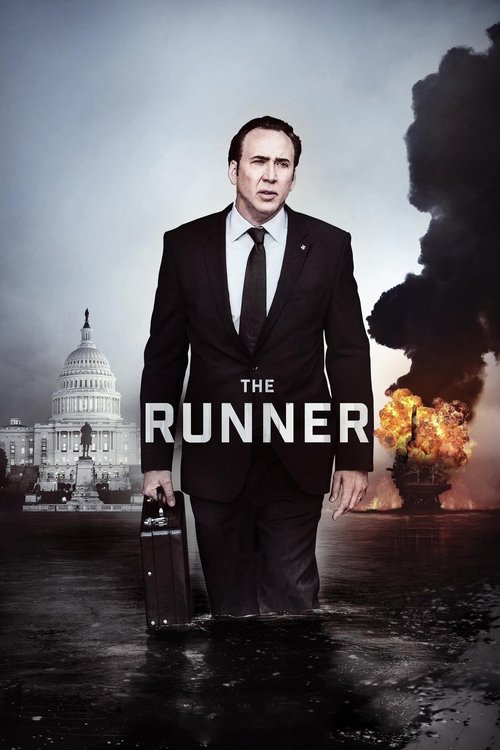
The Runner
2015In the aftermath of the BP oil spill, an idealistic but imperfect New Orleans politician (Nicolas Cage) finds his plans of restoration unraveling as his own life becomes contaminated with corruption, scandal and deceit.
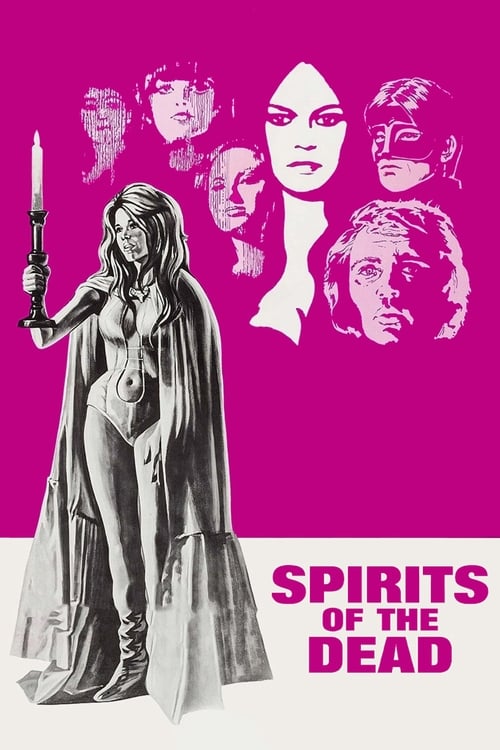
Spirits of the Dead
1968Anthology film from three European directors based on stories by Edgar Allan Poe: a cruel countess haunted by a ghostly horse, a sadistic young man haunted by his double, and an alcoholic actor haunted by the Devil.
Working under the direction of Roger Vadim, Fonda embraces a gothic, stylized artifice alongside对他his sister Jane. This experimental outing highlights his early willingness to push aesthetic boundaries beyond the mainstream.
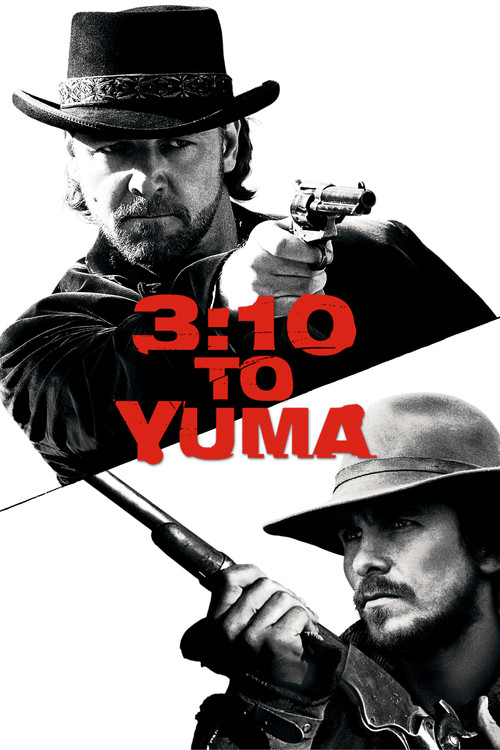
3:10 to Yuma
2007In Arizona in the late 1800s, infamous outlaw Ben Wade and his vicious gang of thieves and murderers have plagued the Southern Railroad. When Wade is captured, Civil War veteran Dan Evans, struggling to survive on his drought-plagued ranch, volunteers to deliver him alive to the "3:10 to Yuma", a train that will take the killer to trial.
Fonda disappears into the weathered, cynical hide of a Pinkerton agent, providing a flinty contrast to the film's younger leads. It is a masterful late career turn that honors the Western tradition he once helped subvert.
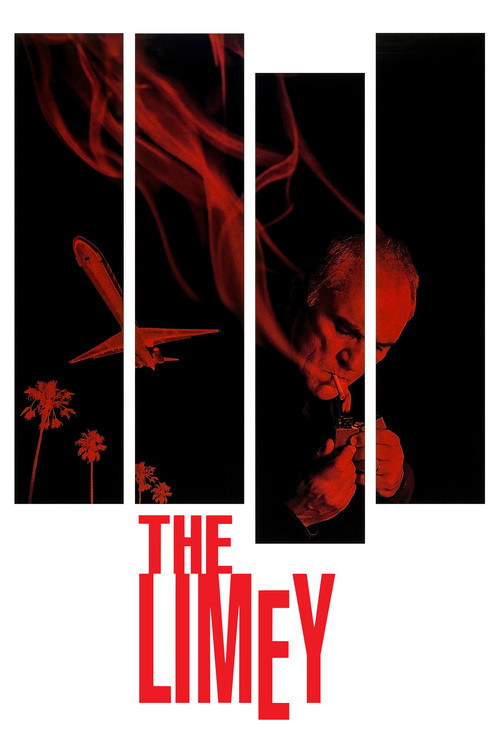
The Limey
1999The Limey follows Wilson, a tough English ex-con who travels to Los Angeles to avenge his daughter's death. Upon arrival, Wilson goes to task battling Valentine and an army of L.A.'s toughest criminals, hoping to find clues and piece together what happened. After surviving a near-death beating, getting thrown from a building and being chased down a dangerous mountain road, the Englishman decides to dole out some bodily harm of his own.
Playing a slick, hollowed out record producer, Fonda acts as a perfect glossy foil to Terence Stamp's rugged vengeance. He brilliantly captures the shallow decadence of the Los Angeles elite with a predatory charm.
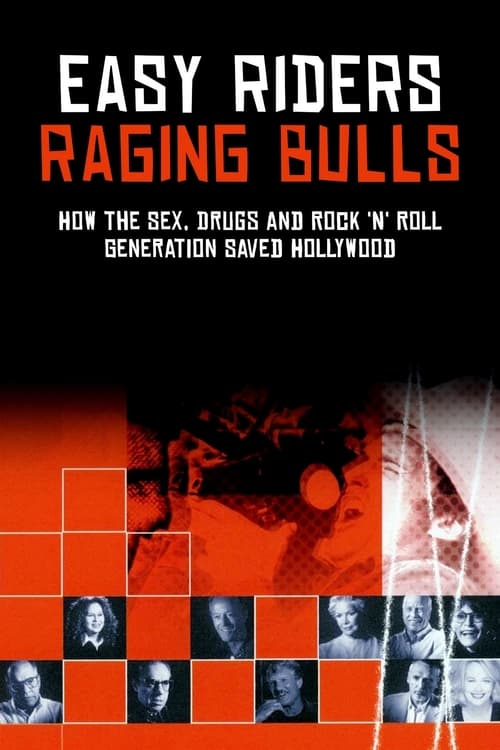
Easy Riders, Raging Bulls: How the Sex 'n' Drugs 'n' Rock 'n' Roll Generation Saved Hollywood
2003The chronicle of the mind-blowing journey that was Hollywood during the seventies; the true and gripping story of the last golden age of American cinema, an exalted celebration of creativity and experimentation; but also of sex, drugs and rock 'n' roll: a turbulent and dark tale of ambition, envy, betrayal, hatred and self-destruction.
Serving as a primary architect of the era, Fonda offers invaluable retrospective insight into the industry's seismic shift. His participation validates the documentary's claim that his specific brand of rebellion changed the business forever.
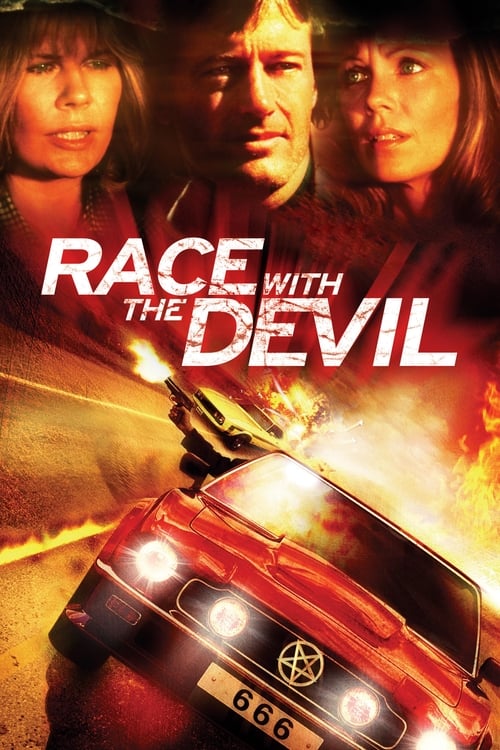
Race with the Devil
1975Two couples vacationing together in an R.V. from Texas to Colorado are terrorized after they witness a murder during a Satanic ritual.
This cult thriller catches Fonda in a frantic, visceral mode rarely seen in his more cerebral work. His transition from vacationing Everyman to desperate survivalist showcases a gritty versatility that defined the mid seventies.
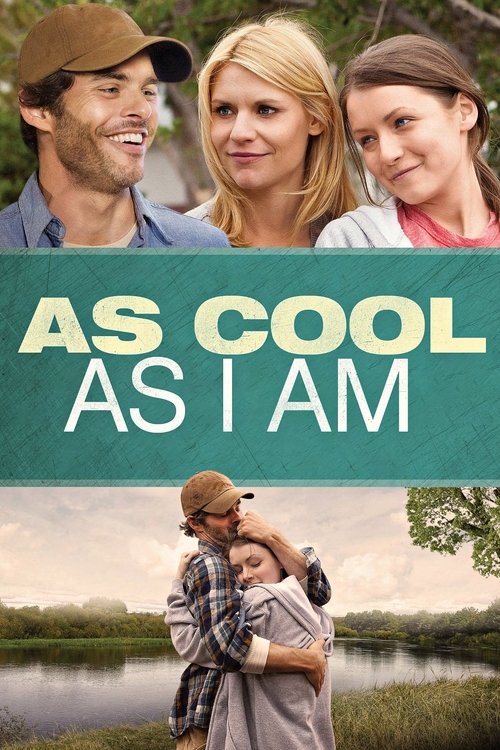
As Cool as I Am
2013A smart teenage girl comes of age in a small town with her self-centered parents who had her when they were teenagers.
Providing a steadying hand in this indie drama, Fonda utilizes his aging screen presence to convey a lifetime of unspoken history. He commands the frame with a quiet intensity that outshines the film's smaller scale.
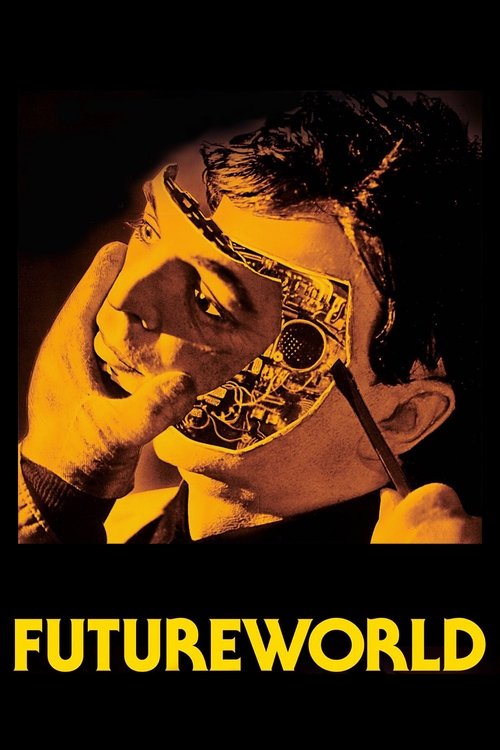
Futureworld
1976Two years after the Westworld tragedy in the Delos amusement park, the corporate owners have reopened the park following over $1 billion in safety and other improvements. For publicity purposes, reporters Chuck Browning and Tracy Ballard are invited to review the park. Just prior to arriving, however, Browning is given a clue by a dying man that something is amiss.
Fonda navigates this high concept sequel with a sharp, inquisitive energy that elevates the genre material. It remains a vital document of his ability to lead a blockbuster while maintaining his indie sensibility.
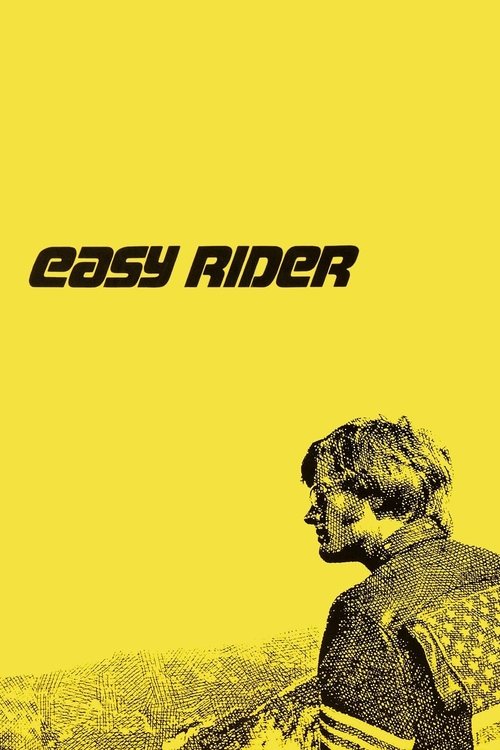
Easy Rider
1969Wyatt and Billy, two Harley-riding hippies, complete a drug deal in Southern California and decide to travel cross-country in search of spiritual truth.
As Wyatt, Fonda redefined the American protagonist through a lens of existential detachment and cool minimalism. This performance dismantled the traditional Western hero and birthed the New Hollywood movement.
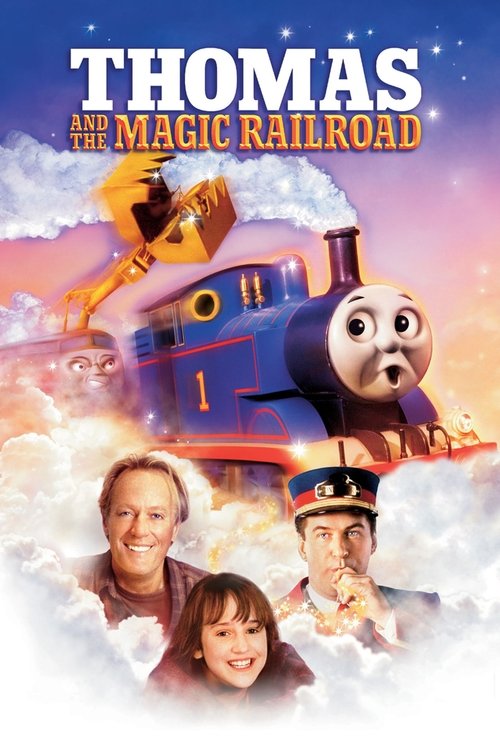
Thomas and the Magic Railroad
2000Mr. Conductor's supply of magic gold dust, which allows him to travel between Shining Time and Thomas's island, is critically low. Unfortunately, he doesn't know how to get more. Meanwhile, Thomas is fending off attacks by the nasty diesel engines. Getting more gold dust will require help from Mr. C's slacker cousin, his new friend Lily and her morose grandfather, plus the secret engine.
In a surprising pivot to whimsy, Fonda provides the grounded emotional weight necessary to anchor a fantastical world. His presence proves that even an icon of rebellion can possess a gentle, grandfatherly gravitas.
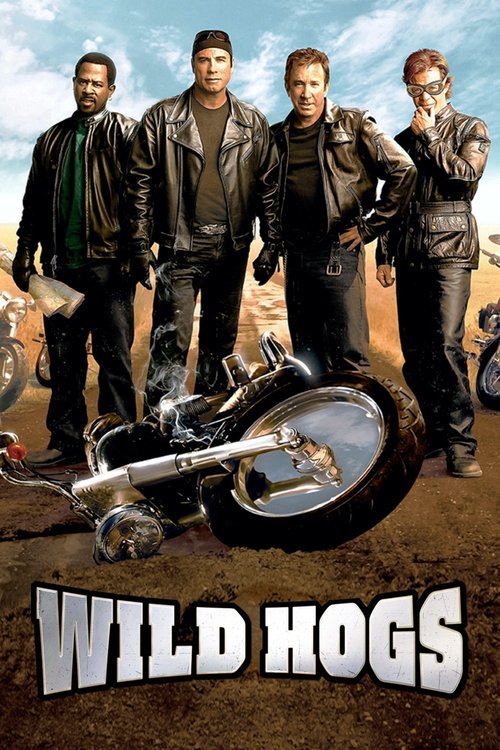
Wild Hogs
2007Restless and ready for an adventure, four suburban bikers leave the safety of their subdivision and head out on the open road. But complications ensue when they cross paths with an intimidating band of New Mexico bikers known as the Del Fuegos.
Fonda winks at his own counterculture legacy by playing the ultimate authority figure of the open road. This self referential cameo serves as a clever bridge between his outlaw roots and his later status as a cinematic elder statesman.
Frequently Asked Questions
Everything you need to know about this list and SnakeDrafts
- In Easy Rider, Peter Fonda played Wyatt, also known as 'Captain America.' His role became iconic as a symbol of 1960s counterculture, embodying the restless and rebellious spirit of the era.
- Ulee's Gold showcases Peter Fonda in a deeply nuanced and mature role, contrasting with his youthful counterculture characters. His portrayal of a beekeeper struggling with family issues earned critical acclaim and highlighted his versatility as an actor.
- Peter Fonda's filmography spans a wide range including action, drama, thriller, western, and even family fantasy. This diversity is evident with films like the western 3:10 to Yuma, the thriller Race with the Devil, and the family-friendly Thomas and the Magic Railroad.
- In The Limey, Peter Fonda delivers a compelling performance as a vengeful ex-con. This film highlights his ability to portray complex, gritty characters and is noted for its stylish direction by Steven Soderbergh.
- Wild Hogs is a lighthearted comedy that features Peter Fonda in a fun, adventurous role, showcasing his comedic timing and ability to appeal to mainstream audiences. It contrasts with his intense dramatic roles by offering a more relaxed and humorous narrative.
- In the documentary Easy Riders, Raging Bulls, Peter Fonda's influence on Hollywood's New Hollywood era is extensively explored. The film examines how he and his contemporaries revolutionized independent filmmaking and narrative styles in the 1960s and 70s.
- Peter Fonda starred in Futureworld, a science fiction thriller that is a sequel to the cult classic Westworld. His role expanded his presence into science fiction genres, adding variety to his acting portfolio.