The Best Thriller Movies of 1975, Ranked
Classic Suspense and Gritty Mystery Cinema
Explore the best suspenseful cinema from a golden era of filmmaking. Discover iconic masterpieces, intense crime dramas, and legendary psychological hits.
About 1975 Thriller Movies
In the long view of cinema history, 1975 sits at a fascinating crossroads. The glitz of the studio era was a distant memory, and the gritty, paranoid realism of New Hollywood was reaching its fever pitch. While we often remember this year as the birth of the summer blockbuster, the thrillers of 1975 were defined by a profound sense of anxiety. They reflected a world grappling with the fallout of Vietnam and Watergate, where the traditional hero was replaced by the survivor, and the villain was often a system rather than a man in a mask.
You cannot discuss this year without first acknowledging the mechanical shark in the room. Steven Spielberg did more than just launch a thousand summer vacations with Jaws; he redefined the survival thriller. By holding back the physical reveal of the monster, he turned the ocean itself into a psychological pressure cooker. It was a masterpiece of tension that proved the genre could be both artistically meticulous and commercially massive. Jaws turned the thriller into a national event, shifting the landscape toward high-concept stakes.
However, away from the beaches of Amity Island, the thriller was heading into much darker, more cynical territory. Sydney Pollack delivered one of the definitive paranoid thrillers with Three Days of the Condor. It stars Robert Redford as a bookish CIA analyst who finds his entire office murdered, forcing him to navigate a labyrinth of deep-state betrayal. It captured a very specific mid-fifties dread, the terrifying realization that the institutions meant to protect citizens were actually devouring them. It remains a masterclass in pacing, stripping away the glamour of the spy genre to reveal something cold and transactional.
Deep in the heart of the same year, the thriller took a swerve into the surreal and the domestic. The Stepford Wives arrived as a chilling blend of social satire and psychological horror. By turning the suburb into a graveyard of autonomy, it used the thriller framework to examine the backlash against the feminist movement. It suggested that the most dangerous thing a person could face was not a monster in the woods, but the quiet, polite smiling face of their neighbor.
Then there was Dog Day Afternoon. While it is often filed under crime or drama, Sidney Lumet’s film operates as a high-wire hostage thriller. Al Pacino’s desperate bank robbery becomes a media circus, blurring the lines between the criminal, the victim, and the voyeuristic public. It was chaotic, sweaty, and deeply human, proving that a thriller didn't need a ticking bomb to keep an audience on the edge of their seats; it just needed the volatile energy of a man with nothing left to lose.
The landscape of 1975 was one where the genre was expanding in every direction. From the visceral creature feature to the cold corridors of political conspiracy, filmmakers were finding new ways to make us look over our shoulders. These movies suggested that the world was no longer a safe place, and that the greatest thrills came from watching people try to make sense of a reality that had gone fundamentally wrong. Half a century later, those shadows still feel just as long.
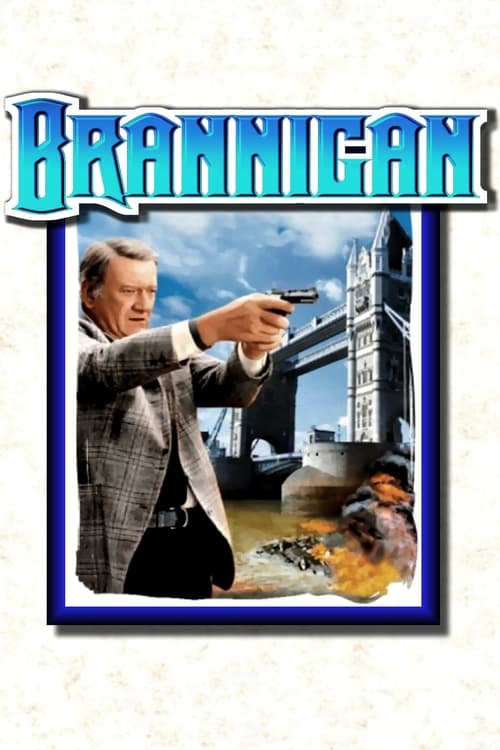
Brannigan
1975A hard-nosed Chicago cop is sent to London to bring back an American mobster being held for extradition. Brannigan in his Irish-American way brings American law to the people of Scotland Yard but has to contend with a stuffy old London first.
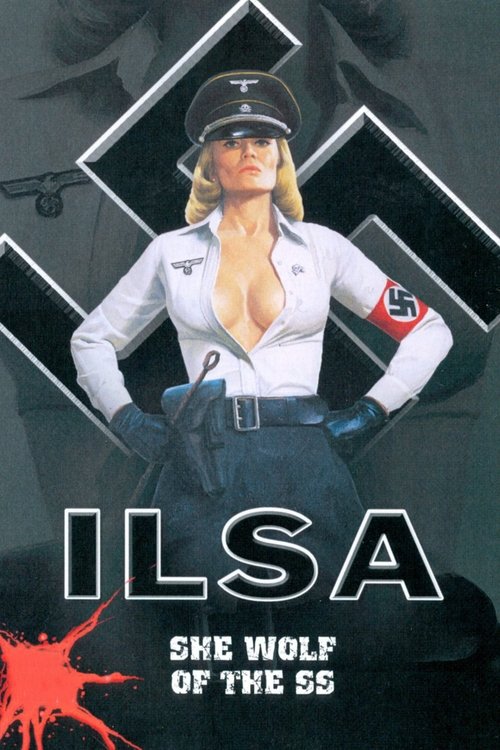
Ilsa: She Wolf of the SS
1975Ilsa, a warden at a Nazi death camp that conducts experiments on prisoners, strives to prove that women can withstand more pain and suffering than men, and therefore should be allowed to fight on the frontlines.
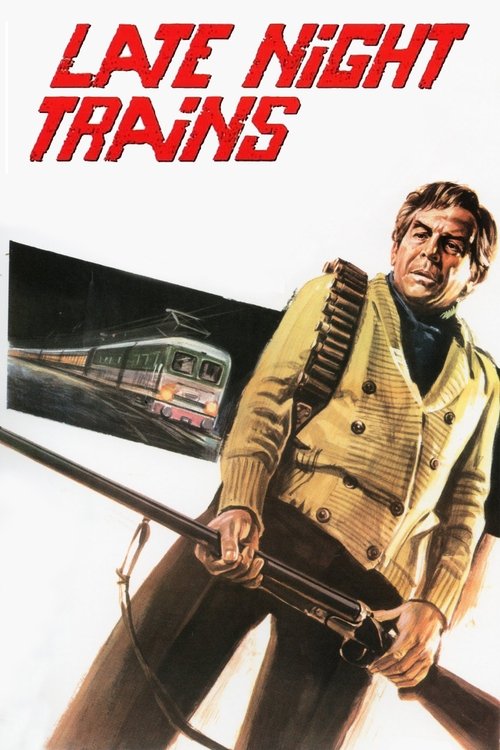
Late Night Trains
1975Two young women, Margaret and Lisa, are set to take the overnight train from Munich in Germany to stay with Lisa's parents in Italy for Christmas. Unfortunately a pair of psychotic hoodlums and an equally demented nymphomaniac woman terrorize the pair.
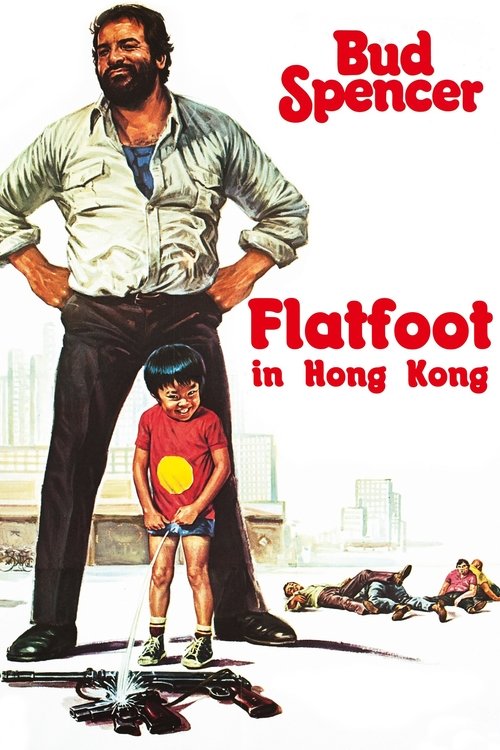
Flatfoot in Hong Kong
1975Inspector Rizzo is accused of drug trafficking. In order to clear his name he has to find out who is the person, from a Mafia ring, who has infiltrated his police department.
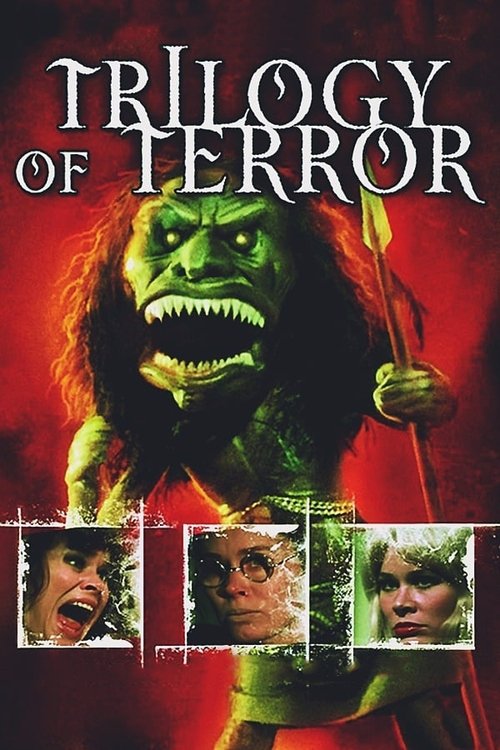
Trilogy of Terror
1975A horror anthology containing three stories: a female college professor is aggressively pursued by one of her students; a prudish brunette determines that her free-spirited blonde sister is evil; and a woman's night turns upside down after she purchases an ancient Zuni fetish doll.
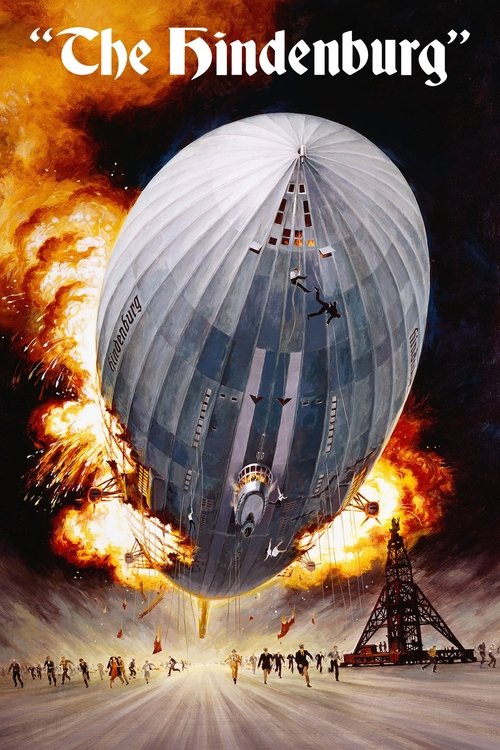
The Hindenburg
1975Colonel Franz Ritter, a former hero pilot now working for military intelligence, is assigned to the great Hindenburg airship as its chief of security. As he races against the clock to uncover a possible saboteur aboard the doomed zeppelin he finds that any of the passengers and crew could be the culprit.
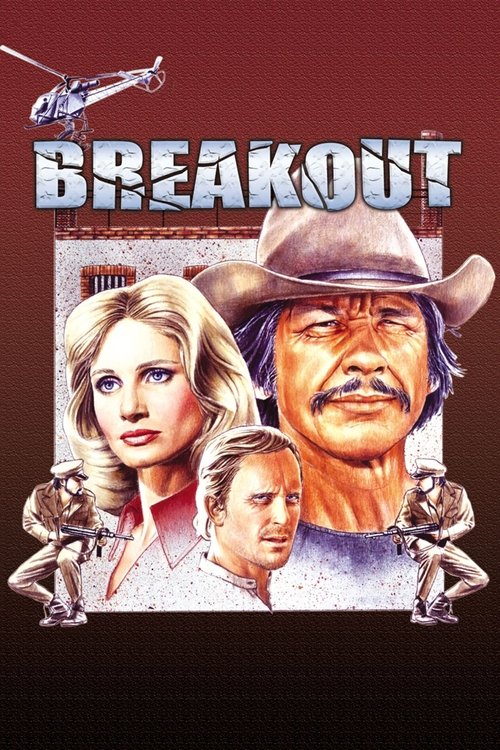
Breakout
1975A bush pilot is hired for $50,000 to go to Mexico to free an innocent prisoner.
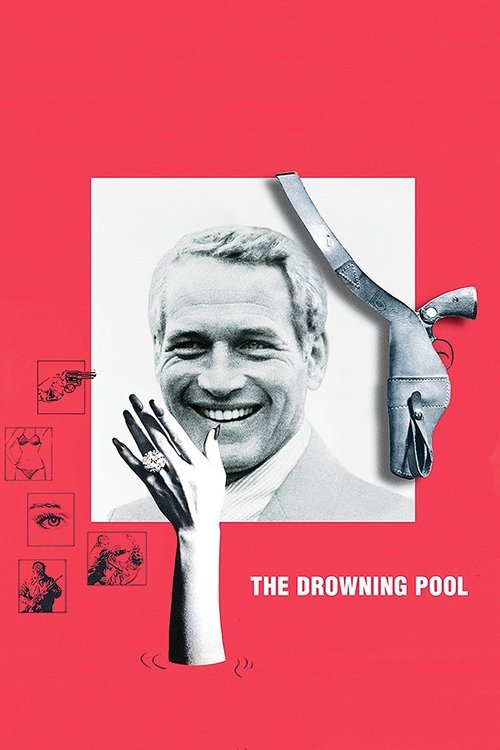
The Drowning Pool
1975Harper is brought to Louisiana to investigate an attempted blackmail scheme. He soon finds out that it involves an old flame of his and her daughter. He eventually finds himself caught in a power struggle between the matriarch of the family and a greedy oil baron, who wants their property. Poor Harper! Things are not as straight-forward as they initially appeared.
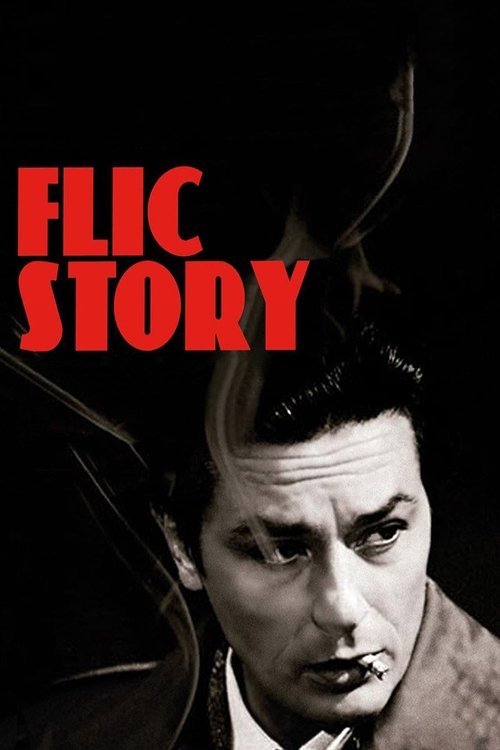
Flic Story
1975The film story depicts Emile Buisson, following the death of his wife and child, escaping from a psychiatric institution in 1947 and returning to Paris. Buisson, who three years later would become France's public enemy number one, begins a murderous rampage through the French capital.
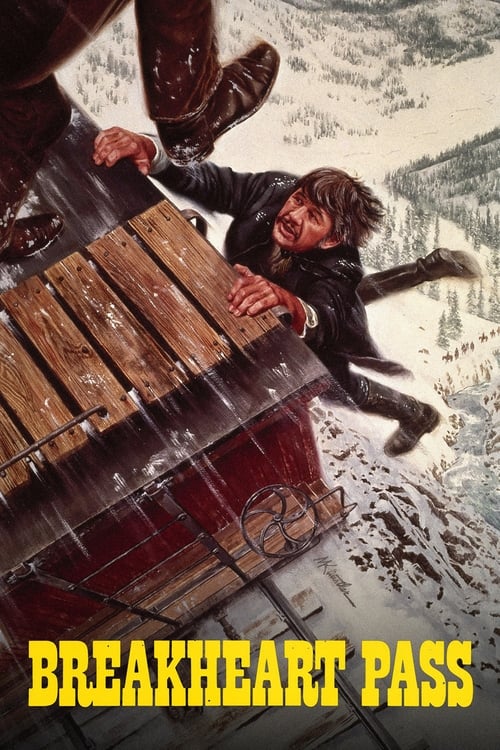
Breakheart Pass
1975At the height of the frontier era, a train races through the Rocky Mountains on a classified mission to a remote army post. But one by one the passengers are being murdered, and their only hope is the mysterious John Deakin, who's being transported to face trial for murder.
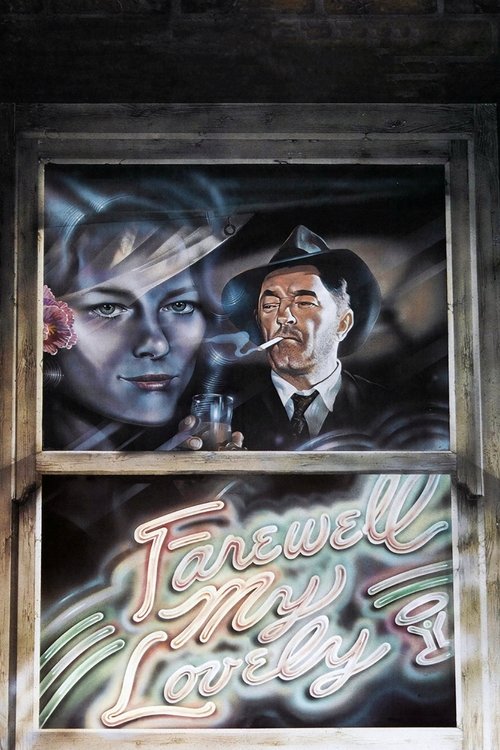
Farewell, My Lovely
1975Private eye Philip Marlowe is hired by ex-con Moose Malloy to find his girlfriend, a former lounge dancer. While also investigating the murder of a client and the theft of a jade necklace, Marlowe becomes entangled with seductress Helen Grayle and discovers a web of dark secrets that are better left hidden.
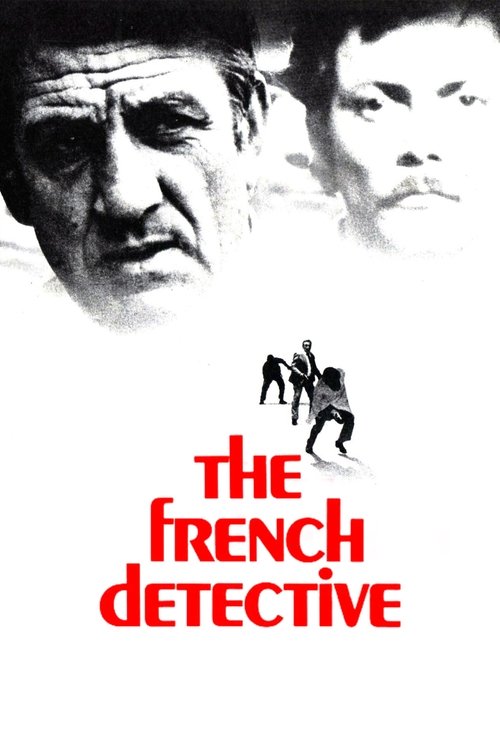
The French Detective
1975When political thugs murder an opponent's volunteer and also kill a cop, chief inspector Verjeat believes the politician who hired them is as guilty as the murderous goon. Verjeat's pursuit of the councilman, Lardatte, gets him a warning from his superiors. When he embarrasses Lardatte while disarming a hostage (the dead volunteer's father), Verjeat is told he's being transferred within a week. He speeds up his hunt for the goon and, with Lefévre, one of his young detectives, he engineers a complicated scheme to buy more time before the transfer. How should Verjeat play out his values of honor and duty?
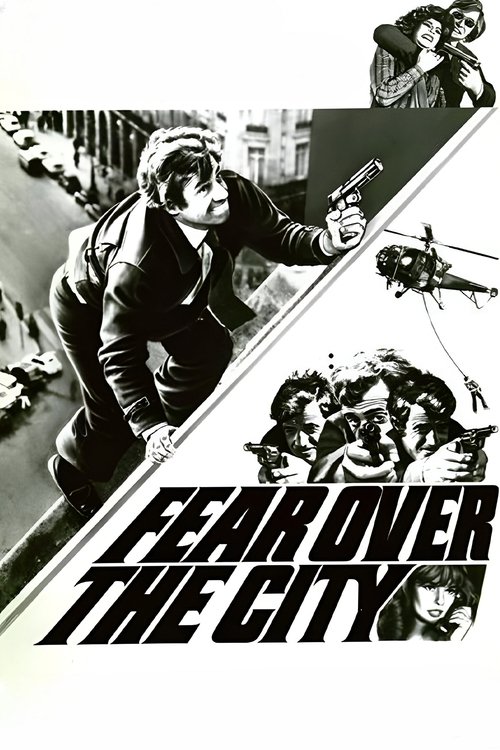
The Night Caller
1975A serial-killer frightens Paris by phoning young ladies at night, telling them insults about their lives. Minos, as he calls himself, wants to prevent the world from free women and he targets at first these ones. Commissaire Letellier is given the investigation and he has hard work with the maniac.
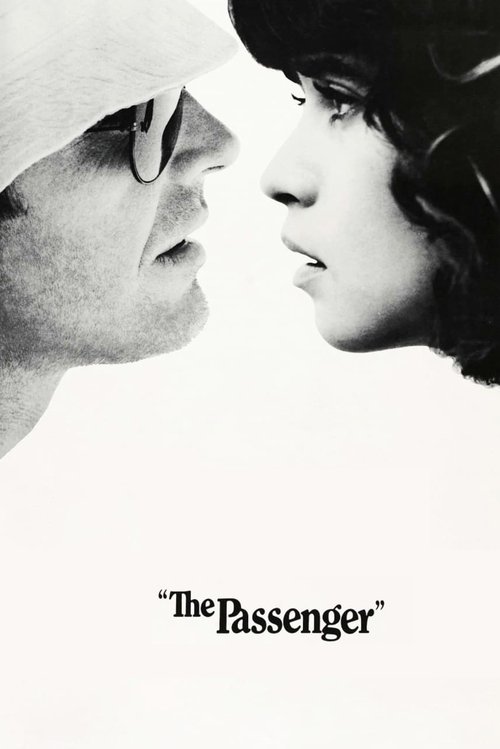
The Passenger
1975David Locke is a world-weary American journalist who has been sent to cover a conflict in northern Africa, but he makes little progress with the story. When he discovers the body of a stranger who looks similar to him, Locke assumes the dead man's identity. However, he soon finds out that the man was an arms dealer, leading Locke into dangerous situations. Aided by a beautiful woman, Locke attempts to avoid both the police and criminals out to get him.
Michelangelo Antonioni explores the haunting emptiness of identity through a lens of nomadic detachment and stunning, long-take cinematography. This is a thriller stripped of its genre tropes, focusing instead on the quiet, terrifying ease with which a man can simply vanish into someone else’s life.
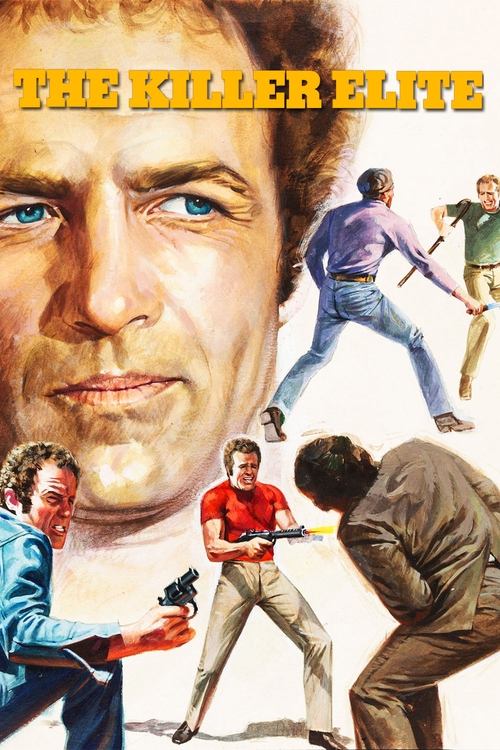
The Killer Elite
1975Mike Locken is one of the principal members of a group of freelance spies. A significant portion of their work is for the CIA, and while on a case for them one of his friends turns on him and shoots him in the elbow and knee. His assignment, to protect someone, goes down in flames. He is nearly crippled, but with braces is able to again become mobile. For revenge as much as anything else, Mike goes after his ex-friend.
Sam Peckinpah infuses this tale of private security and global betrayal with his signature balletic violence and a cynical, weary worldview. The film stands out for its jagged editing and its refusal to offer easy heroism in an era defined by mercenary morality.
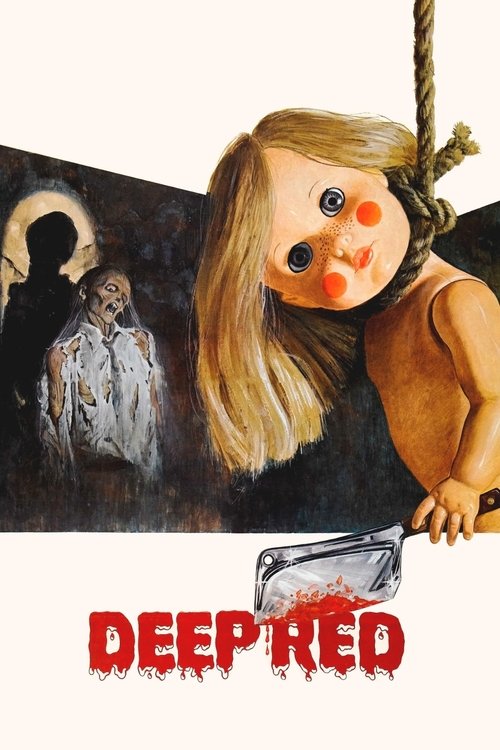
Deep Red
1975An English pianist living in Rome witnesses the brutal murder of his psychic neighbor. With the help of a tenacious young reporter, he tries to discover the killer using very unconventional methods. The two are soon drawn into a shocking web of dementia and violence.
Dario Argento perfects the Giallo form here, utilizing a hyper-stylized visual palette and a haunting prog-rock score to elevate the slasher genre into high art. It is a masterpiece of sensory overload where the architecture and the shadows are just as predatory as the killer.
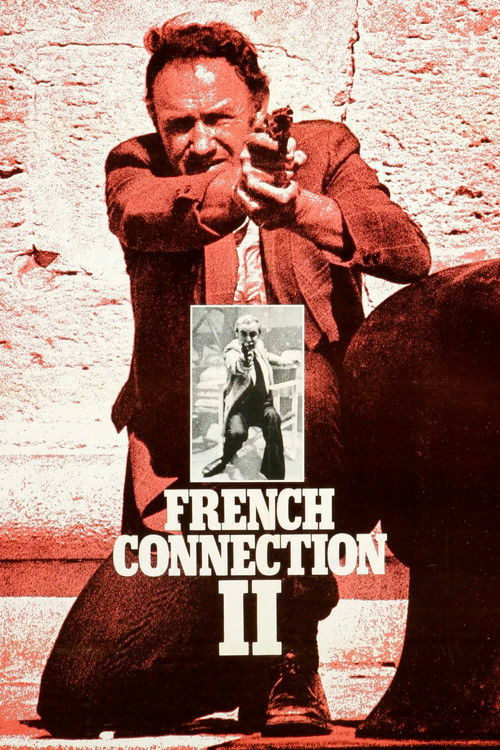
"Popeye" Doyle travels to Marseilles to find Alain Charnier, the drug smuggler that eluded him in New York.
John Frankenheimer pivots from the grit of the original into a harrowing, claustrophobic character study defined by a grueling middle act in Marseille. This sequel distinguishes itself by trading explosive car chases for a punishing, psychological examination of addiction and singular obsession.
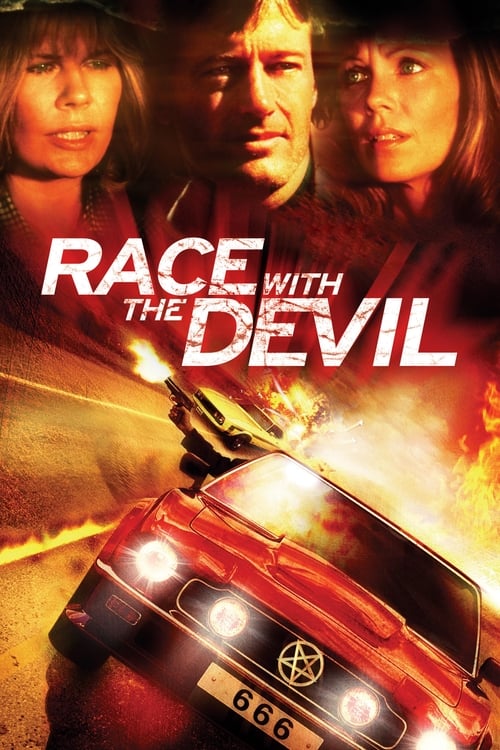
Race with the Devil
1975Two couples vacationing together in an R.V. from Texas to Colorado are terrorized after they witness a murder during a Satanic ritual.
This high-octane collision of leisure-culture anxiety and occult dread transforms the open road into a claustrophobic gauntlet. It is a lean, mean exhibition of kinetic filmmaking that successfully marries the blue-collar vacation nightmare to a relentless, supernatural pulse.
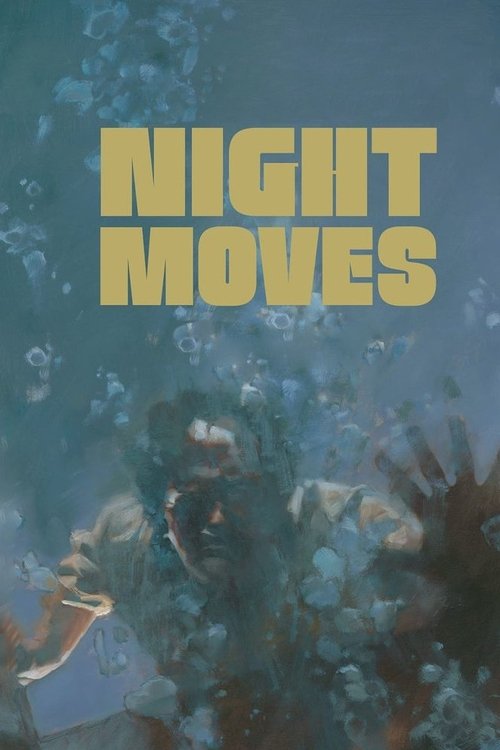
Night Moves
1975Private detective and former football player Harry Moseby gets hired on to what seems a standard missing person case - a former Hollywood actress wants Moseby to find and return her daughter. Harry travels to Florida to find her, but he begins to see a connection between the runaway girl, the world of Hollywood stuntmen, and a suspicious mechanic when an unsolved murder comes to light.
Arthur Penn crafts a devastating subversion of the private eye trope where every clue leads toward existential vacuum rather than resolution. Gene Hackman’s performance captures the precise moment the American hero realized he no longer understood the moral geography of his own country.
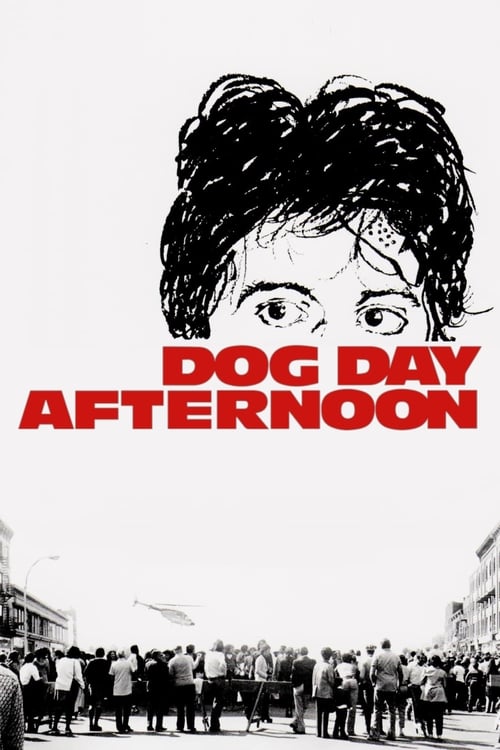
Dog Day Afternoon
1975Based on the true story of would-be Brooklyn bank robbers John Wojtowicz and Salvatore Naturile. Sonny and Sal attempt a bank heist which quickly turns sour and escalates into a hostage situation and stand-off with the police. As Sonny's motives for the robbery are slowly revealed and things become more complicated, the heist turns into a media circus.
Sidney Lumet captures the sweltering, erratic energy of a New York City circus where the line between crime and media spectacle completely dissolves. Al Pacino’s electric desperation fuels a tragicomedy of errors that feels startlingly modern in its depiction of celebrity and systemic failure.
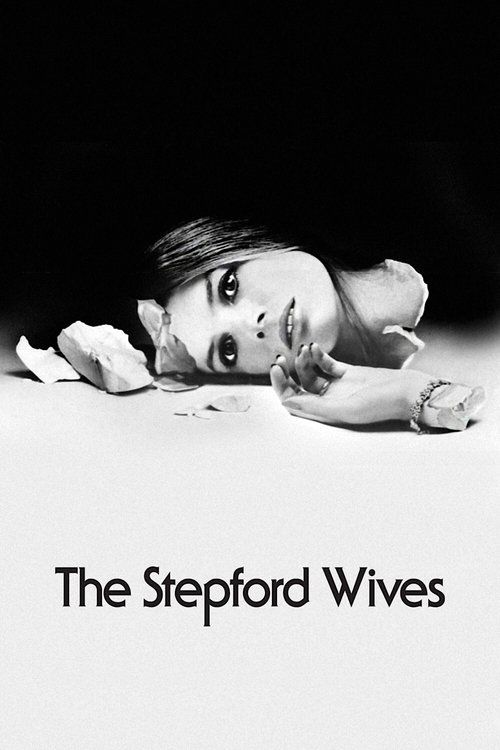
The Stepford Wives
1975Joanna Eberhart comes to the town of Stepford, Connecticut with her family, but soon discovers there lies a sinister truth in the all too perfect behavior of the female residents.
Bryan Forbes masterfully translates domestic malaise into a chilling, slow-burn horror that surgically dissects the stifling gender politics of the suburbs. Its enduring power lies in how it frames the loss of autonomy as the ultimate quiet, bloodless conspiracy.
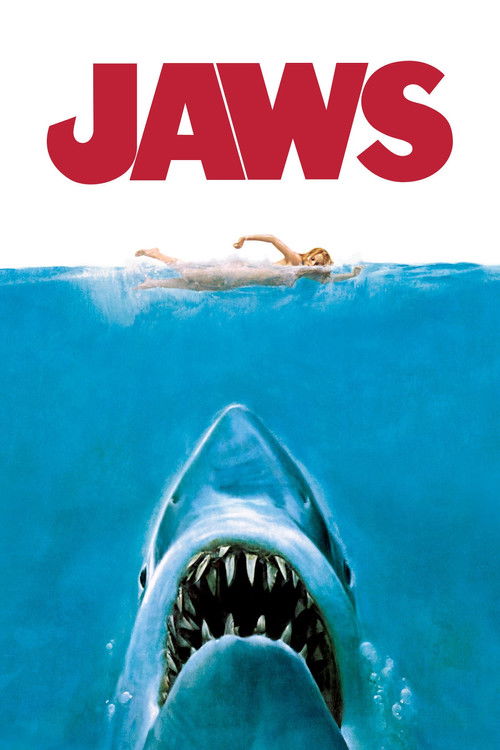
Jaws
1975When the seaside community of Amity finds itself under attack by a dangerous great white shark, the town's chief of police, a young marine biologist, and a grizzled shark hunter embark on a desperate quest to kill the beast before it strikes again.
Steven Spielberg invented the modern blockbuster by weaponizing the unseen, letting primal fear and a masterclass in tension do the heavy lifting. Beyond the mechanical shark, the film’s brilliance rests in its impeccable pacing and its ability to turn a summer playground into a theater of pure survival.
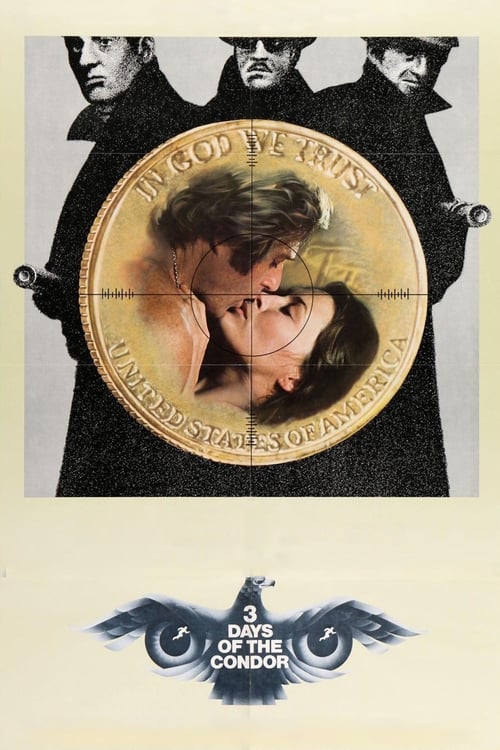
When bookish CIA researcher Joe Turner finds all his co-workers dead, he, together with a woman he has kidnapped, must work together to outwit those responsible until he determines who he can really trust.
Robert Redford anchors this essential slice of post-Watergate paranoia, a film that weaponizes bureaucratic chill and intellectual isolation into a breathless urban manhunt. It remains the gold standard for the decade's obsession with invisible systemic rot and the fragility of the individual against the state.
Frequently Asked Questions
Everything you need to know about this list and SnakeDrafts
- The thriller movies of 1975 in this list capture themes of paranoia, survival, and societal anxiety reflective of the post-Vietnam and Watergate era. Films like 'Three Days of the Condor' and 'The Stepford Wives' explore government conspiracy and unsettling social control, highlighting the era’s distrust and psychological tension.
- 'Jaws' revolutionized the thriller genre by blending horror, suspense, and adventure, setting a new standard for cinematic tension and pacing. Its success as a summer blockbuster introduced mainstream audiences to visceral thrills, impacting how suspenseful narratives were crafted in subsequent years.
- Several 1975 thrillers uniquely blend genres, such as 'The Stepford Wives' which combines thriller, mystery, sci-fi, and horror, and 'Breakheart Pass' which merges thriller with western and mystery elements. This genre hybridity adds depth to the suspense and broadens the appeal of these films.
- Yes, notable directors include Sidney Lumet, known for 'Dog Day Afternoon,' and Michelangelo Antonioni, who directed 'The Passenger.' These filmmakers brought distinctive styles that elevated the genre’s psychological and narrative complexity in 1975.
- The protagonists in 1975 thrillers are often survivors or morally complex characters rather than traditional heroes. For instance, 'Night Moves' features a private investigator with personal struggles, reflecting the era’s shift towards flawed, realistic characters in suspense narratives.
- Absolutely, many films on the list engage with contemporary societal concerns such as government mistrust ('Three Days of the Condor'), psychological alienation ('The Stepford Wives'), and crime turbulence ('Dog Day Afternoon'). They mirror the anxieties and cultural upheavals of the 1970s.
- Films like 'The Stepford Wives' and 'Deep Red' incorporate strong psychological thriller elements, using suspense, paranoia, and horror to probe human fears. These movies create intense atmospheres that heighten the emotional and mental tension inherent in thriller storytelling.
- The listed thrillers exemplify New Hollywood’s tendency towards gritty realism and complex storytelling. Directors like Sidney Lumet and Arthur Penn used thriller conventions to explore dark, morally ambiguous themes reflective of the disillusionment of the time.