The Ultimate John Carpenter Movie Rankings
Master of Horror and the Cult Cinema Genre
Explore the essential filmography of John Carpenter, featuring legendary sci-fi and horror masterpieces from The Thing to Halloween and beyond.
About John Carpenter

In the smoke-filled, synth-drenched landscape of the late twentieth century, few filmmakers commanded the frame with as much rhythmic precision and blue-collar grit as the Master of Horror. If most directors aim for the heart, he aimed for the jugular, using a minimalist toolkit to build some of the most enduring nightmares in the history of the medium. His cinema is defined by an uncanny sense of spatial awareness, often utilizing the Panavision anamorphic widescreen format to suggest that the real danger isn't what is right in front of the protagonist, but what is lurking in the margins of the shadows.
This command of tension first reached a fever pitch with Halloween, a masterclass in voyeurism that essentially invented the modern slasher language. By weaponizing silence and a pulsating, self-composed score, he turned a suburban sidewalk into a gauntlet of dread. Yet, reducing his legacy to mere scares misses the cynical, anti-authoritarian streak that defines his best work. Films like Assault on Precinct 13 and Escape from New York trade in a lean, Howard Hawks-inspired nihilism, featuring grizzled anti-heroes who operate by their own codes in a world that has largely surrendered its morality.
Nowhere is his vision more visceral or uncompromising than in The Thing. Once dismissed by critics, it stands today as the gold standard of practical effects and claustrophobic paranoia. The film strips humanity down to its most suspicious, terrified essence, proving that he was never just interested in monsters, he was interested in how humans collapse under pressure. This thematic darkness reached its peak in his Apocalypse Trilogy, where Prince of Darkness and In the Mouth of Madness explored cosmic, reality-bending terrors that felt genuinely dangerous to behold.
He possessed a rare versatility that allowed him to pivot from the high-octane, neon-lit absurdity of Big Trouble in Little China to the surprisingly tender, melancholic sci-fi of Starman. Even when working with sentient vehicles in Christine or unseen protagonists in Memoirs of an Invisible Man, his signature remained unmistakable. There is a specific pacing to his films, a steady, deliberate march toward an inevitable confrontation. It is a style built on the belief that a simple wide shot and a haunting melody can do more heavy lifting than any bloated budget.
Perhaps his most biting legacy lies in his social commentary. They Live remains a searing, satirical punch to the gut of consumer culture, hidden behind the mask of a sci-fi action flick. Whether he was reimagining classic tropes in Village of the Damned and Vampires or exploring the atmospheric mystery of The Fog, he remained an outsider within the studio system, a craftsman who preferred his own vision over the consensus of a committee. He didn't just make movies; he built entire sonic and visual worlds that continue to influence every corner of dark pop culture. Looking back at a career that started with the shoestring charm of Dark Star, it is clear that his true power was an ability to find the profound within the pulp, ensuring that his shadows would linger long after the credits rolled.
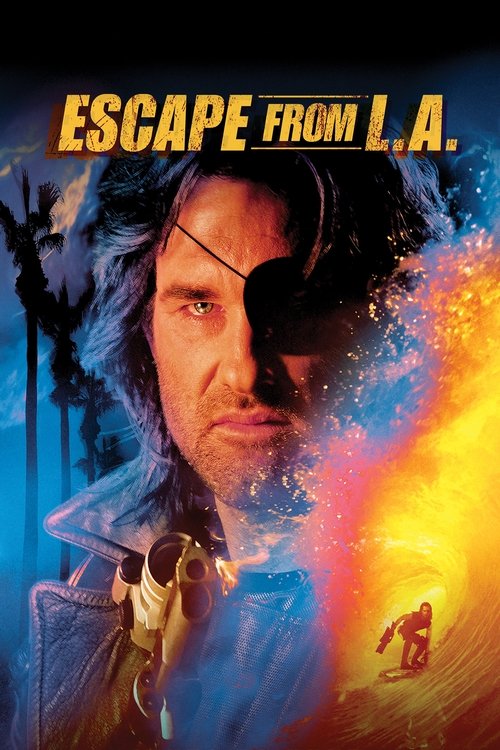
Escape from L.A.
1996Into the 9.6-quaked Los Angeles of 2013 comes Snake Plissken. His job: wade through L.A.'s ruined landmarks to retrieve a doomsday device.
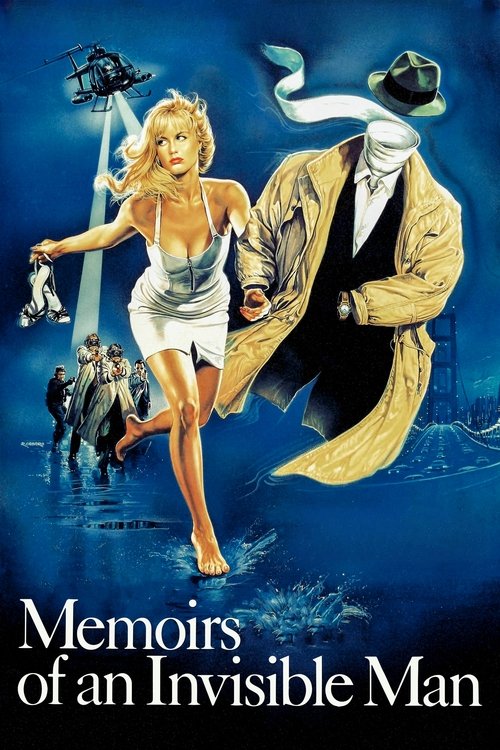
Memoirs of an Invisible Man
1992After a freak accident, an invisible yuppie runs for his life from a treacherous CIA official while trying to cope with his new life.
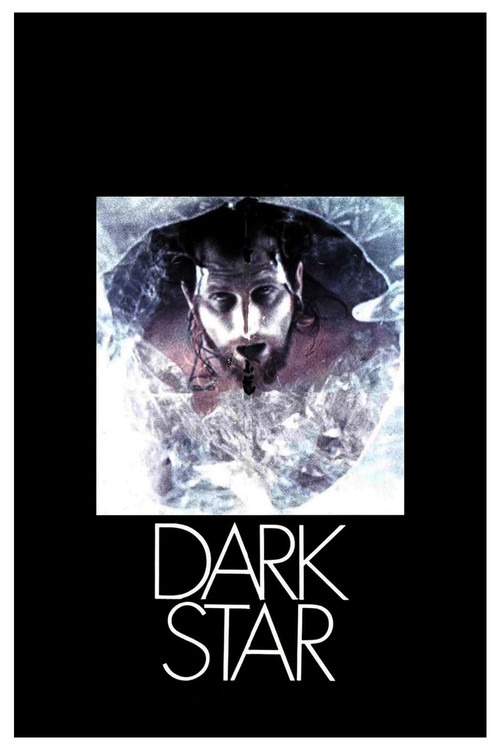
Dark Star
1974A group of scientists are sent on a mission to destroy unstable planets. Twenty years into their mission, they have to battle their alien mascot as well as a "sensitive" and intelligent bombing device that starts to question the meaning of its existence.
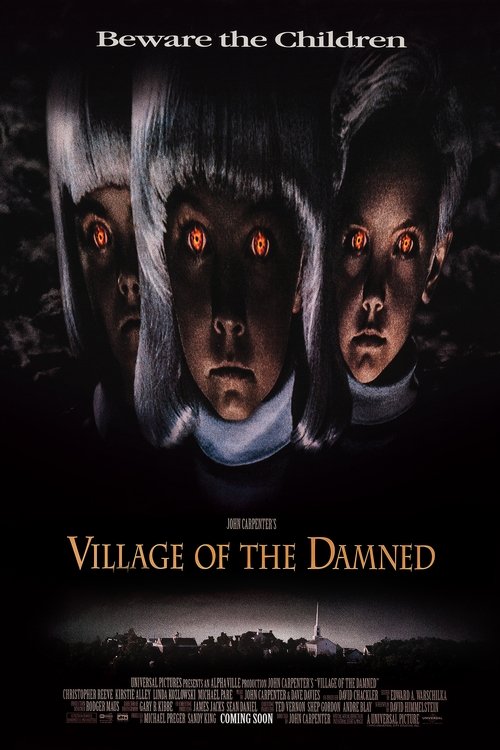
Village of the Damned
1995An American village is visited by some unknown life form which leaves the women of the village pregnant. Nine months later, the babies are born, and they all look normal, but it doesn't take the "parents" long to realize that the kids are not human or humane.
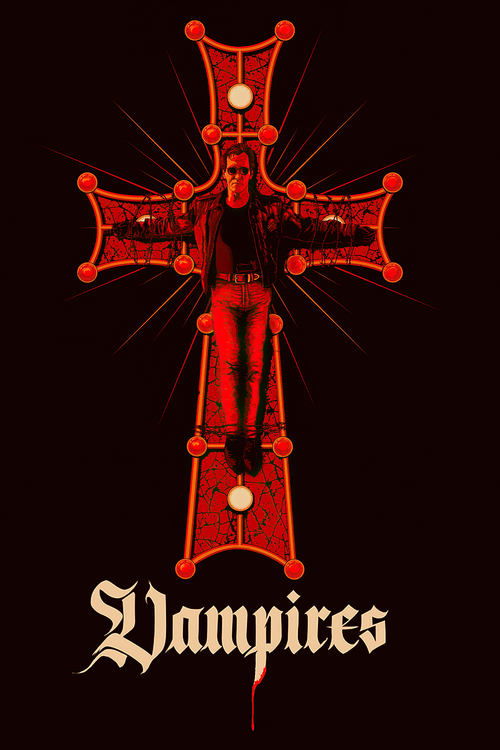
Vampires
1998The church enlists a team of vampire-hunters to hunt down and destroy a group of vampires searching for an ancient relic that will allow them to exist in sunlight.
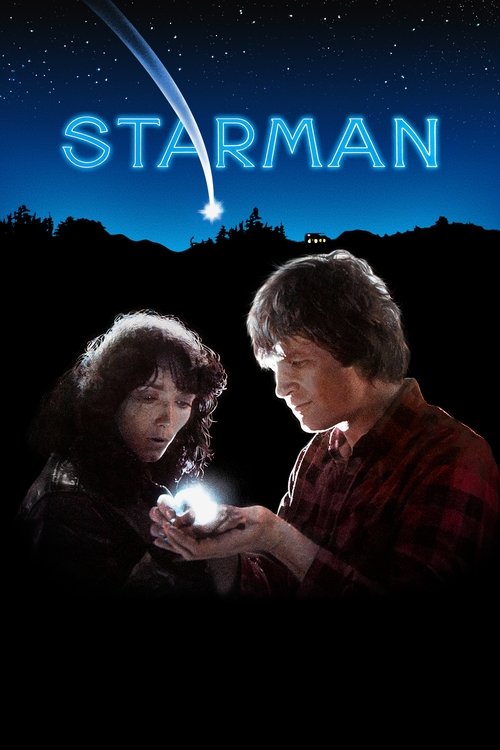
Starman
1984When an alien takes the form of a young widow's husband and asks her to drive him from Wisconsin to Arizona, the government tries to stop them.
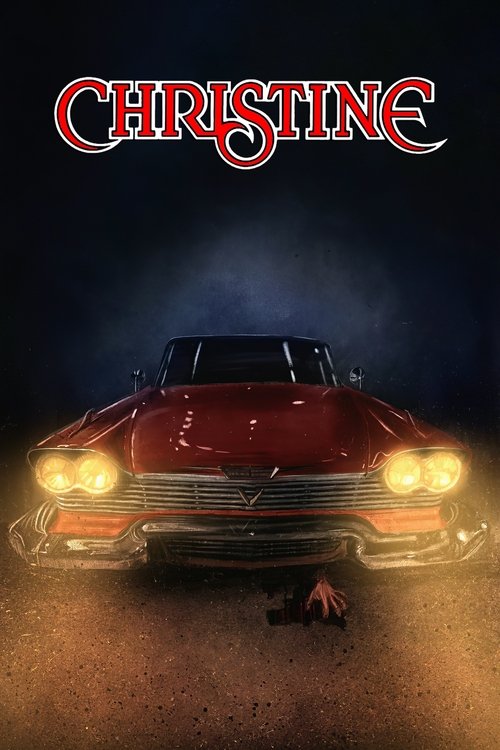
Christine
1983Nerdy high schooler Arnie Cunningham falls for Christine, a rusty 1958 Plymouth Fury, and becomes obsessed with restoring the classic automobile to her former glory. As the car changes, so does Arnie, whose newfound confidence turns to arrogance behind the wheel of his exotic beauty. Arnie's girlfriend Leigh and best friend Dennis reach out to him, only to be met by a Fury like no other.
Carpenter injects a cold, mechanical soul into a story of obsession, treating the titular vehicle with a predatory reverence that exceeds mere gimmickry. The film stands as a stylish meditation on the dark allure of the American machine and the corruption of youth.
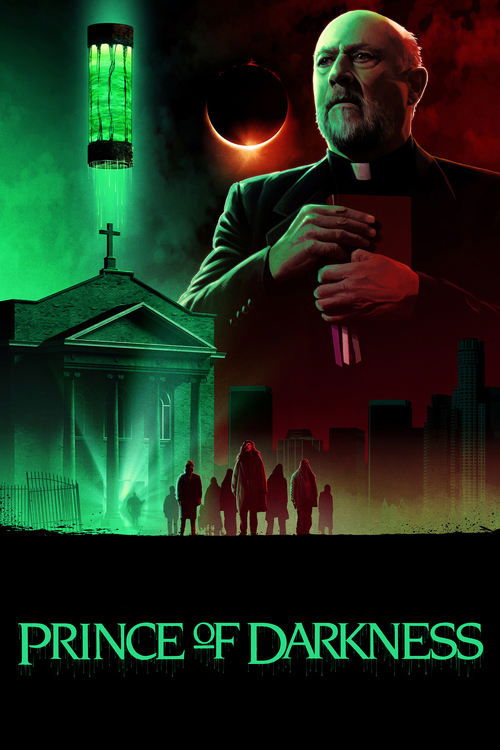
Prince of Darkness
1987A priest discovers an ancient canister containing a strange liquid in an abandoned church. When a group of graduate students and scientists are tasked with studying it, they unknowingly unleash an evil force waiting to destroy all of humanity.
This ambitious fusion of theoretical physics and theological horror represents the director's most cerebral experimentation with dread. Use of recurring dream imagery and claustrophobic staging creates a singular sense of impending, inescapable cosmic doom.
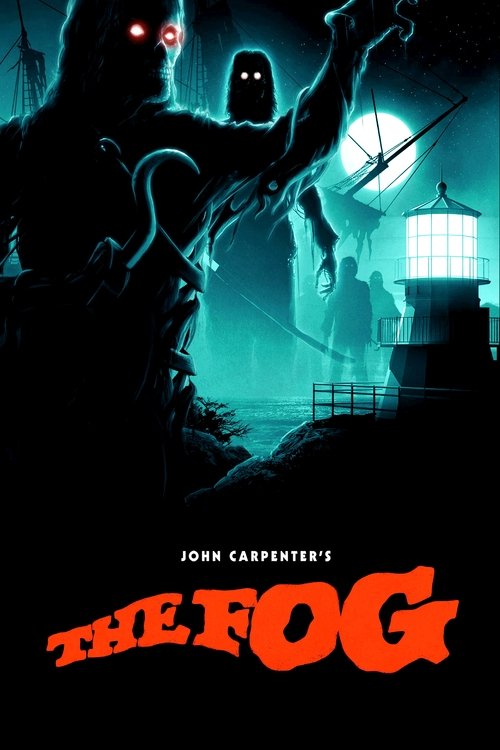
The Fog
1980Strange things begin to occur as a tiny California coastal town prepares to commemorate its centenary. Inanimate objects spring eerily to life; Rev. Malone stumbles upon a dark secret about the town's founding; radio announcer Stevie witnesses a mystical fire; and hitchhiker Elizabeth discovers the mutilated corpse of a fisherman. Then a mysterious iridescent fog descends upon the village, and more people start to die.
Drawing on the tradition of the campfire ghost story, this film excels at building atmosphere through maritime textures and spectral lighting. It demonstrates his unique ability to turn environmental elements into a suffocating, supernatural antagonist.
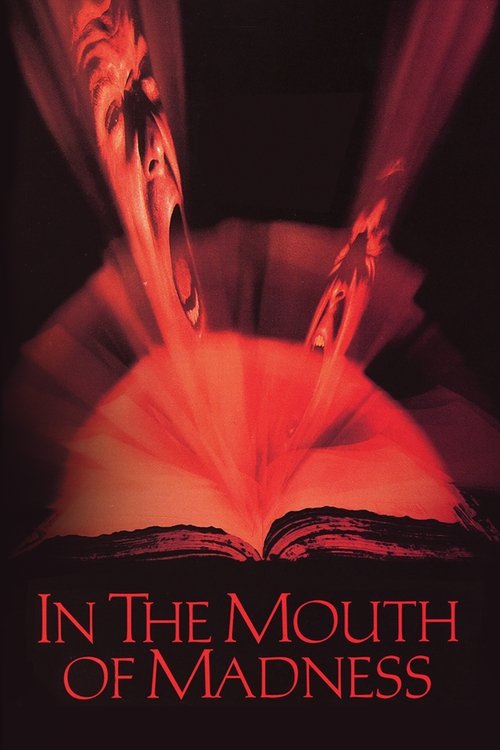
In the Mouth of Madness
1995An insurance investigator visits a small town while looking into the strange disappearance of a popular horror novelist. He soon finds that the impact of the author’s books is far more than inspirational.
Carpenter dives into Lovecraftian meta-horror, challenging the very nature of reality through a fractured and hallucinatory visual style. This late-career triumph explores the terrifying intersection of mass media and madness with an uncompromising intellectual bite.
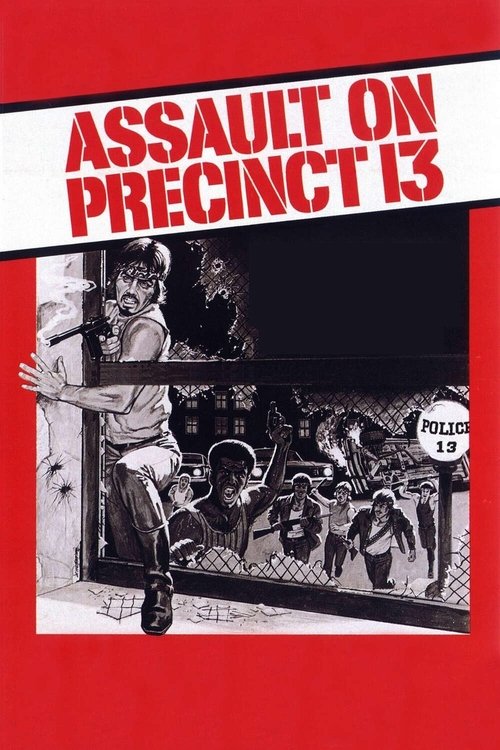
Assault on Precinct 13
1976A highway patrol officer, two criminals, and a station secretary form an unlikely alliance to defend a defunct Los Angeles precinct against a siege by a bloodthirsty street gang.
A masterclass in economic filmmaking, this siege thriller distills tension into its purest form through precise editing and a relentless, percussive pace. It bridges the gap between the classic Western and modern urban horror with a brutal, minimalist efficiency.
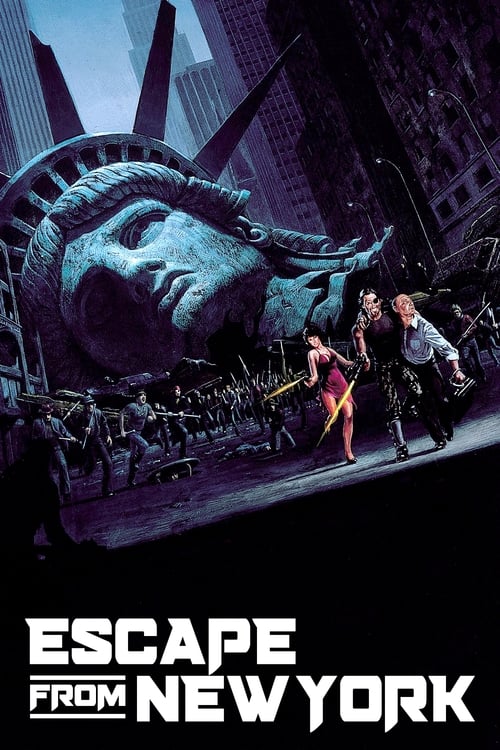
In a world ravaged by crime, the entire island of Manhattan has been converted into a walled prison where brutal prisoners roam free. After the US president crash-lands inside, war hero Snake Plissken has 24 hours to bring him back.
The director creates a definitive blueprint for the urban dystopia by bathing a decaying Manhattan in cynical neon and synth textures. It is a lean exercise in anti-authoritarian world-building that solidified the cinematic icon of the lone nihilist anti-hero.
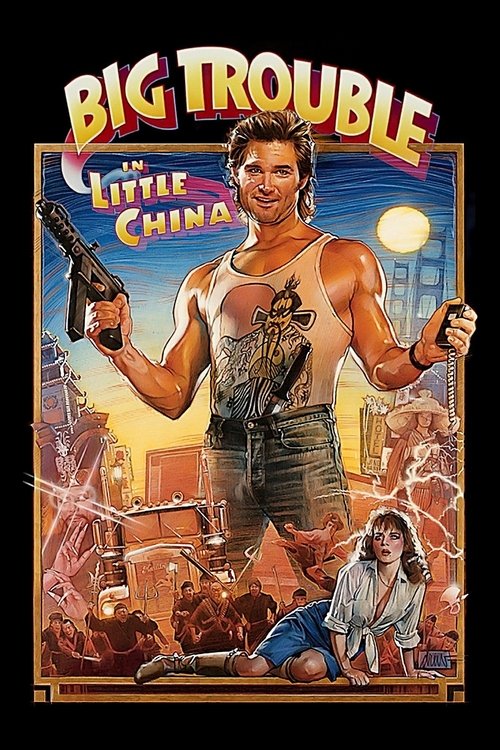
Truck driver Jack Burton gets embroiled in a supernatural battle when his best friend Wang Chi's green-eyed fiancée is kidnapped by henchmen of the sorcerer Lo Pan, who must marry a girl with green eyes in order to return to the human realm.
By gleefully upending the white savior trope through a protagonist who is effectively the sidekick, Carpenter crafts a genre-bending collision of mysticism and Americana. This work showcases his willingness to subvert blockbuster conventions through surrealist action and deliberate tonal dissonance.
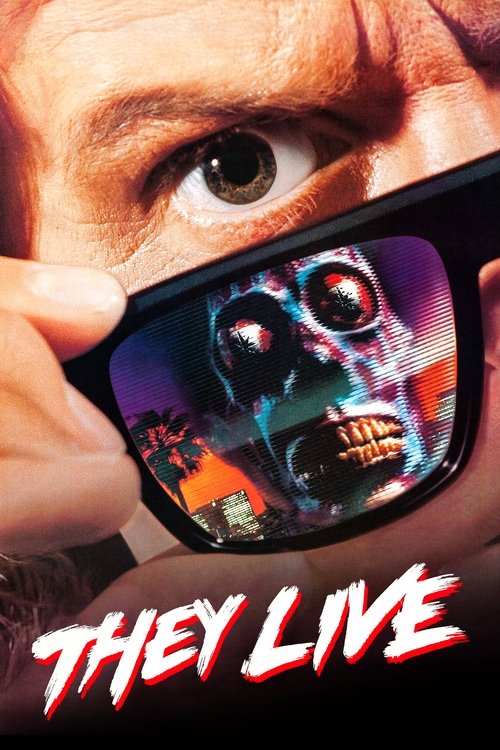
They Live
1988A lone drifter stumbles upon a unique pair of sunglasses that reveal aliens are systematically gaining control of the Earth by masquerading as humans and lulling the public into submission.
Carpenter weaponizes the science fiction genre as a sharp-toothed satire of Reagan-era consumerism and class disparity. The film serves as a subversive manifesto that proves the director is at his most potent when he is punching upward at the elite.

Halloween
1978Fifteen years after murdering his sister on Halloween Night 1963, Michael Myers escapes from a mental hospital and returns to the small town of Haddonfield, Illinois to kill again.
This foundational slasher utilizes negative space and a hauntingly minimalist score to redefine the mechanics of onscreen suspense. It remains the definitive study in how a rhythmic directorial hand can transform a suburban landscape into a primal hunting ground.
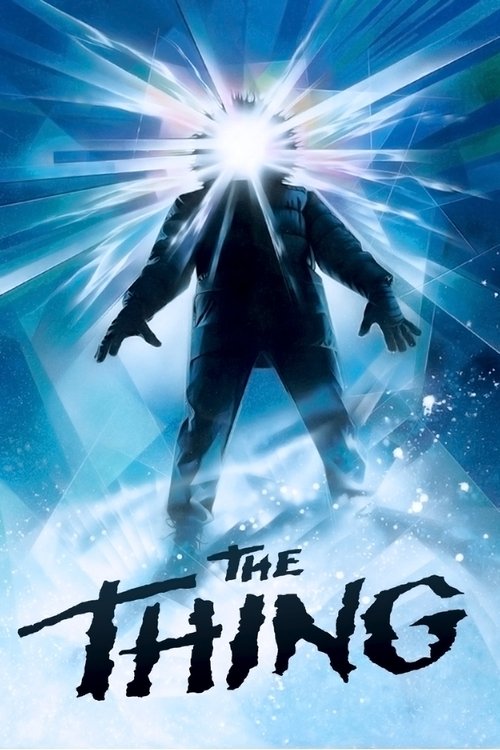
The Thing
1982A research team in Antarctica is hunted by a shape-shifting alien that assumes the appearance of its victims.
A masterpiece of claustrophobic dread, this film represents the absolute zenith of practical effects used to manifest existential paranoia. Carpenter strips away human identity to reveal a nihilistic vista where trust is the first casualty of survival.
Frequently Asked Questions
Everything you need to know about this list and SnakeDrafts
- John Carpenter's 'The Thing' is celebrated for its intense atmosphere, groundbreaking practical effects, and suspenseful storytelling. It blends horror and science fiction masterfully, showcasing Carpenter's skill in creating claustrophobic tension and memorable creature design.
- Carpenter's 'Halloween' is a seminal slasher film that established many genre conventions such as the use of a masked killer, suspense through point-of-view shots, and a haunting minimalist score composed by Carpenter himself. Its success solidified Carpenter as a master of suspenseful horror filmmaking.
- Several of Carpenter's films blend science fiction with horror and thriller genres, including 'The Thing,' 'They Live,' 'Escape from New York,' and 'Village of the Damned.' These films often explore themes like alien invasion, societal control, and dystopian futures.
- Unlike Carpenter's typical horror and thriller films, 'Big Trouble in Little China' is a genre-blending action-comedy with fantasy elements. It showcases Carpenter's versatility by combining humor, martial arts, and supernatural adventure in a distinctly playful style.
- John Carpenter often explores themes of isolation, distrust of authority, and the intrusion of the unknown or supernatural into everyday life. Many of his films use minimalist kits and tension-building techniques to evoke fear and suspense, with music playing a crucial atmospheric role.
- Carpenter frequently composes the synth-heavy scores for his films, such as the iconic chilling theme of 'Halloween' and the eerie melodies in 'The Fog.' His music accentuates suspense and evokes an unsettling mood, becoming an integral part of his storytelling style.
- 'They Live' is known for its sharp critique of consumerism, media manipulation, and class disparity, woven into a science fiction action-thriller framework. The film combines social satire with thrilling sequences, making it one of Carpenter's most culturally resonant works.
- Yes, films like 'Starman' incorporate romantic drama within a science fiction narrative, while 'Big Trouble in Little China' and 'Memoirs of an Invisible Man' blend comedy with action and fantasy. These films highlight Carpenter's range beyond pure horror and thriller genres.