Sophia Loren's Best Movies
The Queen of Italian Cinema and Global Icon
Discover the essential films of Sophia Loren, from her Oscar-winning roles in Italian neo-realism to her legendary Hollywood performances.
About Sophia Loren
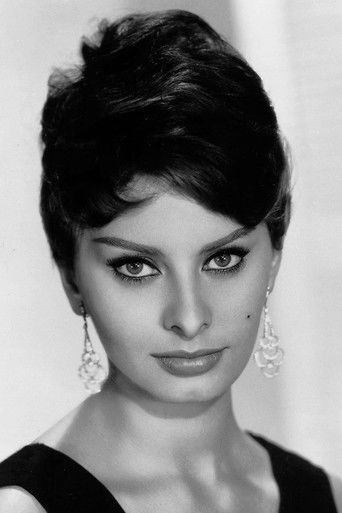
In the pantheon of global cinema, very few faces carry the tectonic weight of Sophia Loren. She is more than a movie star; she is a foundational element of the medium itself, a woman who bridged the gap between the gritty realism of post-war Italy and the polished artifice of old Hollywood. While she possessed a beauty that could frankly stop traffic, her true power lay in her refusal to be just a decorative object. She brought a visceral, earthy intelligence to the screen, projecting a sense of survival that felt deeply earned. Whether she was playing a street-smart vendor in The Gold of Naples or a glamorous foil in Arabesque, there was always a vibrating life force behind her eyes that demanded respect.
Audiences gravitate toward her because she never sacrificed her humanity for the sake of a close-up. In her definitive performance in Two Women, she shattered the perception of the starlet by portraying a mother desperate to protect her daughter amidst the ruins of war. That role secured her an Oscar and proved that her talent was as formidable as her silhouette. She could inhabit the sprawling tragedy of The Fall of the Roman Empire or the theatricality of Man of La Mancha, but she was arguably at her most magnetic when she returned to her roots. Her collaborations with Marcello Mastroianni and director Vittorio De Sica created a specific kind of cinematic magic. In masterpieces like Yesterday, Today and Tomorrow and Marriage Italian Style, she balanced comedy and pathos with a rhythmic precision that made her feel like the literal heartbeat of Italy.
Even as she ventured into American productions like Houseboat or the humid drama of Desire Under the Elms, she maintained an untouchable dignity. She wasn't just a transplant; she was a sovereign presence. This reputation for gravitas followed her into the 1970s, where she delivered an understated masterclass in A Special Day, portraying a lonely housewife finding a fleeting connection during a fascist rally. It was a performance stripped of vanity, reminding the world that she was an actress of profound psychological depth. Her ability to pivot from the sweeping romance of Sunflower to the tense noir elements of The Black Orchid or the lighthearted charm of Scandal in Sorrento speaks to a versatility that many of her contemporaries lacked.
Her cultural impact is anchored in the fact that she stayed relevant across seven decades by leaning into her own evolution. When she returned to the screen for The Life Ahead in 2020, she didn't try to reclaim the ingenue roles of Poverty and Nobility. Instead, she offered a weathered, soul-stirring performance that reflected a century of history. She remains a symbol of endurance. To watch her on screen is to witness the defiance of time itself. She redefined what it meant to be a leading lady by insisting that a woman could be both a goddess and a survivor, a duality that continues to inspire anyone who picks up a camera today. Over a career that defines the word legendary, she has remained the singular architect of her own myth.
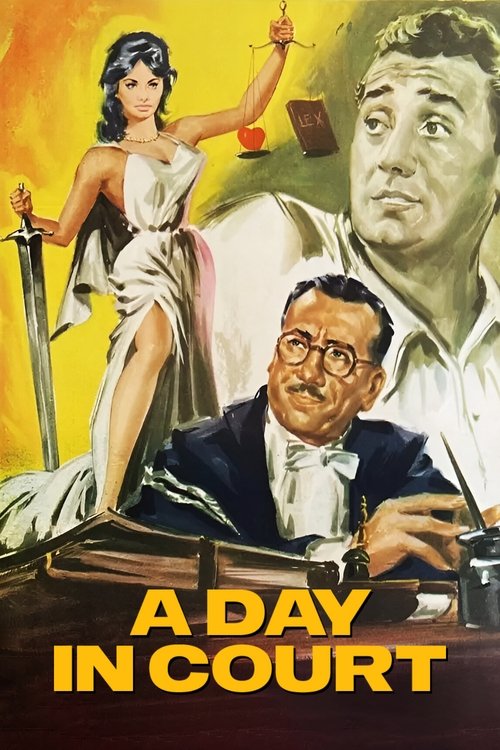
A Day in Court
1954A day at an Italian trial court, where a magistrate judges a full array of peculiar petty crimes and characters.
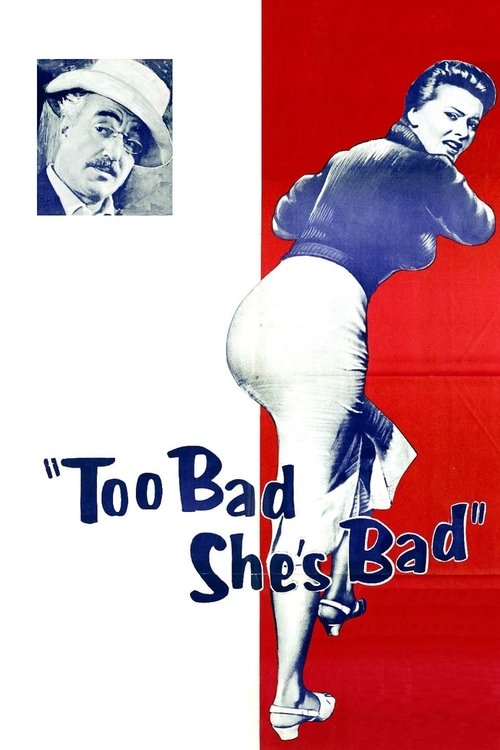
Too Bad She's Bad
1954When young and attractive Lina Stroppiani, a thief like the rest of her family, tries to steal the taxi of Paolo, together with two accomplices, she can't possibly know that this will have far reaching consequences.
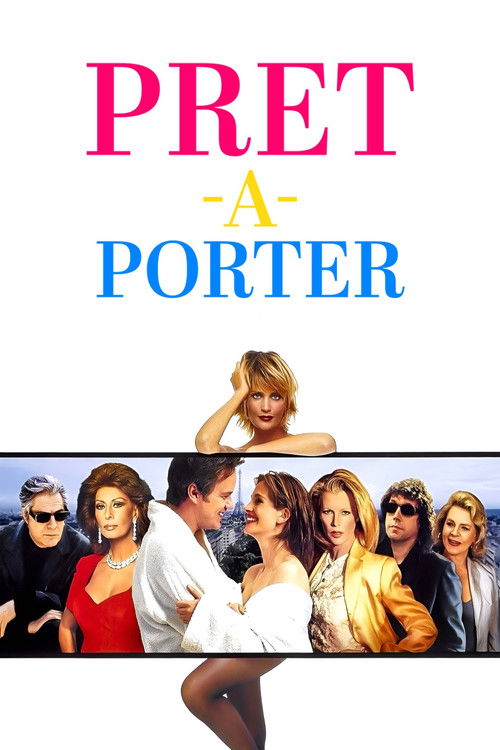
Prêt-à-Porter
1994During Paris Fashion Week, models, designers and industry hot shots gather to work, mingle, argue and try to seduce one another.
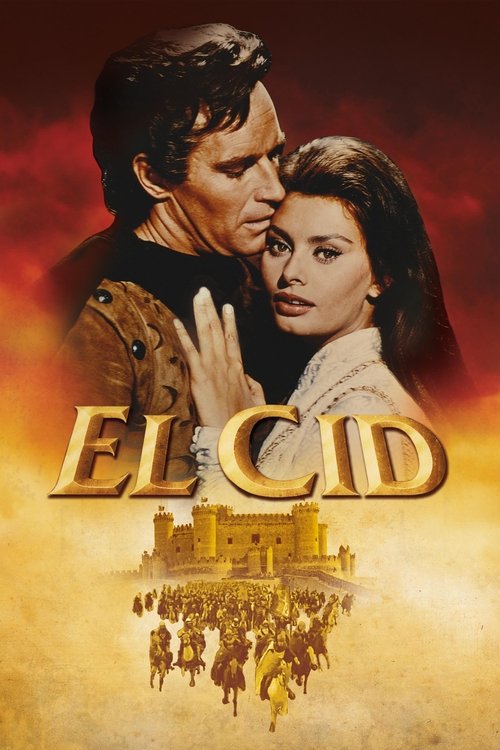
El Cid
1961Epic film of the legendary Spanish hero, Rodrigo Diaz ("El Cid" to his followers), who, without compromising his strict sense of honour, still succeeds in taking the initiative and driving the Moors from Spain.
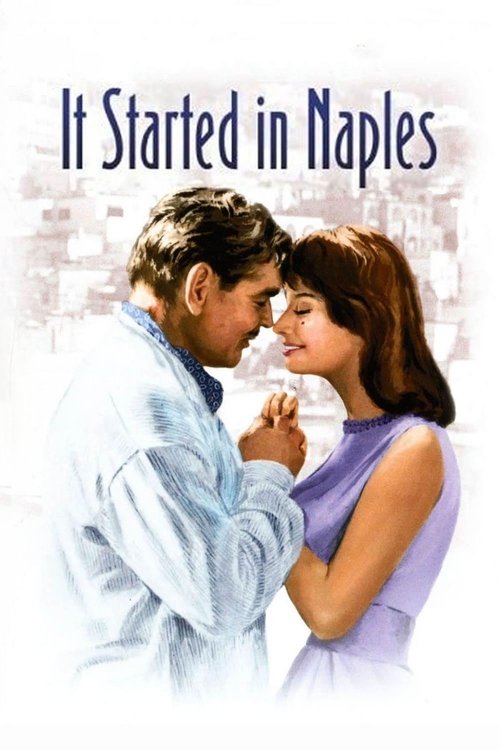
It Started in Naples
1960Mike Hamilton, a Philadelphia lawyer, comes to Naples to settle the estate of his long estranged "black sheep" brother. Once there, he discovers that the deceased has left an 8 year old boy who is being raised by Michael's sister-in-law Lucia Curcio. To complicate matters, Lucia happens to be a sexy nightclub performer.
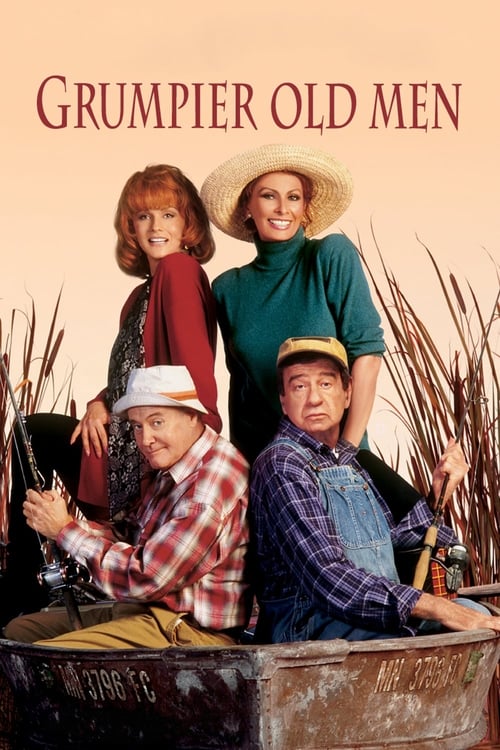
Grumpier Old Men
1995A family wedding reignites the ancient feud between next-door neighbors and fishing buddies John and Max. Meanwhile, a sultry Italian divorcée opens a restaurant at the local bait shop, alarming the locals who worry she'll scare the fish away. But she's less interested in seafood than she is in cooking up a hot time with Max.
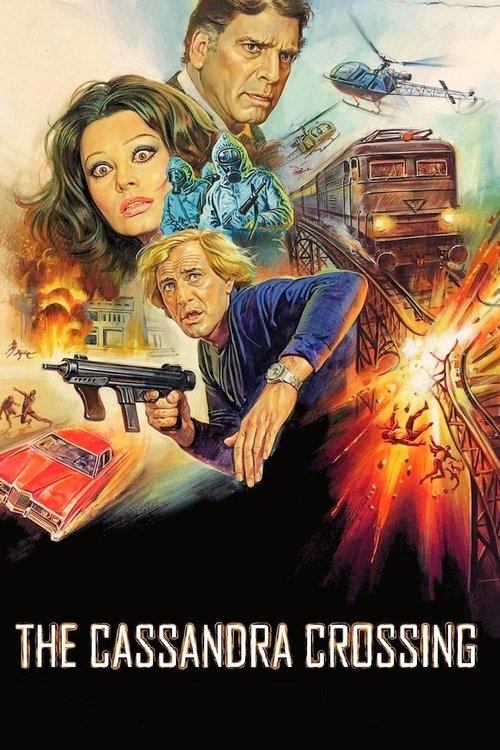
The Cassandra Crossing
1976Passengers on a European train have been exposed to a deadly disease, and nobody will let them off the train.
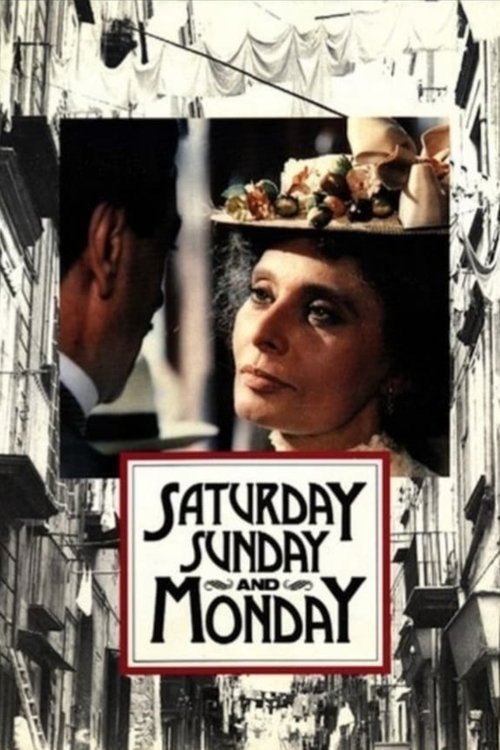
Saturday, Sunday and Monday
1990Rosa, a mature mother of several children, is concerned that her beloved husband Don Peppino is losing interest in her, and does his best to provoke some jealousy in him. She is a masterful cook, and if her romantic charms are fading, her culinary skills are not. By one means and another, and after some amusing confrontations, she succeeds in keeping her husband from taking her for granted and harmony is restored.
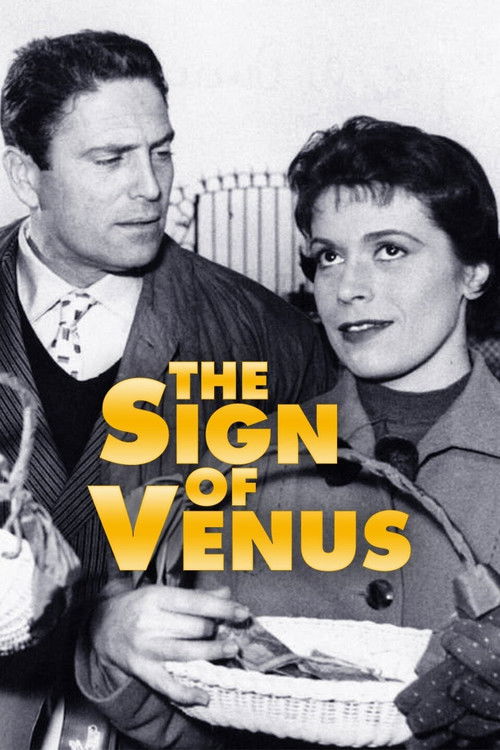
The Sign of Venus
1955Agnese has many men who woo her and live with her cousin Cesira, who has the opposite problem with men and wishes she would also have men woo her.
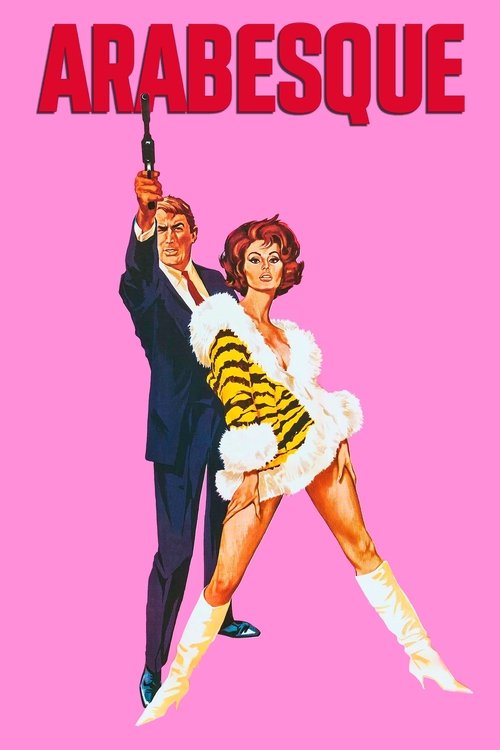
Arabesque
1966When a plot against a prominent Middle Eastern politician is uncovered, David Pollock, a professor of ancient hieroglyphics at Oxford University, is recruited to help expose the scheme. Pollock must find information believed to be in hieroglyphic code and must also contend with a mysterious man called Beshraavi. Meanwhile, Beshraavi's lover, Yasmin Azir, seems willing to aid Pollock -- but is she really on his side?
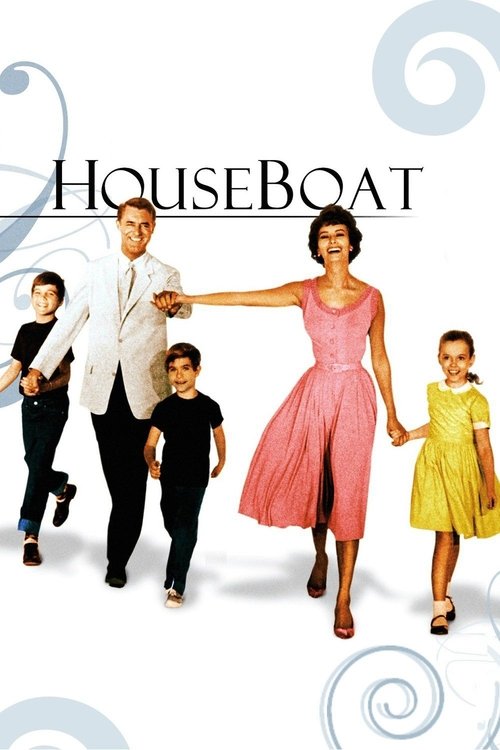
Houseboat
1958An Italian socialite on the run signs on as housekeeper for a widower with three children.
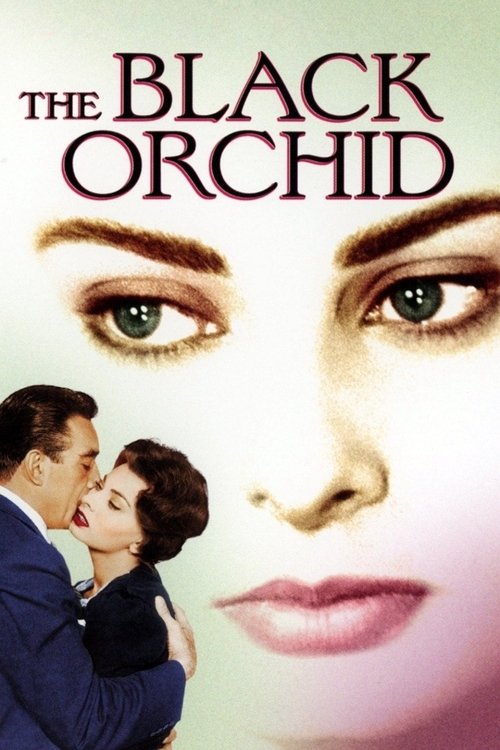
The Black Orchid
1959An aging widower fights family disapproval when he falls in love with a gangster's widow.
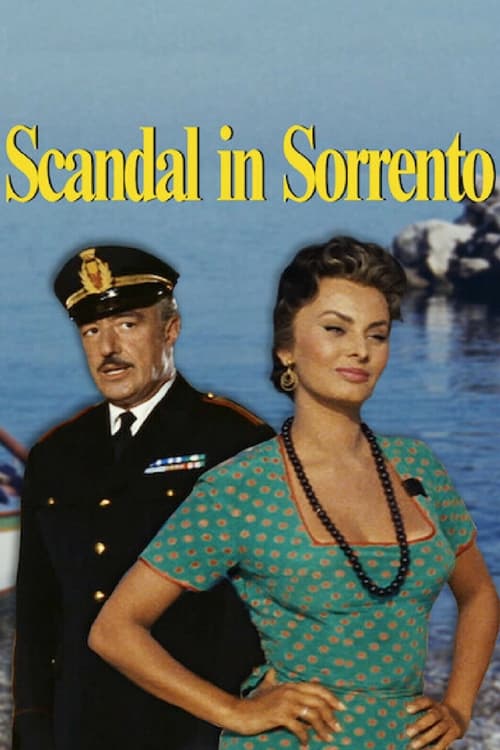
Scandal in Sorrento
1955Back to his hometown, a former marshal finds his house occupied by a young woman working as a fishwife.
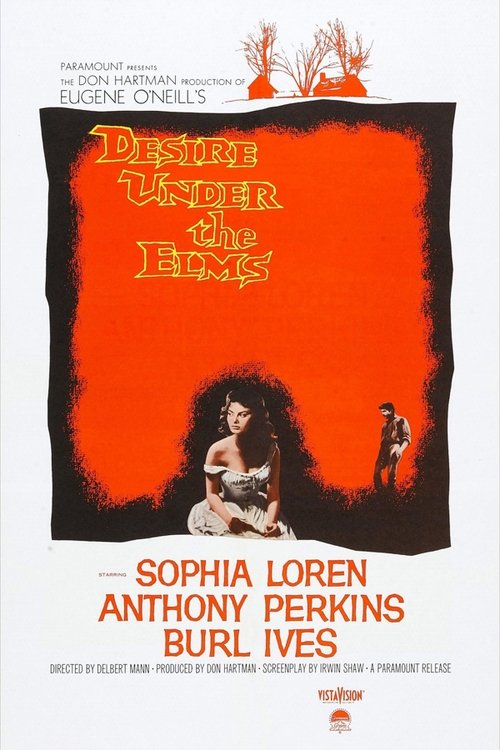
Desire Under the Elms
1958Ephraim Cabot is an old man of amazing vitality who loves his New England farm with a greedy passion. Hating him, and sharing his greed, are the sons of two wives Cabot has overworked into early graves. Most bitter is Eben, whose mother had owned most of the farm, and who feels who should be sole heir. When the old man brings home a new wife, Anna, she becomes a fierce contender to inherit the farm. Two of the sons leave when Eben gives them the fare in return for their shares of the farm. Meanwhile, Anna tries to cause some sparks by rubbing up against Eben.
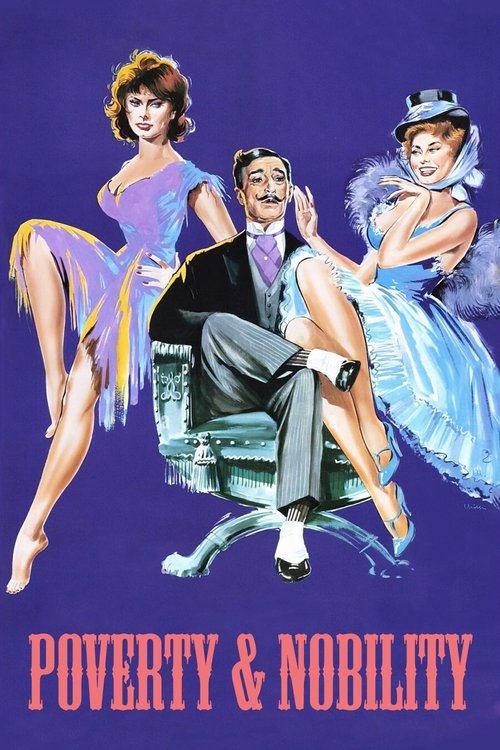
Poverty and Nobility
1954Eugene, a young nobleman, asks two penniless idlers to impersonate his noble relatives to help him marry Gemma, the daughter of an enriched cook.
This early career turn in a classic Neapolitan comedy demonstrates Loren’s intuitive grasp of slapstick and farce. Even in a supportive role, her charisma is undeniable, signaling the arrival of a star who could pivot effortlessly between laughter and pathos.
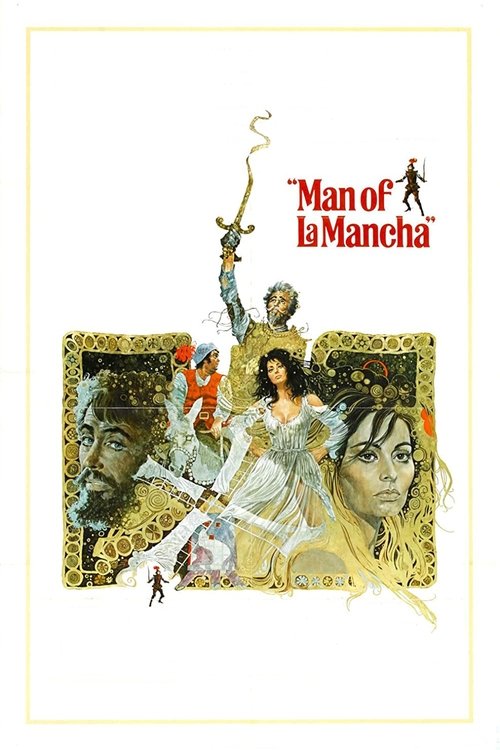
Man of La Mancha
1972In the 16th century, poet, playwright and part-time actor Miguel de Cervantes has been arrested, together with his manservant, by the Spanish Inquisition. They're accused of presenting an entertainment offensive to the Inquisition. Inside the huge dungeon into which they have been cast, the other inmates gang up on Cervantes and his manservant, staging a mock trial, with the intention of stealing or burning his possessions. Cervantes wishes to desperately save a manuscript he carries with him and stages, with costumes, makeup, and the participation of the other prisoners, an unusual defense—the story of Don Quixote.
Taking on the dual role of Aldonza and Dulcinea, Loren injects a gritty realism into the stylized world of the musical. Her grit and vocal conviction provide the necessary counterpoint to the film’s high-flown idealism.
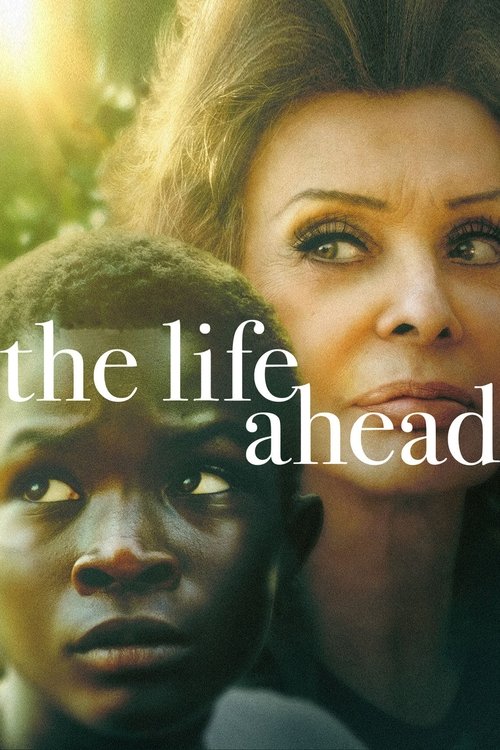
The Life Ahead
2020In seaside Italy, a Holocaust survivor with a daycare business takes in a 12-year-old street kid who recently robbed her.
Returning to the screen after a decade, Loren offers a performance of weathered grace and unsentimental toughness. She bridges the gap between her neorealist roots and modern cinema, finding deep reserves of empathy in the twilight of her career.
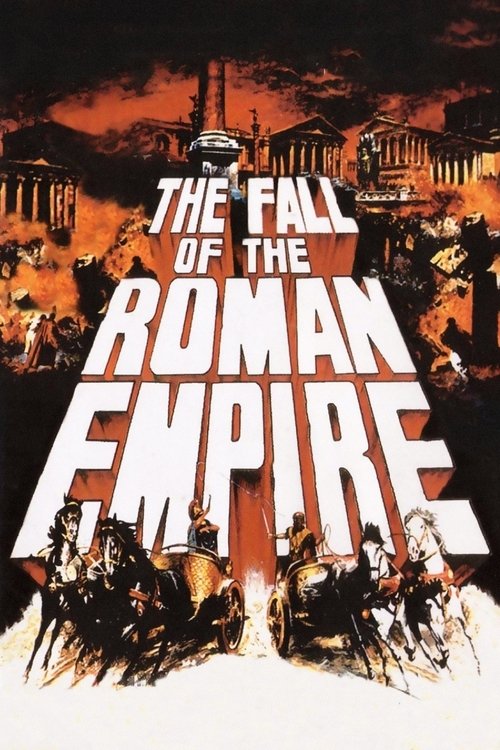
The Fall of the Roman Empire
1964In the year 180 A.D. Germanic tribes are about to invade the Roman empire from the north. In the midst of this crisis ailing emperor Marcus Aurelius has to make a decision about his successor between his son Commodus, who is obsessed by power, and the loyal general Gaius Livius.
Navigating the colossal scale of a Hollywood sword and sandal epic, Loren provides a necessary emotional center amidst the swords and marble. Her regal screen presence allows her to hold her own against a massive ensemble without losing her character's intimate stakes.
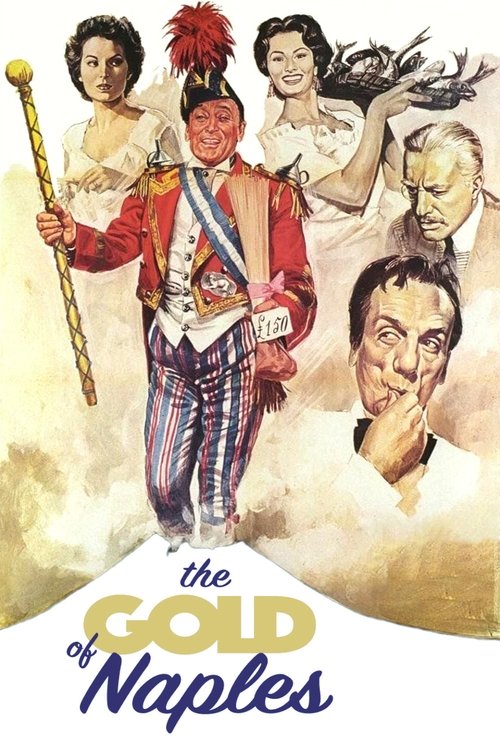
The Gold of Naples
1954A tribute to Naples, this film presents six episodes: a clown exploited by a gangster, a pizza seller losing her husband’s ring, a child's funeral, a gambler beaten by a kid, a prostitute's unusual wedding, and a "wisdom seller" offering advice.
As a pizza seller in post-war Naples, a young Loren radiates a magnetic, earthy energy that essentially birthed her international persona. This early Vittorio De Sica collaboration highights her innate knack for capturing the vibrant, chaotic pulse of her hometown.
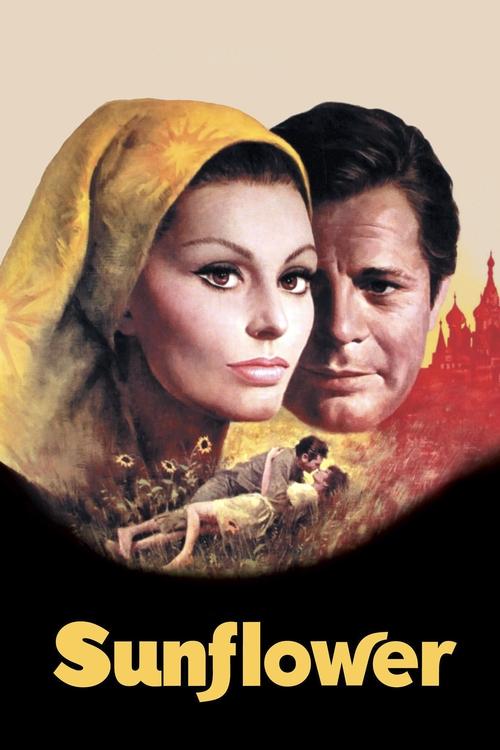
Sunflower
1970After World War II, a woman refuses to believe her husband, missing on the Russian front, is dead. Flashbacks reveal their brief courtship and marriage. Years later, she travels to Russia with his photo, determined to find him. What will she discover?
Loren brings a haunting, elegiac quality to this sprawling wartime romance, portraying a woman consumed by a desperate search for the ghost of her past. It is a testament to her power to command the screen through silent, grief-stricken observation.
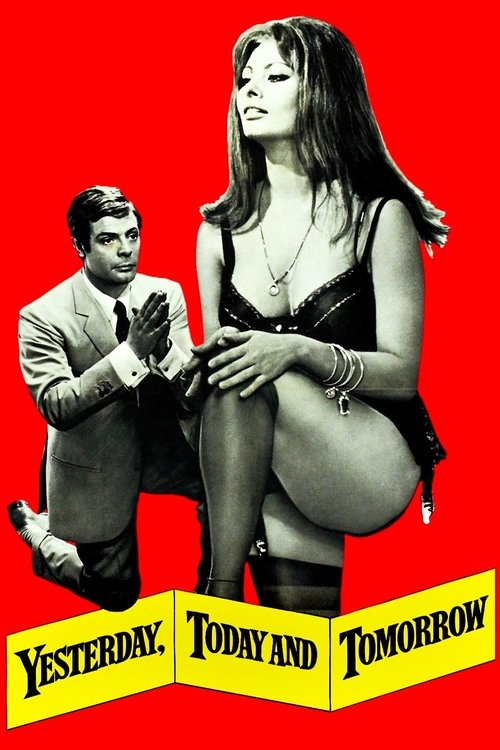
Yesterday, Today and Tomorrow
1963Three tales of very different women using their sexuality as a means to getting what they want.
In a brilliant triptych of roles, Loren explores the breadth of the female experience through three distinct social classes. This anthology piece serves as a playground for her versatility, culminating in the most iconic striptease in cinema history.
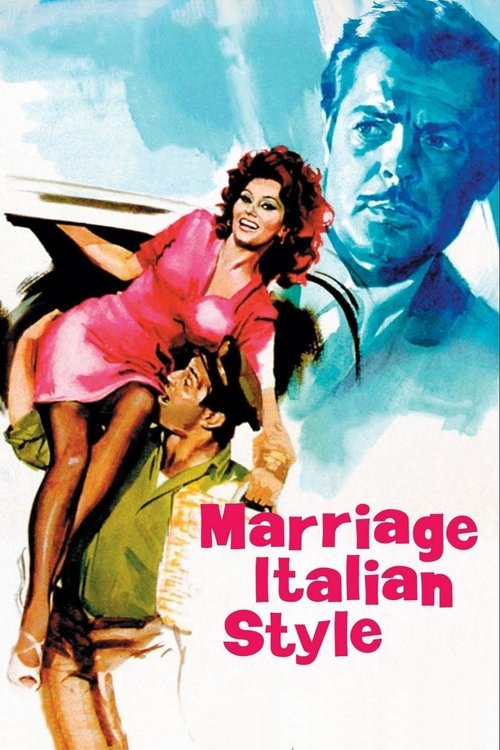
Marriage Italian Style
1964During the bombing of Naples in World War II, a cynical businessman helps a naive prostitute, who spends the next two decades desperate to have him reciprocate her feelings.
This career-defining collaboration showcases Loren’s uncanny ability to balance broad comedic timing with soulful, weathered tenacity. She transforms the role of Filumena into an enduring symbol of Italian defiance and maternal iron will.
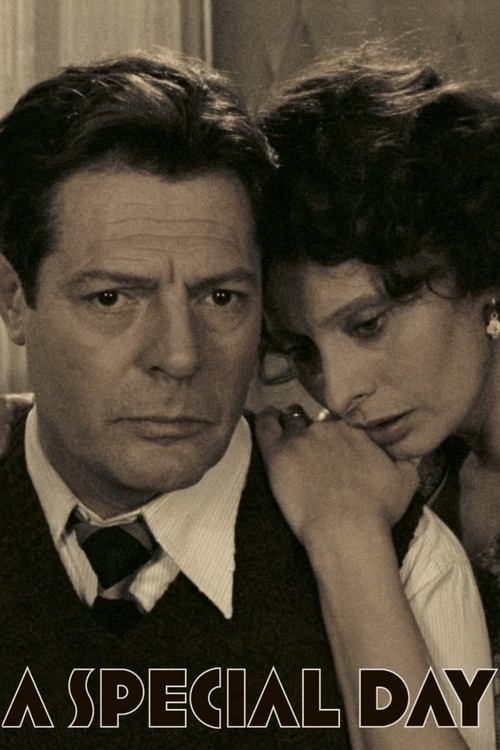
A Special Day
1977Two neighbours — a persecuted journalist and a resigned housewife — forge a strong bond on the day of Adolf Hitler's historic 1938 visit to Rome.
Stripped of her usual cinematic finery, Loren delivers a masterclass in subtlety and internal conflict as a lonely housewife. Her chemistry with Marcello Mastroianni shifts from playful to profound, grounding this political chamber piece in a deeply moving human vulnerability.
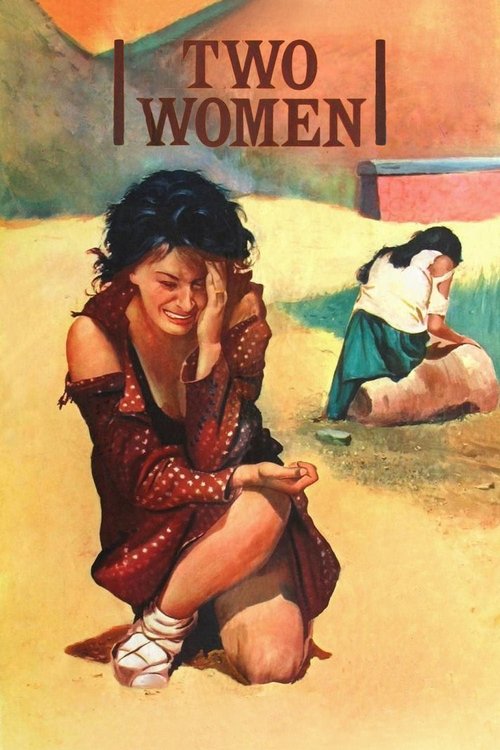
Two Women
1960A young widow flees from Rome during WWII and takes her lonely twelve-year-old-daughter to her rural hometown but the horrors of war soon catch up with them.
Loren shattered the artifice of Hollywood glamour with this raw, visceral portrayal that earned her a historic Academy Award. She anchors the neorealist tragedy with a feral maternal instinct, proving she was a formidable dramatic force beyond her physical allure.
Frequently Asked Questions
Everything you need to know about this list and SnakeDrafts
- "Two Women" is ranked highest because it earned Sophia Loren an Academy Award for Best Actress, marking a pivotal moment in her career. Directed by Vittorio De Sica, the film showcases her profound emotional range in portraying a mother's struggles during wartime, solidifying her status as a serious dramatic actress.
- Many of Loren's best films, including "Marriage Italian Style" and "Yesterday, Today and Tomorrow," blend romance and comedy with nuanced social commentary. These movies, often directed by Vittorio De Sica, highlight her versatility in portraying complex characters that navigate love and societal norms with charm and intelligence.
- In "A Special Day," Loren plays a more introspective and subdued character, reflecting deep socio-political issues during Mussolini's regime in Italy. This film stands out on the list for its intimate, character-driven narrative, differing from the more romantic or comedic roles she is also known for.
- "The Life Ahead" is significant as it marks one of Sophia Loren's most recent acclaimed performances, showcasing her enduring talent over decades. Directed by her son Edoardo Ponti, the film highlights Loren's ability to take on emotionally rich, mature roles that resonate with contemporary audiences.
- While comprehensive, the list prioritizes films that best showcase Loren's dramatic and comedic talents, such as those directed by De Sica. Some earlier works or less critically acclaimed movies are not included to maintain focus on her most influential and iconic performances.
- Sophia Loren's collaborations with Vittorio De Sica are central to her legacy, as many of her highest-ranked films on this list, like "Two Women" and "Marriage Italian Style," were directed by him. Their partnership brought together neo-realistic storytelling with Loren's charismatic presence, enhancing Italian cinema's international reputation.
- "The Fall of the Roman Empire" showcases Loren in a grand historical epic, a departure from her usual contemporary Italian dramas and comedies. This role highlights her adaptability to Hollywood productions and her ability to embody larger-than-life characters within historical narratives.