Best Anne Bancroft Movies Ranked
The Commanding Presence of a Cinematic Legend
Explore the finest performances of Anne Bancroft, from her Oscar-winning roles to iconic portrayals that defined a generation of Hollywood excellence.
About Anne Bancroft

In the pantheon of Hollywood legends, few possessed the sheer, vibrating frequency of Anne Bancroft. She was an actor who didn't just inhabit a frame so much as she commanded it with a mix of earthy sensuality and intellectual rigor. While the industry frequently tries to pigeonhole women into neat categories of ingenue or matriarch, she existed in a stratosphere of her own making. She brought a specific, Bronx-bred authenticity to the screen that made every line feel lived-in and every silence heavy with subtext.
Audiences first truly felt her tectonic power in The Miracle Worker. As Annie Sullivan, she delivered a performance of such physical and emotional exhaustion that it redefined what it meant to struggle on screen. It was a role that required a feral commitment, a far cry from the polished, passive starlets of the era. Yet, by the time she slipped into the animal prints and calculated cynicism of Mrs. Robinson in The Graduate, she had pivoted entirely. She transformed a potential caricature of a bored housewife into a tragic, predatory, and deeply lonely icon of suburban dissatisfaction. It remains one of the most misunderstood and magnetic performances in cinema history, cementing her as the ultimate sophisticated provocateur.
What made her so essential was her refusal to be precious about her image. She could pivot from the stifled, suffocating grief of The Pumpkin Eater or the suicidal despair of The Slender Thread to the high-camp comedy of To Be or Not to Be alongside her husband, Mel Brooks. She found the dignity in the grotesque, notably in The Elephant Man, and the humor in the overbearing, seen in her delightfully suffocating maternal turns in Home for the Holidays and Torch Song Trilogy. She understood that a career wasn't a straight line but a sprawling map of human contradictions.
In her later years, she became the industry's secret weapon, the kind of performer who could elevate a film simply by walking into the room. Whether she was barking orders with terrifying precision in G.I. Jane or providing the soulful, weathered backbone of How to Make an American Quilt and Great Expectations, she remained a force of nature. Even in broader fare like Dracula: Dead and Loving It, her timing was surgical. She possessed a rare ability to bridge the gap between high art and populist entertainment without ever losing her edge.
People connected with her because she never seemed like she was pretending to be human. She shared a quiet, literate intimacy with the camera in 84 Charing Cross Road that felt like a private conversation with the audience. In the stark, claustrophobic world of night, Mother, she handled the heaviest themes of the human condition with an unflinching grace. She was the actor you turned to when you needed to see a woman who had seen it all and survived. Her legacy isn't just a list of credits, but a blueprint for how to age with ferocity, humor, and an unbreakable sense of self. She remains the gold standard for the thinking person’s movie star.
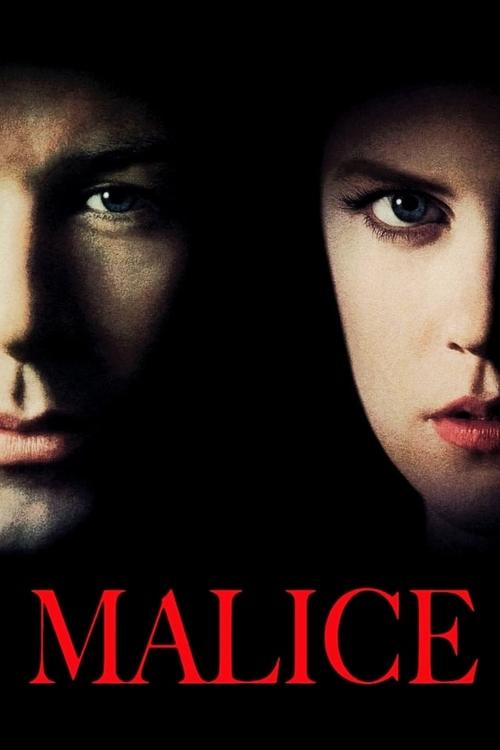
Malice
1993A tale about a happily married couple who would like to have children. Tracy teaches infants, Andy's a college professor. Things are never the same after she is taken to hospital and operated upon by Jed, a "know all" doctor.
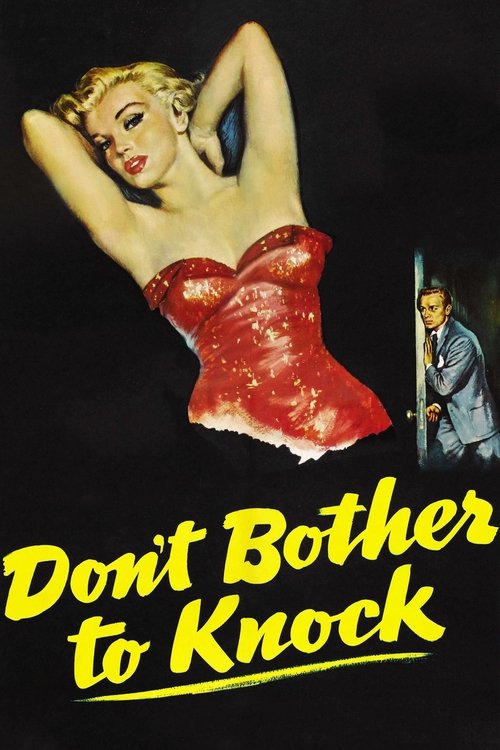
Don't Bother to Knock
1952An airline pilot pursues a live-in babysitter at his hotel and gradually realizes she is not as stable as perhaps she should be.
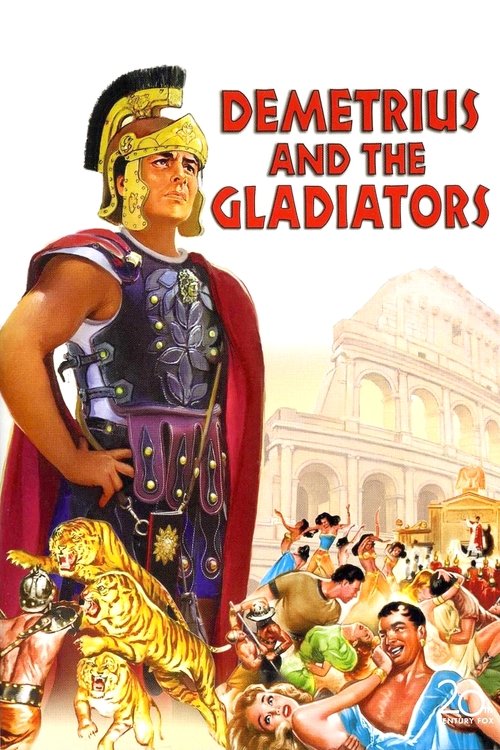
Demetrius and the Gladiators
1954The story picks up at the point where "The Robe" ends, following the martyrdom of Diana and Marcellus. Christ's robe is conveyed to Peter for safe-keeping, but the emperor Caligula wants it back to benefit from its powers. Marcellus' former slave Demetrius seeks to prevent this, and catches the eye of Messalina, wife to Caligula's uncle Claudius. Messalina tempts Demetrius, he winds up fighting in the arena, and wavers in his faith.
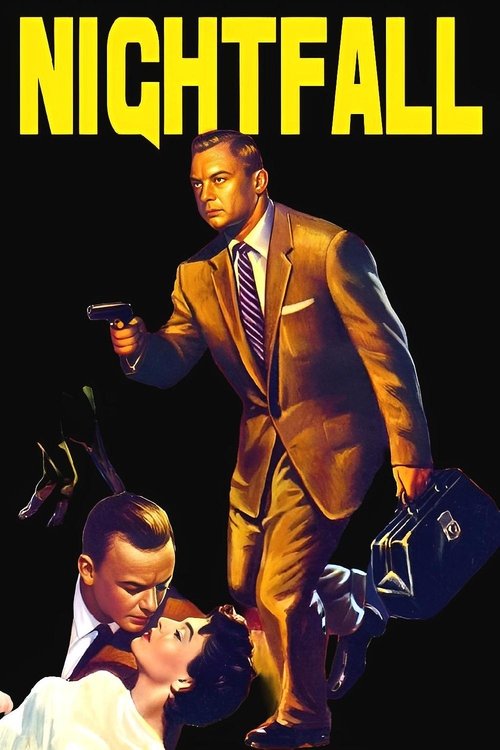
Nightfall
1956An innocent man turns fugitive as he reconstructs events that implicate him for a murder and robbery he did not commit.
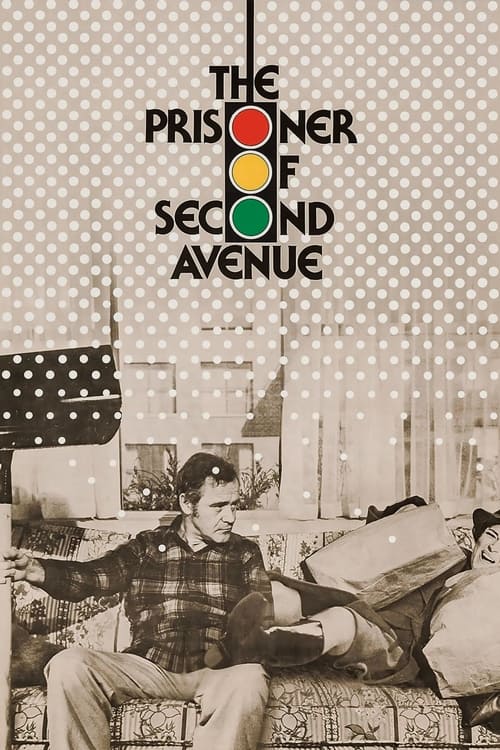
The Prisoner of Second Avenue
1975Mel Edison has just lost his job after many years and now has to cope with being unemployed at middle age during an intense NYC heat wave.
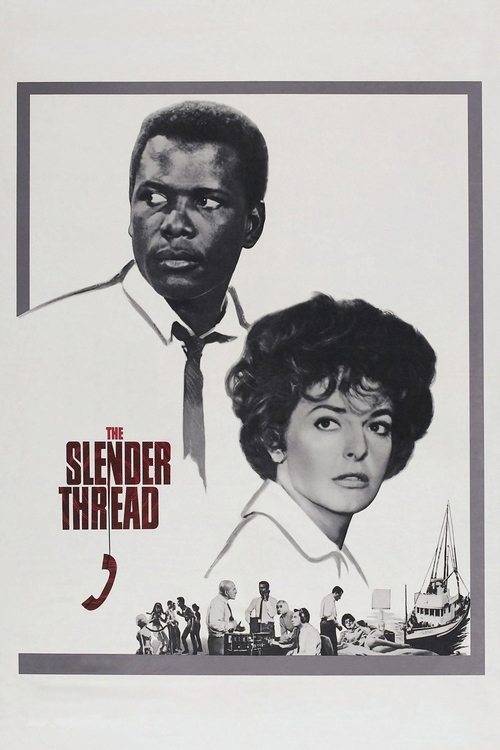
The Slender Thread
1965Alan is a Seattle college student volunteering at a crisis center. One night when at the clinic alone, a woman calls up the number and tells Alan that she needs to talk to someone. She informs Alan she took a load of pills, and he secretly tries to get help. During this time, he learns more about the woman, her family life, and why she wants to die. Can Alan get the cavalry to save her in time before it's too late?

Home for the Holidays
1995After losing her job, making out with her soon-to-be former boss, and finding out that her daughter plans to spend Thanksgiving with her boyfriend, Claudia Larson faces spending the holiday with her unhinged family.
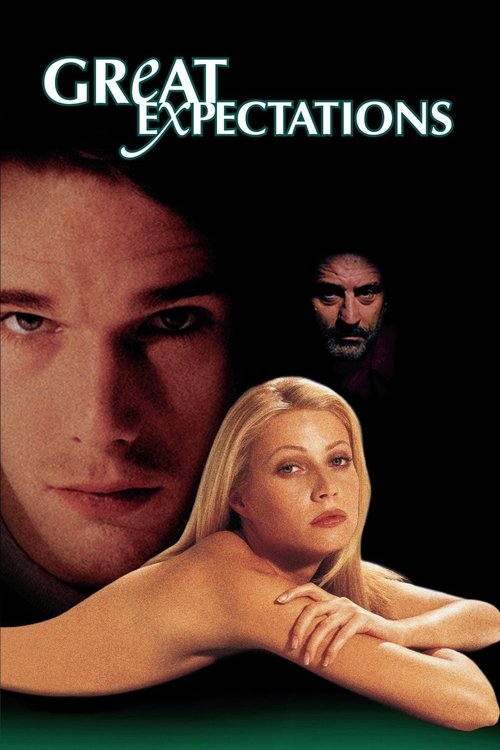
Great Expectations
1998Loosely based on the Charles Dickens' classic novel, "Great Expectations" is a sensual tale of a young man's unforgettable passage into manhood, and the three individuals who will undeniably change his life forever. Through the surprising interactions of these vivid characters, "Great Expectations" takes a unique and contemporary look at life's great coincidences.
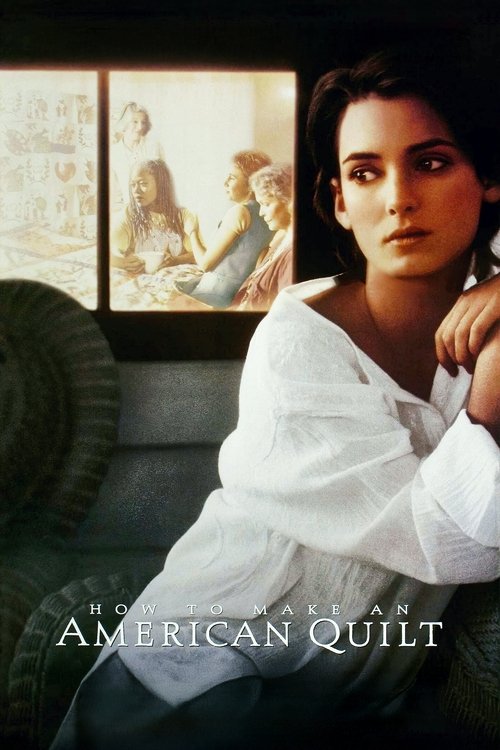
How to Make an American Quilt
1995Soon-to-be-wed graduate student Finn Dodd develops cold feet when she suspects her fiancé is cheating on her. In order to clear her head, Finn visits her grandmother, Hy, and great aunt, Glady Joe Cleary, in Grasse, Calif. There, Finn learns that Hy and Glady Joe are members of a group of passionate quilters, and over the course of her visit she is regaled with tales of love and life by women who have collected rich experiences and much wisdom.
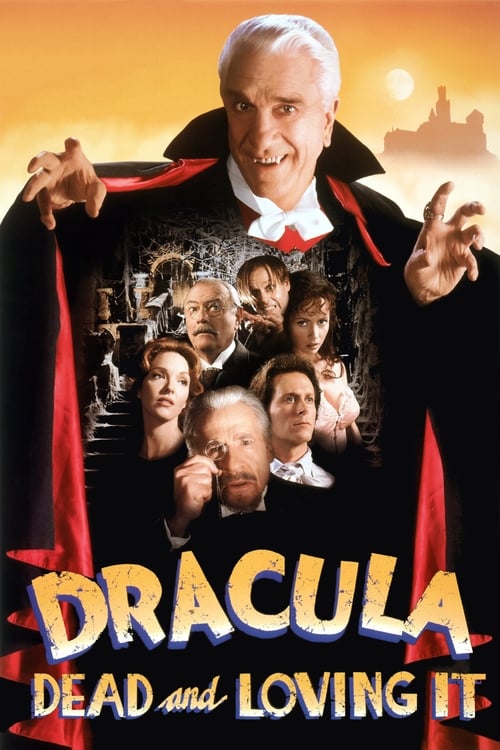
Dracula: Dead and Loving It
1995When a lawyer shows up at the vampire's doorstep, he falls prey to his charms and joins him in his search for fresh blood. Enter Professor Van Helsing, who may be the only one able to vanquish the Count.
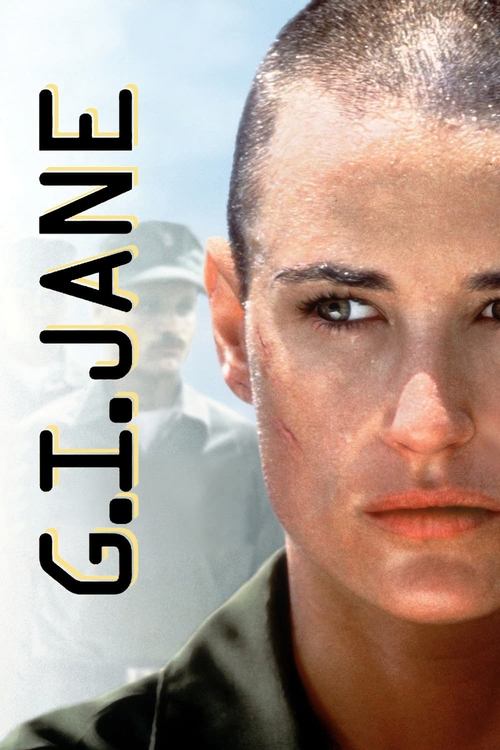
G.I. Jane
1997In response to political pressure from Senator Lillian DeHaven, the U.S. Navy begins a program that would allow for the eventual integration of women into its combat services. The program begins with a single trial candidate, Lieutenant Jordan O'Neil, who is chosen specifically for her femininity. O'Neil enters the grueling Navy SEAL training program under the command of Master Chief John James Urgayle, who unfairly pushes O'Neil until her determination wins his respect.
Bancroft commands the screen as a calculating political strategist, utilizing a cold, steel-spined authority that rivals any drill sergeant. Even in a late-career supporting turn, she demonstrates an unmatched ability to dominate a room through intellectual menace and sheer presence.
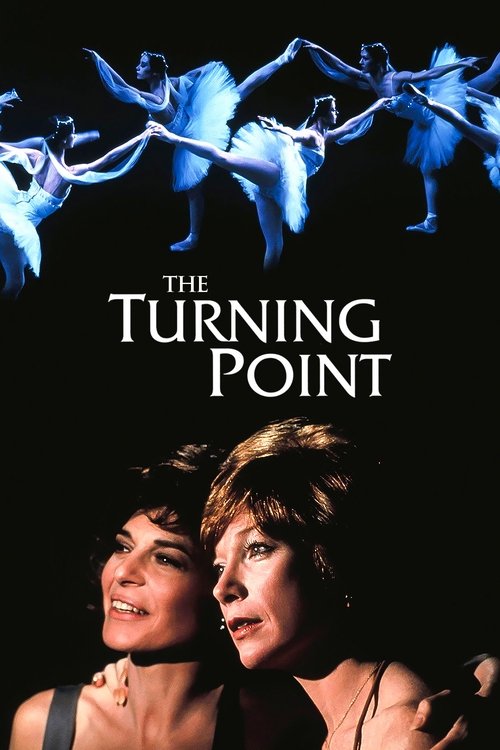
The Turning Point
1977As young dancers, they were best friends and fierce rivals. Deedee left the stage for marriage and motherhood, while Emma would become an international ballet icon. But when Deedee's teenage daughter is invited to join Emma's dance company and begins an affair with a young Russian star, the two women are forced to confront the choices they've made, the resentments they've hidden and the emotional truths they must face at the turning point.
As a prima ballerina facing the twilight of her career, Bancroft captures the bitter sting of professional envy and the grace of hard-won acceptance. Her chemistry with Shirley MacLaine ignites a nuanced dialogue about the sacrifices demanded by artistic ambition.
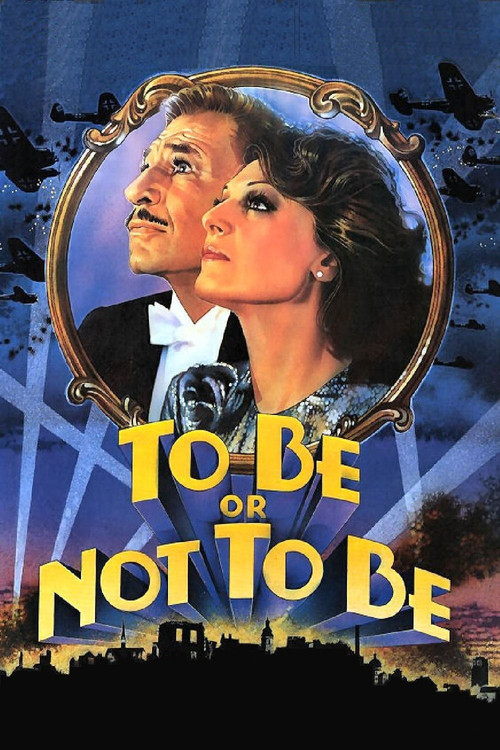
To Be or Not to Be
1983A bad Polish actor is just trying to make a living when Poland is invaded by the Germans in World War II. His wife has the habit of entertaining young Polish officers while he's on stage, which is also a source of depression to him. When one of her officers comes back on a Secret Mission, the actor takes charge and comes up with a plan for them to escape.
Channeling old-Hollywood glamour with a satirical wink, she displays an impeccable sense of comic timing and camp sensibility. This role serves as a joyful reminder of her versatility, proving she could pivot from heavy tragedy to screwball elegance without losing her formidable edge.
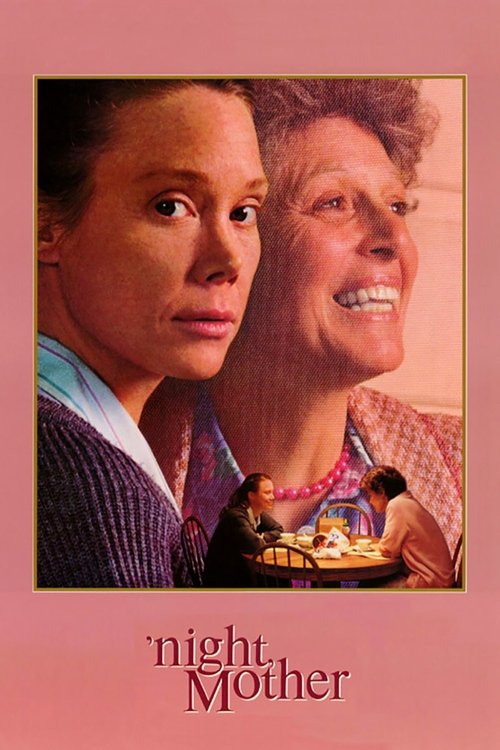
'night, Mother
1986A mother and daughter spend a night together after the daughter reveals that she will kill herself by the end of it.
Bancroft delivers a high-wire act of mounting desperation as she attempts to negotiate for a life she cannot fully comprehend. The performance is a harrowing exercise in domestic claustrophobia, grounded by her ability to make a mother's denial feel both tragic and visceral.
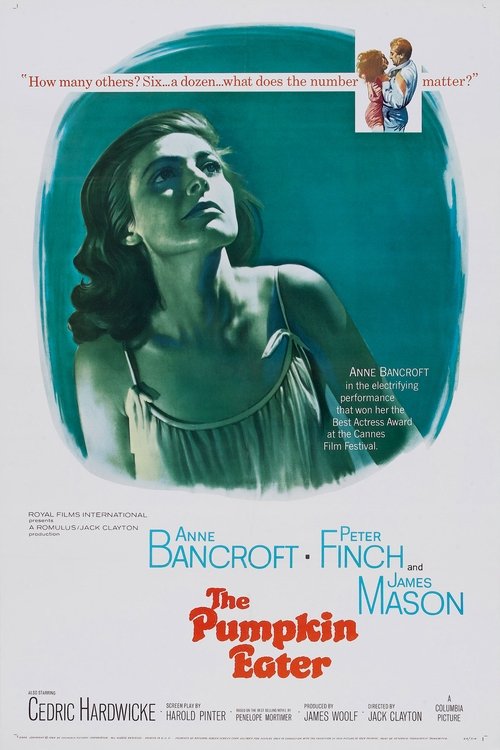
The Pumpkin Eater
1964Jo, the mother of seven children, divorces her second husband in order to marry Jake, a successful but promiscuous screenwriter. Though they are physically and emotionally compatible, they are slowly torn apart.
This role allows Bancroft to deconstruct the archetype of the domestic captive with agonizing precision and psychological depth. Her descent into a quiet, suffocating despair offers a haunting critique of marital isolation that ranks among her most sophisticated character studies.
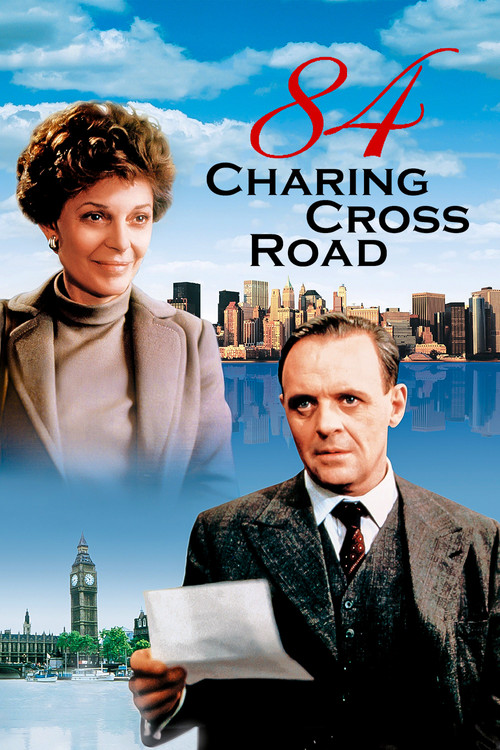
84 Charing Cross Road
1987When a humorous script-reader in her New York apartment sees an ad in the Saturday Review of Literature for a bookstore in London that does mail order, she begins a very special correspondence and friendship with Frank Doel, the bookseller who works at Marks & Co., 84 Charing Cross Road.
Playing Helene Hanff, Bancroft proves her mastery of the internal monologue, making the act of correspondence feel as kinetic as any physical drama. She finds the vibrant, lonely pulse of a bibliophile, sustaining the entire narrative through a luminous, intellectual intimacy.
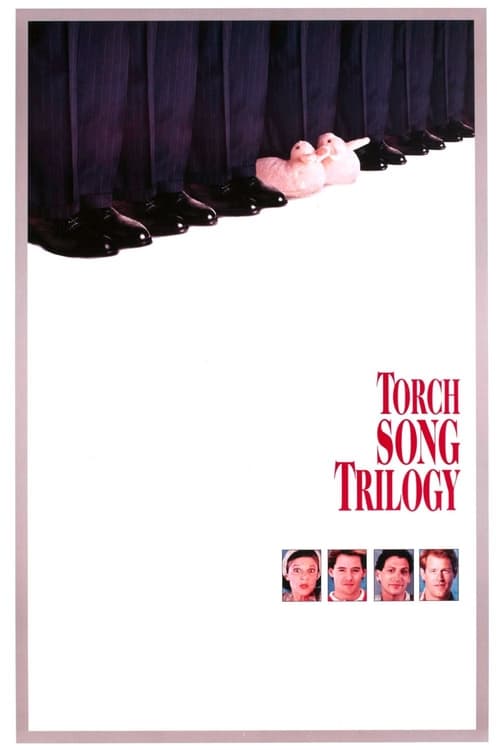
Arnold Beckoff is looking for love and acceptance, but as a gay man working as a female impersonator in 1970s New York City, neither come easily. After a series of heartaches, Arnold believes he has found the love of his life in Alan, and the couple make plans to adopt. But when tragedy strikes, Arnold's life is shaken to its very core, leading to a confrontation with his overbearing mother, who has never approved of her son's lifestyle.
Her turn as the overbearing Ma Beckoff is a volcanic exploration of maternal conflict and generational friction. Bancroft eschews caricature to find the jagged, painful love within a woman struggling to reconcile her traditions with her son's reality.
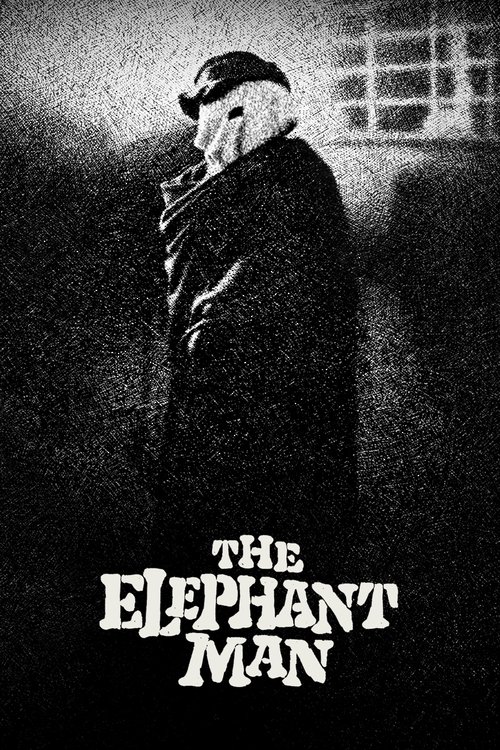
The Elephant Man
1980A Victorian surgeon rescues a heavily disfigured man being mistreated by his "owner" as a side-show freak. Behind his monstrous façade, there is revealed a person of great intelligence and sensitivity. Based on the true story of Joseph Merrick (called John Merrick in the film), a severely deformed man in 19th century London.
Operating with a delicate, theatrical grace, her portrayal of Mrs. Kendal serves as the film’s moral compass and emotional exhale. She manages to convey profound human dignity through little more than a piercing gaze and a masterclass in understated vocal modulation.
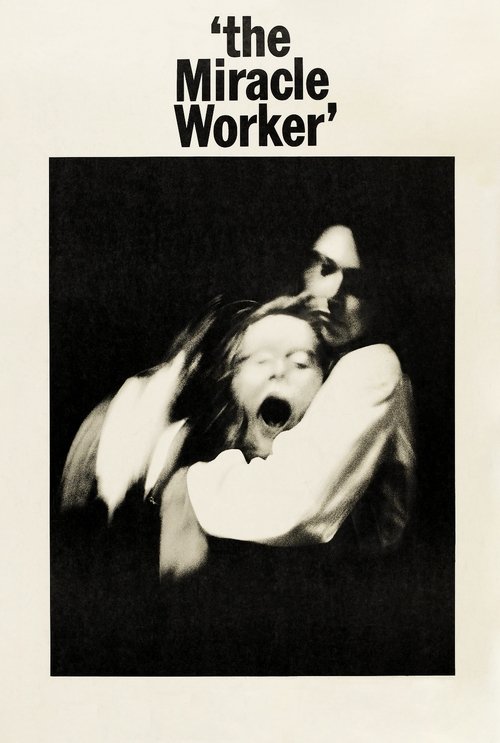
The Miracle Worker
1962The true story of the frightening, lonely world of silence and darkness of 7-year-old Helen Keller who, since infancy, has never seen the sky, heard her mother's voice or expressed her innermost feelings. Then Annie Sullivan, a 20-year-old teacher from Boston, arrives. Having just recently regained her own sight, the no-nonsense Annie reaches out to Helen through the power of touch, the only tool they have in common, and leads her bold pupil on a miraculous journey from fear and isolation to happiness and light.
Bancroft’s physical tenacity as Annie Sullivan transforms a potential hagiography into a grueling, tactile battle of wills. This performance secured her legendary status by showcasing a raw, muscular empathy that prioritizes fierce discipline over sentimentality.
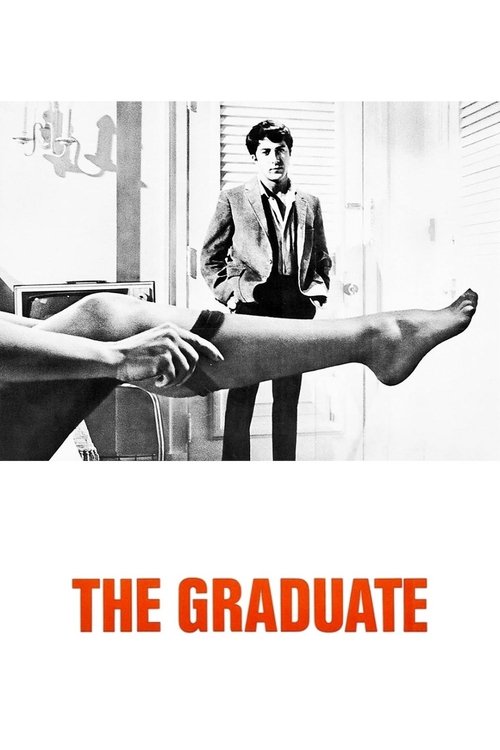
The Graduate
1967A disillusioned college graduate finds himself torn between his older lover and her daughter.
As the quintessential predator Mrs. Robinson, Bancroft weaponizes a weary, gin-soaked nihilism that shattered the artifice of the suburban matriarch. It is a tectonic shift in screen presence, trading maternal warmth for a sharp, cynical sexuality that remains the definitive blueprint for the cinematic anti-heroine.
Frequently Asked Questions
Everything you need to know about this list and SnakeDrafts
- Anne Bancroft delivered acclaimed performances in films like The Graduate and The Miracle Worker, the latter earning her an Oscar for Best Actress. These films showcase her range from drama to nuanced romantic roles.
- Bancroft's career evolved from complex, dramatic roles in films such as The Pumpkin Eater to more diverse projects like the comedic vamping seen in Dracula: Dead and Loving It. This diversity highlights her ability to navigate both intense drama and lighter genres.
- Anne Bancroft's collaboration with Mike Nichols is famously seen in The Graduate, a film where she plays a pivotal role that blends drama, romance, and comedy, cementing her in Hollywood history.
- Common themes in Bancroft's films include nuanced human relationships, personal resilience, and transformative emotional journeys, as seen in The Miracle Worker and Torch Song Trilogy. These themes mirror her depth and intellect as an actress.
- Yes, Anne Bancroft ventured into various genres beyond drama, including romance, comedy, and even horror, as showcased in Dracula: Dead and Loving It and Home for the Holidays. This range illustrates her versatility as a performer.
- Films like 84 Charing Cross Road and The Turning Point highlight Bancroft's remarkable ability to portray complex romantic and dramatic characters, contributing significantly to the genre.
- In G.I. Jane, Bancroft portrayed a strong authoritative figure, contributing depth to the otherwise action-driven narrative. This role exhibited her strength in commanding the screen across diverse film settings.