Yul Brynner's Top Movies Ranked
The Iron King of the Silver Screen
Explore the finest cinematic performances of Yul Brynner, from the plains of the West to the thrones of ancient Egypt and the future of Westworld.
About Yul Brynner
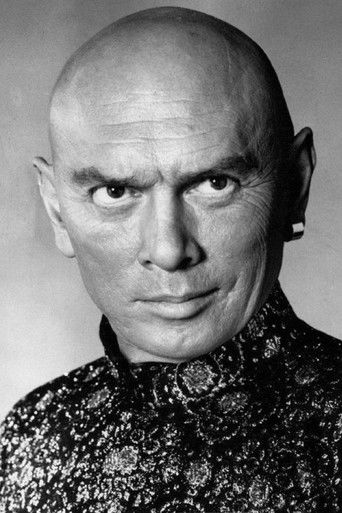
In an era of Hollywood history defined by chiseled jawlines and predictable leading men, Yul Brynner arrived like a lightning bolt from a place no one could quite locate. He was the ultimate outsider who became the ultimate insider, possessing a singular, shaved-headed silhouette that commanded attention long before he even spoke. With a voice that vibrated like a cello and a gaze that could wither a battalion, he didn't just play kings and gunslingers; he owned them. He occupied a space between the exotic and the authoritarian, projecting a lethal grace that made him the most magnetic mystery on the silver screen.
The world first truly succumbed to his gravity in 1956, a miraculous year where he seemed to be everywhere at once. His definitive turn as King Mongkut in The King and I earned him an Oscar, but more importantly, it established his blueprint of a man struggling to balance ancient pride with a changing world. He brought that same regal intensity to the sands of Egypt in The Ten Commandments, standing tall as Rameses against Charlton Heston in a clash of titans that remains the gold standard for biblical spectacle. Even when playing the cynical General Bounine in Anastasia, he navigated the screen with a feline precision that made his co-stars seem like they were moving in slow motion.
Audiences were drawn to the palpable danger he carried, a quality he pivoted into the grit of the American West. In The Magnificent Seven, his black-clad Chris Adams became the archetype for the stoic professional, a leader who didn't need to shout to be obeyed. He possessed a rare ability to translate high-drama theatricality into the dust of a shootout, a skill he refined in films like Invitation to a Gunfighter and Villa Rides. By the time he donned the black hat again for Westworld in 1973, he had become his own shadow. As the relentless Gunslinger android, he stripped away his humanity to create a terrifying precursor to the modern action villain, proving that his mere presence was enough to fuel a nightmare.
Beyond the blockbusters, his filmography revealed a man of immense range and restless energy. He tackled the heavy psychological lifting of The Brothers Karamazov and the tense, maritime espionage of Morituri with equal gravitas. Whether he was playing the legendary Cossack in Taras Bulba or a biblical sovereign in Solomon and Sheba, he remained remarkably consistent in his intensity. He was a global citizen who fit just as easily into the European landscapes of The Battle of Neretva or the wartime deception of Triple Cross as he did in the spaghetti western stylings of Adiós, Sabata.
To watch him on screen was to watch a masterclass in economy of movement. He knew that a slight tilt of the chin or a momentary flash of the eyes said more than a page of dialogue ever could. He rejected the softness of his contemporaries, opting instead for a carved-from-granite aesthetic that felt both ancient and modern. Decades after his passing, he remains the gold standard for silver-screen charisma. He was more than just a performer; he was a self-created myth who reminded us that true stardom isn't about fitting a mold, but about breaking it so completely that no one else can ever take your place.
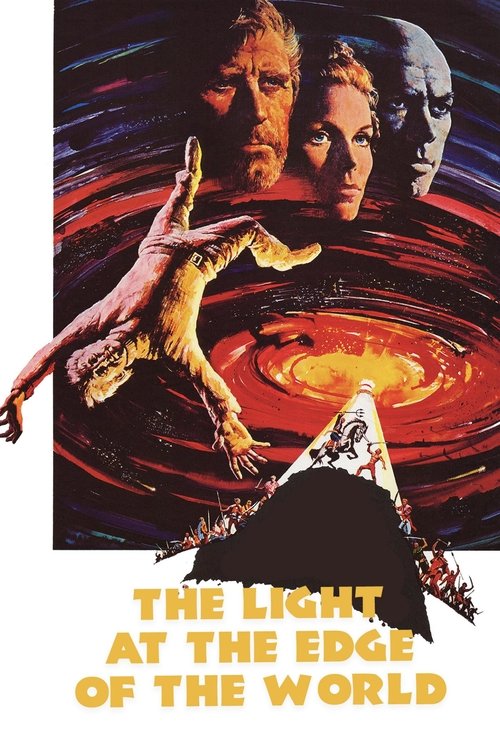
The Light at the Edge of the World
1971Pirates take over a lighthouse on a rocky island. They then execute a devious plan to cause ships to run aground, pillaging their wrecks. A lone member of the lighthouse crew survives, and he deperately fights their plot. A shipwrecked maiden that avoids the pirates slaughter soon complicates the situation.
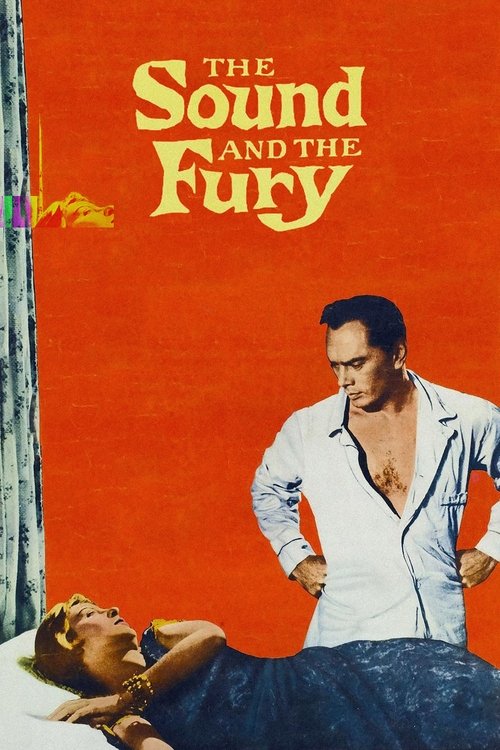
The Sound and the Fury
1959Drama focusing on a family of Southern aristocrats who are trying to deal with the dissolution of their clan and the loss of its reputation, faith, fortunes and respect.
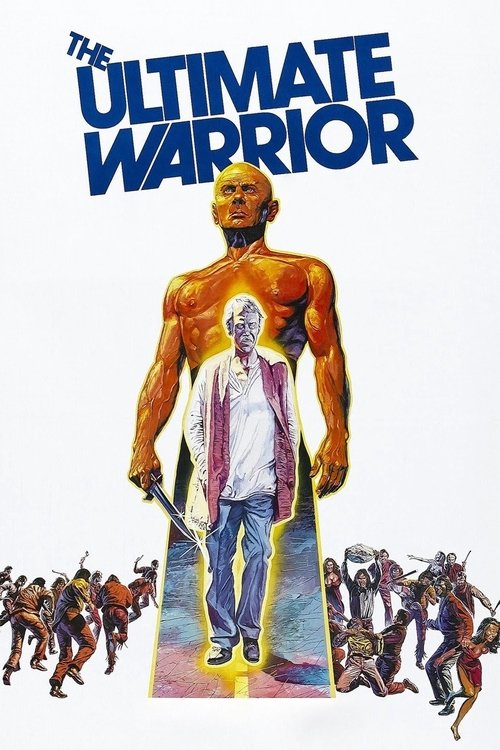
The Ultimate Warrior
1975Only a few people still live in New York in 2012. They are organized in gangs with their own turf. One of them is led by Baron, another one by Carrot, and they are constantly at war with each other.
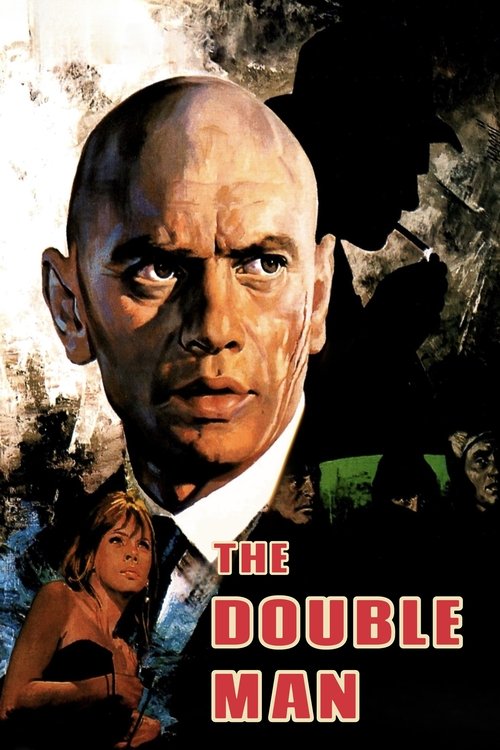
The Double Man
1967In a complex piece of espionage the Russian secret service attempts to kidnap a high ranking officer in the CIA and replace him with a one of its own.
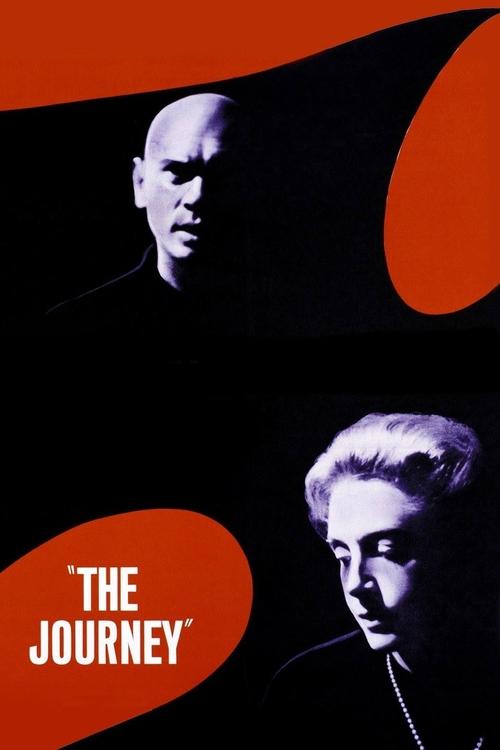
The Journey
1959A Communist officer falls hard for a married woman trying to escape from Hungary.
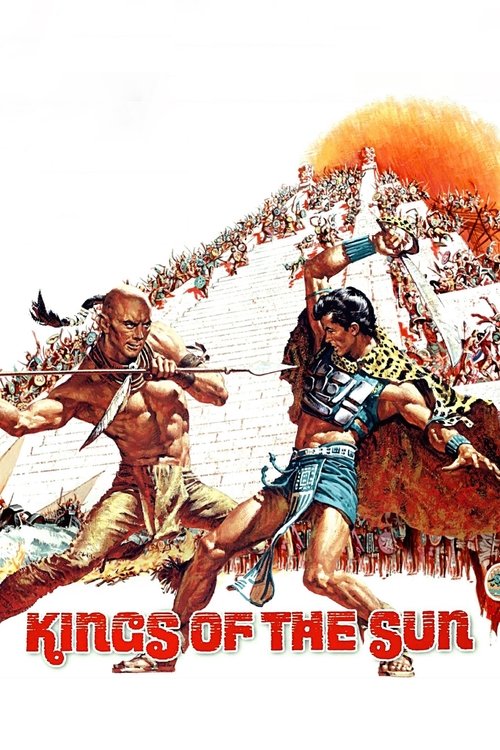
Kings of the Sun
1963In order to flee from powerful enemies, young Mayan king Balam leads his people north across the Gulf of Mexico to the coast of what will become the United States. They build a home in the new land but come into conflict with a tribe of Native Americans led by their chief, Black Eagle, while both Balam and Black Eagle fall in love the beautiful Mayan princess Ixchel.

Triple Cross
1966Safecracker Eddie Chapman is languishing in prison on the island of Jersey when the Nazis arrive. An adept manipulator of situations, Chapman convinces the Germans to use him to spy on the British. And when the would-be traitor arrives home, he convinces the English to use him as a double agent -- in exchange for a full pardon.
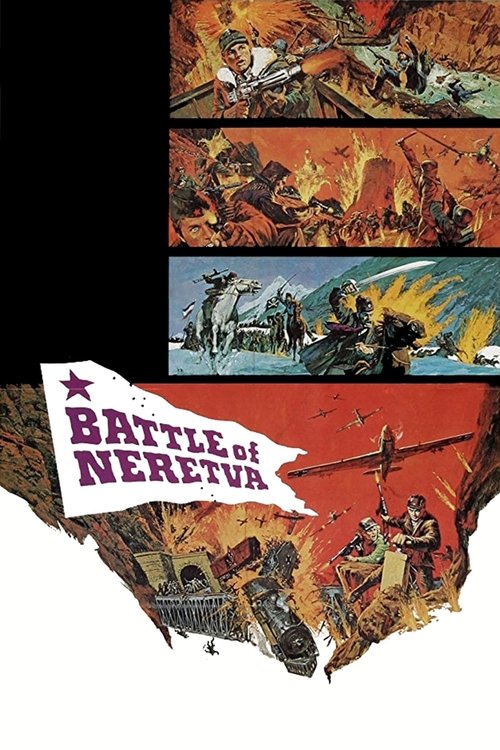
The Battle of Neretva
1969In January 1943 the German army, afraid of an Allied invasion of the Balkans, launched a great offensive against Yugoslav Partisans in Western Bosnia. The only way out for Partisan forces and thousands of refugees was the bridge on the river Neretva.
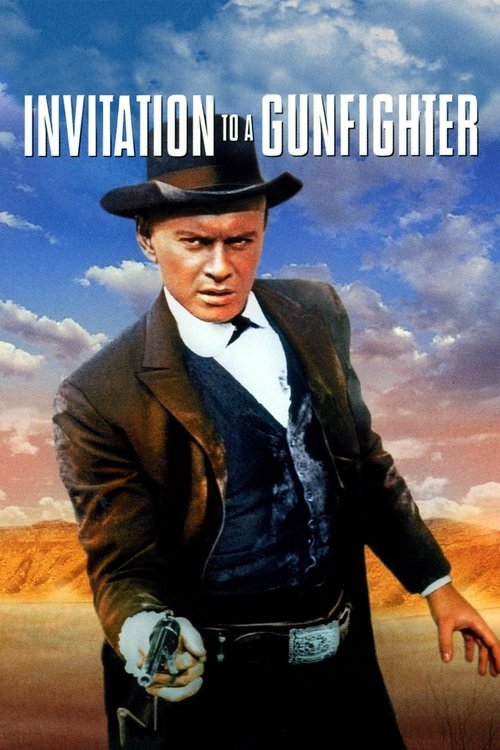
Invitation to a Gunfighter
1964In New Mexico, a Confederate veteran returns home to find his fiancée married to a Union soldier, his Yankee neighbors rallied against him and his property sold by the local banker who then hires a gunman to kill him.
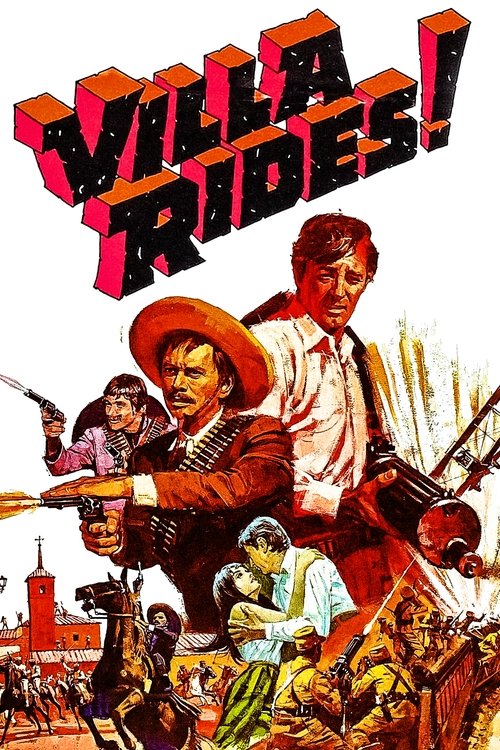
Villa Rides
1968Pulled into the Mexican Revolution by his own greed, Texas gunrunner and pilot Lee Arnold joins bandit-turned-patriot Pancho Villa and his band of dedicated men in a march across Mexico battling the Colorados and stealing women's hearts as they go. But each has a nemesis among his friends: Arnold is tormented by Fierro, Villa's right-hand-man; and Villa must face possible betrayal by his own president's naiveté
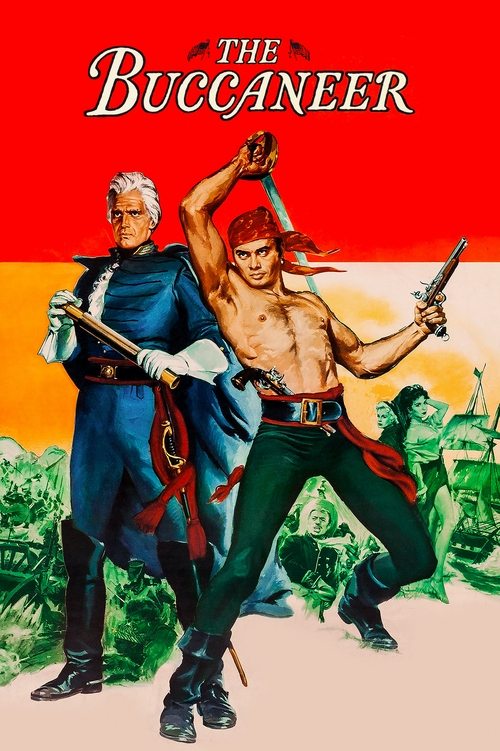
The Buccaneer
1958During the War of 1812 against Britain: General Andrew Jackson has only 1,200 men left to defend New Orleans when he learns that a British fleet will arrive with 60 ships and 16,000 men to take the city. In this situation an island near the city becomes strategically important to both parties, but it's inhabited by the last big buccaneer: Jean Lafitte. Although Lafitte never attacks American ships, the governor hates him for selling merchandise without taxes - and is loved by the citizens for the same reason. When the big fight gets nearer, Lafitte is drawn between the fronts. His heart belongs to America, but his people urge him to join the party that's more likely to win.
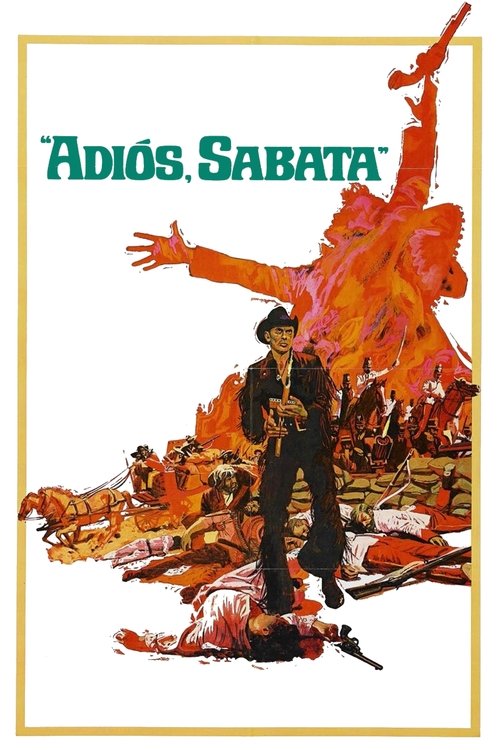
Adiós, Sabata
1970Set in Mexico under the rule of Emperor Maximilian I, Sabata is hired by the guerrilla leader Señor Ocaño to steal a wagonload of gold from the Austrian army. However, when Sabata and his partners Escudo and Ballantine obtain the wagon, they find it is not full of gold but of sand, and that the gold was taken by Austrian Colonel Skimmel. So Sabata plans to steal back the gold.
In this flamboyant Spaghetti Western, Brynner leans into a stylish, eccentric version of his established gunfighter archetype. He swaps his usual grim intensity for a dapper, almost playful lethalness that serves as a fascinating coda to his trajectory in the genre.
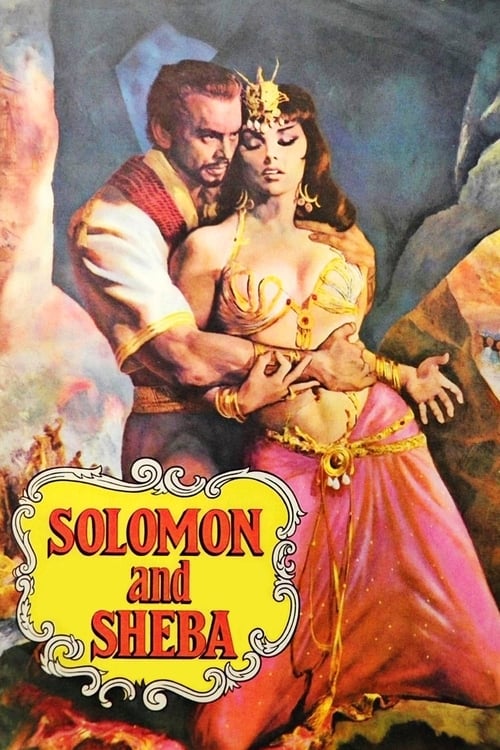
Solomon and Sheba
1959Near death, King David has a vision that his poet son, Solomon, should succeed him, rather than hot-headed Adonijah. Furious, Adonijah departs the court, swearing he will become king. Other rulers are concerned that Solomon's benevolent rule and interest in monotheism will threaten their tyrannical, polytheistic kingdoms. The Queen of Sheba makes an agreement with the Egyptian pharaoh to corrupt Solomon for their mutual benefit.
Stepping into a role vacated by tragedy, Brynner brings a statuesque gravity to the biblical monarch that grounds the film’s opulent spectacle. His portrayal emphasizes the heavy burden of leadership and the fragility of a king caught between faith and desire.
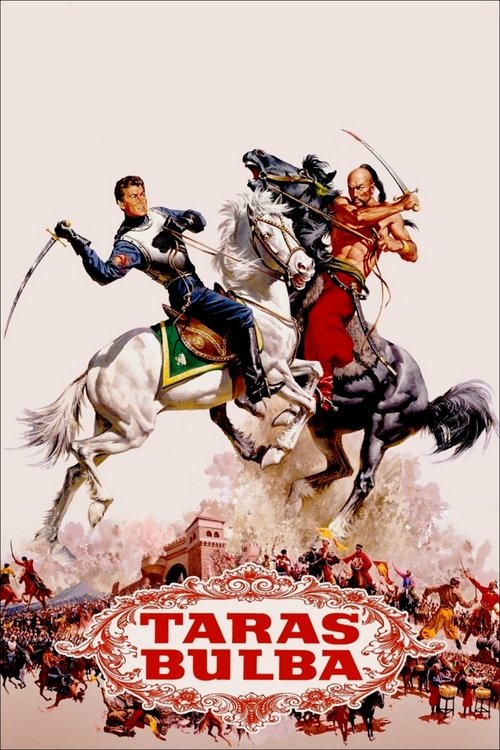
Taras Bulba
1962Ukraine, 16th century. While the Poles dominate the Cossack steppes, Andrei, son of Taras Bulba, a Cossack leader, must choose between his love for his family and his folk and his passion for a Polish woman.
Taking on the mantle of a Cossack chieftain, Brynner radiates a savage, patriarchal authority that dominates the screen’s wide vistas. Despite the film's sprawling scale, his ferocious commitment to the character’s brutal code of honor provides a singular, compelling focus.
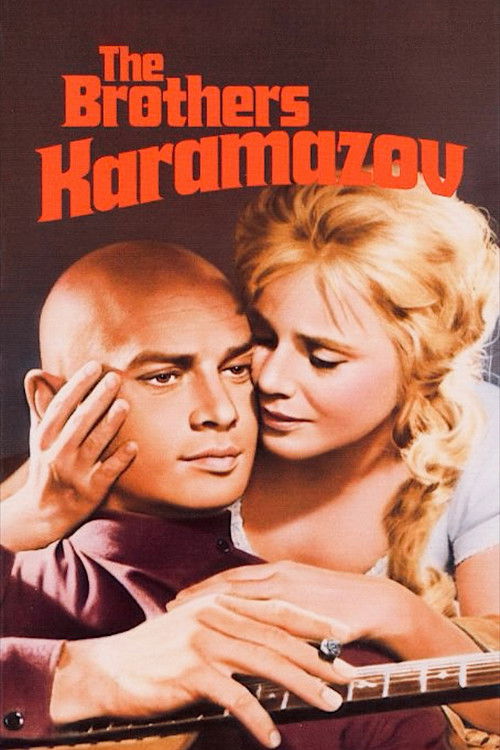
The Brothers Karamazov
1958Ryevsk, Russia, 1870. Tensions abound in the Karamazov family. Fyodor is a wealthy libertine who holds his purse strings tightly. His four grown sons include Dmitri, the eldest, an elegant officer, always broke and at odds with his father, betrothed to Katya, herself lovely and rich. The other brothers include a sterile aesthete, a factotum who is a bastard, and a monk. Family tensions erupt when Dmitri falls in love with one of his father's mistresses, the coquette Grushenka. Two brothers see Dmitri's jealousy of their father as an opportunity to inherit sooner. Acts of violence lead to the story's conclusion: trials of honor, conscience, forgiveness, and redemption.
Brynner taps into his own Russian heritage to inhabit the volatile Dmitri, offering a performance defined by explosive passion and spiritual torment. It is a rare opportunity to see him lean into a frantic, unpolished energy that contrasts sharply with his usual calculated reserve.
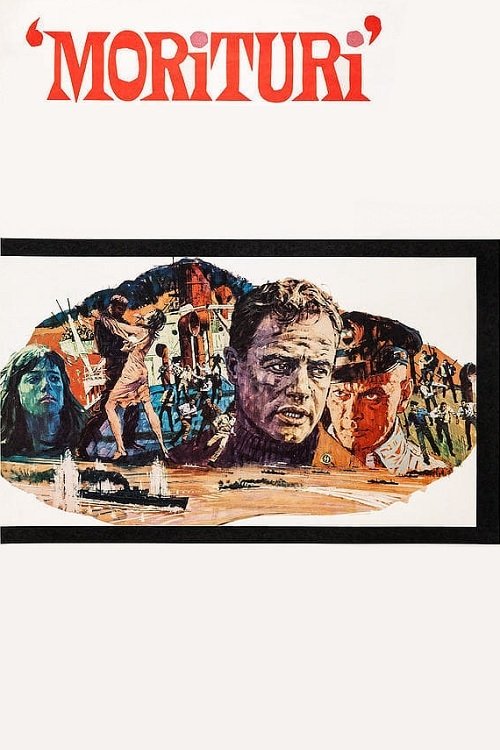
Morituri
1965A German living in India during World War II is blackmailed by the English to impersonate an SS officer on board a cargo ship leaving Japan for Germany carrying a large supply of rubber for tyres. His mission is to disable the scuttling charges so the captain cannot sink the ship if they are stopped by English warships.
This taut psychological thriller allows Brynner to explore a more grounded, interior intensity as a disillusioned German merchant marine captain. He trades his usual theatricality for a gritty realism that anchors the film’s high-stakes moral ambiguity.
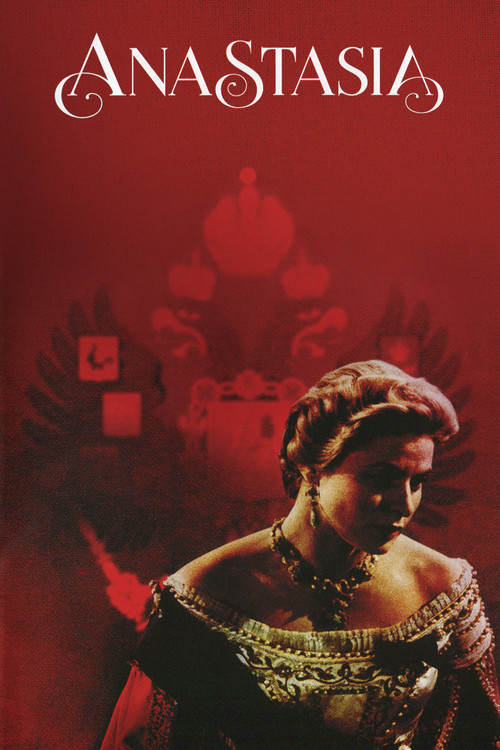
Anastasia
1956Russian exiles in Paris plot to collect ten million pounds from the Bank of England by grooming a destitute, suicidal girl to pose as heir to the Russian throne. While Bounin is coaching her, he comes to believe that she is really Anastasia. In the end, the Empress must decide her claim.
Playing the opportunistic General Bounine, Brynner displays a sophisticated charisma that balances cynical manipulation with burgeoning sincerity. This performance highlights a nuanced romantic depth that often stood in the shadow of his more muscular historical epics.

Westworld
1973Delos is a futuristic amusement park that features themed worlds populated by human-like androids. After two patrons have a run-in with a menacing gunslinger in West World, the androids at Delos all begin to malfunction, causing havoc throughout the park.
In a brilliant subversion of his own heroic persona, Brynner utilizes a terrifying, robotic stillness to create the ultimate cinematic predator. His Gunslinger is a masterclass in economy of movement, proving that his mere presence could be weaponized into pure horror.
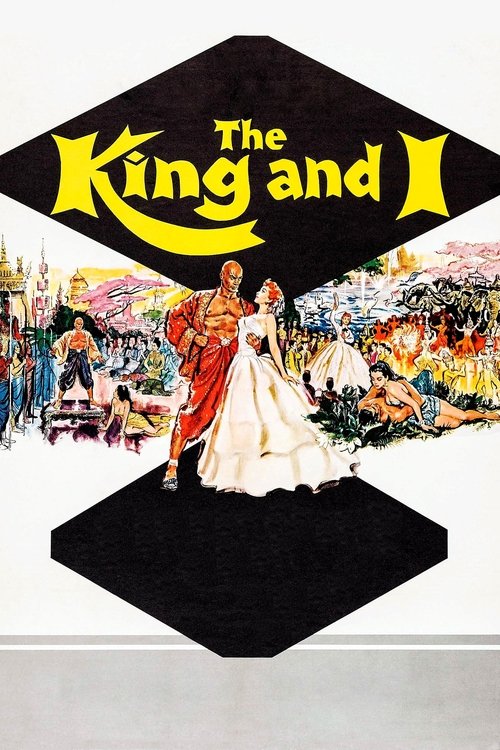
The King and I
1956Widowed Welsh mother Anna Leonowens becomes a governess and English tutor to the wives and many children of the stubborn King Mongkut of Siam. Anna and the King have a clash of personalities as she works to teach the royal family about the English language, customs and etiquette, and rushes to prepare a party for a group of European diplomats who must change their opinions about the King.
This career-defining turn captures the friction between ancient tradition and encroaching modernity through a mixture of vulnerability and bluster. It remains the definitive showcase of his physicality, earning him an Oscar for a role he would fundamentally own for decades.
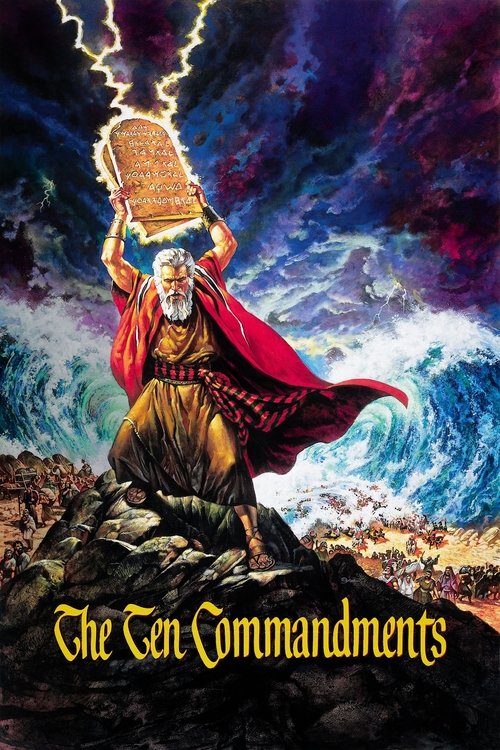
The Ten Commandments
1956Escaping death, a Hebrew infant is raised in a royal household to become a prince. Upon discovery of his true heritage, Moses embarks on a personal quest to reclaim his destiny as the leader and liberator of the Hebrew people.
Brynner provides a muscular, arrogant counterpoint to Heston’s piety, transforming Ramses II into a figure of tragic, stubborn dignity. His performance ensures the antagonist is never a mere caricature but a formidable force of pure will.
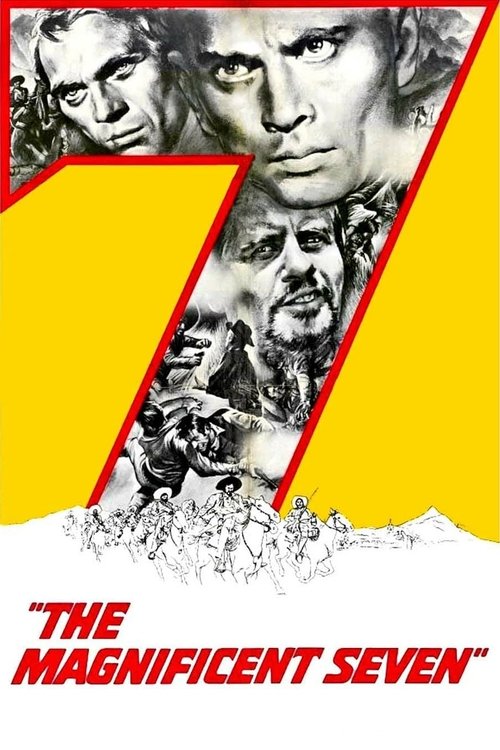
The Magnificent Seven
1960An oppressed Mexican peasant village hires seven gunfighters to help defend their homes.
As the stoic anchor of this quintessential Western, Brynner’s cool composure and black-clad aesthetic redefined the frontier leader. This role solidified his status as an international icon capable of commanding an ensemble cast with little more than a piercing gaze.
Frequently Asked Questions
Everything you need to know about this list and SnakeDrafts
- 'The Magnificent Seven' (1960) is ranked at the top because it showcases Brynner's iconic role as Chris Adams, a charismatic gunslinger leading a team of seven. The film's blend of Western action and adventure solidified Brynner's status as a classic Hollywood leading man.
- 'The Ten Commandments' (1956) featured Brynner as Rameses II, a powerful and memorable antagonist, highlighting his ability to portray commanding historical figures. This role cemented his reputation for playing kings and leaders with a magnetic presence.
- 'The King and I' (1956) stands out because Brynner's performance as the Siamese King earned him an Academy Award for Best Actor. His portrayal brought depth and charisma to the character, blending romance and drama in a historical context.
- 'Westworld' (1973) is significant as it showcased Brynner in a futuristic Western setting, blending science fiction with his signature tough-guy persona. His role as the relentless Gunslinger added a new dimension to his diverse filmography.
- While the list features Brynner's well-known hits, some lesser-known but impactful films like 'Morituri' (1965) and 'Triple Cross' (1966) appear, showcasing his versatility beyond leading roles in major studio productions.
- Yul Brynner's top movies often explore themes of leadership, power, and conflict, whether in Westerns like 'Adiós, Sabata' or historical dramas like 'Solomon and Sheba.' His characters frequently embody strength and authority across various genres.
- 'Anastasia' (1956) highlights Brynner's softer side with a romantic drama that contrasts his usual commanding roles. It adds emotional depth to his filmography, balancing his tough-guy image with nuanced, heartfelt performances.