The Ultimate John Huston Movie Rankings
Mastering the Art of Adventure and Film Noir
Explore the definitive filmography of John Huston, featuring legendary Hollywood classics, gritty noir masterpieces, and epic cinematic adventures.
About John Huston
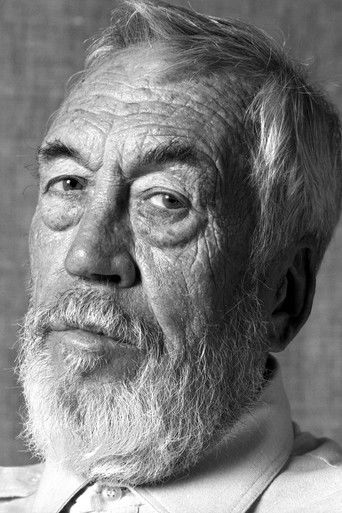
John Huston lived several lifetimes before he ever sat in a director's chair, and that rugged, worldly experience bleeds through every frame of his filmography. He was a boxer, a painter, and a soldier of fortune who viewed the world with a squinting, skeptical eye, crafting a cinematic language rooted in the harsh realities of human nature. Unlike many of his contemporaries who relied on studio gloss, he preferred the grit of on-location shooting and the psychological weight of characters pushed to their breaking point. His work often centers on the irony of the quest, where men pursue gold, glory, or redemption only to find their own pride is the very thing that undoes them.
This fascination with the beautiful loser is perhaps most palpable in The Treasure of the Sierra Madre. He strips away the vanity of Hollywood adventure to show how greed rot the soul, turning a hunt for fortune into a paranoid fever dream. It is a cynical, masterpiece of atmospheric tension that mirrors his later work in The Asphalt Jungle, a film that essentially invented the modern heist movie. In the latter, he treats the criminals not as monsters, but as blue-collar workers whose meticulous plan is ruined by the simple, cruel hand of fate. He had a gift for capturing the dignity in defeat, a recurring theme that made his adaptation of The Man Who Would Be King feel less like a colonial romp and more like a Greek tragedy set in the mountains of Kafiristan.
Stylistically, he was a master of the invisible hand. He never cared for flashy camera movements that drew attention to the filmmaker. Instead, he staged scenes with a painterly precision, often getting the shot right on the first take. This economy of style created the razor-sharp pacing of The Maltese Falcon, where the dialogue moves with the speed of a gunshot and the shadows of noir feel heavy and earned. He excelled at placing disparate personalities in high-pressure environments, watching the friction build in the humid claustrophobia of Key Largo or the sun-drenched desperation of The Night of the Iguana. Whether it was the alcoholic haze of Under the Volcano or the unlikely romantic chemistry in The African Queen, he possessed a rare ability to ground grand spectacles in intimate human moments.
Even as he aged, his curiosity never dimmed. He tackled the sprawling metaphysics of Moby Dick and the religious scale of The Bible: In the Beginning with the same curiosity he brought to the quirky, violent satire of Prizzi's Honor. His final act was perhaps his most poignant, directing The Dead from a wheelchair while tethered to an oxygen tank. It remains a staggering piece of cinema, a quiet and lyrical meditation on memory that serves as a fitting coda to a career defined by restless exploration. He didn't just make movies; he interrogated the human condition, leaving behind a legacy of films that feel as alive and dangerous today as they did decades ago.
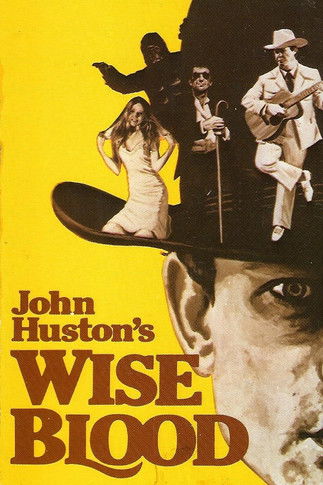
Wise Blood
1979A Southerner--young, poor, ambitious but uneducated--determines to become something in the world. He decides that the best way to do that is to become a preacher and start up his own church.
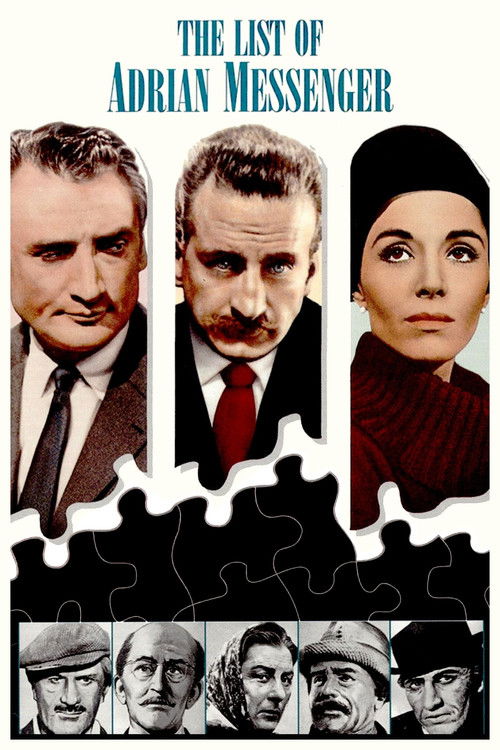
The List of Adrian Messenger
1963Adrian Messenger, a famous writer, asks his friend Anthony Gethryn, a former British agent, to help him investigate the whereabouts of the people who appear on a list, without asking him the reason why he should do so.

Escape to Victory
1981A group of POWs in a German prison camp during World War II play the German National Soccer Team in this powerful film depicting the role of prisoners during wartime.
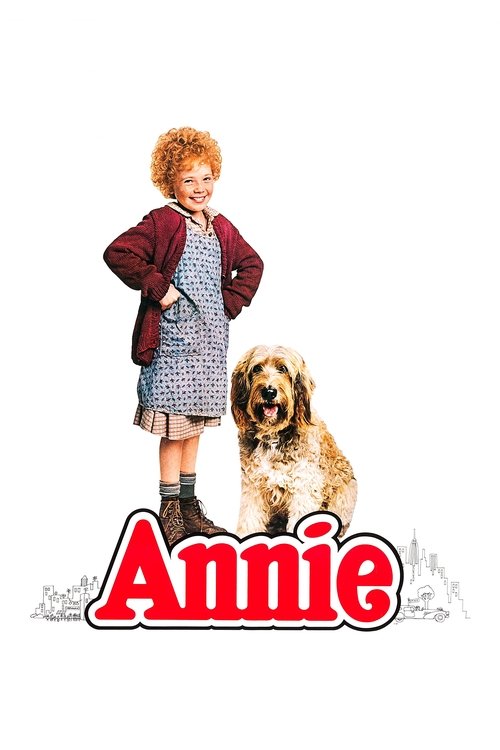
Annie
1982An orphan in a facility run by the mean Miss Hannigan, Annie believes that her parents left her there by mistake. When a rich man named Oliver "Daddy" Warbucks decides to let an orphan live at his home to promote his image, Annie is selected. While Annie gets accustomed to living in Warbucks' mansion, she still longs to meet her parents. So Warbucks announces a search for them and a reward, which brings out many frauds.
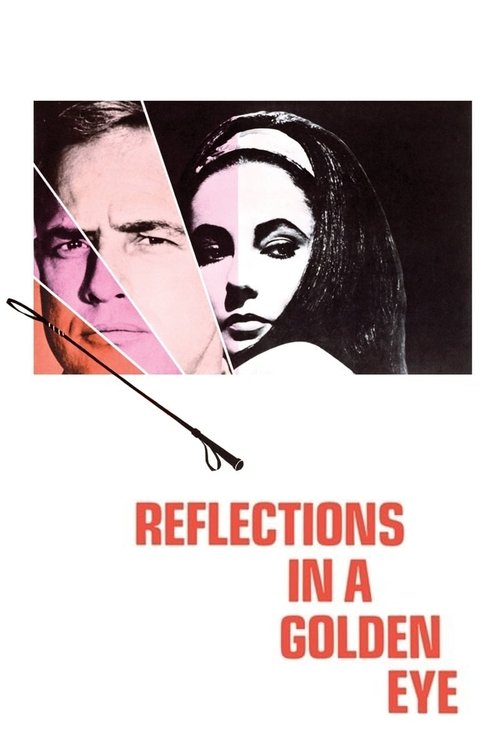
Reflections in a Golden Eye
1967Bizarre tale of sex, betrayal, and perversion at a military post.
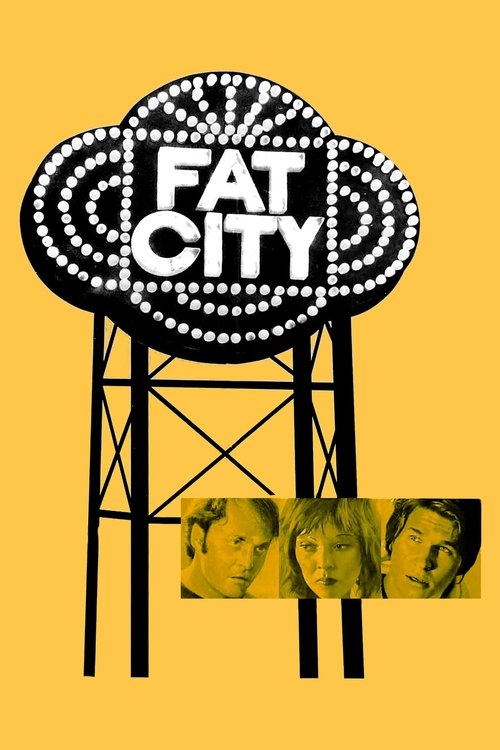
Fat City
1972Two men, working as professional boxers, come to blows when their careers each begin to take opposite momentum.
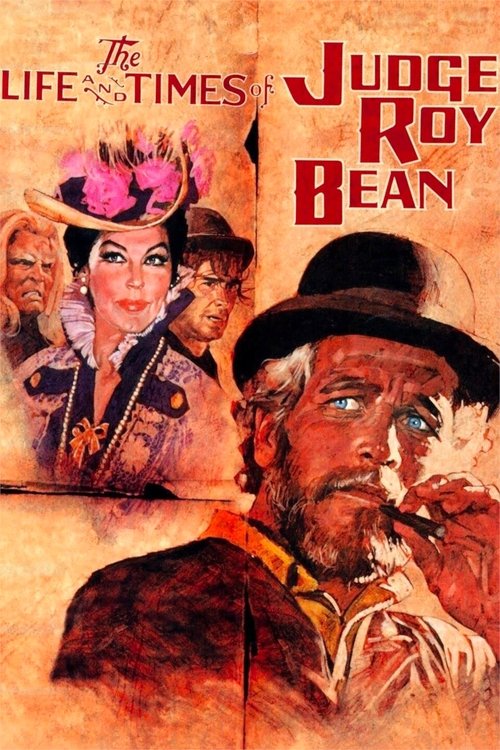
The Life and Times of Judge Roy Bean
1972Outlaw and self-appointed lawmaker Judge Roy Bean rules over an empty stretch of the West that gradually grows, under his iron fist, into a thriving town, while dispensing his his own quirky brand of frontier justice upon strangers passing by.
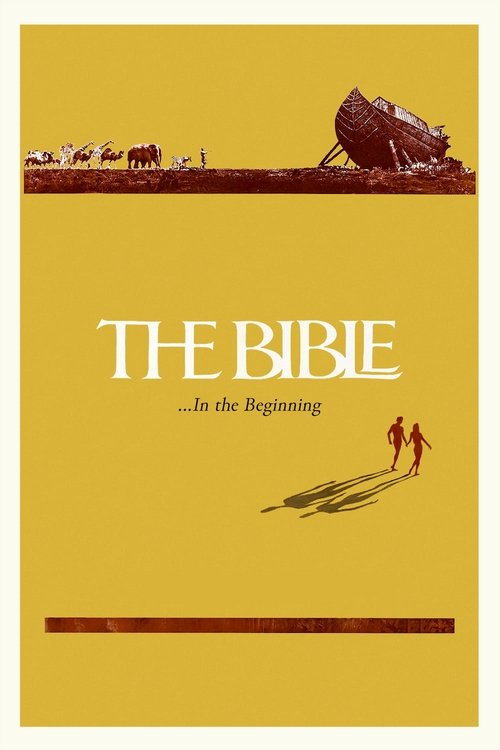
The Bible: In the Beginning...
1966Covering only the first 22 chapters of the Book of Genesis, vignettes include: Adam and Eve frolicking in the Garden of Eden until their indulgence in the forbidden fruit sees them driven out; Cain murdering his brother Abel; Noah building an ark to preserve the animals of the world from the coming flood; and Abraham making a covenant with God.
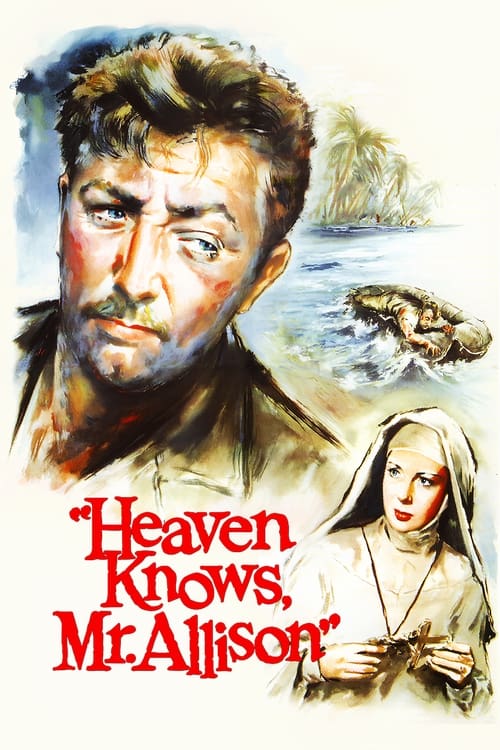
Heaven Knows, Mr. Allison
1957A Roman Catholic nun and a hard-bitten US Marine are stranded together on a Japanese-occupied island in the South Pacific during World War II. Under constant threat of discovery by a ruthless enemy, they hide in a cave and forage for food together. Their forced companionship and the struggle for survival forge a powerful emotional bond between them.
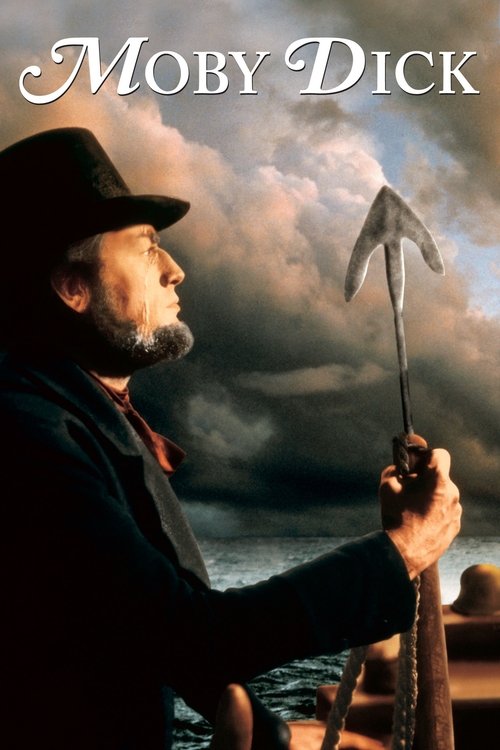
Moby Dick
1956In 1841, young Ishmael signs up for service aboard the Pequod, a whaler sailing out of New Bedford. The ship is under the command of Captain Ahab, a strict disciplinarian who exhorts his men to find Moby Dick, the great white whale. Ahab lost his leg to that creature and is desperate for revenge. As the crew soon learns, he will stop at nothing to gain satisfaction.
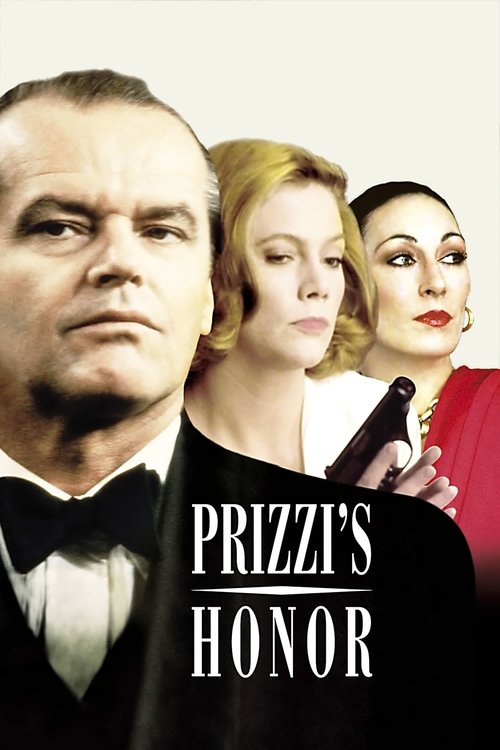
Prizzi's Honor
1985Charley Partanna is a hitman who works for the Prizzis, one of the richest crime families in the US. When he sees Irene Walker, it's love at first sight. But he soon finds that she, too, is a killer for hire. Charley can overlook his suspicions, but he can't turn off his heart. And the couple must remember that even if they love each other, the Prizzis love only money.
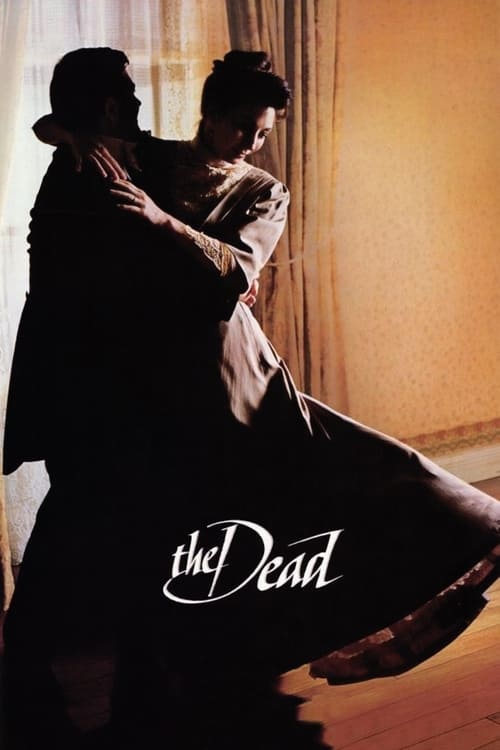
The Dead
1987After a convivial holiday dinner party, things begin to unravel when a husband and wife address some prickly issues concerning their marriage.
In his final testament, Huston achieves a transcendent quietude that serves as a melancholic meditation on mortality and memory. It is a remarkably disciplined adaptation of Joyce, where the director finds immense cinematic power in silence and the gentle fall of snow.
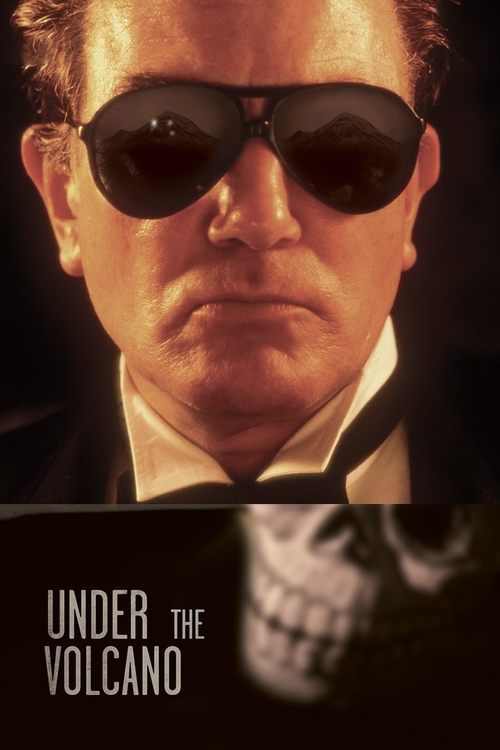
Under the Volcano
1984Against a background of war breaking out in Europe and the Mexican fiesta Day of Death, we are taken through one day in the life of Geoffrey Firmin, a British consul living in alcoholic disrepair and obscurity in a small southern Mexican town in 1939. The consul's self-destructive behaviour, perhaps a metaphor for a menaced civilization, is a source of perplexity and sadness to his nomadic, idealistic half-brother, Hugh, and his ex-wife, Yvonne, who has returned with hopes of healing Geoffrey and their broken marriage.
Huston tackles the supposedly unfilmable stream of consciousness with a visceral, jagged intensity that mirrors a mind ravaged by alcoholism. This late-career triumph proves his enduring ability to translate internal psychological collapse into a hauntingly physical cinematic experience.
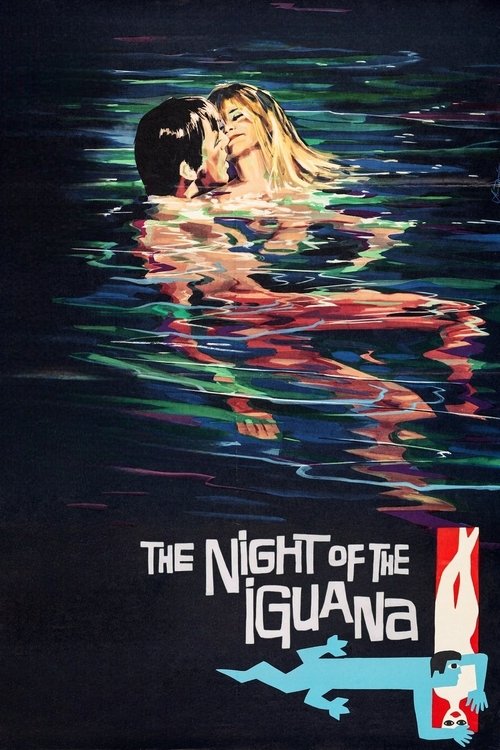
The Night of the Iguana
1964A defrocked Episcopal clergyman leads a bus-load of middle-aged Baptist women on a tour of the Mexican coast and comes to terms with the failure haunting his life.
Adapting Tennessee Williams, Huston leans into the sweltering, sensual chaos of a Mexican resort to explore the limits of religious and sexual repression. The direction excels at navigating a cluttered emotional landscape where every frame feels heavy with humidity and unspoken regret.
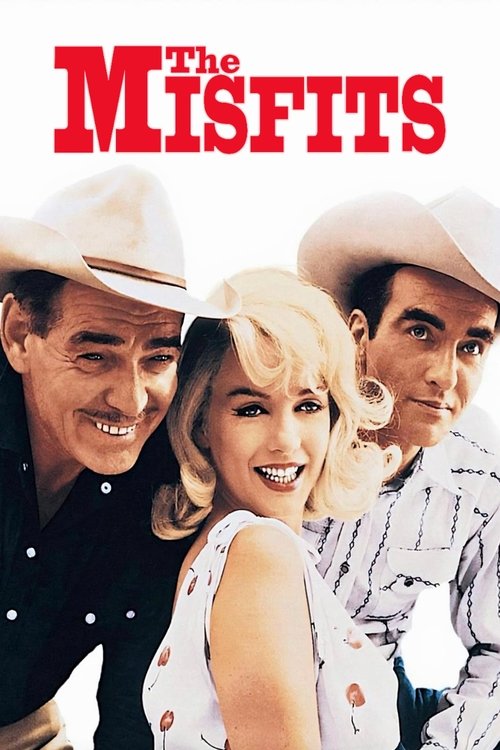
The Misfits
1961While filing for a divorce, beautiful ex-stripper Roslyn Taber ends up meeting aging cowboy-turned-gambler Gay Langland and former World War II aviator Guido Racanelli. The two men instantly become infatuated with Roslyn and, on a whim, the three decide to move into Guido's half-finished desert home together. When grizzled ex-rodeo rider Perce Howland arrives, the unlikely foursome strike up a business capturing wild horses.
There is a haunting, elegiac quality to this production that mirrors the vanishing frontier and the obsolescence of the American cowboy. Huston’s unflinching gaze captures a sense of profound spiritual exhaustion, making it a stark departure from the romanticized westerns of the period.
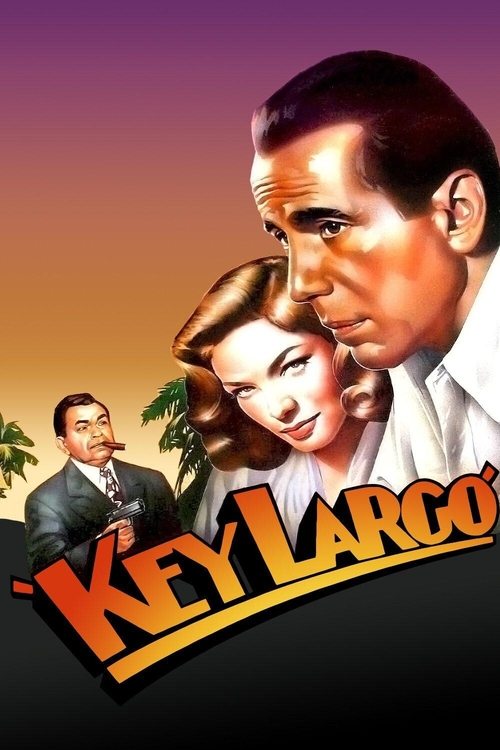
Key Largo
1948A hurricane swells outside, but it's nothing compared to the storm within the hotel at Key Largo. There, sadistic mobster Johnny Rocco holes up - and holds at gunpoint hotel owner James Temple, his widowed daughter-in-law Nora, and ex-GI Frank McCloud.
Confined to a single, storm-lashed interior, Huston utilizes stage-like mechanics to create a pressure cooker of post-war disillusionment. It is a vital work that captures the transition from wartime heroics to the creeping, claustrophobic dread of the cold war era.
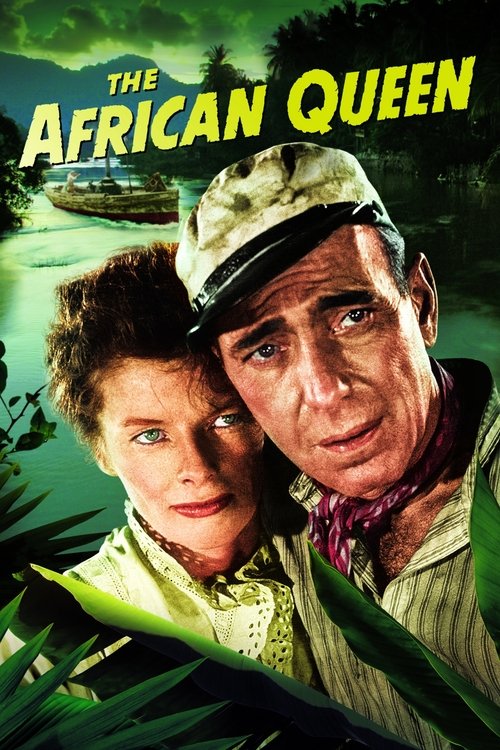
The African Queen
1952At the start of the First World War, in the middle of Africa’s nowhere, a gin soaked riverboat captain is persuaded by a strong-willed missionary to go down river and face-off a German warship.
Huston masterfully pivots from grit to character-driven romance without sacrificing his signature obsession with survival against environmental adversity. The film stands as a masterclass in tonal balance, pitting two disparate archetypes against a relentless river that tests their essential humanity.
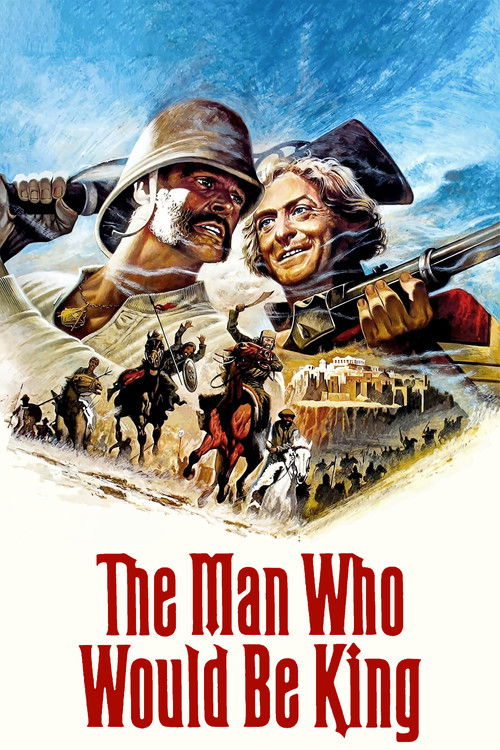
The Man Who Would Be King
1975Tired of life as soldiers, Peachy Carnehan and Danny Dravot travel to the isolated land of Kafiristan, where they are ultimately embraced by the people and revered as rulers. After a series of misunderstandings, the natives come to believe that Dravot is a god, but he and Carnehan can't keep up their deception forever.
A sweeping, Kipling-inflected epic that balances grand adventure with a biting critique of imperialist vanity. Huston explores the fine line between godhood and folly, utilizing the vast landscape to emphasize the absurdity of man's territorial ambitions.
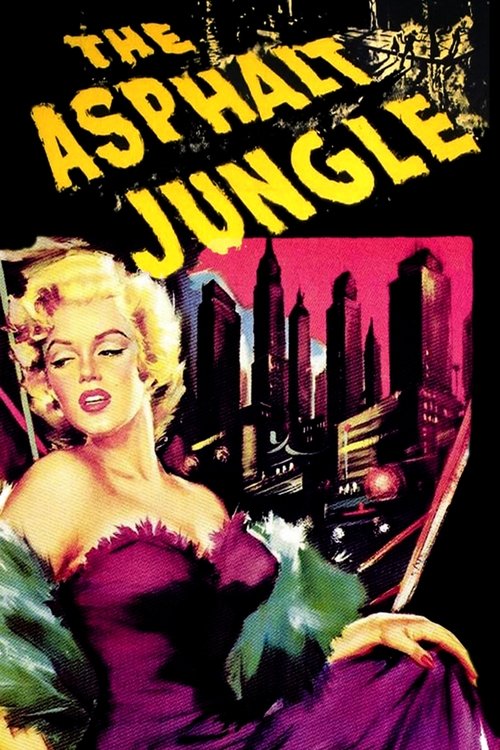
The Asphalt Jungle
1950Recently paroled from prison, legendary burglar "Doc" Riedenschneider, with funding from Alonzo Emmerich, a crooked lawyer, gathers a small group of veteran criminals together in the Midwest for a big jewel heist.
Moving beyond mere heist mechanics, Huston treats the criminal underworld as a legitimate, tragic ecosystem governed by its own flawed codes of honor. The film reinvented the urban thriller by prioritizing the psychological weight of failure over the spectacle of the crime.
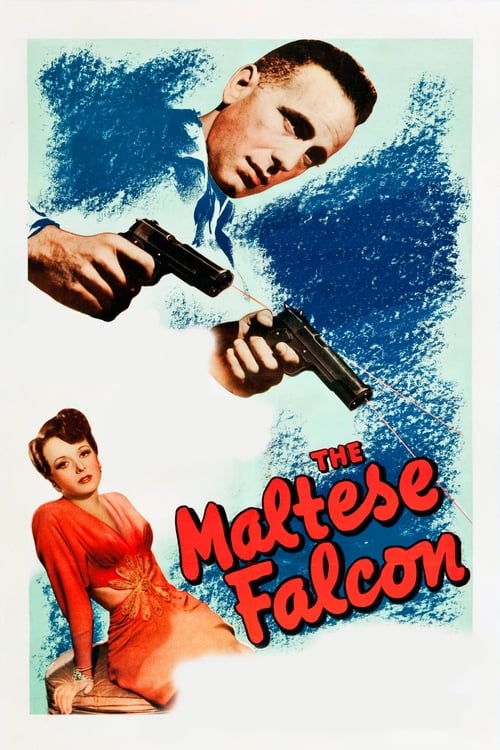
The Maltese Falcon
1941A private detective takes on a case that involves him with three eccentric criminals, a beautiful liar, and their quest for a priceless statuette.
This foundational noir established the visual grammar of the hardboiled detective genre through sharp, claustrophobic framing and a relentless rhythmic pace. Huston transformed pulp fiction into a sophisticated exercise in cynical pragmatism and shadow play.
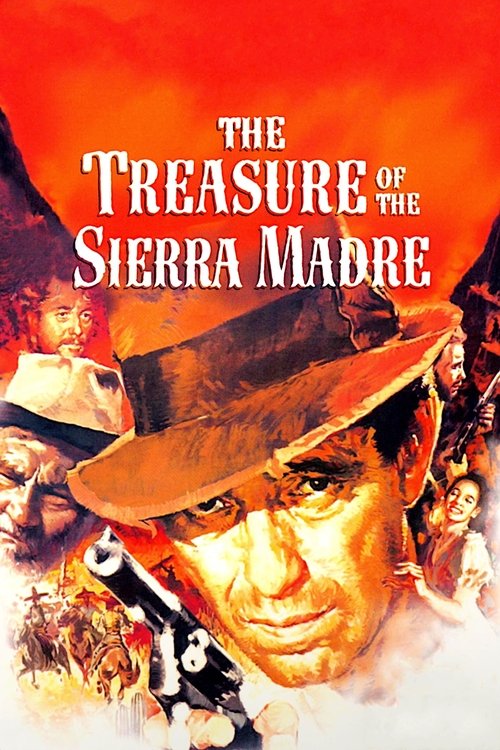
The Treasure of the Sierra Madre
1948Two jobless Americans convince a prospector to travel to the mountains of Mexico with them in search of gold. But the hostile wilderness, local bandits, and greed all get in the way of their journey.
Huston crafts a brutal dissection of human greed that remains the definitive cinematic study of moral rot. By isolating his characters in the rugged wilderness, he strips away the veneers of civilization to reveal the savage desperation beneath the pursuit of wealth.
Frequently Asked Questions
Everything you need to know about this list and SnakeDrafts
- The list highlights "The Treasure of the Sierra Madre" as a quintessential adventure drama, showcasing Huston's mastery in blending intense human drama with the rugged allure of Western adventure settings.
- John Huston's crime and thriller films like "The Maltese Falcon" and "Key Largo" exhibit his trademark gritty realism and tight narrative pacing, emphasizing complex characters and moral ambiguity that defined classic film noir.
- Themes of human nature's harsh realities, survival, and moral conflict pervade Huston's work. His films often portray flawed characters facing existential dilemmas, as seen in titles like "The Asphalt Jungle" and "The Misfits."
- John Huston’s romantic dramas such as "The African Queen" and "The Night of the Iguana" combine intimate character studies with broader adventurous or dramatic contexts, showcasing his ability to balance personal and epic storytelling.
- Huston preferred on-location shooting, which brought authenticity and a gritty realism to his films like "The African Queen" and "The Man Who Would Be King," enhancing the immersive quality and atmospheric depth of his storytelling.
- "The Dead," one of Huston's final films, encapsulates his mature style with a focus on nuanced character emotion and a melancholic, reflective tone, highlighting his evolution towards more intimate, literary adaptations later in his career.
- Yes, films like "Prizzi's Honor" blend romance, comedy, and crime genres, demonstrating Huston's versatility in combining diverse narrative elements while maintaining strong character development and dark humor.
- "Moby Dick" stands out as Huston's ambitious adaptation of Herman Melville’s classic American novel, notable for its epic scale, thematic depth, and the director's dedication to exploring the human psyche and obsession.