A Ranking of Jon Favreau's Best Films
From Blockbuster Epics to Indie Culinary Gems
Discover the essential films of Jon Favreau, the visionary director behind the Marvel Cinematic Universe, Disney classics, and heartfelt indie dramas.
About Jon Favreau

In the high stakes landscape of modern blockbusters, Jon Favreau functions as a sort of cinematic bridge builder. He possesses a rare ability to fuse bleeding edge technology with an almost old fashioned sense of sentimentality, a trait that has made him the primary architect of the contemporary pop culture skyline. While other directors might lose themselves in the machinery of a massive franchise, he approaches every project with the curiosity of an indie filmmaker and the steady hand of a structural engineer. This duality defines his career, moving seamlessly from intimate kitchens to the far reaches of a galaxy far, far away.
The foundation of his directorial identity was arguably cemented with Elf, a film that could have easily collapsed into sugary gimmickry. Instead, he grounded the fish out of water story in a genuine visual warmth that transformed it into an instant classic. He showed a knack for finding the human pulse inside a high concept premise, a skill he then scaled up to monumental proportions with Iron Man. At the time, casting Robert Downey Jr. was viewed as a gamble, but Favreau saw the potential for a character driven drama hidden inside a metal suit. By prioritizing snappy dialogue and improvisational chemistry over mindless explosions, he didn't just launch a series; he established the tonal blueprint for an entire era of storytelling.
There is a tactile quality to his work that persists even when the world on screen is entirely digital. In The Jungle Book and his towering reimagining of The Lion King, he pushed the boundaries of photorealistic animation to a point where the line between live action and computer generation blurred into irrelevance. Yet, even amidst these technical triumphs, he never allows the spectacle to outpace the soul. He understands that a talking bear or a pride of lions only matters if the audience feels the weight of their shadows and the sincerity of their songs. His films often explore the concept of legacy and the responsibility of the mentor, themes that echo through the technological marvels he crafts.
Conversely, his most personal work often arrives when he strips away the billion dollar budgets. Chef serves as a creative manifesto, a story about a creator rediscovering his voice through the simple act of making something with his hands. It is a vibrant, sensory experience that parallels his own journey through the industry, emphasizing that whether one is directing a space adventure like Zathura or flipping a grilled cheese sandwich, the craft remains the same. He finds the rhythm in the mundane and the magic in the mechanical.
Ultimately, his legacy is one of technical fearlessness coupled with an unwavering belief in classic tropes. He isn't interested in deconstructing genres so much as he is in perfecting them. From the gritty, comedic energy of Made to the grand, mythological scope of his recent work, he remains a director who values the audience's emotional investment above all else. He builds incredible engines, but he always makes sure there is a heart beating inside the machine.
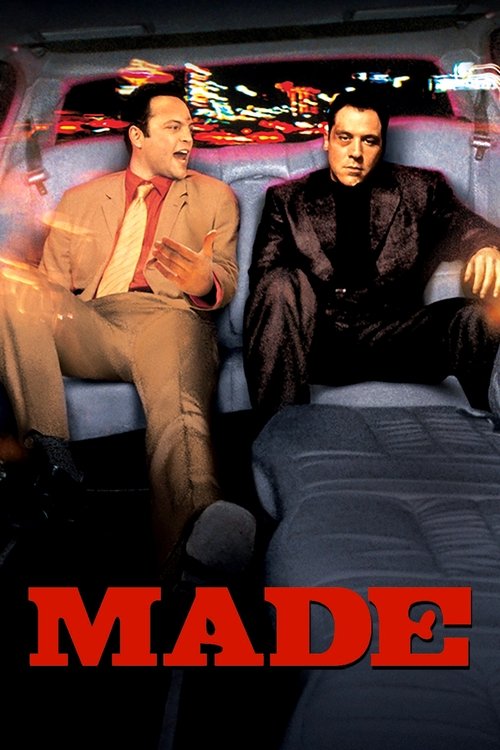
Made
2001Two aspiring boxers and lifelong friends get involved in a money-laundering scheme through a low-level organized crime group.
Favreau’s directorial debut is a lean, sharp-witted exploration of dynamic chemistry that bridges the gap between his indie writing roots and his future as a director of scale. Its brilliance lies in the claustrophobic, character-driven friction that would eventually become his signature even in his largest productions.
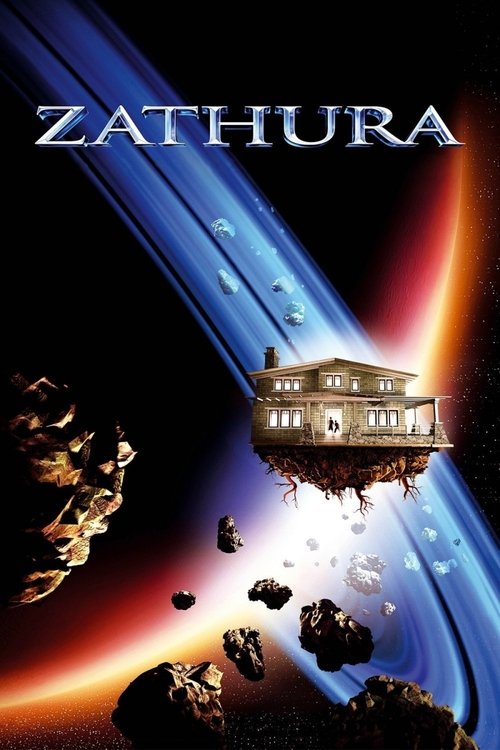
Zathura: A Space Adventure
2005After their father is called into work, two young boys, Walter and Danny, are left in the care of their teenage sister, Lisa, and told they must stay inside. Walter and Danny, who anticipate a boring day, are shocked when they begin playing Zathura, a space-themed board game, which they realize has mystical powers when their house is shot into space. With the help of an astronaut, the boys attempt to return home.
This underrated gem highlights Favreau’s proficiency with practical tension and tactile world-building before he fully transitioned into the digital frontier. He treats the cosmic peril with a grounded, Amblin-esque sincerity that elevates the genre exercise into something genuinely harrowing.
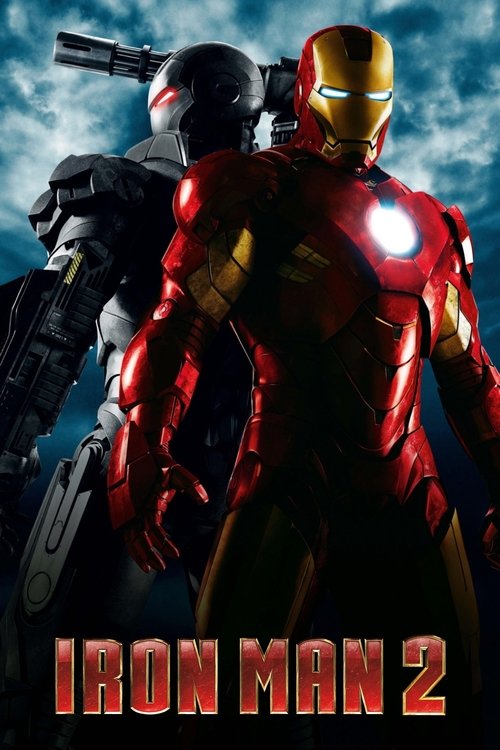
Iron Man 2
2010With the world now aware of his dual life as the armored superhero Iron Man, billionaire inventor Tony Stark faces pressure from the government, the press and the public to share his technology with the military. Unwilling to let go of his invention, Stark, with Pepper Potts and James 'Rhodey' Rhodes at his side, must forge new alliances – and confront powerful enemies.
In navigating the friction between auteurist instinct and the demands of an emerging shared universe, Favreau manages to inject a frantic, tech-noir energy into the proceedings. Even as the narrative swells under the pressure of world-building, his talent for snappy dialogue and mechanical grit remains on display.
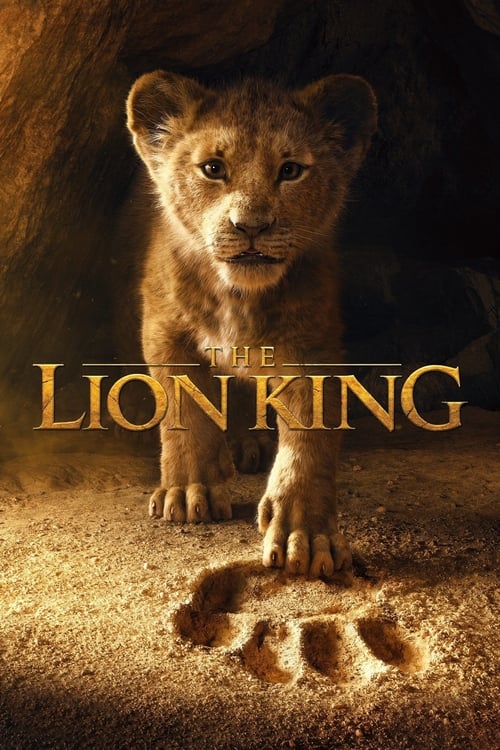
The Lion King
2019Simba idolizes his father, King Mufasa, and takes to heart his own royal destiny. But not everyone in the kingdom celebrates the new cub's arrival. Scar, Mufasa's brother—and former heir to the throne—has plans of his own. The battle for Pride Rock is ravaged with betrayal, tragedy and drama, ultimately resulting in Simba's exile. With help from a curious pair of newfound friends, Simba will have to figure out how to grow up and take back what is rightfully his.
While polarizing for its commitment to photorealistic stoicism, this ambitious experiment serves as a landmark in Favreau's obsession with the evolution of the camera. It stands as a technical manifesto, pushing the simulation of reality to its absolute, unyielding limit.
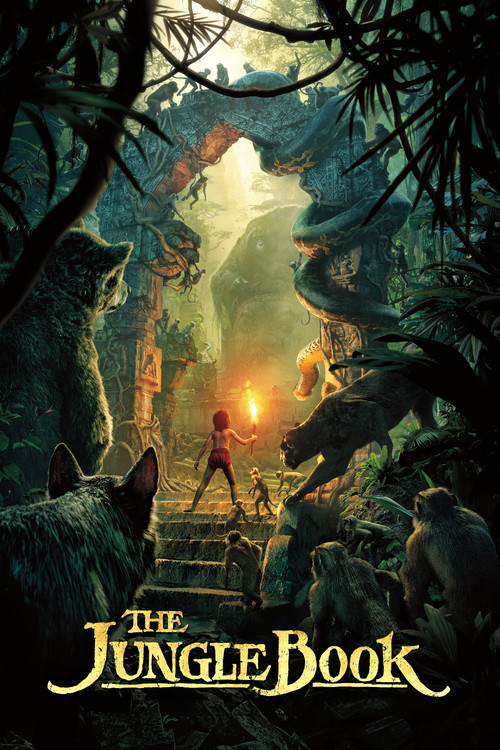
The Jungle Book
2016After a threat from the tiger Shere Khan, Mowgli, a man-cub fostered by wolves, is forced to flee the jungle, and he embarks on a journey of self-discovery with the help of the panther, Bagheera, and the free-spirited bear, Baloo.
Favreau pushed the boundaries of digital naturalism here, creating a hyper-real ecosystem that feels breathed-in rather than rendered. He successfully marries old-school adventure storytelling with cutting-edge virtual production, proving that technological innovation can still harbor a heartbeat.
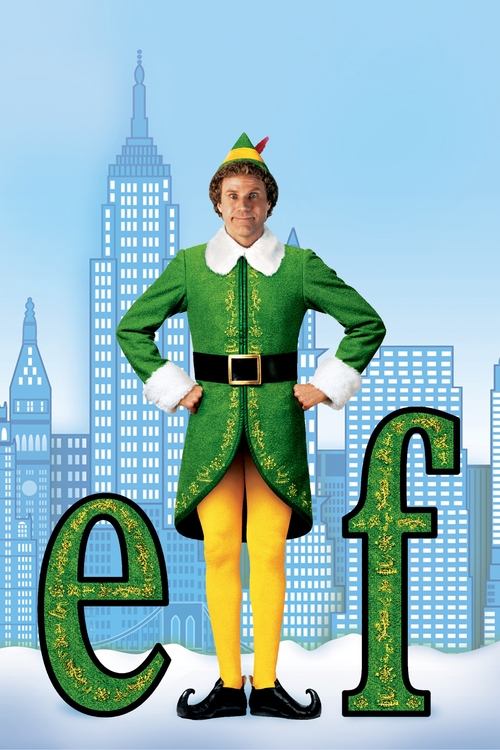
Elf
2003When young Buddy falls into Santa's gift sack on Christmas Eve, he's transported back to the North Pole and raised as a toy-making elf by Santa's helpers. But as he grows into adulthood, he can't shake the nagging feeling that he doesn't belong. Buddy vows to visit Manhattan and find his real dad, a workaholic.
By infusing a fish-out-of-water premise with the visual language of classic Rankin/Bass aesthetics, Favreau crafted a contemporary fable that avoids the bitterness of modern cynicism. It is a masterclass in tonal balance, using practical effects and sincere whimsy to secure its place as a permanent pillar of the holiday canon.
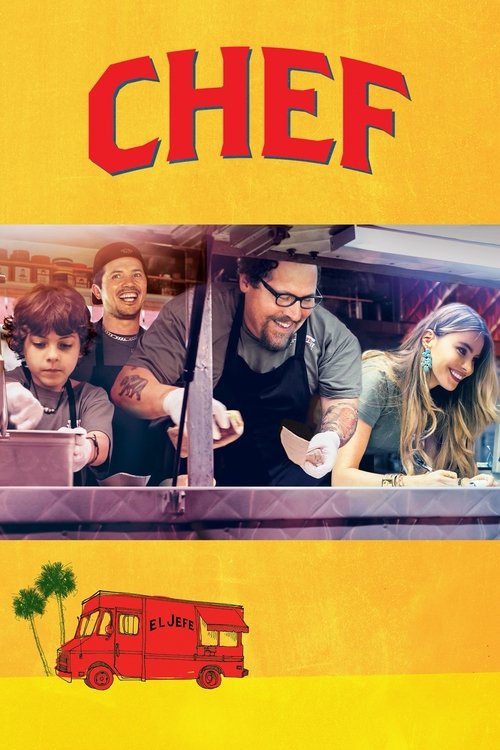
Chef
2014When Chef Carl Casper suddenly quits his job at a prominent Los Angeles restaurant after refusing to compromise his creative integrity for its controlling owner, he is left to figure out what's next. Finding himself in Miami, he teams up with his ex-wife, his friend and his son to launch a food truck. Taking to the road, Chef Carl goes back to his roots to reignite his passion for the kitchen -- and zest for life and love.
This sensory palate cleanser functions as a meta-commentary on creative autonomy, shedding the weight of studio machinery for a rhythmic, intimate study of craft. It represents Favreau at his most soulful, trading green screens for the authentic percussion of a working kitchen and the quiet dignity of a personal passion project.
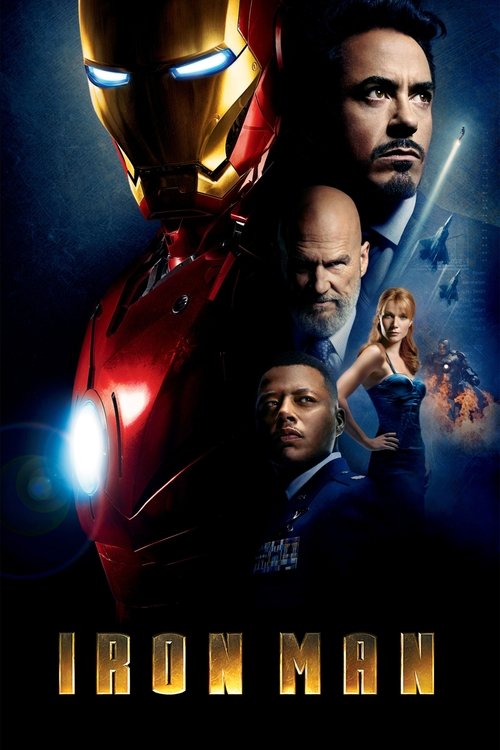
Iron Man
2008After being held captive in an Afghan cave, billionaire engineer Tony Stark creates a unique weaponized suit of armor to fight evil.
Favreau single-handedly birthed the modern cinematic monoculture by grounding high-concept superheroics in the improvisational chemistry of a character-first procedural. His decision to prioritize breezy, tactile realism over gloomy spectacle established the tonal blueprint that would define a decade of blockbuster filmmaking.
Frequently Asked Questions
Everything you need to know about this list and SnakeDrafts
- Iron Man (2008) is widely regarded as Jon Favreau's breakthrough film in the superhero genre, launching the Marvel Cinematic Universe with its blend of action, science fiction, and adventure. Favreau's direction set a new standard for superhero movies by combining cutting-edge technology with strong storytelling.
- Jon Favreau masterfully balances high-tech visual effects with heartfelt storytelling, as seen in films like The Jungle Book (2016) and The Lion King (2019). His ability to fuse innovative CGI with emotionally resonant narratives makes his projects appealing to both family audiences and critics alike.
- Favreau explores a diverse range of genres, including action, comedy, family, fantasy, and adventure. Notable examples include the comedic family film Elf (2003), the adventure-packed Zathura: A Space Adventure (2005), and the heartfelt comedy Chef (2014).
- Chef (2014) stands out as a more intimate, indie-style comedy that highlights Favreau's talent for heartfelt storytelling outside the blockbuster realm. Unlike his large-scale productions, Chef focuses on personal and culinary experiences, showcasing Favreau's versatility as a filmmaker.
- Jon Favreau has significantly influenced modern Disney adaptations by directing visually stunning reimaginings such as The Jungle Book (2016) and The Lion King (2019). His direction brings classic stories to life with groundbreaking animation technology while preserving the original's emotional core.
- Recurring themes in Jon Favreau's films include self-discovery, family bonds, and the balance between tradition and innovation. This is evident in movies like Elf, which explores family and identity, and Iron Man, where technology and personal growth intertwine.
- In films like Iron Man 2 (2010), Favreau maintains the character-driven focus and humor that made the original successful, while expanding the story's scope and visual spectacle. His sequels often enhance the world-building without losing sight of character depth.